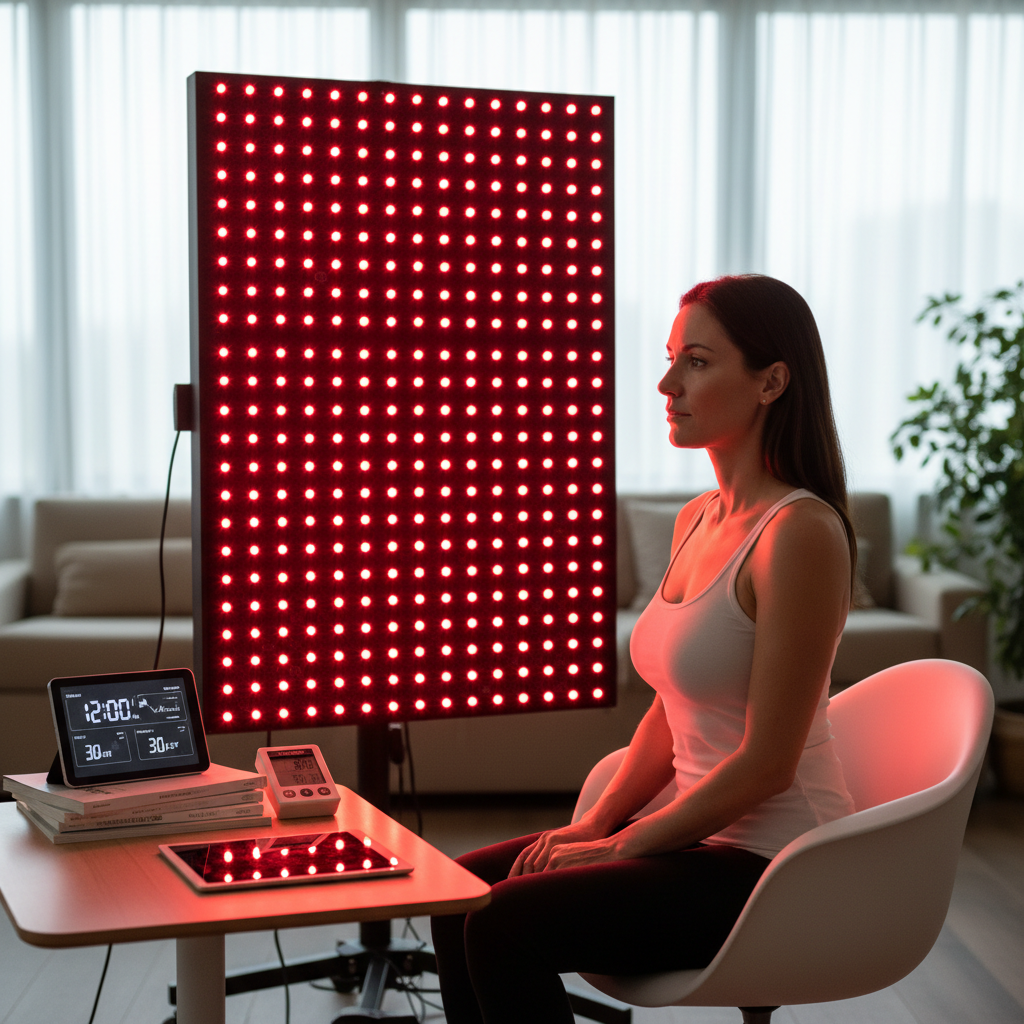

Undergoing a hair transplant represents a major investment in both time and money, so finding safe ways to support graft survival and smooth recovery is a top priority for patients. While red light therapy (also known as photobiomodulation) shows promise as an adjunctive tool in general hair restoration, its specific role after FUE or FUT procedures remains an area of ongoing study rather than proven necessity. Patients should always consult their transplant surgeon before adding any light-based therapy, as early post-operative healing is highly individualized and timing is critical to avoid interfering with graft integration.

How Red Light Therapy May Support Post-Transplant Recovery
Photobiomodulation (PBM), formerly called low-level laser therapy, is the clinical term for red and near-infrared light treatments used in hair-loss care. The mechanism involves specific wavelengths interacting with cellular components like cytochrome c oxidase, which may help improve local circulation, reduce inflammation, and support cellular energy production in the treated area.
In the context of hair transplants, these effects are theorized to potentially help minimize post-surgical shock loss, encourage faster healing of the recipient sites, and support the viability of transplanted follicles. However, as noted in evidence-based consensus documents, results are supportive rather than definitive and it should not be framed as a guaranteed outcome. The evidence base is stronger for general hair-loss support than for guaranteeing graft survival after transplant.

Recent academic literature discusses red LED photobiomodulation in dermatology, showing the topic is studied beyond consumer marketing claims. Independent sources such as this Duke University publication on PBM in dermatology provide context for the scientific interest in the field.
Clinical Evidence and Limitations for Graft Survival
Current research on red light therapy for hair transplants is limited compared to its study in androgenetic alopecia. A key evidence-based consensus on photobiomodulation highlights that while PBM has been studied as a treatment option for androgenetic alopecia, results are supportive rather than definitive.
No large-scale randomized trials specifically prove that red light therapy accelerates graft survival or prevents shock loss after transplant surgery. Instead, it is best positioned as a potential adjunct to standard post-operative care protocols, including proper wound care, medication adherence, and following surgeon instructions. Red light therapy should be presented as an adjunct to standard post-transplant care, not a substitute for surgical technique, graft handling, or surgeon instructions.
Patients researching this topic should check resources like ClinicalTrials.gov to verify whether specific photobiomodulation protocols for hair restoration are formally registered in ongoing studies.
When to Start Red Light Therapy After Hair Transplant
Timing is one of the most important and procedure-specific factors. The first 1-2 weeks after surgery are generally the most sensitive period, during which the scalp is healing and grafts are establishing blood supply. Introducing any external device or light therapy too early could risk irritation or mechanical disruption.
Most clinical sources suggest waiting until the initial healing phase has progressed and obtaining explicit clearance from your transplant surgeon. Start timing should be cleared with the transplant surgeon because early post-op scalp care is procedure-specific and healing timelines vary. Visible hair-growth benefit from PBM should be discussed on a weeks-to-months timeline, not as an immediate post-op result.
A practical approach many patients explore involves beginning gentle, low-intensity sessions around week 3 or later, using devices that deliver precise wavelengths without excessive heat. Always prioritize your surgeon's personalized guidance over general online protocols.
Illustrative Post–Hair Transplant Recovery Timeline (Weeks 1–12)
Illustrative timeline only; not medical advice. Red light therapy (RLT) is shown as a possible adjunct only after surgeon approval, not a replacement for graft care or follow-up instructions.
View chart data
| Category | Healing sensitivity | RLT may be considered* | Visible growth expectation |
|---|---|---|---|
| Week 1 | 5.0 | 0.0 | 0.0 |
| Week 2 | 4.0 | 0.0 | 0.0 |
| Week 3 | 2.0 | 2.0 | 0.0 |
| Week 4 | 1.0 | 3.0 | 1.0 |
| Week 5 | 0.0 | 3.0 | 1.0 |
| Week 6 | 0.0 | 3.0 | 2.0 |
| Week 7 | 0.0 | 3.0 | 2.0 |
| Week 8 | 0.0 | 3.0 | 3.0 |
| Week 9 | 0.0 | 3.0 | 3.0 |
| Week 10 | 0.0 | 3.0 | 4.0 |
| Week 11 | 0.0 | 3.0 | 4.0 |
| Week 12 | 0.0 | 3.0 | 5.0 |
Heuristic / illustrative structure based on common post-transplant recovery patterns: early sensitivity and graft protection in weeks 1–2, possible adjunct discussion from week 3+ only with surgeon approval, and hair growth becoming more visible over subsequent weeks to months. The chart intentionally avoids false precision and does not claim clinical effect sizes for red light therapy.
This illustrative timeline shows typical recovery phases. The early weeks focus on protecting the grafts, while later weeks see gradual improvements in appearance. Red light therapy consideration appears only after the initial healing window, always subject to medical approval.
Choosing a Credible Device for Recovery Support
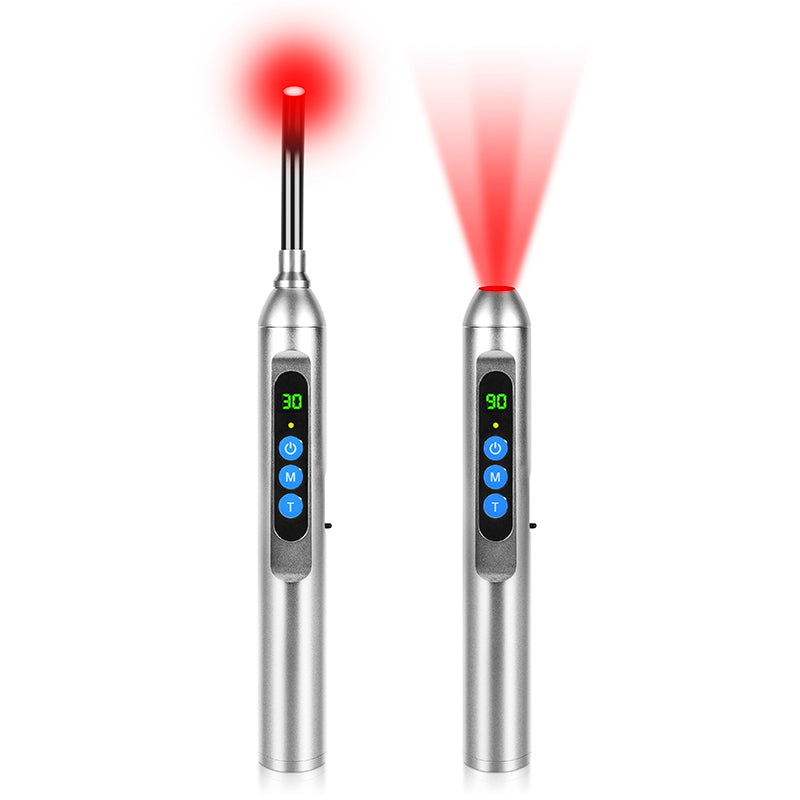
Not all red light therapy devices are suitable for post-transplant use. Key technical factors include precise wavelength delivery (typically 630-660nm for red and 810-850nm for near-infrared), appropriate irradiance levels, and low EMF output to minimize any additional stress on healing tissue. The photobiomodulation standards guide provides detailed benchmarks for irradiance measurement and safety protocols that serious users should review.
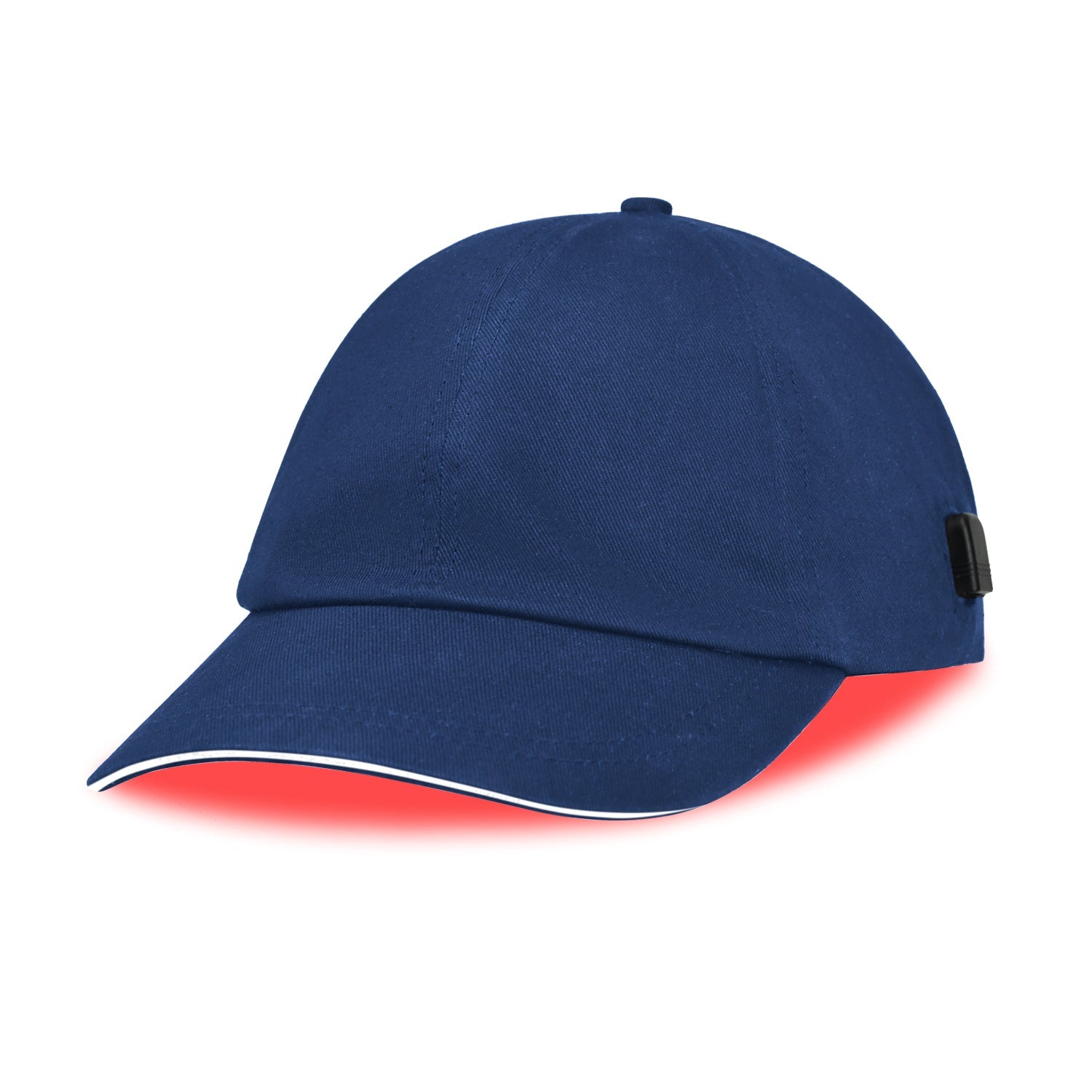
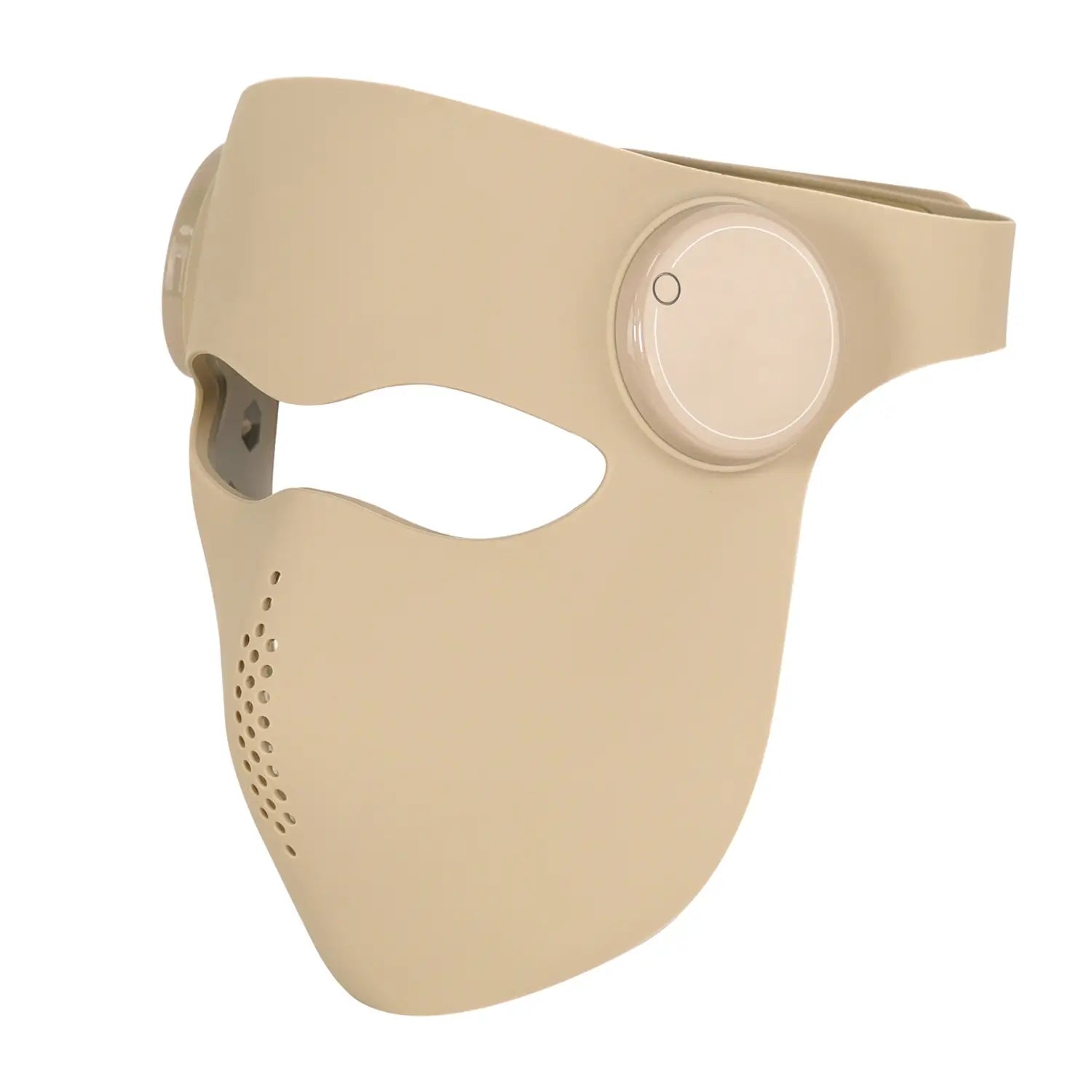
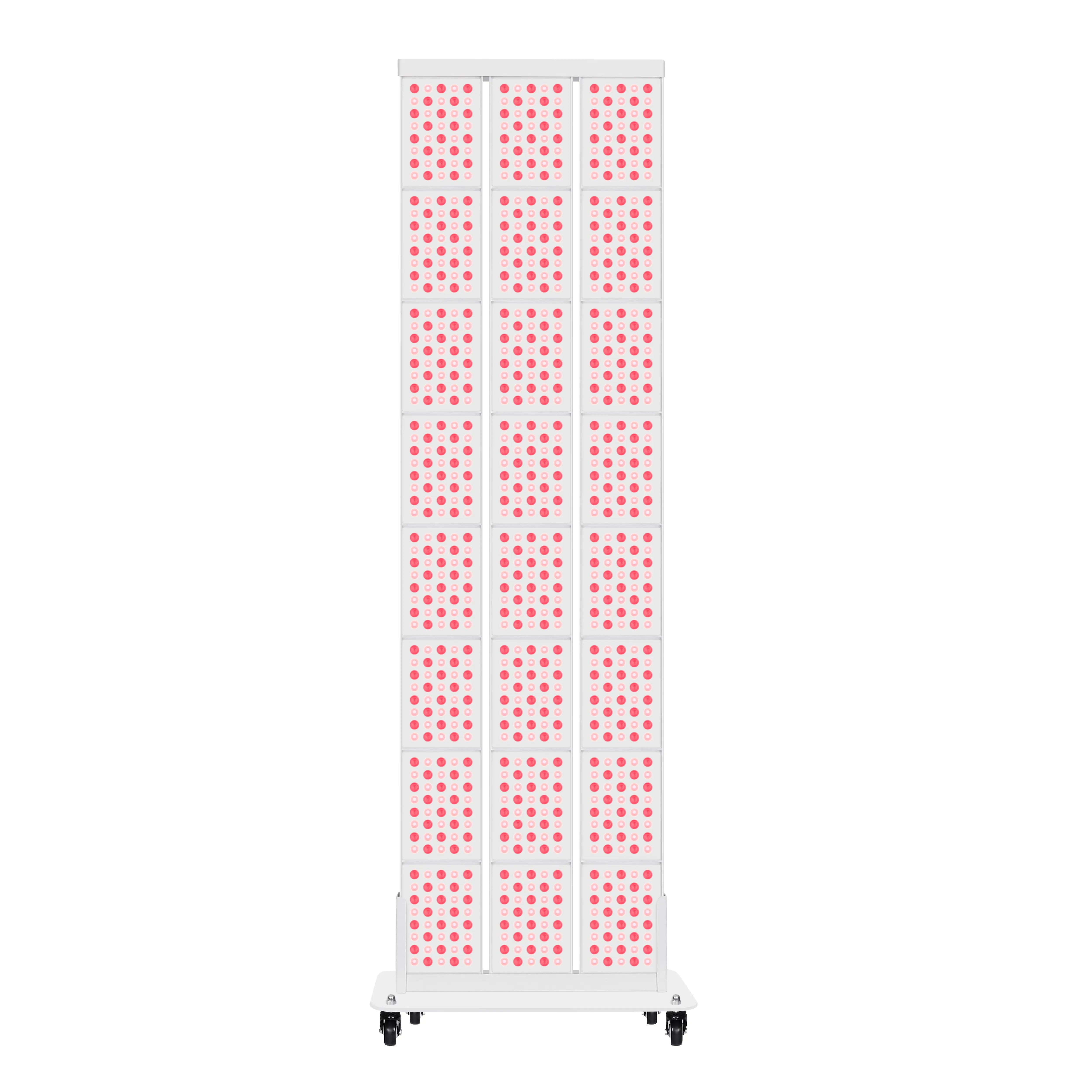
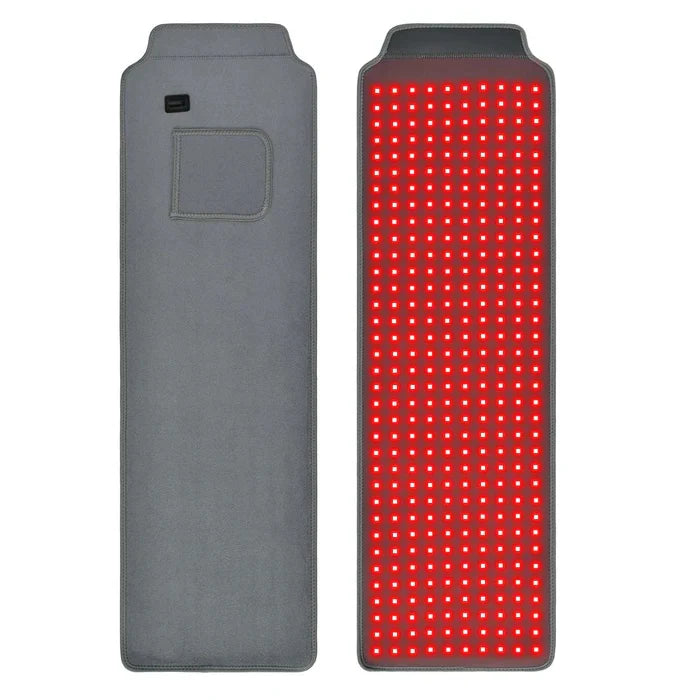
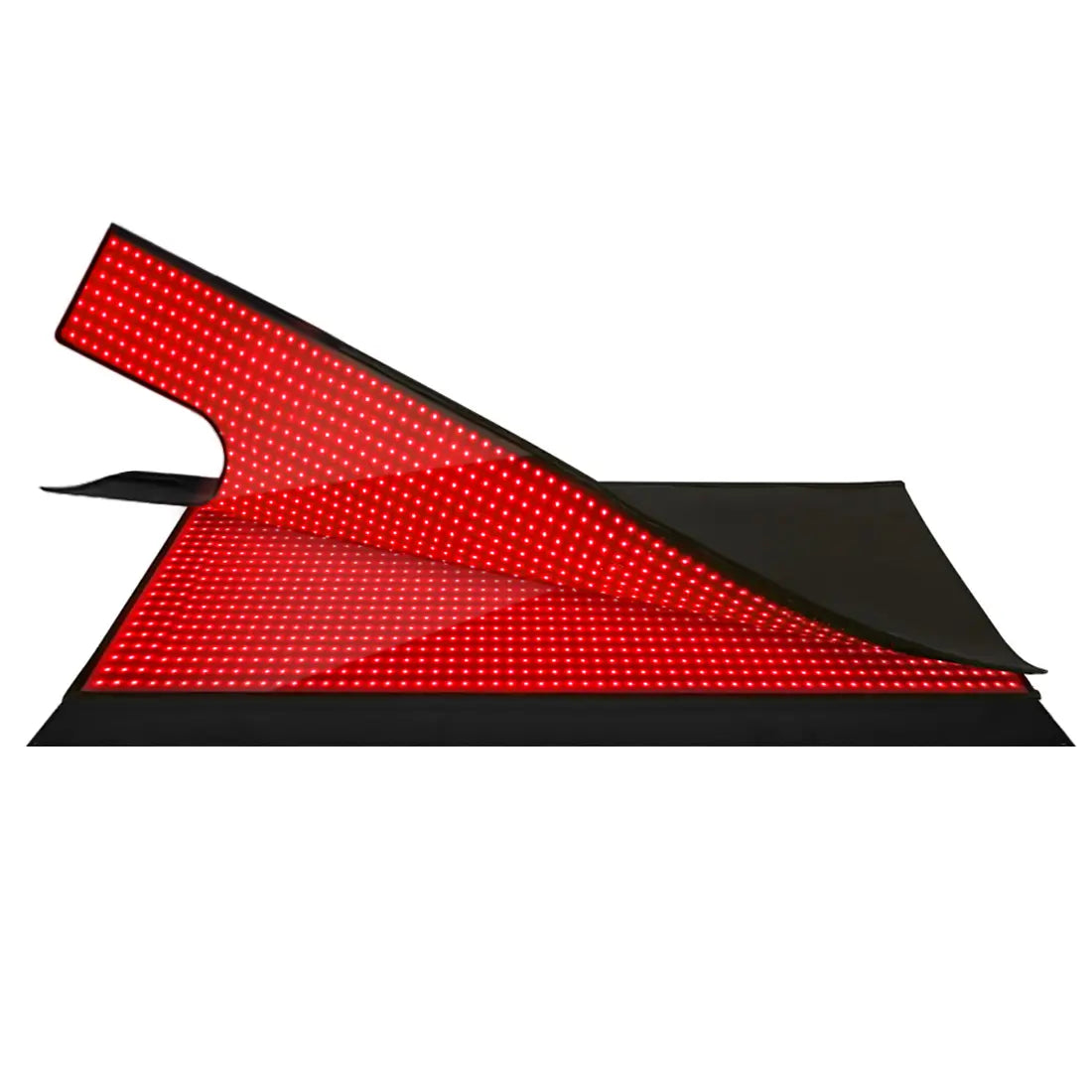
For scalp application during recovery, flexible, targeted devices such as red light therapy belts or caps designed with medical-grade specifications may offer better coverage and control compared to oversized panels. Look for devices that allow short, controlled sessions and have been designed with attention to flicker reduction and accurate dosage delivery.
When comparing options, consider how the device fits into your daily routine without requiring you to touch or press on the healing scalp. This red light therapy cap frequency guide discusses usage patterns that emphasize consistency while allowing adequate rest, which can be adapted thoughtfully for the recovery period.
Another useful comparison is this analysis of red light therapy cap versus laser comb, which highlights differences in coverage and convenience that may matter when planning long-term maintenance after initial recovery.
Practical Protocol Considerations and Safety
A cautious approach might involve sessions of 10-20 minutes, 3-5 times per week, at a comfortable distance once cleared by your doctor. Focus on gentle, non-contact application and monitor the scalp for any signs of irritation. Red light therapy is not intended to replace prescribed medications, follow-up visits, or core post-operative instructions.
For those interested in tissue recovery aspects, related research on red light therapy for hypertrophic scar softening provides additional scientific background on how photobiomodulation may influence collagen regulation and healing, though this is distinct from graft survival.
Important Safety Note: This article discusses comfort, setup considerations, and general information about photobiomodulation as an adjunctive option. It does not constitute medical advice, diagnosis, or treatment. Red light therapy is not proven to guarantee improved graft survival after hair transplant. Always follow your surgeon's specific post-operative instructions. If you experience persistent discomfort, unusual symptoms, or have pre-existing scalp conditions, consult a qualified healthcare professional promptly.
Who Might Benefit Most and When to Reconsider
Patients who have already completed the most delicate healing phase and are looking for additional supportive modalities may find value in exploring high-quality red light therapy under medical guidance. Those with a history of photosensitivity, active scalp infections, or specific surgeon restrictions should avoid self-experimentation.
The decision ultimately depends on your individual healing progress, the specific transplant technique used (FUE tends to have smaller wounds than FUT), and professional input. High-quality devices with transparent technical specifications help reduce the risk of purchasing ineffective or overly intense products.
Final Thoughts on Integrating Red Light Therapy
While red light therapy for hair transplant recovery is an intriguing area supported by broader photobiomodulation research, it should be approached with realistic expectations and professional oversight. By choosing credible devices, respecting proper timing, and integrating it as one part of a comprehensive recovery plan, patients can make informed choices to support their investment in hair restoration.
Success after a hair transplant depends primarily on surgical skill, careful graft handling, and adherence to aftercare. Any adjunctive therapy like PBM is secondary and should complement—not replace—evidence-based medical protocols.
For those interested in learning more about wavelength precision, this technical discussion on the impact of a 5 nm wavelength difference on therapeutic efficacy underscores why device quality matters in photobiomodulation applications.