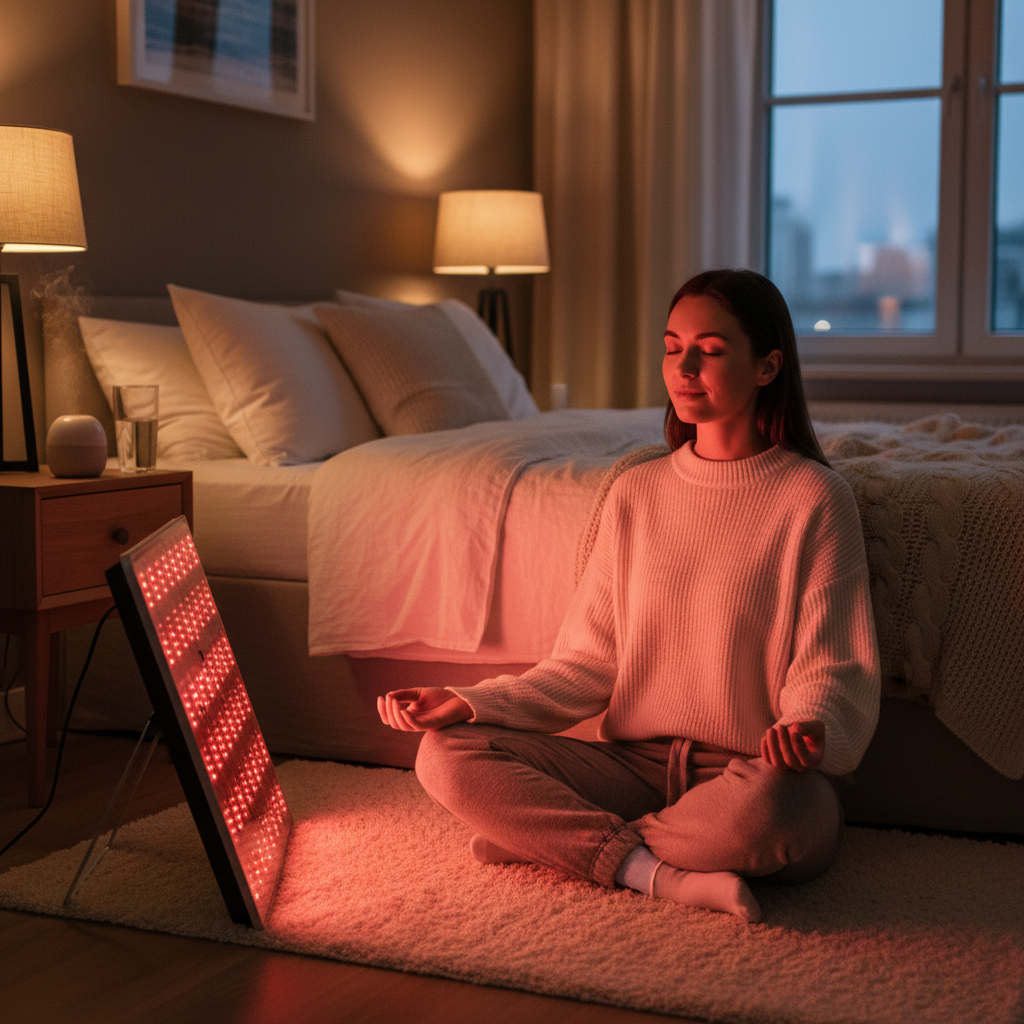
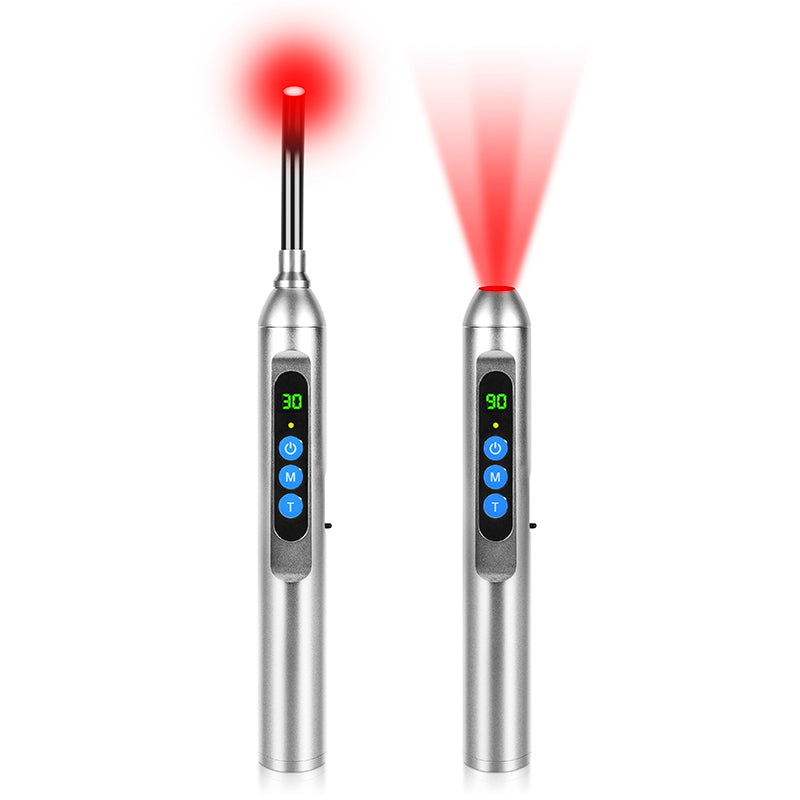

Peripheral neuropathy can cause numbness, tingling, burning, and pain, often affecting the feet and legs. Many people with these symptoms look for non-drug adjunct options to help manage daily discomfort while continuing standard medical care. Photobiomodulation (PBM), commonly called red light therapy, is an emerging approach that has been studied for neuropathic pain, though the evidence remains bounded and evolving.

Recent expert consensus has described PBM as a potentially effective option for peripheral neuropathy, but the evidence is still evolving. Studies have explored near-infrared wavelengths in the roughly 700 to 880 nm range, with specific mentions of 808 nm and 810 nm. These wavelengths are thought to reach deeper tissues that may influence inflammation, cellular energy signaling, and nerve-supportive pathways. However, clinical literature emphasizes that results are not guaranteed and PBM should not replace diagnosis, glucose control, foot care, or prescribed treatments.
Understanding Peripheral Neuropathy and Why People Seek Alternatives
Neuropathic pain and other sensory symptoms can be difficult to control without medication, which is why some people look for non-drug adjuncts. Common symptoms include numbness, tingling, burning sensations, and aching, particularly in the feet and lower legs. For those with diabetic neuropathy, reduced sensation in the feet makes daily monitoring essential.
If neuropathy has reduced foot sensation, heat exposure and skin monitoring matter because injury may be harder to notice. Official guidance stresses that new, worsening, one-sided, or weakness-associated neuropathy symptoms should be medically evaluated before trying any home therapy.
Important Safety Note: This article discusses comfort and setup considerations for red light therapy as a possible adjunct tool. It does not constitute medical advice, diagnosis, or treatment. If you have persistent symptoms, diabetes, reduced sensation, open wounds, or any new neurological changes, consult a qualified healthcare professional before use.
How Photobiomodulation May Support Nerve-Related Symptoms
PBM is hypothesized to support nerve recovery through mechanisms involving inflammation, cellular energy signaling, and nerve-supportive pathways. Research has examined its use for peripheral neuropathy and chemotherapy-related nerve issues. A 2025 review notes that 810 nm is a widely discussed PBM wavelength with clinical relevance.
Some studies have used 808 nm in neuropathic-pain protocols, but there is no single proven best wavelength for everyone. Published PBM studies on neuropathic pain have used near-infrared wavelengths in the roughly 700 to 880 nm range. These wavelengths are chosen because near-infrared light penetrates deeper than visible red light, potentially reaching nerve tissues more effectively.
Neuropathy PBM Wavelength Evidence Fit
Illustrative alignment only: based on cited PBM study wavelength ranges, not clinical trial efficacy data.
View chart data
| Category | Evidence Alignment |
|---|---|
| Weak Fit (outside 700–880 nm) | 1.0 |
| Plausible Range (700–880 nm) | 3.0 |
| Most Referenced (around 808–810 nm) | 2.0 |
evidence alignment visualization based on cited PBM study ranges, not clinical trial data; illustrative/heuristic scoring only.
This chart provides an illustrative view of how device wavelengths align with the ranges mentioned in PBM neuropathy research. Devices outside the 700–880 nm band have weaker evidence alignment for this specific use case, while those near 808–810 nm fall within the most frequently discussed window. Always verify actual device specifications with spectroradiometer data rather than unverified claims.

Practical Home Use: Foot Pads, Mats, and Targeted Pads
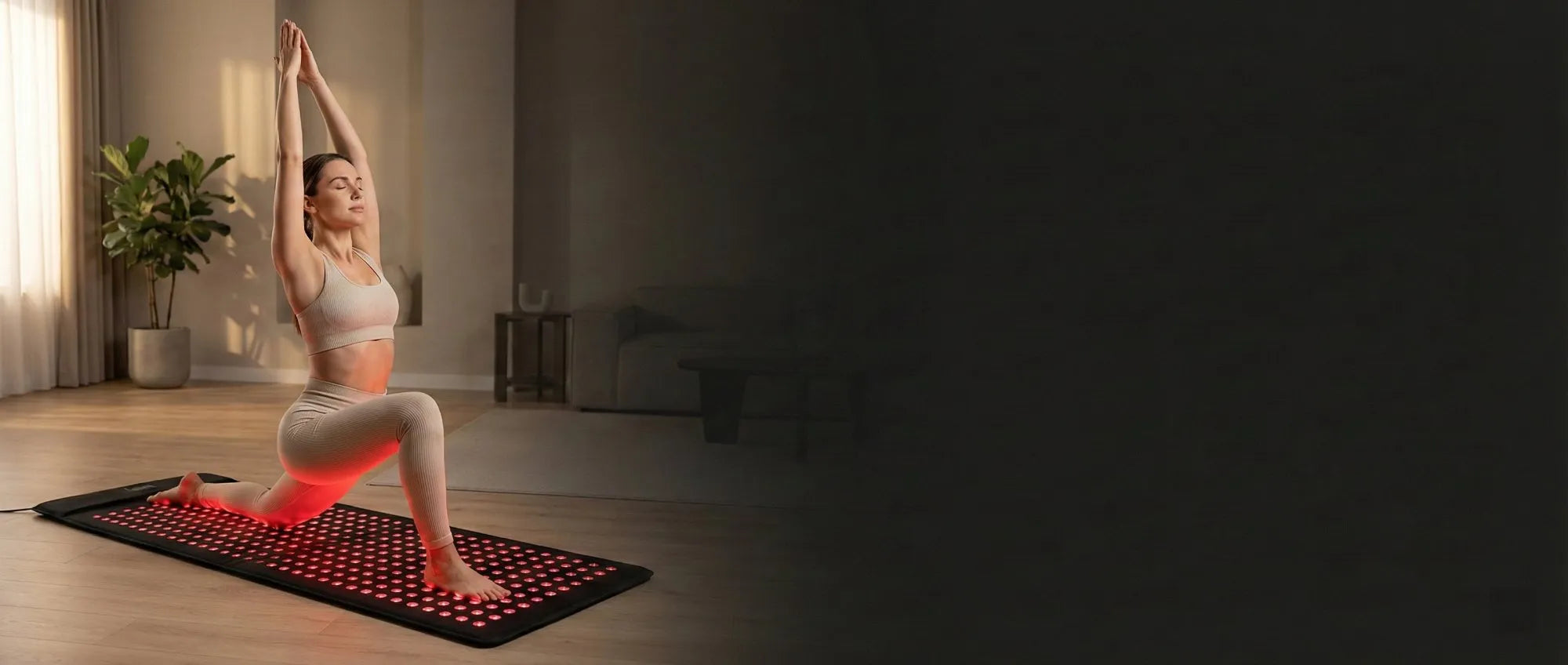
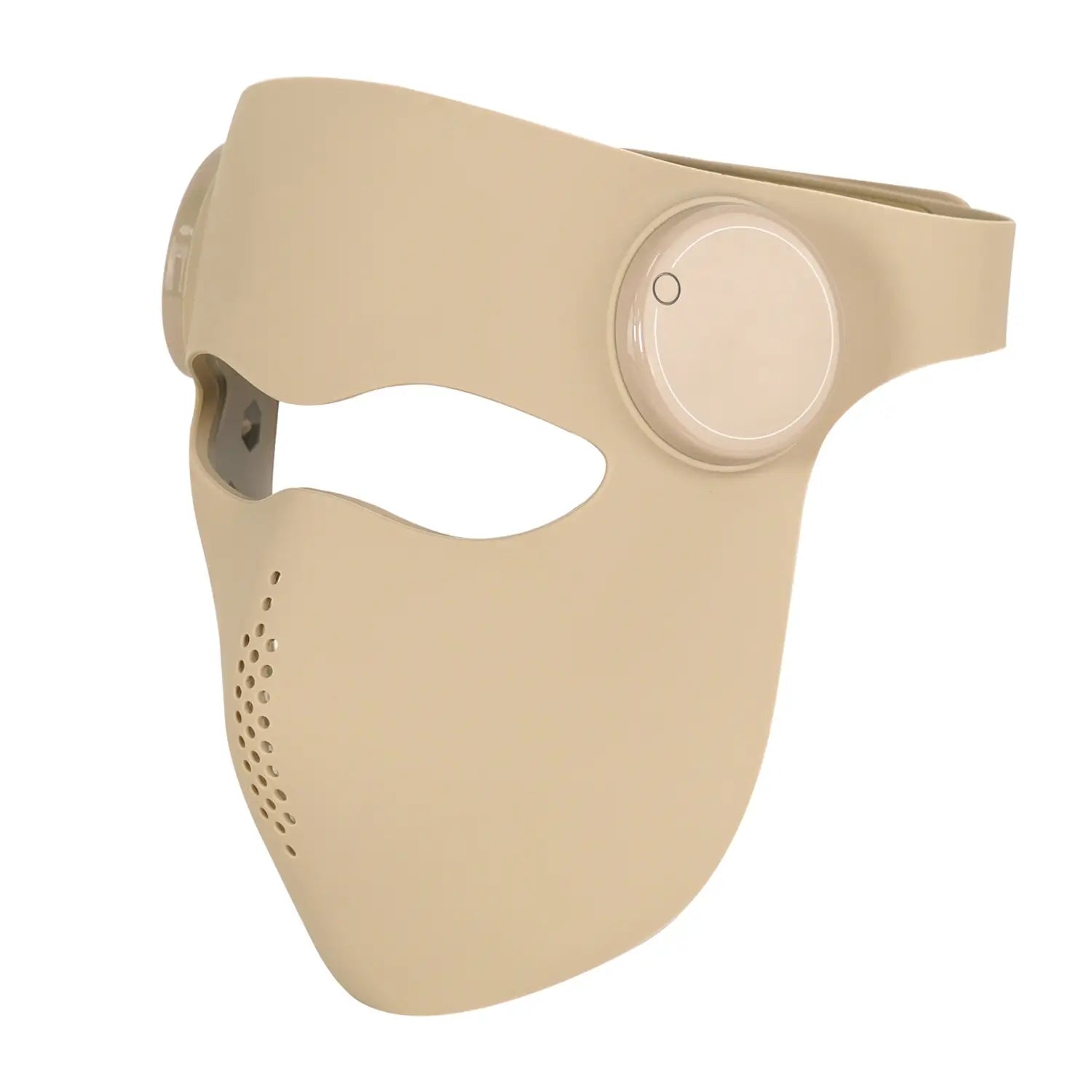
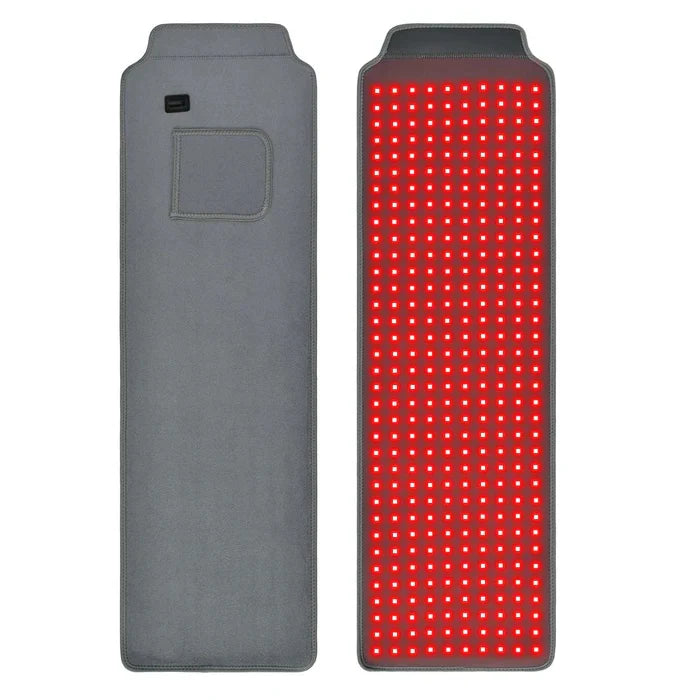
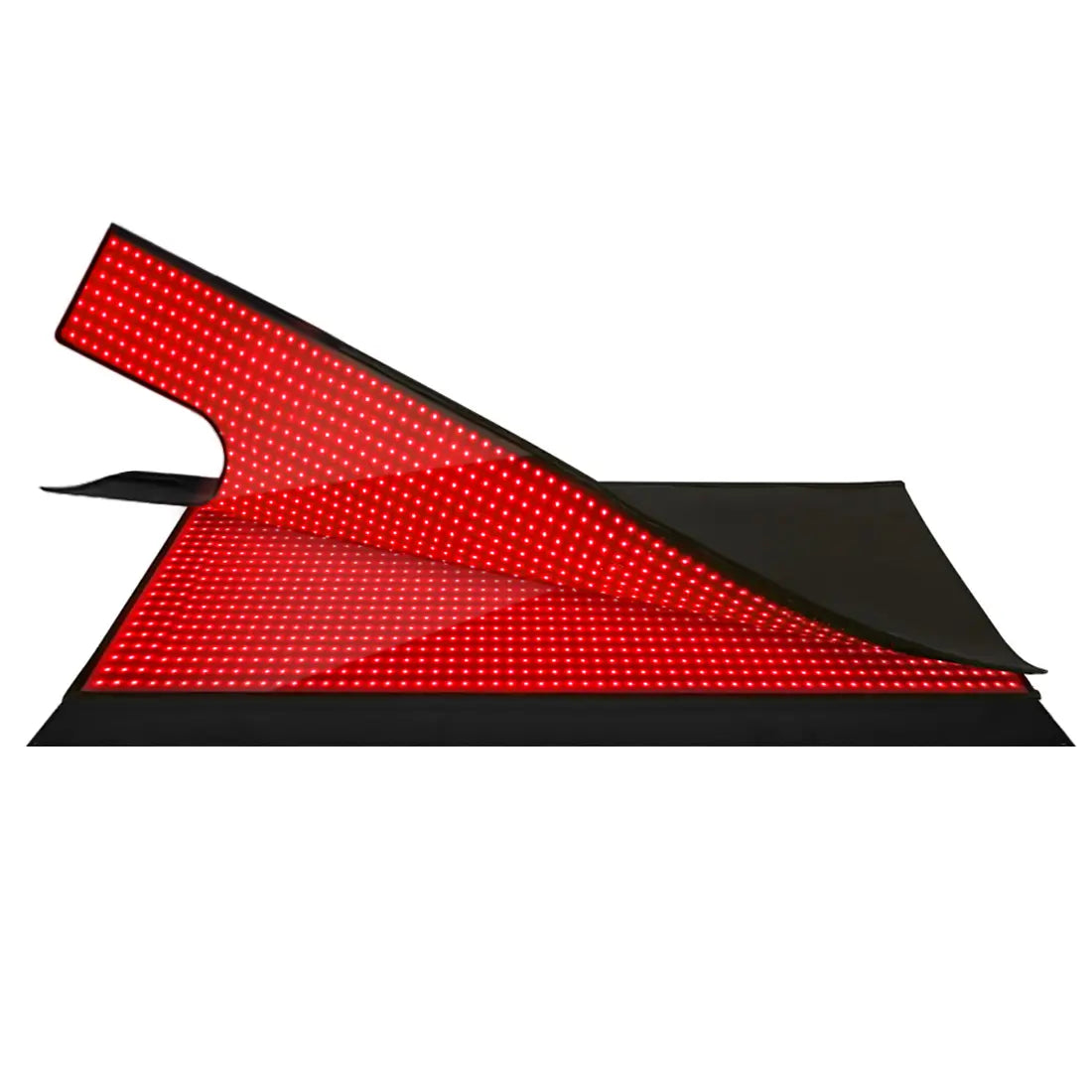
A red light therapy foot pad or mat allows convenient at-home application for lower extremity symptoms. Place the device directly on clean, dry skin of the feet or lower legs. Many users target nighttime burning or post-activity flare-ups when symptoms tend to intensify.
For best light contact, use on bare skin. Studies suggest sessions typically last 10–20 minutes, though exact timing should follow your specific device's irradiance guidelines to stay within safe energy delivery (Joules/cm²). Start with shorter sessions and monitor skin response carefully.
When sensation is reduced, check the skin before and after each session for any signs of warmth or irritation that you might not feel. Home use for neuropathy should be cautious, with frequent skin checks and conservative exposure times.
Recommended Protocols and Frequency
Consistency matters more than intensity for most photobiomodulation applications. A common starting approach is 3–5 sessions per week, each lasting 10–20 minutes per area, using a device that delivers appropriate irradiance. Adjust based on how your body responds and always stay below levels that cause discomfort.
Combine foot pad use with standard diabetic foot care routines. This includes daily visual inspection, proper footwear, and blood sugar management. Photobiomodulation is studied as an adjunct, not a standalone solution.
Comparing Devices for Neuropathy-Focused Use
When evaluating red light therapy devices, prioritize those that clearly disclose wavelengths in the 700–880 nm range and provide third-party irradiance measurements at treatment distance. Avoid products relying on vague marketing claims or solar-meter readings that can inflate numbers.
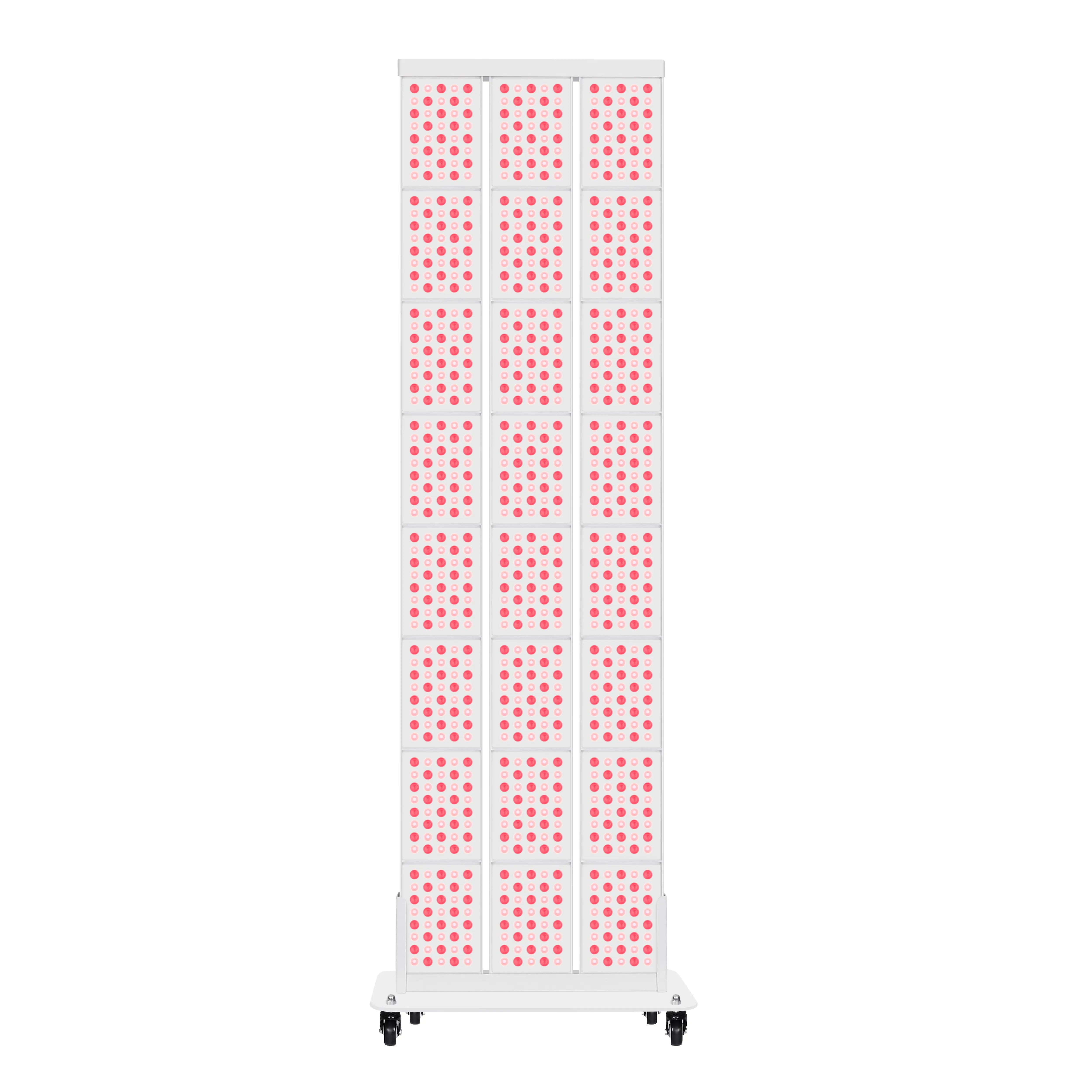
Look for clinical-grade construction with low EMF and flicker if you plan daily use. A targeted foot pad or flexible pad often suits localized neuropathy better than full-body panels for daily foot routines. Compare power density, wavelength precision, and warranty rather than price alone.
As this official throw-ratio guide explains, understanding your specific neuropathy type helps set realistic expectations before investing in any device.
Safety Considerations and When to Avoid Use
Do not buy or use a red light therapy device for neuropathy if:
- Symptoms are new, rapidly worsening, one-sided, or accompanied by weakness, gait changes, or other red flags.
- You have diabetes with markedly reduced foot sensation unless cleared by a clinician.
- The treatment area is too numb to reliably detect warmth or irritation.
- There are open wounds, infections, or suspected circulation problems.
- You expect guaranteed nerve regeneration or complete symptom resolution.
Peripheral neuropathy symptoms can overlap with serious underlying disease, so new, worsening, one-sided, or weakness-associated symptoms should be medically evaluated. For people with diabetes, regular foot checks remain essential even when using light therapy.
Medical Disclaimer: Red light therapy may feel more comfortable in some setups depending on room conditions and device quality. It is not proven to significantly reduce symptoms or regenerate nerves for everyone. This article only discusses comfort and setup advice; it does not replace professional medical care. Consult your doctor before starting, especially if you have existing conditions, take medications that increase light sensitivity, or experience persistent discomfort.
Setting Realistic Expectations
Myth: Red light therapy repairs nerves and cures neuropathy. Reality: The current evidence is bounded, so it should be described as a possible supportive therapy, not a proven regeneration treatment.
Myth: There is one best wavelength for neuropathy. Reality: The evidence does not support a single best wavelength claim, so any wavelength guidance should be presented cautiously.
Myth: It is safe to try anywhere because it is noninvasive. Reality: It should be used with medical care, and extra caution is needed when sensation is reduced.
The strongest fit appears to be cautious, adjunctive use by someone who already works with a healthcare provider, follows consistent protocols, and maintains realistic expectations for symptom support rather than cure. Weaker fit occurs when someone expects fast reversal, uses it as a replacement for medical care, or has unevaluated diabetic foot concerns.
Final Checklist Before Starting
Before beginning red light therapy for neuropathy symptoms, complete these steps:
- Get symptoms evaluated by a healthcare professional to rule out treatable causes.
- Confirm your chosen device emits wavelengths in the 700–880 nm range with verified irradiance.
- Start with short sessions and always inspect skin before and after use.
- Continue all prescribed treatments, foot care, and blood sugar management.
- Track symptoms over 4–6 weeks in a simple journal to assess personal response.
- Stop immediately and seek medical advice if you notice any skin changes, increased pain, or new symptoms.
Many users integrate red light therapy into evening routines to address nighttime discomfort. Pairing it with gentle stretching or elevation may enhance overall comfort. Remember that individual results vary widely based on the underlying cause of neuropathy, device specifications, and consistency of use.
For those exploring photobiomodulation further, our guide on Photobiomodulation Standards: Irradiance, EMF, and Safety provides technical benchmarks for safe and effective home use.
Red light therapy for neuropathy remains an area of active research. Approach it as one possible component of a broader management plan rather than a standalone solution. By maintaining cautious expectations and prioritizing safety, you can make an informed decision about whether this approach fits your personal needs.