
The Master Guide to Red Light Therapy for Skin Conditions
Red light therapy, also known as photobiomodulation (PBM), offers a non-invasive option that may help manage certain skin conditions by reducing inflammation and supporting tissue repair. While evidence varies by condition and is not a cure-all, clinical reviews show promising results particularly for inflammatory concerns such as acne when used consistently as an adjunct to professional care.

What Is Red Light Therapy and Photobiomodulation?
Photobiomodulation is a nonthermal, noninvasive light treatment that uses red and near-infrared light. As explained in this JADA Foundational Science article, it employs nonionizing light sources including lasers and LEDs in the visible and near-infrared range.
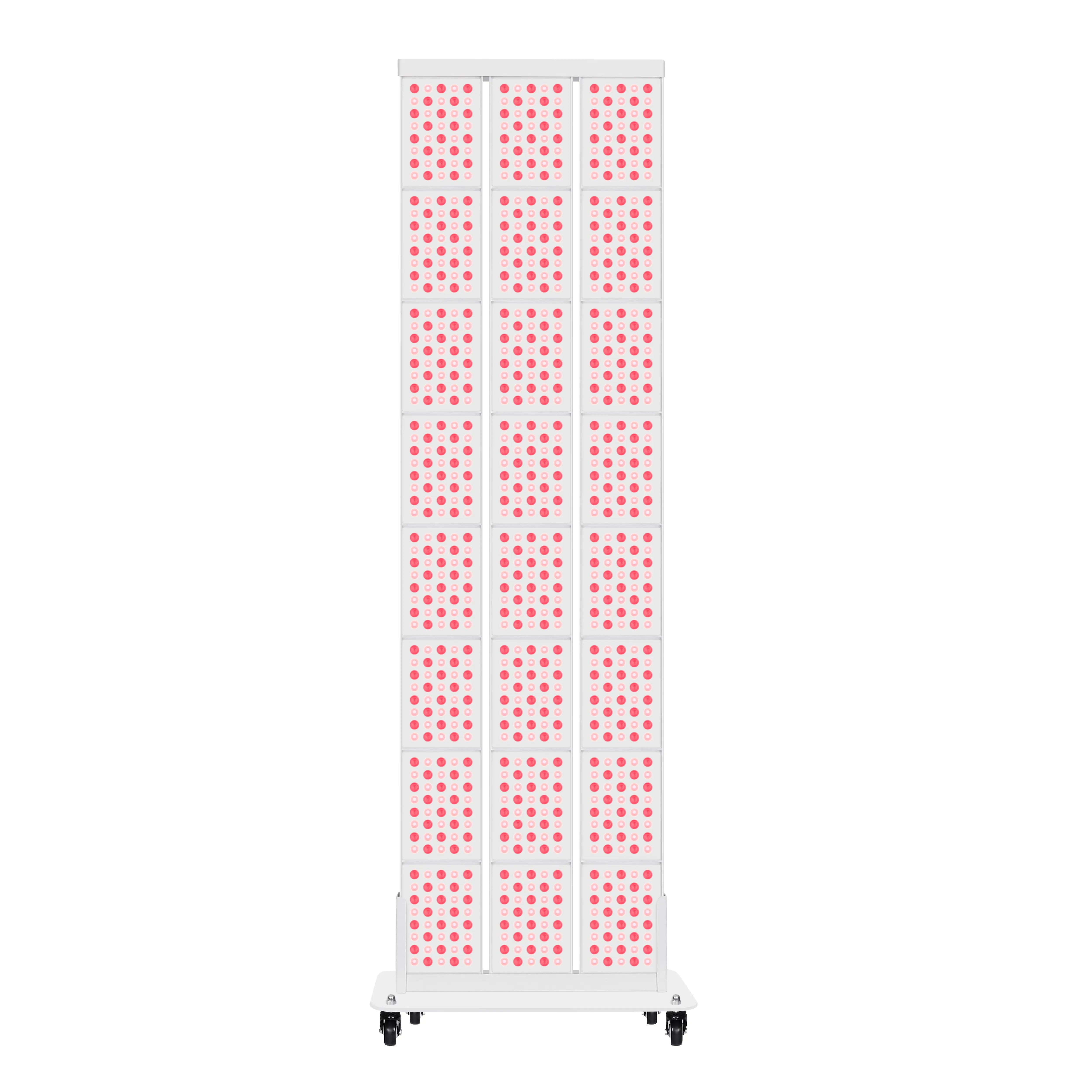
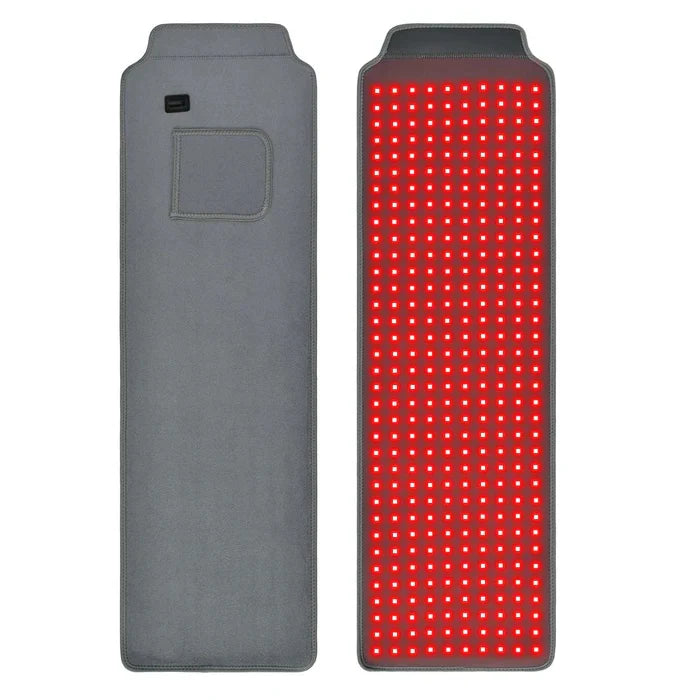
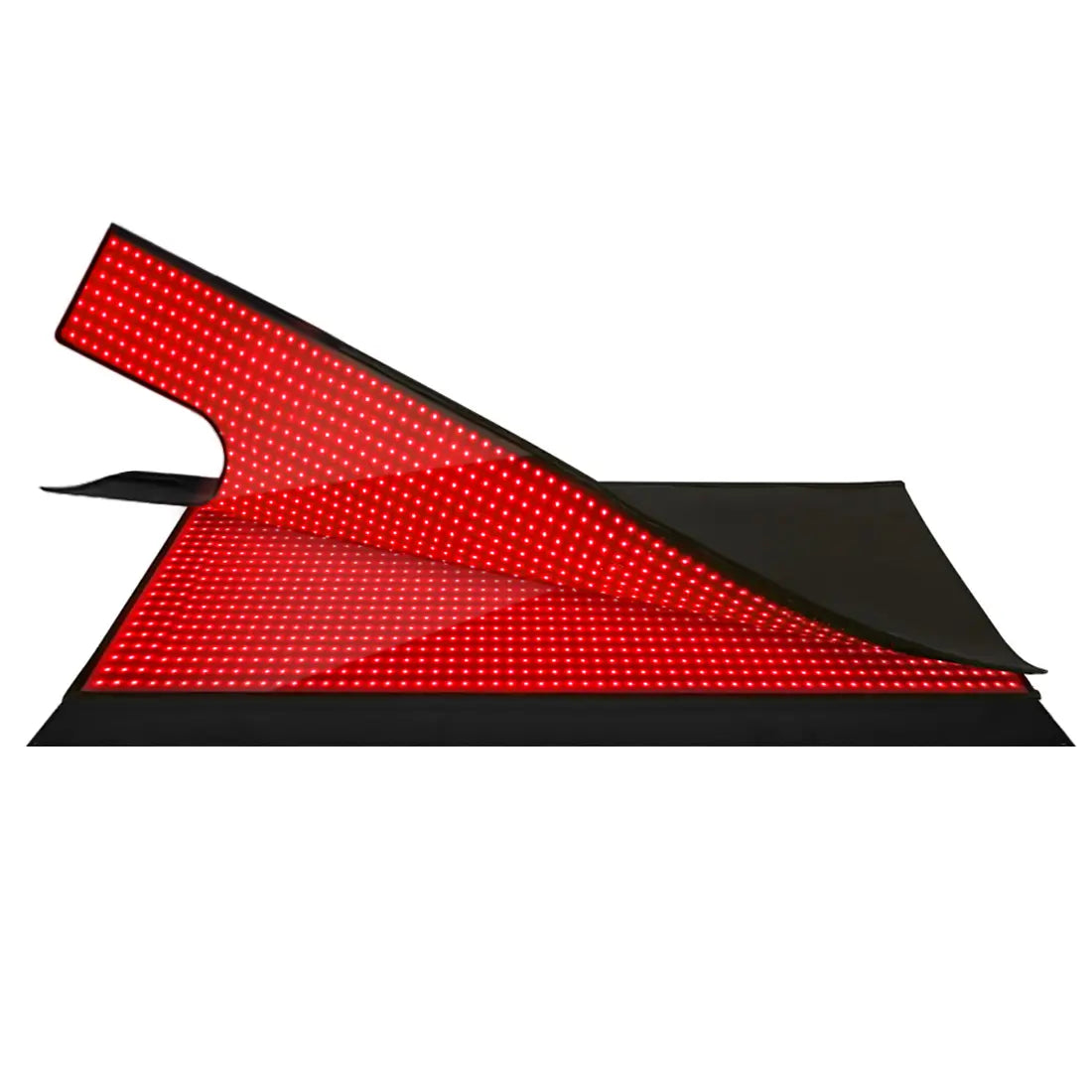
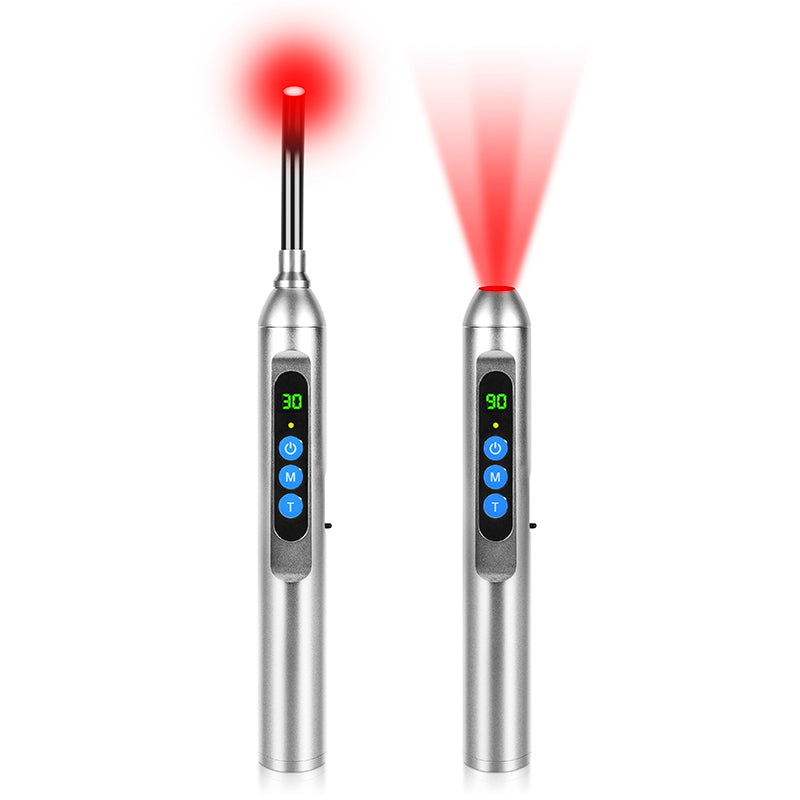
Unlike photodynamic therapy that relies on photosensitizing agents, standard red light therapy devices emit red or near-infrared light aimed at the skin and are often discussed as a noninvasive option for inflammation-related skin concerns. Harvard Health notes that these devices are commonly explored in skincare contexts for their potential to stimulate healing without damaging tissue.
How Red Light Therapy Works for Skin Conditions
Red and near-infrared light are used in PBM to help stimulate healing and reduce inflammation. Research published in PMC highlights mechanisms that include reduced inflammation, immune modulation, and support for tissue repair.
The light is thought to interact with cellular mitochondria, increasing energy production (ATP) and modulating reactive oxygen species. This can lead to downstream effects such as better collagen production, reduced inflammatory cytokines, and improved microcirculation. However, these are reported mechanisms; individual outcomes depend heavily on wavelength, irradiance, treatment duration, and skin type.
Human-skin safety data suggest that response can vary by skin type and dose, so device settings matter. Professional dermatology literature continues to work toward clearer clinical consensus on optimal protocols.

Evidence Strength Across Common Skin Conditions
Evidence for photobiomodulation varies by condition, and dermatology use should be discussed condition by condition rather than as a universal treatment. The following assessments are based on the consistency of research findings and the frequency with which these indications appear in clinical reviews.
Illustrative Evidence Strength and Typical Use Intensity of Red Light Therapy by Skin Condition
Illustrative only: relative evidence strength and typical treatment intensity summarized from reviews and clinical overviews; not a treatment recommendation.
View chart data
| Category | Evidence strength (1-5) | Typical sessions (illustrative) | Typical dose per session (J/cm², illustrative) |
|---|---|---|---|
| Acne | 4.0 | 12.0 | 20.0 |
| Rosacea | 3.0 | 10.0 | 15.0 |
| Psoriasis | 3.0 | 12.0 | 12.0 |
| Vitiligo | 2.0 | 18.0 | 10.0 |
| Melasma | 2.0 | 8.0 | 8.0 |
| Stretch marks | 1.0 | 8.0 | 6.0 |
Illustrative synthesis from review-level dermatology overviews and summary articles (e.g., PMC systematic review of LED therapy in dermatology; dermatology clinic overviews). Values are bounded heuristic estimates for article orientation, not pooled clinical effect sizes. Higher evidence scores indicate greater support/suitability, especially for inflammatory conditions; lower scores reflect less certain or more heterogeneous evidence.
Acne and Inflammatory Lesions (High Evidence Consistency)
- Evidence Type: Primarily small-to-medium Randomized Controlled Trials (RCTs) and systematic reviews.
- Primary Metrics: Reduction in inflammatory lesion count and sebum gland activity.
- Uncertainties: Long-term remission rates compared to systemic antibiotics remain less documented.
Rosacea and Redness-Prone Skin (Moderate Evidence Consistency)
- Evidence Type: Pilot studies and clinical case series.
- Primary Metrics: Reduction in erythema (redness) index and patient-reported skin sensitivity.
- Uncertainties: Risk of heat-triggered flushing if the device irradiance is too high or the session is too long.
Psoriasis (Low-to-Moderate Evidence Consistency)
- Evidence Type: Mixed findings in small clinical cohorts; often studied as an adjunct to UV therapy.
- Primary Metrics: Plaque thickness and scaling reduction.
- Uncertainties: High heterogeneity in study protocols makes a "standard" dose difficult to define.
Melasma and Hyperpigmentation (Low/Cautionary Evidence)
- Evidence Type: Conflicting reports in dermatological literature.
- Primary Metrics: Melanin index and pigment density.
- Uncertainties: Significant risk of worsening pigmentation if the light source generates heat or if the individual has high photosensitivity. Professional assessment is essential here.
Stretch Marks and Scarring (Emerging Evidence)
- Evidence Type: Early-stage clinical observations and mechanism-based studies.
- Primary Metrics: Collagen density and scar texture scores.
- Uncertainties: Results are highly dependent on the "age" of the scar; older, white scars (striae alba) show less response than newer, red marks.
Realistic Expectations and Treatment Timelines
The following parameters are illustrative of common research protocols and do not constitute a clinical prescription or device-specific instruction. Individual requirements vary significantly based on device power, skin sensitivity, and the specific condition being addressed.
- Commonly Studied Timeframe: Most research showing measurable benefit involves consistent use over 4–12 weeks.
- Frequency Range: Studies often utilize 2–5 sessions per week, depending on the irradiance (power) of the light source.
- Observation Window: Visible changes, when they occur, often appear gradually as reduced redness or smoother texture rather than an overnight "fix."
Dose (measured in Joules per cm²), wavelength (commonly 630–660 nm red and 810–850 nm near-infrared), and irradiance all influence outcomes. Professional devices in clinical settings typically deliver higher controlled doses than many at-home units. Always prioritize the manufacturer's specific guidelines and your clinician's advice.
Comparing Red Light Therapy to Other Dermatology Options
Red light therapy is generally gentler and non-ablative compared to chemical peels or laser resurfacing. However, it is rarely a standalone replacement for medical-grade treatments.
Scenario Quick-Check Table (Non-Prescriptive)
| Skin Scenario | Primary Approach | Role of Red Light Therapy (PBM) |
|---|---|---|
| Mild/Moderate Acne | Topical retinoids/benzoyl peroxide | Supportive: May reduce inflammation and speed healing of active spots. |
| Severe/Cystic Acne | Prescription systemic medication | Secondary: Only used under doctor supervision to avoid interfering with medication. |
| Chronic Redness | Identifying triggers/Barrier repair | Adjunct: May help calm reactive skin when used at low, non-thermal doses. |
| New Pigmentation/Moles | Professional Dermatologist Mapping | Avoid: Do not use PBM on undiagnosed spots or suspicious lesions. |
| Post-Procedure Healing | Clinical aftercare protocols | Recovery Support: Often used to reduce downtime after professional peels or lasers. |
Safety, Contraindications, and Best Practices
Red light therapy is generally well-tolerated, but safety considerations are important. People taking photosensitizing medications (such as certain antibiotics or isotretinoin) may need to avoid treatment or get clinician clearance first. Clinical trial protocols for red light phototherapy commonly exclude participants on such medications.
Eye protection is essential during facial treatments to prevent potential retinal strain. Those who are pregnant should consult their physician. For persistent, severe, or unexplained skin problems, red light therapy should be positioned as an adjunct, not a replacement for dermatologist-led diagnosis.
This article only discusses comfort and setup advice related to red light therapy. It does not constitute medical advice, diagnosis, or treatment. If you experience persistent discomfort, worsening symptoms, or have existing eye conditions or skin disorders, consult qualified healthcare professionals before starting any light therapy regimen.
Practical Checklist Before Starting
- Confirm your skin condition with a dermatologist, especially if symptoms are new, worsening, or severe.
- Review current medications for photosensitizing agents (check labels for "avoid sunlight/UV").
- Choose a device with documented wavelengths (typically 630–850 nm) and verifiable irradiance measured by laboratory-grade equipment.
- Start with a "patch test": Use a shorter session and lower dose on a small area to assess skin response.
- Maintain consistency: Most protocols involve several sessions per week for 6–12 weeks; sporadic use rarely yields results.
- Track progress with photos under consistent lighting to objectively monitor changes.
- Protect your eyes and follow all device safety instructions regarding distance and duration.
When used responsibly within evidence-informed parameters, red light therapy can be a helpful addition to a comprehensive skincare approach. Outcomes depend on the specific condition, individual biology, device characteristics, and treatment adherence. For personalized guidance, work with a qualified dermatologist who understands photobiomodulation applications.