
Red Light Therapy vs. Jet Lag: Setting Realistic Expectations
Traveling across time zones often leaves high-performing professionals and athletes battling fatigue, brain fog, and disrupted sleep. While timed bright light exposure remains the gold-standard approach for resetting your internal clock, many travelers now carry portable red light therapy (RLT) devices as a recovery "sidekick."

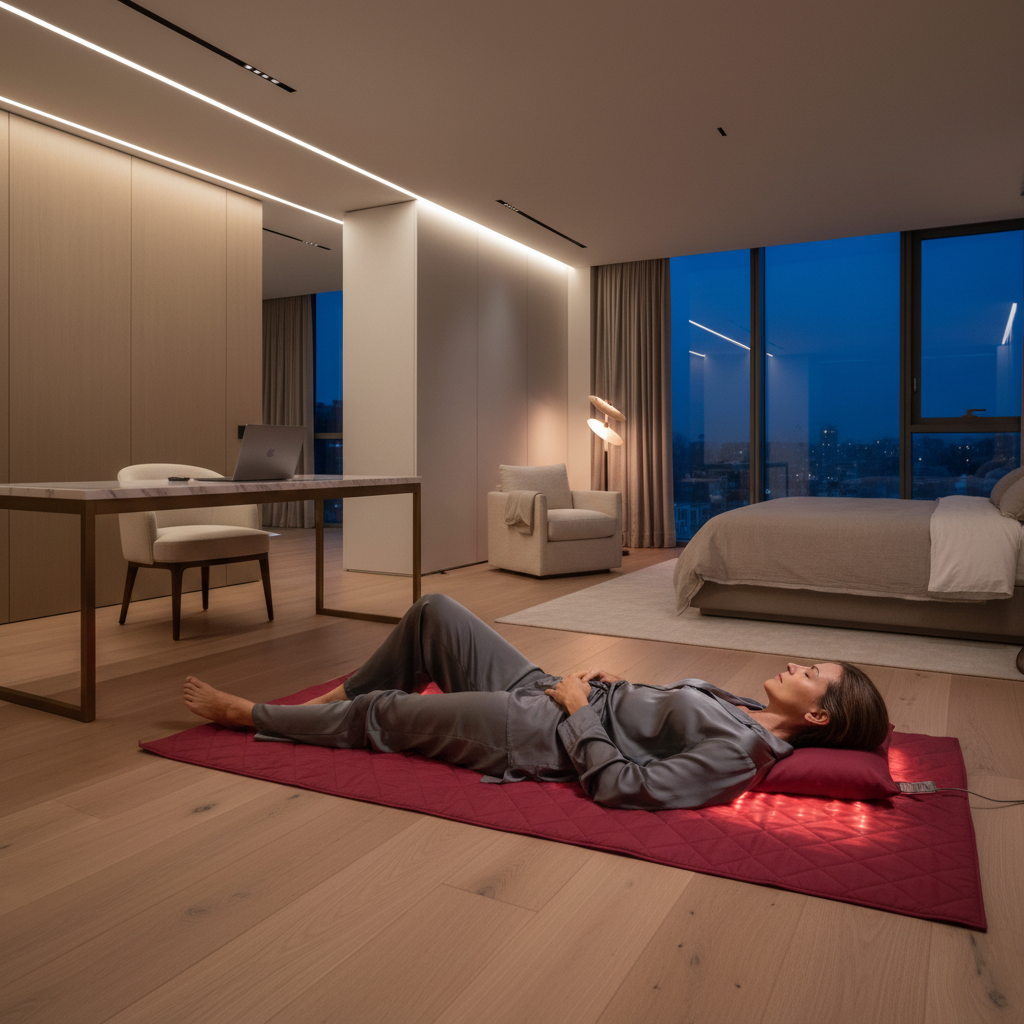
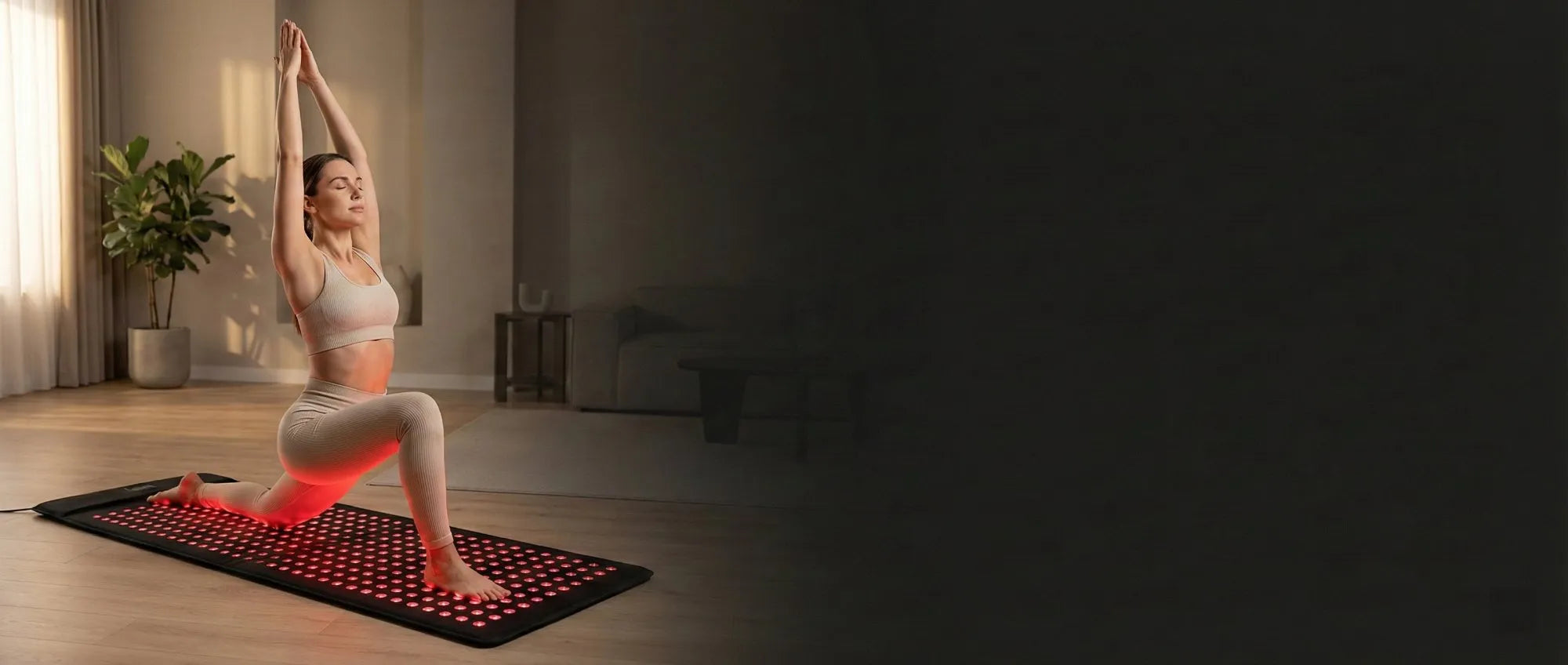
Compact RLT panels are easy to pack and require no complex setup, making them a low-friction ritual for hotel rooms or long layovers. However, it is vital to distinguish between circadian resetting and systemic recovery. Red light therapy is a supportive tool for relaxation and cellular health; it is not a direct substitute for the specific bright-light timing protocols recommended by sleep medicine experts.
The Science of Light and Your Internal Clock
Jet lag occurs when your internal circadian rhythm—the 24-hour cycle regulating sleep, hormones, and alertness—is out of sync with local time. According to the CDC Yellow Book, this misalignment can hamper cognitive performance and physical recovery for several days.
Light is the primary "zeitgeber" (time-giver) that tells your brain when to be alert. The American Academy of Sleep Medicine emphasizes that timed bright light is the most effective tool for shifting your master clock.

The timing of this light exposure is critical. Depending on whether you travel east or west, you need bright light at specific intervals to either "advance" or "delay" your clock. Mistiming this exposure can actually make jet lag worse, which is why a strategic plan is more effective than simply turning on a light at random.
Where Red Light Therapy Fits (And Where It Doesn't)
A common point of confusion in the wellness space is whether red light can "reset" your rhythm like sunlight does.
- Bright Light Therapy: Uses high-intensity white or blue-spectrum light to suppress melatonin and signal "daytime" to the brain.
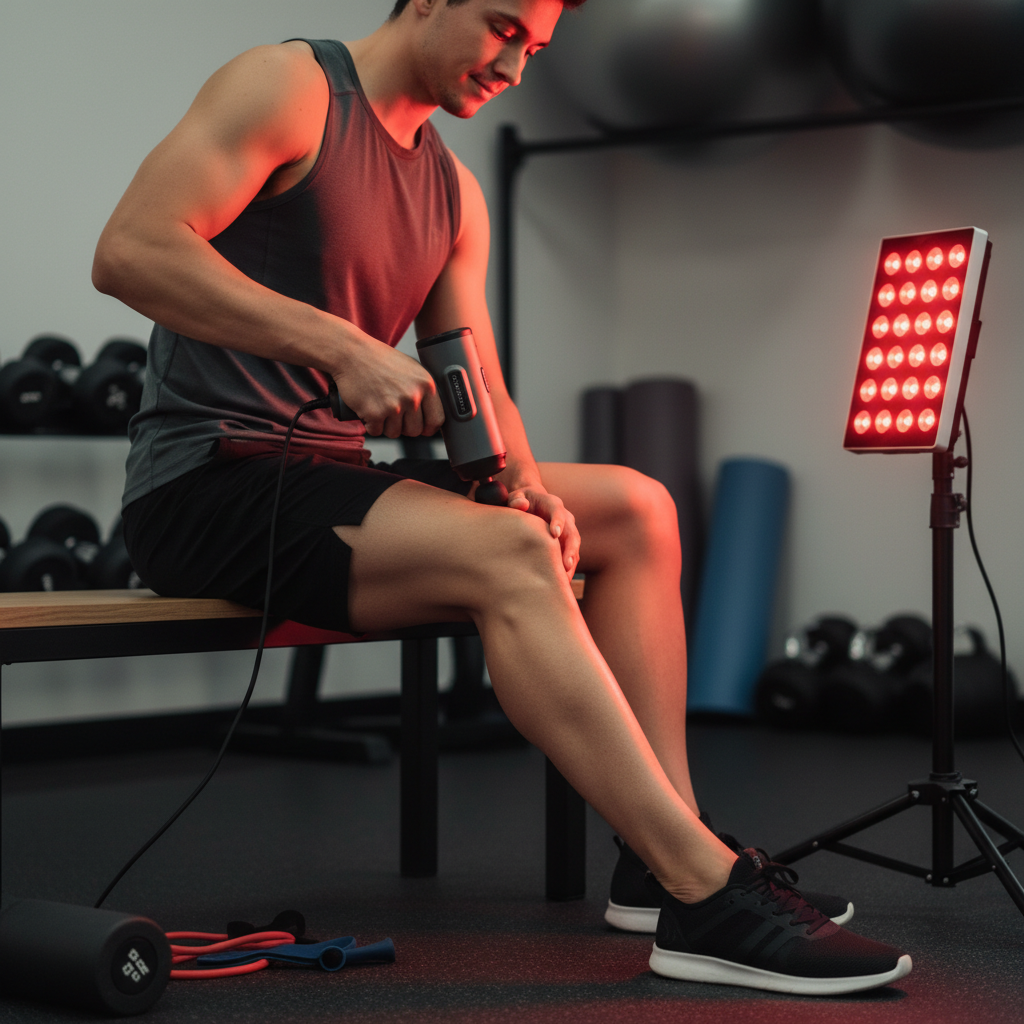
- Red Light Therapy (660nm–850nm): Focuses on mitochondrial function, reducing inflammation, and supporting skin/muscle recovery.
While red light is much less likely to suppress melatonin than blue light—making it a "sleep-friendly" evening light source—it does not have the intensity required to significantly shift your circadian phase.
Heuristic Guide: Myth vs. Reality
- Myth: Red light therapy is a proven cure for jet lag.
- Reality: Jet lag responds best to timed bright light. RLT is a recovery aid that helps manage the symptoms of travel stress (like muscle tension or skin dullness) rather than the clock itself.
- Myth: You can use RLT at any time to fix your sleep.
- Reality: Even red light, if used in total darkness during your "biological night," can occasionally interfere with sleep patterns for sensitive individuals. Strategic timing still matters.
Directional Strategies: Eastbound vs. Westbound
To get the most out of your travel kit, align your light usage with your direction of travel.
Eastbound (Advancing the Clock)
When traveling east (e.g., NYC to London), your goal is to wake up earlier.
- Priority: Seek bright sunlight or use a bright light lamp in the local morning.
- RLT Role: Use your red light device in the evening. Because it lacks the stimulating blue wavelengths of hotel LEDs, it serves as a non-disruptive wind-down ritual to help you transition to an earlier bedtime.
Westbound (Delaying the Clock)
When traveling west (e.g., London to LA), you need to stay awake longer.
- Priority: Seek bright light in the late afternoon and early evening.
- RLT Role: Use RLT in the morning for a "recovery boost" to help with travel-induced facial puffiness or muscle stiffness from the flight, without accidentally signaling to your brain that it's time to wake up too early.
Relative Support for Light Approaches in Travel & Jet Lag
Use this chart to contrast strong evidence for timed bright light with limited support for red/NIR light across travel directions and goals.
View chart data
| Category | Bright Light Evidence/Support | Red Light Suitability |
|---|---|---|
| Eastbound Shift | 9 | 2 |
| Westbound Shift | 9 | 2 |
| Recovery Support | 3 | 6 |
| Pre-Travel Prep | 7 | 4 |
Illustrative relative scores based on viewpoint-insighter summary: timed bright light is strongly supported by AASM/Harvard/CDC/Mayo for circadian shifting; red/NIR light has limited, weak, manufacturer-led support for jet-lag reset and is mainly framed as a comfort add-on. Scores are bounded, non-clinical, and intended to show relative suitability rather than measured efficacy.
Practical Hotel & Travel Protocols
For those using red light therapy as a portable recovery tool, consistency is key. Here is how to integrate it into a typical travel itinerary:
1. The Hotel Setup
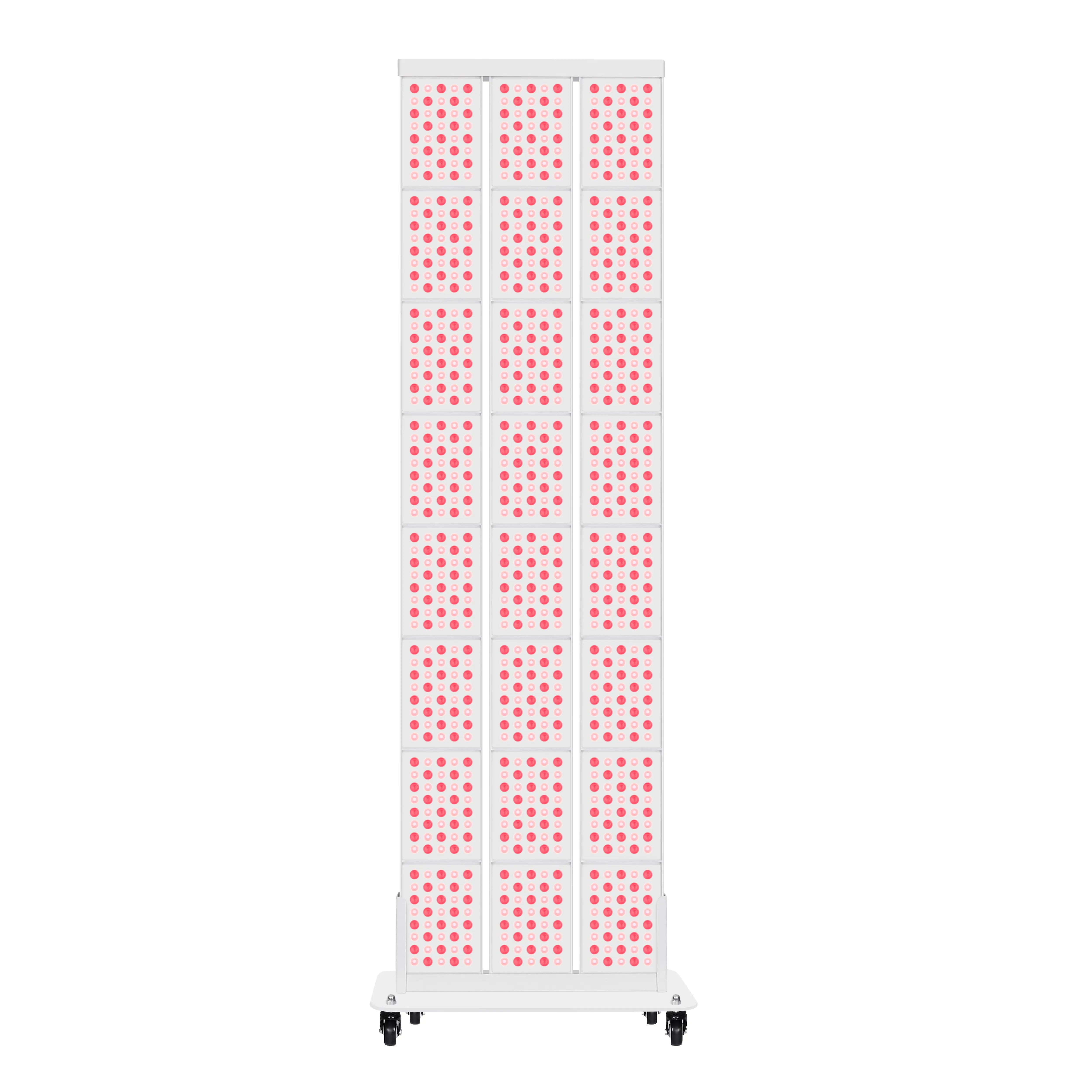
- Placement: Place your portable panel on a stable desk or nightstand.
- Distance: For targeted muscle or skin recovery, a distance of 6–12 inches is a common rule of thumb. For a general "mood-setting" evening glow, sitting 18–24 inches away provides a softer, less intense experience.
- Environment: Turn off harsh overhead hotel fluorescent lights. Use the RLT device as your primary light source for 10–15 minutes while stretching or meditating.
2. Airport Layovers
If you have a private lounge or a quiet corner, a 10-minute session on the face or neck can help mitigate the "drained" feeling of recycled cabin air. Ensure your device is battery-powered or you have the correct international plug adapter.
3. When to Stop
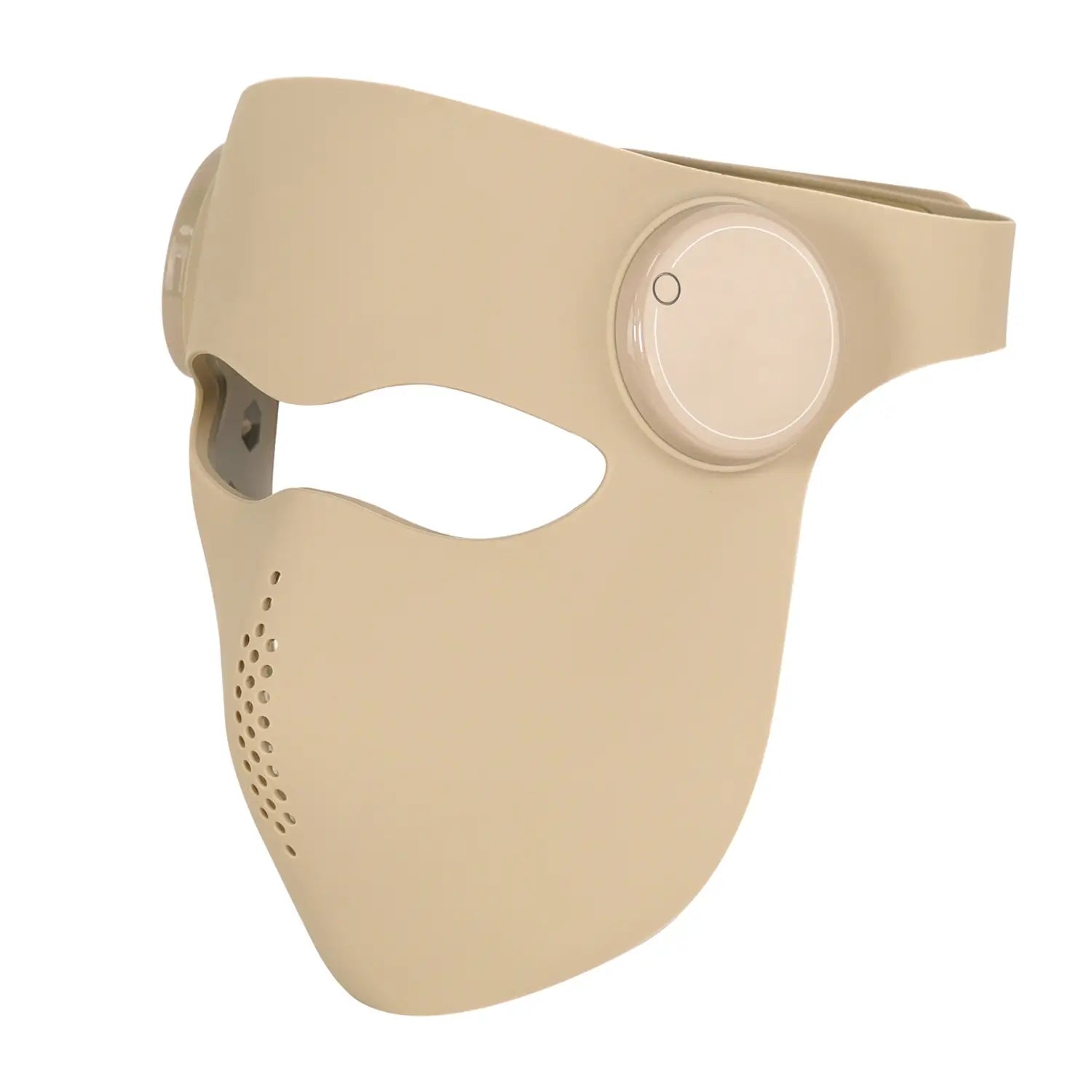
If you experience eye strain, a "flicker" headache, or unusual agitation, stop the session immediately. Always use the provided blackout goggles if your device has high irradiance (intensity).
Choosing a Travel-Ready Device
Not all devices are built for the road. If you are shopping for a travel companion, use this checklist:
- Portability: Does it fit in a carry-on? Does it meet TSA/airline battery requirements (typically under 100Wh for lithium batteries)?
- Irradiance & Wavelength: Look for a device that provides 660nm (Red) and 850nm (Near-Infrared) with documented power output.
- Flicker-Free: Ensure the device is "zero flicker" to avoid triggering headaches during an already stressful travel day.
- Dual Voltage: If traveling internationally, ensure the power supply can handle 100V–240V.
Don't Buy If: Your only goal is to "fix" jet lag instantly. In that case, invest in a dedicated bright-light visor or lamp first. RLT is an "add-on" for the traveler who already prioritizes holistic recovery.
Maintaining Performance on the Road
High-performing travelers succeed by layering their tools. A compact red light device provides a sense of routine that supports wellness when your environment is unpredictable.
Combine your light routine with these fundamentals:
- Strategic Hydration: Cabin air is dehydrating; RLT is more effective when skin is hydrated.
- Timed Caffeine: Avoid caffeine at least 8-10 hours before your target bedtime.
- Darkness: Use a high-quality eye mask to ensure total darkness once your RLT session is over.
By treating red light therapy as a supportive element in a broader recovery toolkit, you can maintain your edge and bounce back faster, regardless of the time zone.
Disclaimer: This article is for informational purposes and does not constitute medical advice. Consult a healthcare professional before starting light therapy, especially if you have light-sensitive conditions or are taking photosensitizing medications.