

Red Light Therapy and NMN: The Ultimate Cellular Longevity Stack for 2026
Medical Disclaimer: The information provided in this article is for educational and informational purposes only and is not intended as medical advice, diagnosis, or treatment. Always seek the advice of your physician or other qualified health provider with any questions you may have regarding a medical condition or the use of supplements and light therapy devices. Never disregard professional medical advice or delay in seeking it because of something you have read here.
Summary
The synergy between Red Light Therapy (RLT) and Nicotinamide Mononucleotide (NMN) is an emerging "longevity stack" aimed at optimizing cellular health. By potentially increasing NAD+ availability while simultaneously supporting mitochondrial energy production, this dual-action approach targets fundamental biological mechanisms associated with aging. While research is ongoing, this combination provides a framework for supporting DNA repair and metabolic efficiency.
Key Takeaways
- Mitochondrial Support: NMN serves as a precursor to NAD+, a vital coenzyme for mitochondria. RLT is thought to activate cytochrome c oxidase, potentially helping the cell convert energy into ATP more efficiently.
- Sirtuin Interaction: This combination is designed to support the activity of sirtuins—proteins linked to longevity—which require NAD+ and an optimal cellular energy state to function.
- Circadian Integration: Current practical frameworks suggest timing NMN in the morning and using RLT during daylight hours to align with the body’s natural biological rhythms.
- Technical Standards: Safety and efficacy depend on using devices that meet recognized technical standards for photobiomodulation, specifically regarding irradiance levels and EMF safety.
How RLT and NMN Work Together at the Cellular Level
To understand why stacking Red Light Therapy with NMN is a growing area of interest, we must look at the cellular machinery responsible for energy and repair. Aging is often characterized by a decline in mitochondrial function and a corresponding drop in levels of Nicotinamide Adenine Dinucleotide (NAD+), a coenzyme critical for life-sustaining chemical reactions.
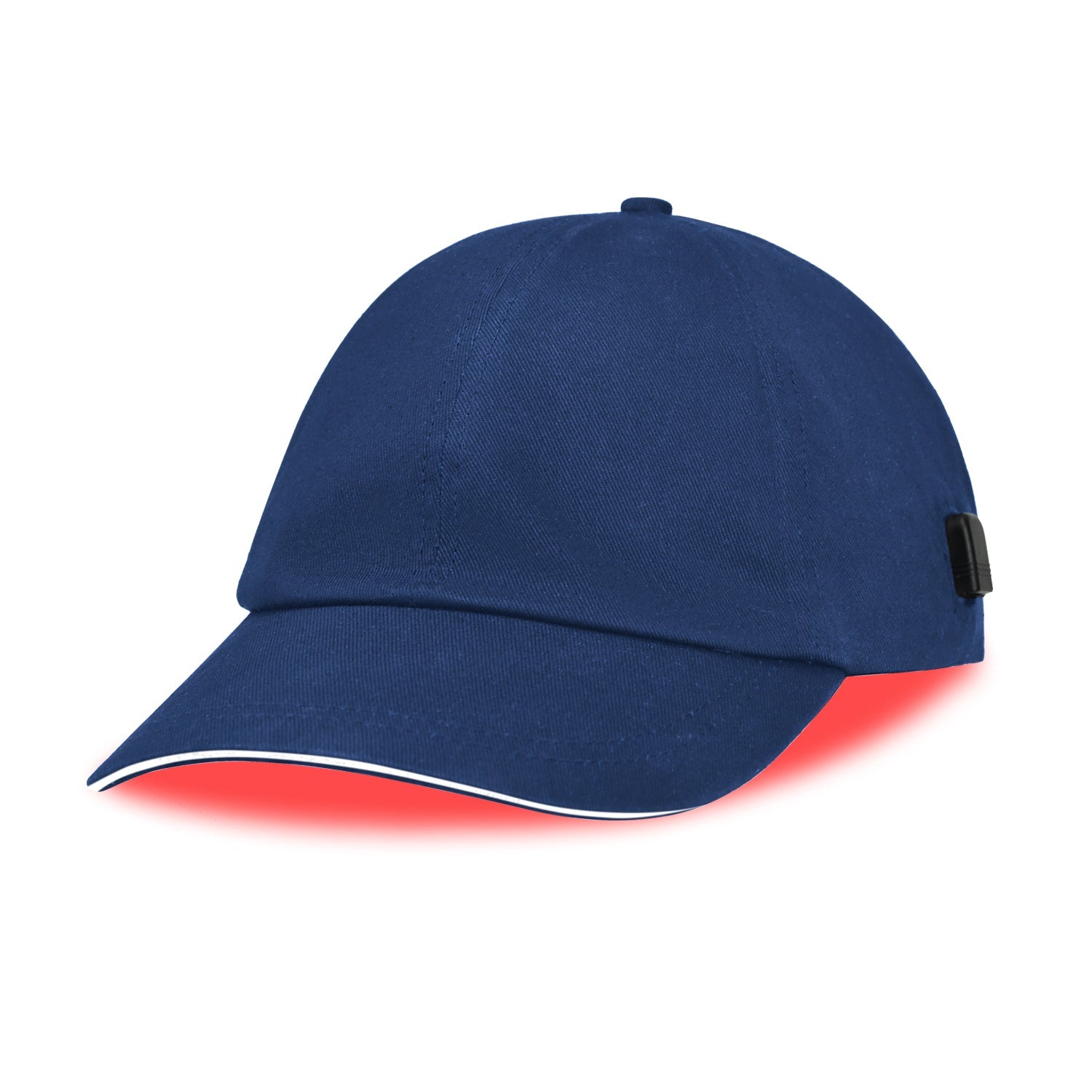
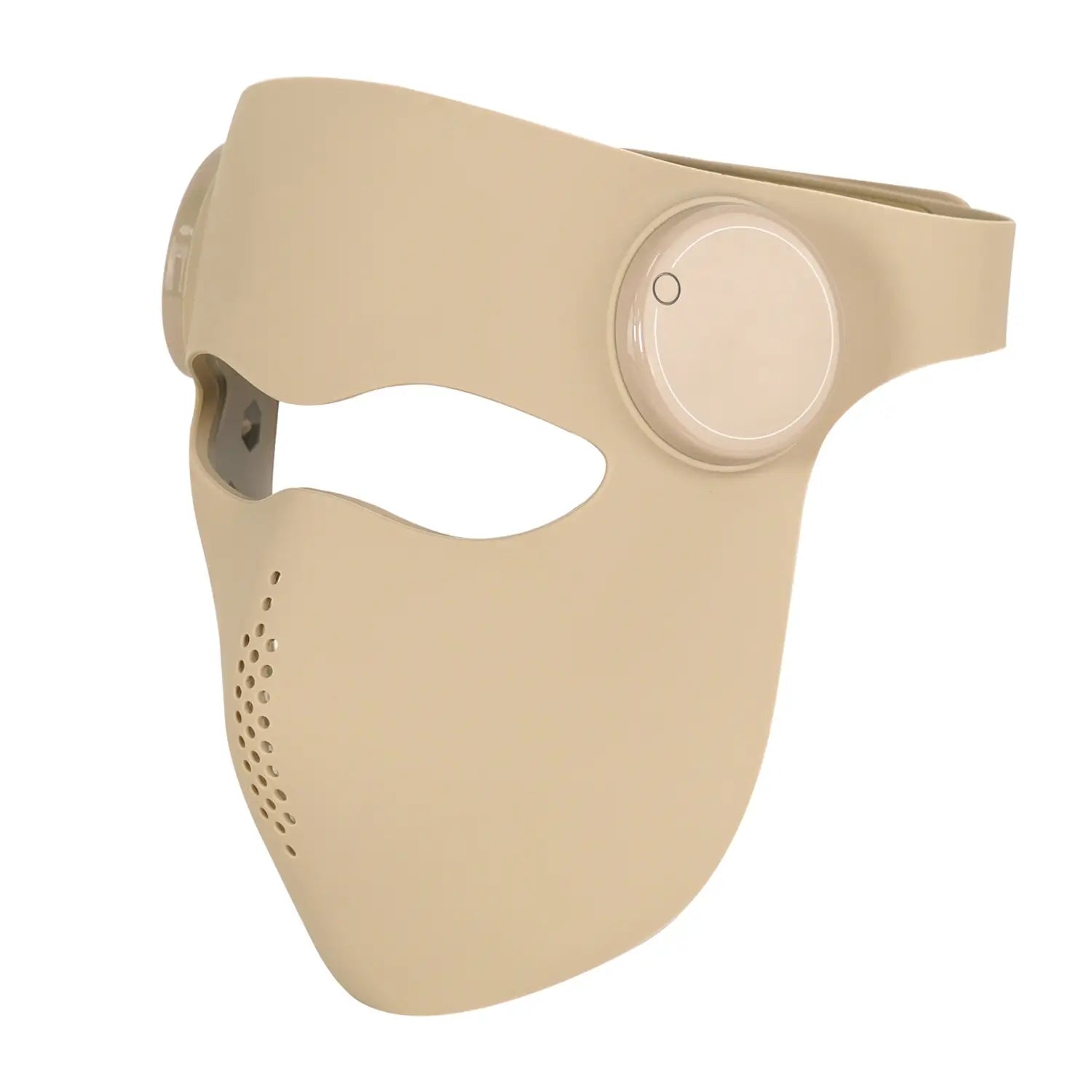
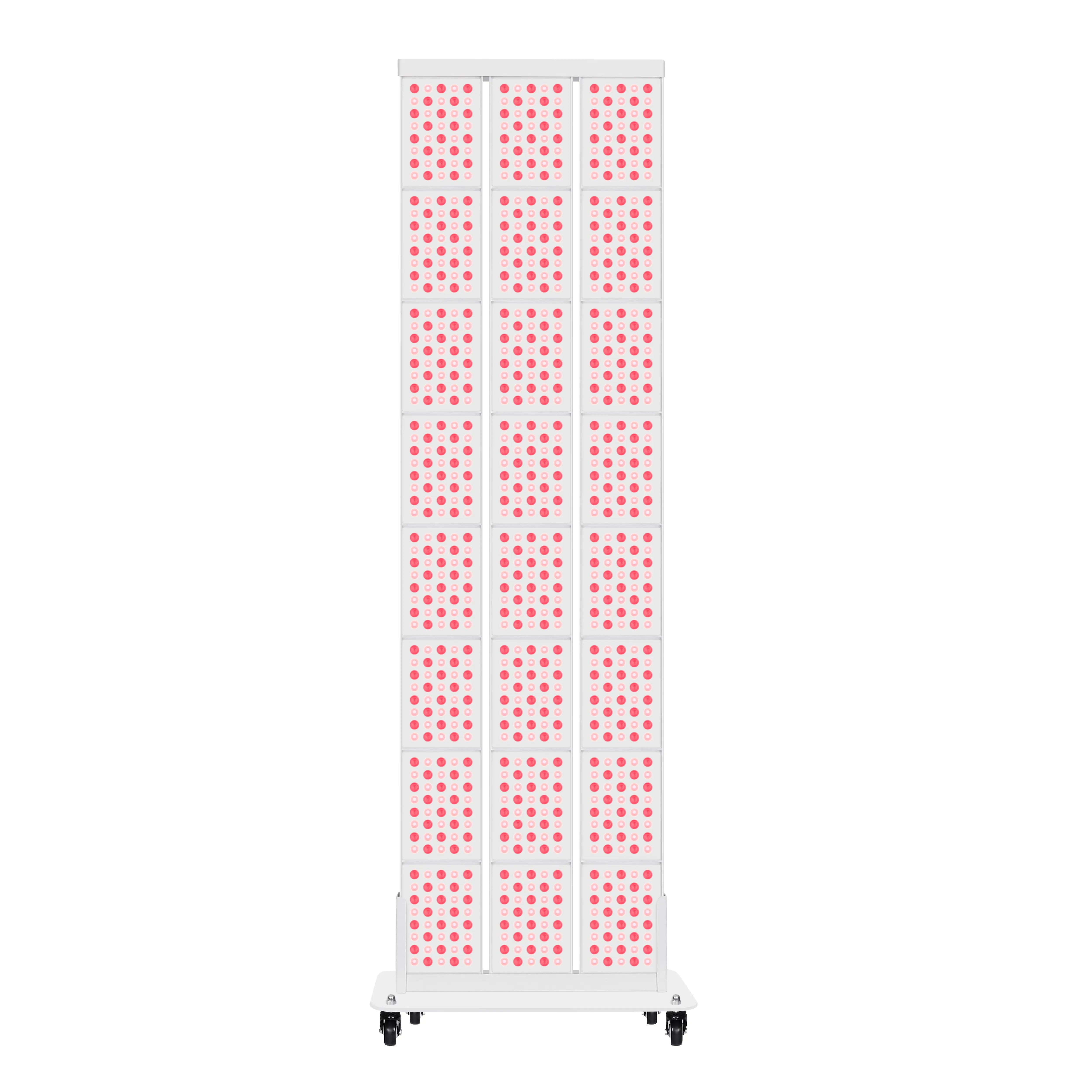
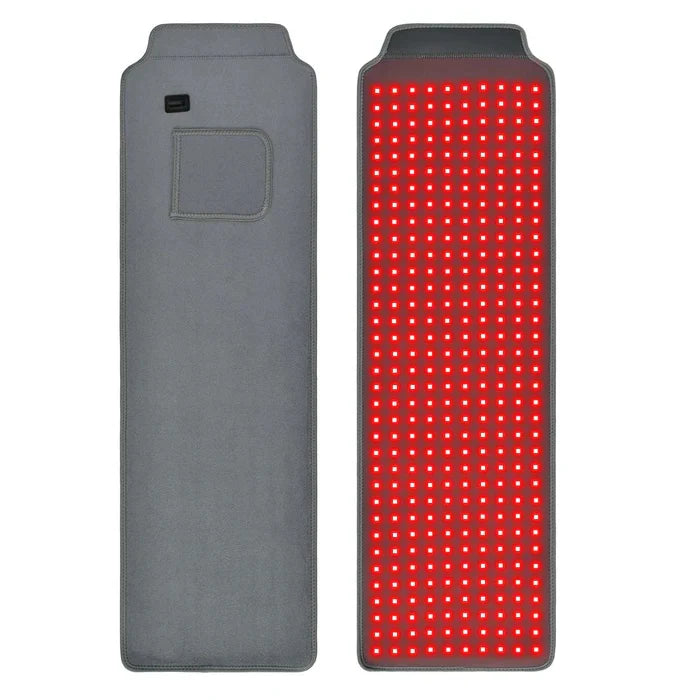
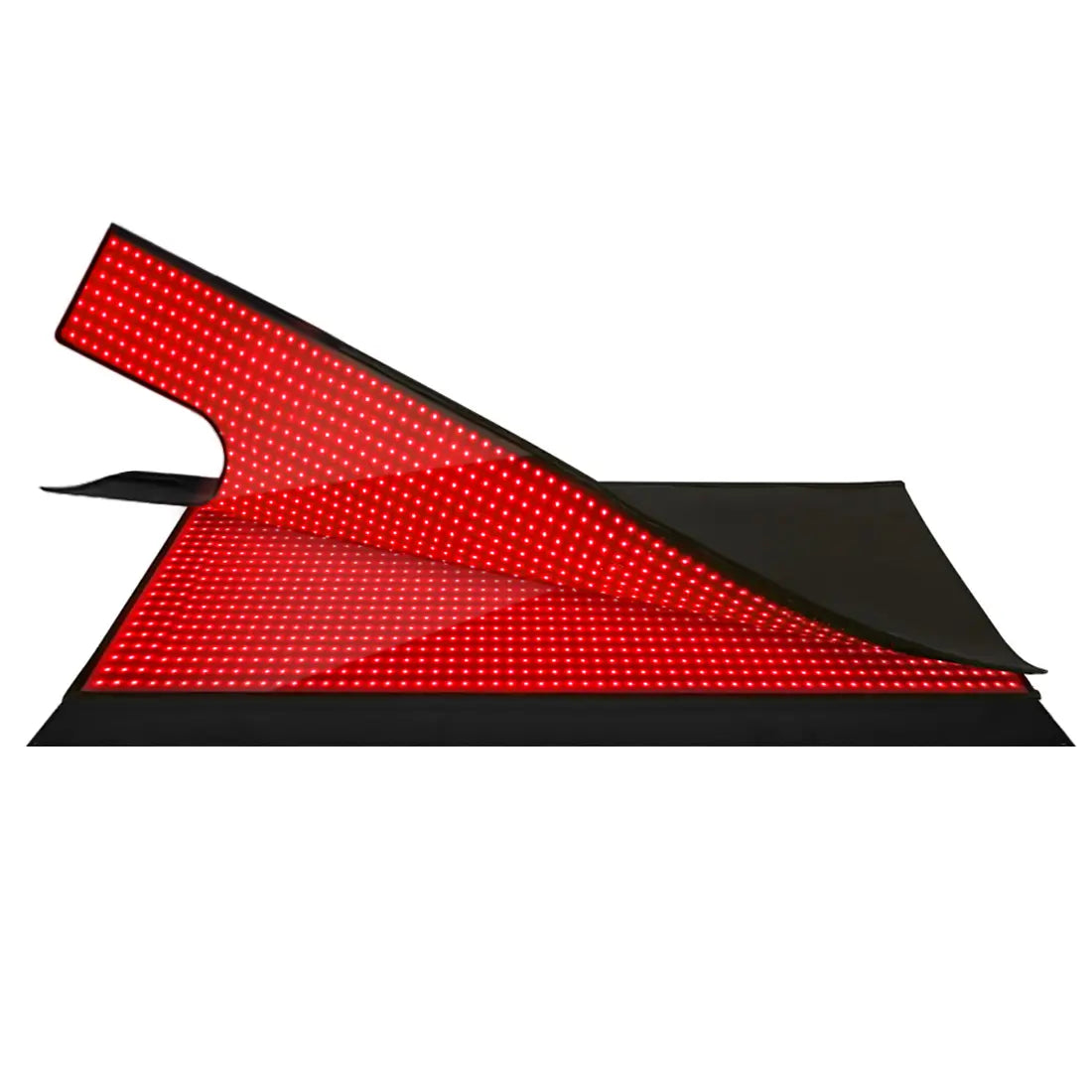
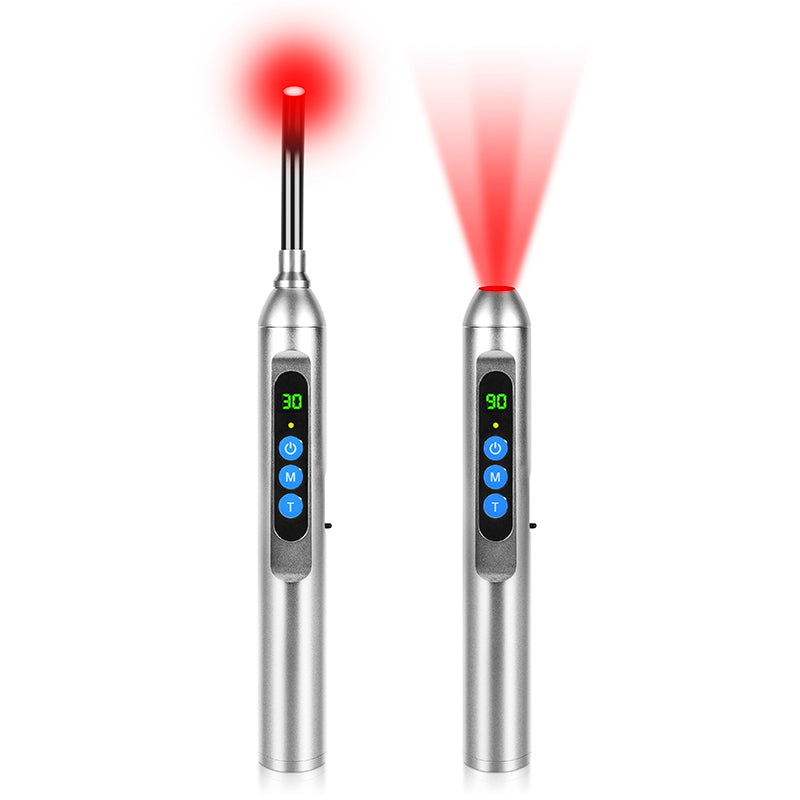
NMN acts as a precursor to NAD+. By supplementing with NMN, the goal is to support cellular NAD+ pools. However, cellular efficiency also depends on how well the "mitochondrial engine" processes energy. This is where Red Light Therapy, or photobiomodulation (PBM), enters the equation. RLT utilizes specific wavelengths of light, typically in the 660nm (red) and 850nm (near-infrared) range, to reach the mitochondria.
When these photons are absorbed by the enzyme cytochrome c oxidase, research suggests an increase in electron transport chain activity, leading to higher production of Adenosine Triphosphate (ATP). By combining NMN and RLT, you are theoretically providing the mitochondria with both the necessary substrate (NAD+) and a light-driven stimulus to support energy conversion.

The Science of Mitochondrial Synergy: ATP and NAD+
The relationship between NAD+ and ATP is fundamental to bioenergetics. NAD+ is a signaling molecule that helps the cell determine resource allocation. When NAD+ levels are sufficient, cells can prioritize maintenance and repair.
Preliminary research into mitochondrial "stacks" suggests that RLT may help preserve NAD+ levels by optimizing the efficiency of ATP production. When RLT supports the cytochrome c oxidase pathway, the cell may be able to divert more of its available NAD+ toward critical repair enzymes like sirtuins and PARPs (Poly ADP-ribose polymerases).
Sirtuins are a family of NAD+-dependent proteins that regulate cellular health, including DNA repair and inflammatory responses. By supporting NAD+ through NMN and optimizing energy states through RLT, users aim to create a favorable environment for these "longevity genes." However, it is important to note that while biochemical pathways are well-understood, large-scale human clinical trials specifically testing this combination are still in development.
Logic Summary: This protocol is based on the biological requirement for NAD+ in sirtuin-mediated repair and the role of RLT in mitochondrial respiration. It is intended for healthy adults looking to support long-term wellness. It is not a treatment for mitochondrial diseases or acute medical conditions.
Optimizing Your Longevity Protocol: Timing and Dosage
In the evolving field of longevity science, the timing of interventions is considered nearly as important as the interventions themselves.
Morning NMN Supplementation: Many practitioners suggest taking NMN in the morning to align with the natural circadian rise in NAD+ levels. Because NAD+ is involved in regulating the master circadian clock, evening supplementation may potentially disrupt sleep patterns in some individuals. Common supplemental ranges discussed in literature vary from 250mg to 1,000mg, but individual requirements should always be determined in consultation with a healthcare professional.
Red Light Therapy Sequencing: Using RLT in the morning or early afternoon may provide a "priming" effect. Exposure to 660nm and 850nm light early in the day can support the cellular response to the NAD+ boost. While some use RLT for evening recovery, near-infrared light can be mildly stimulating for certain users; consistency and monitoring sleep quality are essential.
| Protocol Component | Suggested Timing | Primary Goal |
|---|---|---|
| NMN Supplement | 7:00 AM - 9:00 AM | Support circadian NAD+ peaks |
| Red Light Therapy | 8:00 AM - 2:00 PM | Support mitochondrial energy |
| Hydration | Throughout Day | Facilitate metabolic processes |
| Sleep Hygiene | 9:00 PM - 11:00 PM | Support natural repair cycles |
Safety Considerations and Technical Standards
When combining metabolic interventions, quality control is paramount. Not all red light therapy devices provide the same therapeutic potential. It is essential to use devices validated for irradiance accuracy and low electromagnetic field (EMF) emissions.
As noted in industry technical standards for photobiomodulation, adherence to safety standards like IEC 60601-2-57 ensures that devices provide appropriate light levels without the risks of "irradiance inflation" or excessive flicker, which can cause eye strain or headaches.
Furthermore, users should be aware of the Arndt-Schulz Law (biphasic dose-response). This principle states that there is an optimal window for light therapy; insufficient exposure may yield no benefit, while excessive exposure can potentially inhibit cellular function or induce oxidative stress. When stacking with NMN, it is prudent to start with shorter RLT sessions (e.g., 10 minutes) to monitor how your body adapts.

Practical Checklist for Implementation
If you are considering this protocol, follow these steps to prioritize safety and clarity:
- Step 0: Consult a Professional. Before starting NMN or RLT, discuss your health goals with a doctor, especially if you have underlying conditions.
- Step 1: Source High-Purity NMN. Use third-party tested NMN with a purity of 99% or higher to avoid contaminants.
- Step 2: Verify Device Specifications. Ensure your RLT device provides 660nm and 850nm wavelengths and meets current safety standards for EMF and irradiance.
- Step 3: Establish a Baseline. Introduce NMN first for one week to monitor your individual response before adding RLT.
- Step 4: Gradual RLT Introduction. Start with 5-10 minute sessions at a distance of 6-12 inches, 3 times per week.
- Step 5: Monitor Markers. Track subjective markers like energy, recovery time, and sleep quality. Adjust if you feel overstimulated.
Critical Contraindications and Considerations
While RLT and NMN are generally considered safe for healthy adults, certain groups must exercise caution:
- Malignancy: Individuals with active cancer or a history of malignancy should avoid this stack unless specifically cleared by an oncologist. Both NAD+ boosters and RLT support cellular growth and energy, which could theoretically affect rapidly dividing cancer cells.
- Pregnancy and Breastfeeding: There is insufficient clinical data regarding the safety of NMN supplementation or intensive RLT during pregnancy or lactation. Consult your obstetrician.
- Magnesium Levels: NAD+ synthesis and ATP production are magnesium-dependent. If you are deficient in magnesium, the effectiveness of this stack may be limited.
- Blue Light Exposure: High-intensity blue light from screens in the evening can counteract the circadian benefits of this protocol. A holistic approach should include blue-light mitigation at night.
FAQ
Can I take NMN and use Red Light Therapy at the same time? Yes, they can be used on the same day. Many users prefer RLT shortly after their morning NMN dose to align the light stimulus with the peak availability of the NAD+ precursor.
Are there any side effects? Some users may experience mild overstimulation, jitters, or difficulty sleeping if the dose or duration is too high. If these occur, reduce the NMN dosage or RLT session time and ensure adequate hydration.
How long does it take to see results? While cellular responses begin quickly, systemic benefits such as improved energy or skin tone are typically observed after 4 to 12 weeks of consistent use.
Does this replace exercise? No. Exercise is the most effective way to stimulate mitochondrial biogenesis (the creation of new mitochondria). This stack is intended to supplement, not replace, foundational health habits like exercise and a nutrient-dense diet.
Is it safe to use every day? Many people use this stack daily, but some experts suggest "pulsing" NMN (e.g., 5 days on, 2 days off) to maintain the body's natural regulatory pathways. RLT can generally be used daily, provided the dose remains within the therapeutic window.
References
Government & Regulatory Standards
- International Electrotechnical Commission (IEC): IEC 60601-2-57 - Safety of non-laser light source equipment.
- National Institutes of Health (NIH): Research on Mitochondrial Health and Aging.
Academic & Clinical Research
- Nature Aging: Research on NAD+ precursors and cellular senescence (2025).
- Journal of Photochemistry and Photobiology: Mechanisms of cytochrome c oxidase activation by NIR light.
- International Light Association: Therapeutic Guidelines for NIR Light.
Technical & Industry References
- Youlumi Store: Photobiomodulation Standards: Irradiance, EMF, and Safety (Technical Manufacturer Reference).
- Global Longevity Institute: 2026 Longevity Trends Report (Industry Analysis).