
Many women in their 40s and early 50s notice changes in skin elasticity, increased dryness, and a duller complexion during perimenopause. Declining estrogen levels contribute to these shifts by affecting collagen content, skin thickness, and blood flow. Red light therapy offers a non-invasive at-home option that may support cosmetic skin concerns such as the appearance of fine lines, firmness, and overall texture, though results vary and are not guaranteed.
This guide examines what current evidence suggests about red light therapy for perimenopausal skin, how to set realistic expectations in 2026, and how to evaluate devices without confusing cosmetic support with medical hormone management. The focus stays on practical decision-making for mature skin routines rather than treatment claims.

Understanding Perimenopausal Skin Changes
During the menopausal transition, declining estrogen is associated with skin changes such as dryness, thinning, wrinkles, and reduced collagen and elasticity. These shifts often appear as loss of firmness, increased fine lines, and a tired-looking complexion that many women first notice in their early 40s.
Estrogen decline after menopause affects skin, including collagen content and blood flow. Some evidence suggests menopausal hormone therapy can improve skin thickness, elasticity, and collagen content, but this approach addresses the hormonal root differently than skincare devices. Red light therapy operates in a separate category as a cosmetic tool rather than a hormone intervention.
Perimenopause symptoms vary widely, and significant symptoms should be discussed with a clinician. This article only discusses comfort and setup advice for skin appearance; it does not constitute medical advice, diagnosis, or treatment. If persistent discomfort occurs or existing conditions are present, qualified professionals should be consulted.
How Red Light Therapy May Support Mature Skin
Red light therapy uses low levels of red light to reportedly improve the appearance of skin. It is commonly used for cosmetic skin concerns such as wrinkles, age spots, and sagging skin. Red LED light therapy may reduce inflammation and stimulate collagen production, according to medical centers like the Cleveland Clinic.
In laboratory settings, low-level red and infrared light has been shown to increase markers linked to hyaluronic acid and elastin in human skin cells. Many devices operate in the visible red range, often around 630 to 700 nanometers, with near-infrared wavelengths sometimes added for deeper effects. These mechanisms may help address perimenopause-related skin dullness, dryness, and fine lines by supporting cellular energy and repair pathways, though in-home translation depends on device quality and consistent use.
The American Academy of Dermatology notes that red light therapy is a popular option for signs of skin aging, but consumers should remain cautious about overpromised outcomes. Some research suggests it may help improve the appearance of wrinkles and skin firmness, yet results are not guaranteed and tend to appear gradually over weeks of regular sessions.
Realistic Expectations: What Results Look Like in 2026
Women navigating perimenopause often seek modest, non-invasive support rather than dramatic reversal. Red light therapy fits best as an adjunct for cosmetic firmness and texture rather than a primary solution for pronounced laxity tied to rapid hormonal shifts.
Typical protocols involve 10–20 minute sessions several times per week. Visible changes, when they occur, usually involve subtle improvements in glow, hydration feel, and fine line softening rather than significant tightening. Factors like irradiance level, wavelength accuracy, and individual skin response heavily influence outcomes. High-quality clinical-grade devices with verified output tend to align better with lab-supported mechanisms than lower-cost options with inflated specifications.
Illustrative Decision Framework (heuristic, not clinical data)
Illustrative heuristic scoring for women 40-55 based on the article's evidence summary: red light therapy may offer modest support for firmness/elasticity and requires consistent use; medical consultation is more appropriate for symptom-heavy perimenopause; combined approaches may be the most balanced when both skin and symptom concerns matter.
View chart data
| Series | Skin Elasticity Support | Hormonal Symptom Relief | Convenience for Daily Use | Expected Timeline |
|---|---|---|---|---|
| Red Light Therapy Fit | 7 | 2 | 8 | 3 |
| HRT/Medical Fit | 3 | 9 | 5 | 6 |
| Combined Approach | 8 | 9 | 4 | 5 |
Heuristic/illustrative model built from viewpoint-insighter modules (myth_vs_reality, threshold_table, dont_buy_if, scenario_matrix) and evidence synthesis: estrogen decline is associated with reduced collagen/elasticity and dryness; red light may help inflammation/collagen signaling; in-home outcomes are gradual and not guaranteed; it does not balance hormones. Scores are relative planning weights, not clinical trial measurements.
This illustrative radar chart shows relative strengths across key factors. Red light therapy scores higher on convenience and skin elasticity support in a cosmetic context but lower on direct hormonal symptom relief. A combined approach often balances both needs best. All values represent heuristic planning guidance derived from evidence boundaries rather than measured clinical data.

Choosing the Right Device for Perimenopausal Skin
Effective devices deliver sufficient irradiance (typically above 30–50 mW/cm² at treatment distance) using accurate 660nm red and 850nm near-infrared wavelengths. Look for third-party verification of output rather than marketing numbers alone. The photobiomodulation standards guide provides detailed benchmarks on irradiance measurement, EMF, flicker, and safety that help separate reliable options from those with inflated claims.
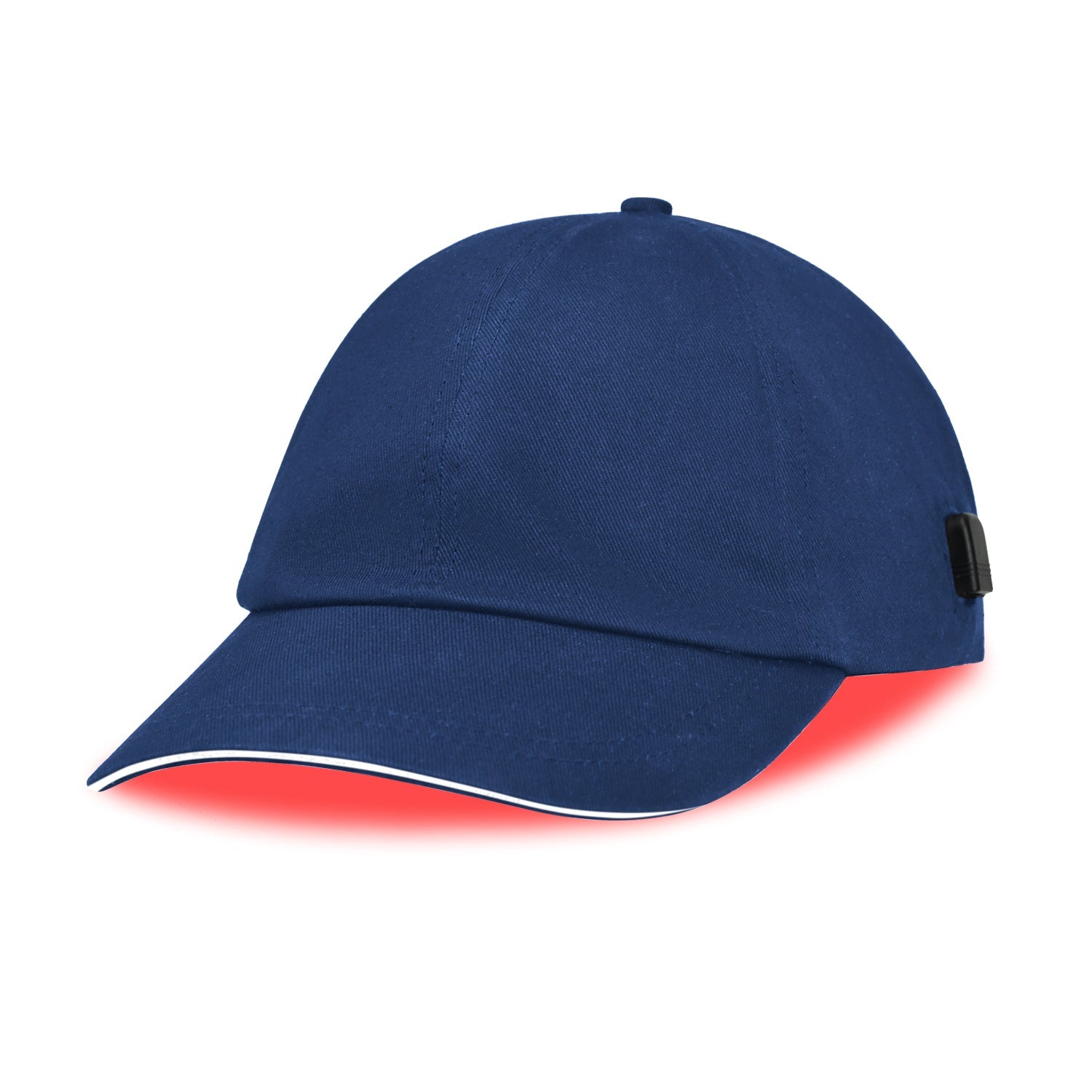
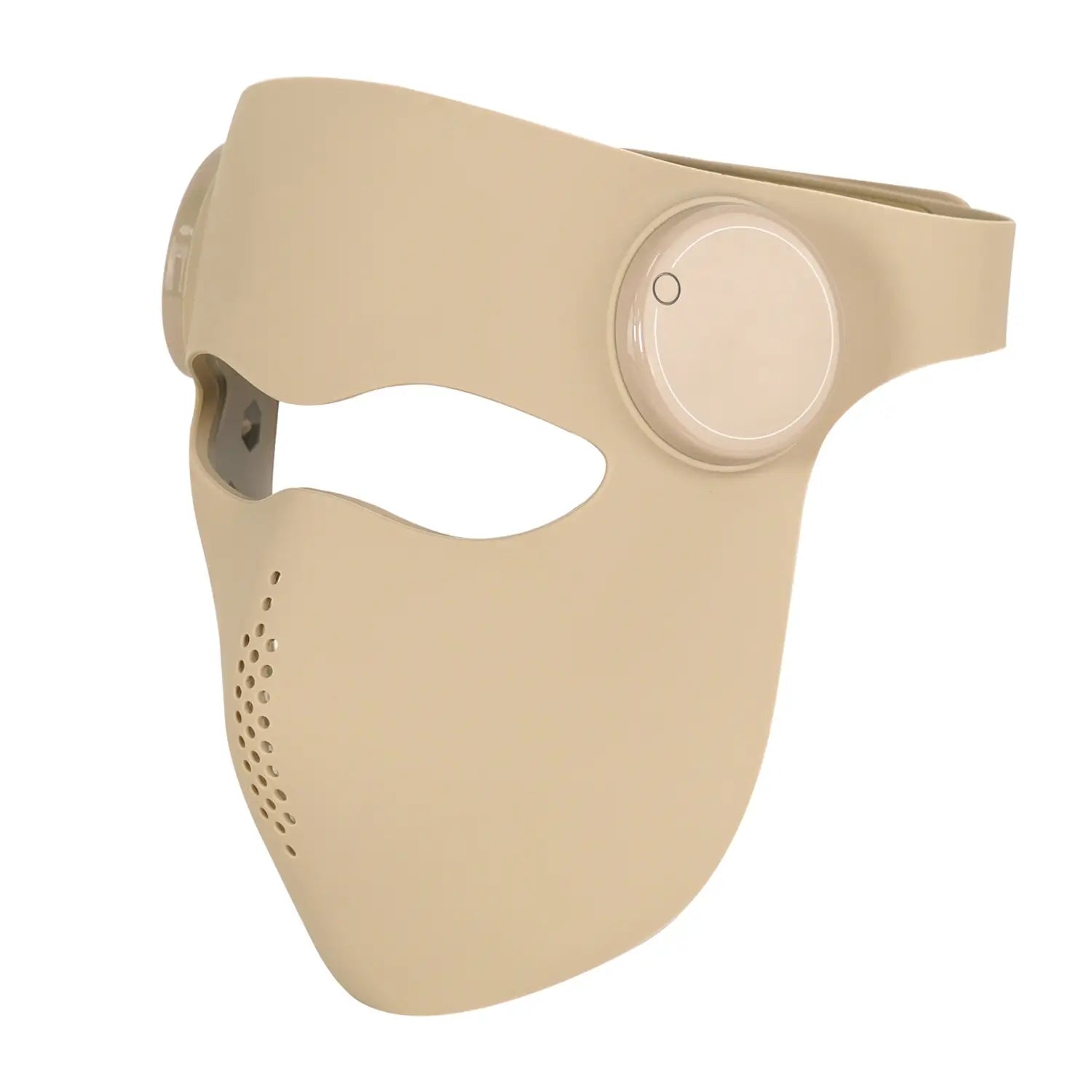
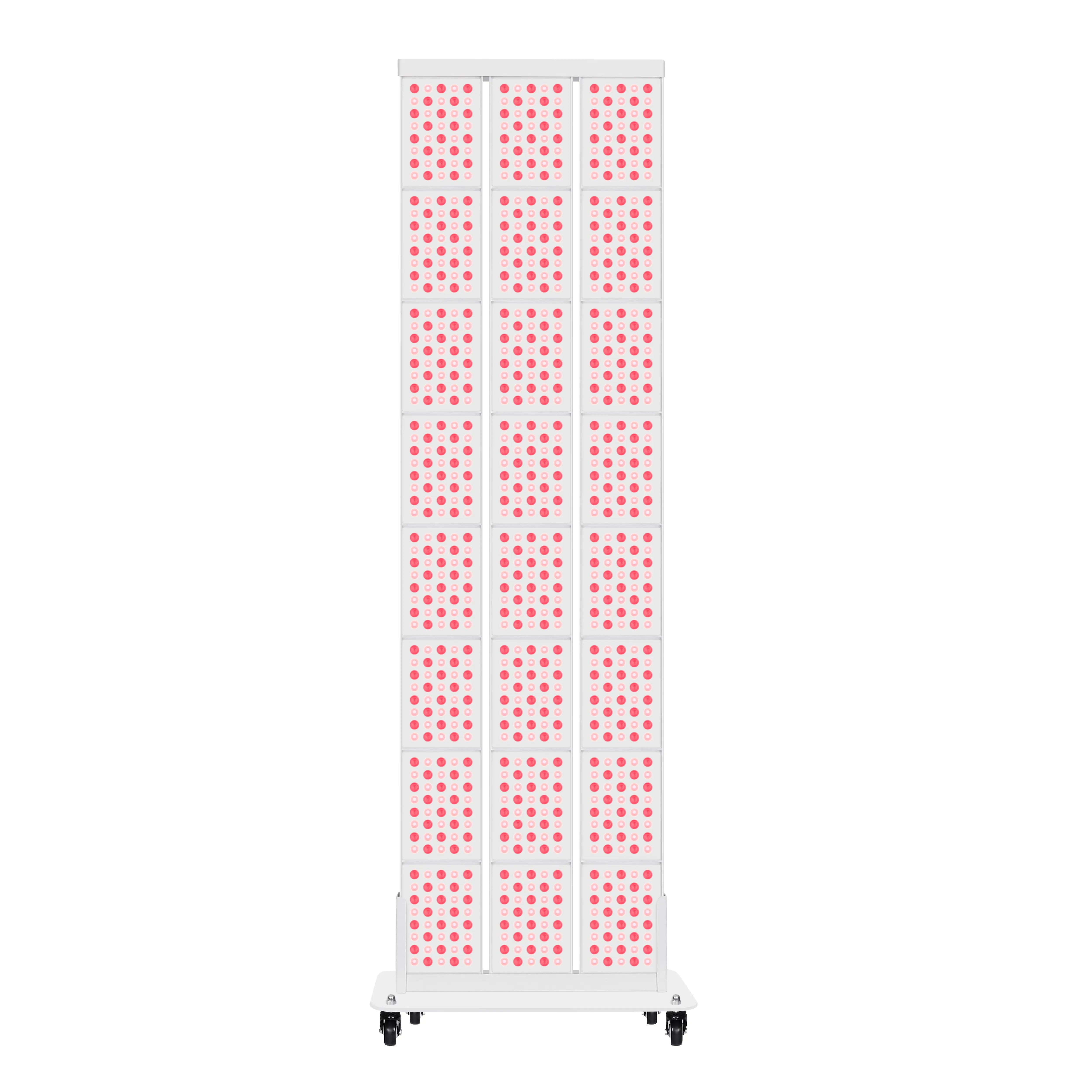
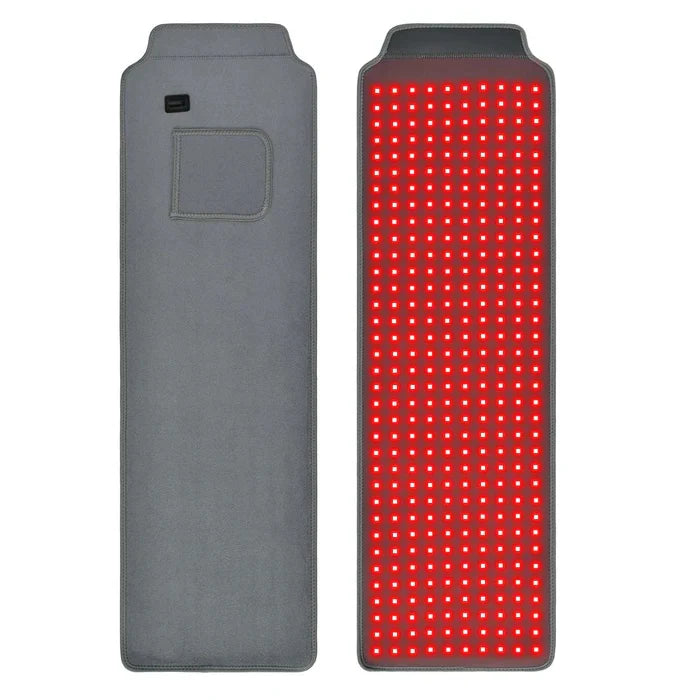
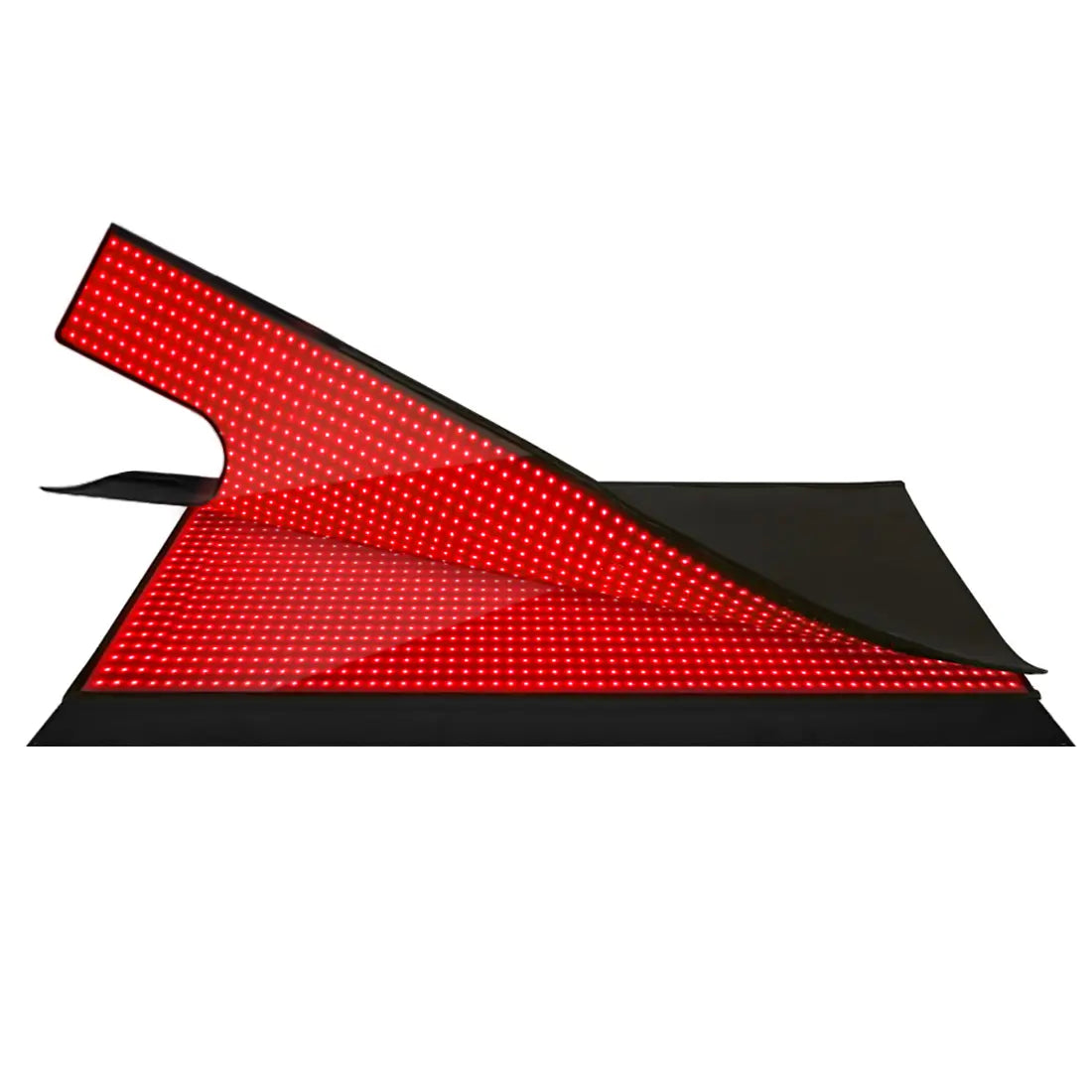
Masks offer convenient targeted facial treatment ideal for daily skincare routines, while panels provide flexibility for face, neck, and broader areas. Consider your lifestyle: a lightweight, hands-free red light therapy mask may suit busy mornings, whereas a versatile red light therapy panel allows customizable positioning.
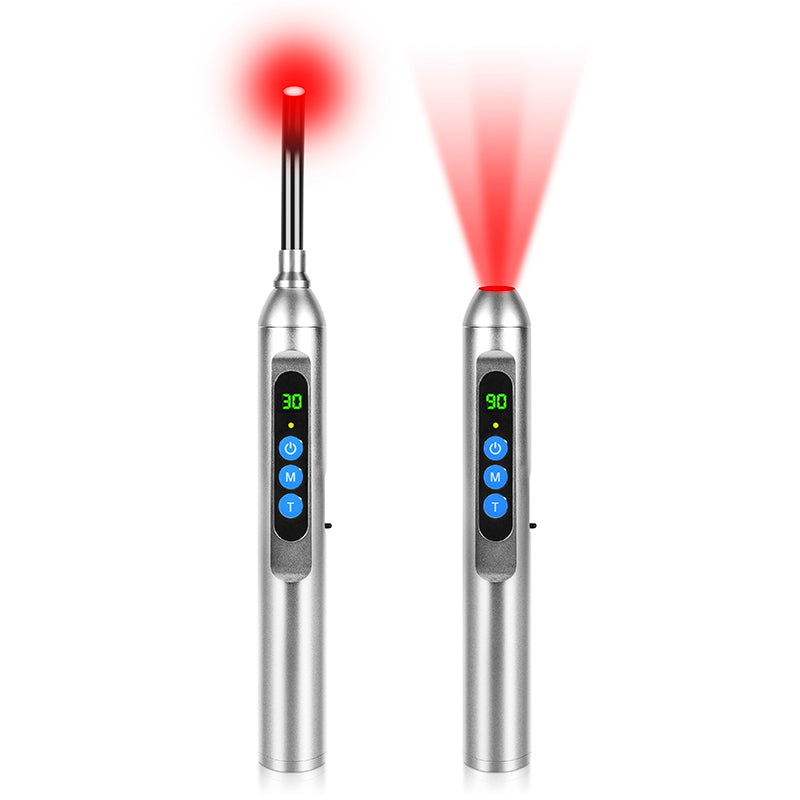
For mature or sensitive skin, prioritize low-EMF designs, adjustable timers, and comfortable fit. The YOULUMI YL-IRM-Y02 Red Light Therapy Mask and the YouLumi 4-Color LED Light Therapy Face Mask are popular entry points for facial use. Those preferring higher power may evaluate the YouLumi 60W Red Light Therapy Panel or larger YOULUMI 300W Red Light Therapy Panel.
Always start with shorter sessions to assess tolerance. Consistent use over 8–12 weeks tends to produce more noticeable cumulative effects than sporadic application.
Separating Science from Marketing Claims
Several myths circulate around red light therapy for women over 40. One common claim suggests it directly balances hormones or treats perimenopause. In reality, there is no established evidence that red light therapy balances hormones or treats perimenopause itself. It remains a cosmetic skin-support tool.
Another myth promises rapid, dramatic skin tightening or replacement for hormone therapy. Evidence shows any improvements in elasticity or collagen markers are typically modest, gradual, and vary by individual. Hormone-related menopausal skin changes are real, but skincare devices should be discussed separately from hormone therapy.
Device quality also matters. Not all products deliver the irradiance or wavelength precision suggested in laboratory studies. Overreliance on marketing language without checking technical specifications frequently leads to disappointment.
Don't buy if:
- Your primary goal is self-treating hormonal symptoms or imbalance
- You expect guaranteed or fast visible tightening
- You cannot commit to consistent sessions several times per week
- Significant perimenopausal symptoms are present without prior medical discussion
How to Build an Effective At-Home Routine
Integrate red light therapy into your existing skincare regimen. Cleanse skin, apply the device as directed, then follow with moisturizer or serum to lock in hydration. Many users prefer evening sessions when skin repair processes are naturally higher.
Track subtle changes with consistent lighting photos every 4 weeks. Combine with proven habits: adequate sleep, hydration, sun protection, and a gentle routine containing retinoids or peptides if tolerated. This multi-angle approach often yields better perceived improvements than any single modality.
For deeper reading on related topics, explore our guide to red light therapy for women's health, hormones, and fertility or the comprehensive anti-aging with red light therapy at every age. Those over 55 may also reference important considerations for red light therapy after age 55.
Additional technical context appears in studies on impact of red light therapy on skin smoothness and texture and how red light therapy enhances natural aesthetic results.
Final Decision Framework
Red light therapy can serve as a convenient, non-invasive addition to a mature skincare routine focused on cosmetic elasticity and texture support. It aligns best when expectations remain modest, use is consistent, and it complements rather than replaces broader health management.
The decision ultimately depends on your primary goals. For purely cosmetic skin concerns during perimenopause, a well-chosen device may provide gradual support that feels worthwhile. When hormonal symptoms dominate or changes feel pronounced, starting with clinical guidance ensures the right foundation before adding light-based tools.
Approach any device purchase with the same scrutiny applied to other skincare investments. Verify specifications, prioritize safety standards, and remember that individual responses differ. When used responsibly within these boundaries, red light therapy offers one accessible way to nurture skin confidence through the perimenopausal transition and beyond.
Important Note on Health and Comfort: This article discusses potential comfort and cosmetic setup considerations for skin appearance during perimenopause. It does not constitute medical advice, diagnosis, or treatment. Red light therapy is not established to balance hormones or treat perimenopause. If you experience persistent symptoms, skin concerns, or existing medical conditions, consult a qualified healthcare professional. Results vary and are not guaranteed.