
Many athletes and fitness enthusiasts look for practical ways to manage post-training soreness, support mobility, and stay consistent with their training without over-relying on passive rest alone. Red light therapy, also known as photobiomodulation (PBM), is often incorporated into recovery routines as a non-invasive support tool that some users report helps with perceived muscle comfort and readiness when used consistently alongside proper sleep, nutrition, and training management. Results depend heavily on device irradiance, dosage, timing, individual response, and overall recovery habits.

This guide focuses on realistic, home-based approaches for using red light therapy after training. It covers timing considerations, protocols aimed at soreness and mobility, and how to choose suitable high-irradiance panels while maintaining conservative expectations. This article discusses comfort and setup practices only. It is not medical advice, does not diagnose or treat conditions, and is not a substitute for professional care. If you have injuries, persistent discomfort, or existing medical conditions, consult a qualified healthcare professional.
Who Should Consider Red Light Therapy for Post-Training Recovery
Red light therapy fits best for athletes who already maintain structured recovery routines and can integrate a consistent post-workout session. It is most practical for lifters, runners, HIIT enthusiasts, or endurance athletes who train regularly and want an additional habit-based support tool.
It is less likely to feel worthwhile if you are seeking a standalone quick fix for soreness without adjusting training load, sleep, or nutrition. Buyers expecting dramatic performance gains or guaranteed mobility improvements may be disappointed because individual results vary widely and evidence for specific outcomes remains mixed.
The biggest predictor of satisfaction is whether the device fits easily into your actual post-training routine. Devices that require complicated setup or large space commitments often see lower adherence on tired days. Prioritize convenience and repeatability over headline claims.
Internal resources from Youlumi, such as Red Light Therapy for DOMS: Accelerating Muscle Recovery and The Complete Red Light Therapy Protocol for Sports Recovery, emphasize practical timing and sport-specific adaptations that align with this conservative approach.
Understanding How Red Light Therapy May Support Recovery
Photobiomodulation uses specific wavelengths, typically 660nm red and 850nm near-infrared, to interact with cellular mitochondria. This interaction can influence ATP production, which some research suggests supports cellular energy processes involved in repair after exercise-induced stress.
For post-training use, the potential mechanisms include reduced perceived inflammation and improved local circulation, which users often associate with faster return to comfortable movement. However, these effects are setup-dependent and influenced by factors such as irradiance (measured in mW/cm²), total energy delivered (J/cm²), and treatment duration.
The authoritative guide to Photobiomodulation Standards: Irradiance, EMF, and Safety explains the importance of accurate irradiance measurement and adherence to safety standards like IEC 60601-2-57. High-irradiance panels (above 100 mW/cm² at treatment distance) are often preferred for deeper tissue reach in athletic applications, but always verify manufacturer specifications using proper spectroradiometry rather than solar meters.
It is important to note that while many athletes report subjective benefits for soreness and mobility, systematic evidence varies. A practical view is that red light therapy can feel supportive within a comprehensive regimen but should not replace foundational recovery practices.

Timing: Pre-Workout vs Post-Workout Use
Timing is one of the most discussed variables in sports recovery protocols. Post-workout application (within 30–60 minutes after training) is commonly used when the primary goal is managing delayed onset muscle soreness (DOMS) and supporting perceived comfort. Some users apply it later the same evening or the following morning to aid overall readiness.
Pre-workout use, typically 5–10 minutes before training on target muscles, is sometimes chosen for warm-up or perceived performance support, though evidence for objective gains is limited and should be viewed cautiously.
A balanced approach often combines both: brief pre-workout exposure for activation and longer post-workout sessions for recovery. The optimal window depends on your primary concern—soreness tends to respond best to immediate post-session use, while mobility and next-day readiness may benefit from evening or morning sessions.
Always start with shorter durations and monitor your response. Factors such as training intensity, body area treated, and device power will influence what feels effective for you.
Scenario-Based Protocols for Soreness, Performance Readiness, and Mobility
Different goals call for adjusted approaches. The following framework helps map your priorities to practical use. These are illustrative heuristics based on common community protocols and internal guidance rather than definitive clinical rankings.
Consider three common timing windows and how they align with key outcomes:
-
Soreness-focused (post heavy lifting or HIIT): Prioritize application within 30 minutes after training on the affected areas. Sessions of 10–20 minutes at 100–150 mW/cm² are frequently reported as convenient for adherence. Focus on large muscle groups like legs, back, or shoulders.
-
Performance readiness (next-day training or competition): Evening sessions or next-morning use may feel more relevant. A full-body or targeted 15–25 minute treatment can support perceived freshness, but treat any performance claims conservatively.
-
Mobility and stiffness management: Morning or between-session use on tight areas (hips, hamstrings, calves) can be integrated into a daily mobility routine. Combine with gentle movement for best subjective results. Do not expect structural flexibility changes from light alone.
The chart below visualizes this illustrative heuristic for decision guidance. Higher scores indicate better perceived fit for that scenario based on typical protocol patterns. It is modeled for comparison purposes and should not be interpreted as measured clinical data.
Illustrative Recovery Timing Matrix for Post-Training Red Light Therapy
Illustrative heuristic for decision guidance based on typical protocols
View chart data
| Series | Soreness relief fit | Performance readiness fit | Mobility fit | Home protocol simplicity | Timing flexibility |
|---|---|---|---|---|---|
| Within 30 min | 4.0 | 3.0 | 3.0 | 5.0 | 2.0 |
| Later same day | 3.0 | 4.0 | 4.0 | 4.0 | 4.0 |
| Next morning | 2.0 | 4.0 | 5.0 | 4.0 | 5.0 |
Modeled for illustration from community protocol patterns and conservative internal recovery timing logic; use as a decision aid, not a measured effect estimate.
This matrix highlights that no single timing is universally superior. Choose based on your schedule and primary goal, then test consistency over 4–6 weeks while tracking subjective soreness, perceived mobility, and training readiness.
A practical checklist for building your protocol includes:
- Identify target areas from your last training session
- Choose irradiance of at least 100 mW/cm² at treatment distance
- Use 10–20 minutes per area or full-body session as tolerated
- Maintain 6–12 inches distance for most panels
- Track usage frequency and perceived benefits in a simple log
- Adjust based on how your body responds alongside sleep and nutrition
Choosing the Right Red Light Panel for Athletic Recovery
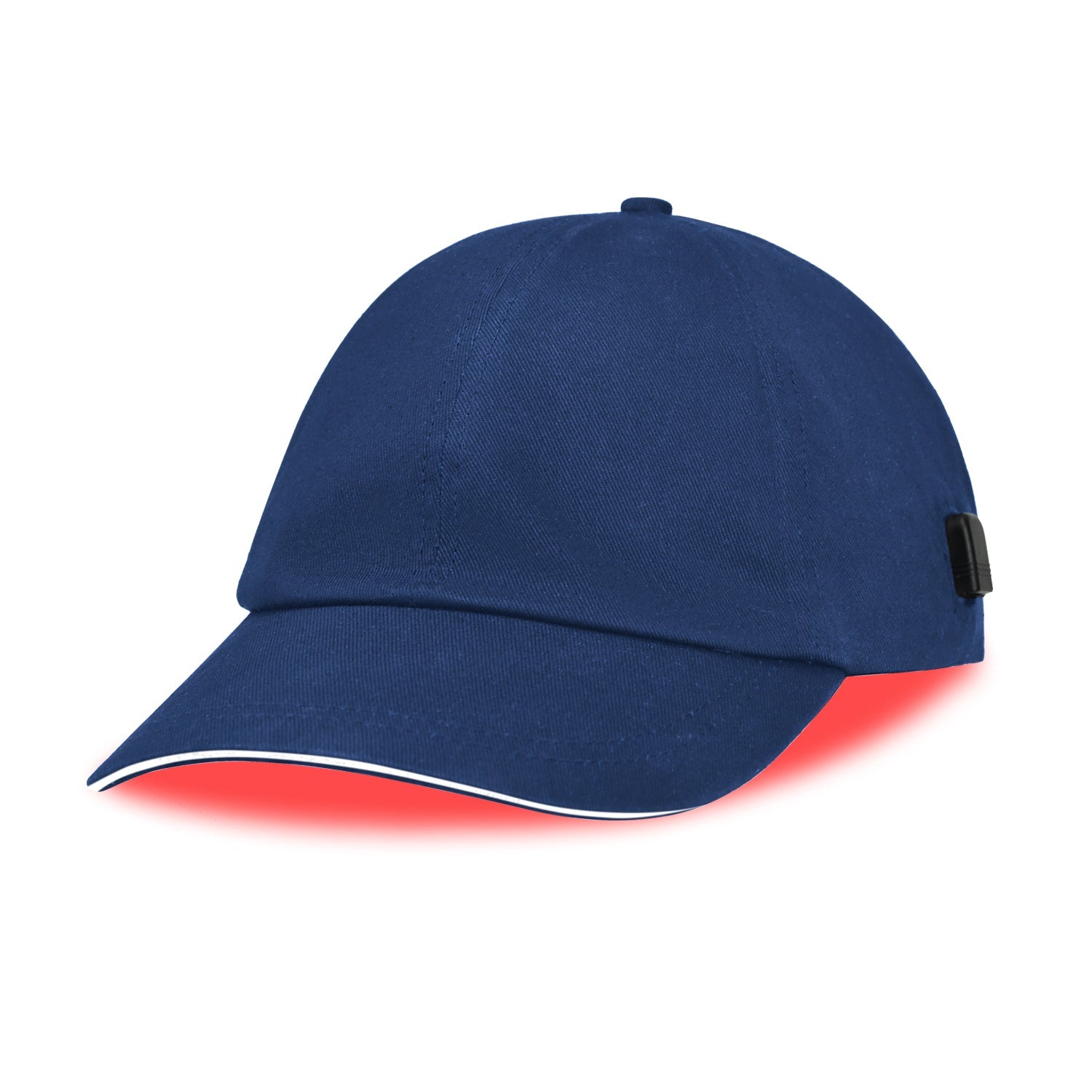
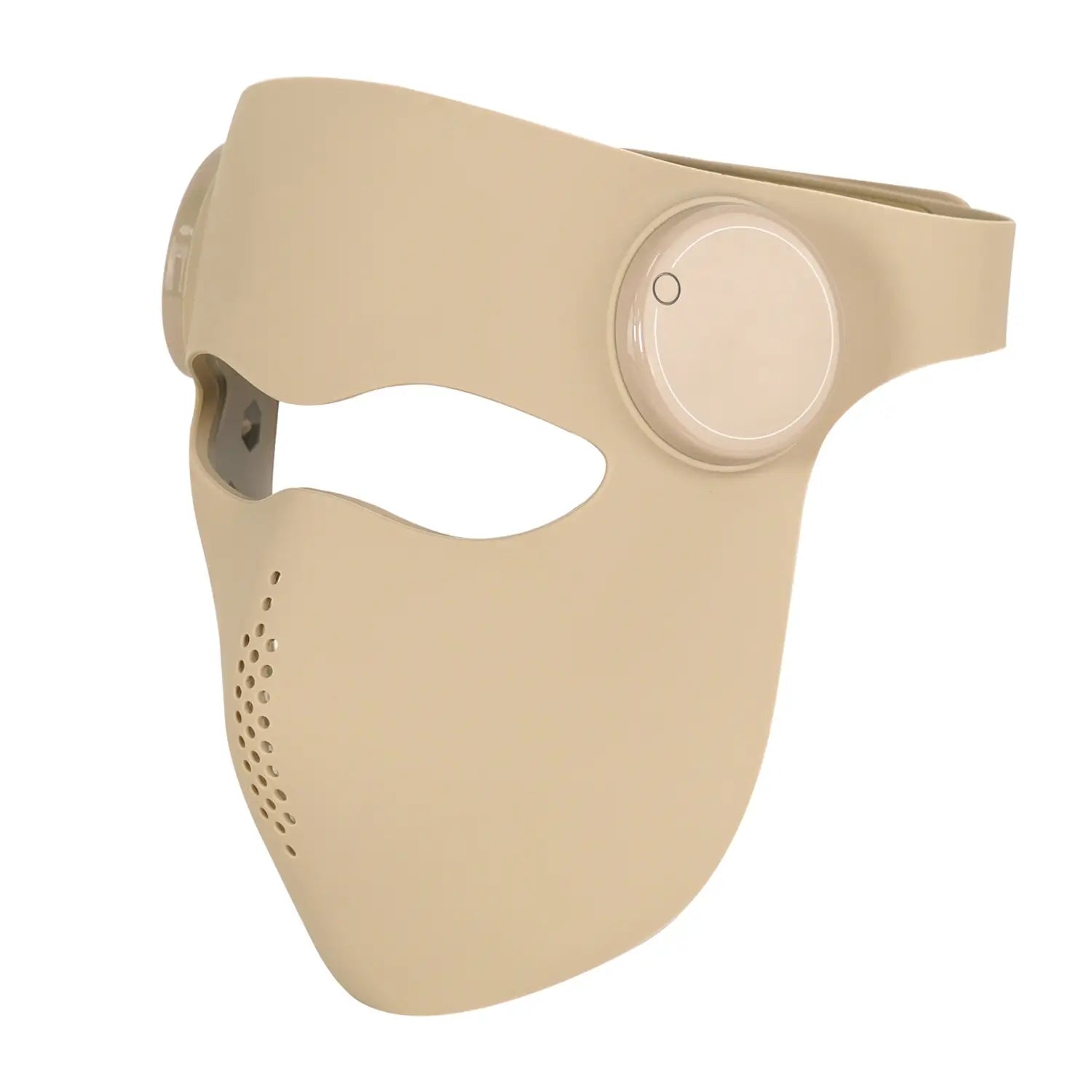
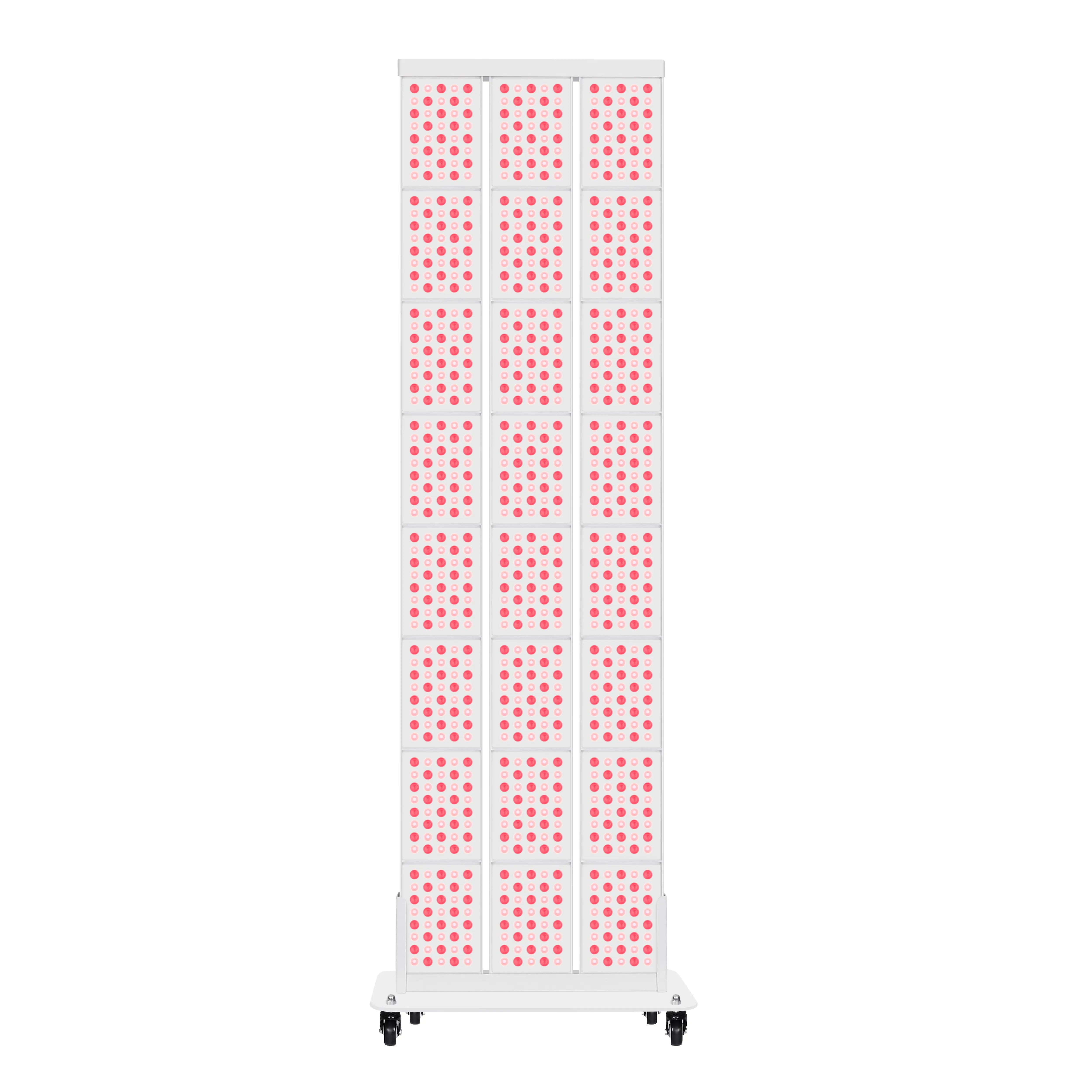
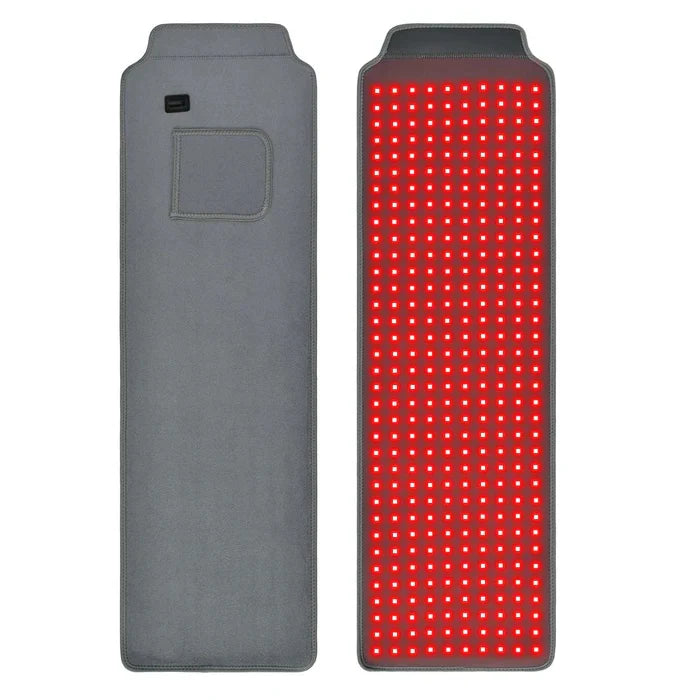
For athletes, high-irradiance, full-body or large-coverage devices tend to support better adherence for post-training routines. Look for panels delivering >130–150 mW/cm² with a balanced 660nm/850nm output, low EMF, and minimal flicker per current safety standards.
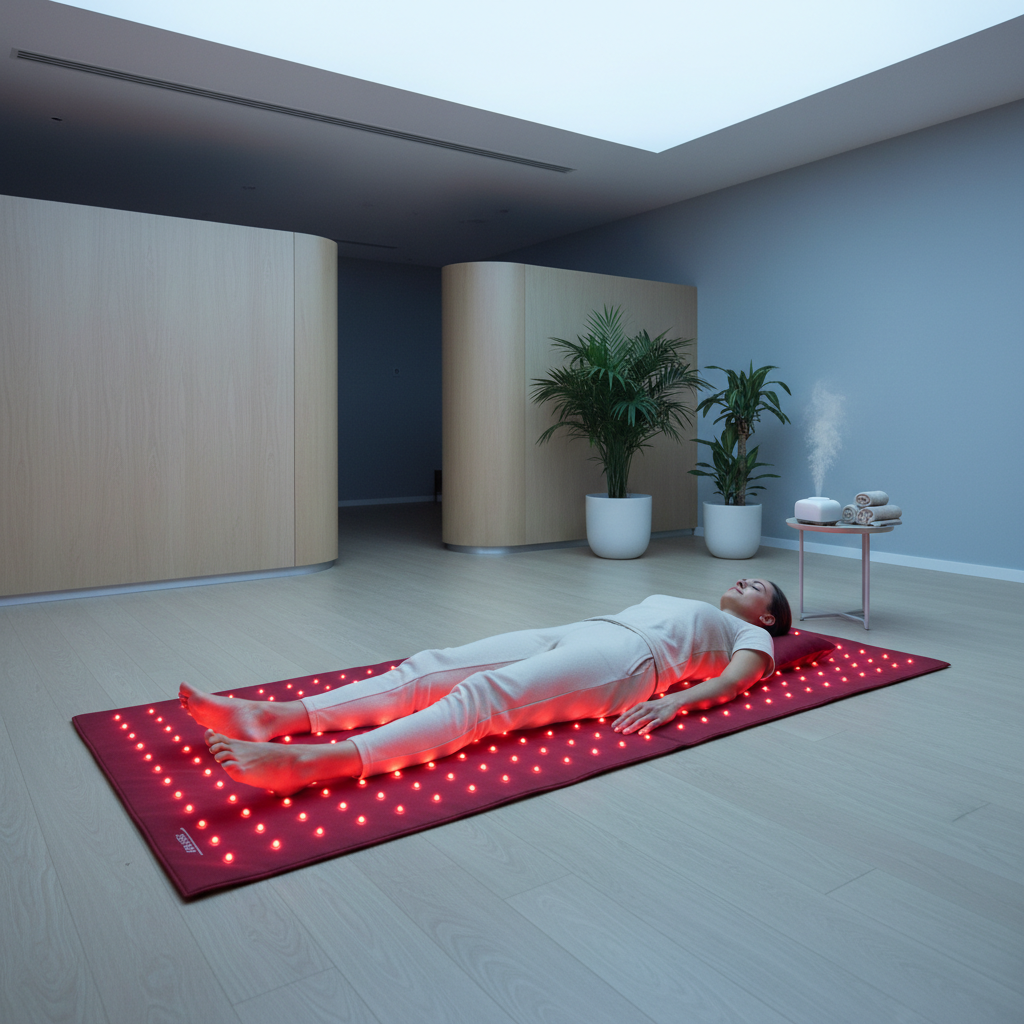
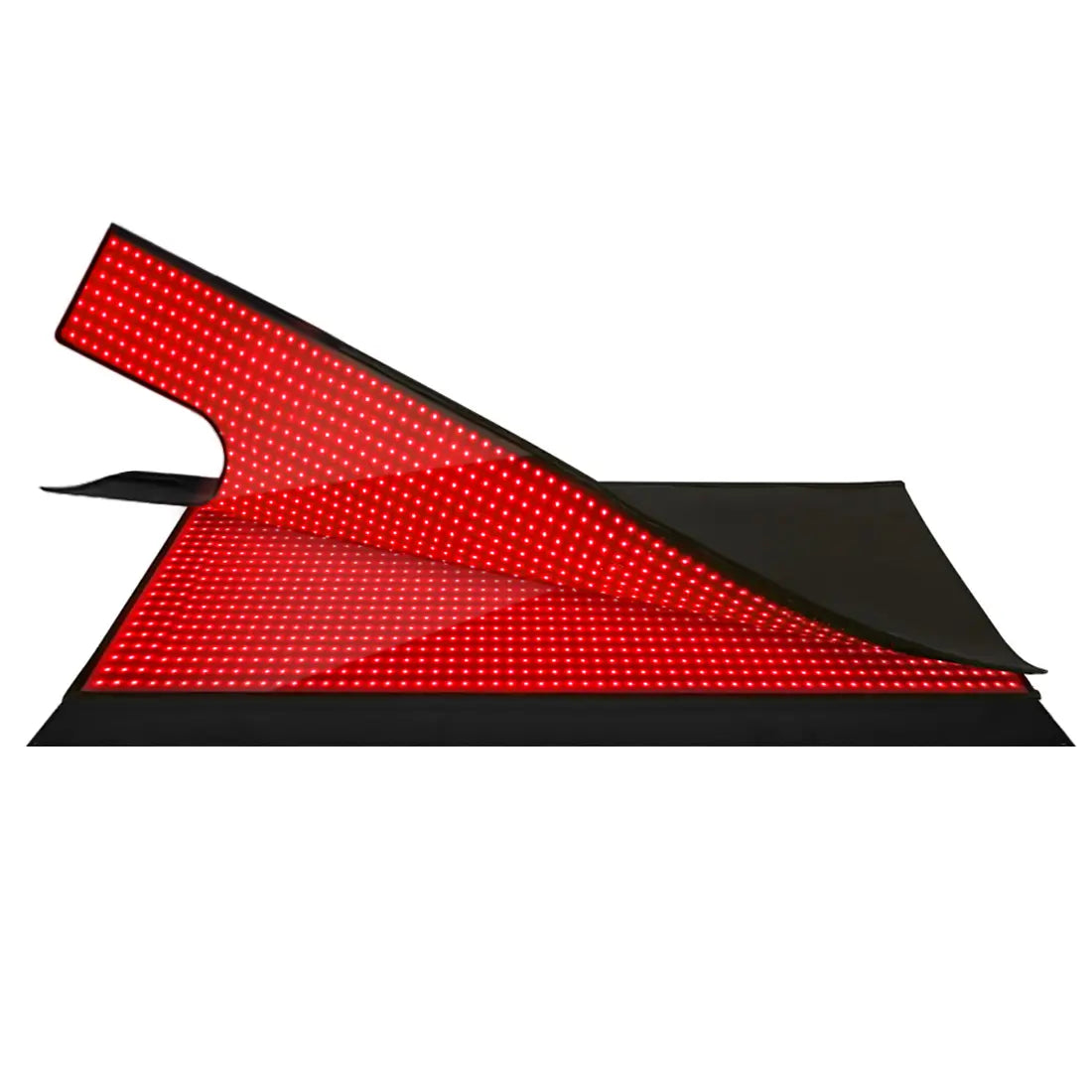
The Youlumi Pro Full Body Red Light Therapy Mat or large 1500W–1700W panels are designed for full-body coverage, making them suitable for comprehensive recovery after heavy sessions. These options allow efficient treatment of multiple muscle groups without excessive repositioning.
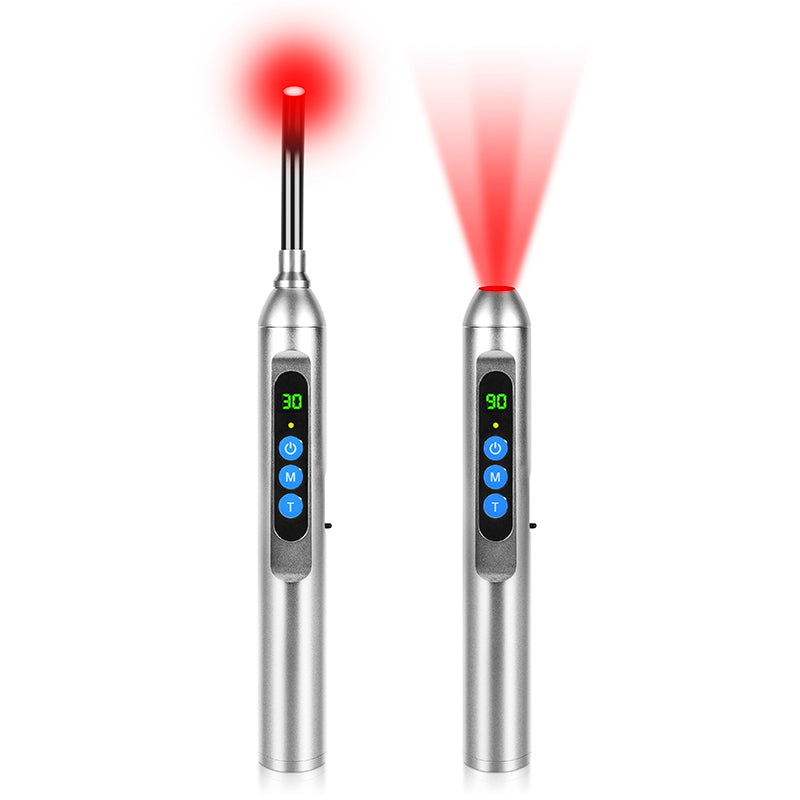
Smaller targeted devices like the Red Light Therapy Boot for Feet & Legs or Red Light Therapy Belt can complement larger panels for specific problem areas such as calves, knees, or lower back.
When comparing, prioritize measured irradiance at actual treatment distance, ease of setup in your space, and warranty coverage. Avoid devices with inflated claims or poor build quality that could reduce long-term usability. For deeper guidance on technical benchmarks, refer to the Photobiomodulation Standards whitepaper.
Related reading on mechanisms includes Understanding How Red Light Therapy Aids Muscle Recovery and Red Light Therapy & DOMS: What Actually Works After Heavy Lifting.
Integrating Red Light Therapy Into Your Training Regimen
Treat red light therapy as one component of a broader recovery system. Use it immediately after cooling down from workouts, followed by nutrition, hydration, and sleep. For high-volume training blocks, daily or every-other-day sessions on major muscle groups can become part of your routine.
Endurance athletes may focus on legs and hips after long runs, while strength athletes often target back, shoulders, and quads after lifting. The Red Light Therapy Sleep Bag offers a convenient full-body option for evening wind-down that combines recovery with rest preparation.
Monitor for any skin sensitivity and follow manufacturer guidelines for eye protection. Consistency over weeks tends to matter more than occasional high-dose sessions. If soreness or mobility issues persist, reassess training volume and consult a professional rather than increasing device use alone.
Realistic Expectations and When to Adjust Your Approach
While many users incorporate red light therapy to support faster return to training, it is not a replacement for rest, progressive overload management, or medical rehabilitation. Benefits for soreness often feel subjective and vary by individual factors including age, training history, and sleep quality.
If you notice no perceived difference after 3–4 weeks of consistent use, review your protocol (distance, duration, irradiance, timing) or consider whether other recovery variables need attention first. Some athletes find the greatest value in using it preventively between heavy sessions rather than only when soreness appears.
For those upgrading from basic recovery tools, focus on devices that minimize friction—easy storage, quick startup, and coverage that matches your most-trained areas. The complete sports recovery protocol resource offers additional sport-specific examples for runners, cyclists, and lifters.
In summary, red light therapy can be a convenient addition to post-training routines for athletes seeking better soreness management and mobility support when used as part of a complete regimen. Choose equipment and protocols that fit your lifestyle, track your personal response, and maintain realistic expectations. Prioritize overall training balance, and consult professionals for any injury concerns. This approach helps many fitness enthusiasts maintain consistency and enjoy their training longer.
Health and Safety Boundary Note: This article only discusses comfort, setup advice, and practical protocols for red light therapy in sports recovery. It does not constitute medical advice, diagnosis, or treatment. Red light therapy outcomes vary and are not guaranteed. If you experience persistent soreness, reduced mobility, or have pre-existing eye, skin, or medical conditions, please consult a qualified healthcare or sports medicine professional before starting any new recovery modality.