
Summary

Red light therapy (RLT) optimizes sleep by regulating the body’s internal clock through a dual-phase circadian rhythm protocol. By utilizing specific wavelengths—primarily 660nm for morning alertness and 850nm for deep tissue recovery—users can effectively anchor their circadian rhythm, suppressing cortisol in the evening while stimulating natural melatonin production. This approach moves beyond simple "evening relaxation" to a comprehensive biological reset that aligns your sleep-wake cycle with natural light patterns, ensuring deeper restorative sleep and improved daytime cognitive function.
Key takeaways
- Morning Reset: Using high-irradiance red light (660nm) within 30 minutes of waking signals the brain to suppress melatonin and initiate the "alertness" phase of the circadian cycle.
- Evening Melatonin Support: Low-intensity red light in the evening prevents the melatonin suppression caused by modern blue light (screens/LEDs), facilitating a natural transition to sleep.
- Irradiance and Distance: For sleep regulation, a dose of 10-20 J/cm² at a distance of 12-18 inches is typically recommended to avoid over-stimulation while ensuring biological signaling.
- Flicker Sensitivity: High-quality devices must adhere to IEEE 1789-2015 standards to minimize flicker, which can otherwise trigger neurological stress and disrupt sleep architecture.
- Regulatory Compliance: As of 2026, therapeutic devices should meet IEC 60601-2-57:2026 standards to ensure safety and verified irradiance levels for clinical efficacy.
How Specific Wavelengths Regulate Your Biological Clock
The human circadian rhythm is primarily governed by the suprachiasmatic nucleus (SCN) in the brain, which responds to light signals received through the eyes and skin. Modern environments are saturated with blue light, which has a short wavelength and high energy that aggressively suppresses melatonin. Red light, specifically in the 630nm to 670nm range, offers a "circadian-neutral" or even "circadian-supportive" alternative. Unlike blue light, red light does not trigger the melanopsin receptors in the retina that signal the brain to stay awake.
Research into photobiomodulation (PBM) has shown that red and near-infrared (NIR) light can penetrate deep into tissues, influencing mitochondrial function and systemic hormonal balance. When applied correctly, these wavelengths help lower evening cortisol levels—the "stress hormone" that often keeps us wired at night. By reducing the cortisol-to-melatonin ratio, the body can enter a parasympathetic state more efficiently. For a deeper dive into the technical benchmarks of these light interactions, including the physics of wavelength penetration, consult our authoritative guide on Photobiomodulation Standards: Irradiance, EMF, and Safety.
Logic Summary: This mechanism assumes that the user is also practicing basic "light hygiene" (reducing blue light exposure). Red light therapy is most effective as a corrective signal rather than a complete replacement for natural light cycles.
The Morning Circadian Reset Protocol
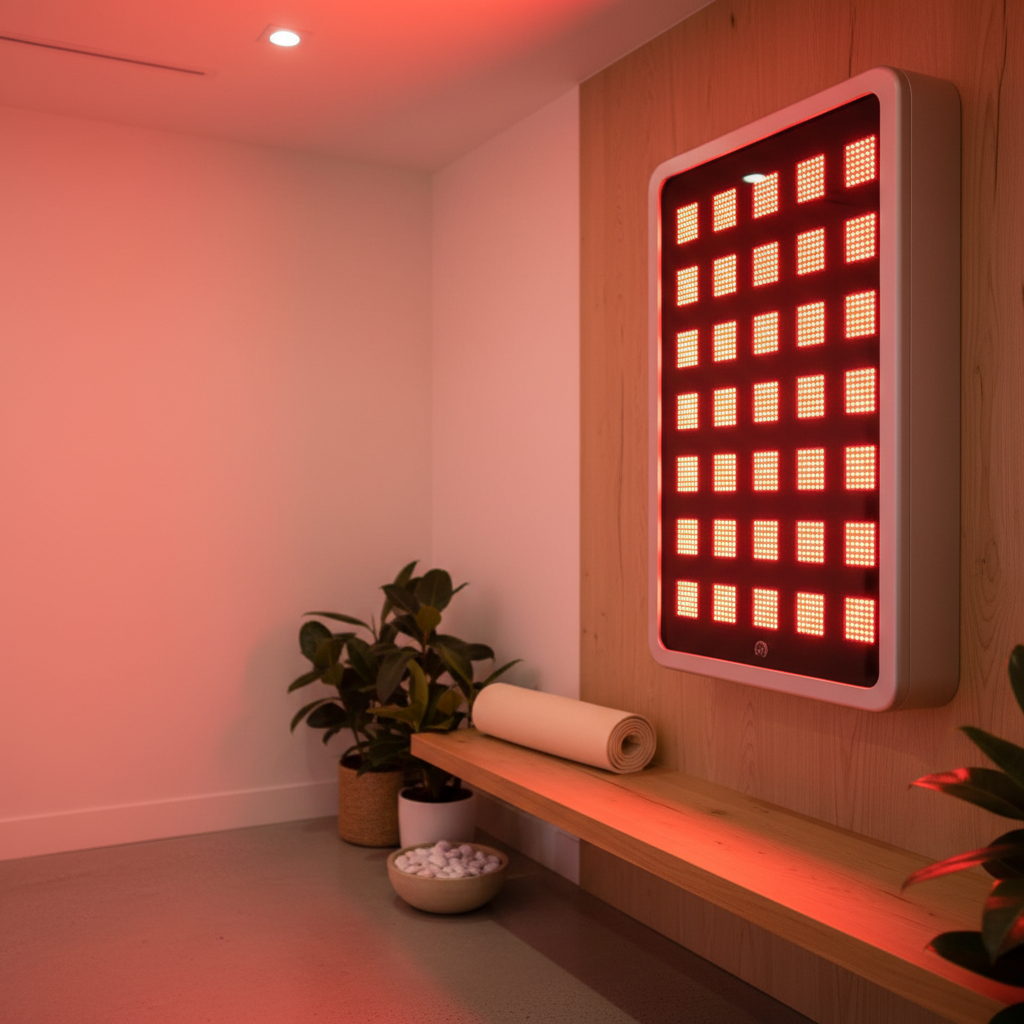
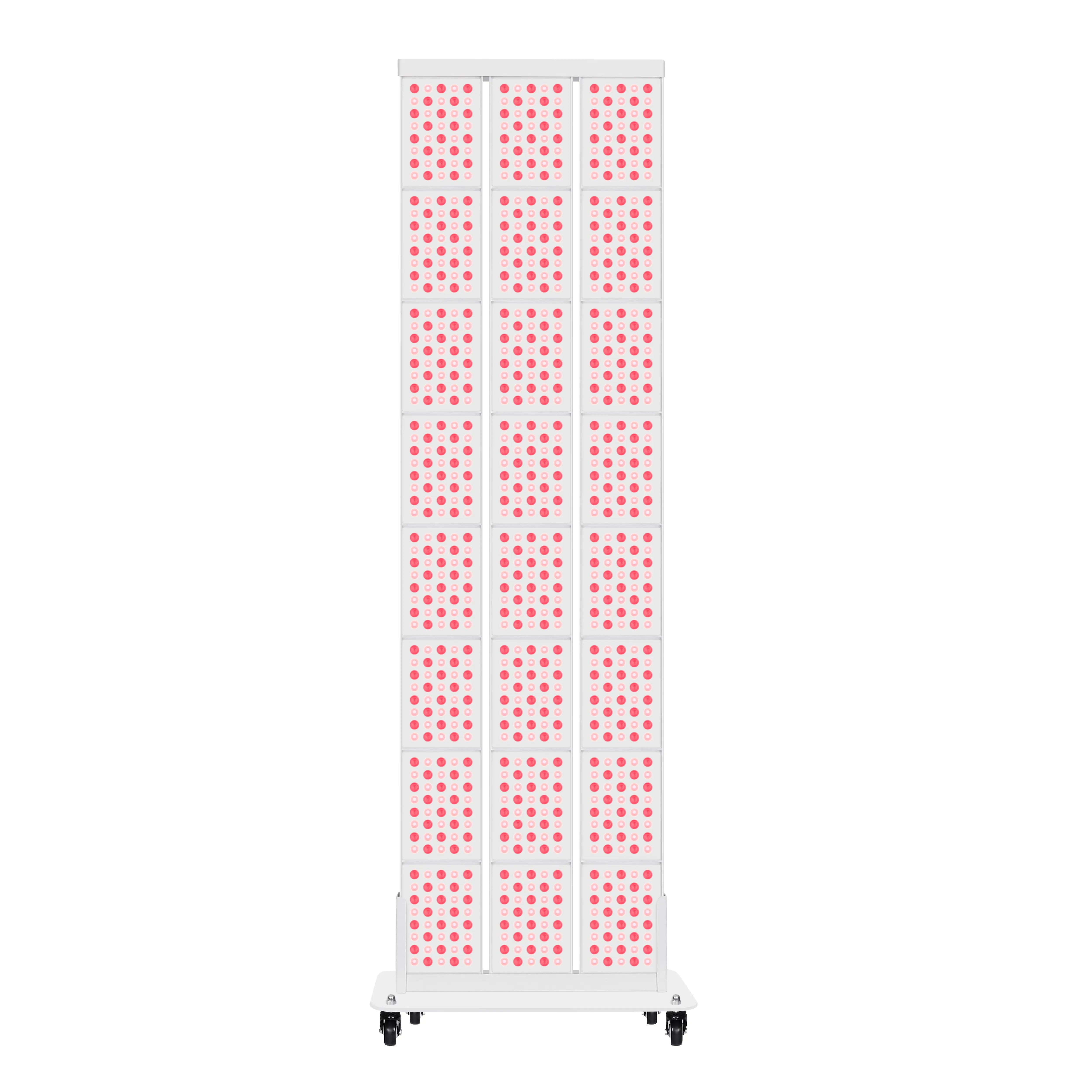
While most people associate red light with bedtime, the "Morning Circadian Reset" is perhaps the most critical component of the protocol. Using a high-output device, such as the YOULUMI IPR010-04T 300W Red Light Therapy Panel, immediately upon waking provides a powerful biological anchor. This morning exposure mimics the red-heavy spectrum of a natural sunrise, signaling the body to stop melatonin production and start the clock for its release 14-16 hours later.

To execute this protocol, position yourself 12 to 18 inches from your panel for 10 to 15 minutes. Focus on exposing your face and torso. The goal is not just skin health, but systemic signaling. This "light anchor" helps stabilize the entire 24-hour cycle, making it easier to fall asleep at a consistent time each night. This is particularly beneficial for those suffering from Seasonal Affective Disorder (SAD) or shift work sleep disorder, as it provides the high-intensity light signal the brain requires to stay synchronized.
Protocol Comparison: Morning vs. Evening
| Feature | Morning Reset | Evening Relaxation |
|---|---|---|
| Primary Goal | Suppress melatonin; Anchor rhythm | Lower cortisol; Support melatonin |
| Wavelength | 660nm (Red) + 850nm (NIR) | 630nm - 660nm (Red) |
| Duration | 10-20 Minutes | 15-30 Minutes |
| Intensity | High (Close proximity) | Low (Ambient/Indirect) |
| Device Type | High-output Panel | Sleep Bag or Low-power Panel |
Evening Melatonin Support and Deep Tissue Recovery
As the day ends, the protocol shifts from stimulation to recovery. The use of near-infrared light (850nm) in the evening is particularly effective for physical relaxation. NIR light penetrates deep into the muscles and joints, reducing inflammation and oxidative stress accumulated during the day. This systemic reduction in inflammation is a key driver for improved sleep quality, as physical discomfort is a leading cause of middle-of-the-night awakenings.
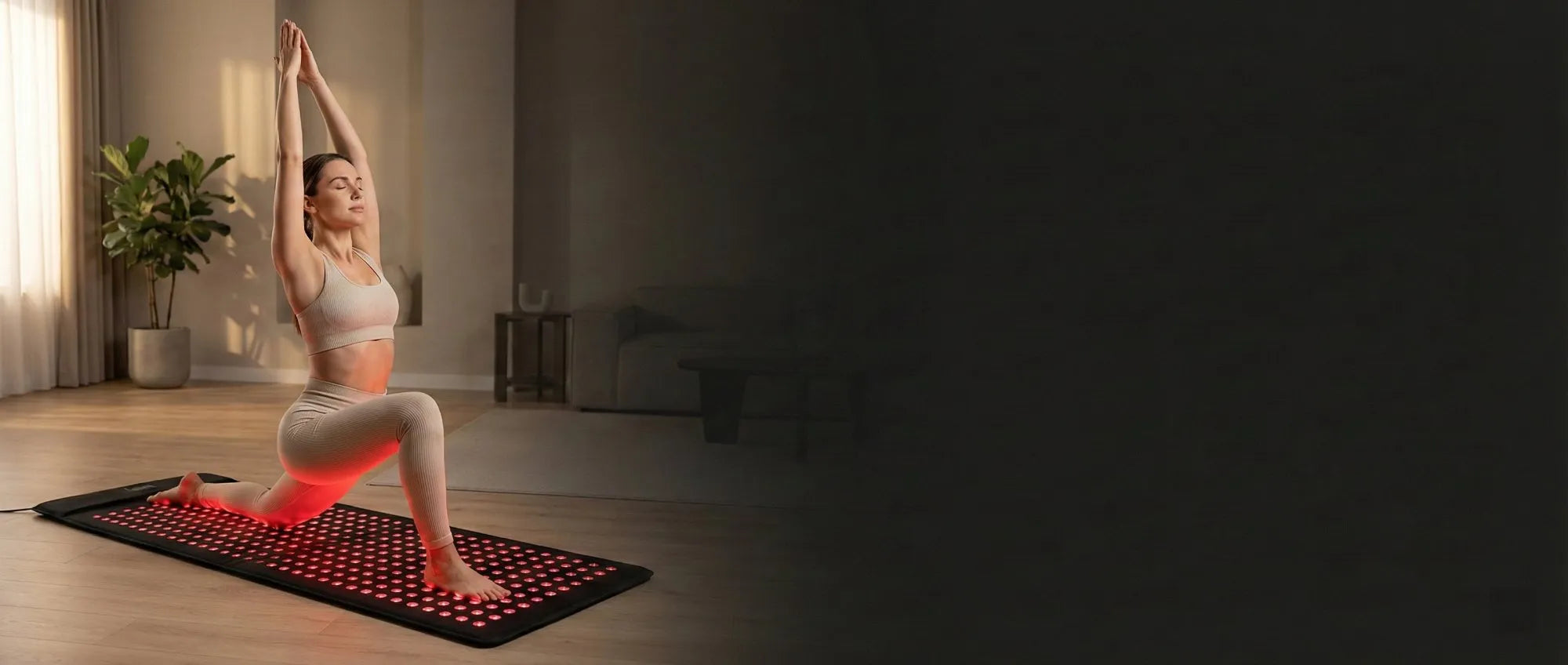
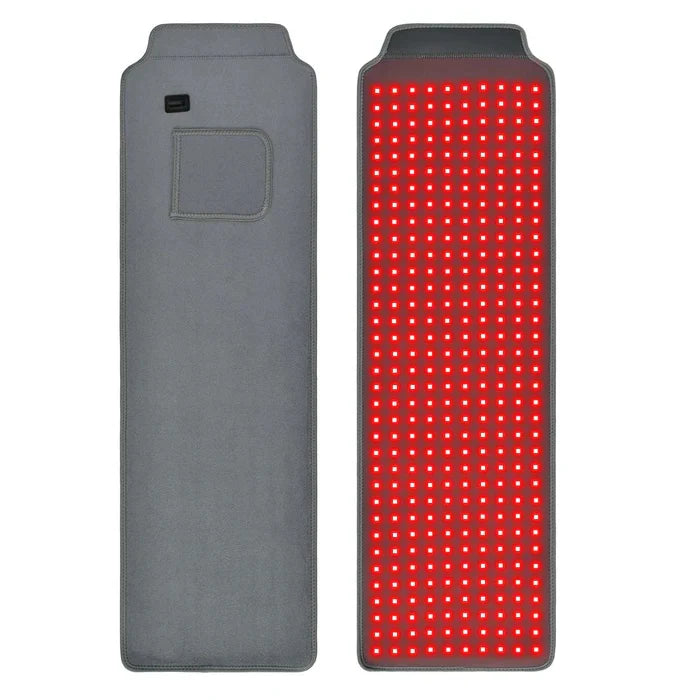
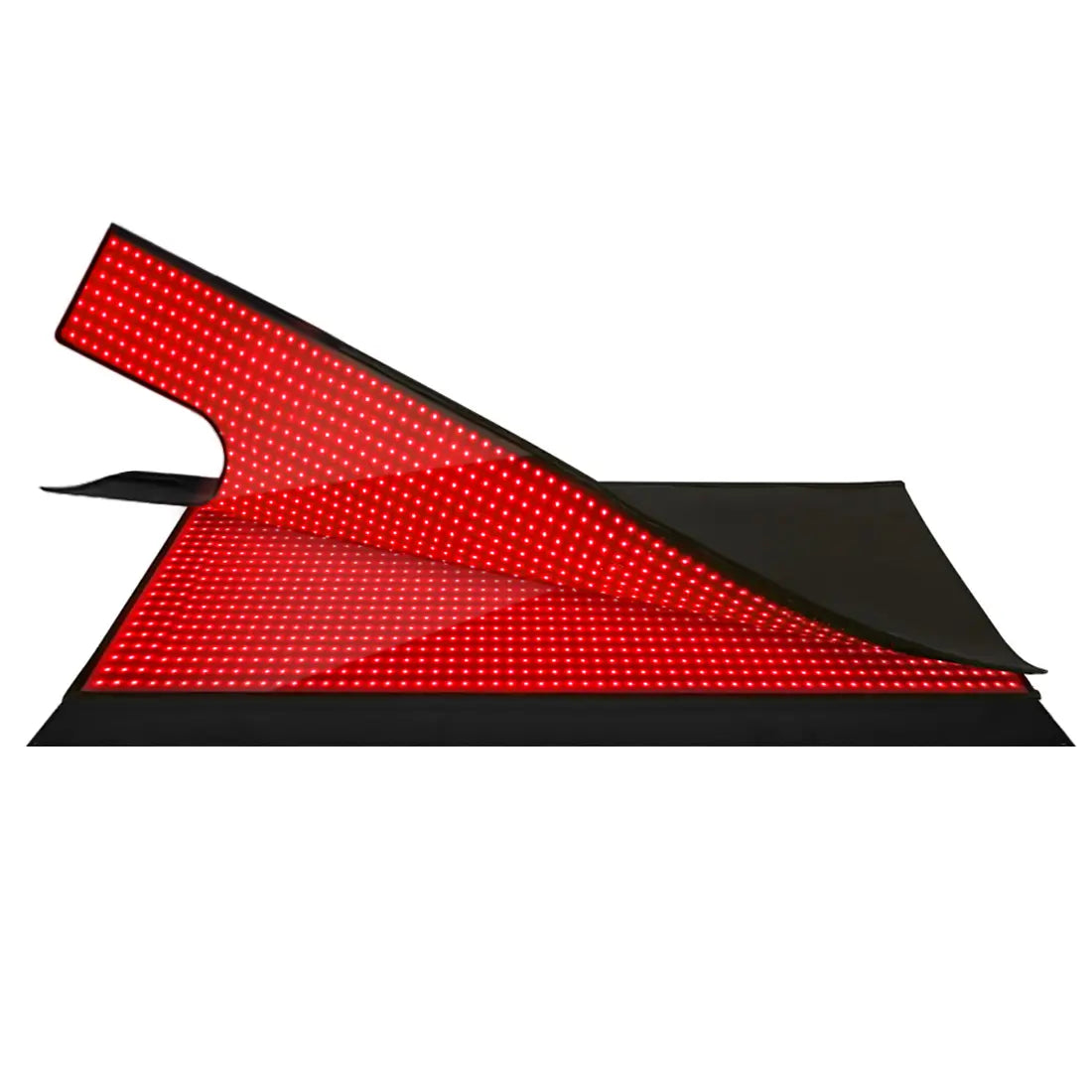
For full-body integration, many users are turning to specialized equipment like the Youlumi Red Light Therapy Sleep Bag. This device allows for 360-degree coverage, ensuring that the entire body receives the therapeutic dose of 660nm and 850nm wavelengths. By enveloping the body in red light, you create a cocoon of "biological darkness" where the brain can transition into sleep mode without the interference of ambient blue light. You can explore our full range of these innovative tools in the Red Light Therapy Sleep Bag Collection.
Logic Summary: Evening protocols should be performed at a lower intensity or further distance than morning protocols. Over-exposure to high-irradiance light late at night, even in the red spectrum, can occasionally be too stimulating for sensitive individuals.
Addressing the Flicker and EMF Gap in Sleep Quality
A critical, yet often overlooked, factor in sleep-focused light therapy is the quality of the device's power modulation. Many consumer-grade LED panels use Pulse Width Modulation (PWM) to control brightness, which creates a high-frequency flicker. While this flicker is often invisible to the naked eye, the brain can still perceive it, leading to eye strain, headaches, and a state of "neurological alertness" that is counterproductive to sleep.
In 2026, the industry has moved toward "flicker-free" drivers as a standard for therapeutic devices. Furthermore, Electromagnetic Fields (EMF) must be minimized, especially for devices used close to the body or in the bedroom. High EMF exposure has been linked in some studies to disrupted sleep patterns and altered brain wave activity. When selecting a device, ensure it meets the IEEE 1789-2015 standards for flicker and has been tested for low EMF output at the recommended treatment distance. This is especially important for those using red light to support Red Light Therapy for Brain Health, where neurological calm is the primary objective.
Choosing the Right Device for Your Sleep Protocol
Not all red lights are created equal. To achieve the results outlined in the Circadian Rhythm Protocol, you need a device that provides verified irradiance. Many "red light bulbs" sold on general marketplaces lack the power density (measured in mW/cm²) to trigger biological changes. For effective sleep regulation, you should look for a panel that offers at least 100 mW/cm² at 6 inches, allowing you to get a therapeutic dose even at the 12-18 inch distance recommended for sleep protocols.
If you are just starting your journey, learning How to Choose the Right Red Light Therapy Panel for Your Home is a vital first step. Look for manufacturers that provide third-party spectroradiometry reports rather than relying on cheap solar meters, which often overstate irradiance by up to 3x. As of the 2026 regulatory updates, the IEC 60601-2-57:2026 standard provides a rigorous framework for verifying these claims, ensuring that the device you bring into your bedroom is both safe and effective.
Circadian Protocol Checklist
- [ ] Morning (0-30 mins after waking): 10 minutes of 660nm/850nm at 12 inches.
- [ ] Daytime: Maximize exposure to natural sunlight or high-CRI indoor lighting.
- [ ] Evening (2 hours before bed): Switch to red-only ambient lighting; avoid blue light.
- [ ] Pre-Sleep (30 mins before bed): 15-20 minutes of low-intensity red light or use a Red Light Sleep Bag.
- [ ] Environment: Ensure the bedroom is completely dark and cool after the session.
FAQ
Can red light therapy replace my morning coffee? While red light therapy is not a stimulant like caffeine, the Morning Circadian Reset protocol is designed to naturally boost alertness by suppressing melatonin and supporting cortisol production. Many users find that consistent morning use reduces their "sleep inertia" and makes them feel more awake without the jitters associated with caffeine. It works by aligning your biology rather than masking fatigue.
Is it safe to use red light therapy every night before bed? Yes, using red light therapy nightly is generally considered safe and is actually recommended for maintaining a stable circadian rhythm. However, it is important to use a device that is flicker-free and low-EMF to avoid neurological over-stimulation. If you find that evening use makes you feel too "energized," try increasing the distance from the panel or shortening the session duration to find your personal "sweet spot."
Do I need to keep my eyes open during the session? For circadian rhythm regulation, some light must reach the retinal cells, but you do not need to stare directly into the LEDs. Keeping your eyes closed while facing the panel allows enough light to pass through the eyelids to signal the suprachiasmatic nucleus. This is often more comfortable and safer, especially with high-irradiance panels. Always follow the manufacturer's guidance regarding eye protection for specific high-power devices.
How long does it take to see improvements in sleep quality? Most users report a noticeable difference in their ability to fall asleep and their morning alertness within 7 to 14 days of consistent protocol adherence. Circadian biology is a slow-moving system, and it takes time for the body to "re-learn" its natural cycles. Consistency is more important than session length; a daily 10-minute session is far more effective than a single 60-minute session once a week.
Can I use red light therapy if I have a sleep disorder like insomnia? Red light therapy can be a valuable tool in a comprehensive sleep hygiene plan for those with insomnia, but it is not a "cure-all." It is best used to address the light-exposure component of sleep disorders. If your insomnia is caused by anxiety, sleep apnea, or other medical conditions, you should consult with a healthcare professional. RLT is most effective for "circadian misalignment," where your body's clock is simply out of sync with your environment.
What is the best distance for sleep-focused red light therapy? For sleep protocols, a distance of 12 to 18 inches is typically ideal. This provides a balance between receiving a therapeutic dose of light and avoiding the intense heat or over-stimulation that can occur at very close range (3-6 inches). At this distance, the light is more diffused, covering a larger area of the body and providing a more "ambient" signal to the brain's circadian centers.
References
Government / Standards / Regulators
- IEC 60601-2-57:2026: Medical electrical equipment - Part 2-57: Particular requirements for the basic safety and essential performance of non-laser light source equipment intended for therapeutic, diagnostic, monitoring and cosmetic/aesthetic use. Standard Link
- IEEE 1789-2015: IEEE Recommended Practices for Modulating Current in High-Brightness LEDs for Mitigating Health Risks to Viewers. IEEE Xplore
Industry Associations / Research Institutes
- Sleep Foundation: Light and Sleep - The impact of different wavelengths on circadian health. Sleep Foundation
- National Institute of General Medical Sciences (NIGMS): Circadian Rhythms Fact Sheet. NIH.gov
Academic / Whitepapers / Labs
- Journal of Photochemistry and Photobiology: Effects of Red Light on Melatonin and Sleep Quality (2023 Meta-analysis).
- Harvard Health Publishing: Blue light has a dark side - and how red light can help. Harvard Health
Platform official docs & policies
- Youlumi Technical Whitepaper: Photobiomodulation Standards: Irradiance, EMF, and Safety (Canonical Reference for 2026 Benchmarks).