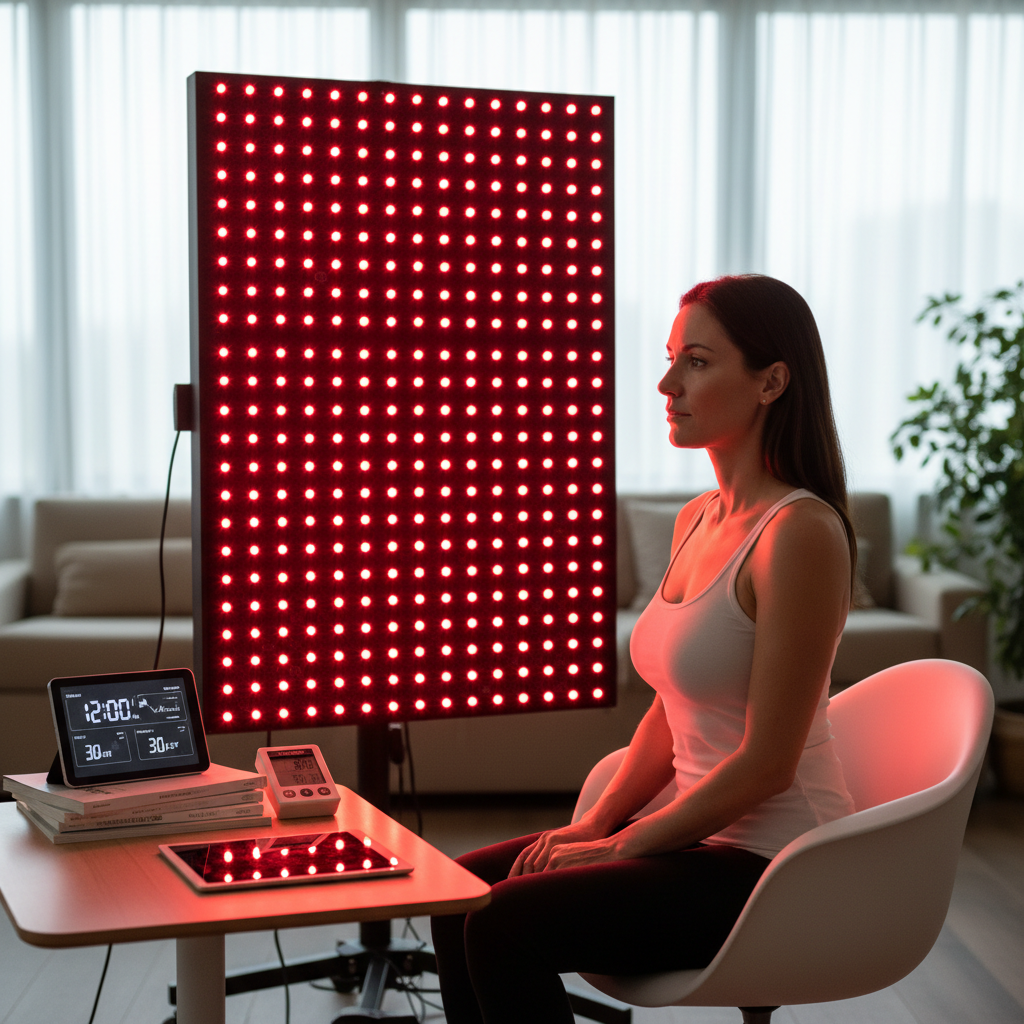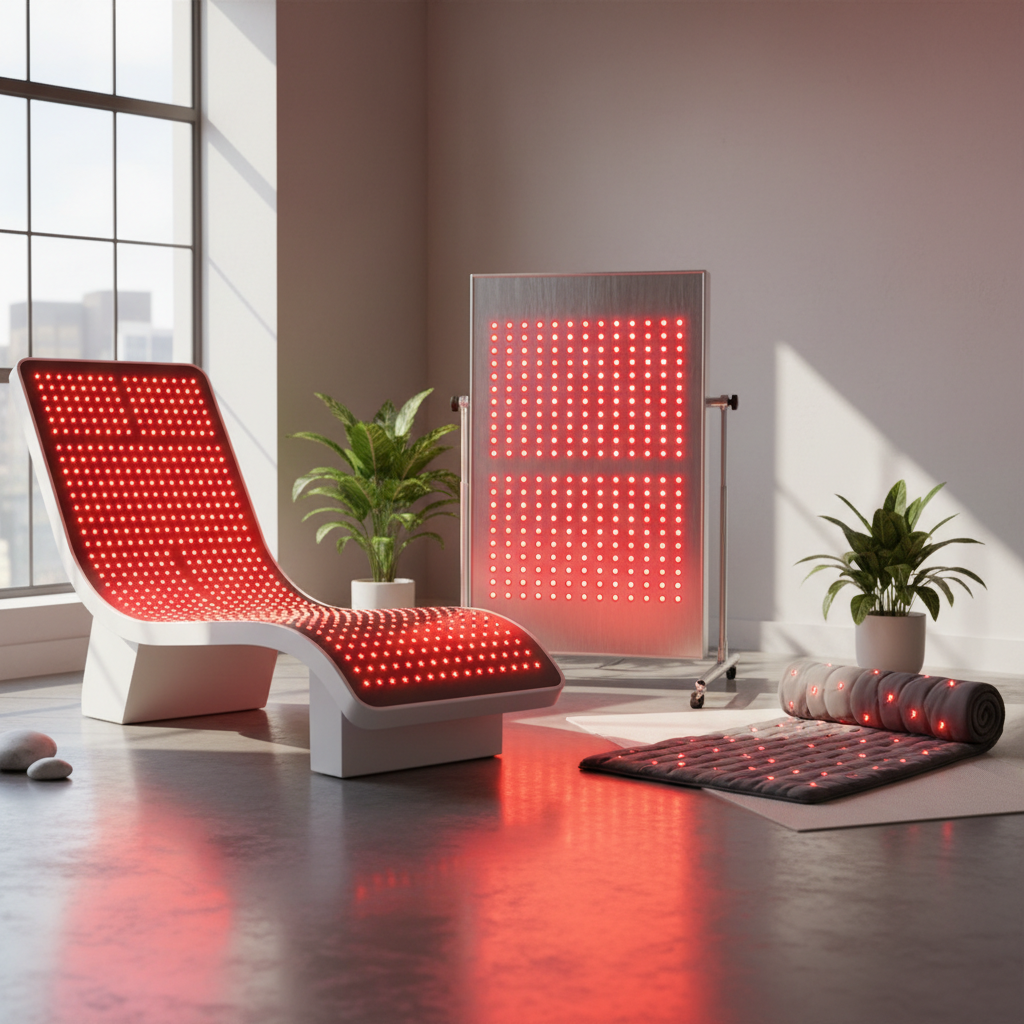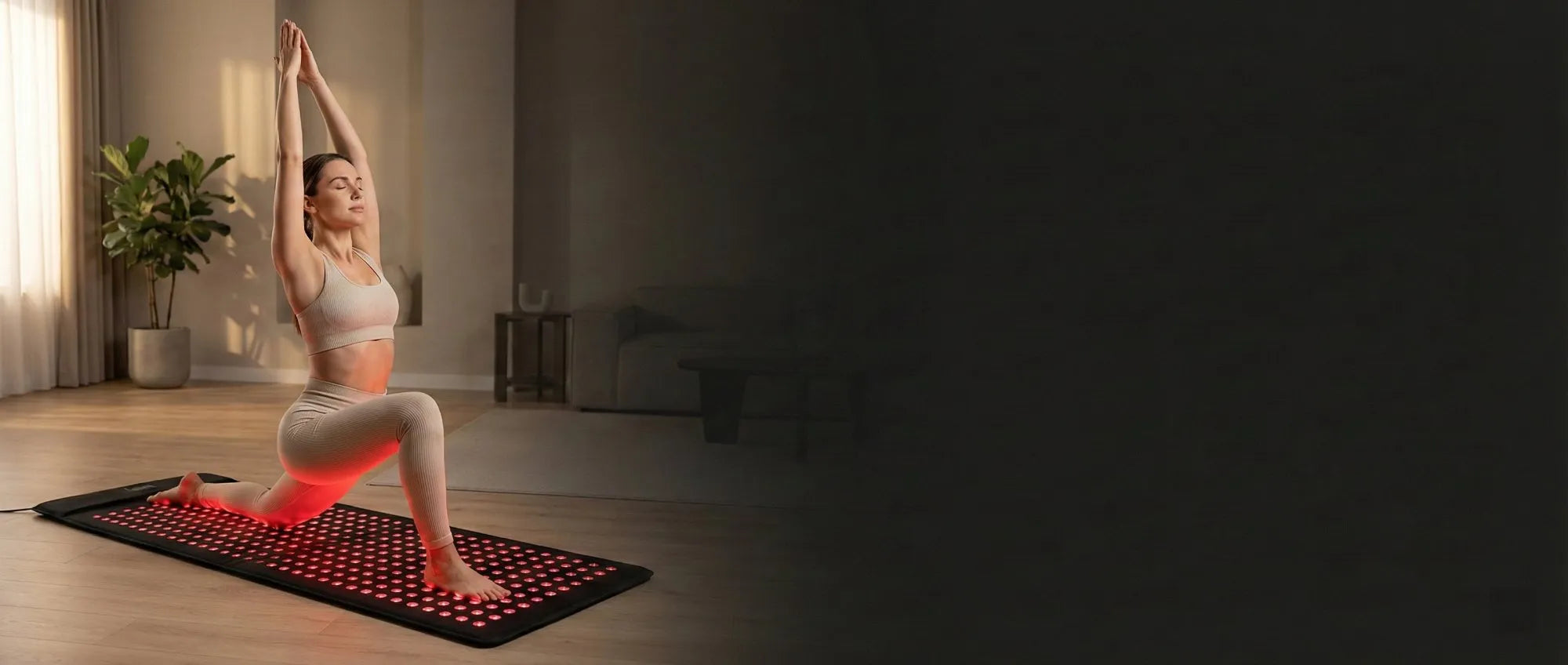
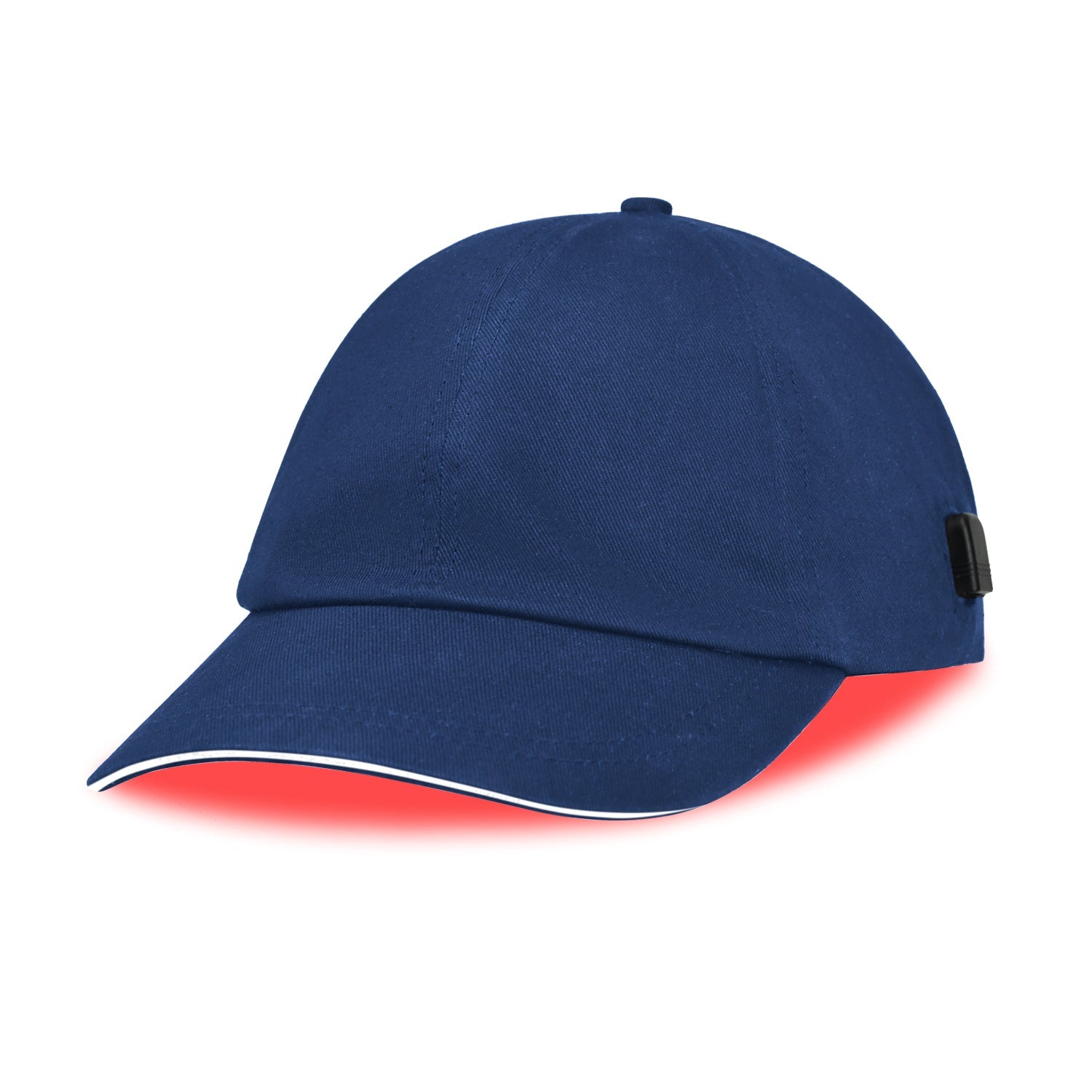
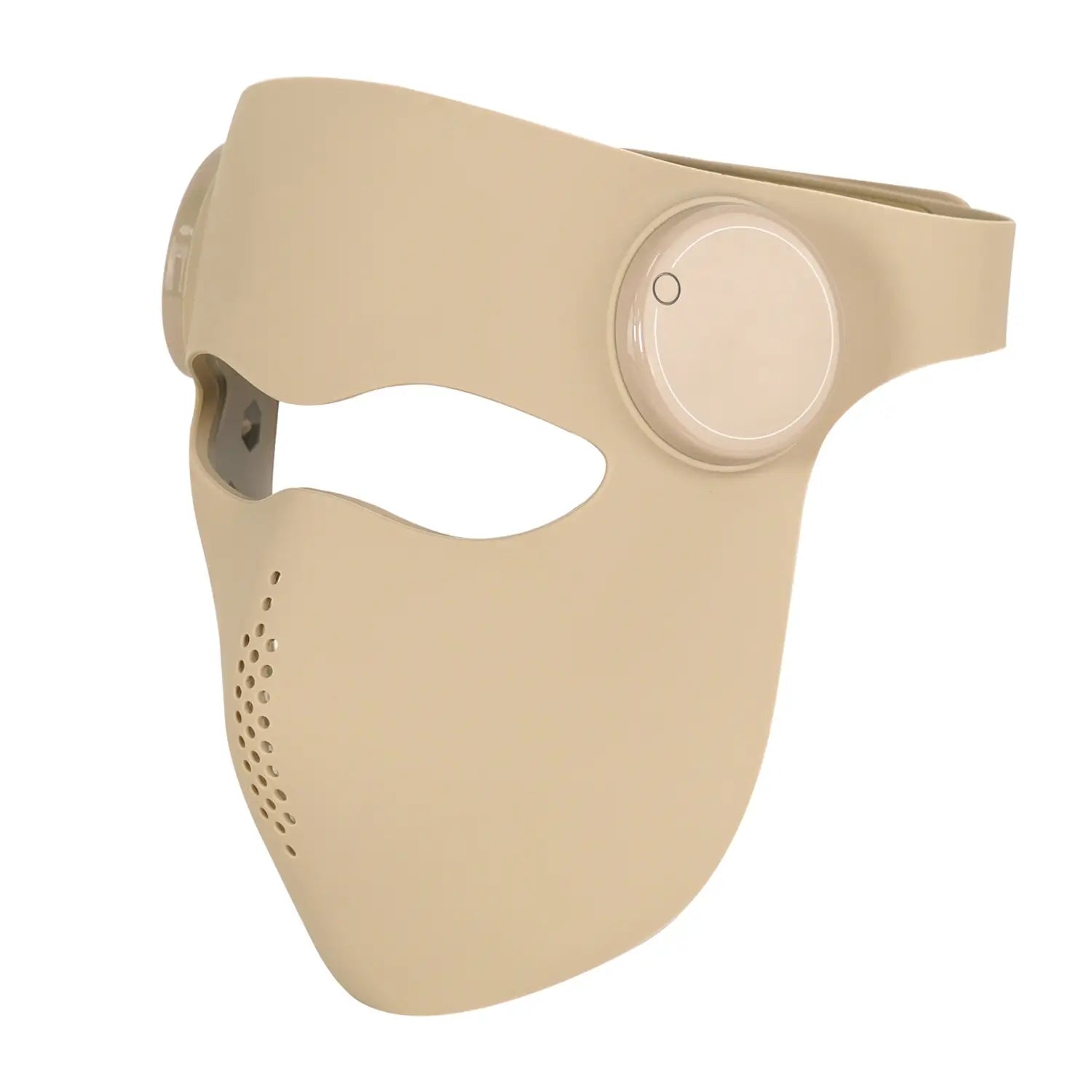
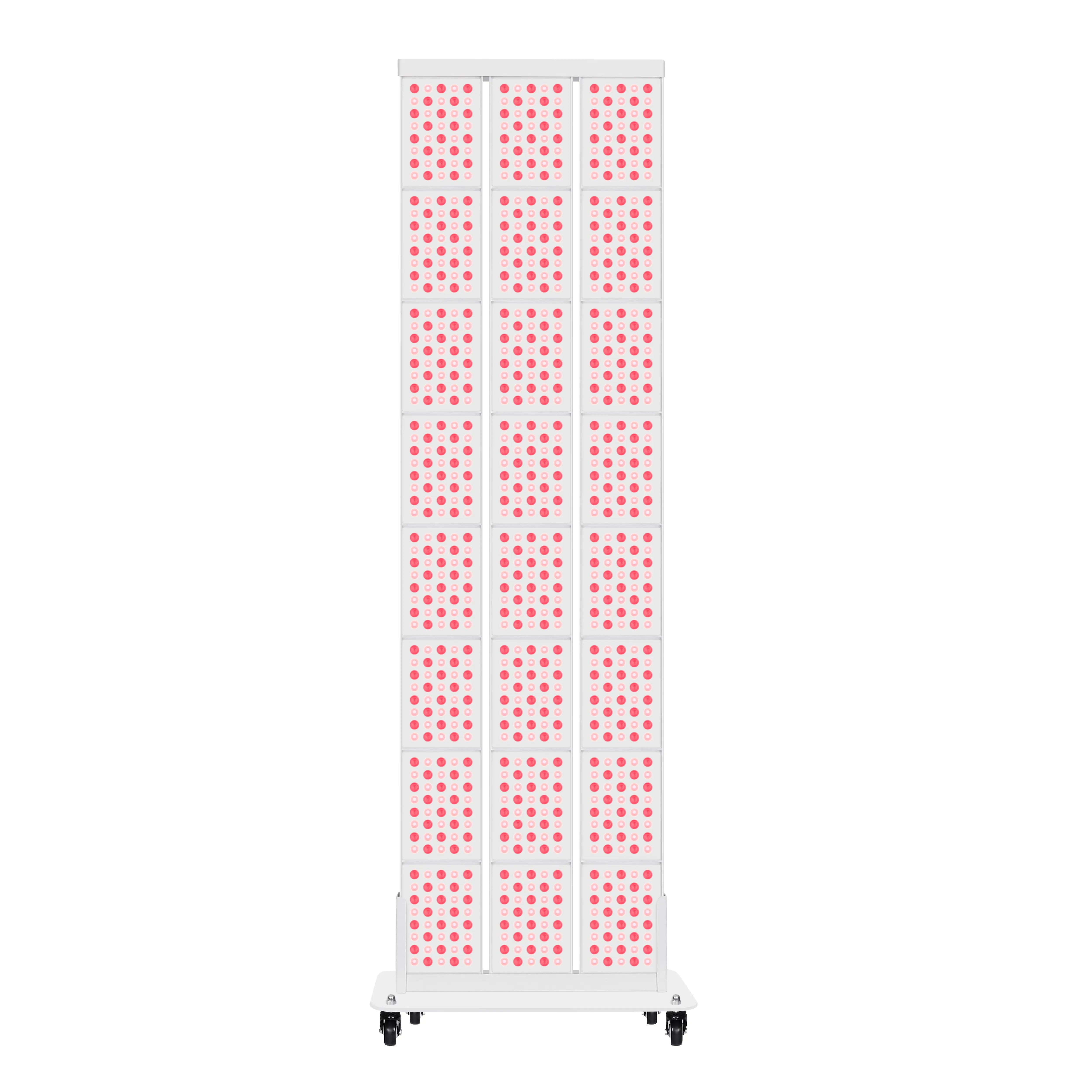
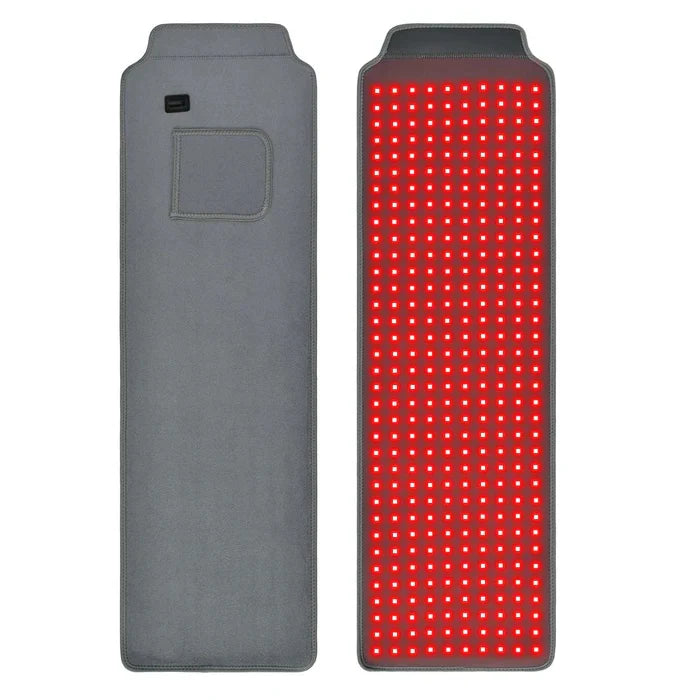
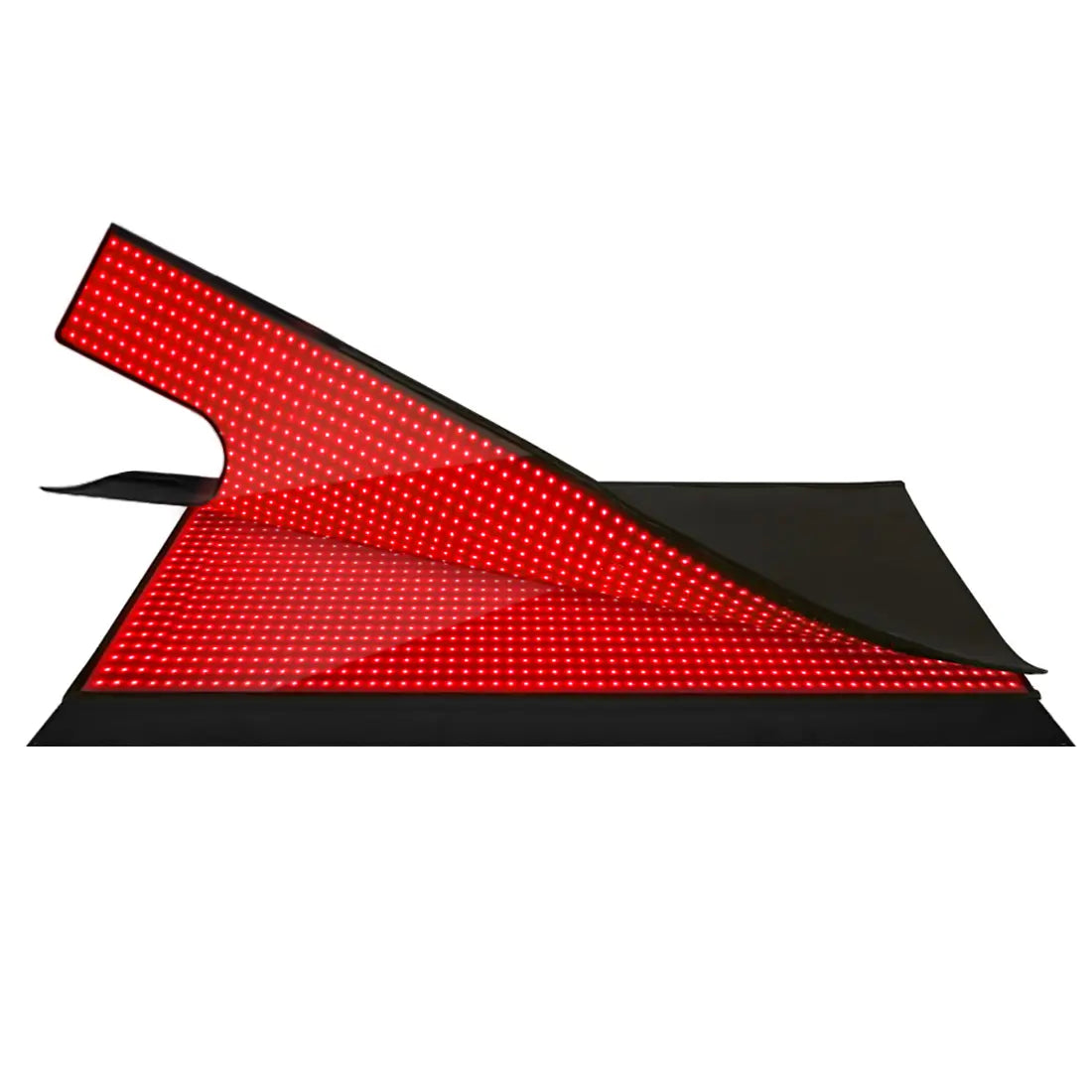
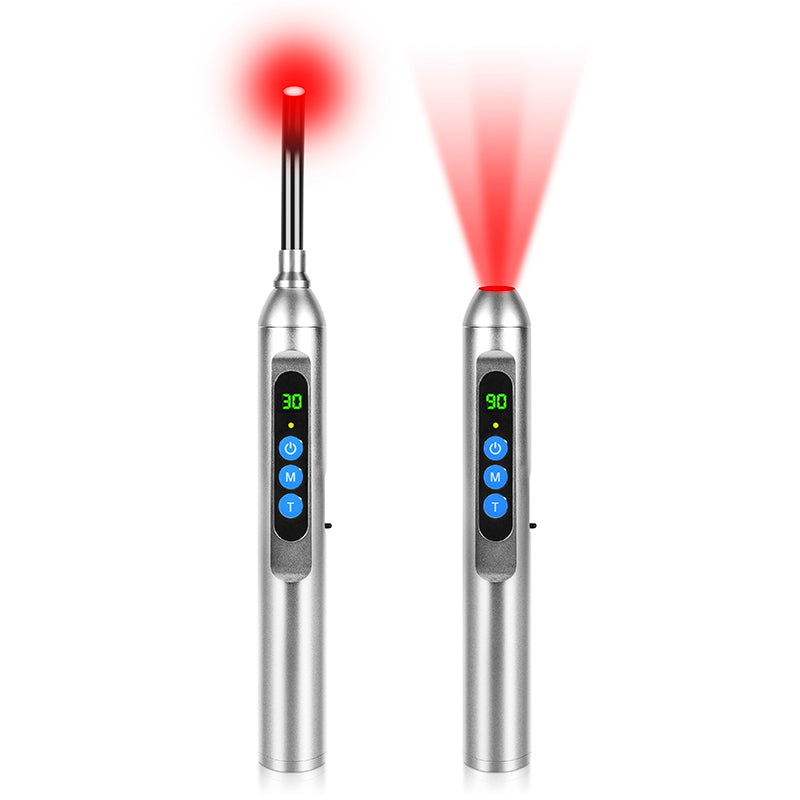

Advanced biohackers looking for marginal gains in recovery, tissue repair, and longevity often consider combining red light therapy with peptides such as BPC-157 or GHK-Cu and grounding practices. While theoretical mechanisms suggest possible complementary effects on inflammation, circulation, and cellular energy, current evidence remains limited and largely preclinical or mixed. Stacking may offer convenience in a single recovery routine but should be approached with realistic expectations, careful timing, and strong attention to safety and sourcing rather than assuming guaranteed additive benefits.

Understanding Photobiomodulation and Stacking Concepts
Red light therapy, also known as photobiomodulation (PBM), uses specific wavelengths of red and near-infrared light to influence mitochondrial function and cellular signaling. As this Cleveland Clinic overview of photobiomodulation therapy explains, practical benefits depend heavily on the condition, device parameters, and individual response rather than universal outcomes.
Stacking refers to combining PBM with other recovery modalities in the same session, day, or weekly protocol. The goal is synergy—where one tool addresses a bottleneck the other does not. However, overlapping mechanisms can sometimes lead to diminishing returns or unnecessary complexity. The photobiomodulation literature is broad, but evidence varies significantly by indication, as shown across many systematic reviews on PubMed.
For experienced users already comfortable with standalone red light therapy panels, the decision to add peptides or grounding hinges on whether the additional layer solves a distinct recovery constraint without introducing new risks or adherence challenges.
Potential Mechanisms Behind RLT and Peptide Combinations
Peptides like BPC-157 and GHK-Cu are researched for roles in tissue repair, angiogenesis, and collagen modulation. BPC-157 has been studied primarily in preclinical models for gut and musculoskeletal healing, while GHK-Cu shows more data in skin and wound contexts. However, BPC-157 remains an experimental peptide with limited human evidence, so recovery claims must stay cautious.
Theoretically, red light therapy's effects on mitochondrial ATP production and reduced oxidative stress could complement peptide signaling pathways involved in inflammation resolution and extracellular matrix remodeling. Yet direct studies on the combination are scarce. GHK-Cu has been studied more in skin and tissue contexts than as a proven add-on to red light therapy stacks.
Readers should treat these as emerging hypotheses rather than validated protocols. Any perceived improvements may also stem from better overall recovery habits, sleep, or nutrition rather than specific synergy. Expert consensus statements on photobiomodulation emphasize practical cautions even as terminology and mechanisms evolve.

Grounding (Earthing) in Recovery Stacks: Evidence Quality
Grounding involves direct contact with the Earth's surface or conductive mats to potentially reduce inflammation through electron transfer. However, grounding/earthing has limited and mixed evidence, so it should be framed cautiously rather than as a proven recovery intervention. According to the National Center for Complementary and Integrative Health summary on grounding, any recovery benefit is not established as a settled fact.
When paired with red light therapy, grounding might theoretically support parasympathetic activation and circulation during or after light sessions. In practice, many users report subjective relaxation, but controlled data isolating the combined effect is minimal. The added setup (mats, sheets, or outdoor time) can increase protocol complexity without clear incremental gains over consistent sleep and light exposure alone.
Timing Protocols and Practical Stacking Guidelines
Optimal timing depends on the primary goal—performance recovery, sleep support, or injury repair. General heuristics include:
- Post-workout: Use red light therapy within 30–60 minutes after training to target muscle recovery. Introduce peptides earlier in the day or as directed by sourcing guidelines; grounding can follow in the evening if using a mat during wind-down.
- Evening routine: Many prefer red light therapy 1–2 hours before bed to support relaxation without overstimulation. Grounding during this window may enhance perceived calm, but avoid layering too many steps if it delays sleep.
- Injury focus: Consistency matters more than stacking. Prioritize clinician guidance for peptides and monitor symptoms rather than adding unverified layers that could mask issues.
A common beginner mistake is assuming “more tools equal faster results.” In reality, overlapping anti-inflammatory signals may not compound linearly. Separate sessions by at least 30–60 minutes when possible to observe individual responses.
The following illustrative radar chart summarizes a heuristic decision framework across common scenarios. Higher scores in “Additive value” suggest stacking may be more defensible in that context, while higher “Risk of overstacking” or “Protocol complexity” indicate greater reason to simplify. These are relative illustrative scores only, not clinical measurements.
When Red Light Therapy Stacking Adds Value
Illustrative decision framework for when stacking may add value vs when it may be unnecessary or riskier.
View chart data
| Series | Additive value | Evidence support | Safety simplicity | Risk of overstacking | Protocol complexity |
|---|---|---|---|---|---|
| Post-workout | 4.0 | 3.0 | 4.0 | 2.0 | 3.0 |
| Evening routine | 3.0 | 2.0 | 5.0 | 1.0 | 2.0 |
| Injury recovery | 4.0 | 2.0 | 3.0 | 3.0 | 4.0 |
Heuristic/illustrative framework built from the article's scenario_matrix and constraint_first_filter logic. Values are conservative relative scores (1-5), not clinical measurements. Higher 'Additive value' means stacking may be more defensible; higher 'Risk of overstacking' means greater need to simplify or avoid adding layers. Based on limited evidence boundaries for peptides and grounding.
Safety, Sourcing, and Quality Considerations in 2026
Peptide use carries important legal and safety caveats. Many compounds remain unapproved for human therapeutic use in many jurisdictions and are sold for “research purposes only.” Quality varies widely between suppliers; third-party testing for purity and contaminants is essential. Never treat peptides as substitutes for medical care or proven therapies.
Red light therapy devices should meet basic safety standards for irradiance and EMF. As outlined in FDA consumer information on red light therapy, realistic expectations and proper use are key.
Grounding products should be checked for proper conductivity and avoided near electrical hazards. Individuals with implanted devices or certain medical conditions should consult professionals before combining modalities.
Important Safety Boundary: This article discusses comfort, recovery routines, and theoretical stacking concepts only. It does not constitute medical advice, diagnosis, or treatment. Peptides may have regulatory restrictions and potential side effects. If you have existing health conditions, injuries, or persistent symptoms, consult qualified healthcare professionals before starting any new protocol.
How to Choose and Test a Stack in Your Routine
Use this practical checklist before committing to a combined protocol:
- Define your primary bottleneck — Is it muscle soreness, sleep quality, skin recovery, or something else? Choose the modality that most directly addresses it first.
- Verify sourcing and legality — Confirm peptide suppliers through independent lab testing and understand local regulations.
- Start simple — Test red light therapy alone for 2–4 weeks, then consider adding one element at a time while tracking subjective markers like sleep scores, soreness, or energy.
- Monitor timing conflicts — Ensure the full stack fits realistically into your schedule without increasing stress or reducing consistency.
- Assess results independently — Change only one variable at a time and use simple journaling rather than attributing all progress to the newest addition.
- Know when to stop stacking — If adherence drops, costs rise without noticeable difference, or uncertainty about product quality increases, simplify the routine.
This heuristic filter helps separate promising theory from overstated marketing claims common in biohacking communities.
When Stacking May Not Be Worth It
Stacking tends to become unnecessary when the recovery problem is already addressed by fundamentals like sleep, nutrition, and consistent training. In time-compressed evening routines, adding multiple steps can reduce overall adherence. For acute injuries, introducing experimental peptides without medical oversight may complicate rather than accelerate healing.
The scenario matrix above illustrates these flips: post-workout and injury contexts sometimes score higher on potential additive value, while evening routines often favor simplicity due to lower evidence support and higher complexity risks. Ultimately, the best protocol is the one you can sustain long-term with measurable personal benefit rather than the most elaborate stack.
For more on foundational red light therapy applications, see our guide on what a red light therapy panel does. Athletes interested in performance recovery may also explore red light therapy after HIIT sessions. Those focused on tissue repair might find value in red light therapy for scar softening.
Red light therapy belts can provide convenient targeted application that fits well into stacked routines for localized recovery needs. Check the Red Light Therapy Belt collection for portable options suitable for post-workout or evening use.
Conclusion
Combining red light therapy with peptides or grounding remains an emerging area with plausible mechanisms but limited high-quality human evidence for synergistic effects. While some experienced biohackers report subjective benefits from thoughtful stacking, results depend heavily on individual factors, device quality, sourcing integrity, and overall lifestyle.
Approach any advanced stack with conservative expectations, rigorous self-tracking, and professional medical input when appropriate. The greatest gains often come from mastering basics first—consistent red light therapy use, recovery nutrition, and sleep—before layering additional variables. Focus on sustainable routines that fit your lifestyle rather than chasing the most complex protocol available in 2026.