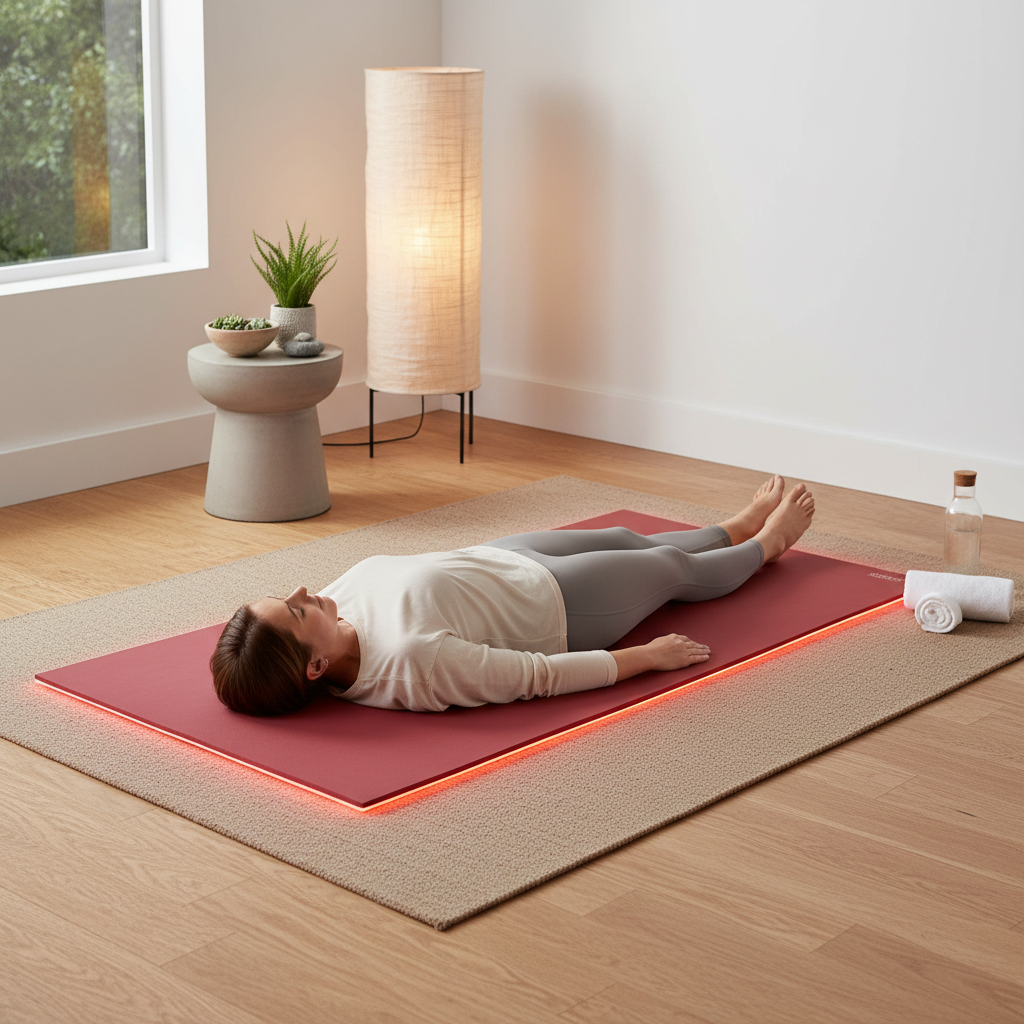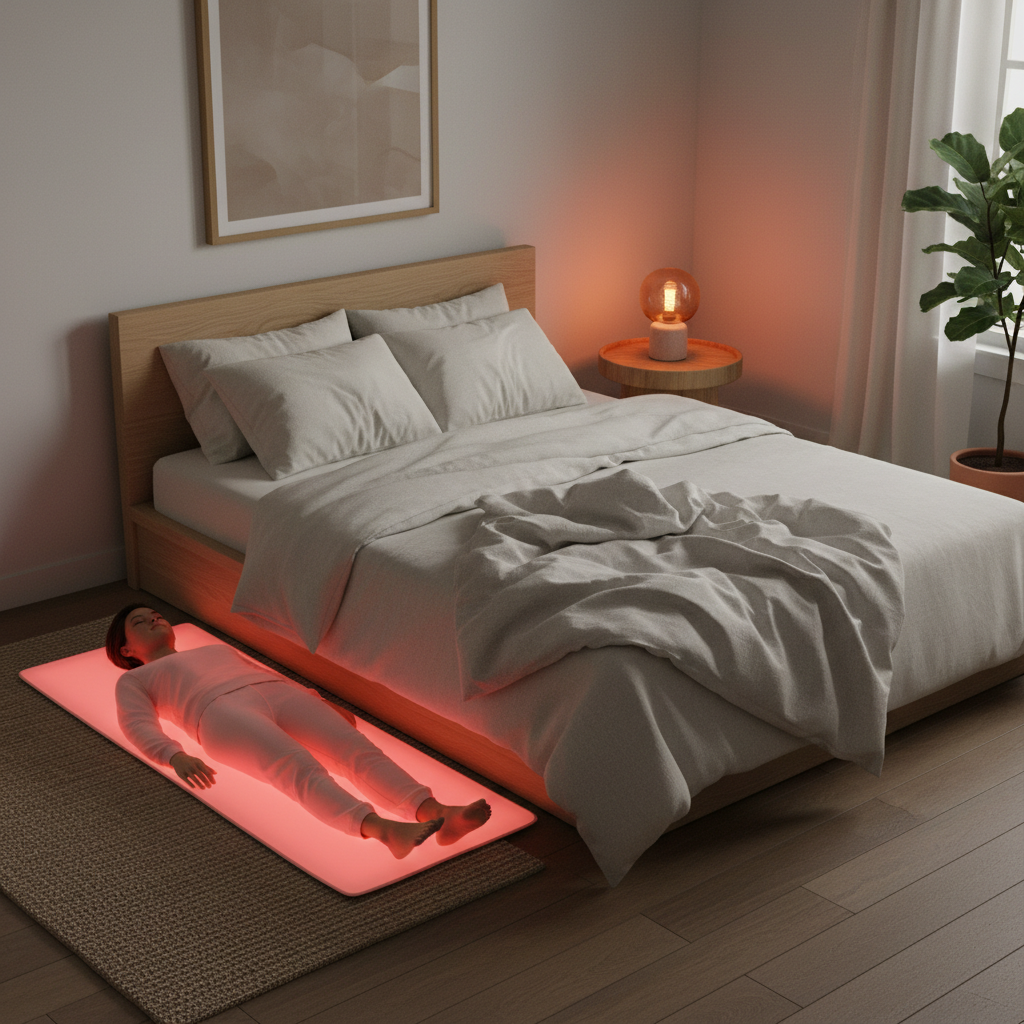
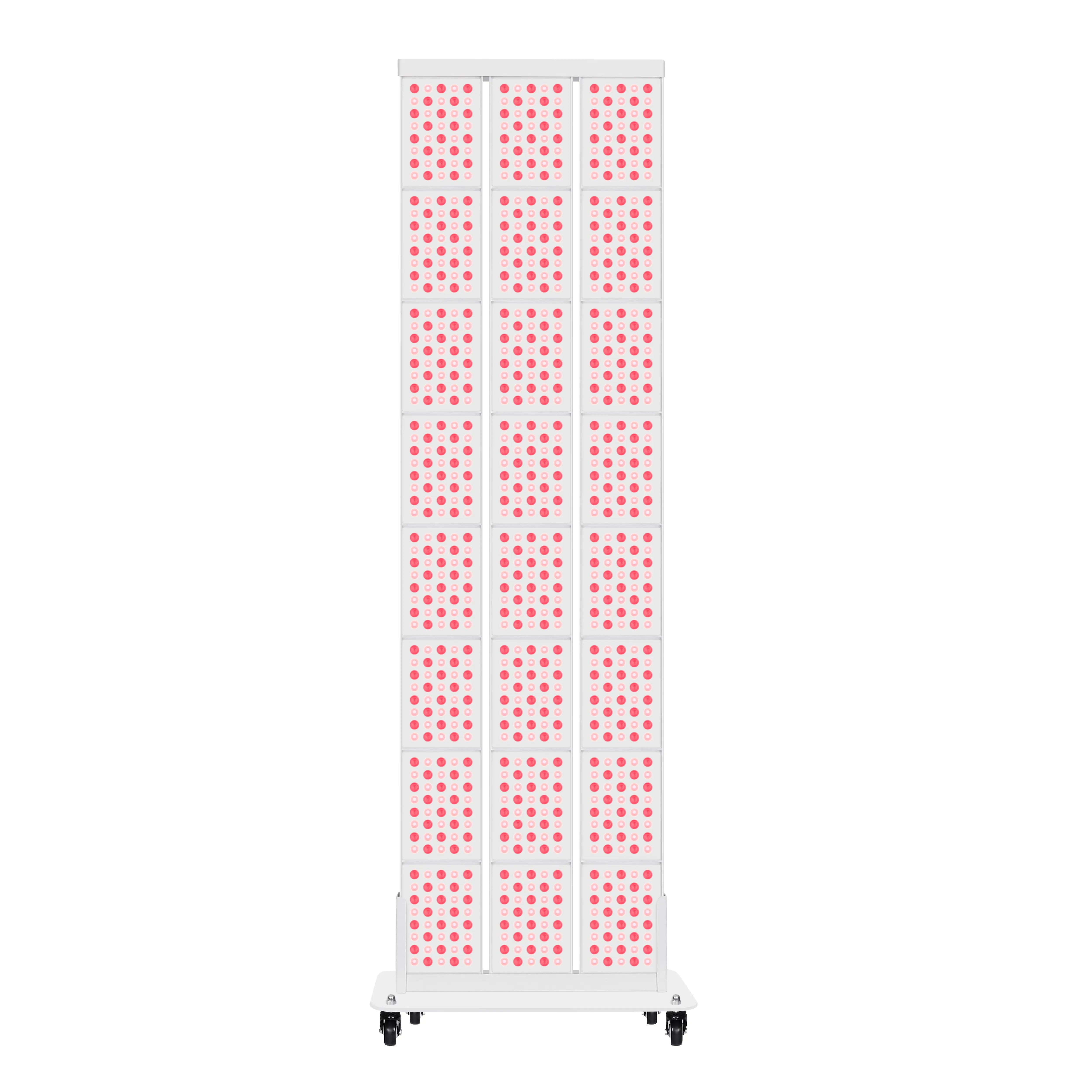
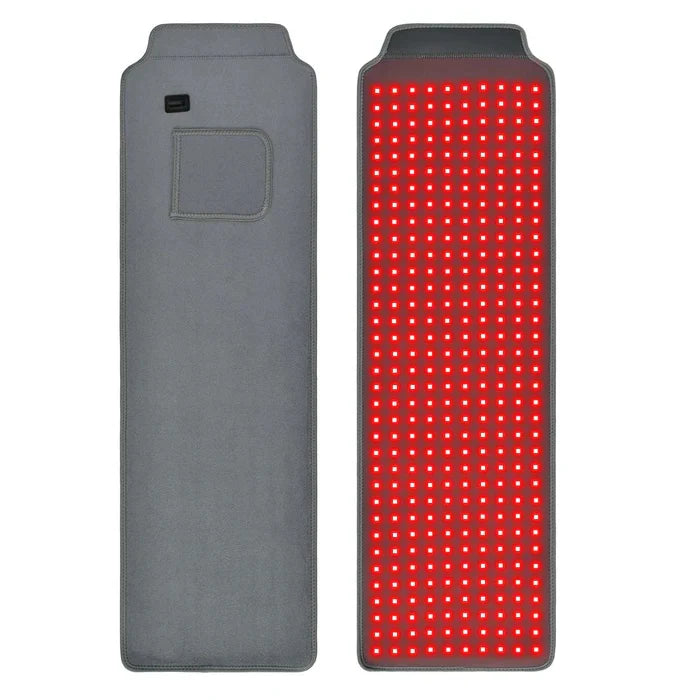
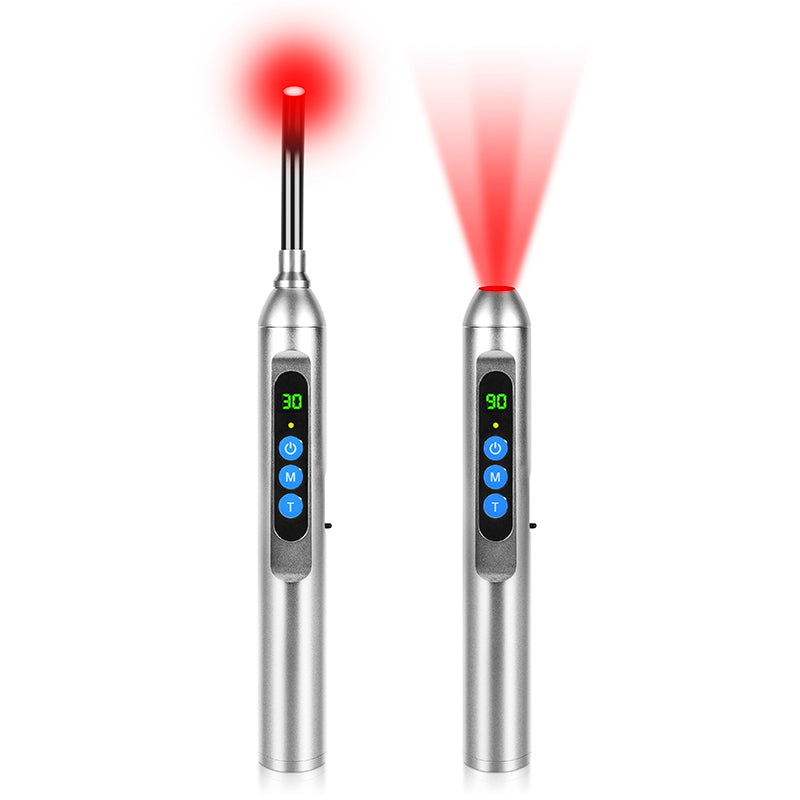

Many people are curious whether red light therapy should come before or after a sauna session to get the most from both tools. The practical answer is usually to do red light therapy first when possible, because it keeps the light session comfortable and complete while avoiding the fatigue or positioning challenges that often follow heat exposure. There is no strong head-to-head evidence proving one order is superior, so the best sequence is the one you can perform consistently without cutting sessions short or feeling unwell.

Understanding the Two Modalities
Red light therapy, also known as photobiomodulation, uses specific red to near-infrared wavelengths in the roughly 600 to 1000 nm range to deliver light energy to cells. As this Harvard review on red and near-infrared light explains, the modality is light-based rather than heat-based. Sauna exposure, by contrast, creates deliberate heat stress that raises core temperature and places a cardiovascular load on the body. Traditional saunas heat the air around you while infrared saunas use radiant heat that warms the body more directly. Both forms still generate meaningful thermal stress, which is why session length, hydration, and gradual adaptation matter.
This difference in mechanism is important when stacking the two. Red light therapy does not rely on heat, so performing it after a sauna can sometimes feel less comfortable if you are already warm, sweaty, or lightheaded. Doing the light session first tends to preserve posture, focus, and session duration for most users.
Infrared Sauna vs Traditional Sauna When Stacking with Red Light Therapy
Traditional saunas and infrared saunas differ mainly in how they generate heat, but both create enough thermal load that the same safety rules apply. As outlined in this practical sauna safety review, longer or more intense sessions can strain the cardiovascular system, making moderation essential regardless of sauna type. Infrared models often feel milder to beginners because they heat the body directly rather than the surrounding air, which can make it easier to complete a full red light therapy session afterward if you choose sauna-first. Traditional saunas tend to produce a more intense overall heat experience, so many users prefer red light therapy before entering them to avoid rushing the light portion later.
Choose based on your tolerance and available equipment. The key is to keep total heat exposure conservative rather than chasing a “stronger” sauna type. Both can fit into a recovery routine, but neither should be used when you are dehydrated or already feeling unwell.

Red Light Therapy Before or After Sauna: A Practical Framework
Direct research does not yet establish a single superior order for red light therapy and sauna. The current evidence leaves the question unresolved, so any recommendation must remain practical rather than presented as proven science. The most useful guidance is to select the sequence that lets you complete both sessions fully and comfortably.
A scenario-based approach helps most readers decide. Red light therapy first tends to suit recovery-focused or performance-minded users who want a calm, well-positioned light session before adding heat stress. Sauna first can work for those with good heat tolerance who still feel clear-headed enough to finish a full red light therapy session afterward. Separate sessions on different days or with several hours between them often become the better choice for heat-sensitive individuals or anyone who notices that heat reduces their willingness or ability to stay under the light panel.
The decision rule is simple: if combining the modalities causes you to shorten either session, feel dizzy, or lose focus, separate them. Consistency and adherence matter more than forcing a specific order.
Practical Sequencing Framework: RLT and Sauna by Scenario
Practical heuristic only: this compares likely session fit, not experimental superiority.
View chart data
| Category | RLT first | Sauna first | Separate sessions |
|---|---|---|---|
| Recovery | 5.0 | 2.0 | 3.0 |
| Relaxation | 4.0 | 3.0 | 3.0 |
| Performance | 4.0 | 2.0 | 2.0 |
| Heat-sensitive | 2.0 | 1.0 | 5.0 |
Heuristic framework synthesized from the evidence pack: sauna is typically 5-20 minutes and should start short and build gradually; RLT is non-thermal (600-1000 nm); direct head-to-head order evidence is unresolved. Scores reflect practical fit for completing full sessions without discomfort, not measured outcomes.
This chart offers a heuristic view of how different goals and tolerance levels align with each sequencing option. Higher scores indicate better practical fit for completing both modalities comfortably. These values are illustrative and should not be read as clinical measurements.
Common Myths About Sauna and Red Light Therapy Stacking
Several overstated ideas circulate on forums and social media. One frequent myth is that there is a proven “best” order, such as always doing red light therapy after sauna for better detox. In reality, direct evidence for any specific sequence delivering superior outcomes is lacking. Another claim suggests the combination automatically doubles recovery or cellular benefits. While both tools can support wellness routines separately, additive or synergistic effects from stacking have not been firmly established in controlled research.
Some users also assume red light therapy works better during sauna because of the heat. This overlooks that photobiomodulation is a light-based process, not a heat-dependent one. Finally, treating sauna as harmless simply because it is paired with a recovery tool ignores real risks. Heat-related symptoms such as dizziness, headache, nausea, or cramps can appear if sessions are too long or hydration is neglected, according to guidance from both the CDC and OSHA.
Building a Practical Weekly Protocol
A sustainable stack begins conservatively. Most guidance suggests keeping sauna sessions between 5 and 20 minutes, with beginners starting on the shorter end and increasing only as tolerance improves. This UCLA Health overview of sauna bathing notes that shorter durations help many people adapt safely. A typical weekly starting point is two to four sauna sessions, spaced to allow recovery. Red light therapy can be used more frequently on its own schedule if the combined routine starts to feel taxing.
Sample beginner protocol for recovery-focused users:
- Monday and Thursday: 10-minute red light therapy session followed by 10-minute sauna (or separate by a few hours if preferred).
- Tuesday and Friday: Standalone red light therapy for 10–15 minutes.
- Remaining days: Rest, light movement, or very short sauna only if feeling well.
Adjust based on how you feel. If heat makes the red light therapy portion rushed or uncomfortable, move to separate days. Always prioritize full, high-quality sessions over forcing them together.
Safety and Overuse Considerations
Combining heat stress with any other modality increases the need for caution. Sauna sessions should be avoided or shortened when you are dehydrated, febrile, or already feeling unwell, because heat stress can raise the risk of heat-related illness. Warning signs include dizziness, headache, nausea, cramps, and worsening weakness or confusion. Stop the session immediately if these appear.
Hydration and avoiding alcohol are especially important. Alcohol can impair judgment and worsen the effects of heat. As this CDC resource on heat-related illnesses emphasizes, staying hydrated helps reduce risk. Long or intense sauna sessions place a real load on the cardiovascular system, so moderation remains key even in a wellness stack.
Important safety boundaries
This article discusses comfort, sequencing, and practical setup suggestions only. It does not constitute medical advice, diagnosis, or treatment. Red light therapy and sauna are generally considered low-risk for healthy adults when used sensibly, but individual responses vary. If you have existing eye conditions, cardiovascular concerns, are pregnant, or experience persistent discomfort, consult a qualified healthcare professional before starting or changing any routine.
Choosing the Right Stack for Your Goals
Different goals call for slightly different emphasis. For post-workout recovery or performance support, red light therapy first followed by a moderate sauna session often feels most practical because it preserves the light portion while still delivering heat stress. For evening relaxation, many people prefer a shorter sauna session earlier in the evening followed by red light therapy closer to bedtime if they tolerate the sequence well. Heat-sensitive users or those in cold-weather winter routines may do better keeping the modalities on separate days to maintain adherence.
The deciding factor is usually not theoretical synergy but real-world comfort and consistency. Test one sequence for two weeks, note how you feel, and adjust. If you consistently feel worse or skip sessions, separate the tools rather than push through.
Final Checklist Before You Start Stacking
Use this quick self-audit before each combined session:
- Have you hydrated well in the last few hours?
- Are you feeling generally well (no fever, dizziness, or unusual fatigue)?
- Is your planned sauna time within 5–15 minutes to start?
- Will you be able to complete a full, unhurried red light therapy session in your chosen order?
- Do you have a way to cool down and rehydrate immediately afterward?
If the answer to any question is no, shorten the sauna, move to separate sessions, or skip the stack for that day. Starting conservatively and listening to your body will give better long-term results than trying to maximize every session.
By treating sauna and red light therapy as complementary tools rather than a guaranteed multiplier, most users can build a safe, repeatable routine that fits their lifestyle and goals. The evidence supports using both modalities sensibly; it simply does not yet dictate a single optimal stacking order. Focus on what keeps you consistent, comfortable, and safe, and refine from there.