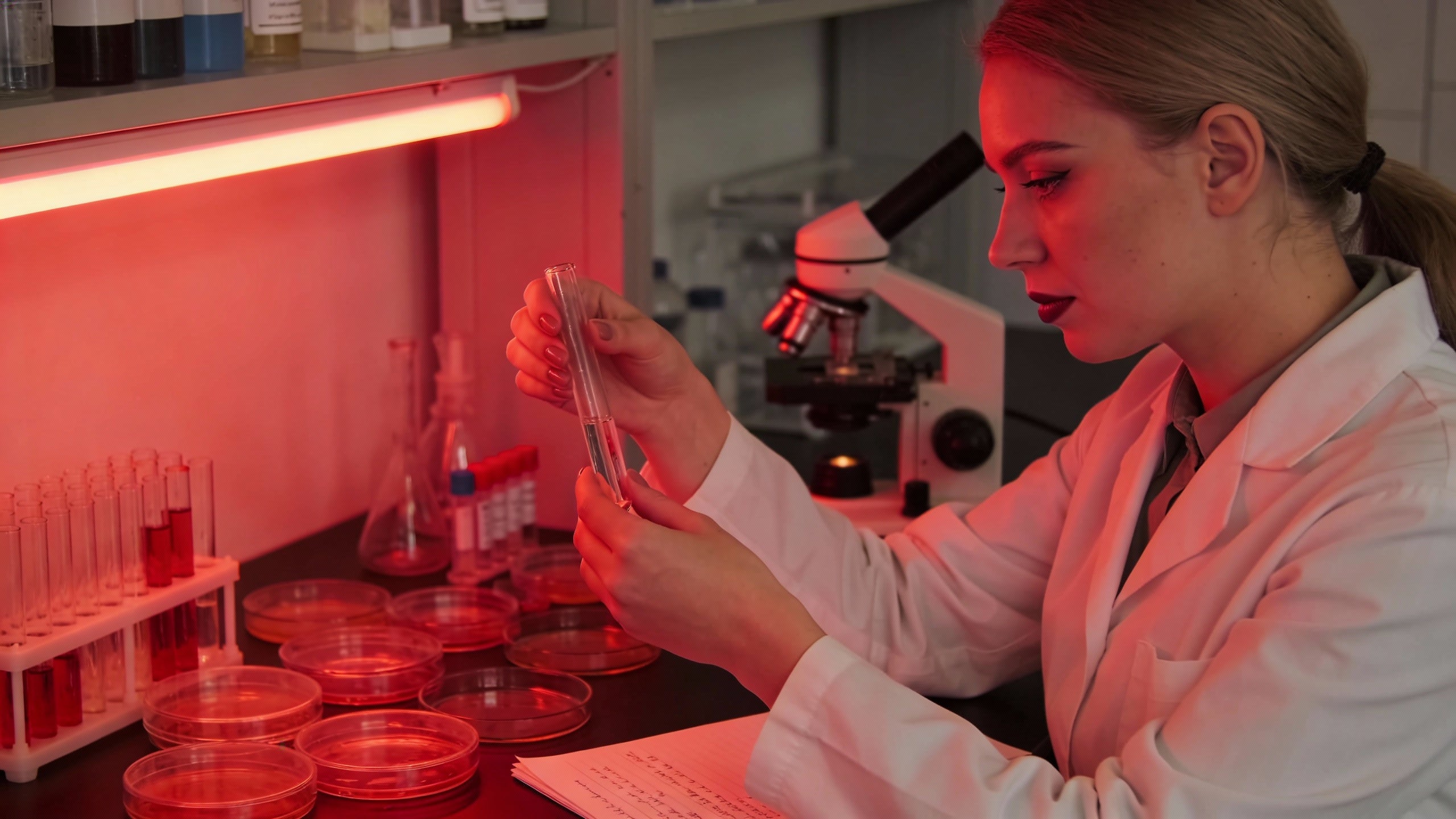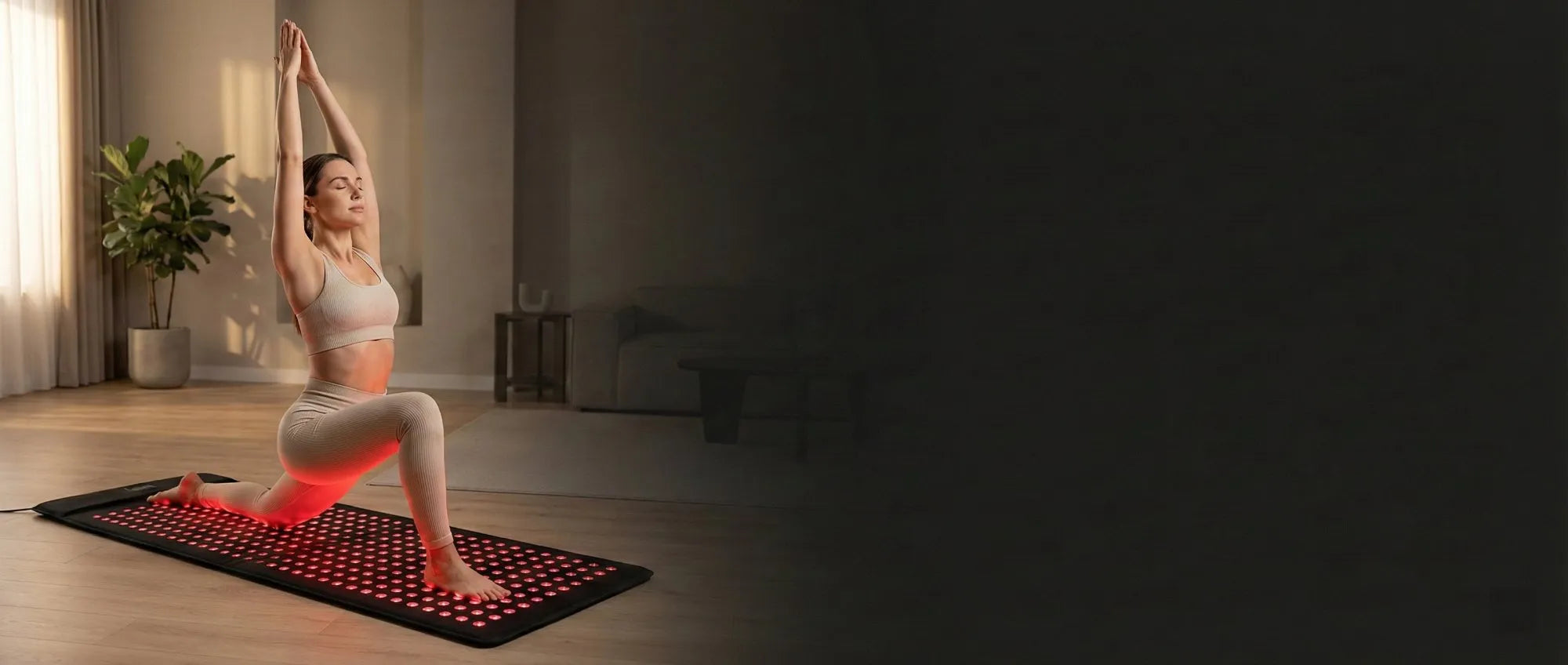

As someone who has spent more early mornings under red light panels than I care to admit, I can tell you this: when you strip away the hype and the Instagram masks, red light therapy is fundamentally a story about biology, not biohacking toys. Done right, you are not “burning fat” with light or getting magical youth; you are nudging core repair systems in your cells so they do what they already know how to do—heal.
This article walks you through how that actually happens, what’s genuinely evidence‑backed, and how to use red light therapy as a serious wellness tool rather than a shiny distraction.
What Red Light Therapy Really Is (And Is Not)
Red light therapy is a noninvasive treatment that uses specific wavelengths of red and near‑infrared light—typically around 630 to 700 nanometers for visible red and about 800 to 900 nanometers for near‑infrared—to modulate how your cells behave. You will also see it labeled as low‑level laser therapy, low‑level light therapy, photobiomodulation, or just PBM.
Clinically and in wellness centers, the light usually comes from arrays of LEDs or low‑power lasers. Unlike tanning beds, there is essentially no ultraviolet light, very little heat, and no intention to damage tissue. That is a key distinction. In medical photodynamic therapy for certain skin cancers and psoriasis, red light is combined with a photosensitizing drug specifically to destroy cells. In photobiomodulation, which is what most home panels and masks actually do, the goal is the opposite: low‑intensity light that nudges cells toward repair, not destruction.
Major academic and clinical centers, including Cleveland Clinic, MD Anderson Cancer Center, and dermatology departments cited in Seminars in Cutaneous Medicine and Surgery and the Journal of Clinical and Aesthetic Dermatology, now recognize red and near‑infrared light as legitimate tools for skin rejuvenation, wound healing, and some kinds of pain. At the same time, experts at University of Utah Health and others caution that social media claims (fat melting, instant brain transformation, universal longevity) run far ahead of the hard evidence.
The reality sits in between: red light therapy is neither snake oil nor a panacea. Think of it as a targeted way to energize the machinery your body already uses to heal.

Core Self‑Healing Mechanisms Activated By Red Light
When you stand in front of a panel or slide into a full‑body bed, what you are really doing is delivering photon energy to living tissue. Several systems respond in ways we can measure in the lab and in human trials.
Mitochondria And ATP: Recharging The Cellular Battery
The most important target is the mitochondrion, the tiny “engine” in almost every cell. Red and near‑infrared photons are absorbed by mitochondrial chromophores, especially an enzyme called cytochrome c oxidase. Multiple sources—from Penn State Behrend’s wellness program to mechanistic reviews in PubMed Central—converge on this same core idea:
When mitochondria absorb these wavelengths, electron transport speeds up, ATP production rises, and cells simply have more energy to do work.
That extra ATP is not cosmetic; it fuels protein synthesis, DNA repair, membrane transport, and the entire choreography of tissue repair. In a detailed clinical study of a 630 nanometer LED mask on twenty middle‑aged adults, twice‑weekly twelve‑minute sessions for three months increased biomechanical skin firmness, dermal density, and elasticity while cutting crow’s‑feet wrinkle depth by about 38 percent and facial sagging by roughly 25 percent. Those structural shifts are the downstream effect of better‑fueled cells rebuilding collagen and reorganizing the dermal matrix.
If you want a sense of dose, that mask delivered about 21.7 milliwatts per square centimeter for twelve minutes, reaching a fluence of 15.6 joules per square centimeter per session. That is not a huge amount of energy; it is more like giving your cells a focused nudge than blasting them.
Blood Flow, Nitric Oxide, And Microcirculation
ATP is not the only thing that changes. Studies summarized by Elevate Health and clinics such as Physical Achievement Center show that red and near‑infrared light also promotes release of nitric oxide from the endothelium lining your blood vessels. Nitric oxide is a powerful vasodilator: it relaxes vessel walls so they widen and let more blood through.
Improved blood flow matters because healing is a logistics problem. You need oxygen, amino acids, glucose, and micronutrients delivered in, and carbon dioxide, inflammatory by‑products, and cellular debris carried out. Red and near‑infrared light have been shown to:
- Increase local circulation and microcirculation
- Encourage new capillary growth (angiogenesis) in under‑perfused tissues
- Stimulate lymphatic drainage so excess fluid and inflammatory waste clear more quickly
In practical terms, that combination is why athletes and rehab patients often report less swelling and faster return of function. One trial described in a musculoskeletal pain review in PubMed Central followed eighty‑six people with non‑specific knee pain who received twelve sessions of multi‑wavelength photobiomodulation plus standard therapy over four weeks. Pain scores improved by about 50 percent, roughly fifteen percent better than the placebo group, and physical function gains persisted a month after treatment stopped. Better circulation and lymphatic flow are central to that effect.
Inflammation And Immune Signaling: Turning Down The Fire
Chronic low‑grade inflammation is the enemy of self‑healing. Here red and near‑infrared light do something elegant: they do not just “block” inflammation; they rebalance it.
Laboratory and clinical work summarized in a narrative review of pain photobiomodulation and in the musculoskeletal PBM paper show that appropriate doses of red and near‑infrared light can:
- Reduce pro‑inflammatory mediators such as prostaglandin E2, tumor necrosis factor alpha, and interleukins like IL‑6
- Increase anti‑inflammatory cytokines such as IL‑10
- Shift macrophages from a “cleanup and attack” phenotype toward a more regenerative, pro‑healing profile
In the central nervous system, University of Arizona Health Sciences researchers found that green light exposure through the eyes in people with fibromyalgia and migraine reduced inflammatory mediators and microglial activation in cerebrospinal fluid, while raising anti‑inflammatory mediators. Participants who used green light one to two hours nightly for ten weeks saw about a 50 percent drop in pain intensity and a similar reduction in flare frequency, with sleep and quality of life also improving.
Although that work used green rather than red light, it reinforces the same concept: light at specific wavelengths can tune inflammatory pathways in both body and brain, and the effects grow over weeks, not minutes.
Nerves And Pain Signaling: Quieting The Alarm System
Pain is the brain’s interpretation of electrical and chemical noise coming from nociceptors, the small nerve fibers that detect harmful stimuli. Photobiomodulation interacts with these circuits directly.
Detailed mechanistic work in a PubMed Central review on low‑intensity laser and LED therapy for pain shows that red and near‑infrared light can:
- Increase the porosity of nerve cell membranes, helping rebalance the sodium‑potassium pump that sets excitability
- Depolarize microtubules in A‑delta and C fibers via redox changes, altering how these pain fibers fire
- Reduce expression and activity of certain ion channels, including those that make neurons hypersensitive
- Decrease conduction of pain signals from the periphery to the spinal cord and brain
Clinically, that translates into analgesia that often begins within ten to twenty minutes of treatment for acute pain, with chronic pain requiring repeated sessions. For example, in a small randomized trial of people recovering from total hip replacement, a single post‑operative photobiomodulation session delivering forty joules across five points along the incision produced an immediate pain reduction about eighty‑two percent greater than in the placebo group, alongside favorable shifts in inflammatory markers.
The take‑home: red and near‑infrared light are not acting like an external “painkiller.” They are normalizing how inflamed nerves fire and how your nervous system processes pain.

Skin, Hair, And Scars: Where The Evidence Is Strongest
If you care about aesthetics and barrier health, this is where red light therapy shines the brightest. Dermatology has been the early adopter, and the data are robust compared with many other wellness trends.
Skin Rejuvenation And Wrinkles
A 2017 review in Seminars in Cutaneous Medicine and Surgery concluded that low‑level red and near‑infrared light has meaningful benefits for skin rejuvenation. The mechanisms—more collagen, better microcirculation, improved fibroblast activity—have been confirmed repeatedly.
The clinical trial of the 630 nanometer LED mask mentioned earlier offers concrete numbers. Over three months of twice‑weekly sessions in twenty adults with visible facial aging, researchers documented:
- About 38 percent reduction in crow’s‑feet wrinkle depth
- Roughly 25 percent reduction in facial sagging
- Around 48 percent increase in dermal density
- Close to 24 percent drop in cheek roughness
- About one‑third reduction in pore diameter and sebum production
Importantly, when they reassessed people two and four weeks after stopping treatments, the improvements largely held rather than vanishing overnight. UCLA Health has reported similar findings with mask‑based protocols: months of regular sessions gradually enhance skin quality, and gains can persist for several weeks once you stop.
In my own practice, I have seen this play out with clients who layer red light onto a solid skincare foundation. Those who commit to ten to twenty minutes a session, several times a week for two to three months, tend to notice firmer texture and less “crepey” skin in areas exposed to the light, especially when they also protect that new collagen from ultraviolet damage with daily sunscreen.
Acne, Redness, And Inflammatory Skin Conditions
Acne and inflammatory redness are less about structural aging and more about inflammation, sebum, and barrier integrity. Red light therapy approaches these through its anti‑inflammatory, circulation‑boosting, and wound‑healing effects.
Dermatology sources summarized by Cleveland Clinic and Baylor Scott and White point out that red light:
- Reduces redness and swelling around active lesions
- Supports faster lesion resolution and less risk of post‑inflammatory hyperpigmentation
- Can complement blue light therapy, which targets acne‑causing bacteria, by accelerating healing and calming the skin
One clinical report highlighted by a New York recovery center described roughly a 36 percent reduction in acne lesions in people with mild to moderate acne after a course of red light therapy, along with faster healing and less residual discoloration. Other clinics, including Brown Health and university dermatology programs, now commonly position red light as an adjunct for rosacea, eczema, and psoriasis, especially in sensitive skin that does not tolerate harsh topicals.
Wound Healing And Scars
Red and near‑infrared light’s effects on mitochondrial energy and microcirculation also show up clearly in wound healing data. Early NASA and Navy work found that LED red light could speed healing of lacerations and other wounds by around 50 percent in some protocols, which is what initially pushed space agencies and military researchers into the photobiomodulation world.
In plastic surgery, small studies in eyelid‑lift patients report that areas treated with red light healed faster and produced more refined early scars compared with untreated areas, although long‑term scarring often converges after several weeks. University of Utah Health and other academic centers now routinely mention accelerated wound healing and scar quality as realistic, if modest, benefits.
Hair Growth And Follicle Health
Hair is another area where the science is stronger than most people realize. Stanford dermatology experts note that red light is particularly effective for hair follicles because it penetrates to the superficial dermis, boosts local blood flow through vasodilation, and improves nutrient delivery to follicles that are miniaturizing in androgenetic alopecia.
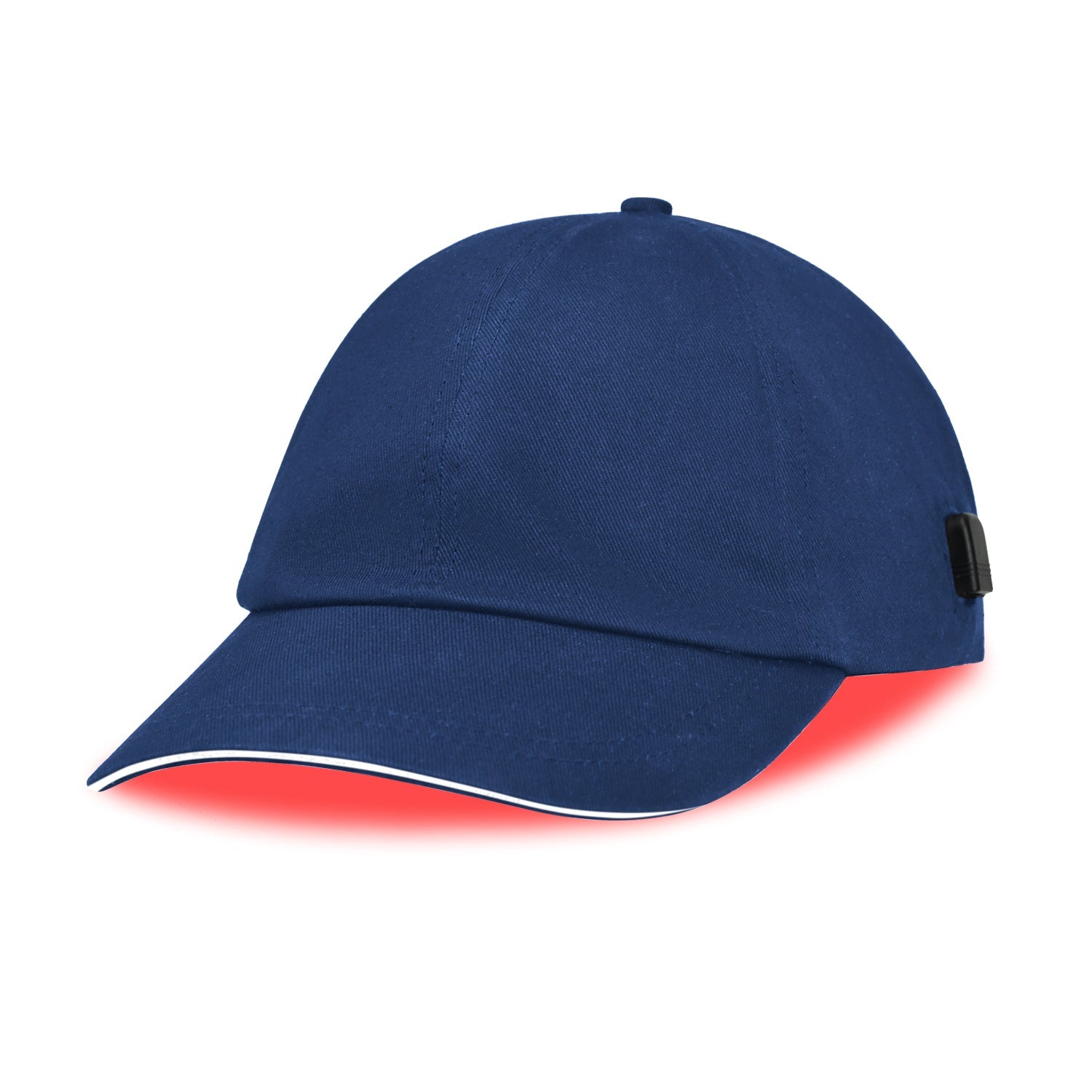
Multiple reviews covered by WebMD and UCLA Health report that low‑level red and near‑infrared devices—combs, caps, helmets—can:
- Increase hair count in thinning areas
- Improve hair shaft thickness and length
- Perform on par with standard topical medications like minoxidil in some trials
However, there is an important limiter that any serious biohacker needs to internalize: red light cannot bring back dead follicles on a completely bald scalp. It preserves and revives compromised follicles; it does not resurrect absent ones. And as with most self‑healing responses, gains tend to regress when you stop treatment.
Muscles, Joints, And Chronic Pain: Repair, Not Just Relief
As a long‑time lifter and endurance experimenter, I care a lot more about how quickly I can move well again than about a cosmetic glow. This is where red and near‑infrared light really earn their place in a recovery stack.
Workout Recovery And Performance
Several small but well‑designed studies summarized by Elevate Health, Physical Achievement Center, and University Hospitals show that when athletes use red or near‑infrared light around workouts, they often experience:
- Less delayed onset muscle soreness
- Faster strength recovery
- Better maintenance of performance across repeated bouts
Mechanistically, this makes sense. Red and near‑infrared light boost ATP availability in muscle cells, improve microcirculation, and reduce exercise‑induced inflammatory markers. One sports‑medicine summary from University Hospitals notes that pre‑workout red light can reduce levels of specific enzymes associated with muscle damage and achiness after intense activity, effectively blunting the biochemical drivers of soreness.
In practice, that might look like a ten to twenty minute near‑infrared session aimed at the quads, glutes, and hamstrings before heavy squats or hill sprints, followed by another short session post‑workout. Over a full training block, the reduced soreness and faster recovery can translate into more total quality reps and therefore greater adaptation.
Arthritis, Tendinopathy, And Back Or Neck Pain
Chronic musculoskeletal pain is where photobiomodulation has perhaps the most compelling potential as a drug‑sparing tool. The detailed PubMed Central review on low‑intensity laser and LED therapy describes benefits across non‑specific knee pain, knee osteoarthritis, neck and low back pain, temporomandibular disorders, and post‑surgical pain.
For knee osteoarthritis, a meta‑analysis of twenty‑two randomized trials involving more than a thousand participants found that red and near‑infrared photobiomodulation, when correctly dosed, reduced pain intensity compared with placebo both immediately after treatment and at follow‑ups up to twelve weeks. Subgroup analysis showed that pain reduction was clearest when energy densities met evidence‑based thresholds around four joules per point for wavelengths between about 780 and 860 nanometers or at least one joule per point for 904 nanometers.
In total hip replacement patients, that single session mentioned earlier produced an immediate pain drop far beyond placebo and appeared to temper post‑operative inflammation.
Fibromyalgia is more complex. One small trial adding photobiomodulation to exercise showed no extra benefit, but another larger trial with one hundred sixty women using a multi‑wavelength protocol at eleven tender points found that both photobiomodulation and exercise produced large pain reductions compared with placebo, with the combined photobiomodulation plus exercise group showing the greatest reductions in pain and tender point counts. A meta‑analysis referenced in that review concluded that photobiomodulation is a noninvasive, well‑tolerated treatment that can relieve fibromyalgia discomfort in many patients.
From a pain‑geek perspective, the key point is that these benefits arise from improved cell energy, circulation, and inflammation control, not from numbing nerves the way an opioid does. That is exactly what you want from a self‑healing modality.
Chronic Pain And Opioid‑Sparing Strategies
Chronic pain is one reason many people land on long‑term NSAIDs or opioids, with all the side effects and dependency risks that come with them. The musculoskeletal pain review emphasizes that photobiomodulation has shown direct reductions in NSAID and opioid usage across conditions, with no serious adverse effects documented when protocols are followed.
University of Arizona’s broader phototherapy program and MD Anderson’s pain management center are exploring light‑based tools as part of multimodal pain strategies, precisely because light can be repeated frequently, is low risk when properly applied, and targets underlying biology instead of merely masking symptoms.
Emerging Frontiers: Brain, Metabolism, And Whole‑Body Effects
This is the territory where a “light therapy geek” has to stay excited but ruthlessly honest. The early data are intriguing; they are not yet a license to throw away medications or ignore lifestyle.
Brain Health And Cognition
Transcranial and intranasal red and near‑infrared light can reach cortical tissue. UCLA Health highlights early trials in people with mild to moderate dementia using daily sessions of a few minutes for several weeks. Participants showed statistically significant improvements in cognitive scores, memory, and sleep with no major side effects. A 2021 trial referenced by UCLA using six‑minute daily sessions for eight weeks reported meaningful cognitive gains relative to baseline in this group.
Similarly, University of Utah Health has discussed emerging work on red and near‑infrared light in animal models of Alzheimer’s and Parkinson’s disease, where light exposure appears to rescue aspects of mitochondrial function and behavior. Human trials are just getting underway.
The mechanistic bridge is clear from the broader photobiomodulation literature: by improving mitochondrial efficiency, blood flow, and inflammatory signaling in neurons and glial cells, light can plausibly support brain tissue that is energetically and metabolically stressed. What we do not yet have are large, long‑term randomized trials in humans that define who benefits, by how much, and for how long.
Blood Sugar And Metabolic Health
An intriguing small trial reported by Northwell Health looked at thirty healthy adults who received a single fifteen‑minute red light session after consuming sugar. Instead of the usual sharp post‑meal spike, average blood sugar levels were roughly 27.7 percent lower than expected. The authors proposed that by modulating mitochondrial function, red light might smooth post‑meal glucose excursions, which are central in diabetes.
Endocrinologists interviewed in that report called the findings promising but preliminary and stressed that much larger, controlled studies are needed, especially in people with diabetes. That is the right stance. This is a fascinating signal, not a prescription.
Systemic Energy, Sleep, And “Feeling Better”
Beyond hard outcomes, many people describe subjective benefits: more stable energy, better sleep, subtle mood lifts. Some of that may simply be what happens when pain is lower and recovery is better. Some may reflect real circadian and mitochondrial effects, especially when red light is used in the evening instead of blue‑heavy screens that suppress melatonin.
The green light trials for migraine and fibromyalgia at University of Arizona did show meaningful improvements in sleep and quality of life in addition to pain reductions, which suggests that when you modulate pain, inflammation, and brain signaling together, the whole experience of being in your body can shift.
The key is to treat these whole‑body effects as a nice upside of improving cellular health, not as quantifiable primary targets just yet.
Building A Safe, Evidence‑Informed Red Light Routine
If you want to move from theory to practice, here is how I guide people who want to integrate red light into a serious home wellness program.
Choosing A Device With The Right Fundamentals
High‑quality consumer devices and in‑clinic systems share a few non‑negotiables. They use wavelengths in the therapeutic red and near‑infrared window, typically around 630 to 660 nanometers for red and approximately 810 to 850 nanometers for near‑infrared. Utah’s men’s health experts highlighted 640, 720, 810, and 940 nanometers as common therapeutic peaks in the literature.
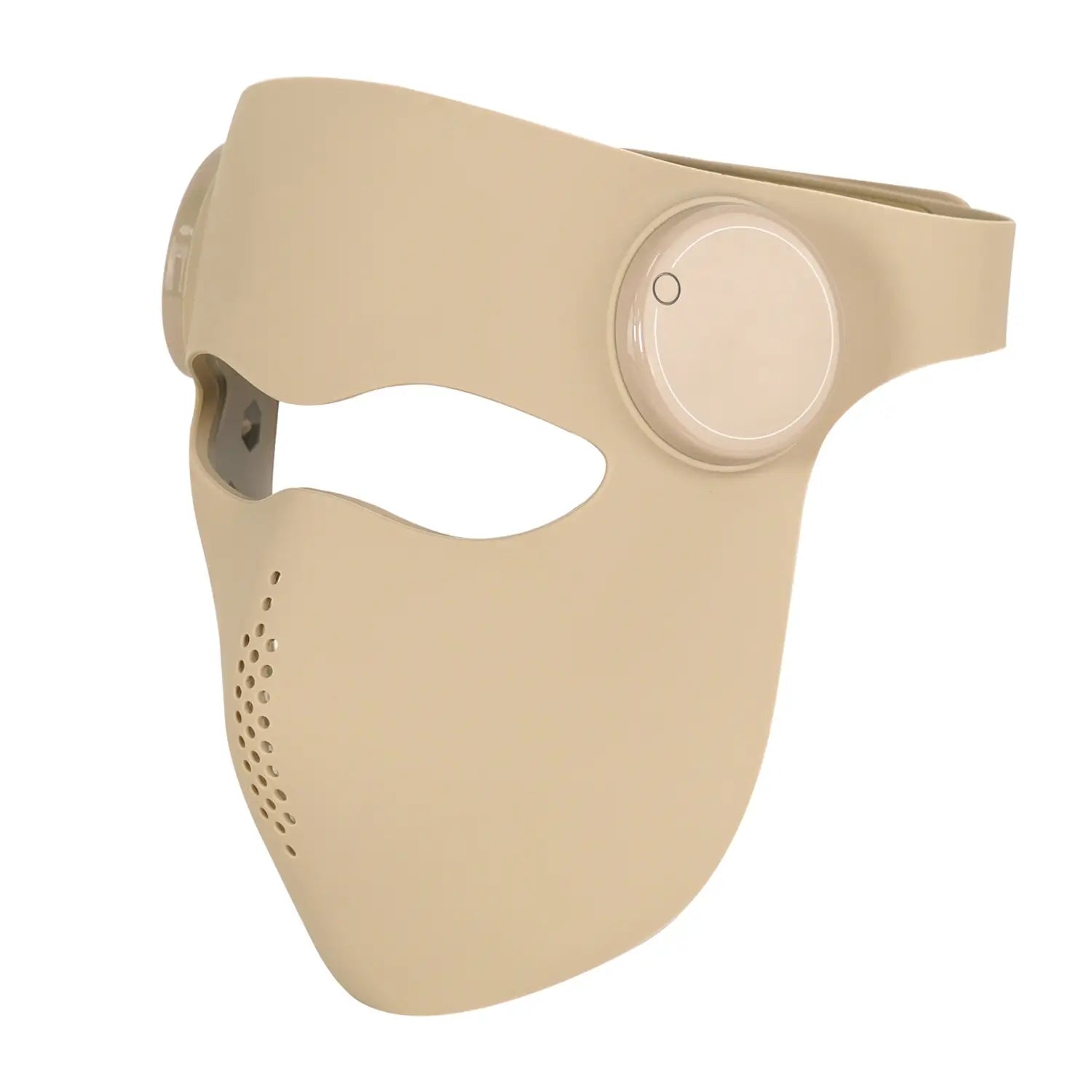
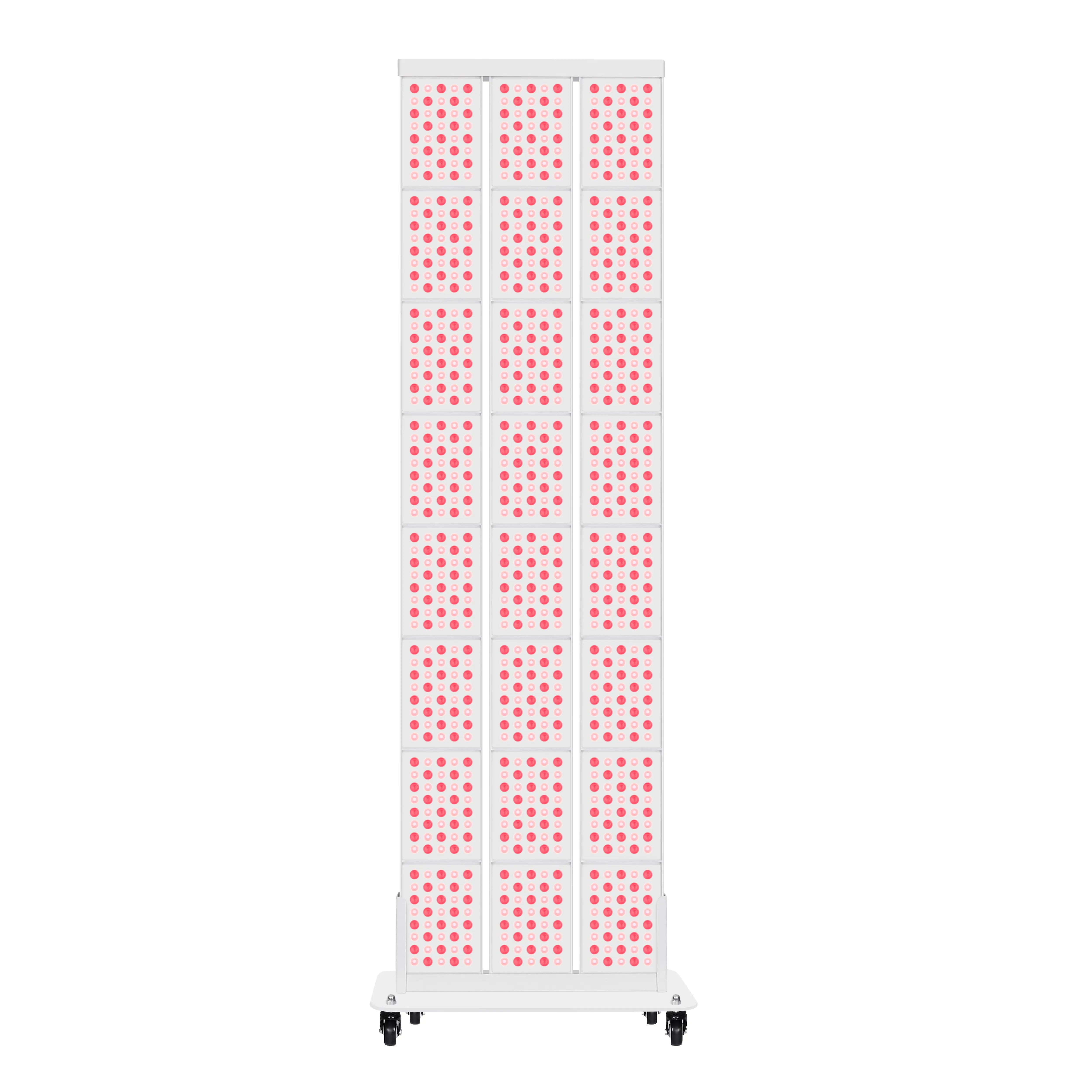
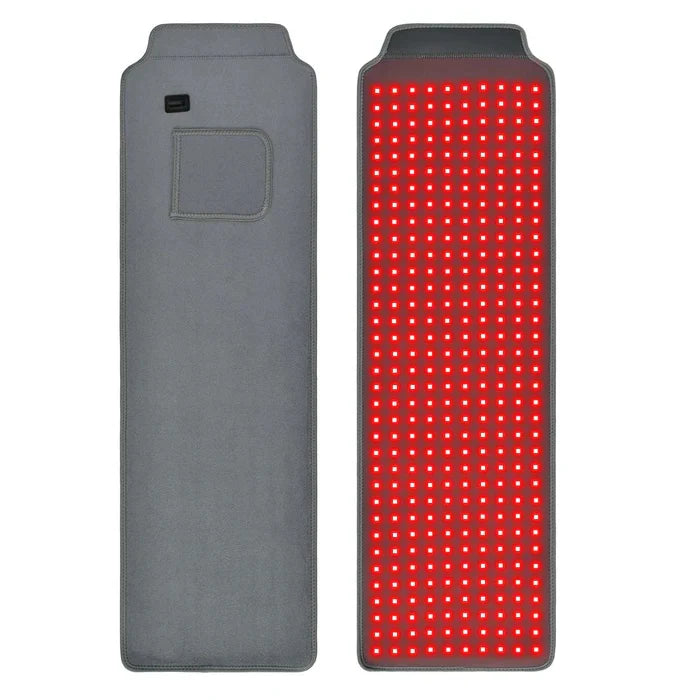
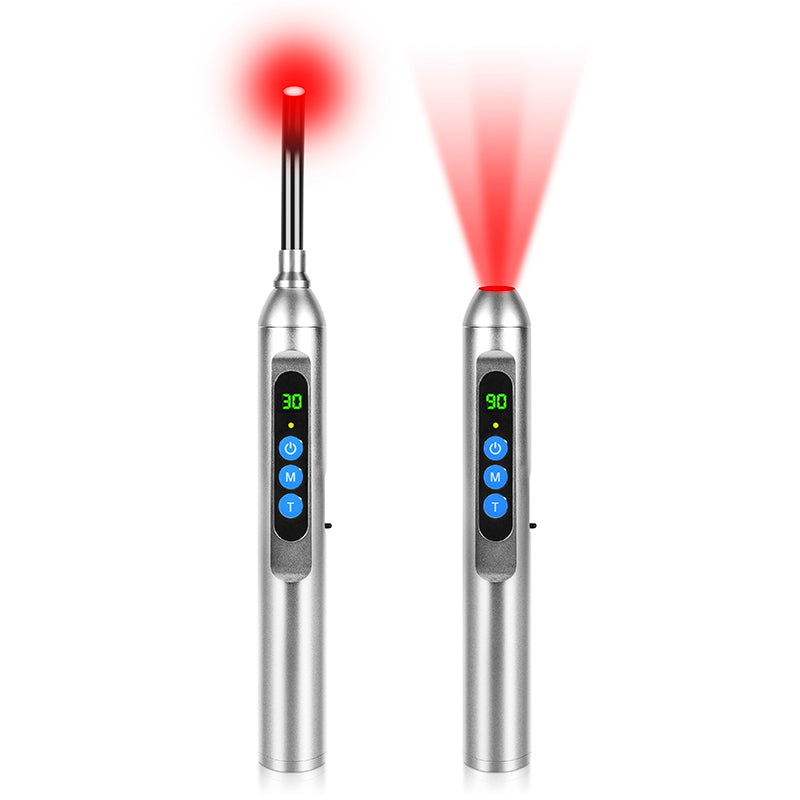
Dermatology‑oriented masks often emphasize 630 to 660 nanometers for superficial skin and collagen. Panels and full‑body beds for recovery and pain usually combine visible red with deeper‑penetrating near‑infrared. University Hospitals sports medicine notes that home devices can be a reasonable starting point, with hand‑held units starting under about one hundred dollars and larger panels or beds climbing into the hundreds or thousands. A University of Utah Health podcast even pointed out that full‑body beds used in some facilities can cost well over one hundred thousand dollars.
Price does not guarantee efficacy, but you should at minimum look for clearly stated wavelengths, reasonable power output, and ideally some form of safety clearance for cosmetic use from regulators such as the FDA.
Dialing In Dose, Frequency, And Duration
Most clinical studies and medical centers converge on similar usage patterns: short, repeated exposures instead of marathon sessions. Typical skin and pain protocols use roughly ten to twenty minutes per area, several times a week, over at least six to twelve weeks. The Dior mask trial that produced strong wrinkle and firmness changes used twelve minutes, twice per week.
Reviews of pain photobiomodulation emphasize a biphasic dose response: too little does nothing; too much can blunt the benefit. Many effective musculoskeletal protocols cluster around a few joules per square centimeter per point. This is one reason I caution people against cranking intensity to maximum or doubling session time on day one. In photobiomodulation, more is not always better.
For practical self‑healing goals, a reasonable starting structure for a healthy adult might be:
Use a panel or mask that covers the target area. Set it at the manufacturer’s recommended distance, often around six to twelve inches.
Expose the area for about ten to fifteen minutes, three to four times per week, for at least eight weeks before judging your long‑term response.
Keep the rest of your routine consistent so you can actually tell what is doing what.
If you are working with chronic pain, some of the pain‑management literature suggests daily use for a period, especially early on, since analgesic effects on microtubules in pain fibers can fade within about twenty‑four hours as those structures regenerate. That is a detail to discuss with a clinician familiar with photobiomodulation.
Safety, Red Flags, And When To Talk To Your Doctor
Across dermatology, oncology‑supportive care, and musculoskeletal rehab, red light therapy has an excellent safety profile when used correctly. Cleveland Clinic and WebMD both note that red light devices do not use ultraviolet light and are generally non‑toxic and noninvasive. Short‑term side effects tend to be mild: temporary redness, warmth, or slight irritation, especially if someone overdoes early sessions.
There are, however, real cautions. The musculoskeletal pain review flags several contraindications: avoid direct treatment over areas of active carcinoma, active infection, and over the thoracoabdominal or pelvic region in pregnant women. The American Academy of Dermatology and UCLA Health both recommend eye protection during facial or high‑intensity sessions, given theoretical risk of retinal injury with direct exposure. People on photosensitizing medications or with a history of skin cancer should clear any light therapy with their specialists before starting.
Most importantly, do not let red light therapy delay or replace standard medical care. University of Utah Health’s men’s health experts are blunt about this: the big health levers are still nutrition, movement, sleep, mental health, and appropriate medical treatment of real pathology. Red light is a plus‑one, not the foundation.
Cost, Opportunity Cost, And Being A Smart Skeptic
A quick search for red light masks or panels reveals a cost spread from roughly one hundred dollars for small masks into the hundreds or thousands of dollars for larger panels. WebMD notes that in‑clinic sessions often run around eighty dollars or more each, and more powerful medical devices will cost more. Insurance almost never covers these therapies for aesthetic or wellness indications.
If you book, say, two eighty‑dollar sessions a week for eight weeks, you are close to thirteen hundred dollars out of pocket. That might be a smart investment if you are recovering from surgery or managing stubborn pain with good evidence of benefit and no better alternative. It might be a poor one if that money would otherwise go toward better food quality, a gym membership, or physical therapy you have been putting off.
Academic sources like University of Utah Health, Brown Health, and UCLA Health all make the same point in different words: treat red light therapy as a relatively low‑risk, still‑evolving adjunct that makes the most sense after you have your lifestyle fundamentals in place and have a specific goal in mind.

Quick FAQ For The Serious Light Therapy User
Is red light therapy legit or mostly hype?
For skin rejuvenation, certain aspects of hair loss, wound healing support, and several kinds of musculoskeletal pain, the answer is yes, it is legit in the sense that multiple clinical trials and reviews show real, measurable benefits with a good safety profile. Dermatologists, major health systems, and pain specialists have integrated it into their toolkits for these targets.
For weight loss, cellulite removal, broad mental health claims, and fully reversing neurodegenerative disease, the evidence is either weak, very preliminary, or absent. Reputable sources such as Cleveland Clinic and WebMD explicitly state there is no solid evidence for red light as a stand‑alone treatment for weight loss, cancer, or most psychiatric diagnoses. Treat bold online promises in these areas as marketing, not medicine.
How long until I feel or see something?
That depends on the target. Pain relief and reduced soreness can show up after the first few sessions, sometimes within the first ten to twenty minutes for acute pain. In acne, small studies and clinical experience suggest visible lesion reductions over a few weeks. For collagen‑driven changes like wrinkle reduction and skin firming, expect at least eight to twelve weeks of consistent use, echoing the timelines in the Dior mask trial and in studies summarized by UCLA Health.
Hair regrowth, chronic pain remodeling, and cognitive support are slower processes measured in months, not days. One rule I give fellow biohackers is to commit to a full quarter—about twelve weeks—before you decide whether a protocol is worth keeping.
Who should absolutely talk to a clinician first?
Anyone with cancer or a history of cancer in the treatment area, anyone who is pregnant, anyone with serious eye disease, and anyone on medications that increase light sensitivity should involve their doctors from the start. If you have significant joint damage, like a torn ligament or advanced osteoarthritis, orthopedists at University Hospitals are clear that red light will not reverse mechanical failure; at best it can help with inflammation and recovery around the problem.
In the end, red and near‑infrared light are not magical; they are information. When you deliver the right wavelengths at the right dose to the right tissue, you are giving your mitochondria, blood vessels, immune cells, and nerves a clear signal to do what they were built to do: repair, rebalance, and regenerate. As a veteran light therapy geek, my advice is simple: master the basics of your health, use photons as a precise tool rather than a crutch, and let your body’s own self‑healing machinery do the rest.
References
- https://lms-dev.api.berkeley.edu/red-light-therapy-research
- https://pubmed.ncbi.nlm.nih.gov/33471046/
- https://thewell.northwell.edu/chronic-diseases-conditions/right-light-therapy-diabetes
- https://healthsciences.arizona.edu/news/stories/exploring-phototherapy-new-option-manage-chronic-pain
- https://www.cortiva.edu/blog/red-light-therapy-vs-other-treatments-a-comparative-analysis-for-estheticians/
- https://behrend.psu.edu/student-life/student-services/counseling-center/services-for-students/wellness-offerings/red-light-therapy
- https://med.stanford.edu/news/insights/2025/02/red-light-therapy-skin-hair-medical-clinics.html
- https://www.uc.edu/news/articles/2022/08/using-light-to-restore-cell-function.html
- https://healthcare.utah.edu/the-scope/mens-health/all/2024/06/176-red-light-therapy-just-fad
- https://www.brownhealth.org/be-well/red-light-therapy-benefits-safety-and-things-know