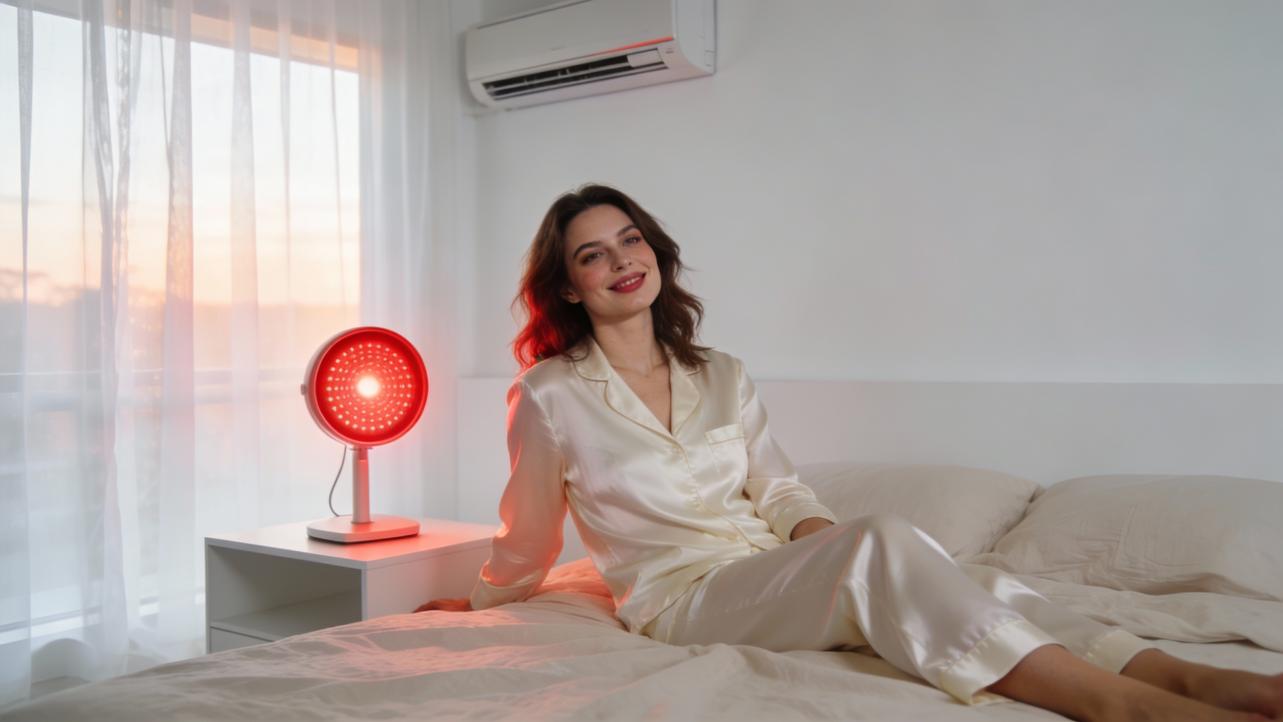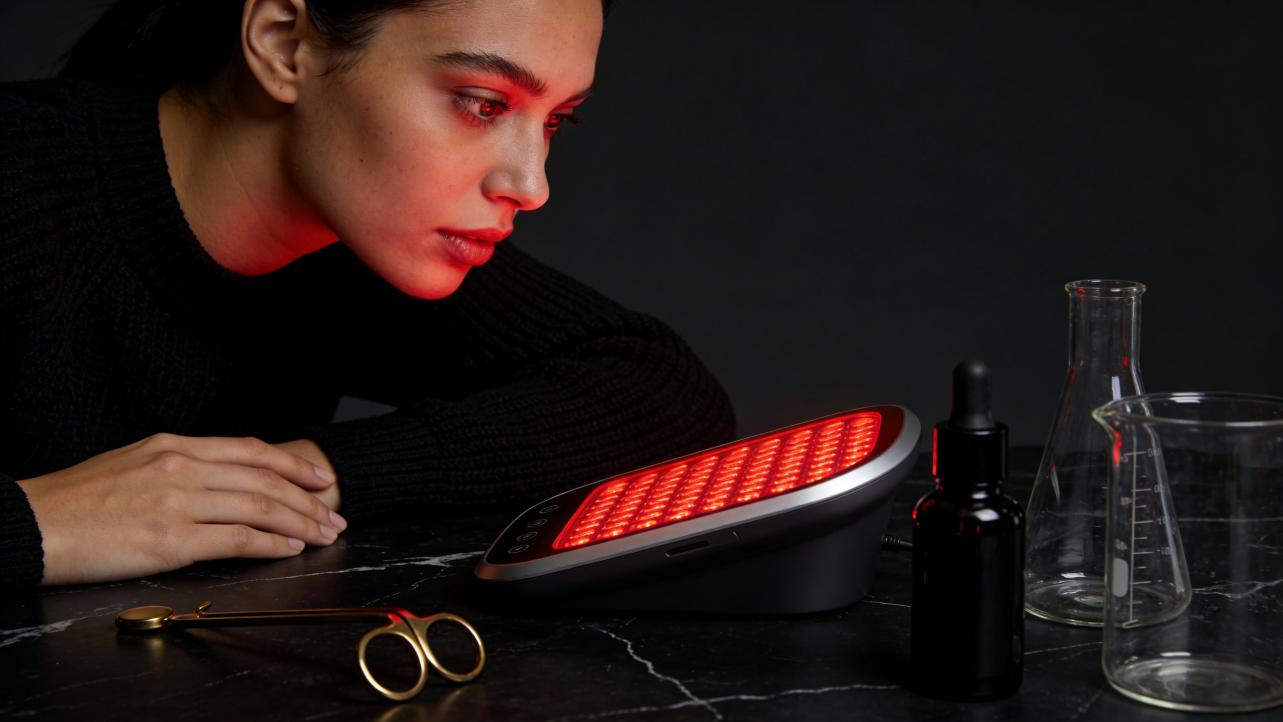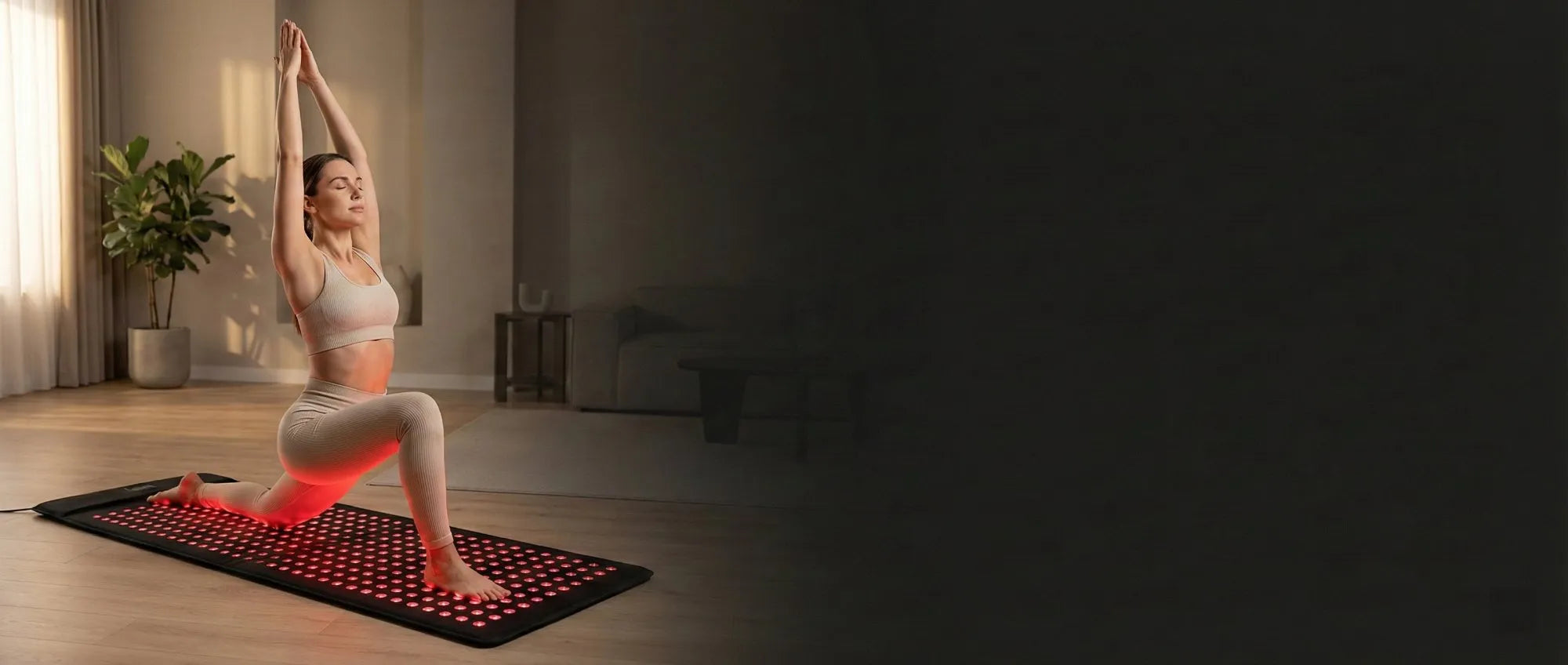
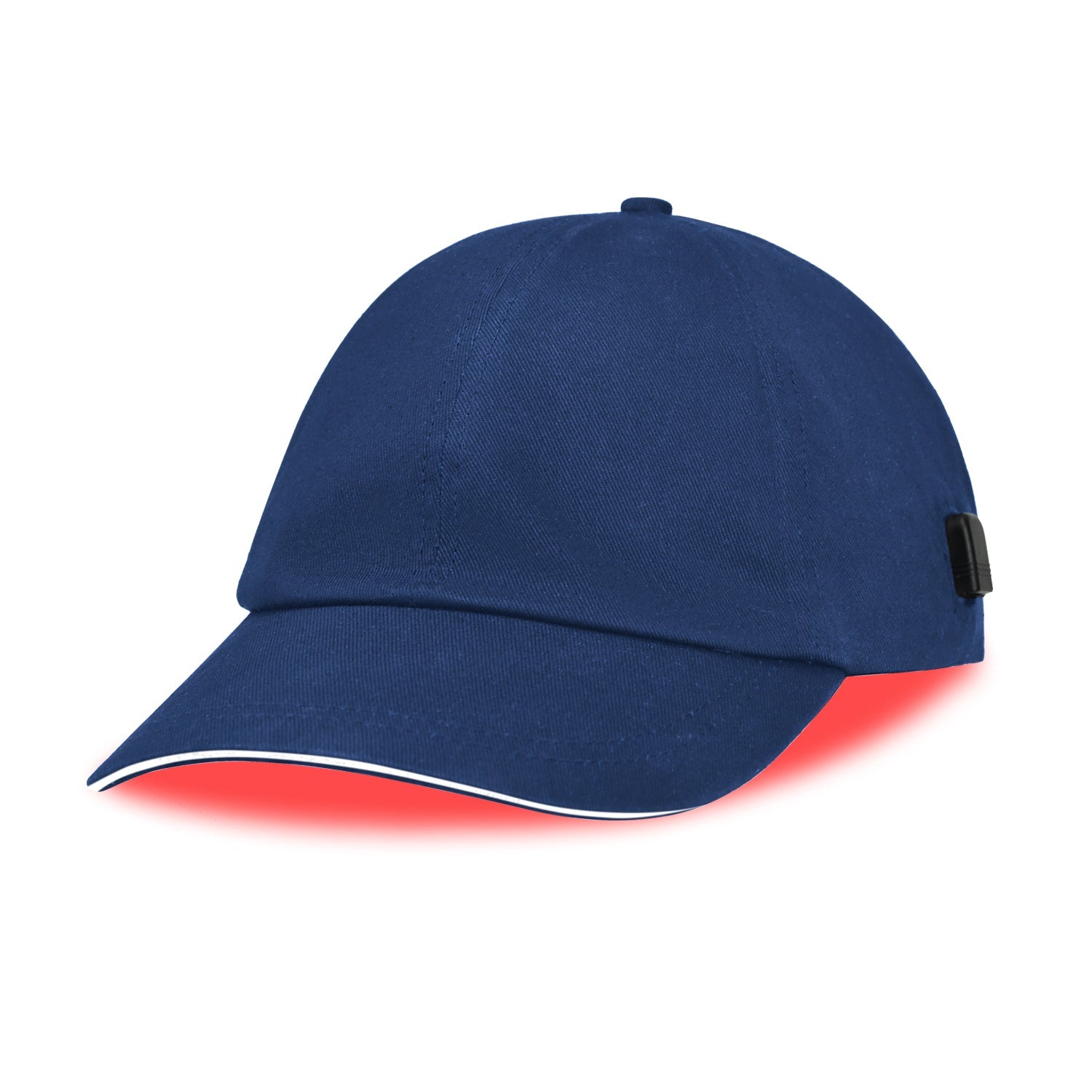
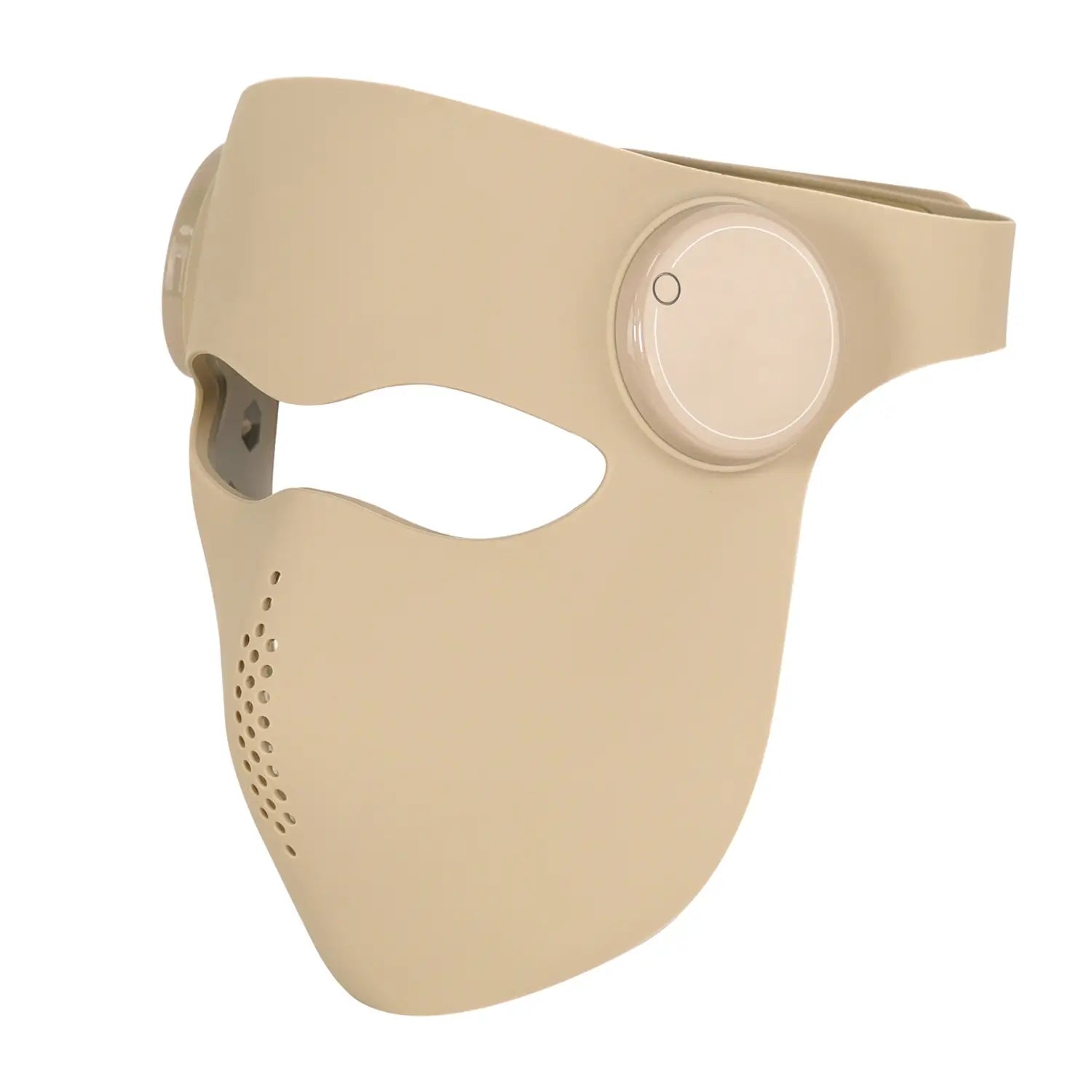
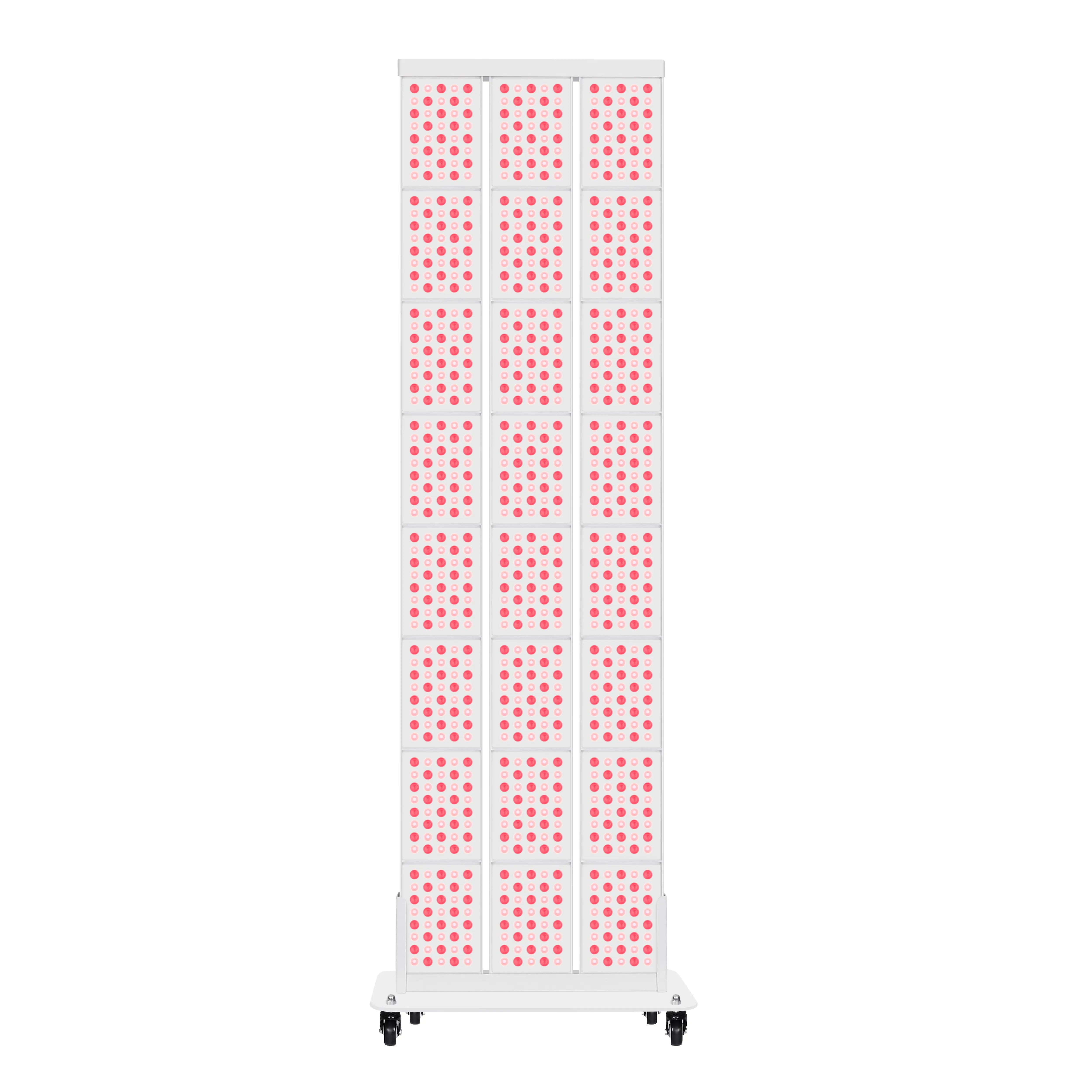
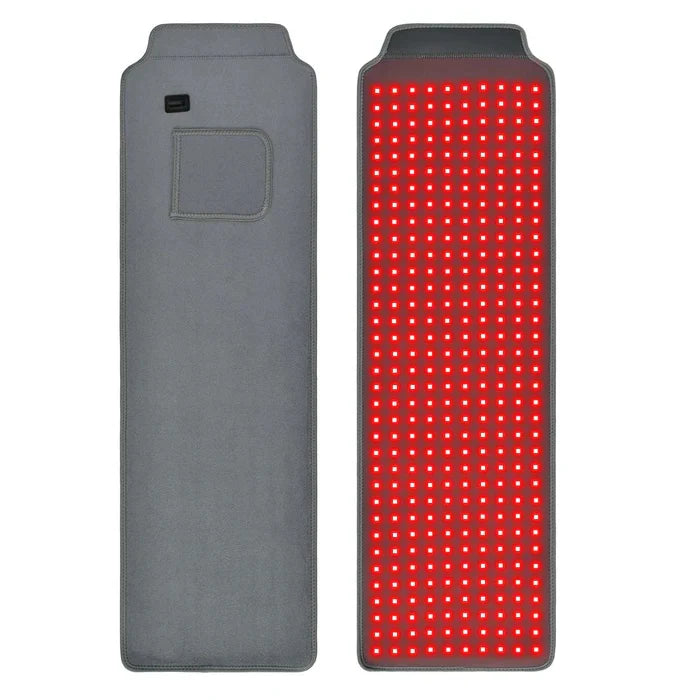
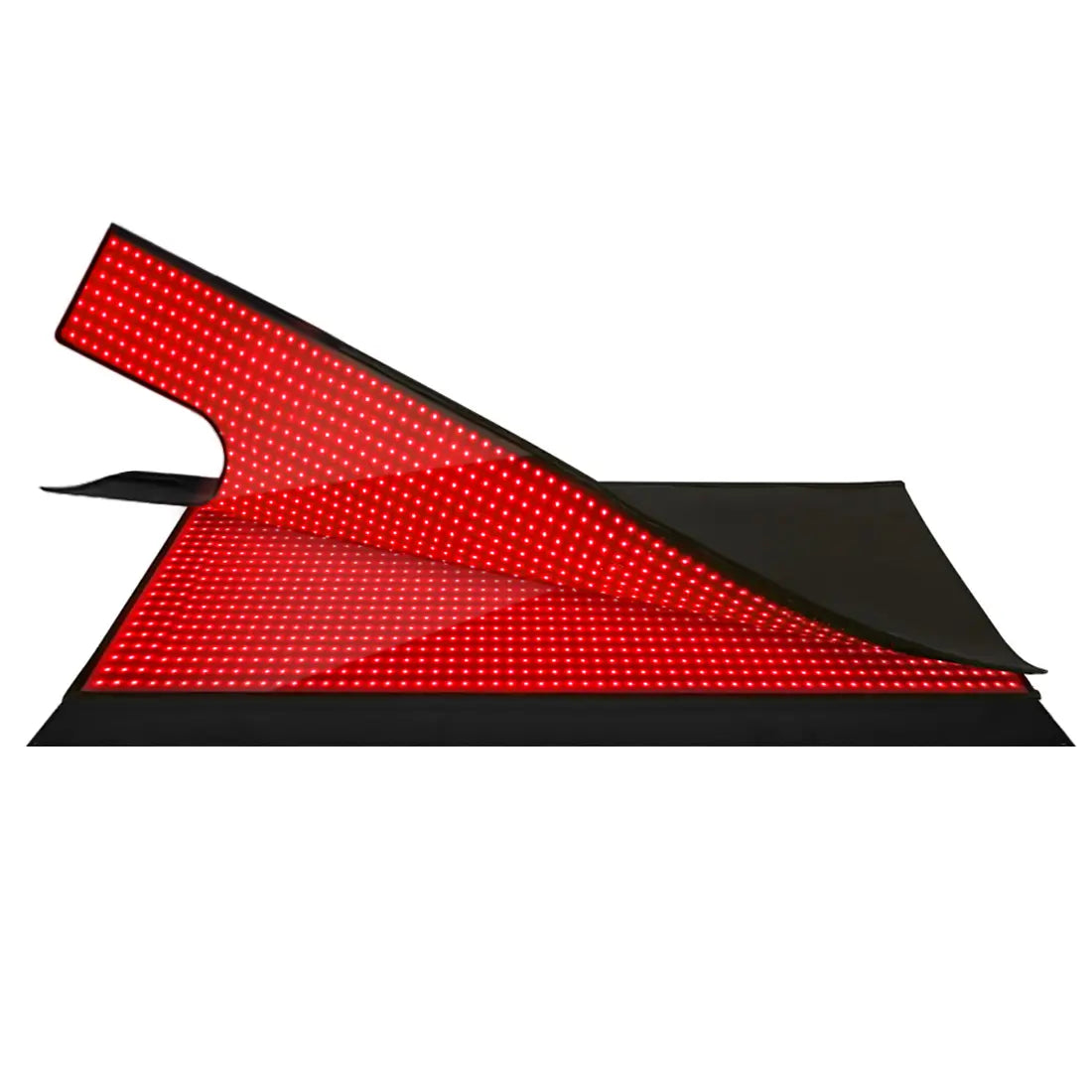
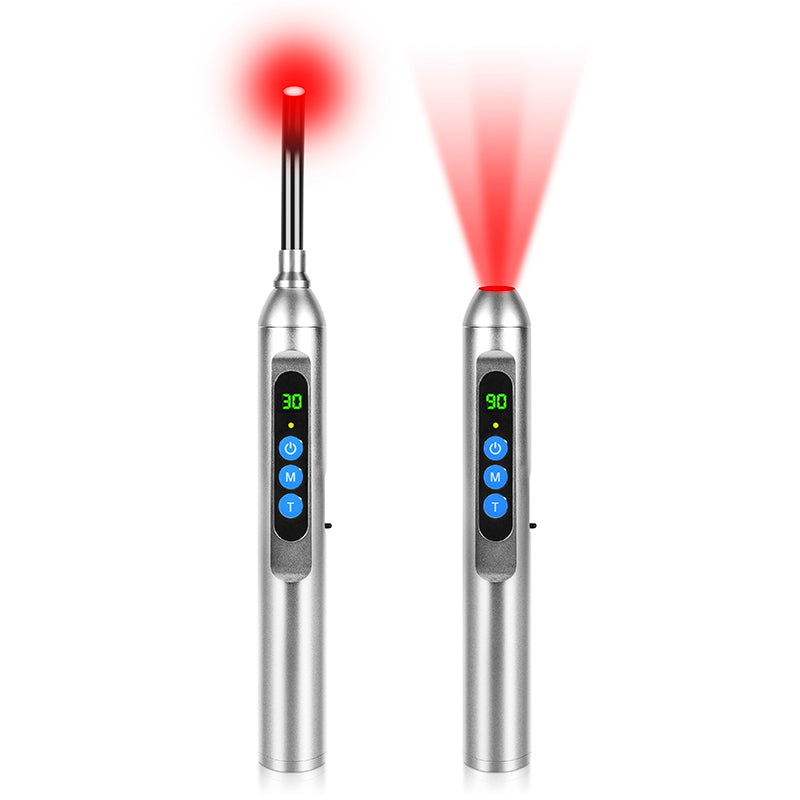

If you spend any time in the biohacking world, red light therapy panels, masks, and beds start to feel as common as dumbbells and yoga mats. I have tested everything from budget face masks to wall-sized panels over the years, and I love light as a tool. But as a “light therapy geek” who also cares about evidence, I am constantly asking a simple question: what actually holds up in the long run when you use red light therapy at home?
This article walks through that question from the ground up. You will see where the science is solid, where it is emerging, where it is mostly marketing, and how to think about long-term use in a real home routine rather than a perfect lab.
What Red Light Therapy Actually Does To Your Cells
Medically, red light therapy is usually called photobiomodulation or low-level light therapy. Most devices use specific red and near-infrared wavelengths, generally in the neighborhood of about 620 to 900 nanometers. Unlike ultraviolet, these wavelengths do not damage DNA or cause tanning. They are low energy, non-thermal, and noninvasive.
Several independent groups, including Cleveland Clinic, Harvard Health, and a comprehensive photobiomodulation review in a dermatology journal, converge on a core mechanism. The photons are absorbed by chromophores inside cells, especially an enzyme in mitochondria called cytochrome c oxidase. That absorption appears to increase cellular energy production (ATP), shift redox signaling, trigger short bursts of nitric oxide, and modulate reactive oxygen species. The end result is often better blood flow, less inflammation, and more efficient repair processes in the tissue that was lit.
This is why red light therapy shows up in very different clinical settings. In oncology support, higher level evidence shows that carefully dosed light reduces radiation dermatitis and oral mucositis severity. In dermatology, it is used for acne, scars, and skin rejuvenation. Sports and rehab clinics use it around joints and muscles to nudge inflammation and pain down a notch. Pain specialists at major centers like MD Anderson incorporate related low-level laser protocols into multimodal pain programs, not as magic, but as one more non-drug tool.
That is the biological “engine” you are turning on every time you sit in front of a home panel for 10 to 20 minutes.

Long-Term Skin And Hair Results: Where The Evidence Is Strongest
For most people considering a home device, skin and hair are the primary goals. This is also where the long-term data is most convincing.
Skin rejuvenation, scars, and overall “glow”
Dermatology clinics and major health systems agree on several consistent themes. Articles from Harvard Health, Stanford Medicine, Arizona-based dermatology practices, and Baylor Scott & White Health all describe red light as a noninvasive way to support collagen and elastin production, reduce fine lines, and improve tone and texture.
A controlled clinical trial in 136 volunteers used red and red-plus-near-infrared light twice a week for 30 sessions. Compared with untreated controls, the treated group had measurable increases in collagen density, reduced skin roughness around the eyes, and visible wrinkle improvement when dermatologists reviewed photos in a blinded fashion. Importantly, this was non-ablative: no downtime, no peeling, no intentional tissue damage.
Harvard Health notes that real-world results are slow and cumulative. To meaningfully change wrinkles or skin firmness, you generally need to treat several times per week for about four to six months. The improvements tend to build gradually rather than in a dramatic “before/after” jump. That matches what I have seen with my own face-panel experiments: you notice subtle softening of fine lines and better texture after a season of consistent use, not after a weekend.
Some practical numbers make the commitment clear. Imagine you do 15-minute sessions three times per week for six months. That is about 72 sessions and 18 total hours of exposure. The trial mentioned above used 30 sessions over a few months, and many dermatology offices schedule similar totals for a treatment “series.” If you are not ready to treat your skin hundreds of times over a year, you are unlikely to see the full potential.
Red light is also often used after procedures or injury. The Arizona dermatology source and Cleveland Clinic both reference faster wound healing, better scar remodeling, and support for inflammatory conditions such as psoriasis, rosacea, and eczema. One caveat from a large photobiomodulation review: wound and scar data are mixed in some specific surgeries. In eyelid surgery, for example, one study found halved healing time initially, while another showed no lasting visible difference by six weeks. Translation for the home user: light can help nudge healing, but it is not a guaranteed scar eraser.
Hair regrowth and what happens when you stop
Hair is another area with relatively strong support. Stanford Medicine, UCLA Health, Harvard Health, and WebMD all point to multiple clinical trials in androgenetic (hormonal) hair loss where repeated red or red-plus-near-infrared treatments increased hair density, thickness, and length. The FDA has cleared several combs, caps, and helmets for this indication, which at least confirms safety and similarity to predicate devices.
The mechanism appears to be similar to skin: more microcirculation, more nutrient delivery, and direct support of follicles still capable of growing hair. The nuance that gets lost in marketing is crucial. Stanford’s dermatology experts emphasize that red light generally does not resurrect dead follicles or create new hair in areas that were never hairy. It thickens and prolongs growth in follicles that are still biologically alive. Several summaries, including UCLA Health, also point out that benefits tend to fade when you stop treatment.
From a long-term perspective, home hair devices behave more like ongoing grooming than a permanent cure. Using a cap for 15 minutes every other day over a year is roughly 180 sessions. If that helps you maintain thicker hair while you are using it, the device is doing its job. Stop for a few months, and much of the gain may gradually disappear. That is not a failure of red light; it is simply how biology and androgen-driven thinning work.
A realistic home skin and hair protocol example
For someone in their 40s or 50s who wants to treat both face and scalp at home, a realistic, evidence-aligned pattern might look like this.
You choose an FDA-cleared mask and a hair cap in the midrange price bracket reported by Utah and Baylor sources, around a few hundred dollars each rather than several thousand. You commit to three 10 to 20 minute mask sessions per week and three to four hair-cap sessions per week for at least six months, continuing your sunscreen, gentle cleanser, and any prescribed topicals.
At the six-month mark, you evaluate specific changes: fewer fine lines at rest, slightly plumper cheek skin, subtle improvements in dark spots or redness, and denser coverage in areas that were thinning but not bald. If you see nothing, red light may not be a good responder tool for your skin and hair. If you see modest benefits, you shift into a maintenance rhythm that is sustainable for your life, perhaps two or three sessions a week.
That is how to think about long-term skin and hair use: moderate expectations, long timelines, and integration into a broader skin-health routine rather than relying on light alone.

Pain, Inflammation, And Recovery: Can A Home Panel Replace Pain Pills?
The next big promise of red light therapy is pain and inflammation control. Here, the picture is more nuanced.
Short-term relief versus long-term management
Multiple sources, including UCLA Health, Cleveland Clinic, MD Anderson, Degree Wellness, Healthline, and WebMD, report overlapping findings. Red and near-infrared light can reduce pain and inflammation in the short term across several conditions: tendonitis, rheumatoid arthritis, carpal tunnel, ankle and knee osteoarthritis, delayed onset muscle soreness, and post-surgical pain.
For example, a randomized, triple-blind trial in hip surgery patients found that photobiomodulation reduced post-operative pain and swelling. A literature review cited by UCLA Health suggests that red light can meaningfully reduce both acute and chronic pain, though chronic pain often returns within weeks after therapy stops. WebMD notes low-to-moderate quality evidence for improved pain and function in tendinopathies and some short-term benefit in rheumatoid arthritis, but little impact on advanced osteoarthritis.
Pain specialists are careful about expectations. MD Anderson and Arizona Health Sciences both frame phototherapy as complementary, not a replacement for standard treatments. They emphasize that light can modulate inflammatory signaling and help pain circuitry calm down, but it does not fix mechanical problems like torn ligaments or severe joint degeneration. The University Hospitals sports medicine perspective is similar: red light may help tendinopathies and inflammatory problems closer to the surface, but it is unlikely to reverse advanced osteoarthritis or structural injuries.
In my own training and recovery, I treat red light exactly this way. It is a lever I pull to reduce soreness and support tissue repair, especially after heavy lifting or long trail runs, but I do not rely on it to address issues that clearly need physical therapy, strength work, or, in some cases, imaging and medical intervention.
A sample recovery protocol for active bodies
Active people often ask how to build red light into their week. Several clinical and practice sources converge on a similar frequency pattern. The Physical Achievement Center outlines protocols of eight to twelve sessions for chronic inflammatory conditions, with three to five sessions per week initially and three to five sessions per week as maintenance, sometimes daily for short bursts of intense recovery needs. UCLA Health and Healthline describe multiple sessions per week as typical across many studies.
Imagine you are a recreational athlete dealing with recurring knee tendon discomfort and general lower-body tightness after workouts. A rational home approach might be to treat the quadriceps and knee area with a panel for 10 to 15 minutes, three to five evenings per week, for one to two months, while you also work on load management, mobility, and strength. If your pain scores and function clearly improve over several weeks and the effect persists, the therapy may be worth continuing. If the benefit disappears within a week of stopping, that tells you that ongoing sessions are required to maintain the change.
Economically, if your panel cost about $600.00, and you use it four times a week for two years, that is more than 400 sessions. Even if you only count the first 300 uses, each session costs around two dollars. Compare that with in-clinic treatments commonly reported around eighty dollars or more per session. For someone with chronic pain who responds well, the math can shift in favor of a home device, as long as you remember that light is just one part of a broader pain-management ecosystem.
Where the science is still catching up
Claims around athletic performance, peak strength, speed, and deep joint regeneration are far ahead of the evidence. Stanford Medicine notes that data for sports performance and sleep are not yet strong enough to recommend red light specifically for those goals. The Utah men’s health discussion highlights that while some studies suggest benefits for muscle recovery, the broader claims for metabolic syndrome, diabetes, and neurodegenerative diseases are based largely on animal work and early human trials, not definitive proof.
Even in pain, the quality of evidence is uneven. Cleveland Clinic and Healthline both stress that many studies are small, short, or methodologically limited. Long-term safety, particularly for frequent or full-body use over many years, still needs better data. For now, the most responsible stance is this: if you have disposable income, are already doing the basics (movement, strength, sleep, nutrition), and live with pain that has been properly evaluated, it is reasonable to experiment with a home panel as an adjunct, not a replacement, and to stop if you do not see a clear, sustained benefit.

Deeper Health Claims: Brain, Heart, And Metabolism
Once you step outside skin, hair, and musculoskeletal pain, the claims become more speculative. Some are intriguing enough that I follow them closely as a geek; others I mostly ignore until more evidence arrives.
Brain and mood
There is intense interest in using red and near-infrared light to influence brain function, mood, and cognition. Penn State Behrend describes potential mental health benefits via improved cellular function and neurotransmitter production. UCLA Health cites early dementia research where short daily treatments for several weeks led to improvements in cognitive scores without major side effects. WebMD reviews small dementia studies suggesting better memory, sleep, and reduced agitation in some participants.
At the same time, Cleveland Clinic specifically states that there is no solid scientific support yet for claims that red light therapy treats depression or seasonal affective disorder. The University of Utah discussion echoes that human mental health evidence is still preliminary, even though animal data for neurodegenerative diseases are promising.
If you are tempted to buy a home helmet or “brain light” based on these early findings, one practical caution from the Utah experts is critical: most devices emit only certain wavelengths, and many mental-health and neuroprotection studies use different wavelengths than cosmetic masks. If your device does not match the researched wavelength range, you are essentially running a personal experiment with unknown relevance to the published data.
For now, when I evaluate brain-directed devices for home use, I place them in the “interesting but speculative” bucket. The potential upside is there, but I would not spend thousands of dollars on that promise alone.
Heart, blood clots, and systemic aging
Two research areas have captured a lot of attention recently: cardiovascular aging and blood clot risk.
A mouse study published in a journal focused on surgery and lasers, summarized by a major university, used near-infrared photobiomodulation for middle-aged mice. Just two minutes per day, five days a week, over many months improved heart function and reduced thickening of the heart wall. Treated mice also showed better gait symmetry, a proxy for overall neuromuscular health. The study linked these benefits to changes in transforming growth factor beta 1, a signaling molecule deeply involved in repair and inflammation. It is an elegant demonstration that low-dose light can influence aging biology in a living organism.
Another line of research from a university medical school connects long-wavelength red light exposure with fewer blood clots in both mice and human data. In animals, red light cycles led to almost five times fewer clots than blue or white light. In humans, cancer patients with blue-light filtering lenses had lower clot rates than those with standard lenses. Mechanistically, red light exposure was associated with less inflammatory immune activity and fewer platelet-activating signals.
These findings are exciting, but both teams emphasize that they are early and not ready for clinical recommendations. The thrombosis group is only now developing red light goggles for controlled trials. Until those trials report, it would be irresponsible to tell someone to rely on a home panel to prevent strokes or heart attacks.
As a veteran light user, I treat these systemic effects as a bonus, not a goal. If future human data show that low-dose near-infrared in midlife slows heart aging or reduces clot risk, I will gladly tweak my routine. Until then, my core cardiovascular strategy is still what the Utah men’s health team calls the “Core Four”: nutrition, physical activity, sleep, and emotional health, plus the underrated habit of getting outside into natural morning light.

Safety, Risk, And Long-Term Use At Home
A major reason red light therapy has exploded into homes is its safety profile. But “safe” does not mean “anything goes.”
Short-term, organizations such as Harvard Health, Cleveland Clinic, UCLA Health, Healthline, and MD Anderson all converge on the conclusion that red and near-infrared light, used as directed, are generally low risk. They do not use ultraviolet, do not tan the skin, and have not been linked to skin cancer. Reported side effects tend to be mild: temporary redness, warmth, or irritation, usually from overdoing the dose or using a poorly designed device.
The two main hazards are eyes and burns. MD Anderson calls out potential retinal damage from direct exposure, which is why clinics use goggles and shields. Consumer health sites recommend never staring directly into panels or masks and using eye protection if the device instructions suggest it. Burns usually occur when session time, intensity, or distance are ignored, or when equipment is faulty. The University of Utah discussion notes that serious issues often come from malfunctioning or poorly designed equipment rather than from the light itself.
Long-term safety is where uncertainty remains. Healthline and the Cleveland Clinic both point out that we still lack robust data on frequent, full-body use over many years. Most trials last weeks to months, not decades. That does not mean long-term use is harmful; it simply means we cannot guarantee there is zero risk. Given that the wavelengths used are non-ionizing and similar to parts of the natural light spectrum, most experts suspect long-term risk is low, but we should still treat light as a form of medicine rather than as a harmless decoration.
Certain groups should be especially cautious. People taking photosensitizing medications, those with serious eye disease, individuals with a history of skin cancer, and people with light-sensitive autoimmune conditions should talk to a dermatologist or other clinician before starting. Harvard Health and UCLA Health specifically advise people with darker skin tones to start with lower doses and consult a dermatologist, because visible light can sometimes worsen dark spots in more pigmented skin.
Pregnancy data are limited but somewhat reassuring. WebMD cites a study of hundreds of pregnant women exposed to laser light without apparent harm, but the overall evidence base is still thin. The safest stance is to involve your obstetric provider before adding any new therapy during pregnancy.
Is An At-Home Device Worth It? A Practical Cost–Benefit Framework
At this point, the decision to bring a panel or mask into your home is less about raw science and more about fit: does the likely benefit justify the cost and time for you personally?
Consumer-protection angles show up repeatedly in mainstream medical discussions. The Utah men’s health team highlights that devices range from roughly one hundred to several thousand dollars, with full-body beds costing amounts you would normally associate with a luxury car. Baylor Scott & White Health notes that home devices often sit between about one hundred and one thousand dollars. UCLA Health points out that while FDA clearance confirms low risk, it does not guarantee strong effectiveness. Spa and clinic sessions, according to WebMD, can easily reach eighty dollars or more per visit.
A simple way to think about this is to compare a realistic use pattern to the alternatives. If a midrange panel costs six hundred dollars and you use it three times per week for three years, that is more than four hundred sessions. Even if you only count three hundred of those, your per-session cost is around two dollars. A similar number of in-office sessions would cost thousands of dollars and far more travel time.
On the other hand, if you buy an expensive device and only use it a dozen times before it gathers dust, your per-session cost could rival fine dining. No study can fix that. The strongest advice from multiple sources, including Healthline and the Utah group, is to consider red light only after you have your foundational health habits and finances in decent shape. If the purchase feels like a strain, it is not the right time.
One more cost to weigh is opportunity cost. Could those same hundreds of dollars buy better sleep equipment, a gym membership, resistance bands, or higher-quality food that might have larger, better-proven health returns? Often, the answer is yes. As a long-time wellness optimizer, I generally recommend people invest first in things like strength training and sleep hygiene, then layer red light on top once the basics are consistent.
Designing A Sustainable Home Red Light Routine
If you decide a device is a good fit, the next step is to make sure your routine is both effective and sustainable.
First, clarify what you are targeting. Skin rejuvenation, hair thinning, and specific regions of musculoskeletal pain or inflammation are where evidence is strongest. Choose a device that is actually designed and cleared for that use. A face mask that emits only a couple of cosmetic wavelengths is not the right tool for deep knee pain, and a small wand is not ideal as your primary hair-regrowth strategy.
Second, commit to a realistic time frame. Most credible clinical and expert sources talk about several weeks to several months of regular use before judging results. Harvard Health mentions four to six months for cosmetic changes. Pain studies often run eight to twelve weeks. If you are not ready to give a therapy at least that long, it may not make sense to start.
Third, embed sessions into existing routines. In my own life, I pair evening red light with wind-down habits and morning light with natural sunlight. For example, I might do a ten-minute face and neck session while listening to a podcast after dinner, three or four nights a week, or a lower-body panel session on the rest day after heavy squats. The less friction you have in setting up and timing sessions, the more likely you are to keep using the device long enough to see what it can do for you.
Finally, track something objective. For skin, take standardized, no-makeup photos every month in the same lighting. For pain, use a simple zero-to-ten pain score and note changes in function, such as how far you can walk or what loads you can lift. UCLA Health notes that benefits often fade within weeks of stopping in chronic pain conditions; that pattern can help you decide whether maintenance sessions are worth your time.
FAQ: Smart Answers To Common Questions
How many months should I try red light therapy before deciding if it works for me?
For most goals, plan on at least two to three months of consistent use, and ideally four to six months for skin and hair. Harvard Health stresses that cosmetic improvements are gradual and require multiple sessions per week for several months. Many pain and recovery studies run eight to twelve weeks. If you see zero change after that kind of commitment, you may be a non-responder or need a different approach.
Can I use red light therapy every day?
Some protocols, especially in sports and inflammation clinics, use near-daily sessions for short periods, and the Physical Achievement Center notes that daily use can be appropriate short term for intensive recovery. Most consumer guidance from Cleveland Clinic, Healthline, and Baylor suggests several sessions per week rather than nonstop daily exposure. The best rule is to follow the manufacturer’s instructions, start on the conservative side, and back off if you notice irritation or headaches. More is not automatically better.
Should I stop my medications or other treatments if I start red light therapy?
No. Healthline, Cleveland Clinic, and MD Anderson all emphasize that red light therapy is a complementary tool, not a substitute for established medical treatments. Do not stop prescribed medications or physical therapy without talking to your clinician. If anything, your goal is to see whether adding light allows you and your care team to safely reduce medication doses over time, not to self-discontinue care.
Is natural sunlight enough, or do I still need a device?
Morning outdoor light is one of the most powerful, free tools you have. The University of Utah experts highlight that ten to twenty minutes outside shortly after waking can improve mood, alertness, and circadian rhythm. That said, sunlight does not give you the same precise, high-dose red and near-infrared exposure that targeted devices do, and you cannot easily deliver dozens of consistent joules to a specific scar or tendon just by sitting outside. In my view, sunlight is the baseline; devices are optional layers above that baseline for targeted goals.
Closing Thoughts From A Light Therapy Geek
Red light therapy is no longer just a fringe biohacker toy, but it is also not a miracle cheat code. Long-term, at-home use seems most justified if you care about skin quality, want to support hair in areas that are thinning but not bald, or live with well-characterized pain and inflammation that has not fully responded to basics. For brain, heart, and whole-body anti-aging, the science is early and exciting, but not yet a reason to rearrange your budget.
If you treat light as a precise, time-tested tool layered on top of sleep, movement, nutrition, and real daylight, you will get far more from your device than if you chase it as a silver bullet. That is how I continue to use it after years of experimentation: not as the foundation of my health, but as a smart, evidence-aligned amplifier for systems that are already heading in the right direction.
References
Key sources informing this article include summaries and expert commentary from Cleveland Clinic, Harvard Health, Stanford Medicine, UCLA Health, MD Anderson Cancer Center, University of Utah Health, Penn State Behrend Counseling Center, University Hospitals, Healthline, WebMD, and major photobiomodulation reviews and trials published in dermatology and laser medicine journals.
- https://lms-dev.api.berkeley.edu/studies-on-red-light-therapy
- https://www.health.harvard.edu/staying-healthy/red-light-therapy-for-skin-care
- https://www.medschool.pitt.edu/news/red-light-linked-lowered-risk-blood-clots
- https://healthsciences.arizona.edu/news/stories/exploring-phototherapy-new-option-manage-chronic-pain
- https://pmc.ncbi.nlm.nih.gov/articles/PMC11049838/
- https://www.buffalo.edu/ubnow/stories/2023/03/light-therapy-aging-hearts.html
- https://behrend.psu.edu/student-life/student-services/counseling-center/services-for-students/wellness-offerings/red-light-therapy
- https://med.stanford.edu/news/insights/2025/02/red-light-therapy-skin-hair-medical-clinics.html
- https://healthcare.utah.edu/the-scope/mens-health/all/2024/06/176-red-light-therapy-just-fad
- https://www.brownhealth.org/be-well/red-light-therapy-benefits-safety-and-things-know