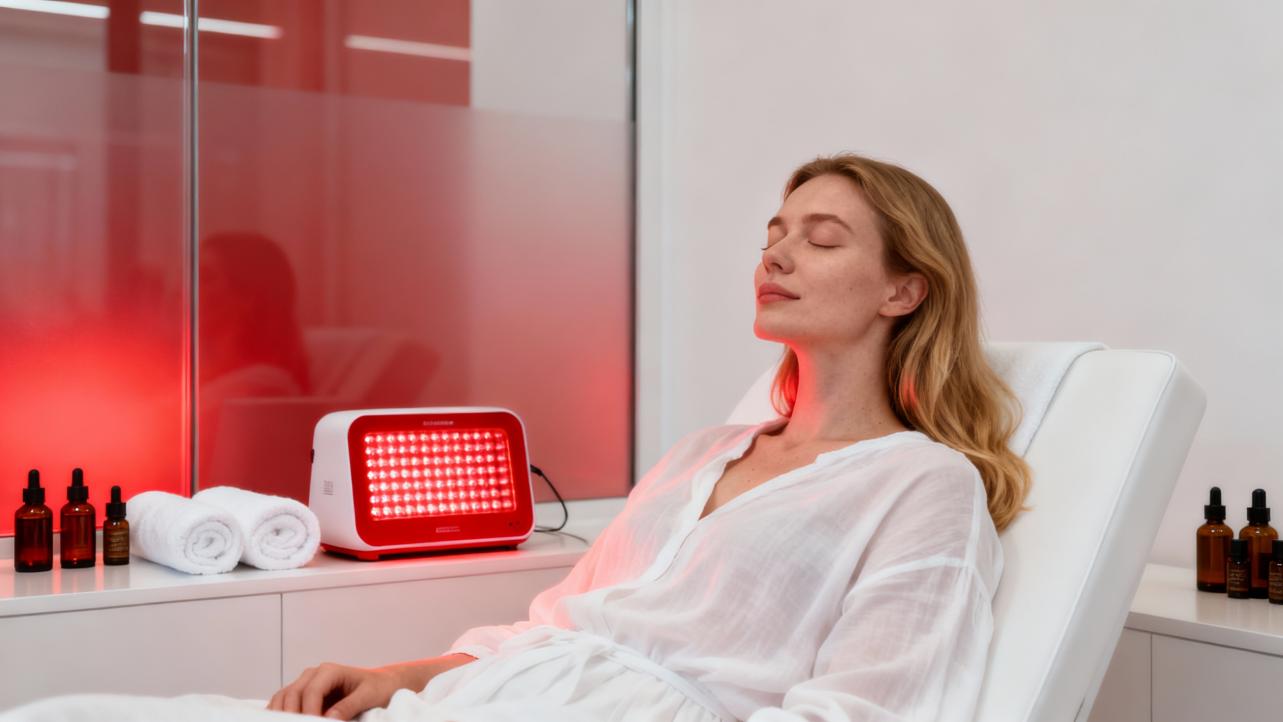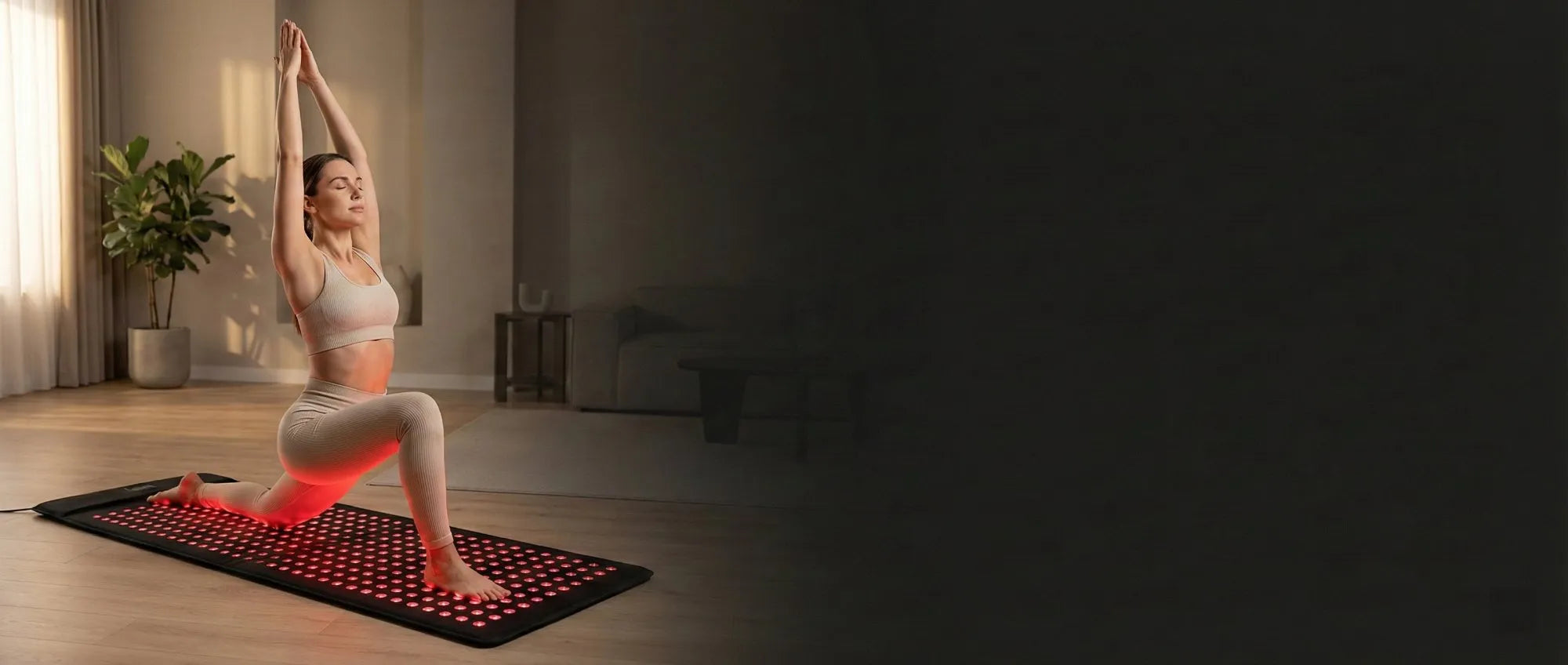
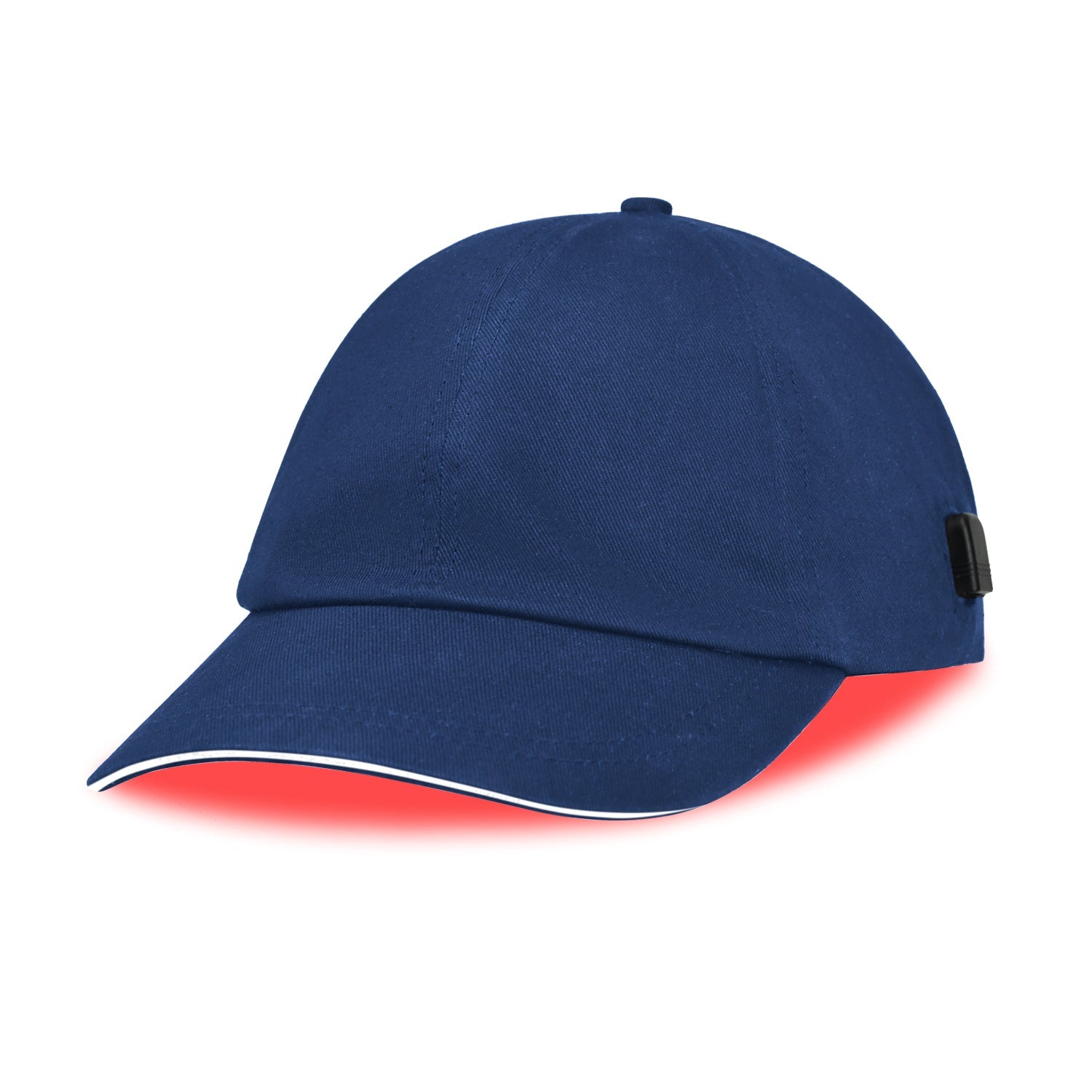
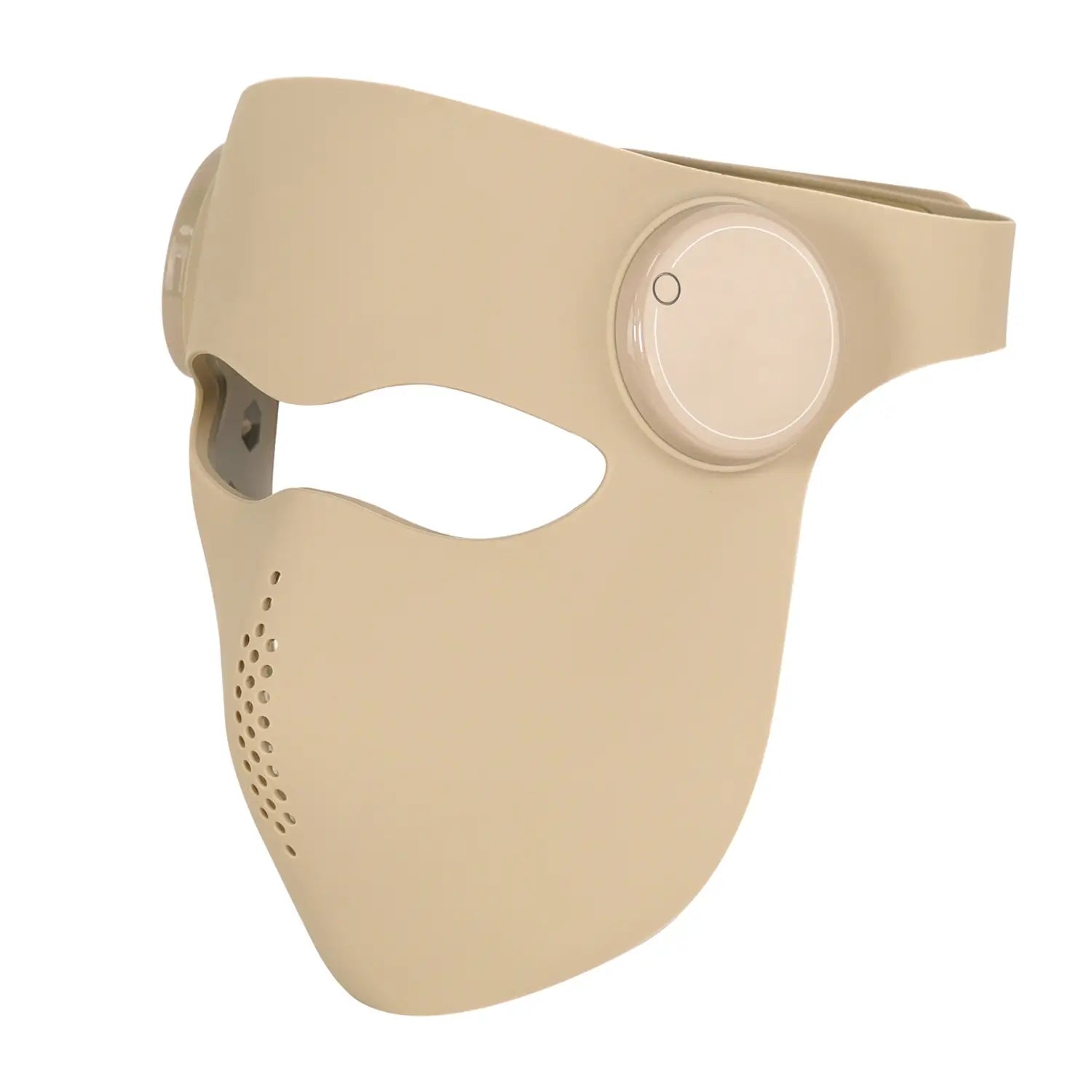

As someone who has spent years tinkering with LED panels, clinic-grade devices, and more than a few overhyped beauty masks, I can tell you this: red light therapy is neither a miracle nor a gimmick. It is a real biological tool with measurable effects on skin and hair, wrapped in an industry that often overpromises. In aesthetic medicine, that distinction matters. You want collagen, clarity, and healing, not false hope and wasted money.
In this guide, I will walk through what red light therapy actually does in the skin, where the evidence is strongest for aesthetic results, what side effects you should take seriously, and how to think like a seasoned optimizer when you decide whether to add it to your own routine or practice.
Red Light Therapy 101: What It Is and What It Is Not
Red light therapy is most accurately called photobiomodulation. Medical reviews in the dermatology literature define it as non-thermal, low-level red and near-infrared light, usually in the range of roughly 620–700 nanometers for red and 700–1,440 nanometers for near-infrared, delivered by LEDs or low-level lasers. Unlike ultraviolet light, which can damage DNA and raise skin cancer risk, red and near-infrared wavelengths work without burning or directly killing cells.
At the cellular level, studies summarized by Cleveland Clinic and comprehensive photobiomodulation reviews show that these wavelengths are absorbed by mitochondrial chromophores, especially cytochrome c oxidase. This boosts cellular respiration and adenosine triphosphate (ATP) production, modulates redox signaling, and alters gene expression. Downstream effects include more collagen and elastin production, better blood flow, and less inflammatory signaling in skin tissue.
It is crucial to distinguish this from photodynamic therapy. In photodynamic therapy, dermatologists apply a photosensitizing drug to the skin and then activate it with red light to selectively destroy precancerous or cancerous cells. Stanford experts emphasize that in this context, red light is part of a targeted killing protocol; red light alone does not destroy skin cancer. Photobiomodulation, by contrast, uses similar wavelengths at non-damaging doses to promote healing, not to kill.
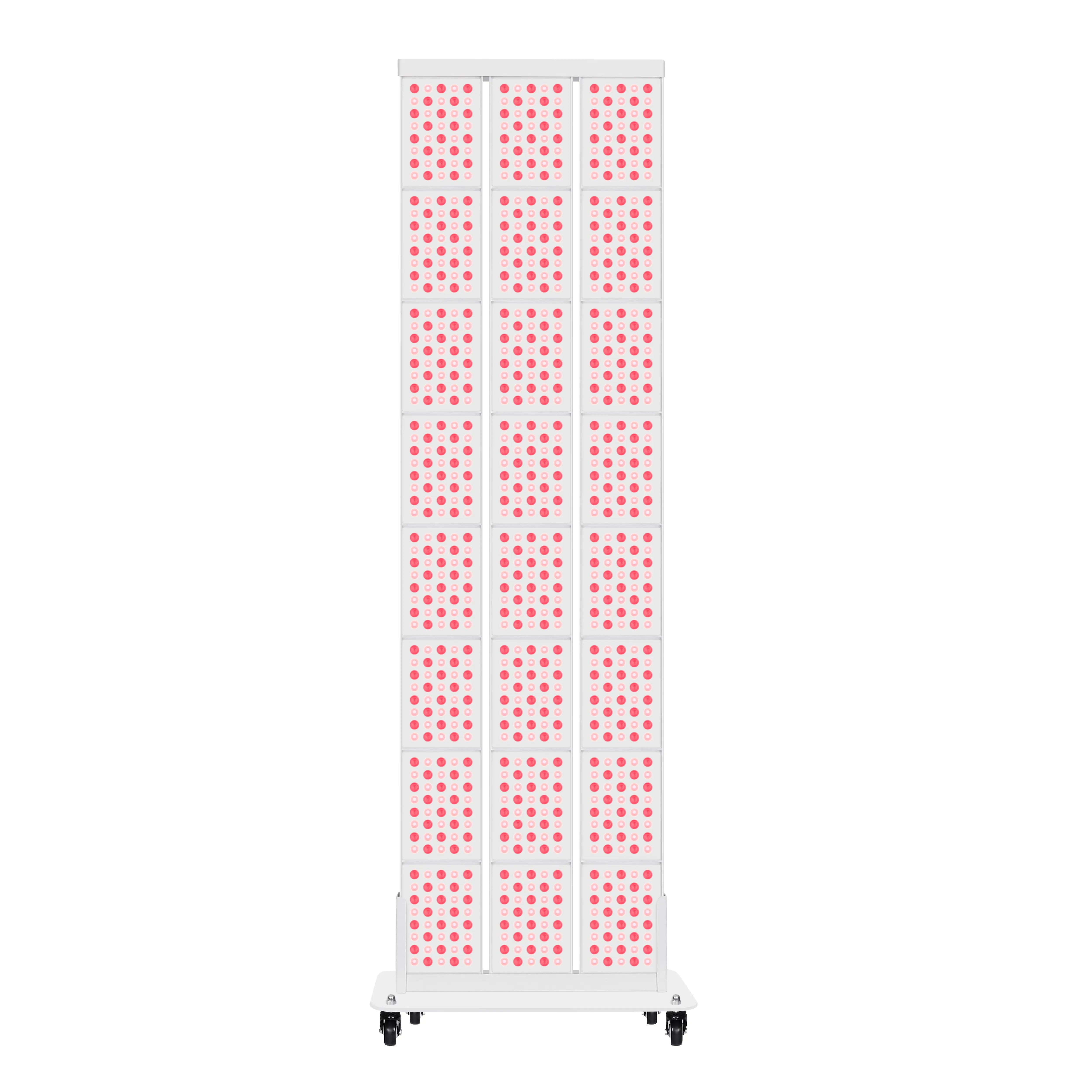
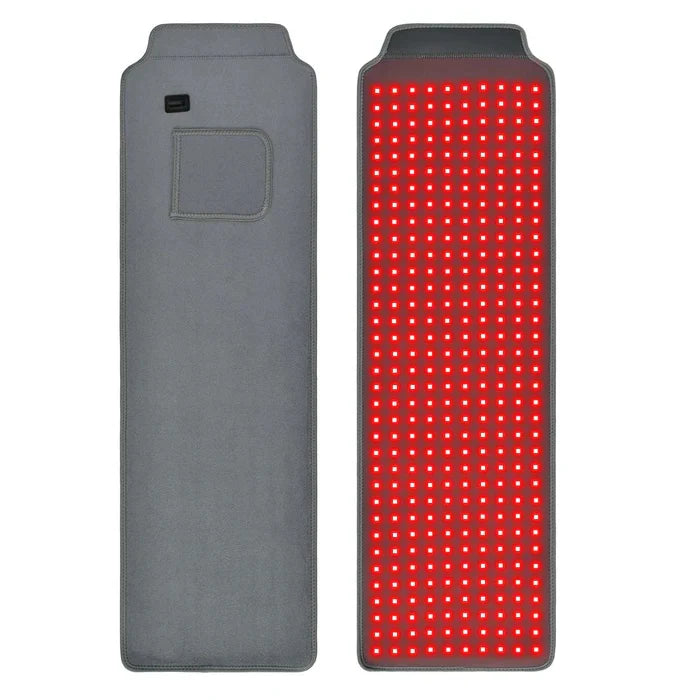
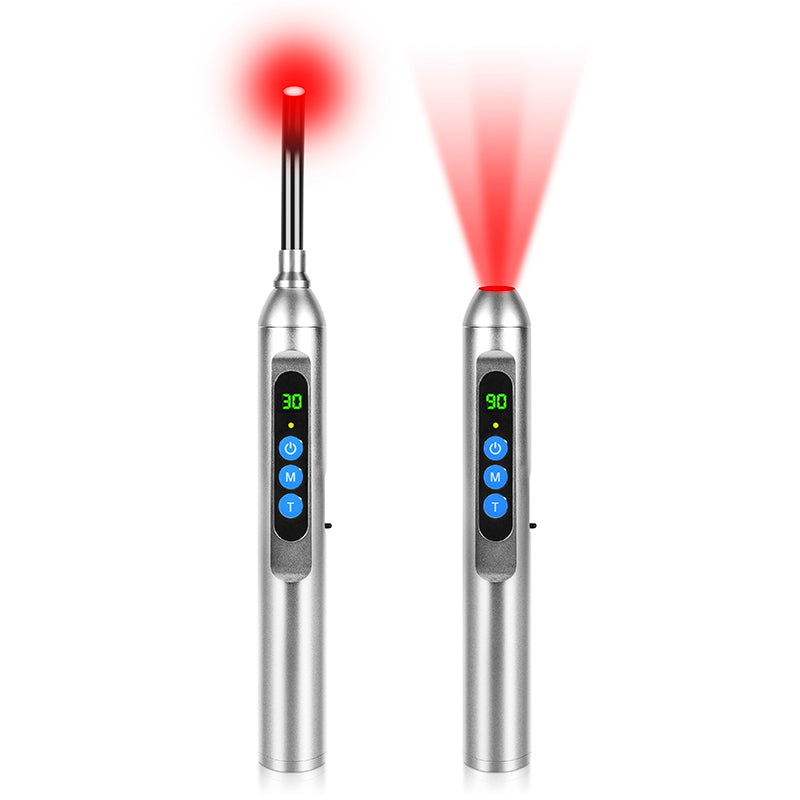
In aesthetic medicine, most of what consumers call red light therapy is photobiomodulation: LED masks, panels, wands, or in-office arrays delivering controlled doses of red or red plus near-infrared light to improve skin or hair.
Here is a quick way to frame the main light-based modalities you will see in cosmetic clinics:
Modality |
Core idea |
Typical wavelengths |
Main roles in aesthetics |
Photobiomodulation (PBM) |
Low-level red or near-infrared light to modulate cell function and healing |
About 620–700 nm (red), 700–1,100+ nm (near-infrared) |
Skin rejuvenation, acne, scars, hair growth, post-procedure recovery |
Photodynamic therapy (PDT) |
Drug plus light to selectively kill abnormal cells |
Often red LED or laser tailored to photosensitizer |
Actinic keratoses, some thin skin cancers, sometimes acne |
High-energy lasers |
Heat and micro-damage to trigger remodeling |
Variable, often higher power |
Resurfacing, tightening, pigment and vessel targeting |
From an aesthetic perspective, red light therapy sits in the “biologic nudge” category. It does not ablate or resurface; it coaxes cells into healing and remodeling faster or more efficiently. That comes with a very different side effect profile and a different level of expectation.

How Red Light Changes Skin and Hair Biology
If you zoom in at the dermal level, repeated red light exposure tends to push tissue toward a more youthful, less inflamed state. A large review on photobiomodulation for skin describes several recurring themes.
Fibroblasts, the collagen-producing workhorses of the dermis, respond to red and near-infrared light by increasing type I and III collagen and elastin synthesis. That collagen remodeling contributes to the improved firmness, elasticity, and wrinkle reduction reported in cosmetic studies.
Vascular changes matter as well. Stanford dermatology researchers note that shallow-penetrating red wavelengths can cause vasodilation, widening blood vessels and improving nutrient delivery. Better microcirculation supports hair follicles and dermal regeneration and may partially explain increases in dermal density and hair growth.
Inflammation is another key target. Reviews of acne and inflammatory dermatoses show that photobiomodulation can reduce sebum output, modulate inflammatory cytokines, and even affect bacteria such as Cutibacterium acnes, contributing to fewer inflammatory lesions.
Pigment and barrier function are also influenced. Clinical studies of red light masks and LED phototherapy report more even complexion and reduced roughness, along with refinements in pore size and sebum. Some dermatology articles describe red or red plus near-infrared light decreasing excess melanin production and calming post-inflammatory redness, which is why you see it framed as a tool for hyperpigmentation, rosacea, and post-acne marks.
Importantly, a clinical trial of a 630-nanometer LED mask published in the medical literature emphasizes that dose and timing matter. That study used 12-minute full-face sessions twice a week and spaced sessions roughly 72 hours apart to match the delayed peak of the photobiomodulation response. The authors explicitly reference the Arndt–Schulz principle: too little light does nothing, but too much can actually blunt or inhibit beneficial cellular responses. In other words, turning your panel to maximum and doubling session time is not biohacking; it is more likely sabotaging your gains.

Efficacy for Aesthetic Goals: Where the Evidence Is Strongest
Red light therapy is marketed for everything from crow’s feet to cognitive decline. As a light therapy geek, I care most about what has actually been measured, especially for cosmetic outcomes. Several major themes emerge across clinical studies and narrative reviews from Stanford, Harvard, Duke, and others.
Skin Rejuvenation: Fine Lines, Wrinkles, and Texture
Harvard Health and Cleveland Clinic both note that red and near-infrared light can improve fine lines, wrinkles, and overall skin suppleness by stimulating collagen and reducing inflammation. These are not just theoretical mechanisms. The LED mask study mentioned earlier, using a 630-nanometer red light mask twice weekly for three months in participants aged 45 to 70, found objective and subjective improvements in multiple anti-aging metrics.
Crow’s feet wrinkle depth decreased progressively over the three months, with the largest reductions by day 84. Dermal ultrasound showed dermal density increasing by roughly 26 percent at one month and approaching about 48 percent by three months. Firmness and elasticity measurements improved as well, and cheek roughness decreased steadily. Pore diameter and sebum output dropped, contributing to smoother texture and less shine, and complexion homogeneity improved by more than thirty percent at later visits. All volunteers reported better overall skin quality, tolerance was excellent, and results were largely maintained for at least a month after stopping treatment.
This is impressive for a non-invasive home-use protocol, but the study had limitations commonly seen in aesthetic red light research. There was no sham or control group, the sample was small, participants continued their regular skincare (which can confound results), and the device manufacturer was involved. Reviews summarized by Stanford and independent analyses, such as the nutrition science group ZOE, highlight that many anti-aging trials are small, industry-funded, and heterogenous in device parameters.
Taken together, the picture for skin rejuvenation is this: repeated red light exposure can measurably increase dermal density, improve firmness and elasticity, smooth roughness, and plump fine lines in many people, particularly when protocols are consistent over weeks to months. The effect size is real but modest. Think softer creases and better texture, not a surgical face-lift.
Acne, Oiliness, and Reactive Skin
If you are going to pick one aesthetic indication where red light therapy has surprisingly solid support, acne is near the top. A narrative review from Duke that pooled 59 studies and nearly 1,900 patients found that red LED therapy showed the strongest and most consistent evidence of benefit in acne vulgaris compared with other skin conditions examined.
Mechanistically, photobiomodulation in acne appears to work on several fronts. Reviews on photobiomodulation for skin report reductions in sebum production and transepidermal water loss, modulation of inflammatory mediators, and, importantly, absorption of light by porphyrins associated with Cutibacterium acnes, which can contribute to bacterial destruction. Clinical studies have documented meaningful declines in inflammatory lesion counts.
UCLA Health describes a small study where a series of six red light treatments given every two weeks led to significant decreases in skin oil secretion and significant improvements in acne lesions, with no adverse effects reported. A larger trial combining blue and red light found that people using both wavelengths were more likely to fully resolve their acne than those using a single color. Dermatology practices and clinical summaries from sources like Arizona-based dermatology groups, Santa Barbara-based skincare organizations, and academic centers in Utah and Pennsylvania all position red light as a useful adjunct in acne care, especially for inflamed, sensitive, or reactive skin.
There is nuance, though. A 2021 review of randomized trials found that red light therapy was roughly comparable to standard treatments such as antibiotics for acne, suggesting it might reduce reliance on medications. However, a more recent Cochrane review referenced by ZOE concluded that there is no high-certainty evidence that red or other light therapies effectively treat acne across the board. In other words, the signal is promising but not definitive.
From a practical standpoint, the pattern is clear: red light therapy can reduce redness and swelling, modulate sebum, and support healing, and it tends to be gentle for skin that flares with harsh topicals. It is best treated as an add-on to evidence-based acne treatments rather than a stand-alone cure.
Pigment, Redness, and Overall Skin Tone
Several dermatology articles and clinical reports describe red and red plus near-infrared LED therapy improving hyperpigmentation, redness, and blotchy tone. Santa Barbara and Metropolis Dermatology discuss red light’s ability to even out skin tone, brighten dull skin, and lessen post-inflammatory hyperpigmentation by increasing circulation, accelerating cell turnover, and reducing inflammatory signals.
The red mask trial adds objective support: complexion homogeneity improved by roughly one third over two to three months. Photobiomodulation reviews also note that blue and red wavelengths can modulate melanocyte activity and reorganize collagen in scars, reducing hypertrophic scarring and keloids while improving overall wound healing quality.
At the same time, dermatology guidance from Harvard and recommendations summarized by UCLA and the American Academy of Dermatology warn that individuals with darker skin tones should be especially cautious. Visible light, including red, can sometimes trigger hyperpigmentation in more pigmented skin. That does not mean red light is off-limits, but it does mean starting with conservative doses, using devices under professional guidance when possible, and monitoring closely for darkening.
Hair Growth and Scalp Aesthetics
Hair is one of the best-documented wins for red light. Stanford dermatology experts describe decades of work, beginning with a serendipitous observation that rodents exposed to low-level red lasers grew more hair. Since then, multiple clinical trials in androgenetic alopecia have shown that red light can increase hair density and hair shaft thickness.
A comprehensive photobiomodulation review on hair disorders reports that red and near-infrared light prolong the anagen phase of the hair cycle via dermal papilla growth factors, with large trials repeatedly showing increased hair density and length. Another summary from ZOE cites a 16-week helmet study where users of a red light device experienced roughly 35 percent more hair growth than those using a placebo helmet, with a similar trial in women showing comparable gains.
Mainstream medical sources such as Cleveland Clinic, Harvard Health, and UCLA Health all acknowledge red light’s role in hair regrowth. UCLA notes that the Food and Drug Administration has cleared several at-home combs, caps, and helmets for hereditary and hormonal hair loss, and one study suggests that low-level light therapy may be as effective as minoxidil in certain patterns of hair loss.
There are limits. Stanford highlights that red light does not revive dead follicles in completely bald areas and that benefits stop when treatment stops. It is a maintenance therapy for thinning, not a resurrection protocol for a shiny scalp. Realistic expectations are crucial: with consistent use over months, many people see thicker, fuller hair in thinning regions, but this is not a permanent one-and-done fix.
Wound Healing, Scars, and Post-Procedure Recovery
One of the most fascinating aspects of red light in aesthetic medicine is its ability to accelerate healing and potentially improve scar quality.
Cosmetic dermatology sources such as Arizona Dermatology, Santa Barbara-based skincare practices, and Metropolis Dermatology all emphasize that red light therapy supports wound healing and can reduce the appearance of scars from acne, surgery, or injury. They describe it as a valuable tool in post-procedure care after treatments like microneedling, chemical peels, or cosmetic surgery, helping redness and irritation settle faster in sensitive skin.
These claims are backed by mechanistic and clinical data. A comprehensive review in dermatology notes that photobiomodulation improves all phases of wound healing, reduces inflammation, and enhances healing quality in both acute and chronic wounds. Another review highlights blue and red LED therapy’s ability to reshape collagen organization in scars and reduce hypertrophic scarring and keloids.
On the experimental side, a study led by University at Buffalo researchers, published in Photonics, tested red and near-infrared photobiomodulation on radiation-induced skin damage in an animal model. Untreated radiation wounds took about 61 days to heal. Near-infrared therapy reduced that to 49 days, while red light therapy cut healing time to around 42 days, roughly a 19-day improvement. The treated wounds showed less severe radionecrosis, reduced inflammation, and improved blood flow and healing quality.
Clinical studies in cosmetic surgery, such as eyelid lift scars, have found that red light can accelerate early-phase healing and reduce visible scarring in the first weeks, although Stanford points out that by about six weeks post-surgery, treated and untreated sides sometimes look similar.
In practice, red light appears most useful as a post-procedure support tool. It is not a substitute for surgical technique or proper wound care, but it can help skin bounce back faster from controlled injury and may improve the cosmetic quality of scars, especially in the early stages.

Side Effects, Risks, and Open Questions
Compared with ablative lasers or aggressive peels, red light’s safety profile is favorable. That said, treating it as completely risk-free is not wise if you care about long-term skin health.
Short-Term Side Effects
Major medical centers such as Cleveland Clinic, Brown-affiliated health systems, Harvard Health, and WebMD agree on the short-term safety picture. When devices are used as directed, red and near-infrared light appear generally safe and noninvasive, with no ultraviolet component and no documented increase in skin cancer risk. Side effects, when they occur, are typically mild and temporary.
Users and trial participants most commonly report transient redness, a feeling of tightness, mild irritation, or slight discomfort during or after a session. Occasional headaches or warmth can occur when intensity is high or devices are held too close. At higher intensities or with malfunctioning equipment, burns and blistering have been documented, but these are linked more to excess heat and poor engineering than to red light itself.
Eye safety is non-negotiable. Stanford dermatology experts, Harvard Health, Cleveland Clinic, UCLA, and WebMD all emphasize that shining bright LEDs directly into unprotected eyes is a bad idea. Goggles or shields should be used whenever instructions recommend them, especially with facial masks, panels, or full-body beds.
Long-Term Safety and Unknowns
Almost every responsible source, from Cleveland Clinic and Brown University to Harvard Health and UCLA Health, flags the same caveat: long-term safety data for chronic, repeated cosmetic red light use are limited. We have many small and medium-length trials and decades of experience with photobiomodulation in medical contexts, but not multi-decade follow-up in consumers using home devices several times per week.
The good news is that photobiomodulation is non-thermal at proper doses, and reviews in dermatology characterize its systemic side effect profile as minimal. The Buffalo-led radiation study and related work from the same lab also provide some reassurance that while red light triggers pro-healing pathways in normal tissues, these effects do not seem to promote tumor growth, likely because cancer cells have divergent metabolic regulation. Still, authors repeatedly call for more controlled human trials, particularly in oncology and chronic use scenarios.
For a wellness optimizer, the takeaway is simple: red light is low-risk compared with many interventions, but not proven harmless in all contexts at any dose. Conservative dosing and medical guidance are smart tradeoffs when you are dealing with a modality that can influence cell metabolism.
Who Should Be Careful or Avoid It
Guidelines compiled by Cleveland Clinic, Harvard Health, the American Academy of Dermatology, UCLA Health, and others align on several groups that should proceed carefully.
People with light-sensitive conditions such as lupus or those on photosensitizing medications, including some antibiotics and other systemic drugs, should not start red light therapy without explicit clearance from a healthcare professional. Individuals with a history of skin cancer or suspicious lesions should have a dermatologist evaluate any area before shining devices on it, especially if the device is high-powered.
Those with darker skin tones should be cautious because visible light can sometimes provoke hyperpigmentation. Harvard Health and the American Academy of Dermatology suggest that people with more pigmented skin start with lower doses and involve a board-certified dermatologist in protocol decisions.
Pregnant individuals are another group where caution is advised. WebMD notes that a study of several hundred pregnant women who received laser light treatments did not show harm to the parent or fetus, but broader research is limited. Most clinicians still recommend erring on the side of avoiding non-essential therapies during pregnancy unless there is a compelling medical indication.
Finally, people pursuing mental health improvement, weight loss, cellulite reduction, or systemic disease treatment with red light devices should understand that evidence is either weak, preliminary, or nonexistent. Cleveland Clinic and Stanford explicitly note the lack of support for weight loss, systemic cancer treatment, cellulite removal, or broad mental health indications such as depression and seasonal affective disorder. ZOE’s independent analysis underscores that many of these uses are built more on marketing than on solid data.

In-Clinic Devices vs At-Home Gadgets
From a biohacker’s vantage point, it is tempting to believe that the right at-home device can match or surpass clinical treatments. The reality, according to Stanford, Harvard, Cleveland Clinic, and multiple dermatology practices, is more nuanced.
Clinical devices used in dermatology offices are generally more powerful and better characterized. They often use well-defined wavelengths, such as 633-nanometer red and 830-nanometer near-infrared combinations, with calibrated power densities and treatment times. Steel City Dermatology, for example, highlights an at-home brand that essentially ports medical-grade specifications into a consumer-friendly silicone mask, supported by dozens of peer-reviewed studies. Therapeutic sessions in these settings are usually short, about 10 minutes, performed multiple times per week, and improvements can appear over four to six weeks with consistent use.
At-home devices span masks, panels, handheld wands, helmets, caps, beds, and wraps. Harvard Health notes that they tend to be weaker than in-office systems, which makes them safer for unsupervised use but also slower to produce results. Utah-based academic dermatologists and University Hospitals health experts point out that consumer devices vary wildly in intensity, wavelength accuracy, and build quality. Face masks often run in the range of about $110 to $600, mid-range panels and more sophisticated systems reach several thousand dollars, and full-body beds can exceed $100,000. Single in-clinic sessions often cost around $80 or more, and most cosmetic uses are not covered by insurance.
This is where a simple comparison helps clarify expectations:
Setting |
Typical devices |
Pros for aesthetics |
Key limitations |
Dermatology or medical spa clinic |
Calibrated LED arrays, high-quality masks, sometimes laser-based PBM |
Higher, more predictable dose; professional protocols; integration with other treatments |
Higher cost per session; requires appointments; access limited to local providers |
At-home consumer devices |
Masks, panels, wands, caps, small beds |
Convenience; long-term consistency; lower cost per session over time |
Variable quality and wavelength accuracy; often weaker; results highly device-dependent |
Across both settings, experts from Utah, Brown, and other institutions emphasize that red light therapy should be viewed as an optional add-on to core health and skincare fundamentals, not a replacement. Nutrition, movement, emotional health, sleep, sun protection, and foundational topical routines simply deliver more value per dollar and per minute. Red light works best when it rides on top of those basics.
Dosing, Frequency, and the “More Is Not Better” Trap
If there is one behavior that sabotages more red light progress than any other, it is the temptation to crank up dose, duration, and frequency in the hope of faster results. Photobiomodulation does not work that way.
The clinical red mask study designed its protocol around the delayed peak of photobiomodulation’s cellular response, settling on 12-minute sessions twice per week with about 72 hours between exposures. Objective improvements in wrinkles, sagging, dermal density, roughness, pores, and sebum accumulated over three months without noticeable regression one month after stopping.
Harvard Health notes that most devices intended for skin require use several times per week over four to six months before you see maximal improvements. BSW Health and other medical systems describe common consumer guidance in the range of 10 to 20 minutes per area, two or three times weekly.
The underlying principle, pulled straight from the photobiomodulation literature, is biphasic response. Low to moderate doses stimulate beneficial pathways, but higher doses can flatten or reverse those benefits. That is why experts caution against daily or multi-daily exposure with high-powered devices, especially when long-term safety is not fully established.
When I evaluate a protocol, I look for three elements that harmonize with the research: wavelengths documented in the skin literature, doses that fall into the ranges used in clinical trials rather than arbitrary marketing claims, and spacing that allows tissue to respond between sessions instead of constant bombardment.

How to Evaluate Red Light for Your Aesthetic Goals
Approaching red light therapy like a veteran optimizer means asking better questions before spending money or time.
The first question is always about the goal. For acne, red light has robust support as an adjunct, especially in inflamed, sensitive skin, and it pairs well with blue light. For early hair thinning, evidence from Stanford and multiple trials supports a meaningful probability of increased density and thickness with consistent use. For wrinkles and texture, expect gradual improvements in firmness and glow rather than dramatic transformations. For post-procedure healing and scar quality, red light is promising, especially early after treatments, but it does not replace good surgical technique, sun protection, or appropriate topical care.
The second question is about the device and protocol. Utah-based experts recommend verifying that a device actually emits the wavelengths studied for the goal you care about. Specifications like “red” or “infrared” are not enough; reputable devices list approximate nanometer values. Medical and consumer guidance from Harvard, UCLA, and others advises seeking devices that are labeled as cleared by the Food and Drug Administration for safety and intended for the body area you plan to treat. Remember that clearance primarily addresses safety, not strong proof of efficacy.
The third question is budget and tradeoff. BSW Health notes that at-home devices commonly fall between about $100 and $1,000, while high-end systems and full-body beds can climb far higher. Our current evidence suggests that red light delivers incremental, not life-changing, aesthetic improvements. That means any device should fit comfortably within your financial and time bandwidth without displacing higher-yield investments such as sunscreen, targeted prescriptions, or proven procedures when they are needed.
If you decide to experiment, follow the same principles dermatology groups and major health systems recommend: consult a dermatologist for existing skin conditions or if you have darker skin or photosensitive medical issues, protect your eyes whenever indicated, follow manufacturer instructions strictly instead of improvising, and track your skin’s response over weeks, not days.

Brief FAQ: Red Light and Aesthetic Results
Is red light therapy for skin and hair “proven” or still experimental?
For some aesthetic indications, red light is reasonably well supported. Dermatology reviews and narrative analyses from Duke and Stanford describe acne and certain hair loss conditions as areas with relatively strong and consistent evidence, supported by multiple trials. Skin rejuvenation outcomes are promising, with objective improvements in dermal density, wrinkles, and texture in several studies, but the evidence base is more variable and often industry-funded. For broader wellness promises such as systemic anti-aging, depression, or major weight loss, major institutions like Cleveland Clinic and Stanford characterize red light therapy as speculative or unsupported.
How long do results last once I stop using it?
Here the nuance is important. In the LED mask study on facial aging, objective improvements in skin quality were maintained for at least one month after stopping a three-month protocol. For hair regrowth, Stanford notes that benefits stop when treatment stops, and hair density returns toward baseline over time. For pain relief and some other systemic uses, a review cited by UCLA Health found that benefits often diminish within weeks after therapy ends. Red light therapy appears best understood as a maintenance strategy: gains can persist for a while but usually require ongoing sessions to stay at their peak.
Are at-home devices worth it compared with in-office treatments?
Harvard Health, WebMD, and University Hospitals all agree that at-home devices can be a reasonable option if you understand their limitations. They are typically less powerful than clinic systems, so they demand more patience and consistency. The upside is convenience and lower cost per session over the long term. In-office treatments offer more precise dosing and are easier to combine with other procedures, but they are more expensive per visit and require scheduling. If you choose an at-home device, look for clear wavelength specifications, evidence-backed design, and safety clearance, and view it as a slow and steady adjunct rather than a replacement for professional care.
Red light therapy has earned its spot in the aesthetic toolbox, not as a magic wand, but as a quiet, biologically plausible amplifier of the fundamentals. Used thoughtfully, with respect for the science and for its limits, it can nudge your skin and hair toward better structure, calmer inflammation, and smoother recovery. The art is in pairing that technology with the basics you already know work and letting time, not hype, reveal whether it deserves a permanent place in your routine.
References
- https://lms-dev.api.berkeley.edu/studies-on-red-light-therapy
- https://scholars.duke.edu/individual/pub1683616
- https://www.health.harvard.edu/staying-healthy/red-light-therapy-for-skin-care
- https://pmc.ncbi.nlm.nih.gov/articles/PMC10311288/
- https://www.buffalo.edu/news/releases/2022/01/029.html
- https://behrend.psu.edu/student-life/student-services/counseling-center/services-for-students/wellness-offerings/red-light-therapy
- https://med.stanford.edu/news/insights/2025/02/red-light-therapy-skin-hair-medical-clinics.html
- https://healthcare.utah.edu/the-scope/mens-health/all/2024/06/176-red-light-therapy-just-fad
- https://www.brownhealth.org/be-well/red-light-therapy-benefits-safety-and-things-know
- https://my.clevelandclinic.org/health/articles/22114-red-light-therapy