
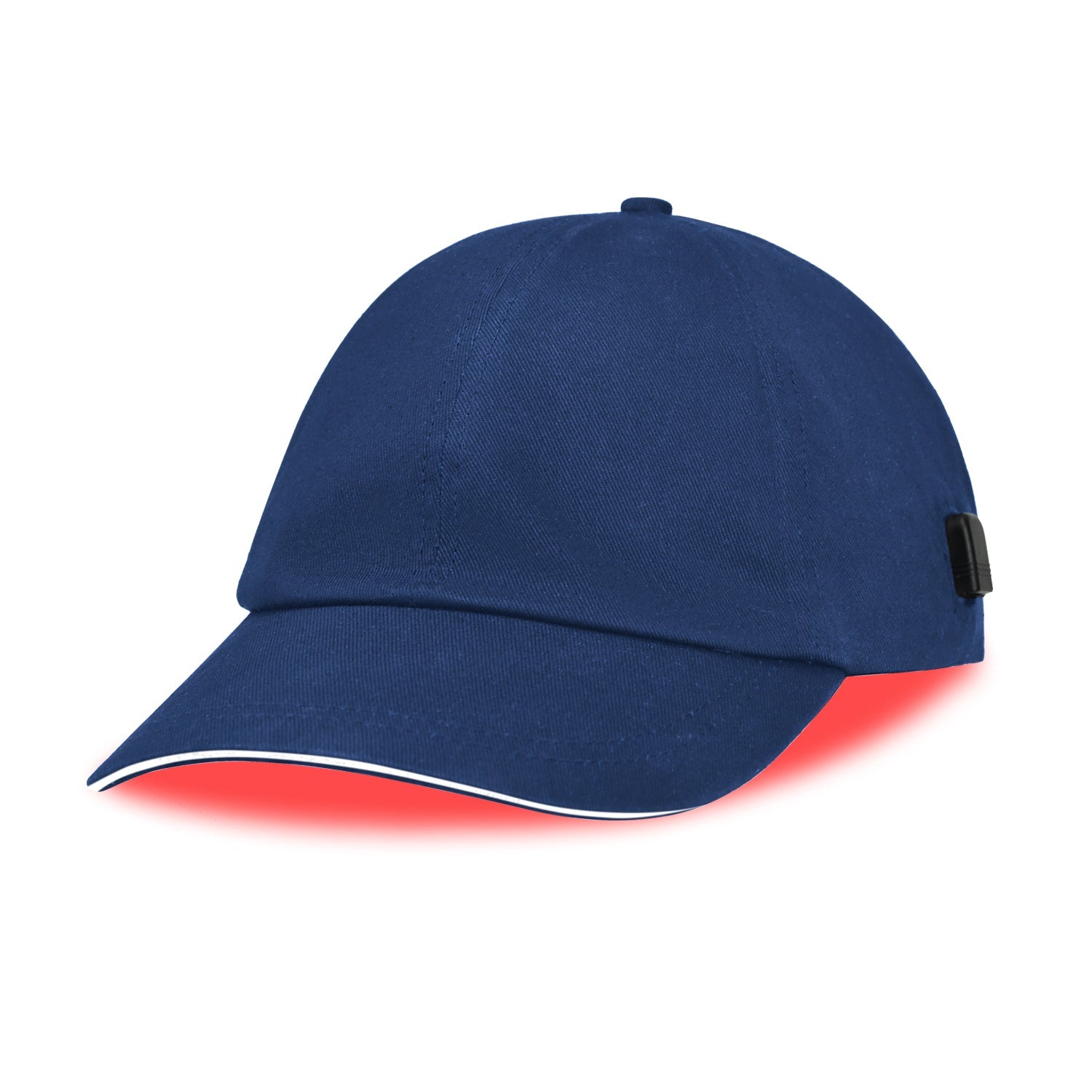
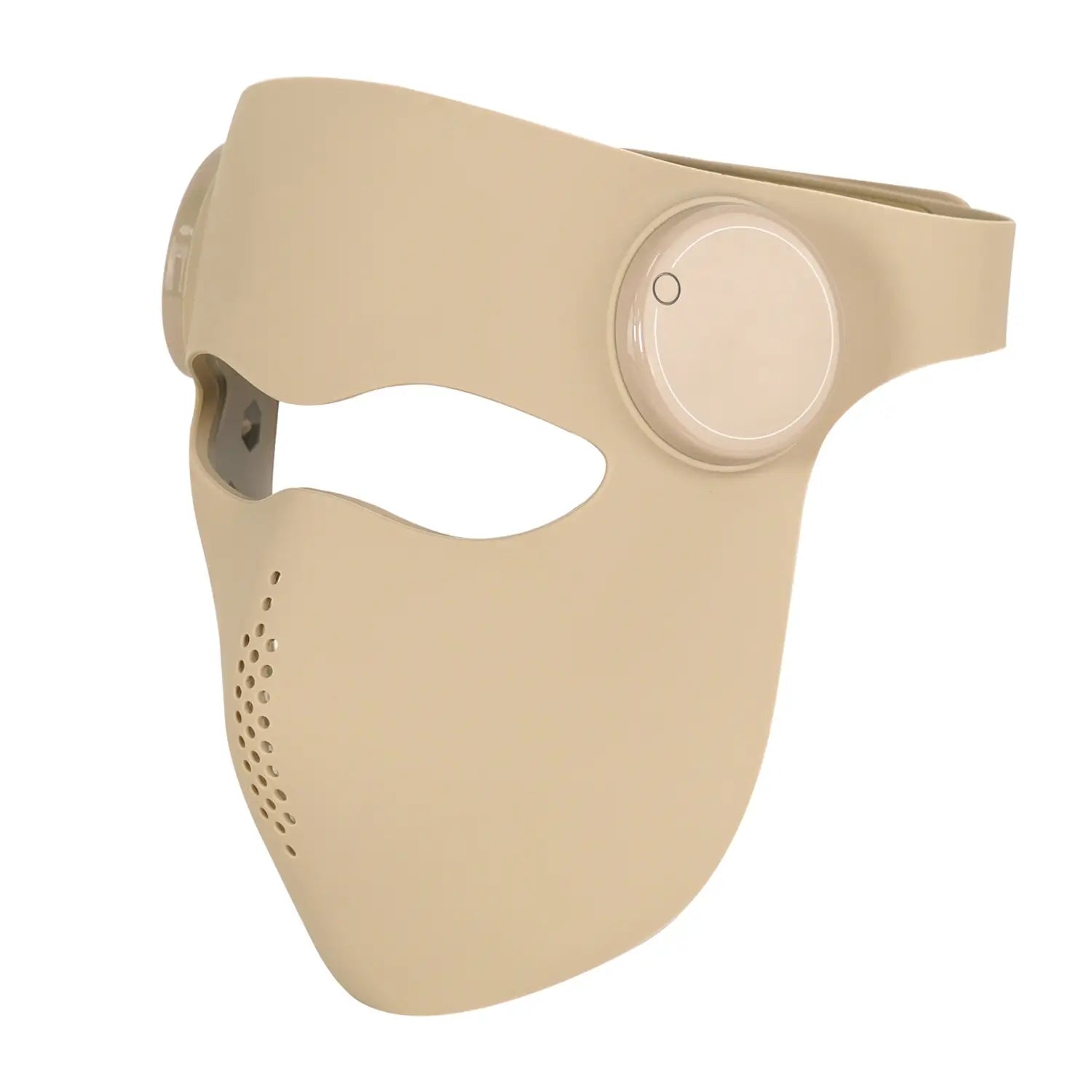
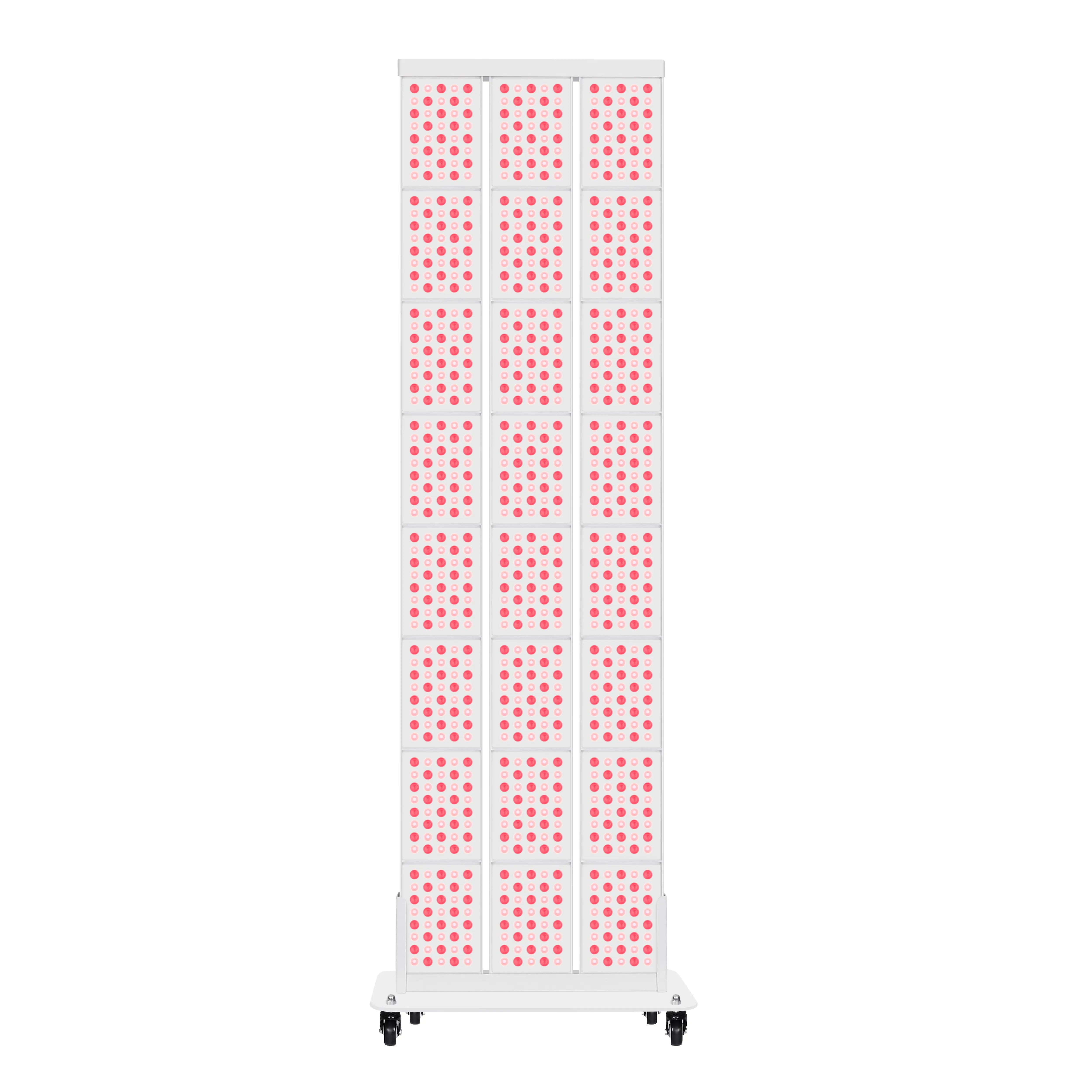
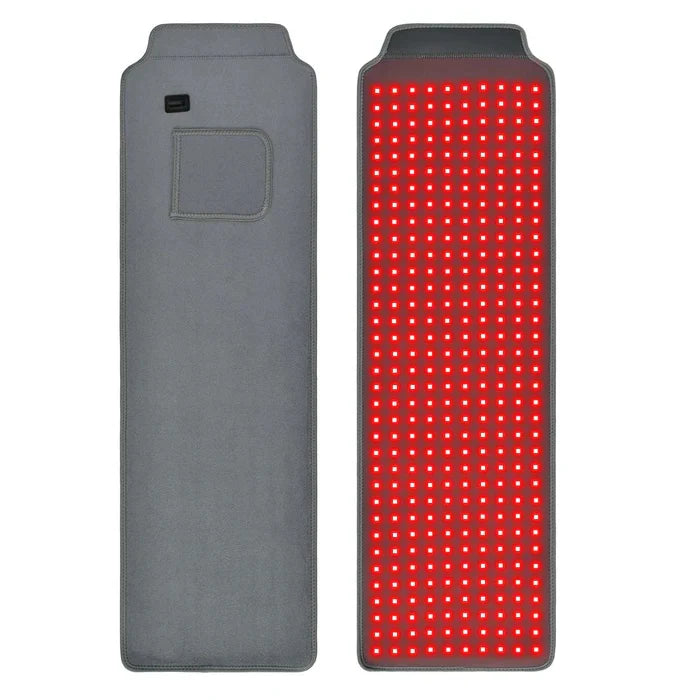

When I stack microneedling with red light in my own routine, I treat it like pairing a tough workout with smart recovery. Done well, the combo can give you smoother texture, faster healing, and a more even glow. Done badly, it can stoke too much inflammation and work against the very collagen you are trying to build.
A lot of online advice reduces this to a yes-or-no question: “Use red light right after microneedling” versus “Never do that.” The reality, based on both the science and years of clinical and self‑experimentation, is more nuanced and depends heavily on timing, dose, and how aggressive your microneedling session was.
In this deep dive, I will walk through what microneedling actually does, how red light therapy really works, what reputable medical sources and aesthetic practitioners are saying, and how to design a practical, science‑respecting protocol at home.
What Microneedling Really Does To Your Skin
Microneedling, sometimes called collagen induction therapy, uses very small needles to create controlled micro‑injuries in the skin. Professional pens and rollers create hundreds or thousands of channels through the epidermis into the upper dermis. This controlled trauma triggers a wound‑healing cascade that can improve wrinkles, fine lines, acne scars, stretch marks, pores, and overall texture while also boosting product absorption.
The key outcome you are chasing is better collagen and elastin. Collagen makes up roughly the bulk of your skin’s structural protein and gives it firmness. Elastin provides stretch and recoil. One practitioner‑researcher from a UK microneedling clinic points out that collagen in newborn skin is laid down in a beautifully ordered, “basket‑weave” pattern, while typical aging involves about a one percent drop in collagen each year. That slow unraveling shows up as fine lines, laxity, and roughness.
After major trauma, the story is different. When the body responds with intense inflammation, it tends to throw collagen down in a “brick wall” pattern. That is scar tissue: raised, firm, sometimes lumpy. Under the microscope, both scars and baby skin are made of collagen; what differs is the pattern and the inflammatory context that created it. That distinction is crucial when we start talking about when to add red light.
The Four Phases Of Healing After Microneedling
A well‑done microneedling session is not random damage; it is a guided tour through the four classic phases of wound healing. A microneedling specialist from Harrow Aesthetics breaks these down clearly:
Hemostasis comes first. Blood clots quickly to close the micro‑channels. This phase is fast.
Inflammation then ramps up over roughly twenty‑four to forty‑eight hours. Immune cells flood the area to prevent infection and clear debris. Some inflammation is essential; excessive or prolonged inflammation is where you drift toward scar‑like collagen instead of soft, flexible tissue.
The proliferative phase follows, where cells rebuild the area with new tissue composed largely of collagen. At this stage the collagen is laid down in a somewhat disorganized fashion.
Finally, the remodeling phase reorganizes that collagen along lines of mechanical stress. This is where you get real tensile strength and smoother, more refined skin if everything has been allowed to unfold in balance.
Microneedling works because it nudges the body through these phases in a controlled way. Every add‑on you stack on top, including red light, either supports that process or disturbs it.

Red Light Therapy In Plain English
Red light therapy, also called low‑level light therapy or photobiomodulation, uses specific wavelengths of visible red and often near‑infrared light to nudge cellular biology without burning or ablating tissue. Medical reviews from institutions like Cleveland Clinic, Stanford Medicine, and UCLA Health all describe a similar mechanism.
Photons in the red and near‑infrared range are absorbed by chromophores inside your cells, particularly an enzyme in mitochondria called cytochrome c oxidase. That absorption can increase ATP production (your cells’ energy currency), modulate reactive oxygen species, free up nitric oxide, and trigger signaling pathways that promote collagen synthesis, reduce inflammation, and enhance tissue repair.
In cosmetic dermatology, multiple small clinical trials have shown that red and near‑infrared LED treatments can produce modest but statistically significant improvements in wrinkles, roughness, elasticity, and dermal collagen density over several weeks compared with sham or untreated areas. A controlled study of a high‑output LED mask using red light around six hundred thirty nanometers, two sessions per week for three months, found progressive improvements in wrinkle depth, firmness, dermal density, pore appearance, and pigmentation, with benefits persisting for about a month after stopping treatment.
Short‑term safety is consistently described as good. Reviews from Cleveland Clinic and academic dermatology sources report mainly mild, transient effects such as temporary redness, tightness, or dryness when devices are used within recommended dose ranges. Eye exposure remains a concern, so protective goggles are typically recommended during facial treatments. Long‑term safety data over many years of continuous cosmetic use are still limited, which is one reason I treat dosing conservatively.
At‑home masks, panels, and wands use similar wavelengths but usually at lower and sometimes poorly characterized power outputs. Health systems and dermatology practices generally advise choosing devices that disclose wavelengths and, ideally, have at least some testing data or FDA clearance for safety, while keeping expectations realistic: red light is a helpful adjunct, not a replacement for sunscreen, retinoids, or professional care.
Why Stack Red Light With Microneedling?
From a biology standpoint, the pairing makes sense. Microneedling opens micro‑channels and kicks off a powerful regenerative response. Red light can increase mitochondrial energy, improve local circulation, and reduce unnecessary inflammation. Combined, they can in theory supercharge collagen remodeling while shortening the “downtime” of redness, swelling, and tenderness.
That is exactly how many aesthetic clinics and device makers frame the combination. Manufacturer and clinic articles from brands like Dr. Pen, LumiVisage, Qure, Platinum Therapy Lights, Celluma, and DoctorMedica all highlight similar potential benefits when red light is layered onto microneedling: faster resolution of redness, less swelling and discomfort, greater collagen and elastin production, and more even tone and texture. A blog from LumiVisage cites a clinical study where a microneedle roller followed by red LED led to fewer fine lines and overall facial rejuvenation compared with microneedling alone, although no specific numbers are reported.
Beyond comfort, there is also the “long game.” Microneedling taps hormesis: a small, controlled stress that triggers a bigger positive adaptation. Red and near‑infrared light have their own hormetic window, where low doses stimulate repair and high doses can actually inhibit it. When doses and timing are sensible, daily or near‑daily red light between microneedling sessions can keep collagen production humming and help maintain gains in texture and firmness over months, as multiple red light trials on skin aging have suggested.
The catch is that most of the enthusiastic writing about combining the two comes from vendors and practitioners, not from large independent clinical trials. Mechanistic reasoning is strong, but head‑to‑head trials comparing different timing strategies do not yet exist. That brings us to the most contentious question.

The Timing Question: When Should You Add Red Light After Microneedling?
If you read through professional blogs and clinic protocols, you will see three main camps on timing: “immediate,” “early but not instant,” and “late.” Each view has a logic behind it.
Team Immediate: Red Light Right After Your Session
Many aesthetic professionals and device companies routinely use red or red plus near‑infrared light immediately after microneedling. Articles from DoctorMedica, Platinum Therapy Lights, Celluma, several microneedling brands, and wellness centers present this as standard practice.
Their rationale is straightforward. Microneedling leaves skin inflamed, tender, and red, similar to a mild sunburn. Red and near‑infrared light have been shown in wound‑healing literature to reduce inflammation, improve microcirculation, and boost collagen and elastin production. When applied right away, they may soothe the skin, shorten downtime, reduce redness and swelling, and start collagen support immediately.
One frequently cited expert, Dr. Lance Setterfield, argues that inflammation is not required for rejuvenation. In his view, prolonged inflammation is what drives myofibroblast activity and scar‑like collagen. He recommends turning off the inflammatory cascade as soon as possible after procedures like microneedling, and he places LED phototherapy immediately afterward for this purpose.
Proponents also point to practical experience: clinics that use in‑office LED panels or masks straight after microneedling report high client satisfaction, better comfort, and smoother early healing. The light dose in these settings is usually controlled and protocol driven, which matters.
Team Early But Not Instant: Within Twenty‑Four To Seventy‑Two Hours
Other practitioners take a more conservative early approach. Brands like Qure Skincare and some microneedling guides suggest waiting at least twenty‑four to forty‑eight hours after microneedling before starting red light sessions. Some Dr. Pen and other device articles mention windows up to seventy‑two hours.
The idea here is to let the immediate haemostasis and early inflammatory work happen unassisted. That first day is when your immune system is cleaning up micro‑damage and setting up the proliferative phase. Once that initial wave has settled, red light can step in to support collagen synthesis, circulation, and controlled inflammation during the proliferative and early remodeling stages.
These sources point out that the skin remains highly absorbent and reactive in that twenty‑four to seventy‑two hour window. Micro‑channels may be closing but the overall tissue is still in active repair, which could allow red light to penetrate effectively while avoiding the risk of overstimulating already inflamed cells. For gentler at‑home micro‑infusion systems that barely pierce into the dermis, vendors frame red light within a day as not only safe but ideal.
Team Late: Wait About Five Days
A minority but very thoughtful perspective comes from Harrow Aesthetics, a specialist microneedling clinic. After considerable research and consultation with experts, they concluded that red LED should not be used immediately after microneedling.
Their argument leans heavily on wound‑healing physiology. Red LED strengthens mitochondria and energizes cells. If you energize cells that are already in a high‑inflammation state, you may amplify that inflammation instead of calming it. They worry this could push collagen deposition toward the “brick wall” pattern seen in scars rather than the “basket‑weave” pattern of youthful skin.
They emphasize the need to let the inflammatory phase run its appropriate course, then allow the proliferative phase to start laying down new tissue. Only later, as the proliferative phase is underway and remodeling is beginning, do they see red LED as a clearly positive input. Their practical recommendation is to start red light around day five after microneedling. They compare using red LED immediately on inflamed skin to getting sunburned and then immediately jumping into a tanning bed expecting a better tan.
What We Know, What We Do Not, And How I Reconcile It
Here is the honest state of the evidence. We have:
Clinics and device makers who use immediate post‑microneedling red light every day and report good outcomes.
Practitioner opinion, like Dr. Setterfield’s, that argues for minimizing inflammation as soon as possible.
A counter‑argument from Harrow Aesthetics that energizing inflamed cells risks pushing healing toward scar‑like collagen, leading them to advise day‑five timing.
Several vendor‑linked blogs and wellness centers that sit in the middle, recommending twenty‑four to seventy‑two hour waits, especially for more aggressive treatments or sensitive skin.
What we do not have is a large, independent trial comparing immediate versus day‑two versus day‑five red light in otherwise identical microneedling protocols. Until that exists, we are operating in the realm of mechanistic reasoning, small studies, and practitioner experience.
In my own practice as a “light therapy geek,” I reconcile this by matching timing to how much trauma I created and how reactive the person’s skin is. For shallow, at‑home micro‑infusion that barely grazes the dermis, early red light within the first day, at conservative doses, seems reasonable and aligns with Qure’s experience and other gentle protocols. For deeper professional microneedling that leaves the skin very inflamed, I am far more cautious about adding powerful red or near‑infrared light in that first twenty‑four hours unless I am following a well‑tested in‑clinic protocol. For clients with a history of strong inflammatory responses or scarring tendencies, leaning toward a day‑three to day‑five start feels like a sensible compromise until better data arrive.
To give you a snapshot of the perspectives, here is how the main timing strategies compare.
Timing approach relative to microneedling |
Typical advocates and context |
Potential advantages |
Potential risks or unknowns |
Immediately after the session |
Many aesthetic clinics, LED manufacturers, experts like Dr. Lance Setterfield |
May quickly reduce pain, redness, and swelling; can support collagen right away; convenient one‑stop visit |
Theoretical risk of energizing already inflamed cells; limited independent data on long‑term collagen quality with this timing |
Within twenty‑four to seventy‑two hours |
Brands such as Qure and some microneedling guides, especially for moderate treatments |
Allows early hemostasis and inflammation to do their job; skin still highly receptive; may balance benefit and caution |
Window is broad and not standardized; still largely based on expert opinion rather than comparative trials |
Around day five |
Harrow Aesthetics and practitioners concerned about over‑inflammation |
Avoids stimulating peak inflammation; supports proliferative and remodeling phases where collagen organization matters most |
Delays comfort benefits; less real‑world data because many clinics treat earlier |
Designing A Practical Recovery Protocol
Let’s translate the science and conflicting opinions into a pragmatic, evidence‑respecting routine you can adapt with your dermatologist or practitioner.
Right After Microneedling
Immediately after a microneedling session, your only job is to protect the fresh barrier and avoid anything that could introduce infection or chemical irritation. Many microneedling guides, including Lumivisage, recommend keeping the skin clean, avoiding sweating, hot showers, saunas, and intense exercise for the first day or two, and skipping makeup for at least twenty‑four hours.
If you are treated in a clinic that routinely includes red or red plus near‑infrared light right after microneedling, they will typically control the dose, wavelength, and duration. That is very different from going home and blasting your face with a high‑power panel for thirty minutes while the skin is still oozing. I am comfortable with in‑office immediate LED when it is part of a carefully designed protocol, especially for shallow or moderate treatments. I am not a fan of adding extra unsupervised high‑dose light on top of that.
If you microneedled at home and your skin is extremely inflamed or even still bleeding, I lean toward the caution described by Quantum Wellness Center and Harrow Aesthetics: let things calm down first. Cleanse gently with cool or lukewarm water and a mild cleanser only if your provider allows, avoid harsh actives, and focus on hygiene and sun avoidance.
The First Forty‑Eight Hours
Once hemostasis is complete and the early inflammatory surge has passed, usually sometime in the first one to two days, you can start thinking about red light. This is where a lot of practitioners and brands place their first at‑home session. Qure Skincare, for example, advises waiting at least twenty‑four to forty‑eight hours before starting red light after microneedling, especially with more intense treatments, to reduce irritation risk.
If you fall into the “early but not instant” camp, a reasonable approach in this window is to use a consumer LED mask or panel for about ten to fifteen minutes per session, two or three times per week, as suggested by brands like Lumivisage and Qure. Many dermatology sources and device manuals, including BSW Health and Dallas‑area dermatology practices, also cluster around ten to twenty minutes per area, several times per week. The emphasis across these sources is on consistency over marathons; more time or higher power is not automatically better, and the photobiomodulation literature warns that excessive dose can actually inhibit beneficial responses.
During this window, keep topical products simple unless your practitioner has given you a specific post‑needling serum. Avoid strong exfoliants, alpha hydroxy acids, retinoids, and harsh vitamin C formulas for at least several days, as Lumivisage, DoctorMedica, and others caution. Moisturize gently, avoid picking at any flaking that appears around days three to five, and be almost obsessive about sun protection with a broad‑spectrum sunscreen and physical shade like a hat.
Days Three To Seven
By mid‑week, you are firmly in the proliferative and early remodeling phases. This is where both the pro‑immediate and pro‑late camps agree that red light makes sense. The skin is actively rebuilding collagen, and red and near‑infrared light have shown consistent benefits for collagen and elastin production, wound healing, and inflammation modulation in clinical and preclinical studies.
Across sources, this is also where you can increase the regularity of your sessions. Panel companies like Platinum Therapy Lights suggest short daily exposures of roughly three to twenty minutes, as long as you avoid the temptation to dramatically overshoot manufacturer instructions. Clinical mask studies such as the Dior × Lucibel trial used about twelve minutes, twice weekly, over three months and still achieved meaningful improvements. That should reassure you that you do not need to sit in front of a panel for an hour to get results.
If your microneedling was gentle, at‑home, and your skin is doing well, you may even move toward the daily, lower‑dose model that panel makers advocate. If your treatment was more aggressive or you lean toward the Harrow Aesthetics cautionary side, starting red light around day five with sessions two or three times per week is a defensible strategy, especially if you have any history of problematic scarring or very reactive skin.
Beyond Week One
Once you are past the first week, you have essentially transitioned from acute recovery to long‑term remodeling. At this stage, think of red light not as “post‑microneedling first aid” but as a maintenance and performance tool.
Most dermatology‑linked sources that look at anti‑aging outcomes, including UCLA Health and peer‑reviewed mask studies, use red light for several weeks to several months at a time, with improvements continuing to build and often persisting for at least a short period after stopping. For ongoing collagen support between microneedling sessions spaced every four to six weeks, a rhythm of two or three sessions per week in the ten to twenty minute range is both realistic and consistent with the available literature.
Choosing The Right Device For Post‑Microneedling Light
Not all red light devices are equal, and the way they deliver light matters, especially on freshly needled skin. Here is how the main categories stack up in this context.
Setting or device type |
Typical examples |
Pros for microneedling recovery |
Limitations and cautions |
At‑home LED masks |
Qure mask, Lumivisage mask, Dior × Lucibel mask |
Convenient, hands‑free, face‑conforming; usually moderate power and preset programs; some have clinical data and FDA clearance for safety |
Limited flexibility in distance and power; may be underpowered for deeper tissue; still require eye protection and adherence to instructions |
At‑home panels or pads |
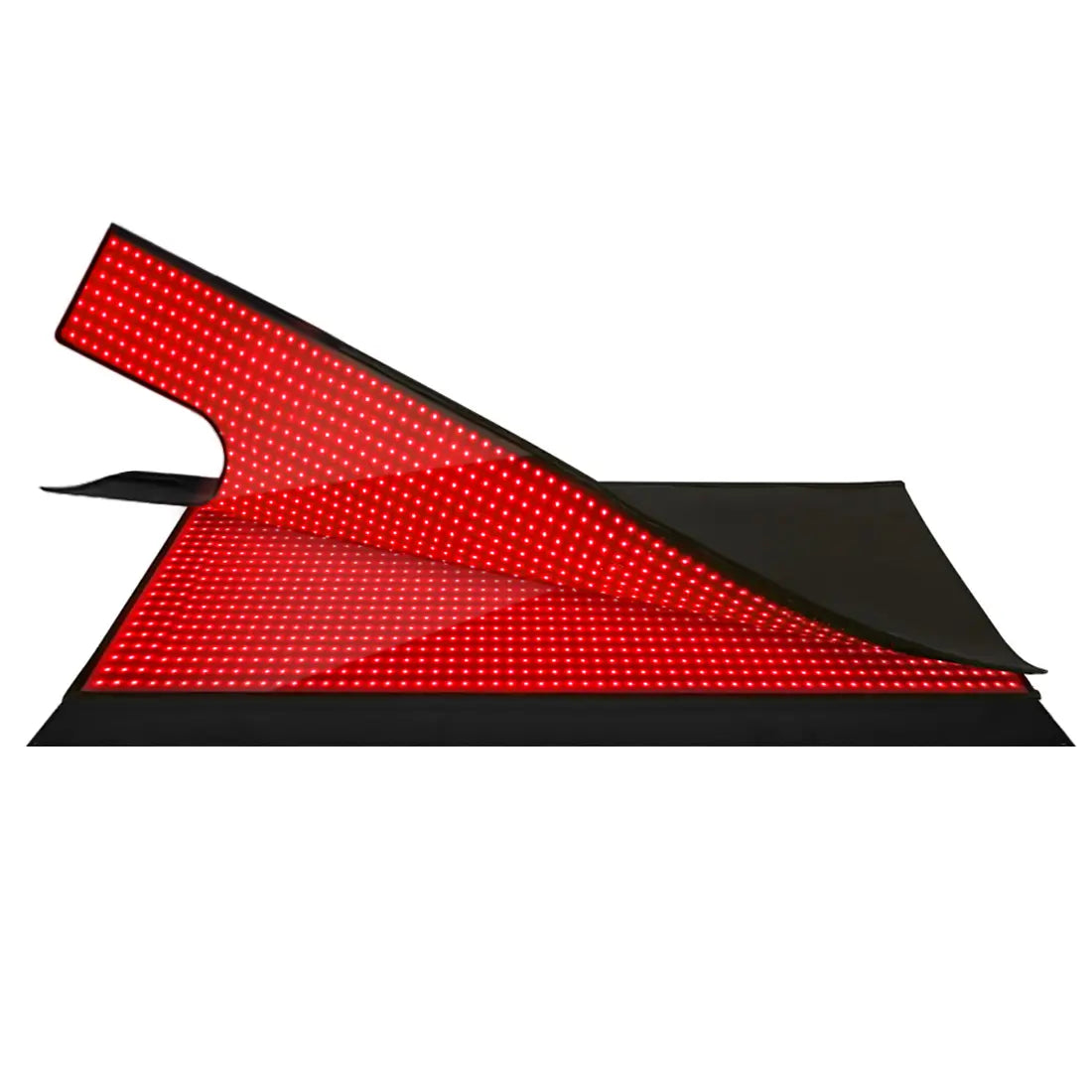
Wall‑mounted or floor‑standing red or red plus near‑infrared panels; flexible pads |
Higher power, flexible positioning, can treat neck, chest, or body; helpful for pain and systemic recovery between skin treatments |
Easier to overdose if you ignore guidelines; quality varies widely; some cheaper panels lack accurate wavelength and power specs |
Built‑in LED rollers |
Derma rollers with tiny LEDs in the handle or head |
Idea of combining needling and light in one tool; portable |
Panel makers like Platinum Therapy Lights point out that these often have very weak light output and do not deliver the same therapeutic irradiance as dedicated LED devices |
In‑clinic LED systems |
Professional multi‑wavelength panels and beds, devices like Celluma and LightStim |
Calibrated irradiance, clear protocols, supervised use, often multi‑color for acne and redness; ideal for immediate post‑procedure sessions |
Higher cost per session; require appointments; not all clinics use evidence‑based parameters |
Whatever you choose, look for clear wavelength listings in the red and near‑infrared range. Several consumer and clinical sources highlight red light around six hundred thirty to six hundred thirty‑seven nanometers and near‑infrared around eight hundred fifty nanometers as common choices for skin, though a wider band of red and near‑infrared wavelengths can be effective.
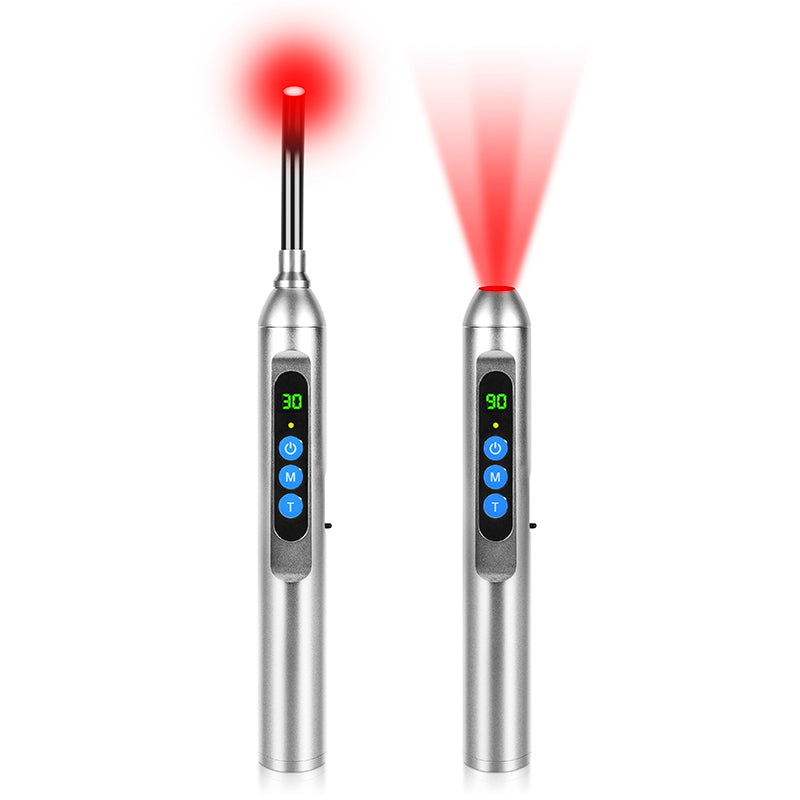
Also pay attention to cost. Health systems like Brown University Health and University Hospitals note that handheld devices often start just below one hundred dollars, while larger panels and beds climb into the hundreds or thousands and are rarely covered by insurance. That is one more reason to be clear on your goals and to use what you buy consistently.

Risks, Contraindications, And When To Talk To A Professional
Even though red light therapy has a strong safety record in dermatology and rehabilitation when used appropriately, it is not risk‑free. Cleveland Clinic and other medical sources emphasize several important cautions.
Red light alone is not the same as the red light used in photodynamic therapy for precancerous lesions, but you still should not shine any light device over known or suspected skin cancers without explicit medical guidance.
People taking photosensitizing medications or living with photosensitive conditions such as certain autoimmune diseases need medical clearance before starting red light, especially combined with other procedures.
Eye safety matters. Reputable clinics use goggles during facial treatments, and at‑home users should avoid looking directly into LEDs and follow manufacturer instructions around eye protection.
UCLA Health points out that people with darker skin tones may have a higher risk of post‑inflammatory hyperpigmentation from various procedures. Interestingly, some microneedling‑plus‑red‑light protocols, including Qure’s, argue that red light can lower this risk after microneedling by damping inflammation and balancing melanin production, but this is based on mechanism and anecdote rather than large controlled trials. If you have a deeper skin tone, work closely with a dermatologist who is comfortable with both microneedling and photobiomodulation.
More broadly, major health systems caution against using red light as a primary treatment for serious medical conditions without solid evidence. There is no convincing data that cosmetic red light devices treat weight loss, cellulite, depression, or systemic illnesses, despite aggressive marketing. For musculoskeletal pain and osteoarthritis, University Hospitals physicians describe red light therapy as a low‑risk adjunct that may help manage pain and inflammation but cannot reverse advanced structural damage like ligament tears or severe joint degeneration.
Who Is A Good Candidate For Red Light After Microneedling?
Putting all of this together, the people who tend to benefit most from layering red light onto microneedling are those who:
Already tolerate microneedling reasonably well but want to shorten visible downtime and discomfort.
Are targeting texture, mild to moderate wrinkles, acne scars, or blotchy tone and are willing to commit to weeks or months of consistent light use.
Do not have active uncontrolled inflammatory skin diseases, infections, or major photosensitivity issues, or are working under medical supervision if they do.
Understand that improvements are incremental. Academic reviews from places like Stanford Medicine and UCLA consistently describe red light’s effect sizes as moderate rather than dramatic. Red light and microneedling together form a powerful duo, but they still need the basics: diligent sun protection, sensible skincare, sleep, and nutrition.
On the other hand, if your skin is highly reactive, you have an extensive history of abnormal scarring, or you are dealing with complex medical issues, it is worth prioritizing a dermatologist‑led plan over self‑experimenting with aggressive stacks of procedures and devices.
Common Questions About Red Light And Microneedling
Is red light therapy after microneedling safe for all skin tones?
Most clinical and device studies have included a range of skin types, and the red LED mask trial mentioned earlier was designed specifically to be safe even for darker Fitzpatrick phototypes by using non‑heating red light. In general, red light is considered safer than many heat‑based or ablative treatments across all tones. That said, darker skin can be more prone to hyperpigmentation after any procedure that causes inflammation. Some practitioners use red light after microneedling precisely to reduce that risk by lowering inflammation, but large studies explicitly focused on this question are lacking. If you have a deeper skin tone, work with a dermatologist or experienced practitioner who has a track record of treating similar skin and is comfortable adjusting timing and dose.
Can I overdo red light therapy during recovery?
Yes. Photobiomodulation follows a dose‑response curve where too little light does nothing and too much can blunt or even reverse benefits. The Dior mask study used just two twelve‑minute sessions per week and still produced measurable improvements in aging markers. Multiple dermatology center articles and device manuals recommend sessions of roughly ten to twenty minutes, two or three times per week, or shorter daily exposures in the three to twenty minute range for panels. Pushing far beyond those recommendations in hopes of “faster” recovery risks irritation, dryness, and theoretically could interfere with optimal collagen remodeling.
Do I need blue light as well, or is red enough?
Blue light has a strong track record against acne because it targets acne‑causing bacteria. Several dermatology sources describe combinations of blue and red light as particularly effective for acne, with blue handling bacteria and red calming inflammation and supporting repair. If your primary goal after microneedling is acne management, a device that offers both wavelengths can be useful once your skin has closed and early healing is underway. For purely anti‑aging, redness, or scar remodeling goals, red and near‑infrared light are the main workhorses; you do not need blue unless acne is a major concern.
Closing Thoughts From A Light Therapy Geek
Microneedling is the “heavy lift” for collagen; red light is the recovery coach that can either smooth the process or, if misused, shout at your cells when they need quiet. Respect the wound‑healing phases, choose sensible doses, and match timing to how hard you pushed your skin. Do that, and you are not just chasing hacks; you are stacking two evidence‑backed tools in a way your biology can actually use.

References
- https://pmc.ncbi.nlm.nih.gov/articles/PMC10311288/
- https://med.stanford.edu/news/insights/2025/02/red-light-therapy-skin-hair-medical-clinics.html
- https://www.brownhealth.org/be-well/red-light-therapy-benefits-safety-and-things-know
- https://my.clevelandclinic.org/health/articles/22114-red-light-therapy
- https://www.gundersenhealth.org/health-wellness/aging-well/exploring-the-benefits-of-red-light-therapy
- https://www.uclahealth.org/news/article/5-health-benefits-red-light-therapy
- https://www.aad.org/public/cosmetic/safety/red-light-therapy
- https://santabarbaraskincare.org/2025/03/06/the-power-of-red-light-therapy-for-healthier-skin/
- https://www.uhhospitals.org/blog/articles/2025/06/what-you-should-know-about-red-light-therapy
- https://franklinderm.net/anti-aging/red-light-therapy-for-skin-health-and-anti-aging-what-the-research-shows/