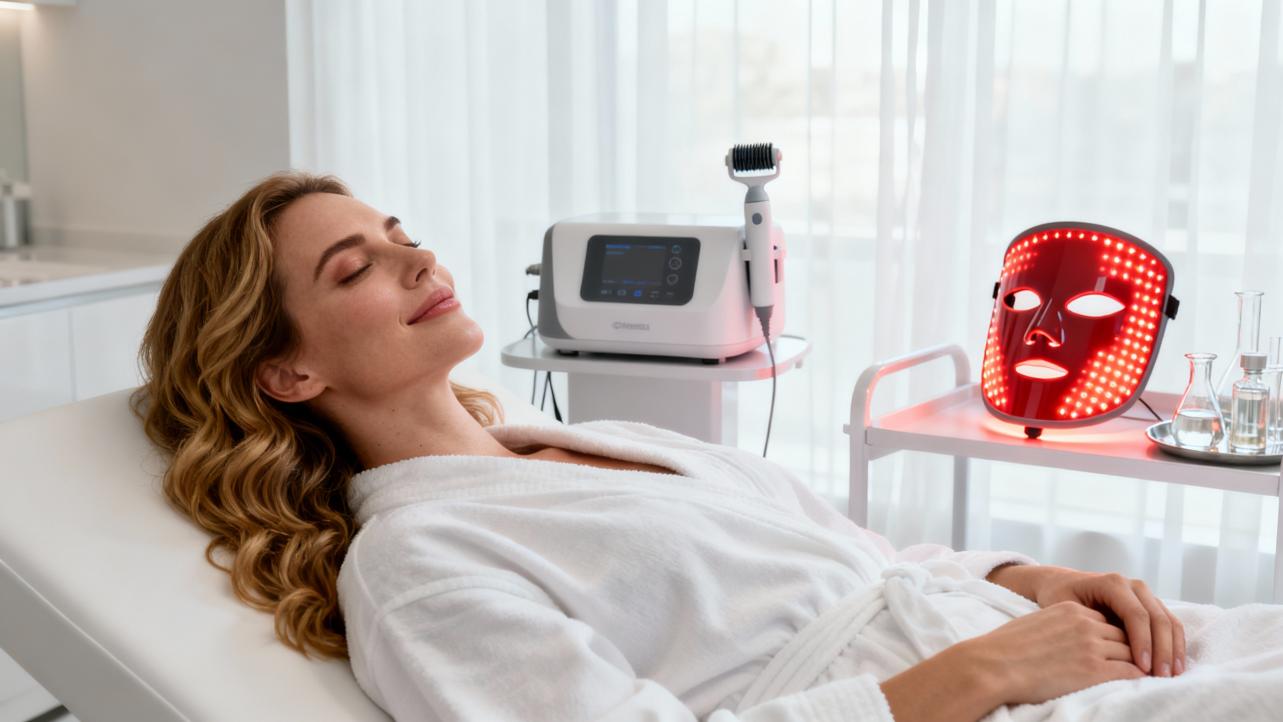

If you have just stepped out of a “photon rejuvenation” session – whether that means an in‑clinic laser, IPL, microneedling with LED, or a branded light‑facial – and you are wondering how red light therapy fits into your recovery and results, you are exactly the audience I love writing for. I have spent years as a light‑therapy geek testing panels with optical sensors, cross‑checking clinical trials, and then stress‑testing those protocols on my own skin, joints, and sleep. The short version is that red and near‑infrared light can be a powerful way to calm, repair, and maintain tissue after more intense procedures, but only if you respect the biology and the dose.
This article will walk through what red light therapy actually is, how it works in skin that has just been stressed by photon‑based rejuvenation, what the strongest evidence shows, where the risks and unknowns are, and how to structure a practical, science‑aligned routine instead of chasing marketing hype.
What Red Light Therapy Really Is
Clinically, red light therapy is usually called photobiomodulation or low‑level light therapy. It uses specific bands of visible red light, roughly around 620–700 nanometers, and near‑infrared light, typically around 800–1000 nanometers. These wavelengths do not burn or ablate tissue; they are non‑ionizing and non‑thermal at therapeutic levels. Instead, they are absorbed by “chromophores” inside cells, especially enzymes in your mitochondria.
Multiple sources, including Cleveland Clinic and a large recent review on photobiomodulation in skin, converge on the same core mechanism. Red and near‑infrared photons are absorbed by mitochondrial enzymes such as cytochrome c oxidase, as well as by other heme‑containing molecules and light‑sensitive proteins. That absorption nudges the electron transport chain to work more efficiently, increases production of adenosine triphosphate (ATP), and transiently changes levels of nitric oxide and reactive oxygen species. When the dose is right, you get a hormetic effect: a small, controlled stress that triggers better repair, anti‑inflammatory signaling, and more collagen and elastin in the long run.
Importantly, this is completely different from high‑energy lasers or intense pulsed light that deliberately cause micro‑injury to resurface or remodel skin. Photobiomodulation is non‑ablative and atraumatic. A randomized trial with more than one hundred adults using large‑area red and red–near‑infrared devices twice a week over about fifteen weeks documented smoother skin, higher intradermal collagen on ultrasound, and visible wrinkle reduction without the downtime you see with ablative lasers.
NASA’s early plant and wound‑healing experiments, the formal recognition of “photobiomodulation” as a medical subject heading in 2015, and hundreds of dermatology and pain‑medicine trials have built a consistent picture: red light does not erase the laws of biology, but it nudges cells into a more resilient, better‑repaired state when the rest of your regimen makes sense.

What Counts as “Photon Rejuvenation”?
In the real world, “photon rejuvenation” is a marketing umbrella for procedures that use light or laser energy to improve skin or tissue. Under that umbrella you will find classic ablative lasers, non‑ablative lasers, intense pulsed light (IPL), photodynamic therapy with a topical photosensitizer and red light, and milder LED facials, masks, or beds.
The key distinction is how aggressively the device injures tissue to trigger repair. Photodynamic therapy with a drug plus red light, and traditional ablative resurfacing lasers, intentionally create targeted cell death to clear precancerous skin lesions or deeply remodel wrinkles. Non‑ablative lasers, IPL, and many LED‑based facials still stress tissue but in a more controlled, surface‑sparing way. LED photobiomodulation alone is at the gentlest end of this spectrum.
Red light therapy can be the primary modality, an add‑on immediately after a procedure, or a home‑care tool in the weeks that follow. To understand how to use it wisely, it helps to compare these approaches at a high level.
Modality type |
Primary goal |
Typical tissue effect |
Downtime profile |
Ablative lasers / aggressive resurfacing |
Deep wrinkle and scar remodeling, significant texture change |
Controlled destruction of epidermis and parts of dermis |
Days to weeks of visible healing, higher risk and discomfort |
Photodynamic therapy with red light |
Destroy precancerous or thin cancerous lesions while sparing surrounding tissue |
Drug plus red light generates cytotoxic species in targeted cells |
Redness, crusting, light sensitivity; medical procedure |
Non‑ablative lasers and IPL |
Improve tone, mild to moderate wrinkles, vessels, pigment |
Thermal injury in specific targets without removing epidermis |
Mild to moderate downtime, often social redness or swelling |
LED‑based “photon facials” |
Gentle rejuvenation, calming, maintenance |
Non‑thermal photobiomodulation of cells |
Minimal downtime; often relaxing spa‑like treatment |
Standalone red/NIR photobiomodulation |
Repair support, pain relief, subtle anti‑aging |
Sub‑threshold stimulation of mitochondrial and signaling pathways |
No true downtime; effects accumulate with repetition |
Post‑treatment, your skin is biologically busy repairing itself from whatever stressor it just saw. The question is how red light fits into that repair process without either blunting the therapy’s intended effect or overshooting the hormetic sweet spot.
How Red Light Interacts with Recently Treated Skin
When I think about using red light after a procedure, I am not chasing a vague “glow.” I am aiming at specific biological levers that are well described in the literature.
A comprehensive review on photobiomodulation in skin highlights several relevant targets. Red and near‑infrared light can increase ATP production, modulate controlled reactive oxygen species, trigger nitric oxide release, and shift inflammatory cytokines toward a more anti‑inflammatory profile. In fibroblasts, red light boosts synthesis of type I and III collagen and elastin and improves extracellular matrix organization. In keratinocytes, it stimulates mitochondrial respiration and proliferation, which supports barrier repair. Studies also show improved microcirculation through nitric‑oxide–driven vasodilation, better angiogenesis in healing tissue, and faster re‑epithelialization in wounds.
After photon rejuvenation, those mechanisms matter in slightly different ways depending on the procedure. After a gentle LED or non‑ablative session, you are mostly trying to amplify positive remodeling and control low‑grade inflammation. After more aggressive laser or photodynamic therapy, your skin is coping with substantial controlled damage and barrier disruption. In that latter situation, the priority in the first days is often simple protection and infection control; the timing and dose of red light become more sensitive.
One nuance that a recent photonics review emphasizes is the hormetic dose response. In the skin’s “optical window” around 600–1300 nanometers, red and near‑infrared light generate fewer reactive oxygen species than shorter visible wavelengths, but they still can overdo it. Lower fluences up to around 15–20 joules per square centimeter for esthetic and reparative indications tend to stimulate rejuvenation, better dermal density, and smoother texture. Push doses too high, especially on already stressed tissue, and you can tip into oxidative distress with mitochondrial dysfunction and impaired repair. That is why “more” is not automatically better in the post‑procedure window.

Evidence for Post‑Procedure and Rejuvenation Use
From an evidence perspective, red light is not magic, but it is far from a fringe gadget. The strongest data sit in several clusters that are directly relevant to post‑photon care.
For general skin rejuvenation, the randomized controlled trial that used large‑area red and red–near‑infrared devices twice weekly over thirty sessions found statistically significant improvements in complexion, skin feeling, profilometric skin roughness, and ultrasound‑measured intradermal collagen compared with untreated controls. Blinded dermatologists scored fewer fine lines and wrinkles on treated areas. These were non‑thermal, atraumatic treatments, which situates them closer to the “gentle LED” end of the spectrum, and they illustrate what sustained non‑ablative photobiomodulation can do over about three to four months.
Other LED‑based trials support this trajectory. Work by Lee and colleagues using 633 and 830 nanometer LEDs in a split‑face design showed measurable wrinkle reduction and elasticity gains over weeks of treatment, reinforcing the idea that the combination of visible red and near‑infrared can be synergistic. In practice, dermatology clinics now routinely use LED red light after milder procedures such as microneedling or light peels to calm inflammation and accelerate visible recovery. Safety guidelines from clinical centers explicitly endorse pairing photobiomodulation with gentle dermatologic procedures, while advising against immediate use after aggressive ablative laser treatments until the skin has fully recovered.
For wound and scar healing, the comprehensive photobiomodulation review pulls together trials in burns, chronic ulcers, surgical wounds, and scars. Many of these show faster wound closure, better collagen organization, and reduced scar volume or keloid risk when appropriate red or blue‑plus‑red light is added. One example from eyelid surgery found faster early healing and scar resolution approximately twice as fast on treated areas, although some long‑term cosmetic differences diminished over time. The pattern is consistent: PBM is not a substitute for meticulous surgical technique, but it can speed early phases of healing and improve patient comfort.
Oncology is one of the most robust supportive‑care use cases. A 2022 position paper from the World Association for Laser Therapy states that there is “robust evidence” for red and near‑infrared photobiomodulation in preventing and treating a range of cancer‑therapy–induced complications, particularly oral mucositis and radiation dermatitis. A systematic review on oncology PBM concludes that red or near‑infrared light appears safe and successful for managing side effects such as mucositis, dermatitis, lymphedema, neuropathy, pain, and quality‑of‑life outcomes. The authors recommend considering PBM as part of standard care for specific indications, always as a complement rather than a cancer treatment itself. That is directly relevant if your “photon rejuvenation” happened in a radiation oncology suite rather than an aesthetic clinic.
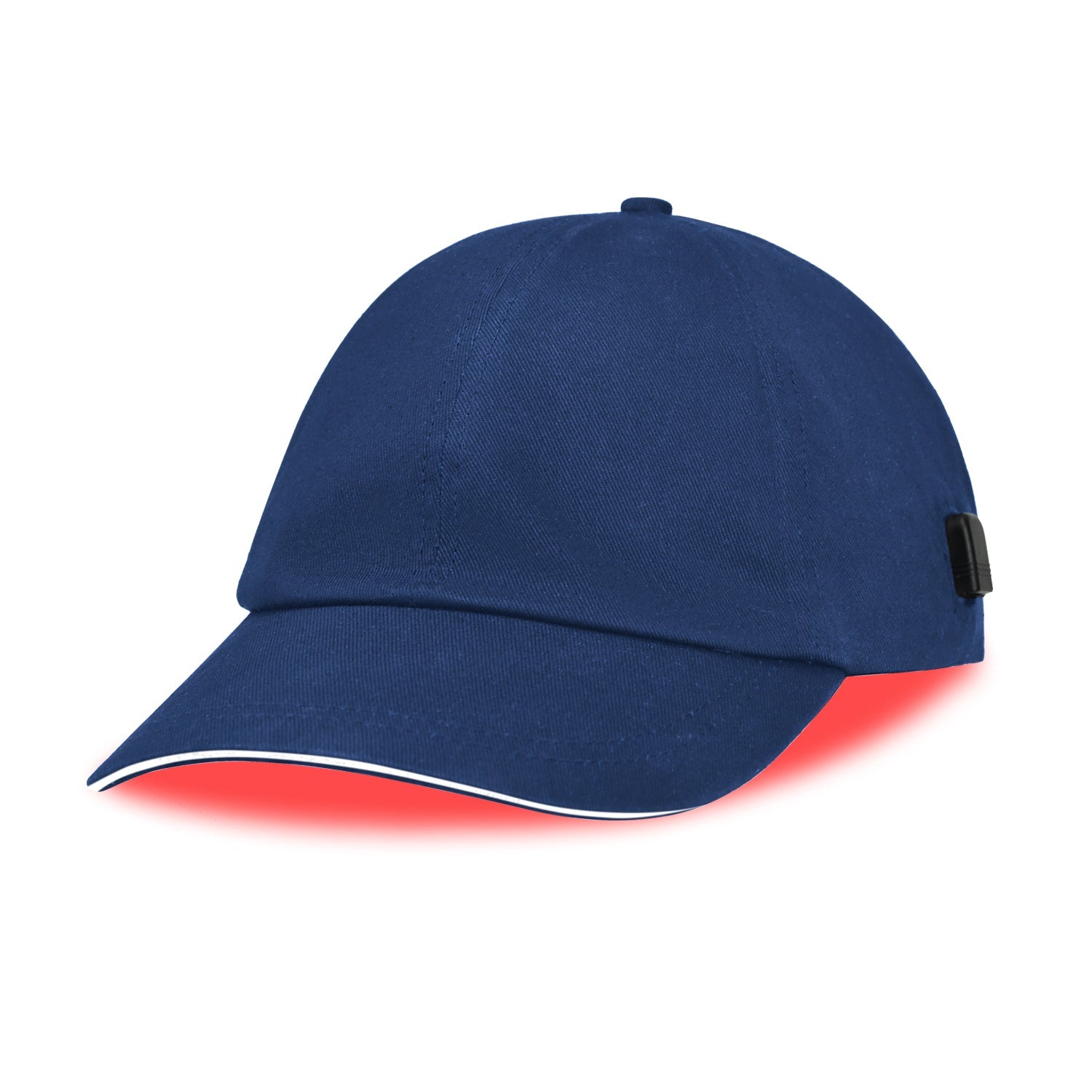
Hair growth is another high‑evidence area. Stanford dermatology experts and the photobiomodulation review both highlight multiple clinical trials showing that low‑level red and near‑infrared light can increase hair density and length in androgenetic alopecia for both men and women. FDA‑cleared caps and helmets for pattern hair loss leverage this data. The caveat is that the effect depends on consistent use over months and that follicles need to be alive; completely bald areas rarely respond.
For musculoskeletal recovery and pain, Physiopedia’s overview and systematic reviews cited by WebMD and UCLA Health describe reductions in delayed‑onset muscle soreness, improved strength recovery, and relief of certain chronic and neuropathic pains when PBM is used as an adjunct to standard rehab. The quality of evidence is more heterogeneous here, and dosing protocols vary widely, so I treat this as a useful tool rather than a guaranteed fix.
Across all of these domains, Cleveland Clinic, Stanford Medicine, UCLA Health, and the American Academy of Dermatology agree on two key points. Red light therapy is generally safe and promising when used appropriately, especially for hair and some skin concerns, and many of the wilder multi‑system claims remain speculative until larger, better‑controlled human trials are done. After photon rejuvenation, that means you can confidently see PBM as a recovery amplifier, not as a cure‑all.
Dosing Red Light After Photon Rejuvenation: Finding the Sweet Spot
If there is one place where my inner geek comes out, it is dose. The single biggest reason people get underwhelming results from home devices is that they have no idea how strong their light really is at their actual distance or how long they should use it.
Power density, usually expressed in milliwatts per square centimeter, describes how intense the light is at your skin. Dose, expressed in joules per square centimeter, is simply power density multiplied by time in seconds and scaled appropriately. Educational work from device engineers and clinical reviewers notes that most successful light‑therapy studies use power densities in roughly the 10–200 milliwatt per square centimeter range at the skin, with many skin‑level protocols clustering toward the lower end. Atria Health’s preventive medicine guidance, for example, points to typical panel targets of around 20–100 milliwatt per square centimeter, applied for about 5–20 minutes per body area, at distances of about 6–24 inches.
For skin and esthetic indications, the photobiomodulation review suggests that fluences up to about 15–20 joules per square centimeter at the surface are repeatedly associated with improved elasticity, higher dermal density, smoother texture, and better barrier recovery. Many educational sources emphasize a more conservative cellular window of about 0.1–6 joules per square centimeter, particularly for more superficial effects, though higher surface doses can be appropriate when trying to reach deeper tissues.
A practical way to navigate this after photon rejuvenation is to start at the conservative end of the manufacturer’s own tested range, especially in the first week after treatment. With a decent at‑home panel, that often means beginning with sessions of about 5–10 minutes per treated area at a distance around 6–12 inches, three to five days per week, assuming the panel’s irradiance is in the common therapeutic range. Shorter or less frequent exposures are reasonable if your skin is still quite reactive.
When deeper tissues are the target, such as quadriceps after a procedure or low back pain, higher surface doses and slightly longer sessions can make sense, but I would not push aggressive doses onto freshly lasered or peeled facial skin. Remember the hormetic curve from the photonics research: low to moderate doses stimulate adaptation; high doses on stressed tissue risk tipping into inhibition or oxidative distress.
Consistency matters more than heroics. Atria Health points out that most people notice changes only after two to four weeks of regular use, and randomized trials supporting wrinkle reduction and collagen gains used months of twice‑weekly treatments. In my own experiments and with clients, the best post‑rejuvenation results come from layering modest red light sessions on top of good wound care and sun protection, not from marathon exposures.

Safety, Contraindications, and When to Pause
The modern consensus from Cleveland Clinic, WebMD, dermatology experts, and the photobiomodulation review is that red light therapy is very safe when used correctly. It is non‑UV, non‑ionizing, and non‑thermal at therapeutic levels. However, safety is not the same as “cannot be misused.”
Professional safety guidelines emphasize several situations where you should talk to a qualified healthcare professional before using red light, especially after a procedure. People who are pregnant, who have photosensitive conditions such as lupus or porphyria, or who are taking medications that increase light sensitivity, including some antibiotics, isotretinoin, and certain anti‑inflammatory drugs, should not treat themselves with high‑intensity red or near‑infrared light without medical guidance. Individuals with a history of skin cancer, prior cancer treatment, or suspicious lesions are a special case. Oncology reviews and the WALT position paper support PBM as safe and useful for managing cancer‑therapy side effects under medical supervision, yet many non‑oncology safety guides still list active cancer or past skin cancer as contraindications for unsupervised home use because of theoretical concerns about stimulating malignant cells. The safest path is simple: if you have or have had cancer, do not shine home devices over that area without explicit clearance from your oncologist or dermatologist.
Eye protection is non‑negotiable when you are directly facing a bright panel or near‑infrared source. Even though these are not lasers, intense red and especially invisible near‑infrared light can penetrate ocular tissue. Clinical safety recommendations call for proper protective eyewear designed for the relevant wavelengths, not just regular sunglasses. Off‑axis, indirect exposure is less risky, but after an eye‑adjacent procedure I still use shields.
Skin preparation also matters. Before a session, clean the area and remove makeup, lotions, and sunscreens, which can block or scatter light and may interact unpredictably on freshly treated skin. Several clinical centers recommend a patch test on a small, inconspicuous area, particularly if you have sensitive skin, then watching for 24–48 hours for unusual redness, itching, or rash.
Certain local conditions warrant caution or avoidance. Active infections, open wounds, fresh burns, and severe sunburn should not be blasted with high‑intensity light unless a clinician is deliberately using PBM as part of a treatment plan. Fresh tattoos, especially with red or yellow pigments, may fade more quickly under repeated exposure. If a post‑rejuvenation area feels hot, painful, or develops a severe rash after light therapy, stop and contact your treating practitioner.
Finally, red light is not an excuse to skip sunscreen. Some providers even recommend broad‑spectrum protection after sessions because transiently activated skin may be more vulnerable to sun damage. That is doubly true in the days after any photon rejuvenation procedure.

Choosing Devices Wisely for Post‑Photon Care
Not all red light devices are created equal, and the spread in quality is enormous. Stanford dermatology experts, Cleveland Clinic, and the American Academy of Dermatology all stress a similar point: many consumer devices are cleared by the FDA primarily for safety, not because they match the effectiveness of clinical systems.
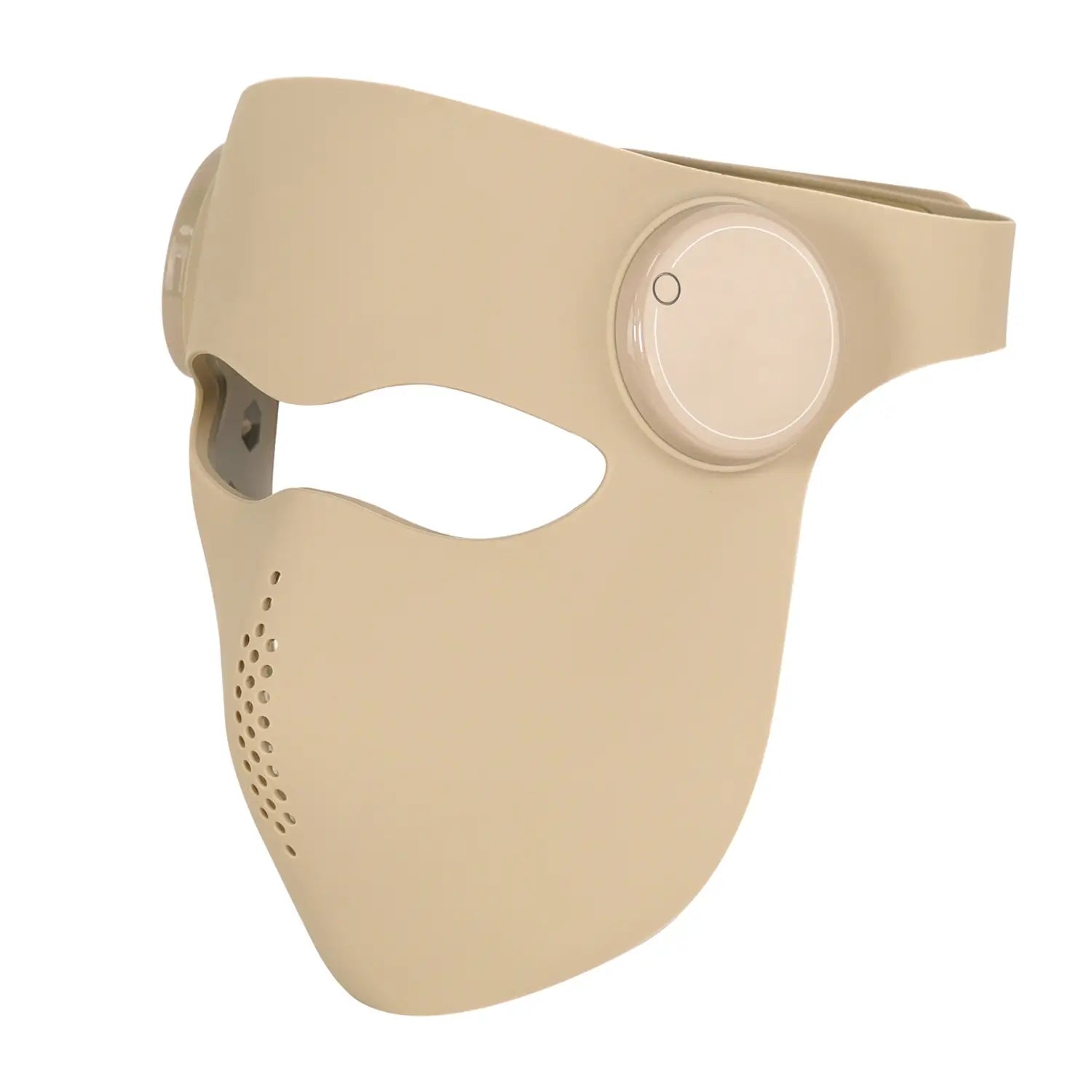
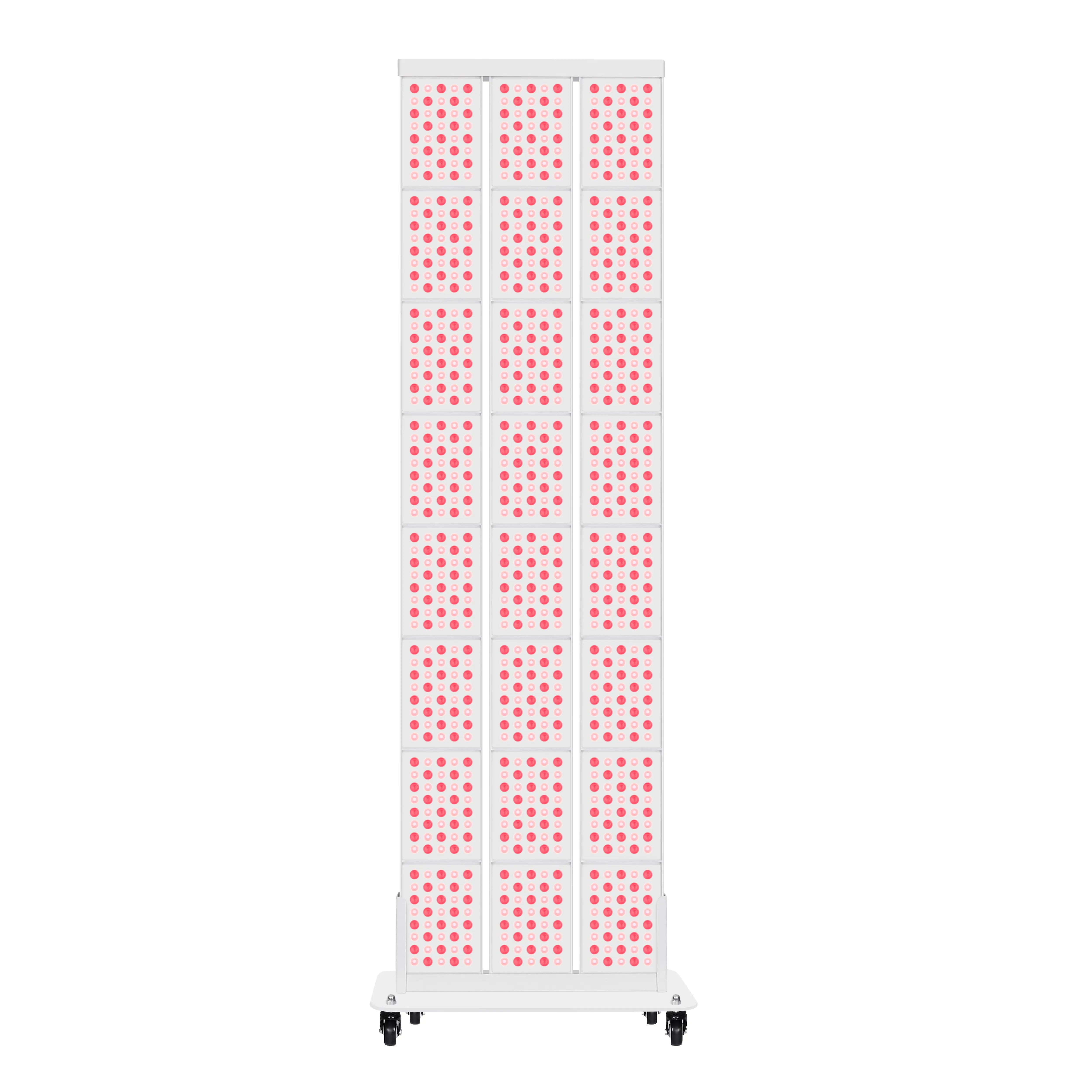
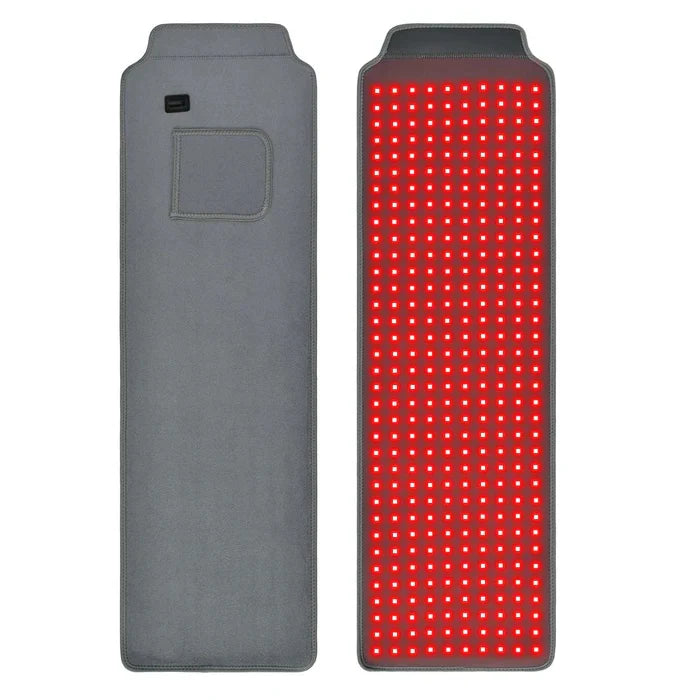
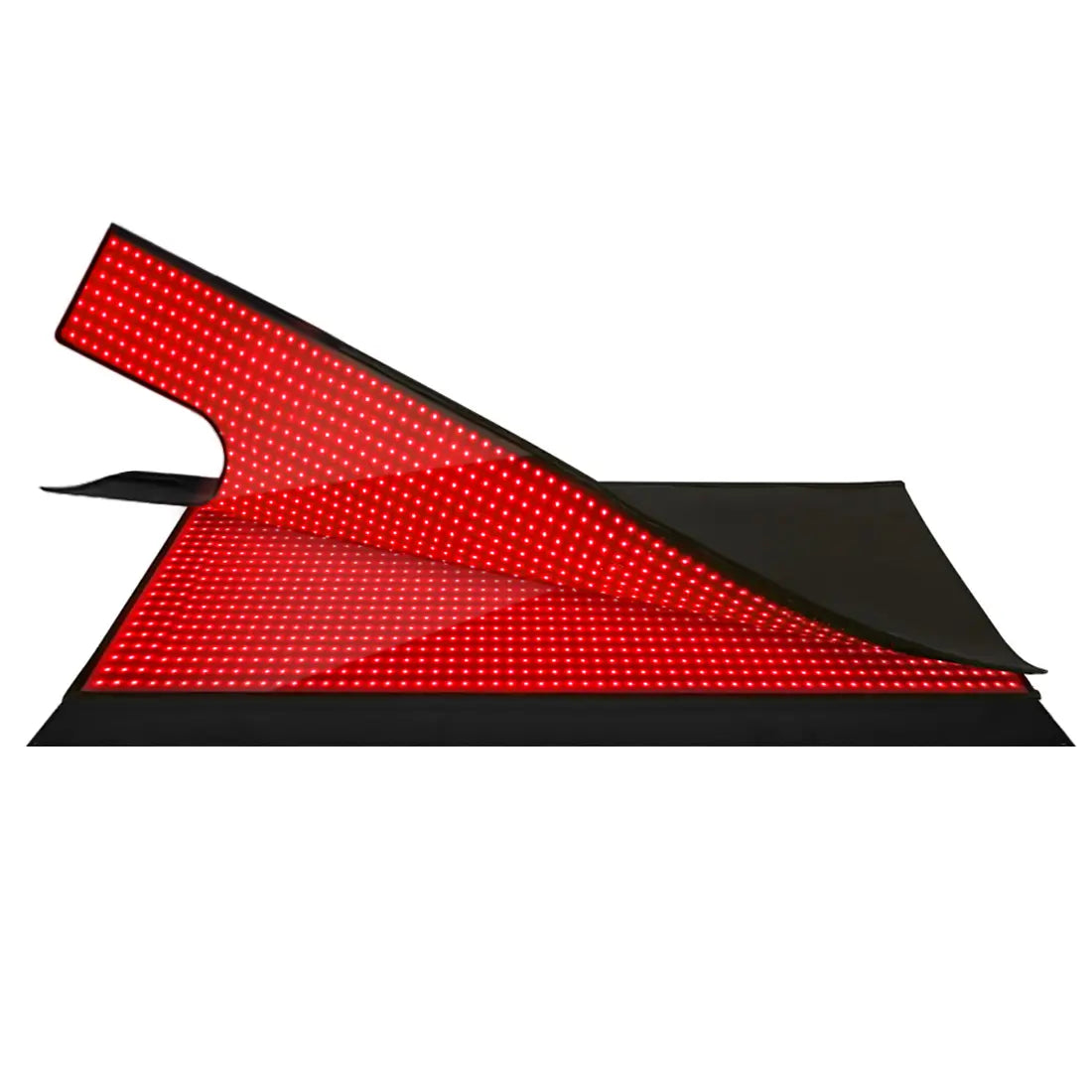
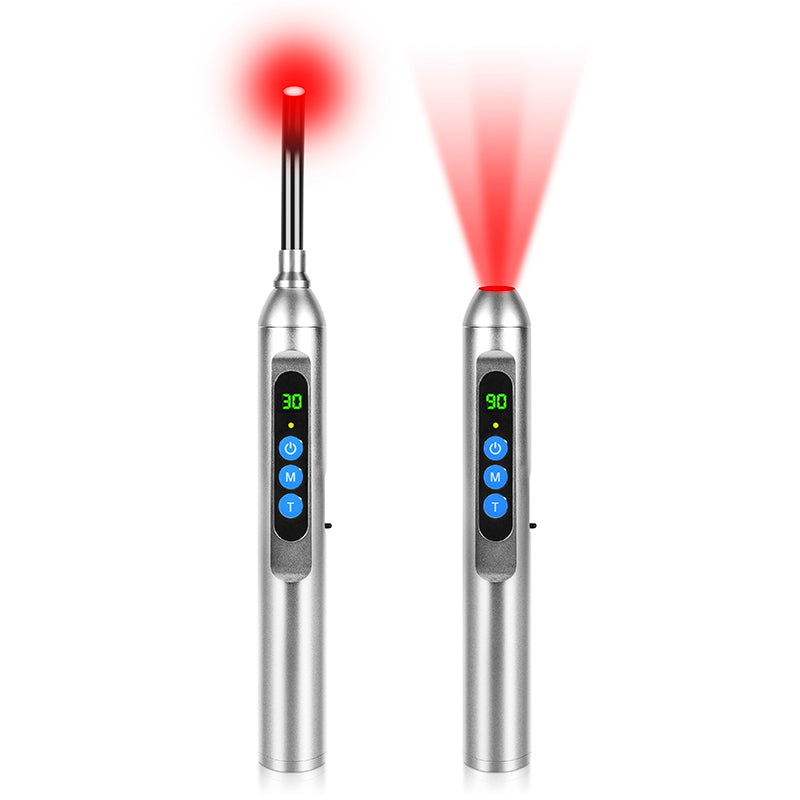
At‑home options include flexible LED masks, flat panels, handheld wands, and wearable caps. Masks tend to focus on the face and often use wavelengths around 630–660 nanometers, sometimes combined with near‑infrared around 830 nanometers. Products such as the Omnilux series, for example, use 633 nanometer red and 830 nanometer near‑infrared light and are backed by multiple peer‑reviewed dermatology studies. Panels cover larger areas, usually combining red and near‑infrared diodes in the 630–670 and 810–850 nanometer ranges, with higher power densities and shorter treatment times per area. Handheld wands are more targeted but can be tedious for larger regions.
Clinic‑based beds and panels are generally more powerful and better controlled. The large‑area devices used in clinical trials deliver carefully measured doses across big regions of skin, with standardized session times and medical supervision. Longevity clinics and rehab centers may use full‑body pods with thousands of LEDs, while still emphasizing that raw LED count is not the same as effective irradiance at the skin. Independent testing has shown that some manufacturers overstate power, which is another reason I like to see clinics cite specific, reputable brands with published data rather than generic pods.
When you are choosing for post‑photon use, there are a few non‑negotiables. Devices should use wavelengths that fall in the clinically studied red and near‑infrared windows rather than arbitrary colored LEDs. Power output and recommended session times should be clearly stated. Regulatory markers such as FDA clearance are a minimum safety bar, but they are not proof of anti‑aging efficacy. For face‑only post‑rejuvenation care, a well‑designed mask with 630–660 and 830 nanometer emitters can mimic clinical protocols with about ten minutes of use three to five times per week. For broader post‑surgical or musculoskeletal support, a panel that covers the relevant region may be more realistic.
Pros and Cons of Red Light Therapy After Photon Rejuvenation
One of the quickest ways to sanity‑check your plan is to look at benefits and limitations side by side.
Area |
Potential advantages |
Key limitations or risks |
Skin rejuvenation and post‑facial maintenance |
Non‑ablative improvement in fine lines, elasticity, and radiance when used consistently over weeks to months; supports fibroblast activity and collagen production; pairs well with gentle procedures like microneedling and light peels |
Effects are modest compared with aggressive lasers; requires repeated sessions and patience; over‑treatment can blunt benefits or irritate already stressed skin |
Post‑procedure comfort and healing |
Evidence for faster wound closure, better early scar appearance, reduced radiation dermatitis and oral mucositis; can lessen redness and swelling after mild procedures |
Timing after aggressive ablative laser or photodynamic therapy must be individualized; best outcomes come under medical protocols rather than ad‑hoc home use |
Hair and scalp after treatments |
Multiple trials show improved hair density and thickness in pattern hair loss, which can complement other scalp procedures |
Does not revive dead follicles; benefits fade when treatment stops; caps and helmets require months of consistent use |
Pain and muscle recovery |
Non‑drug option for reducing certain types of pain and delayed‑onset muscle soreness; supports circulation and mitochondrial recovery after physical therapy or training |
Evidence is heterogeneous; dosing is less standardized; not a replacement for proper rehab, sleep, or load management |
Safety and accessibility |
Non‑invasive, non‑UV, short‑term safety profile is excellent; many at‑home options; integrates easily into habits like meditation or breathwork |
Not a primary treatment for cancer, major psychiatric conditions, or systemic disease; theoretical concerns and contraindications in cancer history, photosensitive conditions, pregnancy, and around the eyes; device quality varies widely |
From a veteran‑optimizer perspective, the pattern is clear. Red light therapy is a high‑leverage adjunct for recovery and maintenance, not a stand‑alone fix for poorly chosen or poorly timed procedures.
Practical Post‑Photon Scenarios
To make this more concrete, imagine a few common situations.
If you just had a gentle LED‑based “photon facial” or a light non‑ablative laser session for fine lines, your skin barrier is mostly intact but inflamed. In that situation, adding low‑to‑moderate dose red light the same day or over the next several days can make sense. Many medspas already do this in‑office. At home, after your practitioner clears it, you could cleanse your skin, skip active topicals, and sit about 6–12 inches from a red plus near‑infrared panel for around 5–10 minutes, three or four evenings per week. Expect subtle changes over weeks, not overnight miracles.
If you just had microneedling or a light chemical peel, protocols from dermatology practices and rehab centers often integrate photobiomodulation as a way to reduce post‑procedure redness and speed visible recovery. Again, the emphasis is on measured dosing. With needle or peel‑stressed skin, I steer away from very intense close‑range exposures and from stacking multiple devices in one day. Start with the lower end of the manufacturer’s recommended time and distance once your clinician says the barrier is stable enough.
If you underwent an aggressive ablative resurfacing laser or photodynamic therapy for precancerous lesions, the equation changes. Those procedures rely on a specific inflammatory and wound‑healing cascade to achieve their full effect. Safety guidelines explicitly recommend avoiding immediate post‑laser use of red or near‑infrared devices until the skin has fully recovered. In this scenario, your best move is to follow the exact post‑care plan from your dermatologist and only bring red light back in weeks later as a maintenance and long‑term remodeling tool, if they agree.
If you are in active cancer treatment and your care team is already using photobiomodulation to prevent or treat oral mucositis or radiation dermatitis, you are in one of the best‑studied red‑light use cases. The right move here is not to improvise with consumer panels but to follow oncology PBM protocols, which specify wavelength, power, dose, and timing relative to chemotherapy or radiation. Any home device use should be cleared by that same team.
A Brief FAQ
Can red light therapy undo or interfere with my photon rejuvenation results?
With gentle procedures, the available evidence and clinical practice suggest that correctly dosed red light is more likely to support healing and collagen remodeling than to interfere. With aggressive ablative lasers or photodynamic therapy, early post‑procedure red light could, in theory, alter the intended damage‑repair dynamics, which is why many experts recommend waiting until your dermatologist says the skin has recovered before adding it back.
How long before I see results if I add red light to my routine after treatments?
Most credible sources and trials converge on a timeline of weeks to months. Atria Health reports that visible benefits usually appear after about two to four weeks of consistent sessions. The large skin‑rejuvenation trial and several LED studies used treatment windows of roughly three months. Expect steady, incremental change rather than a single dramatic before‑and‑after.
Is it safe to use red light on areas where I have had skin cancer removed?
Oncology‑specific photobiomodulation protocols, especially for radiation side effects, have a very good safety record under medical supervision. At the same time, general safety guidelines for consumer use often list past skin cancer and suspicious lesions as contraindications for unsupervised light therapy because of theoretical concerns about stimulating malignant cells. If you have any cancer history, the only responsible move is to discuss specific body sites and devices with your dermatologist or oncologist before using red light there.
Stepping back, the way I think about red light after photon rejuvenation is simple. Light is a powerful biological signal, but it is still just one signal. When you use it in clinically sane doses, on the right tissue at the right time, it can tilt healing, inflammation, and collagen dynamics in your favor with an impressively clean safety profile. When you chase intensity, ignore contraindications, or treat it like a shortcut instead of a support for good procedures, good sleep, and good basics, you flatten that hormetic curve and waste its potential. If you pair a thoughtful rejuvenation plan from a qualified clinician with disciplined, well‑dosed photobiomodulation, you are using light the way a veteran optimizer should: as a precise instrument, not a blunt spotlight.
References
- https://pmc.ncbi.nlm.nih.gov/articles/PMC11049838/
- https://med.stanford.edu/news/insights/2025/02/red-light-therapy-skin-hair-medical-clinics.html
- https://atria.org/education/your-guide-to-red-light-therapy/
- https://my.clevelandclinic.org/health/articles/22114-red-light-therapy
- https://www.gundersenhealth.org/health-wellness/aging-well/exploring-the-benefits-of-red-light-therapy
- https://www.uclahealth.org/news/article/5-health-benefits-red-light-therapy
- https://www.aad.org/public/cosmetic/safety/red-light-therapy
- https://www.frontiersin.org/journals/photonics/articles/10.3389/fphot.2024.1460722/full
- https://santabarbaraskincare.org/2025/03/06/the-power-of-red-light-therapy-for-healthier-skin/
- https://www.physio-pedia.com/Red_Light_Therapy_and_Muscle_Recovery