If you open my bathroom cabinet, you will see gauze, an old-school thermometer, and a red and near‑infrared light panel wedged between the Epsom salt and athletic tape. That is what years of geeking out on light therapy does to a person. The question is not whether red light therapy is cool technology. The real question, especially if you care about a science‑backed home setup, is this: when does red light therapy actually earn its place next to your bandages and ice packs—and when is it just expensive mood lighting?
In this guide, I will walk you through what red light therapy is, where the evidence genuinely supports first aid–style uses at home, how to choose and use a device safely, and where the hype outpaces the data. I will lean on sources like Cleveland Clinic, Stanford Medicine, MD Anderson Cancer Center, UCLA Health, and others, and translate that into practical routines you can actually follow in a living room, not a research lab.
Throughout, remember one thing: red light therapy is a supportive tool. It does not replace emergency care, stitches, antibiotics, or common sense. Think of it as a smart upgrade to your home first aid kit, not a magic wand.
What Red Light Therapy Actually Is
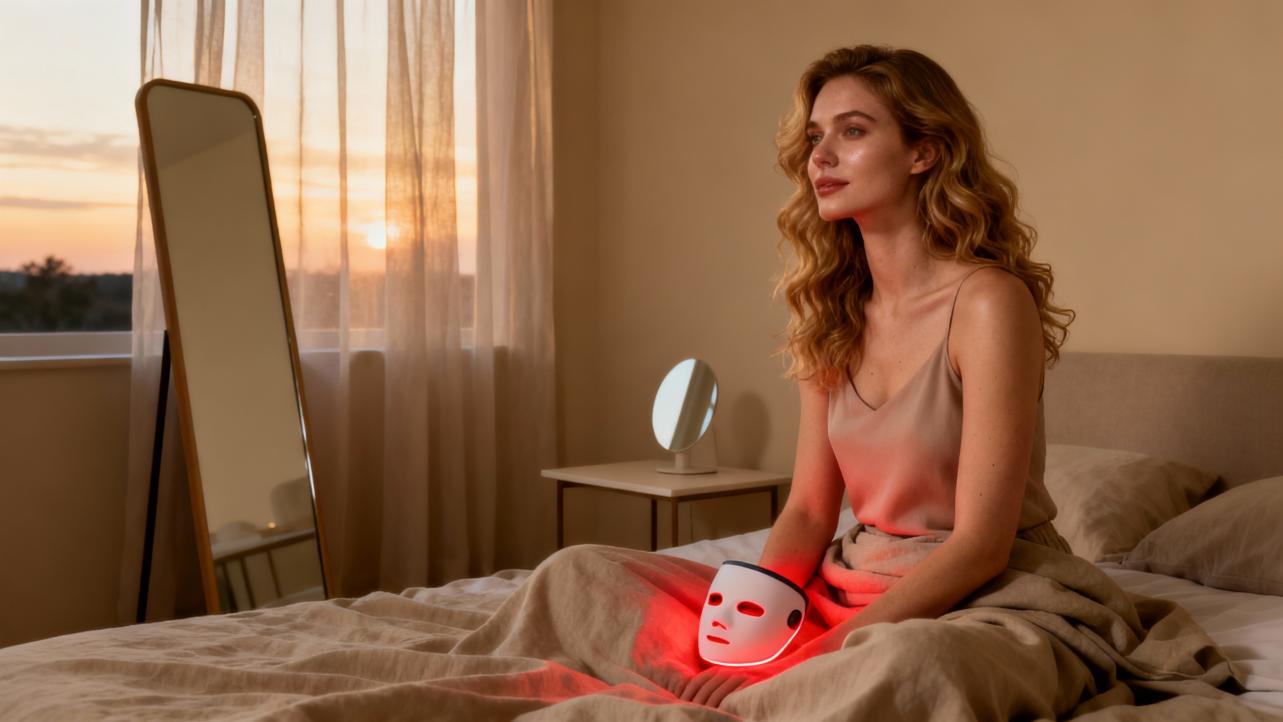
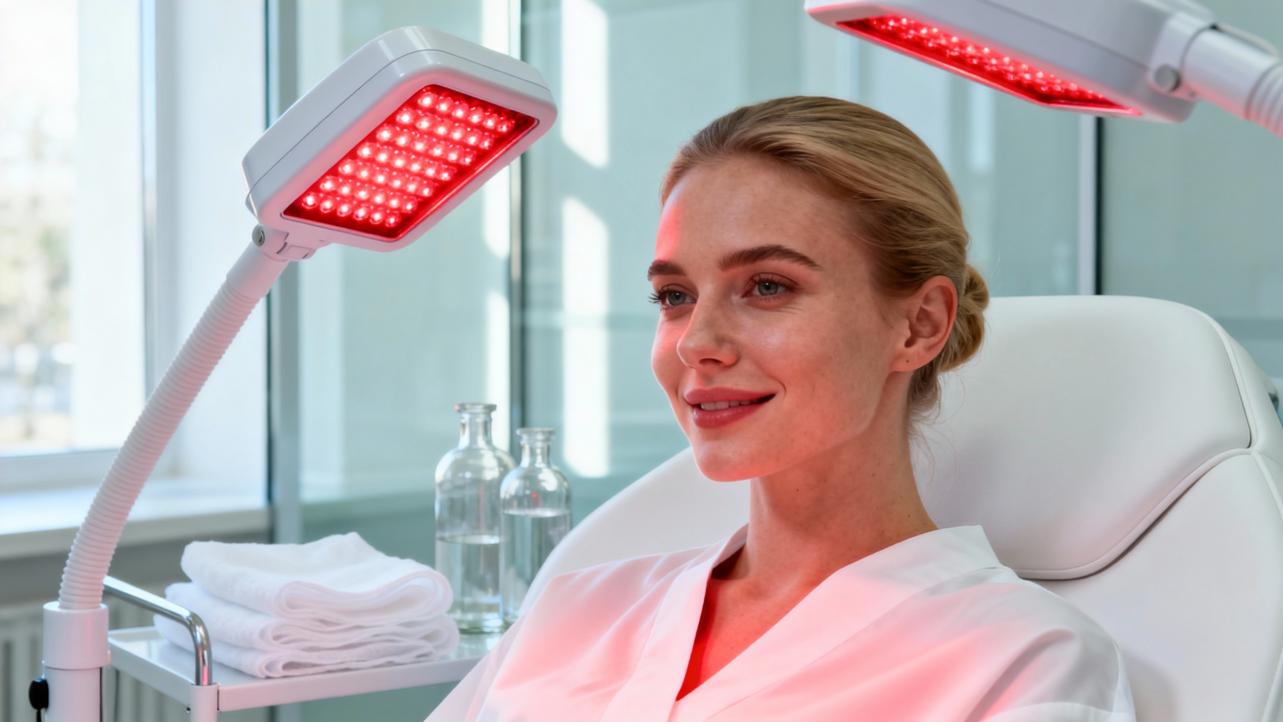
Red light therapy, often called low‑level laser therapy, low‑level light therapy, or photobiomodulation, uses low levels of red and near‑infrared light to nudge cells into better performance rather than burn or destroy tissue. Cleveland Clinic describes it as noninvasive and mainly used for skin appearance and some medical conditions, while MD Anderson Cancer Center classifies it as a type of low‑level laser therapy designed to regenerate cells and increase blood flow.
Mechanistically, most reputable sources land on the same core idea. Red and near‑infrared photons are absorbed by the mitochondria, the “power plants” in your cells. This appears to increase cellular energy production (ATP), improve blood circulation, and reduce inflammatory signaling. Research summarized by clinics and physiotherapy sources notes changes in nitric oxide, reduced oxidative stress, and modulation of inflammatory cytokines such as TNF‑alpha and IL‑6. The net effect is a cellular environment that is more biased toward repair and less toward chronic inflammation.
Cleveland Clinic also points out that red light therapy grew out of photodynamic therapy, where red light plus a photosensitizing drug is used to kill cancerous or precancerous skin cells. That is important context. The same portion of the spectrum, tuned one way with a photosensitizer, can destroy cells. Tuned another way without drugs and at different doses, it tends to promote healing rather than destruction. Stanford Medicine’s overview of red light therapy frames this under “photobiomodulation” and emphasizes that wavelength and dose determine whether tissue is damaged or supported.
Wavelengths, Depth, and Targets
In home devices and clinical systems, the action zone is roughly 630–850 nanometers. Multiple sources, including dermatology and device manufacturers, converge on certain bands:
Wavelength band |
Typical label |
Approximate action depth and focus |
About 630–670 nm |
Visible red light |
More superficial penetration; skin surface, superficial capillaries, early wound healing, and collagen support |
About 810–880 nm |
Near‑infrared (NIR) light |
Deeper penetration into muscle, tendons, and joints; pain, inflammation, and recovery support |
Summaries from clinics and home‑use guides note that red light around 630–670 nm is used in many facial and skin devices for wrinkles, scars, and surface healing, while near‑infrared around 810–880 nm is common in pads and panels aimed at muscles and joints. Sources like Cohen Trigger Point Therapy and HealthLight emphasize the broader therapeutic range from roughly 630 up to about 850 nm for clinical and home pain devices.
For a first aid–oriented home setup, the practical takeaway is straightforward. If you care about both surface wounds and deeper joint or muscle issues, you want a device that emits both red and near‑infrared light, not just one color.

Where Red Light Fits in a Home First Aid Kit
“First aid” in a home context usually means the problems you tackle before anyone even considers the emergency room: twisted ankles, sore backs, skinned knees, minor post‑workout strains, slow‑healing scrapes, recurring mouth sores from treatment, and the aftermath of a sunburn.
Cleveland Clinic lists potential uses for red light therapy that map nicely onto that territory: wound healing, reduction of scars and stretch marks, improvement in acne and sun‑damaged skin, and help with androgenic hair loss. WebMD’s review adds pain and inflammation in conditions like temporomandibular joint dysfunction and tendinopathies. University Hospitals highlights musculoskeletal pain, fibromyalgia, tendinopathies, and superficial inflammatory problems as early but promising targets. MD Anderson uses low‑level red light for cancer‑related mouth sores and is exploring it for pain.
At the same time, Stanford Medicine, Cleveland Clinic, and WebMD all stress that the evidence is still uneven. Some areas—hair growth and certain skin rejuvenation goals—have fairly solid support. For wounds and scars, there are positive studies but also mixed results. For pain and muscle recovery, systematic reviews show small to moderate benefits in some studies and minimal differences in others. Many trials are small or methodologically limited.
If you are building a first aid–oriented red light protocol at home, the most defensible evidence‑aligned targets are:
- Mild to moderate musculoskeletal pain after minor injuries or overuse, as long as there is no suspected fracture or major tear.
- Support for wound healing and scarring as an adjunct to proper wound care.
- Management of treatment‑related mouth sores under medical guidance.
- Calming inflamed or sun‑irritated skin, again as an add‑on to smart topical care and sun avoidance.
The next sections go deeper into each of these.
Pain, Strains, and Sprains: What the Evidence Suggests
From an everyday perspective, this is the most compelling first aid use case. You roll an ankle stepping off a curb, or your shoulder flares after a weekend project, and you want something more targeted than just an over‑the‑counter pain reliever.
Physiotherapy‑oriented summaries of muscle recovery research describe red light therapy as a low‑intensity way to modulate muscle recovery, likely by increasing mitochondrial ATP, improving microcirculation, and reducing oxidative stress. Reviews up to recent years report small to moderate benefits for delayed‑onset muscle soreness and strength recovery after intense exercise, with some trials showing clear improvements and others finding little difference from placebo.
InsideMatters, a practitioner‑driven source focused on injuries and pain, explains how red and near‑infrared light reduces inflammatory mediators like TNF‑alpha, IL‑6, and COX‑2 while promoting nitric‑oxide‑mediated blood vessel dilation. That combination is relevant if you are trying to settle down a hot, angry joint or muscle. The same article highlights enhanced collagen synthesis in ligaments and tendons and even accelerated nerve regeneration, suggesting a possible role in chronic nerve‑related pain and conditions like sciatica.
University Hospitals reports that red light therapy may reduce pain and improve quality of life in people with acute and chronic musculoskeletal pain and fibromyalgia. Clinicians there see particular promise for tendinopathies and more superficial inflammatory problems, while emphasizing that it will not repair structural issues like a completely torn ligament. WebMD’s review echoes that pattern: there is short‑term improvement in pain and stiffness for rheumatoid arthritis and functional improvement for tendinopathy, but less consistent benefit for advanced osteoarthritis.
Cohen Trigger Point Therapy’s clinical experience aligns with this research. They use red light therapy for back pain, neck and shoulder tension, osteoarthritis, rheumatoid arthritis, headaches, and sports or overuse injuries. Patients report reduced muscle tension, improved range of motion, and faster recovery when red light is combined with targeted manual work. Their case study of a middle‑aged patient whose stubborn shoulder pain resolved over weeks with combined trigger point therapy and red light mirrors what I see in practice: the technology does its best work as a force multiplier for smart movement and manual therapy, not as a replacement.
From a practical first aid perspective, this means a plausible scenario looks like this. You tweak your lower back lifting something awkward but can still move around and have no red‑flag symptoms such as numbness, weakness, or loss of bladder control. After ruling out serious issues with your clinician if needed, you might:
- Use short, frequent red light sessions over the affected area in the first week, combined with gentle movement and your usual rest and ice or heat strategy.
- After the acute phase, taper to a few sessions per week as you ramp up rehab exercises.
This pattern reflects protocols from InsideMatters and home‑use guides that suggest about 20 minutes per area, three to five times per week for chronic issues, and somewhat more frequent short sessions early after minor injury.

Wound Healing, Scars, and Skin “First Aid”
If there is one place where people overpromise what red light will do, it is scars. Some Instagram posts imply that a single mask can erase years of damage. The real story is more nuanced.
Cleveland Clinic notes that red light therapy is promoted to improve wound healing, stretch marks, wrinkles, age spots, facial texture, psoriasis, rosacea, eczema, scars, and sun damage. WebMD’s synthesis adds that red light seems helpful for active acne and may reduce the appearance of old acne scars. UCLA Health describes anti‑aging improvements that persisted for a month after stopping treatment in a three‑month home mask study.
Greentoes, a wound‑focused clinic, goes deeper into wounds and scars. They describe red light therapy as a gentle, noninvasive treatment that accelerates wound healing by enhancing cellular activity, tissue regeneration, and circulation. Clinicians there report that it can speed wound closure, reduce infection risk, and make scars softer, smoother, and less noticeable over time. Surgeons who integrate red light into post‑operative care observe less swelling and fewer follow‑up dressing changes, although the article does not cite specific numbers.
Stanford Medicine adds a key reality check from eyelid surgery studies. In one trial, scars on sides treated with red light initially healed in about half the time of untreated sides, but by around six weeks, both sides looked similar. Another trial showed only slight, non‑significant improvement. That pattern—possibly faster early healing with modest long‑term cosmetic differences—is a good way to calibrate expectations.
For everyday home first aid, that translates to using red light in a few specific ways, always layered on top of basic wound care:
- For minor cuts and scrapes that you would otherwise just clean, bandage, and monitor, you can consider adding brief red light sessions once the area is clean and covered as needed, aiming to support early healing and reduce lingering redness.
- After your clinician clears you to support healing from a larger wound or surgery, consistent sessions over several weeks may help with scar quality while you follow your surgeon’s care plan.
Greentoes emphasizes that red light should complement, not replace, staples of wound care like stitches, bandages, ointments, compression, and routine follow‑up. For deep or serious wounds, they recommend using red light only under medical supervision and only when your doctor confirms it is safe to start.

Mouth Sores and Treatment Side Effects
MD Anderson Cancer Center uses red light therapy for oral mucositis, the painful mouth sores that can develop during chemotherapy and radiation. Their pain management team notes that red light appears to promote healing, improve blood flow, and reduce inflammation, and that many patients experience relief soon after treatments. They also stress that for pain management, red light therapy remains investigational, with no definitive randomized trials yet defining dosing.
Cleveland Clinic mentions that red light therapy is being studied for chemotherapy side effects such as oral mucositis. WebMD lists oral mucositis among conditions under investigation.
For home first aid, this does not mean you should start self‑treating serious treatment‑related mouth sores without guidance. It does mean that if your oncology or dental team suggests a home device or refers you to a clinic, there is a scientific rationale and real-world use behind it. In this area, you should treat red light as a medical therapy that happens to be delivered by a small device, not as a generic wellness tool.
What Red Light Probably Will Not Do for First Aid
A science‑backed first aid strategy is as much about what you do not expect from a device as what you do.
Stanford Medicine, WebMD, and Cleveland Clinic are all cautious about big systemic claims for red light therapy. Stanford highlights that while red light clearly changes biological processes, robust data for athletic performance, sleep, erectile function, dementia, and whole‑body wellness claims are limited or inconsistent. WebMD notes that while reviews show promising early results for dementia, the evidence is preliminary and based on small trials. There is no good evidence that red light causes real weight loss, and any body contour changes are often temporary.
Cleveland Clinic explicitly states there is no scientific evidence to support red light therapy for weight loss, cellulite, cancer treatment, or mental health conditions such as depression and seasonal affective disorder. University Hospitals adds that red light is not going to repair structural mechanical problems like major ligament tears.
For a first aid context, that means you should not rely on red light therapy to:
- Replace emergency care for chest pain, severe head trauma, deep or heavily bleeding wounds, or suspected fractures.
- Repair a torn ligament that clearly needs orthopedic evaluation.
- Serve as the sole treatment for infections, burns beyond mild sunburn, or systemic illness.
Use it where the evidence is strongest and most relevant: localized pain, mild musculoskeletal injury, wound and scar support, and specific doctor‑recommended indications like oral mucositis.
Choosing a Home Device for First Aid Use
The marketplace is noisy. You can buy everything from flexible pads to full‑body pods. The key is to choose hardware that matches your real first aid use cases rather than chasing every marketing claim.
HealthLight, a medical device maker focused on pads, advises starting with the area and type of pain you want to address, then choosing a form factor that matches that body region. Flexible pads conform well to ankles, knees, or backs and are designed for shorter, frequent sessions. Trophyskin and other home‑use guides describe larger panels and smaller handhelds. Handhelds work for very localized spots but cover little area; panels treat larger regions like the back or multiple joints at once.
Several sources, including Haven‑style buying guides and Trophyskin, converge on a similar wavelength specification for effective devices: visible red around 630–670 nm and near‑infrared around 810–880 nm. For first aid‑style goals, look for a device that clearly lists both. Many devices advertise power density (irradiance) in milliwatts per square centimeter at a given distance. Consumer panels often fall somewhere in the tens of mW/cm² range at 6–12 inches, while professional systems can exceed 100 mW/cm² over large areas according to physical therapy sources.
Safety and regulatory status also matter. HealthLight strongly recommends choosing devices that are listed or cleared with regulators such as the US Food and Drug Administration, while Cleveland Clinic and UCLA Health similarly advise looking for “FDA‑cleared” rather than vague “FDA approved” marketing language. Some buying guides also mention independent electrical and safety certifications.
To make this concrete for a first aid focus, imagine three broad device types and how they align with your needs:
Device type |
First aid‑friendly uses |
Trade‑offs |
Flexible pads |
Localized joint sprains, tendon pain, low back strains |
Great contact and convenience, limited coverage area |
Small handheld wands |
Single scar, small wound area, specific trigger point |
Very localized treatment, time‑consuming for bigger regions |
Medium wall or floor panel |
Larger areas like back, both knees, or hips; general recovery |
Better coverage, higher upfront cost, requires dedicated space |
For most home first aid kits, a flexible pad or a medium panel with both red and near‑infrared light offers the best mix of practicality and versatility.

Dosing, Protocols, and Simple Math for Home Use
The body responds to red light in a “sweet spot” fashion. Too little light does nothing, while too much can blunt benefits or potentially create excess oxidative stress. BlockBlueLight and several physiotherapy sources call this a biphasic dose response.
Most home‑oriented guides and device manuals cluster around similar baseline protocols. Trophyskin and multiple brands recommend about 10–20 minutes per area, several times per week. BlockBlueLight suggests three to five sessions per week with the device roughly 6–12 inches from the skin. HealthLight’s pads are used for about 10–20 minutes once or twice daily, with some protocols allowing three sessions a day for pain.
A physiotherapy‑style summary of red light dosing provides more technical detail. It frames energy density, or fluence, in joules per square centimeter, as the key metric. For acute soft‑tissue injuries, typical targets are in the neighborhood of 5–10 J/cm². For chronic tendon and joint problems, targets often rise to around 20–60 J/cm². That energy dose depends on both power density (mW/cm²) and time.
Here is a simple example to make this real. Imagine your mid‑range panel delivers about 50 mW/cm² at 8 inches, a figure that sits within the 20–50 mW/cm² range often reported for at‑home devices. Ten minutes is 600 seconds. Multiply 50 mW/cm² by 600 seconds and you get 30,000 mJ/cm², which is 30 J/cm². That means a single 10‑minute session at that distance delivers a dose right in the range often used for chronic problems and on the higher side for acute issues. If your goal is fresh ankle swelling on day one, you might shorten that exposure or move slightly farther away to land nearer the lower acute range.
Clinical and home guides suggest slightly different frequencies depending on the timeline and depth of the issue:
- For very recent minor injuries and acute pain, it is common to see daily or near‑daily sessions for the first week or so, then a taper to three to five sessions per week.
- For chronic tendon or joint problems, three to five sessions a week over several weeks are typical in physiotherapy and device protocols.
- For general muscle recovery after heavy training, sessions clustered around hard workouts, often in the 10–30 J/cm² range per muscle group, are described in sports and rehab literature.
Distance from the device affects dose dramatically. Guides from home device makers and physiotherapy sources suggest ranges around 4–12 inches for panels and somewhat closer or even in contact for pads and handhelds. If you double the distance, the delivered intensity typically drops significantly, so do not assume that leaning back across the room is equivalent to sitting within a foot of the lights.
Always let the manufacturer’s instructions override generic rules. Different devices truly do deliver different power levels, and companies like HealthLight emphasize that even experienced users should read each device’s manual as if they were new.
Safety, Contraindications, and When to Skip the Light
Across major institutions, the safety message is fairly consistent. Red light therapy appears low risk when used as directed for short to moderate periods. It does not use ultraviolet light and is not known to cause cancer, according to sources like Cleveland Clinic, UCLA Health, and WebMD. Side effects in clinical and home settings are usually mild and transient, such as temporary redness, warmth, or tingling.
That does not mean there are no risks or that you can ignore common sense. Eye safety is non‑negotiable. MD Anderson describes using protective goggles and shields in clinic to prevent retinal damage from direct laser exposure. Home device guides and dermatology sources likewise urge users to avoid staring into bright LEDs and to wear appropriate eye protection, especially for facial treatments.
Several groups of people are advised to be particularly cautious. Greentoes recommends medical supervision for severe injuries or deep wounds. InsideMatters, sports performance sources, and clinical articles flag photosensitive conditions such as lupus or porphyria, people on photosensitizing medications, those with a history of skin cancer, and pregnant or nursing individuals as populations that should speak with a physician before use. Some sources note that people with epilepsy should avoid flickering lights or consult their neurologist.
Cleveland Clinic points out that long‑term safety of frequent at‑home use is not fully known and that overuse or misuse—such as very long sessions or not following directions—could damage skin or unprotected eyes. They also remind readers that devices sold for home use are usually less powerful than medical systems, which can mean lower risk but also more modest results.
From a first aid standpoint, there are clear situations where you should not reach for the red light first. Those include heavy bleeding, possible fractures, chest pain, signs of stroke, severe burns, or signs of infection such as spreading redness, fever, or pus. In those cases, your first call is emergency care, not a light panel. For children, particularly infants, the lack of robust data means you should default to pediatric guidance rather than home experimentation.
Pros and Cons of Red Light Therapy as a First Aid Tool
A smart home wellness setup weighs both upside and trade‑offs. Here is a concise comparison framed for first aid use.
Advantages |
Limitations and downsides |
Noninvasive, drug‑free, and generally well tolerated |
Upfront device cost, often from just under $100 to many hundreds of dollars |
Can support pain relief, wound healing, and scar quality as an adjunct to standard care, according to clinical and practitioner reports |
Evidence is still emerging; many studies are small or methodologically limited |
Easy to integrate into home routines once a protocol is set |
Requires consistent use over weeks; not a one‑and‑done “quick fix” |
Useful across multiple issues: sore joints, minor injuries, skin flare‑ups |
Does not fix structural problems like major tears or replace stitches, antibiotics, or surgery |
Short‑term safety profile appears favorable in dermatology and pain settings |
Potential for skin irritation or eye damage if overused or used without protection; long‑term effects of heavy home use remain uncertain |
In other words, red light therapy is one of the more compelling “geeky gadgets” for a home first aid kit, as long as you treat it as a steady, adjunctive practice rather than a miracle cure.
Putting It Into Practice: A Sample First Aid Routine
To make this tangible, imagine a realistic week in a light‑therapy‑friendly household.
On Monday, you twist your ankle slightly stepping off a curb. It is sore and mildly swollen but you can walk. After checking that there is no deformity or inability to bear weight that would send you for imaging, you follow standard first aid: rest, elevation, perhaps some ice, and compression. Once the ankle is clean and dry, you place a flexible red and near‑infrared pad around it for about 10–15 minutes, keeping the pads snug but not tight. You repeat this once or twice a day for the first three days, then taper to every other day as the swelling and pain settle and your rehab exercises increase.
On Wednesday, your teenager scrapes a knee during sports. You clean the wound, remove debris, and apply a basic dressing just as you would without a device. Later that day, when the area is dry and properly covered or clean, you position a red light device a few inches away for a short session, taking care not to overheat the area or direct intense light into the eyes. Over the next weeks, as the skin heals, you use brief sessions around the healing area several times a week to support collagen formation and possibly nudge the scar toward a smoother finish.
By Friday, your own lower back is tight from too much sitting. You put a mid‑sized panel about 8–12 inches behind you, sit in a comfortable position, put on eye protection, and run a 15‑minute session while practicing diaphragmatic breathing or light stretching. Over time, you find that this combination of movement work and regular light sessions seems to shorten the lifespan of flare‑ups compared with stretching alone.
In each case, red light therapy is an add‑on to, not a replacement for, good first aid habits, sensible movement, and medical judgment.
FAQ
How quickly should I expect results for first aid–type problems?
Most clinical and home‑use sources emphasize that red light therapy is not instant. Sports and rehab summaries suggest that subtle changes in muscle soreness or joint comfort may appear within a few weeks of consistent use, while more substantial improvements in chronic pain or deeper connective‑tissue issues often require at least eight to twelve weeks. For wound healing and scars, some studies show faster early healing with treated areas looking similar to controls by around six weeks, while practitioner reports describe scar quality improving gradually over months. Think in terms of weeks of regular sessions, not single treatments.
Can I swap red light therapy for ice, compression, or over‑the‑counter pain medicine?
You should treat red light therapy as an adjunct, not a replacement, for time‑tested first aid steps. Sources focused on wound healing and pain repeatedly frame red light as a complement to stitches, bandages, compression, topical care, movement, and appropriate medications when needed. If traditional first aid would call for cleaning and dressing a wound, using an elastic wrap, or taking a short course of anti‑inflammatories, you should not skip those in favor of light. Instead, layer red light on top, within the bounds of your doctor’s advice.
Is home red light therapy strong enough to matter, or do I need clinical sessions?
Major medical centers point out that devices used in clinics are usually more powerful and tightly controlled than over‑the‑counter units. That means clinic treatments can deliver a known therapeutic dose in a short session, which is particularly valuable for extensive or complex conditions. At home, many devices are less intense and require more time and consistency. Even so, reviews from institutions such as Cleveland Clinic and University Hospitals regard home devices as generally reasonable and low risk if used as directed, with the caveat that results may be more modest. For localized first aid goals like a single joint flare‑up, minor muscle strain, or a small scar, a well‑chosen home device can be a practical solution, while more extensive or stubborn problems may benefit from combining home use with occasional professional‑grade sessions.
Used thoughtfully, red and near‑infrared light can be more than a wellness fad. As someone who has spent years testing panels, pads, and protocols, I see red light therapy as a legitimate, science‑aligned tool to upgrade your home first aid kit—provided you respect its limits, follow the evidence, and treat light as one part of a broader, grounded approach to healing.
References
- https://pmc.ncbi.nlm.nih.gov/articles/PMC5523874/
- https://med.stanford.edu/news/insights/2025/02/red-light-therapy-skin-hair-medical-clinics.html
- https://www.brownhealth.org/be-well/red-light-therapy-benefits-safety-and-things-know
- https://www.mdanderson.org/cancerwise/what-is-red-light-therapy.h00-159701490.html
- https://my.clevelandclinic.org/health/articles/22114-red-light-therapy
- https://www.uclahealth.org/news/article/5-health-benefits-red-light-therapy
- https://www.uhhospitals.org/blog/articles/2025/06/what-you-should-know-about-red-light-therapy
- https://www.physio-pedia.com/Red_Light_Therapy_and_Muscle_Recovery
- https://www.insidematters.co.nz/post/red-light-therapy-for-injuries-and-pain-how-it-works-with-the-best-protocol-for-recovery
- https://cohentriggerpoint.com/red-light-therapy-benefits/