
Summary: Red light therapy may help dial down exam anxiety mainly by improving sleep, mood, and stress resilience over time, but the science is still early and it should sit beside—not replace—good study habits, counseling, and medical care.
Exam Anxiety: A Whole-Body Stress Response
Exam anxiety is not just “butterflies.”
Heart racing, shallow breathing, sweaty palms, racing thoughts, insomnia, and digestive issues all come from the same system: an overactive fight‑or‑flight response driven by chronic stress and poor sleep.
When that response stays “on” through an entire exam season, you burn through neurotransmitters, spike inflammation, and wreck your circadian rhythm—exactly the levers that red light therapy (RLT) appears to touch.

How Red Light Therapy Acts on Brain and Body
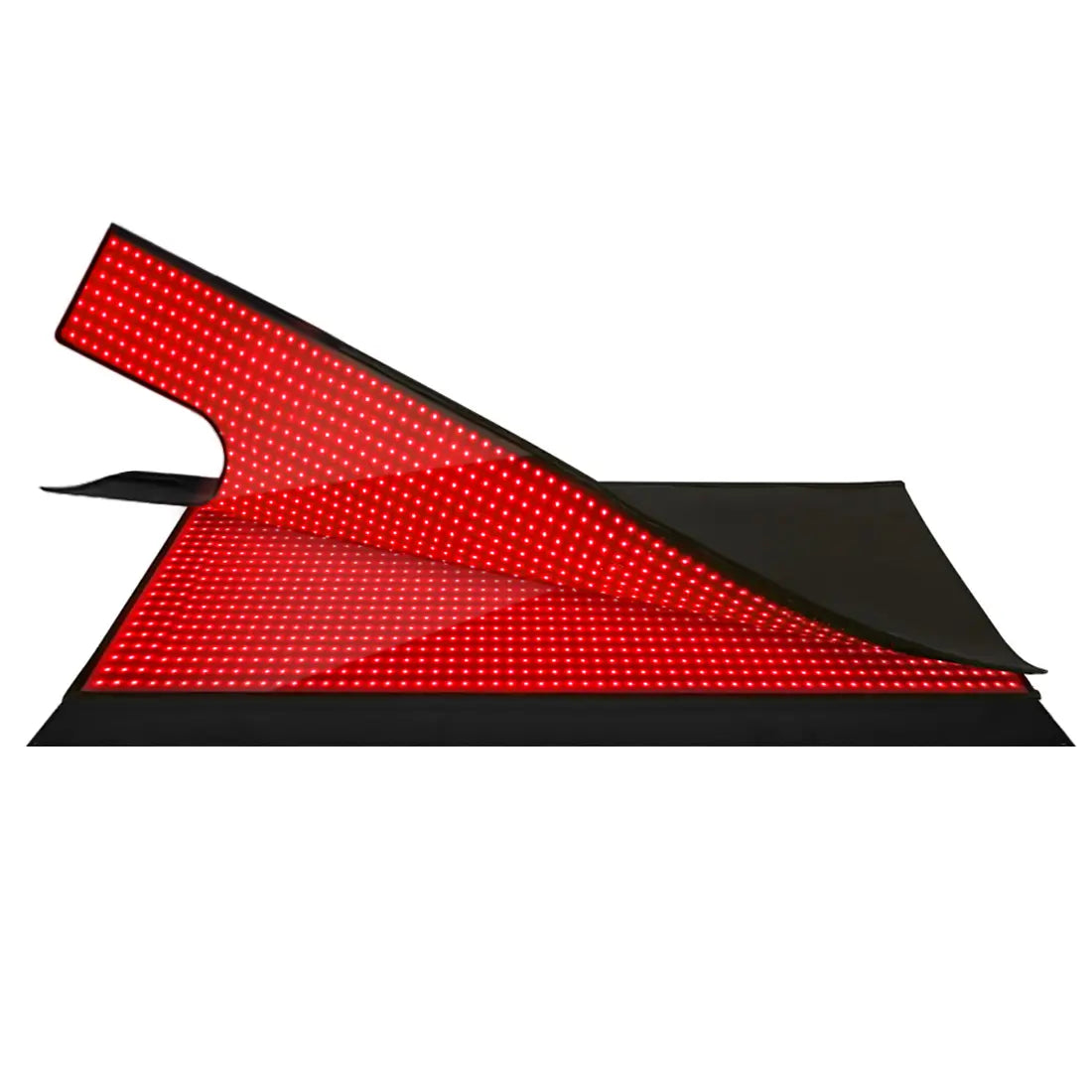
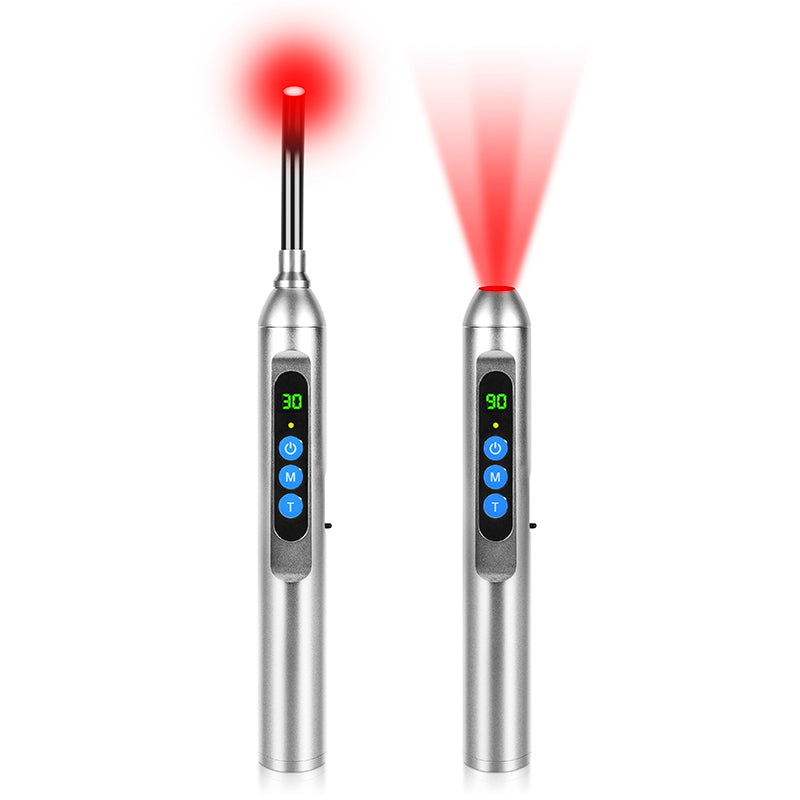
Red light therapy uses specific red and near‑infrared wavelengths, usually from LEDs, to nudge mitochondria—the “engines” in your cells—into making more energy. Cleveland Clinic and Aesthetic Bureau both describe this as photobiomodulation: light changing biology without heating or burning tissue.
In lab and clinical work, red and near‑infrared light have been shown to:
- Boost ATP (cellular energy) and improve blood flow
- Reduce inflammatory cytokines and oxidative stress
- Support serotonin and dopamine pathways involved in mood
- Increase brain‑derived neurotrophic factor (BDNF), which supports neuroplasticity
Some researchers also argue for systemic effects. Studies summarized by Recharge Health and others suggest that treating the body (even away from the head) can still affect the brain, possibly through signaling molecules and circulating mitochondria. It is a bold hypothesis, but it fits what many wellness clinics are observing in practice.

What the Evidence Says About Anxiety, Mood, and Sleep
We do not yet have a trial that says, “red light reduces test anxiety in college students.” But we do have pieces of the puzzle:
- A small pilot study of 10 adults with major depression and anxiety used an 810 nm near‑infrared LED array on the forehead. At two weeks, 6 out of 10 met remission criteria for depression and 7 out of 10 for anxiety, with no reported side effects.
- Another study in 15 people with generalized anxiety disorder used an LED headband across the forehead for eight weeks and found significant improvements in anxiety and sleep scores.
- Clinics like Aurora Modern Healing and LiveFree Health report that clients often experience calmer mood and less anxiety when red light is added to counseling, medication, and lifestyle changes.
- Red‑light–based sleep studies summarized by Aesthetic Bureau show improved sleep quality in many users after consistent sessions, and separate bright‑light research from Harvard Medical School shows that better‑timed light can rival medication for certain types of depression.
At the same time, a Cleveland Clinic review notes there is no strong large‑scale evidence yet for red light as a primary mental health treatment, and Stanford experts caution that many whole‑body claims remain unproven.
One polysomnography study even found that bright red light in the hour before bed increased anxiety and negative emotions compared with darkness, especially in people with insomnia.
That nuance matters: timing, dose, and context are everything.
A Practical Red Light Routine for Exam Season
If you want to experiment with RLT as a performance‑support tool, think of it as a way to stabilize your baseline, not a last‑minute hack the night before the exam.
A simple, conservative approach based on the anxiety and sleep data:
- Use it in the morning or early afternoon, not before bed. Aim for within two hours of waking to support circadian rhythm.
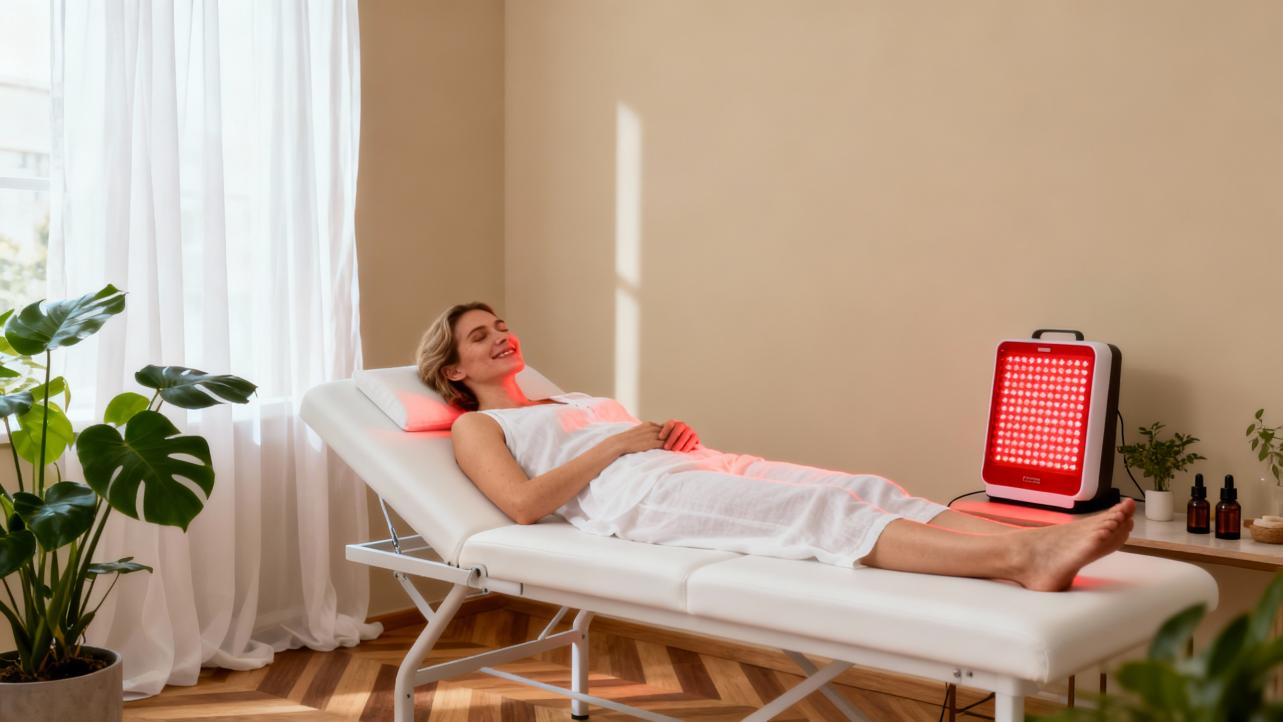
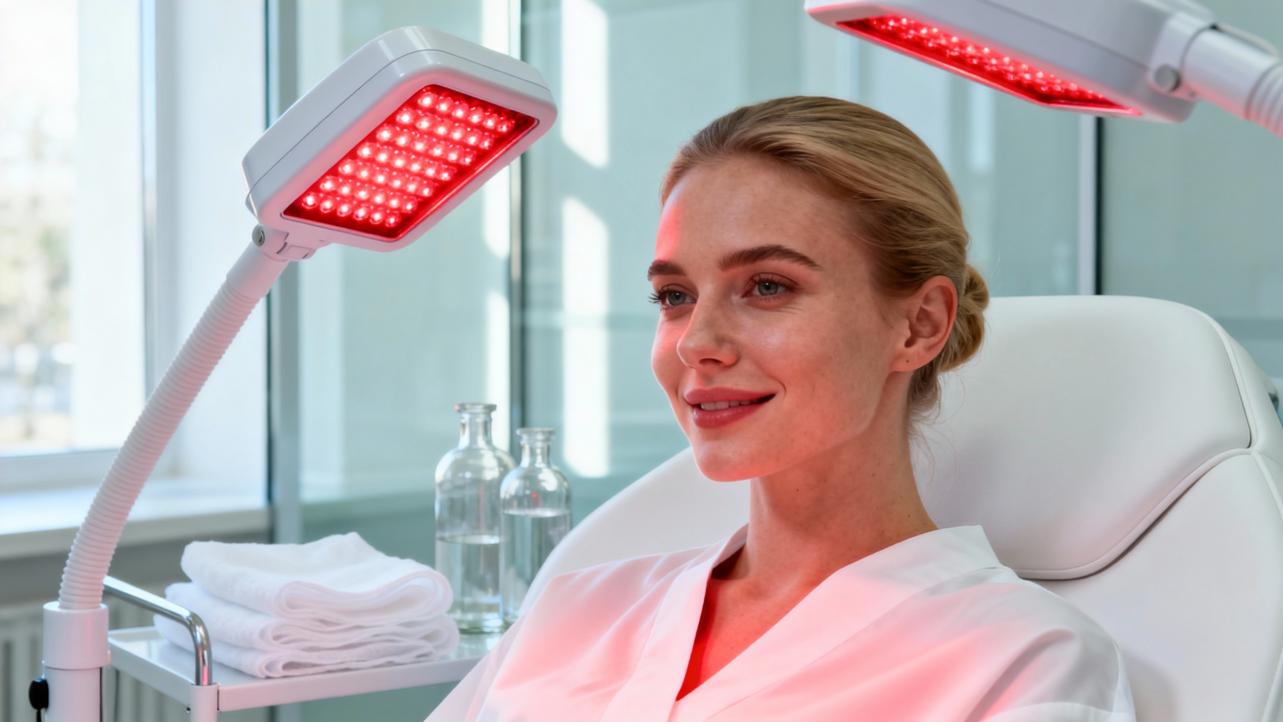
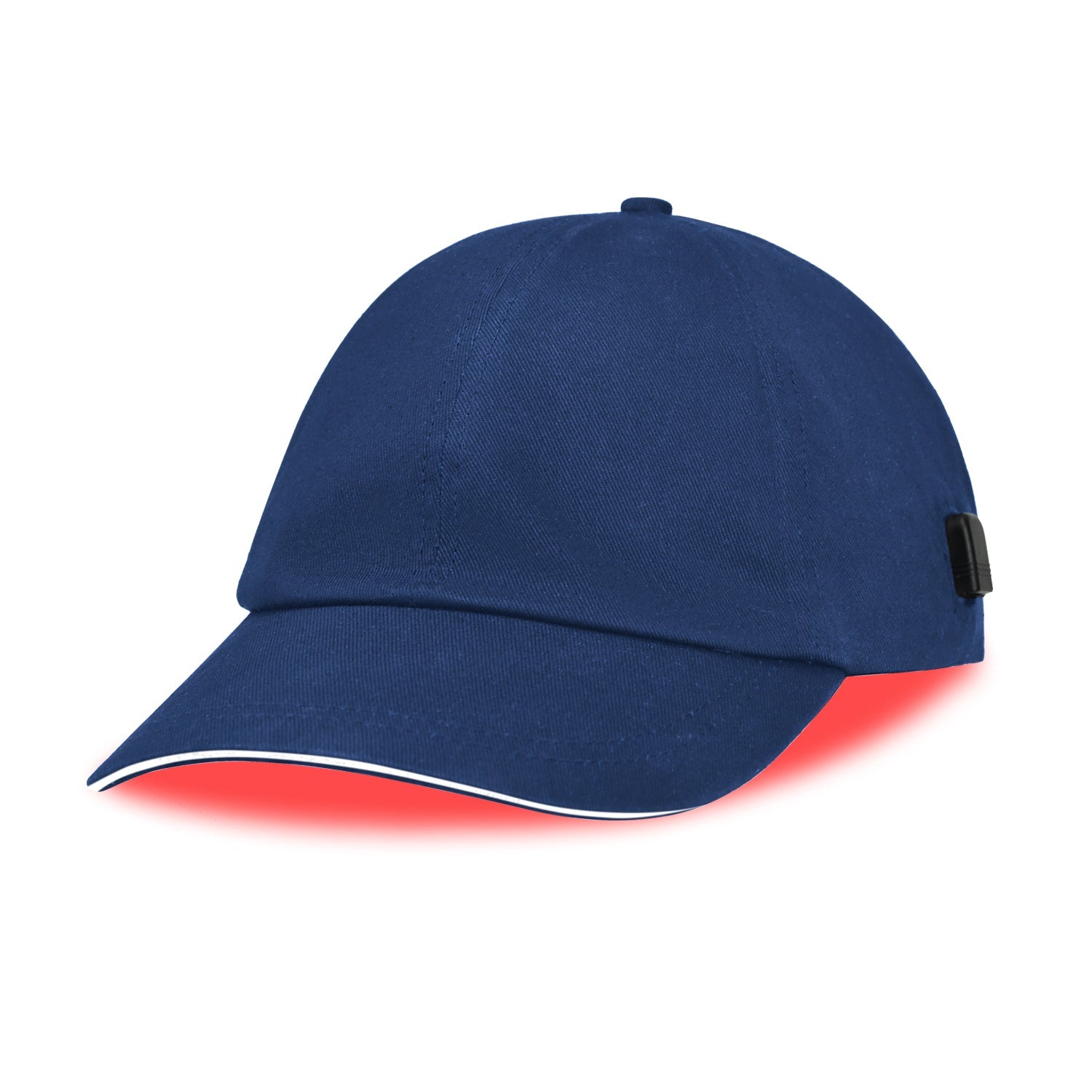
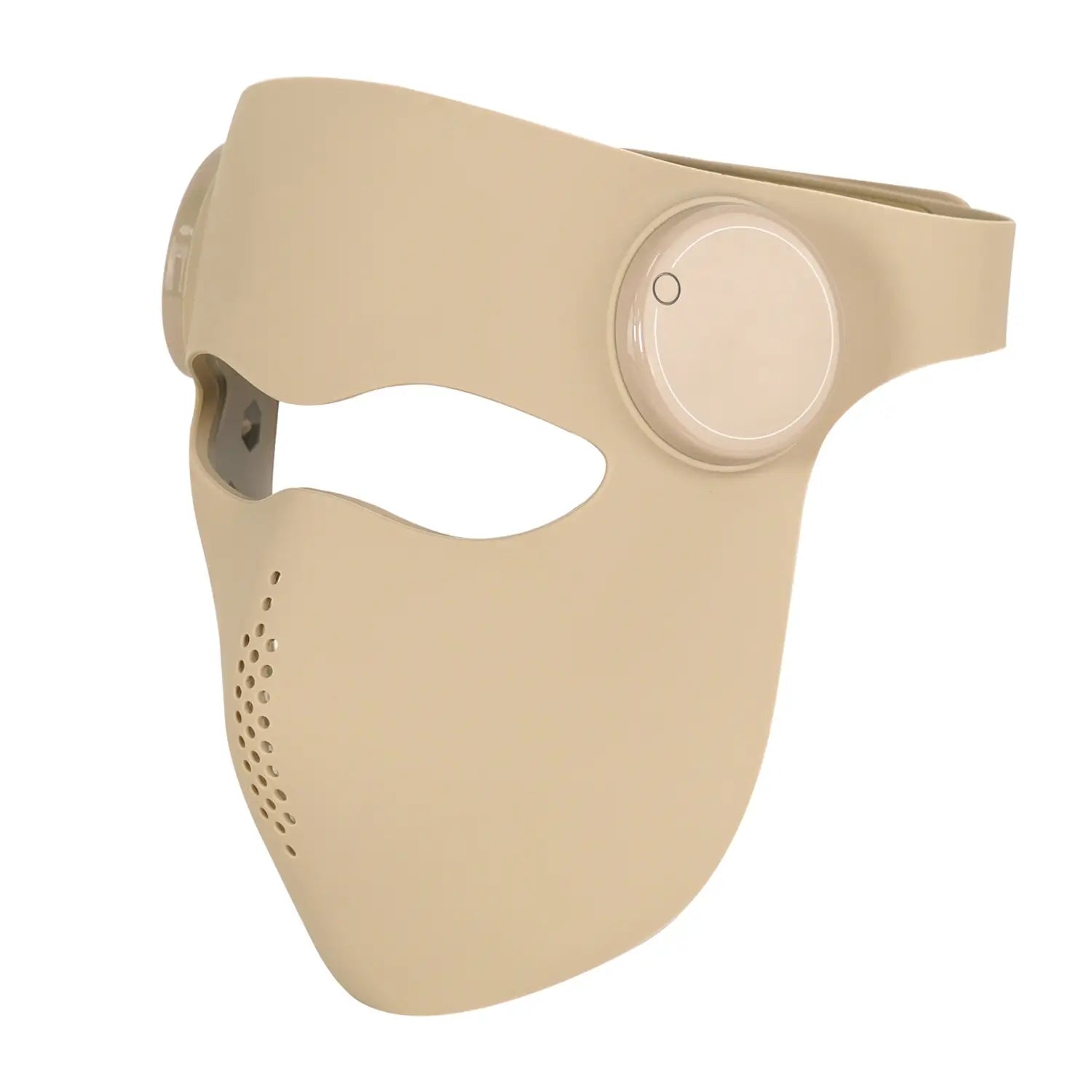
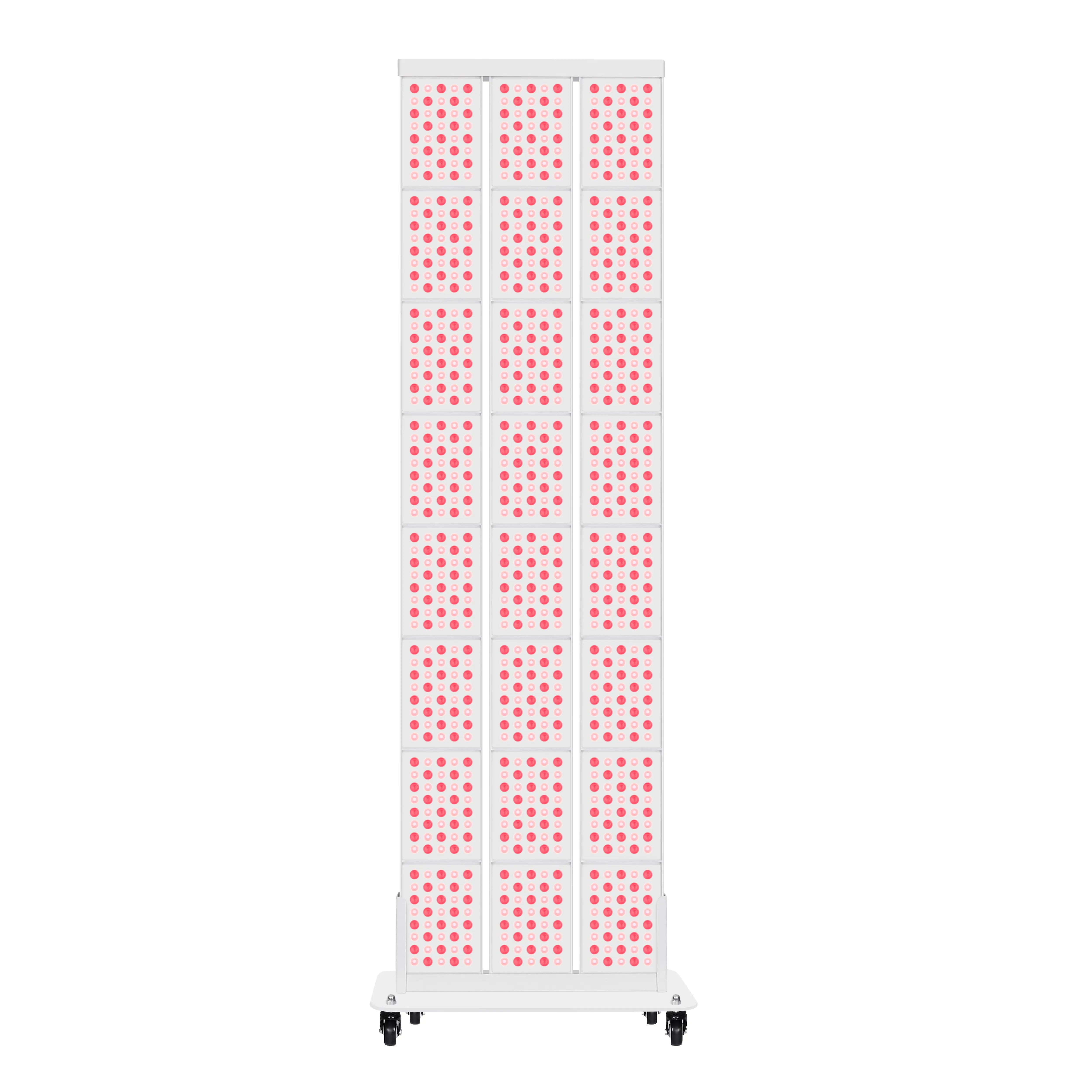
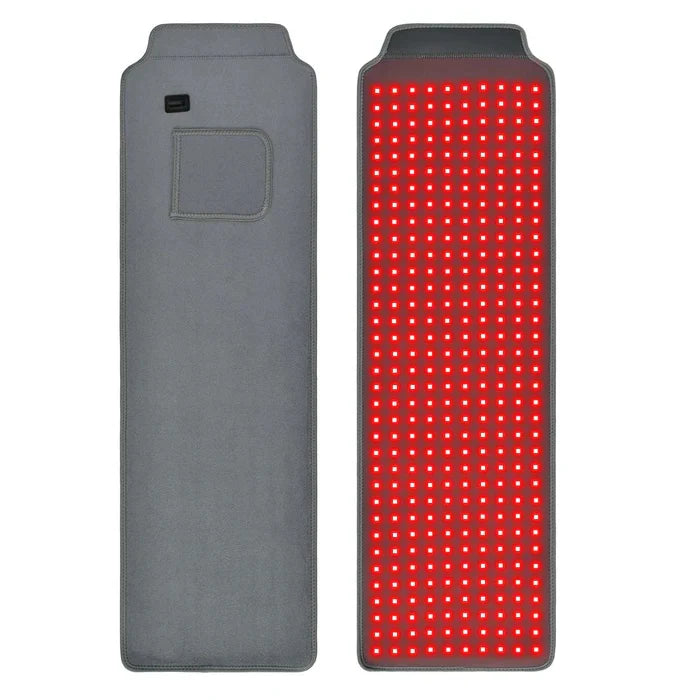
- Position a panel at roughly 6–12 inches from your face or upper body; you should feel gentle warmth, not heat.
- Start with 10–15 minutes, 3–5 days per week, and build to 20 minutes if you tolerate it well.
- Pair it with deep nasal breathing and a short review of your plan for the day; you are training both your nervous system and your mindset.
- Keep all your usual supports in place: therapy, prescribed meds, and solid study strategy. RLT is an add‑on, not a replacement.
For most exam‑stressed students, the realistic win is: slightly better sleep, a calmer baseline mood, and a body that recovers from stress faster—conditions under which your study time actually sticks.

Risks, Limits, and Smart Expectations
Medical centers like Cleveland Clinic emphasize that properly used red light appears low‑risk for most people, especially at skin‑level doses, but “safe” is not the same as “proven effective” for exam anxiety.
Skip or get medical supervision if you:
- Have bipolar disorder or a history of mania
- Take photosensitizing medications or have serious eye/skin conditions
- Are tempted to self‑experiment with high‑power devices on your head
Also, avoid blasting yourself with bright red light in the hour before bed, particularly if you already struggle with insomnia; the sleep‑lab data suggest this can backfire.
Bottom line: for a stressed‑out student, red light therapy is best viewed as a promising, science‑inspired support for sleep and mood. Use it thoughtfully, give it a few weeks, and let your real edge come from focused practice, recovery, and a calmer nervous system—not just another gadget.

References
- https://www.health.harvard.edu/blog/light-therapy-not-just-for-seasonal-depression-202210282840
- https://pubmed.ncbi.nlm.nih.gov/37692298/
- https://healthsciences.arizona.edu/news/stories/exploring-phototherapy-new-option-manage-chronic-pain
- https://uhs.berkeley.edu/sites/default/files/light-therapy_lam.pdf
- https://med.stanford.edu/news/insights/2025/02/red-light-therapy-skin-hair-medical-clinics.html