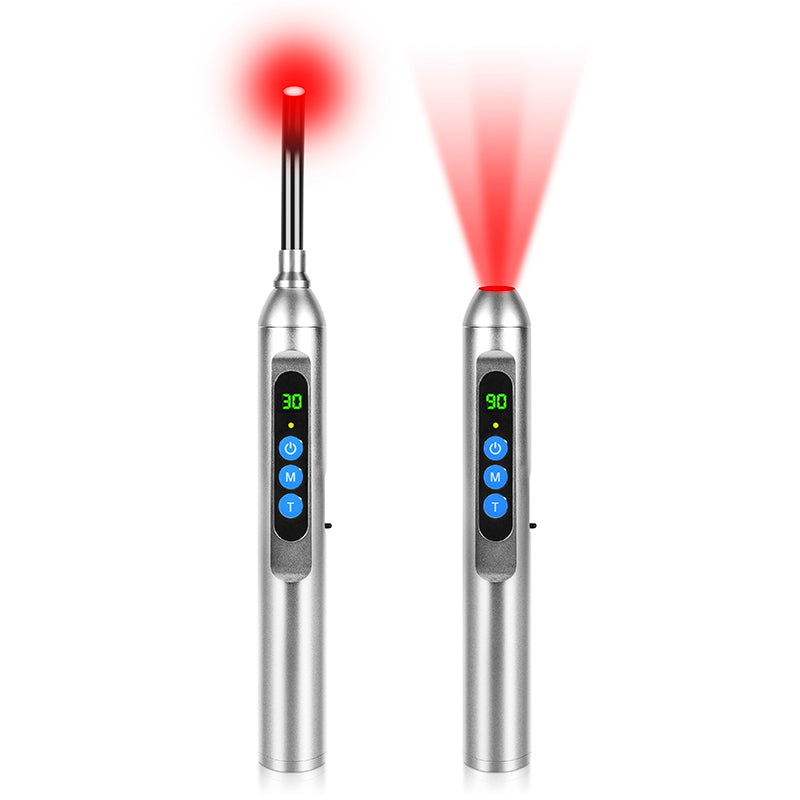

Summary: For teens with sleep problems, red light is not a magic melatonin button—in some settings it helps, in others it backfires—so it should be used cautiously, timed well, and always paired with proven circadian and behavioral strategies.
Teen Sleep: A Perfect Storm
By design, the teen body clock runs late. During puberty, circadian rhythms naturally shift so adolescents feel sleepy later and want to wake later, yet they still need about 8–10 hours of sleep.
Layer on late-night homework, gaming, and bright screens, and you have a recipe for chronic sleep deprivation, delayed sleep–wake phase disorder, and mood issues. Studies summarized by the Sleep Foundation and RUSH researchers show many teens get under 8 hours on school nights.
That’s why light is so powerful here: it’s the master signal for the body clock. Used right, it can shift an adolescent’s sleep earlier. Used wrong, it quietly locks in insomnia.

What the Research Actually Says About Red Light and Sleep
Most of the classic “light therapy” studies in teens use bright white or blue‑enriched light in the morning, not red. Stanford and other groups have shown that pairing early‑morning bright light with cognitive behavioral therapy can move bedtimes roughly 1–2 hours earlier and add about 40–70 minutes of sleep per night.
Red light is a different beast. Low‑wavelength red and near‑infrared light (around 600–850 nm) is great at driving photobiomodulation in skin and muscle, but melanopsin cells in the eye—the ones that set the clock—barely respond to it. A Frontiers in Public Health review notes that short‑wavelength light (bluer) dominates circadian signaling.
Human sleep data on red light are mixed. A small trial in elite female basketball players reported that 30 minutes of red-light exposure for 2 weeks increased melatonin and improved sleep quality and performance. But a larger sleep‑lab study in adults with and without insomnia found that one hour of pre‑bed red light increased alertness, worsened mood, and made sleep more fragmented compared with darkness, even though it sometimes looked better than white light.
Stanford dermatology experts and News‑Medical reviewers are blunt: evidence for red light as a sleep therapy is still weak and inconsistent compared with its more established skin and recovery uses.

Red Light in Real Teen Sleep Disorders
For delayed sleep–wake phase disorder and classic “can’t fall asleep before midnight” complaints, the strongest data in adolescents come from bright morning light, not red. Trials from RUSH and groups highlighted by Lumie show that 2–2.5 hours of weekend morning bright light around 6,000–10,000 lux, plus gradually earlier bedtimes, can shift teen clocks earlier by about 1.5–2 hours and add roughly an hour of weeknight sleep.
One teen study mentioned by Winksleep compared green and red light for delayed sleep–wake phase disorder, but the summary we have doesn’t report which color worked better—so we simply don’t know.
Where might red light fit? Mechanistic and clinical work in sports and rehab clinics suggests that red/near‑infrared therapy can lower inflammation, ease pain, and reduce stress hormones. For a teen whose insomnia is fueled by chronic pain or post‑game soreness, an afternoon red‑light session that calms the body could indirectly support sleep, even if it doesn’t move the clock much.
Nuance: Small studies point in opposite directions, so any red‑light approach for teen insomnia should be treated as an experiment under professional guidance, not a settled protocol.
If Your Teen Wants to Try Red Light
If you’re going to experiment, treat red light as one tool inside a broader sleep plan, not the star of the show:
- Prioritize the basics first: consistent bed/wake times all week, a dark cool bedroom, and a hard stop on phones and laptops 60–90 minutes before bed (Sleep Foundation and pediatric data are crystal clear here).
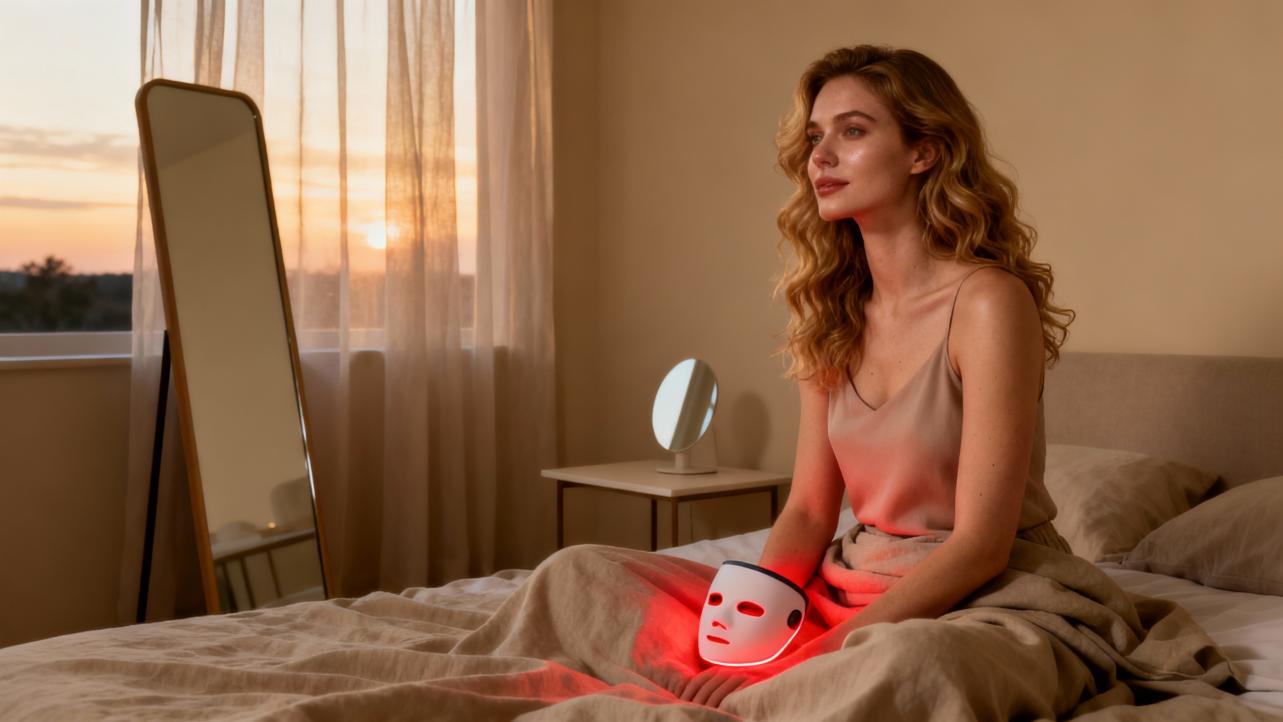
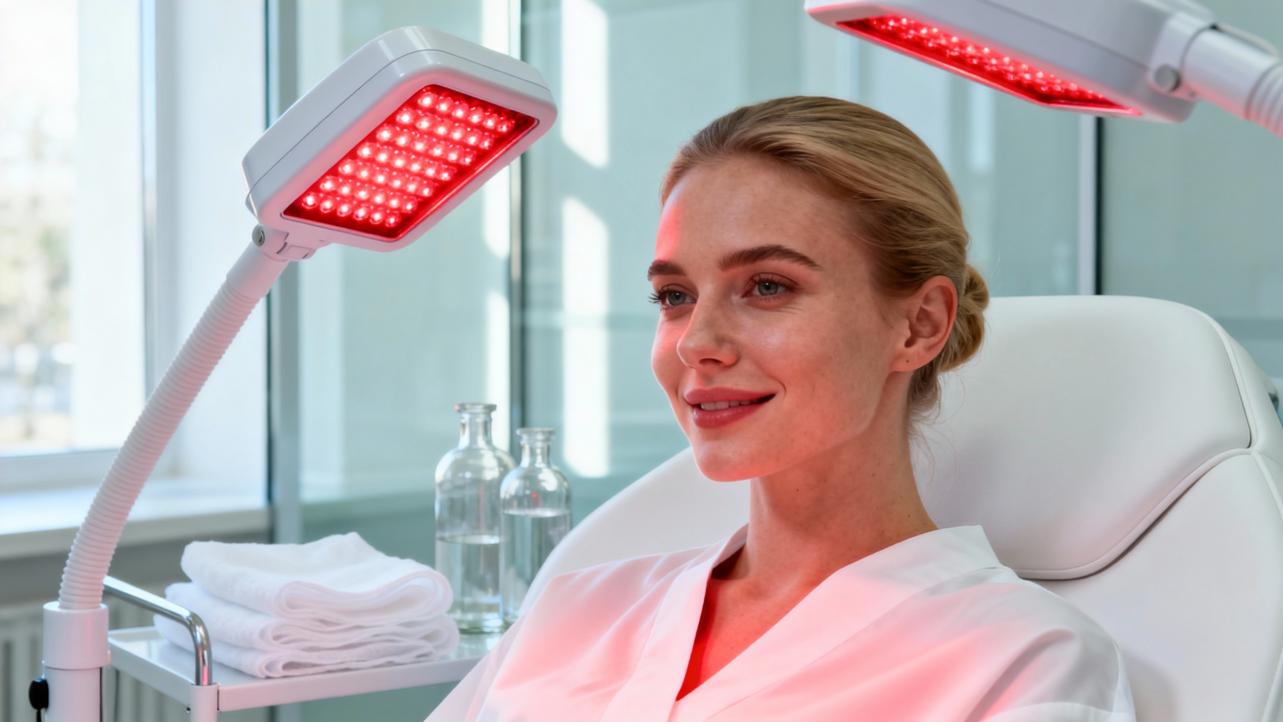
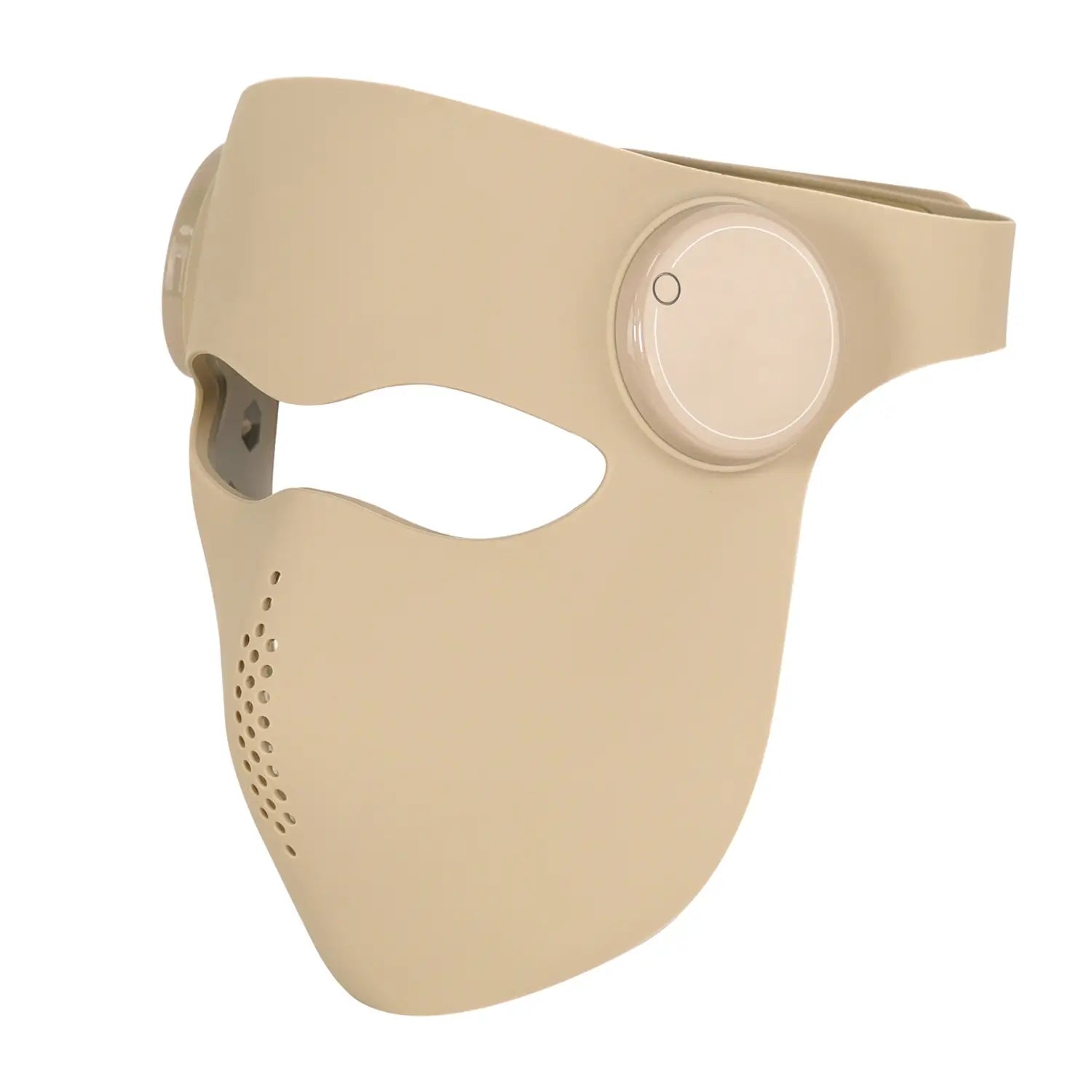
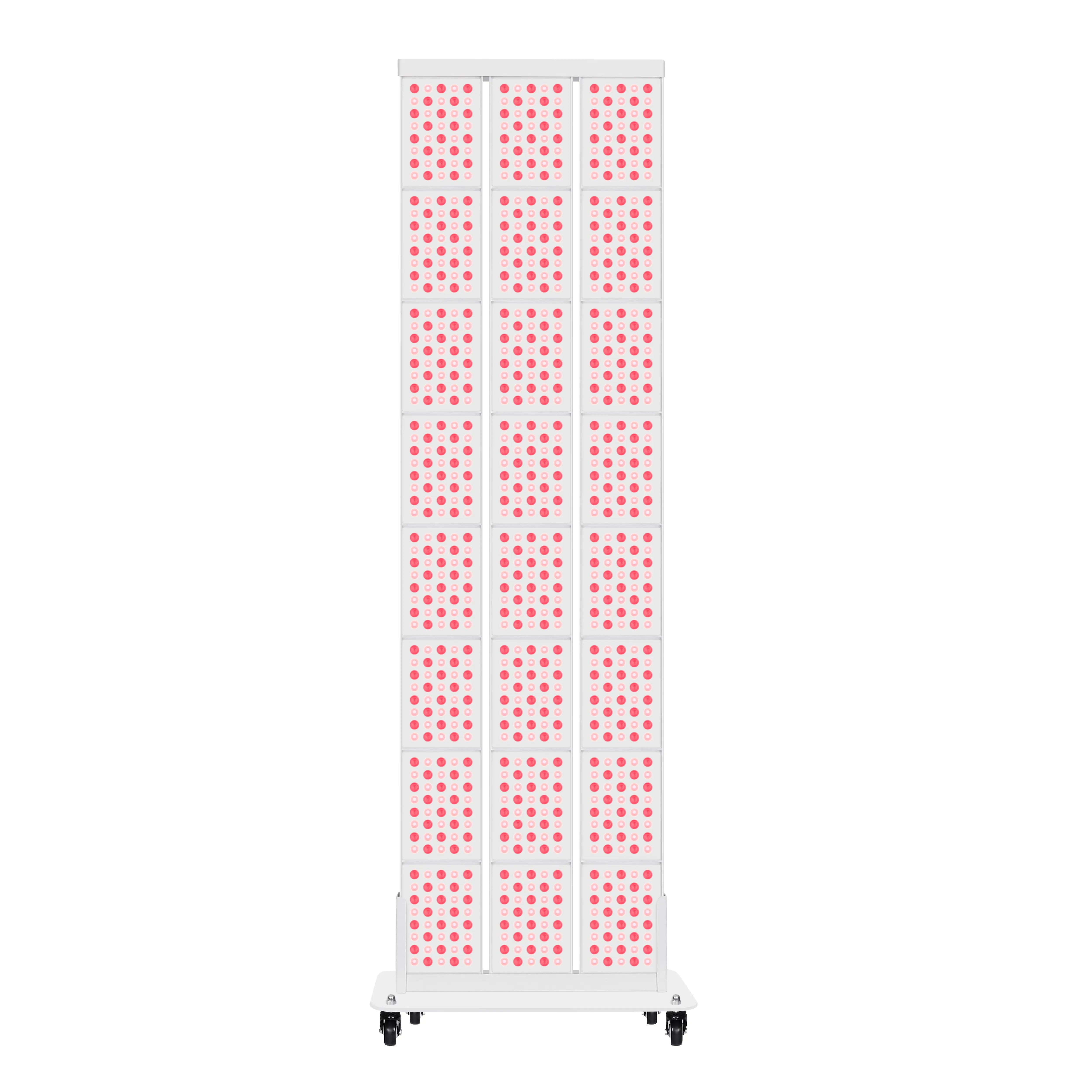
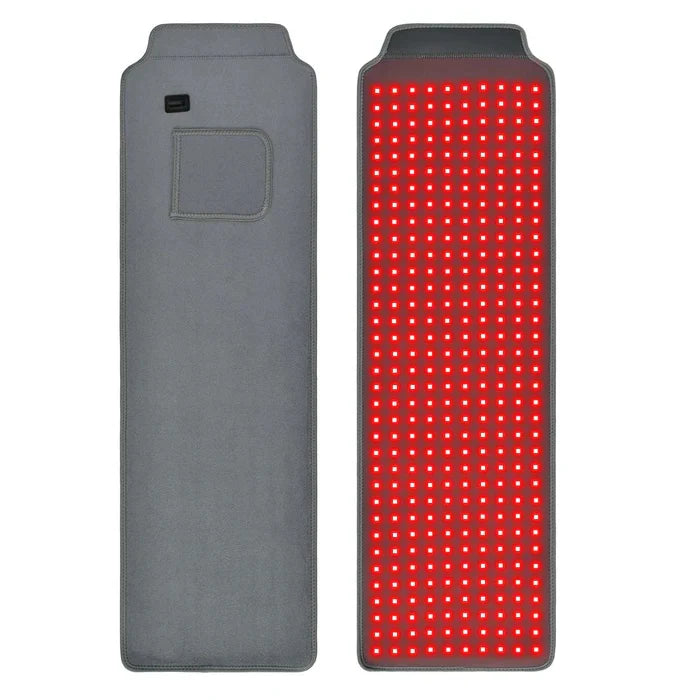
- Use any high‑power red‑light therapy panel earlier in the day—ideally before 5:00 PM—for skin, muscle recovery, or mood; avoid blasting the eyes or face with red light in the last 2 hours before bedtime.
- In the evening, keep light levels low overall; if your teen needs a nightlight, make it very dim and indirect—don’t leave bright red strips or panels glowing across the room all night.
- For serious circadian problems (like delayed sleep–wake phase disorder or depression with major sleep disruption), work with a sleep specialist on a bright morning light + behavioral protocol; that’s where the strongest adolescent data from Stanford, RUSH, and others sit.

Safety, Supervision, and Red Flags
Most dermatology and sports studies, plus reviews from Healthline and university hospitals, describe red light therapy as low risk when used correctly: no UV, minimal heat, and few side effects beyond occasional mild skin irritation.
Still, light is a drug‑like stimulus for the brain. Teens with migraines, bipolar disorder, seizure history, or on photosensitizing medications should only use light therapy under medical supervision. Parents should also watch for signals that evening red light is doing the opposite of what you want—more anxiety, feeling “wired,” or worse sleep—in which case it’s time to stop and go back to darkness.
As a long‑time light‑therapy geek, my rule with teens is simple: let red light support recovery and comfort earlier in the day, but let darkness, not gadgets, own the hour before bed.

References
- https://www.rush.edu/news/researchers-find-ways-help-teens-get-more-sleep
- https://pmc.ncbi.nlm.nih.gov/articles/PMC10484593/
- https://med.stanford.edu/news/all-news/2019/09/teens-sleep-43-more-minutes-per-night-after-combo-of-two-treatme.html
- https://www.sleepfoundation.org/light-therapy
- https://www.frontiersin.org/journals/public-health/articles/10.3389/fpubh.2023.1257093/full