
Summer is when a lot of people rediscover their limits. You stack a long run on hot pavement, yard work under a high UV index, a weekend tournament, maybe a beach day that went a little too long. By Monday, you are wiped: headachy, foggy, skin tight from sun, muscles heavy, sleep off, motivation gone. That whole cluster is what I’ll refer to here as “summer heat illness” – the mix of heat stress, dehydration, overexertion, and light overexposure that leaves your system overloaded.
As someone who has spent years experimenting with red and near‑infrared light devices on my own body and with clients, I do not use light as a replacement for common sense. Cooling, fluids, electrolytes, shade, and medical care are always the first line when heat hits hard. What red light therapy can do, backed by an increasingly solid science base, is help your cells bounce back faster once you are safe and stable.
In this guide, I will walk through how heat beats up your cells, how red and near‑infrared light actually work, what the research really supports in the context of summer and recovery, and how to deploy red light therapy intelligently after heat stress without adding more thermal strain.
Summer Heat Illness Through A Cellular Lens
Wellness blogs often talk about “summer slump.” Bestqool describes it as that warm‑weather phase of low energy, low motivation, and mood dips driven by heat stress, dehydration, longer daylight, and disrupted routines. Hooga Health adds common summer stressors like sunburn, UV‑related skin damage, and muscle soreness from ramped‑up outdoor activity.
Underneath those symptoms are very real cellular issues: your mitochondria are straining, inflammation is up, circulation is challenged, and your skin barrier is stressed by UV. You feel awful because your cells are working overtime.
Here is a simple way to frame what is going on.
Heat‑related challenge |
What is happening in your body |
How red light might support recovery |
Key supporting sources |
Heat stress and dehydration |
Your body works harder to stay cool and you lose more fluid through sweat, which taxes cardiovascular output and cellular energy. |
Photobiomodulation can boost mitochondrial ATP production and improve circulation, giving cells more energy and better blood flow to catch up on repair. |
Bestqool, Elevate Health, Duluth Med Spa, Unbroken Body |
Extra outdoor activity |
Muscles accumulate micro‑tears, metabolic waste, and inflammation from sports, hiking, or long walks in the heat. |
Red and near‑infrared light reduce inflammation, support angiogenesis, and speed muscle repair, reducing delayed‑onset muscle soreness. |
Active Wellness, Physical Achievement Center, Greentoes North, Therabody |
UV damages skin cells, drives oxidative stress, and disrupts collagen, leaving skin hot, red, and tight. |
Red light soothes inflammation, supports collagen and elastin production, and can accelerate after‑sun healing without adding UV. |
Hooga Health, PlatinumLED, Joovv, WebMD |
|
Light and sleep disruption |
Long summer days and late exposure to bright or blue‑weighted light fragment sleep and shift circadian rhythms. |
Red light supports melatonin and circadian rhythms without intense brightness, easing sleep onset and stabilizing mood. |
Hooga Health, Bestqool, PubMed near‑infrared lighting study |
When you think about summer heat illness as a combination of energy deficit, inflammation, circulatory strain, and light‑damaged skin, it becomes obvious why a mitochondria‑targeted, circulation‑friendly, non‑UV light like red or near‑infrared could be a helpful second‑line tool.
The key is understanding what these wavelengths are actually doing.

How Red And Near‑Infrared Light Support Recovery
Red light therapy, also called photobiomodulation or low‑level laser therapy, is not a heat lamp, and it is not a tanning bed. It relies on very specific bands in the light spectrum that interact with your mitochondria and microcirculation without burning tissue.
Multiple sources, including Active Wellness, Duluth Med Spa, Elevate Health, and Unbroken Body Chiropractic, converge on the same picture.
Red light therapy uses visible red wavelengths roughly around 630–670 nanometers and near‑infrared wavelengths around 800–850 nanometers. These wavelengths can penetrate from the surface into skin, connective tissue, and, in the case of near‑infrared, deeper muscles and even some bone.
Inside your cells, these wavelengths are absorbed by chromophores such as cytochrome c oxidase in the mitochondrial respiratory chain. This light exposure nudges the mitochondria to produce more adenosine triphosphate, your basic cellular energy currency. At the same time, it can displace nitric oxide that is blocking the respiratory chain, which frees up oxygen use and improves efficiency. Elevate Health and Duluth Med Spa both emphasize this ATP boost as the central driver of faster regeneration.
Beyond energy, several downstream effects emerge across the literature.
Red and near‑infrared light increase nitric oxide and vasodilation, which means better blood flow and nutrient delivery. Elevate Health highlights improved circulation as a core benefit, while Duluth Med Spa notes enhanced capillary formation that supports oxygen and nutrient delivery along with removal of metabolic waste.
The therapy modulates inflammation by lowering pro‑inflammatory cytokines and promoting anti‑inflammatory pathways. Duluth Med Spa describes this as a balancing effect on the immune response that reduces soreness and swelling. The Elevate Health review, as well as summaries in Unbroken Body’s overview of more than five thousand studies, point to reduced oxidative stress and pain across joint, tendon, and muscle conditions.
Skin receives special benefits. Collagen and elastin production increase under red light, leading to smoother texture and improved elasticity. WebMD and cosmetic‑focused sources note reductions in wrinkles, fine lines, and signs of sun damage, while PlatinumLED and Hooga Health both lean on this skin‑healing angle in their summer messaging.
Finally, at a systems level, NASA’s early work with red and near‑infrared LEDs, summarized by Unbroken Body, showed accelerated wound healing and improved tissue health in demanding environments like space, where light exposure is heavily controlled. That research helped move red light therapy from experimental into mainstream sports medicine, dermatology, and rehab.
In short, red and near‑infrared light deliver a non‑thermal, non‑UV stimulus that gives your energy systems a boost, turns up good circulation, and dampens excessive inflammation. That is a powerful combination when you are trying to recover from a day that left you hot, depleted, and inflamed.
Red, Near‑Infrared, And Infrared Heat: Getting The Spectrum Right
For summer heat illness in particular, you need to understand the difference between red light therapy and deeper infrared heat.
Fuel Health, Therabody, and ROJO Light Therapy all draw clear distinctions.
Modality |
Typical wavelengths |
Main effect in tissue |
Heat load |
Best suited for |
Key cautions in heat illness context |
Red light therapy |
Visible red around 620–670 nm |
Superficial photobiomodulation in skin and shallow tissues; ATP and collagen boost, reduced oxidative stress |
Minimal thermal effect |
Skin recovery, superficial muscle soreness, circadian and mood support |
Generally safe after cooling, but still avoid using in a hot room or direct sun |
Near‑infrared therapy |
Around 800–850 nm in most recovery devices |
Deeper penetration into muscles, joints, and some bone; strong mitochondrial effects and circulation changes |
Mild warmth depending on device |
Deep muscle recovery, joint discomfort, systemic cellular support |
Use in a cool environment after body temp has normalized; monitor overall fatigue |
Infrared sauna and far‑infrared heat |
Longer wavelengths starting around 750 nm and out into far‑infrared used in saunas |
Deep tissue heating, sweating, cardiovascular conditioning, metabolic effects |
Significant heat stress |
Cardiovascular training, chronic pain relief, metabolic conditioning in stable users |
For someone fresh off heat illness, additional sauna heat can be risky; delay until fully recovered and cleared medically |
This distinction matters. For someone who just had a rough spell in ninety‑plus degrees, I do not want extra core heating. I want photobiomodulation without thermal load. That means LED panels, pods, or beds that deliver red and near‑infrared in a climate‑controlled room, not infrared sauna sessions.
ROJO’s sauna‑integrated panels are engineered to tolerate high temperatures in the sauna environment, and they can be a potent recovery stack for healthy, acclimated users. Kintinutelerehab, which works with people who already have impaired temperature control from brain or spinal cord injuries, explicitly warns that combined heat and light protocols require caution, short exposures, careful monitoring of temperature and heart rate, and that they remain adjunctive, not replacements, for core rehab strategies.
If you just pushed your thermoregulation to the edge, it is wise to treat yourself like a high‑risk user and favor cooler red light setups until your system has fully stabilized.
What The Research Says About Red Light, Heat, And Summer Recovery
There are no massive randomized trials where people are deliberately pushed into classic heat stroke and then treated with red light. Ethical studies focus on exercise recovery, skin, mood, and general heat‑season stress rather than emergency situations. That said, there is plenty of data we can intelligently apply to summer heat illness recovery.
Muscle And Whole‑Body Recovery In Hot Months
The physiology of recovery after a hot‑weather workout looks a lot like recovery after a cooler‑weather workout, just with extra layers of heat and dehydration. Red light’s effects on muscles and systemic inflammation carry over.
Active Wellness reports that red and near‑infrared light used around workouts can reduce delayed‑onset muscle soreness and markers of muscle damage, allowing people to train harder with fewer missed sessions. Physical Achievement Center explains the mechanism in detail: light absorbed by mitochondrial enzymes increases ATP, improves calcium handling in muscle cells, and supports efficient contraction and relaxation. They note benefits both before exercise, where muscles are “primed” and fatigue is delayed, and after exercise, where soreness is reduced and recovery is faster.
Duluth Med Spa and Greentoes North add anti‑inflammatory and pain‑relief angles. They describe shifts in cytokine profiles toward a less inflamed state, increased blood flow and capillary growth, and the release of endorphins that ease pain. Therabody emphasizes similar benefits across red and near‑infrared products, noting better time to exhaustion, improved strength output, and less delayed‑onset muscle soreness when light therapy is part of a training routine.
Polltopastern and other rehab‑oriented sources are careful to frame red light as a complement to fundamentals like sleep, protein, hydration, active recovery, and structured loading, not a magic fix. But within that framework, the pattern is clear: muscles that receive targeted red or near‑infrared exposure before and after stress tend to recover strength and comfort a bit faster.
Translate that into a simple real‑world example. Suppose three days each week during the summer you do your hardest sessions: a hot‑weather run, a long bike ride, and a full‑body lift in a not‑so‑cool gym. If you follow those sessions with just fifteen minutes in front of a red and near‑infrared panel focusing on legs and hips, that is forty‑five minutes of targeted, mitochondrial‑supportive input per week directed at the very tissues that took the hit. Over a month, that adds up to roughly three hours of extra cellular support layered on top of cooling, fluids, and nutrition.
On weeks when heat knocks you harder than usual, that extra support can be the difference between needing an unplanned three‑day break and being ready for your next planned session.
Skin, Sunburn, And Photoprevention
Summer heat illness almost always has a skin component: sunburn, UV‑driven tightness, and sometimes longer‑term photoaging.
Hooga Health frames red light as after‑sun care. It does not block UV and it does not replace sunscreen, but by stimulating mitochondrial function and collagen in skin, it seems to shorten the lifespan of redness and irritation after a mild burn and improve hydration and elasticity over time. Many users report less tightness and better moisture retention when they pair red light with good hydration.
PlatinumLED and Joovv both highlight an intriguing line of research: pretreating skin with red light before UV exposure. One human study they cite used 660 nanometer red light and found that skin exposed to red light before UV behaved as if it had roughly SPF‑15‑level protection compared with UV alone. That is not enough to throw away sunscreen and certainly not a guarantee against harm, but it supports the idea of “photoprevention,” where red and near‑infrared wavelengths precondition skin to tolerate UV better.
From a recovery standpoint, PlatinumLED describes sunburn benefits such as reduced pain and inflammation, lower oxidative stress in the damaged tissue, and accelerated healing thanks to boosted collagen, elastin, and cellular repair. The Wellness Center, which uses full‑body pods, echoes this, describing red light as soothing sunburns, calming redness, and speeding skin regeneration after overexposure.
Dermatology‑oriented summaries reviewed by WebMD also show that red light can improve signs of sun damage, smooth wrinkles, and support more even skin tone. One clinical review mentioned by Elevate Health in Seminars in Cutaneous Medicine and Surgery reported skin rejuvenation and wound‑healing benefits, while a Journal of Clinical and Aesthetic Dermatology study found improved skin tone and collagen density with consistent red light use.
Imagine you misjudge a beach day and your shoulders and upper back pay the price. You hydrate, cool the skin, and use aloe or other topical care as usual. Then, for the next five evenings, you add ten minutes of full‑coverage red light to the affected areas in a cool, indoor room. That is under an hour of total light exposure over almost a week, but for many people it is enough to notice reduced tightness, faster resolution of redness, and less peeling or itch compared with similar burns without light support.
Again, this is about stacking smart tools, not ditching sunscreen or common sense.
Summer Fatigue, Sleep, And Mood
Summer heat illness is not just a skin and muscle problem. It is also a nervous system and sleep problem.
Hooga Health points out that longer summer days and irregular bedtimes can disrupt circadian rhythms and melatonin, leading to fragmented sleep. Bestqool’s description of summer slump includes persistent fatigue despite adequate hours in bed, irritability, trouble concentrating, and a sense of emotional flatness. More time indoors with air conditioning can paradoxically reduce healthy light exposure during the day, further confusing your internal clock.
Red and near‑infrared light offer two key advantages here. First, they are not intensely bright like white light boxes, so they can influence cells and possibly circadian‑related pathways without blasting your eyes at very high lux levels. Second, evening red light seems to support melatonin production rather than suppress it. Hooga recommends evening use to help wind down after long days, while Bestqool notes mood benefits and emphasizes timing sessions in the morning or early evening, avoiding the last couple of hours before bed for those who find light energizing.
On the pure research side, a controlled study published on PubMed Central looked at indoor near‑infrared lighting at 850 nanometers in people with mild sleep‑related complaints. Over several weeks, the highest dose group in winter had better well‑being, improved mood, and less daytime drowsiness compared with placebo lighting. Interestingly, these benefits did not appear in summer groups, likely because overall light exposure and vitamin D levels were already higher. The study reinforces two points: near‑infrared light can shift how people feel and function, and the background light environment matters.
Unbroken Body’s narrative about NASA’s LED work ties in here as well. Astronauts in low‑light environments saw improvements in wound healing and overall tissue health when exposed to red and near‑infrared LEDs, suggesting that appropriate light can mitigate some of the stress of a suboptimal environment.
From a practical standpoint, the Bestqool summer slump guide suggests a very doable schedule: start with ten minutes of red and near‑infrared three times per week for the first two weeks, then increase to fifteen or twenty minutes as tolerated. They encourage users to track daily energy on a simple one‑to‑ten scale and note that many people start feeling a shift around the third week of consistent sessions.
Think of it this way. If you commit to three fifteen‑minute morning sessions each week for a month, that is one hundred eighty minutes total, about the length of a long summer movie. Spread over thirty days, that relatively small investment can give your mitochondria and nervous system enough nudging to noticeably reduce that “cooked and flat” feeling that often follows repeated hot days.

Practical Playbook: Using Red Light After Summer Heat Illness
The science is compelling, but the way you deploy red light matters at least as much as the fact that you own a device. This is where the “geek” mindset comes in: sequence, dosing, timing, and environment.
Phase One – Stabilize Before You Shine Any Light
If someone is actively showing serious heat illness signs like confusion, fainting, or inability to keep fluids down, red light is irrelevant in that moment. Cooling, shade, fluids when safe, and medical evaluation come first, full stop.
Rehab‑oriented sources like Kintinutelerehab and Polltopastern stress this principle in a broader context. They repeatedly frame red light, along with heat and cold exposure, as adjuncts to, not replacements for, the basics: medical care when needed, appropriate rest, hydration, nutrition, and structured movement.
Only once body temperature has returned to normal, sweating has calmed, and the person is no longer in distress does it make sense to think about light as a recovery amplifier.
Phase Two – Early Recovery Protocol In The First Couple Of Days
Once someone is out of immediate danger but still feeling wiped, sore, and perhaps sunburned, gentle red light exposure can be layered in.
Several sources converge on similar session parameters. Hooga Health, Polltopastern, and red‑light‑focused recovery programs generally suggest session durations of about ten to twenty minutes per treatment area. Kintinutelerehab recommends ten to twenty minutes three to five times per week for people using red and near‑infrared for healing and neurological support. Bestqool’s summer fatigue guide starts with ten minutes three times per week and increases as tolerated.
For early heat‑illness recovery, I lean toward the lower end of those ranges. A typical pattern might look like this for a well‑hydrated adult in a cool, indoor room: a ten‑minute full‑body session or two ten‑minute focused sessions on legs and back, on one day, followed by at least a day of observation. If the person feels as good or better the next day, another short session can be added. If they feel more drained, back off and give more time.
Crucially, the environment should be cool and calm. This is not the time for combined sauna heat and red light. ROJO’s sauna panels and PlatinumLED’s summer protocols are powerful tools, but they assume you are starting from a stable baseline. Right after a heat incident, room‑temperature LED panels or pods are the better choice.
Phase Three – Building Heat Resilience For The Rest Of Summer
After that initial forty‑eight to seventy‑two hours, the goal shifts from “avoid crashing again” to “build a buffer so heat is less likely to knock you out next time.”
Hooga, Bestqool, PlatinumLED, and The Wellness Center all emphasize consistency over heroics. From an energy systems standpoint, short, repeatable doses of red and near‑infrared light are like micro‑workouts for your mitochondria and microcirculation.
A sustainable plan many people thrive on in hot months looks roughly like this: three red light sessions per week on non‑consecutive days, fifteen to twenty minutes each, in a cool room. Morning sessions between about seven and nine work well for energy and circadian alignment; early evening sessions can be valuable for recovery if they are not too close to bedtime for those who find light energizing.
Over four weeks, that schedule yields nine to twelve sessions totaling roughly three to four hours of targeted cellular support, spread out enough to avoid overstimulation. Within that framework, you can shift focus depending on how heat affects you: more lower‑body exposure if long hot walks are your nemesis, more upper‑back and shoulders if your summer downfall is carrying kids and gear on a sunny beach.
To keep the bigger picture straight, it helps to think in terms of goals, light strategy, and foundational support.
Goal |
Red light approach |
Foundational support to pair with it |
Recover from a recent heat‑heavy training block |
Short post‑session red plus near‑infrared exposures to the main working muscles and joints three times weekly |
Adequate hydration, electrolytes on hot days, protein for repair, sleep in the seven‑to‑nine‑hour range |
Heal mild sunburn and support skin barrier |
Evening red light sessions focused on affected skin for ten to fifteen minutes several days in a row |
Topical after‑sun care, avoidance of further UV on healing skin, internal hydration |
Reduce summer slump and brain fog |
Morning red or near‑infrared sessions to support energy and circadian stability three to five days per week |
Regular sleep and wake times, daytime natural light exposure, reduced late‑night screen time |
This is how you use light like a seasoned optimizer: not randomly, but in alignment with the specific ways summer heat tends to derail you.
Device Choices And Environment For Heat‑Season Recovery
Not all red light setups are equally appropriate after heat illness.
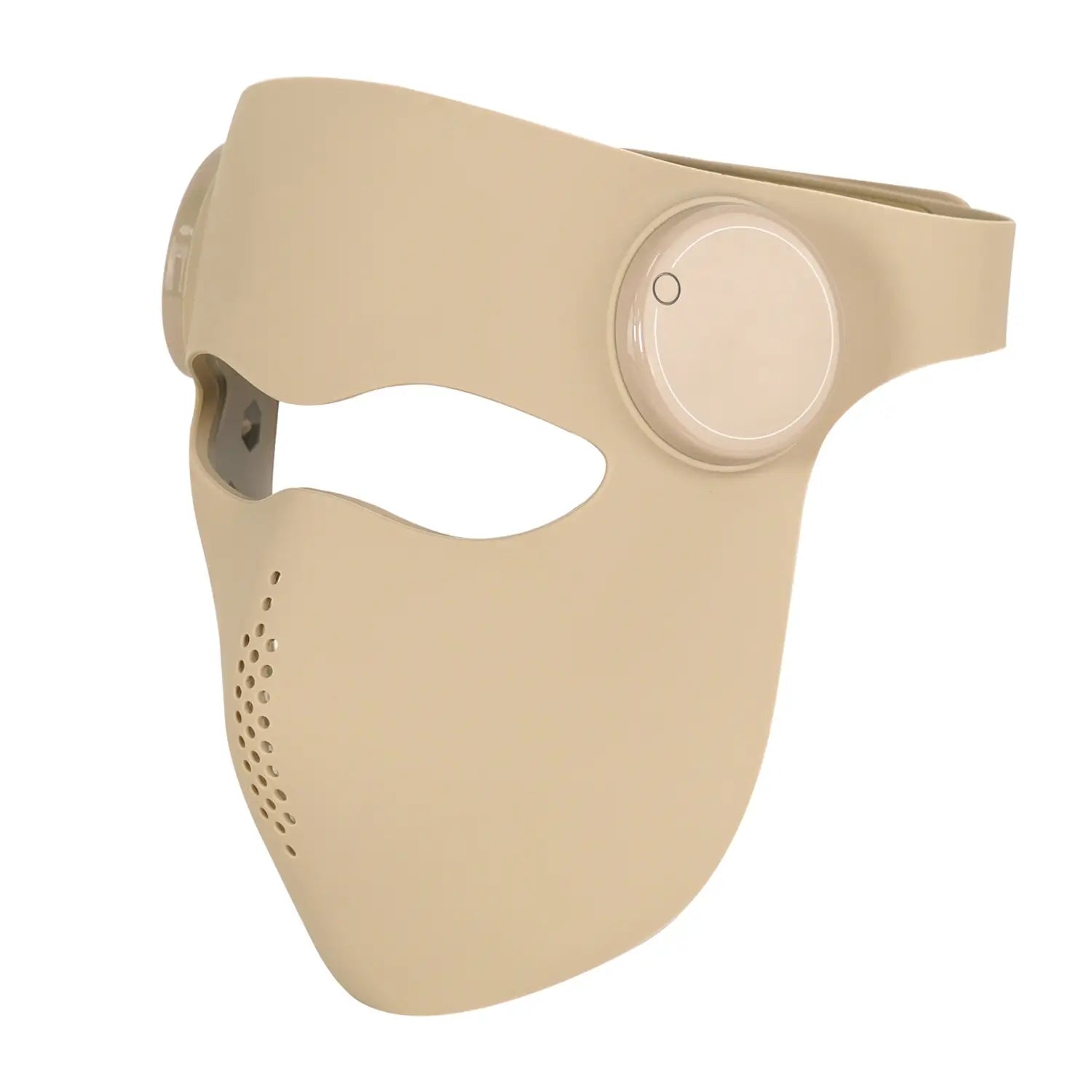
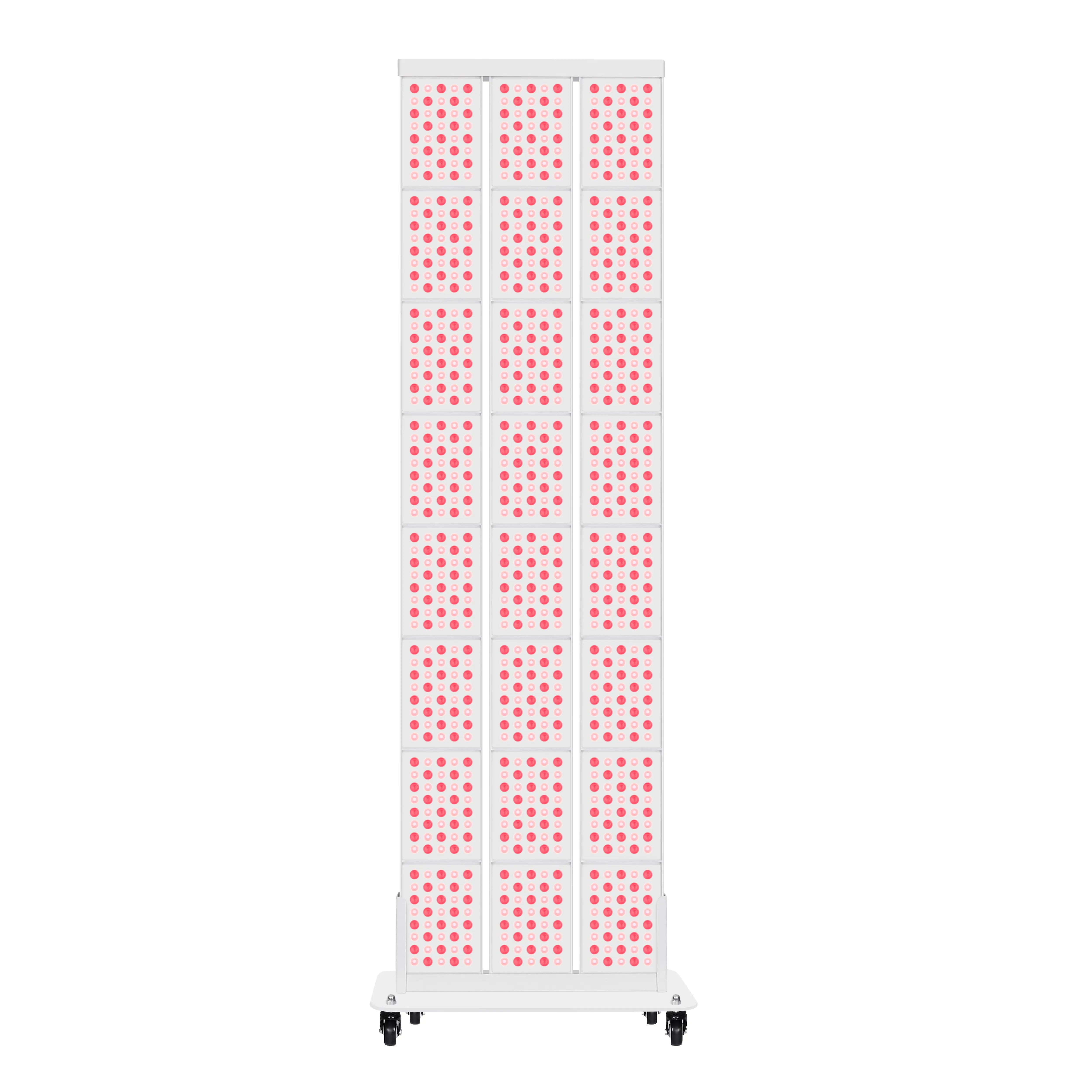
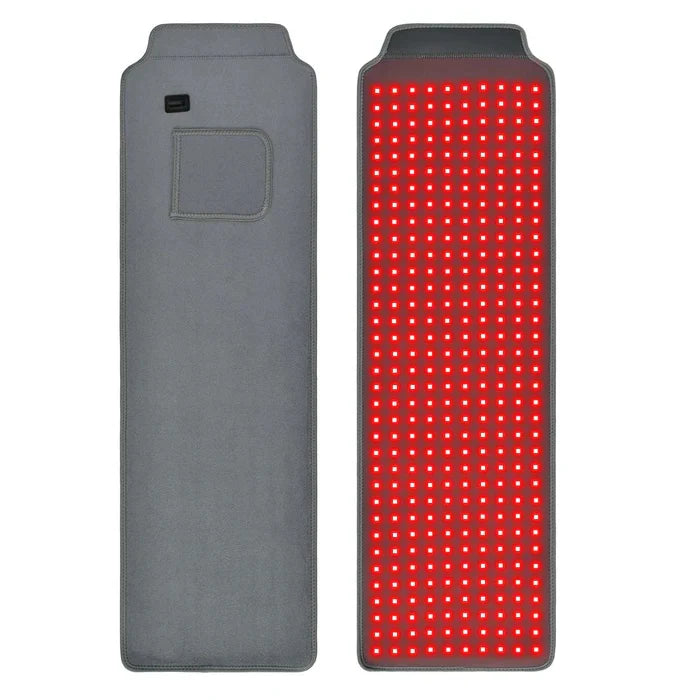
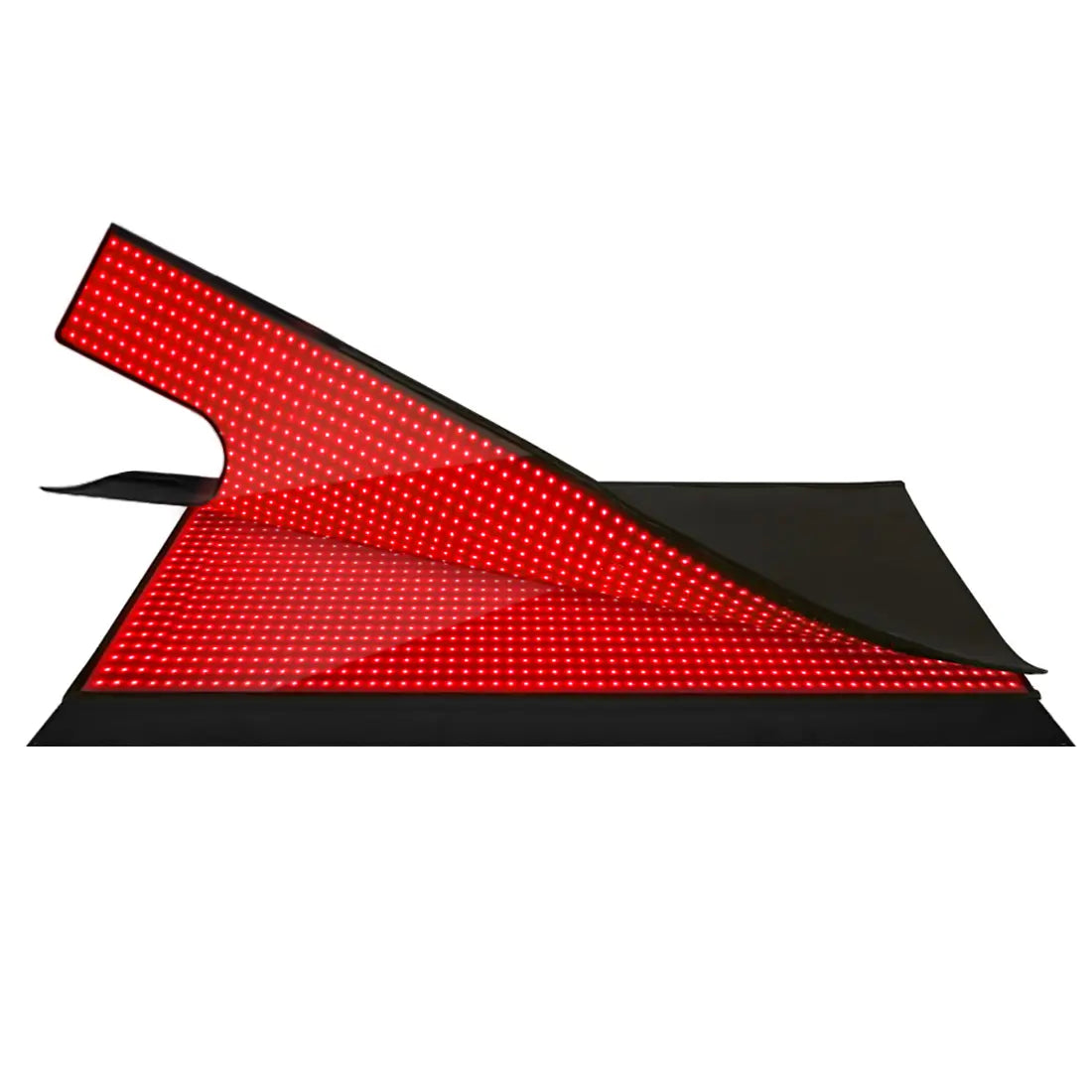
WebMD describes common categories: handheld wands, facial masks, wall or stand‑mounted panels, full‑body beds or pods, and clinical lasers. Active Wellness and PlatinumLED focus heavily on full‑body panels and beds, while The Wellness Center uses medical‑grade pods with multi‑wavelength output.
For recovering from summer heat stress, a few practical guidelines rise to the top from clinical and wellness sources.
Panels that combine red wavelengths around 630–670 nanometers with near‑infrared around 800–850 nanometers are the workhorses in most of the athletic and rehab literature. Physical Achievement Center, Duluth Med Spa, Greentoes North, and Polltopastern all use this sort of combination, because red covers skin and superficial tissues while near‑infrared reaches deeper muscles and joints.
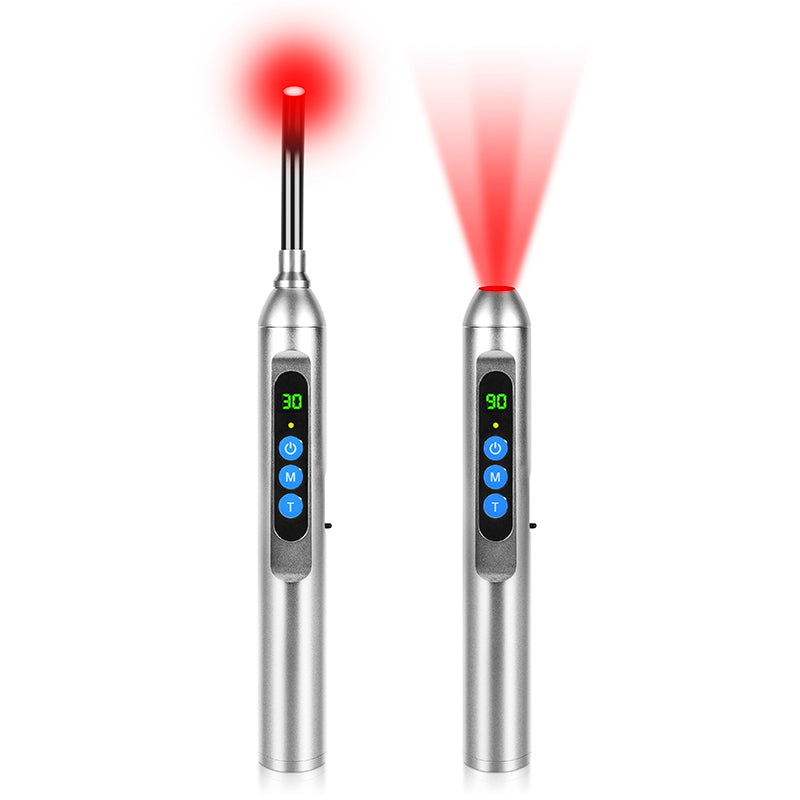
Handheld or facial devices are useful for spot treatment, especially if your biggest issue is localized sun damage on the face or small joints, but they are less efficient for whole‑body heat‑recovery applications.
Full‑body beds and pods, like those highlighted by Active Wellness and The Wellness Center, give you head‑to‑toe coverage in about fifteen to twenty minutes. They are excellent for systemic applications and for people who want a “step in, press start” experience. For someone recovering from heat illness, the key is that these pods operate in a temperature‑controlled room and do not combine intense thermal heat with light.
Infrared saunas with added red light panels, such as those discussed by ROJO, are powerful tools for cardiovascular health, chronic pain, and metabolism, but they intentionally mimic moderate exercise by raising heart rate and core temperature. That is what you want once you are recovered and trying to build resilience, not what you want in the immediate aftermath of heat stress.
When it comes to quality and safety, Fuel Health, WebMD, and Therabody all recommend looking for clear wavelength specifications, appropriate power density, and ideally some form of regulatory clearance, such as FDA registration for basic indications like pain relief and improved circulation. They also emphasize eye protection and careful adherence to manufacturer dosing instructions.
The last environmental note is simple but critical: do not stack stressors. If you spent hours outside in peak sun and heat, your recovery environment should be cool, shaded, and quiet. Red light therapy belongs in that environment, not outside in direct sun or in an already overheated room.

Risks, Limitations, And How To Use Red Light Responsibly In The Heat
Even as a light therapy enthusiast, I am clear about the edges of the evidence.
WebMD’s review of red light therapy makes a few important points. Evidence is promising but not definitive for many indications because studies are often small or short term. Red light appears generally safe and non‑invasive when used properly, with minimal side effects in most people, and it does not involve UV, so it does not carry the same DNA‑damage risk as tanning or sunbeds. Many trials report benefits in pain, skin, and hair growth, but strong claims about weight loss or body contouring are not well supported beyond temporary circumference changes.
At very high intensities or durations, there is potential for skin redness, blistering, or irritation. Eye damage is possible without proper protection, particularly when using strong panels or lasers close to the face. People on medications that increase photosensitivity, and those with a history of skin cancer or serious eye disease, are advised to work with a clinician rather than experimenting alone.
Kintinutelerehab adds another nuance: more is not always better. They note that red light follows a biphasic dose‑response, where too little has no effect and too much can actually be counterproductive, increasing perceived need for recovery in some scenarios. They also flag potential interactions with certain medications such as antibiotics or retinoids that make tissues more sensitive to light.
The near‑infrared indoor lighting study published on PubMed Central reinforces this dose and context sensitivity. While the highest dose in winter improved mood and daytime drowsiness, the same dose in summer did not confer benefits and was linked to a greater perceived need for recovery in some analyses, especially when body mass index was considered. Translation: more light in an already well‑lit, summer context does not automatically mean better, and could even tip someone into feeling more drained.
All of this points to a balanced view for summer heat illness.
On the plus side, red and near‑infrared light offer a rare combination of non‑thermal, non‑UV input that can boost cellular energy, improve circulation, reduce excess inflammation, and support skin recovery. Clinical reviews in journals focused on dermatology and pain, NASA‑inspired work summarized by Unbroken Body, and endorsements from guideline‑setting groups like WALT and MASCC/ISOO for oral mucositis all reinforce that photobiomodulation is not just a fad.
On the downside, light therapy is not a substitute for cooling, fluids, electrolytes, shade, or medical care in true heat emergencies. Evidence for its direct role in classic heat illness is extrapolated from adjacent domains such as exercise recovery, skin, and mood. Overuse, particularly in already bright summer contexts, can backfire. And device quality and protocols still vary widely.
Used with respect for those limits, red light can be one of the most elegant tools in your heat‑season recovery kit.

FAQ: Red Light Therapy And Summer Heat Illness
Can red light therapy replace cooling and fluids if someone overheats?
No. Every serious source on red light therapy, from rehab clinics like Kintinutelerehab to recovery guides like Polltopastern and WebMD, treats photobiomodulation as a supportive modality. If someone is acutely overheated, confused, faint, or unable to keep fluids down, they need immediate cooling, hydration when safe, and medical evaluation. Red light only enters the picture once vital signs are stable and core temperature has returned to normal, as a way to accelerate cellular repair and reduce lingering soreness or fatigue.
Is it safe to use red light if I still feel hot from being outdoors?
It is better to wait until you feel physically cooled down. Even though red and near‑infrared devices used for therapy are designed to minimize heat, any light exposure adds a small energy load to tissues. Based on the cautions from Kintinutelerehab for people with impaired thermoregulation and the clear separation that ROJO makes between sauna heat and non‑thermal light, a conservative rule is to normalize body temperature first, rehydrate, and then use red light only in a cool indoor environment. If you feel flushed or lightheaded, skip the session and focus on cooling and rest.
How often can I use red light in summer without overdoing it?
Most practical guides that specifically address summer use, including Hooga Health, Bestqool, Kintinutelerehab, Polltopastern, and PlatinumLED, cluster around short sessions in the ten‑to‑twenty‑minute range, several times per week. A common pattern is three to five sessions weekly for general recovery, with some users doing brief daily exposures in full‑body pods. The near‑infrared winter study on indoor lighting and mood also reminds us that more is not automatically better, especially in summer. A good starting point after heat illness is toward the lower end of those ranges, with careful attention to how you feel the next day. If your sleep, energy, and mood trend in the right direction over two to three weeks, you are probably in a good zone.
Stepping back into my “light therapy geek” role, here is the philosophy I keep returning to: let nature set the big rhythms, use basics like cooling, water, food, and sleep as your foundation, and then use red and near‑infrared light as a precise, science‑backed tool to help your cells catch up when summer runs hotter than your recovery. When you respect both the power and the limits of this technology, it becomes less of a gadget and more of a strategic ally in staying active, resilient, and clear‑headed all season long.
References
- https://pmc.ncbi.nlm.nih.gov/articles/PMC9855677/
- https://www.physio-pedia.com/Red_Light_Therapy_and_Muscle_Recovery
- https://activewellness.com/red-light-therapy-the-science-backed-secret-to-better-recovery-energy-and-longevity/
- https://www.rojolighttherapy.com.au/top-7-reasons-to-add-red-light-therapy-panels-to-your-sauna/?srsltid=AfmBOopXn47NpiRaP3-pKs_zK1xZ1CAu7eHcKgM8NX4or23hn7UVmg8b
- https://duluthmedspa.com/athletic-performance-and-recovery-using-red-light-therapy-for-muscle-repair/
- https://fuelhealthwellness.com/red-light-vs-infrared-therapy-guide/
- https://www.greentoestucson.com/red-light-therapy-weightlifting-recover-faster/
- https://physicalachievementcenter.com/oshkosh-red-light-therapy-athletic-recovery/
- https://www.polltopastern.com/post/exercise-recovery-with-red-light-therapy?srsltid=AfmBOor0VmlmFb10W-cWuTD1q634U9nkjP71FwLxLOW7dP7ibd5PyNKd
- https://premiervitalitymd.com/top-benefits-for-red-light-therapy-in-the-summer/