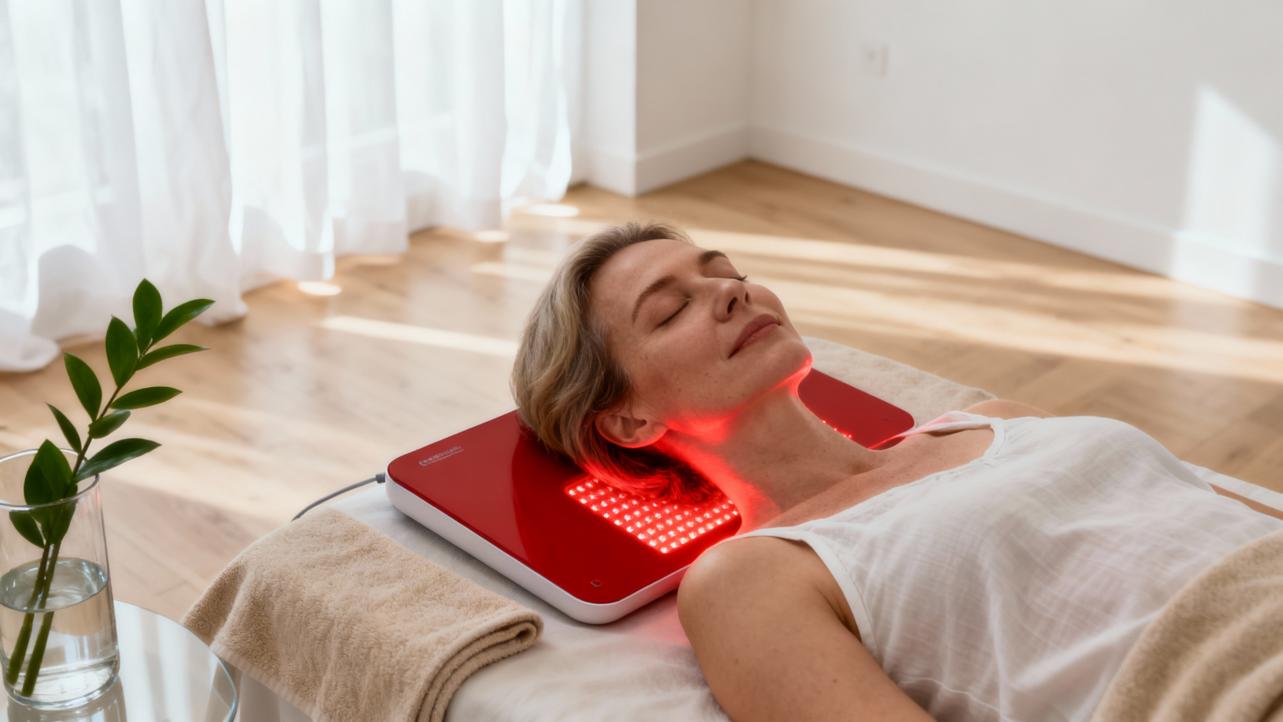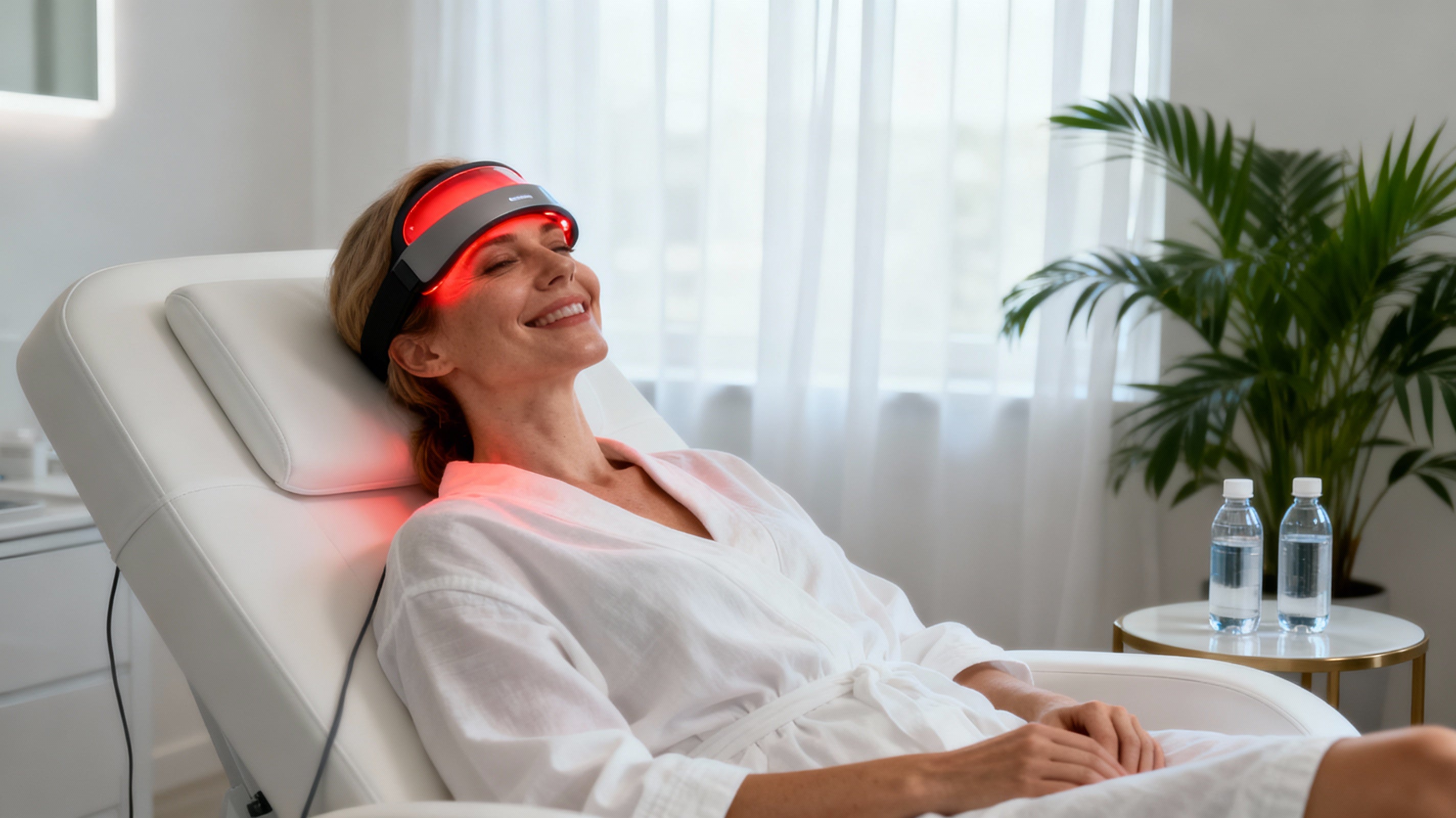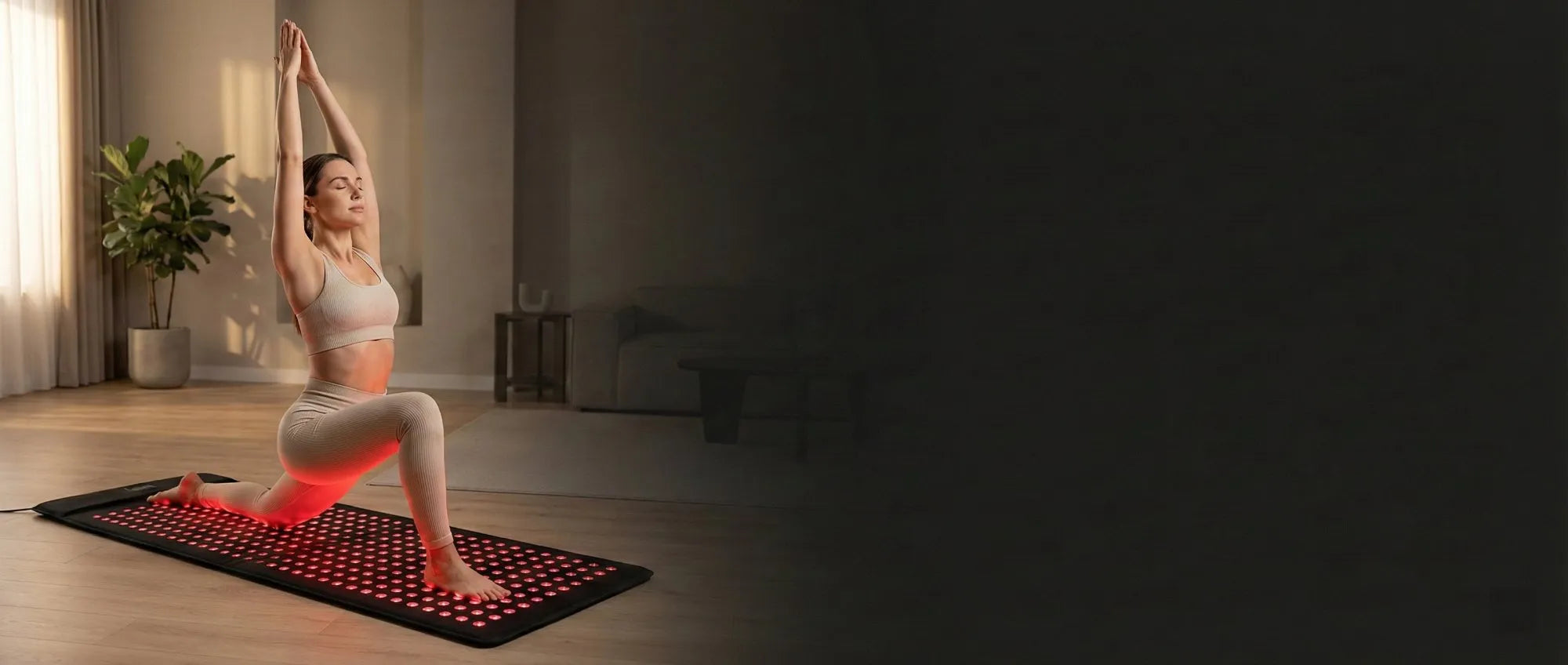
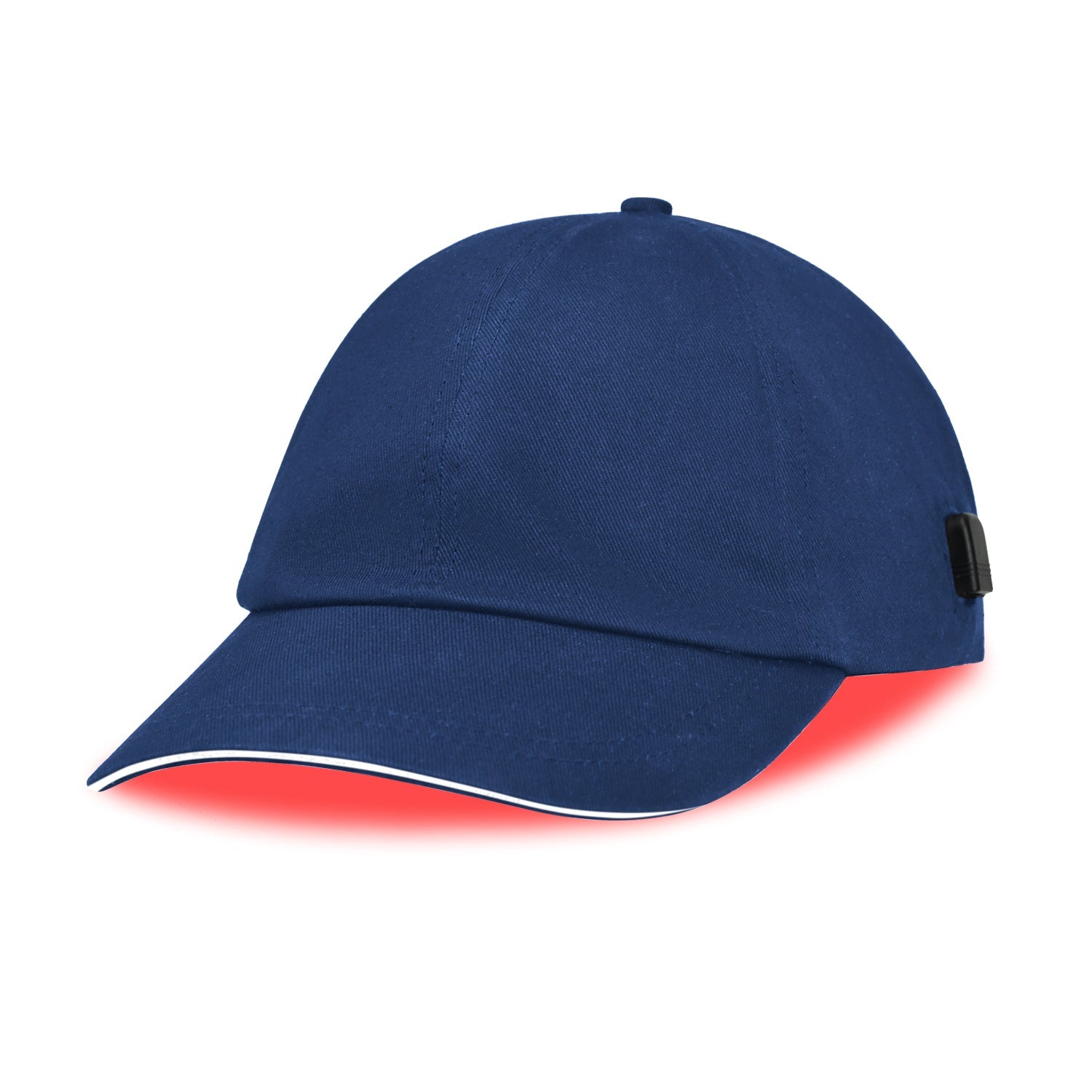
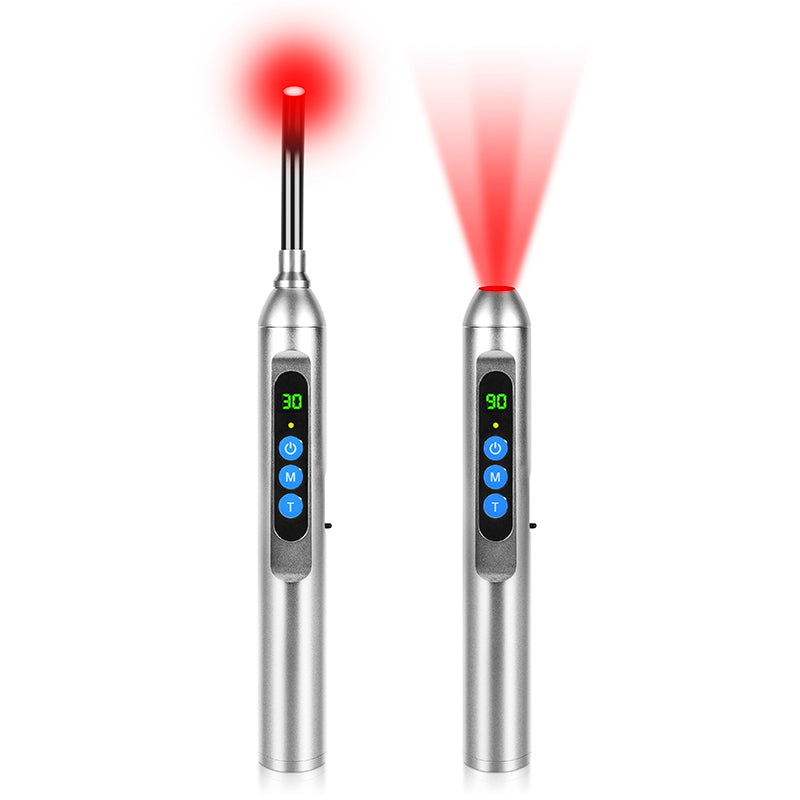

If you train hard enough to actually need recovery, you have probably seen red light panels in locker rooms, physical therapy clinics, or wellness centers. As someone who has spent years testing light therapy on my own body and watching how athletes respond, I can tell you this: red light therapy is not magic, but it absolutely can tilt the recovery game in your favor when you use it intelligently and realistically.
The key question is not “Is red light therapy cool?” The question is “Does it measurably shorten recovery time and get athletes back to full performance faster?” Let’s walk through what the science actually shows, how it works at the cellular level, and what a smart, evidence-aligned protocol looks like in real life.
What Red Light Therapy Actually Is
Red light therapy, often called photobiomodulation or low-level laser/light therapy, uses specific wavelengths of red and near‑infrared light to nudge biology rather than burn or heat tissue. Most athletic and rehab devices emit visible red light around 630–660 nanometers and invisible near‑infrared light around 810–850 nanometers.
Unlike tanning beds, there is no ultraviolet here. The devices use LEDs or low-power lasers to bathe skin and underlying tissue in low-intensity light. You feel gentle warmth at most. The goal is to stimulate cellular repair, reduce inflammation, and improve microcirculation without cutting, injecting, or sedating anything.
Sports medicine clinics and wellness centers now use these systems for:
- Muscle recovery after training or competition
- Pain related to tendinopathy, joint irritation, and overuse
- Soft-tissue injury rehab (sprains, strains, contusions)
- General “performance optimization” and sleep support
Dermatology, pain clinics, and even major health systems and consumer health platforms describe red light therapy as a noninvasive adjunct for pain, joint function, skin health, and hair thinning. Stanford-affiliated dermatologists, for example, see the strongest evidence so far in skin and hair, while acknowledging that broader systemic claims remain under investigation.
For athletes, the selling point is simple: more energy in your muscle cells, less inflammation and soreness, and faster readiness for the next hard session.

How Red Light Therapy Works At The Cellular Level
If you strip away marketing language, the core mechanism is beautifully simple and surprisingly well studied.
Inside your cells, mitochondria run an electron transport chain to make ATP, the energy currency your muscles burn when you sprint, lift, or jump. The last enzyme in that chain is cytochrome c oxidase. Several mechanistic papers and reviews describe it as the primary “light sensor” for red and near‑infrared therapy.
Nitric oxide can bind to cytochrome c oxidase and partially block its function. When specific red or near‑infrared photons hit this enzyme, they can dislodge nitric oxide from its binding site, freeing oxygen to bind again. This process, called photodissociation, lets the electron transport chain run more efficiently.
In plain English, red and near‑infrared light can:
- Increase ATP production in skeletal muscle and other tissues
- Improve oxygen utilization at the mitochondrial level
- Modulate nitric oxide and promote vasodilation, increasing blood flow
- Shift inflammatory signaling away from a prolonged, destructive response toward a more resolving, pro‑healing profile
- Boost antioxidant defenses and reduce oxidative stress after intense exercise
Animal and human studies reviewed in a photobiomodulation paper on muscle tissue report increased energy metabolism, better muscle repair, and changes in gene expression related to inflammation and stress responses. A sports physical therapy article notes that mitochondrial ATP production can rise significantly, even up to roughly double baseline in some experimental setups, though the exact boost in real‑world athletes will vary.
When you are deep into a training block, these are exactly the levers you want to pull: more clean energy inside muscle fibers, better clearance of metabolic waste products, and an inflammatory response that repairs rather than lingers.
Red Versus Near‑Infrared: Depth Matters
Multiple sources converge on the same principle: wavelength matters for depth.
Red light around 630–660 nanometers is absorbed mostly in the skin and superficial tissues. It shines for superficial muscle soreness, skin-level injuries, scar remodeling, and collagen-related changes. Near‑infrared around 810–850 nanometers penetrates deeper into muscle, fascia, tendons, ligaments, and even bone, which makes it the workhorse for deep-tissue recovery and performance.
Many athletic devices intentionally blend both ranges. This combination lets you cover superficial recovery concerns (skin, small superficial muscles) while also reaching deeper structures that power sprinting, squatting, or change of direction.
If you are an athlete focused on recovery time, you will want at least some near‑infrared in the mix.
Evidence: Can Red Light Therapy Shorten Return‑To‑Play Time?
A lot of marketing spins red light therapy as a miracle. The research is more nuanced: promising in key areas, mixed in others, and still evolving. Let’s start with the most relevant metric for competitors: how fast you can safely get back to full play after an injury.
A Pilot Study On Injured University Athletes
One of the most striking pieces of data comes from a pilot study at a United States university sports medicine department, published in the journal Laser Therapy. Over roughly a year and a half, staff used an 830‑nanometer near‑infrared LED system to treat acute sports injuries in varsity athletes.
A detailed analysis looked at 65 athletes with common injuries like hamstring strains, lateral or medial knee sprains, ankle sprains, hip pointers, and costochondral sprains. They received around four sessions on average, with each session delivering a 20‑minute dose at a short distance from the skin.
The key outcome was return‑to‑play time compared with historically expected times for similar injuries treated with conventional methods. The study reported:
- Mean return‑to‑play of about 9.6 days with red light therapy
- Historically expected mean return‑to‑play of about 19.2 days for those same injury types
- Roughly a 50% reduction in time to return, with statistically significant difference
- Substantial pain reduction in all athletes, with self‑reported pain dropping to zero after a handful of sessions
- No reported adverse events, just mild pleasant warmth during treatments
These results match the figures reported in a commercial summary that described red LED phototherapy cutting university athletes’ return‑to‑play time from an anticipated 19.23 days down to a mean of 9.6 days with no adverse events.
However, as a seasoned skeptic, I need to underline the limitations. This was not a randomized, sham‑controlled trial. It compared treatment outcomes to historically anticipated recovery times, which can introduce bias. The cohort was modest in size, and the protocol was tailored to a single sports medicine environment with a specific device.
So I read this study as a very strong signal that red light therapy can compress recovery windows for acute soft‑tissue injuries, not as definitive proof that you should throw out every other rehab modality.
Muscle Performance And Soreness After Hard Training
Red light therapy is not only about acute injury; a large body of work reviews how photobiomodulation affects muscle performance and delayed onset muscle soreness (DOMS) after intense training.
A review of trials on human muscle tissue collected forty‑six studies involving more than one thousand participants, many of them randomized and placebo‑controlled. These trials used red or near‑infrared light either before exercise (pre‑conditioning) or after exercise to support recovery.
Across this body of research, several patterns emerge:
- Pre‑conditioning with red or near‑infrared light often increases the number of repetitions to fatigue, time to exhaustion, or total work performed in a session.
- Many studies report smaller rises in blood markers of muscle damage, such as creatine kinase, as well as lower inflammatory markers after exercise when light therapy is used.
- Some protocols show reduced DOMS and better preservation of strength and range of motion for up to four days after eccentric or high‑load exercise.
- A sports physical therapy review notes that in some experiments, participants saw up to about fifty percent reductions in DOMS when protocols were dialed in.
On the performance side, one clinical trial using near‑infrared laser with strength training showed significantly greater strength gains versus a control group. Another endurance‑training study found that when treadmill work was paired with photobiomodulation, endurance gains occurred roughly three times faster than in controls. A separate trial where light was applied during rest intervals between sets saw increased fatigue resistance in a max‑repetition test.
Timing matters here. A strength‑training study reported that applying light therapy before lifting sessions produced the best strength improvements. The endurance protocol that tripled adaptation speed used light before and after training sessions.
This is exciting, but not every study finds benefit. Some well‑designed trials with similar wavelengths and power levels have reported no meaningful changes in DOMS, lactate, or performance compared with placebo. A systematic review focused on DOMS concluded that evidence for clinically meaningful soreness reduction is still limited and inconsistent. The review’s message was clear: results depend heavily on wavelength, dose, and application parameters, and more rigorous, standardized work is needed.
From a veteran‑optimizer perspective, I translate this as: if you get the dose and timing wrong, you can easily end up with an expensive red night‑light and no performance advantage.
Red Light Therapy Versus Ice For Post‑Exercise Recovery
Icing has been the automatic reflex in sports for decades. Recent data comparing cryotherapy directly with red light therapy for post‑exercise recovery is surprisingly critical of ice.
A review that examined three clinical trials and two animal studies looked specifically at recovery after exercise with cryotherapy versus red light therapy. Across all five studies, red light therapy outperformed ice for reducing DOMS and muscle inflammation. Biomarkers of muscle damage, such as creatine kinase, dropped with red light therapy but not with cryotherapy.
The mechanistic logic matches what many rehab professionals now suspect. Red light therapy supports tissue repair by improving mitochondrial function, promoting vasodilation, and modulating oxidative stress and inflammatory signals. Cryotherapy primarily constricts blood vessels and slows metabolic activity. That can blunt pain and swelling in the short term but may also delay the delivery of immune cells and nutrients needed for full repair.
A second article from a sports‑medicine supplier argues that red light therapy should often be viewed as a modern replacement for ice. It concludes that while ice excels for acute pain and swelling control, red light therapy enhances long‑term tissue healing and quality of recovery. It also highlights a kind of “Goldilocks zone” for dosing red light, where both too little and too much are less effective.
Again, this does not mean there is never a role for ice, especially in acute trauma and emergency settings. It does mean that if your primary goal is faster, higher‑quality recovery, the evidence tilts toward using red light as your default and reserving ice for specific situations.
Chronic Pain, Tendons, And Overuse Problems
For overuse injuries and chronic pain, the evidence base is broader but still modest.
Reviews summarized by large consumer medical platforms and academic hospitals report that red light therapy:
- Reduces pain and improves function in several tendinopathies
- Provides short‑term relief of pain and morning stiffness in rheumatoid arthritis
- Helps some patients with non‑specific knee pain, fibromyalgia, neck pain, and low back pain
An orthopedic sports medicine physician at a major US hospital describes red light therapy as showing early promise for tendinopathies and other more superficial, inflammatory musculoskeletal issues, while being much less likely to fix deep mechanical problems.
Crucially, experts are consistent on one point: red light therapy does not reverse advanced osteoarthritis, repair torn ligaments, or correct structural defects. It is best used as an adjunct to manage inflammation, support healing, and reduce pain, not as a replacement for mechanical repair when that is truly needed.
Systemic Claims: Immunity, Energy, And Sleep
Some wellness clinics and blogs go further, suggesting red light therapy boosts immunity and systemic energy in a dramatic way. One full‑body red light clinic claims that in people with chronic disease, whole‑body red light therapy has “proven” to increase ATP production and boost immunity by up to sixteen times. The article does not cite specific peer‑reviewed trials backing that exact figure, so from an evidence‑first standpoint, I treat that particular number as a bold claim, not an established fact.
That said, there are interesting data points on systemic outcomes.
A study on female basketball players found that evening red light therapy improved subjective sleep quality and increased nighttime melatonin secretion compared with placebo. Another trial on red light exposure during or just after waking demonstrated reduced sleep inertia and better alertness and performance soon after getting out of bed. These suggest that carefully timed red light can nudge circadian biology in ways that matter for recovery quality.
On the other side, a Stanford Medicine commentary emphasizes that many claims about red light therapy for athletic performance, sleep, cognitive function, and systemic health remain under‑powered or inconsistent. Experts there argue that while photobiomodulation has legitimate applications, especially in skin and hair, it is nowhere close to a proven cure‑all for broad health conditions.
That is the tightrope you want to walk as a serious athlete: you acknowledge the very real cellular and performance‑related effects while maintaining healthy skepticism toward grand, sweeping promises.

How To Use Red Light Therapy To Support Faster Recovery
When I evaluate a recovery tool for athletes, I look at three things: the mechanism, the dosing window, and how easily it integrates into a real training schedule. Red light therapy clears the first bar impressively. The second and third are where things get interesting.
Timing Around Workouts
The studies and clinical reports align around two critical windows: before intense work and shortly after.
Pre‑conditioning is the most consistently positive use case. Several trials show that applying red or near‑infrared light to target muscles fifteen to thirty minutes before strength or endurance sessions:
- Increases reps to failure and time to exhaustion
- Reduces immediate and next‑day fatigue
- Blunts the spike in muscle damage markers and inflammatory proteins
An endurance trial that combined treadmill training with photobiomodulation used this pre‑exercise window and reported endurance gains happening about three times faster than in controls. Another trial pairing strength training with near‑infrared light found larger strength improvements when light therapy was applied before lifting.
Post‑exercise is the second key window. A sports physical therapy article suggests using professional‑grade devices for about ten to twenty minutes per body area within roughly two to four hours after intense exercise. This early post‑session use pairs well with the physiological shift from performance mode into repair mode, giving mitochondria extra energy right as they are processing metabolic waste and rebuilding tissue.
From a practical standpoint, a robust protocol for a serious athlete often looks like this: pre‑conditioning before the hardest sessions of the week on key muscle groups, plus post‑exercise sessions after especially brutal or competition‑level efforts.
Session Length, Frequency, And The “Enough But Not Too Much” Problem
Most research‑aligned protocols converge in a fairly tight range for session length and frequency.
Clinical and training articles aimed at athletes describe:
- Sessions of about 10 to 20 minutes per muscle group or region
- Sessions capped at around 20 minutes on a given device, framed as a point of diminishing returns
- Closer distance to the device requiring less time because intensity at the skin surface rises
- Frequency of roughly three to five times per week for active rehab or heavy blocks, sometimes daily in the short term for acute injuries
- Maintenance use of around two to three sessions per week once symptoms are controlled
A review focused on athletes and another aimed at everyday users highlight a biphasic, or “Goldilocks,” dose–response. Lower doses can be ineffective; moderate doses can dramatically help; very high doses delivered repeatedly to the same region can actually blunt benefits. Several muscle studies saw performance and DOMS improvements at moderate energy doses but not at higher doses using similar wavelengths.
The takeaway is simple but important: more light is not automatically better. Do not park yourself in front of a panel for an hour and assume you will recover three times faster. Use moderate, repeatable doses and let the biology adapt.
Targeted Devices Versus Full‑Body Systems
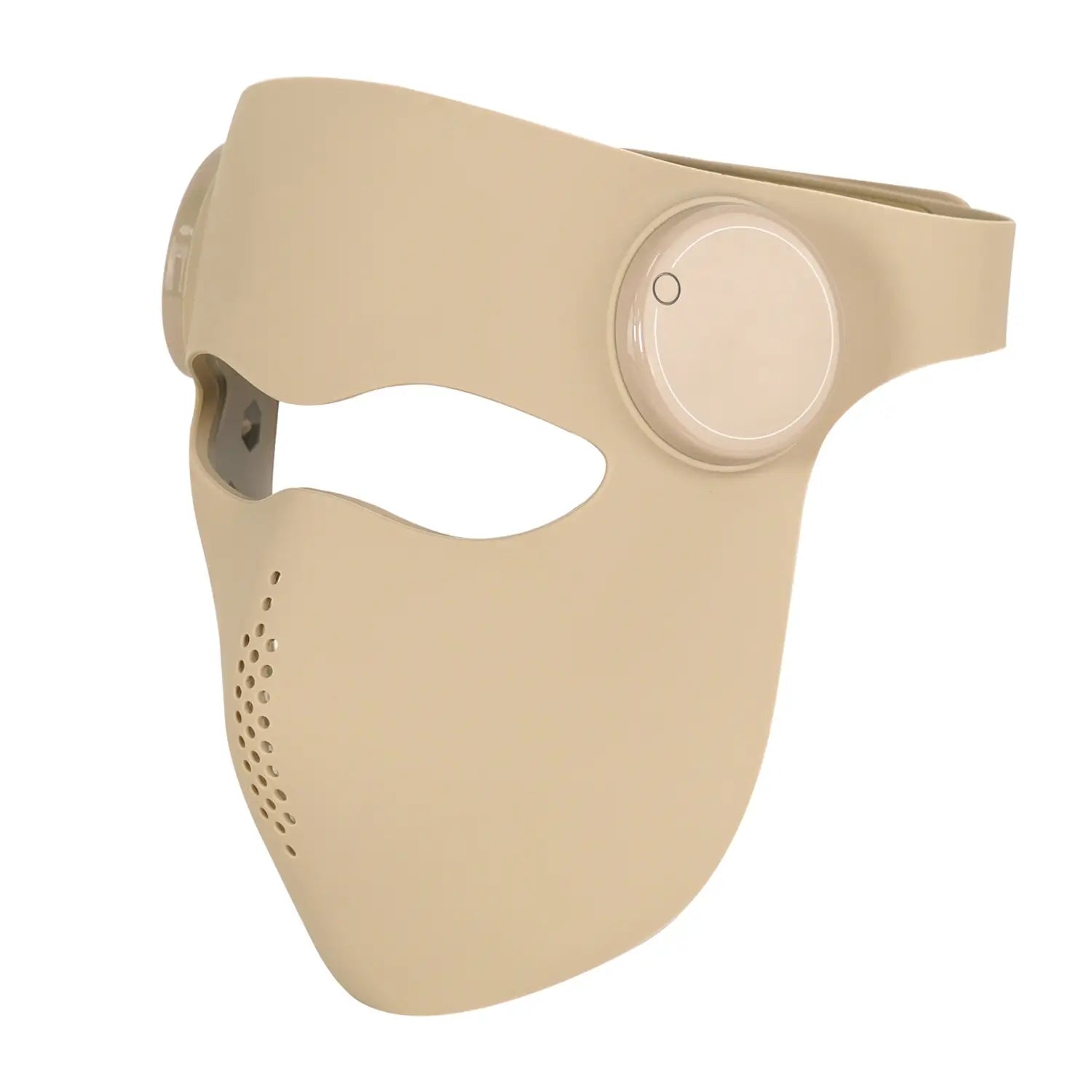
You have probably seen everything from giant red‑lit “coffins” in spas to compact wraps athletes strap around a knee or shoulder. There are real tradeoffs between targeted and full‑body setups.
Here is a concise view:
Approach |
Typical Use |
Main Advantages |
Main Drawbacks |
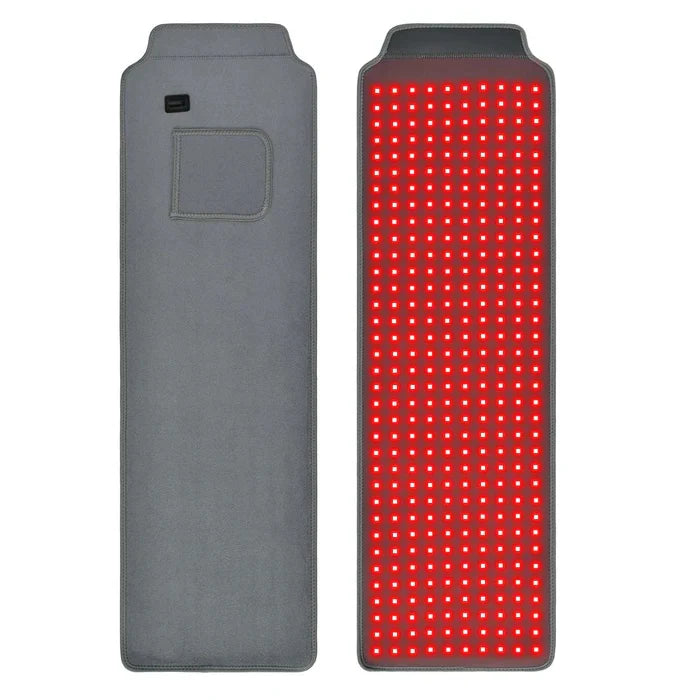
Targeted red light units |
Specific joints or muscle groups, such as knees, shoulders, back, feet |
Portable, more affordable, precise dosing to injured areas |
Limited coverage; multiple areas require more time |
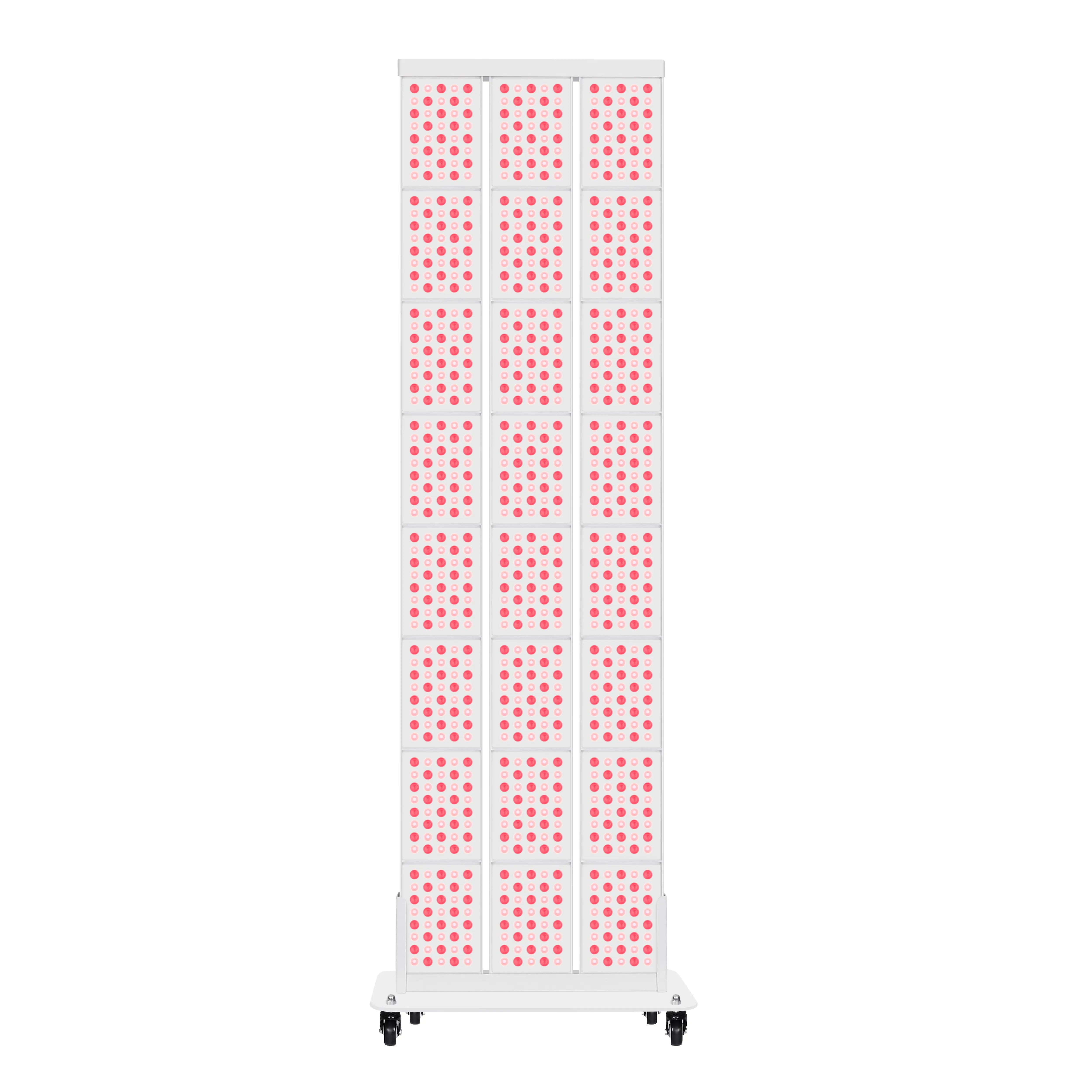
Full‑body panels or beds |
Whole‑body recovery, systemic wellness programs, or multi‑site soreness |
Very broad coverage, convenient in clinics and performance centers |
Expensive, large, less precise dose control, harder at home |
A sports technology company specializing in targeted devices points out that high‑end physio and sports clinics often favor targeted units for their combination of cost, convenience, and precise dosing. Full‑body chambers and beds show up more in luxury spas and specialized performance labs, and some clinics use them as part of multi‑step protocols that combine pulsed electromagnetic field therapy, oxygen therapy, and full‑body red light.
If your primary goal is shaving recovery time off specific injury sites or overloaded muscles, a good targeted device is usually the more pragmatic investment. If you are running a facility or want a broad systemic experience, a full‑body system may make sense if budget and space are not limiting.
Where To Aim The Light
The simplest rule is to treat the tissue that is doing the work or experiencing pain.
Athlete‑focused articles describe good responses when light is aimed at hamstrings, quadriceps, calves, glutes, shoulders, back, and common overuse sites like knees and ankles. For hands and feet, there are mitts and slippers designed to bathe those regions in light. In sprain and strain studies, clinicians positioned arrays over the injured muscle, ligament, or joint.
Because red light interacts with cells only where photons actually land, it is better to move a targeted device slowly over an area or use wrap‑around designs than to blast a tiny spot and hope it diffuses internally.
Eye safety matters. High‑output panels and lasers should never be stared into directly. Reputable clinics emphasize eye protection and avoid shining devices directly into the eyes.
Sleep, Nervous System Recovery, And Scheduling
In real athletes, recovery time is not just about muscle micro‑tears. It is also about whether your nervous system has truly reset. A sleep‑deprived nervous system cannot fully cash the recovery checks your tissues are trying to write.
One controlled trial in female basketball players found that evening red light therapy improved sleep quality and nighttime melatonin secretion relative to placebo. Another study reported that red light exposure during or just after waking reduced sleep inertia, that groggy, half‑awake state that trashes morning training quality.
In practical terms, evening sessions with red light, especially on lighter training days, may support deeper, more restorative sleep. Morning red light may help athletes who struggle with early sessions get their brain online faster. These effects are additive to the core muscle and joint benefits and can indirectly shorten the time it takes you to feel “ready” for another high‑intensity session.
The key is consistency. Major health systems and consumer medical sources all emphasize that red light therapy requires repeated treatments over weeks to show meaningful effects and that it should be layered on top of, not in place of, fundamentals like sleep, nutrition, hydration, and intelligent load management.

Pros, Cons, And Safety For Athletes
From the perspective of a light‑therapy geek who also cares deeply about data quality, red light therapy lives squarely in the “promising, not magical” category.
On the pro side, red light therapy is noninvasive, generally painless, and has a favorable safety profile when used appropriately. A large university hospital sports physician notes that risk to the body appears low; the bigger risk is often to your wallet. Studies in athletes and active adults show improvements in return‑to‑play times in pilot work, faster endurance and strength adaptations in some trials, reduced pain and better function in tendinopathies and other musculoskeletal complaints, and better sleep in specific contexts.
In head‑to‑head comparisons with ice for post‑exercise recovery, red light therapy has outperformed cryotherapy in reducing DOMS, inflammation, and post‑exercise muscle damage markers.
On the con side, the evidence is still heterogeneous. Not every patient or athlete improves. Some well‑designed trials show no benefit. Optimal parameters for wavelength, dose, and timing are still being refined, and results depend heavily on protocol. The devices that closely match research‑grade output can be costly, and health insurance rarely pays for them. Red light therapy does not repair severe mechanical injuries, reverse advanced osteoarthritis, or replace progressive rehab and strength work.
Safety‑wise, large reviews and hospital guidance agree that red light therapy is generally safe with proper use. Short‑term side effects are usually limited to transient warmth or mild redness. Concerns center around unprotected eye exposure to intense light, potential issues in people on photosensitizing medications or with photosensitive conditions, and the usual caution for pregnancy and active cancer at the treatment site. A consumer health review notes that even in a group of hundreds of pregnant women receiving laser‑based treatments, no major safety signals emerged, although those treatments targeted specific medical conditions and were supervised.
The practical conclusion is straightforward. For most healthy athletes and active people, a high‑quality red light protocol, used as directed, is low risk and plausibly beneficial. The main mistakes are overdosing, underdosing, ignoring underlying mechanical issues, or assuming light alone can outwork bad sleep, poor nutrition, and reckless programming.

Building A Red Light–Enhanced Recovery Plan
If I were guiding a serious athlete who wants to experiment with red light, I would not start by asking which panel to buy. I would start by clarifying the goal: is it faster return from a specific injury, better day‑to‑day recovery from heavy training, chronic pain control, or sleep support?
Once that target is clear, the next step is to make sure the basics are in place. No amount of light will compensate for four hours of sleep, junk nutrition, or aggressive workloads with no deload weeks. Red light is a signal amplifier; it works best when the signal itself—your training plan and recovery hygiene—is already sound.
For acute soft‑tissue injury, a protocol inspired by the university athlete study and clinical practice might involve several short sessions per week focused directly on the injured area, layered onto standard rehab exercises and load protection. For heavy training phases without frank injury, pre‑conditioning before key sessions and post‑session work after particularly brutal days often makes the most sense. For chronic tendinopathy or joint pain, consistency over weeks and months is more important than any single session.
Regardless of the specific goal, you should track how you respond. That means noting subjective soreness and energy, but also paying attention to objective markers: time to return fully to play, number of hard sessions tolerated per week, or performance metrics like repetitions at a given load or time to exhaustion on a familiar protocol. If you do not see any shift over four to six weeks, you may need to adjust timing, dose, or device—or decide that other recovery levers give you better return on investment.
Finally, loop your healthcare team in if you have significant injuries, chronic illnesses, or complex medication use. Orthopedic and sports‑medicine physicians at major hospitals increasingly consider red light therapy a reasonable option to try, particularly when it may reduce reliance on medication, but they stress doing it in a way that fits your actual diagnosis and rehab plan.

FAQ: Athlete Recovery And Red Light Therapy
Is Red Light Therapy Better Than Ice Baths Or Ice Packs?
They serve different purposes. Cryotherapy primarily blunts pain and swelling through vasoconstriction. Reviews directly comparing post‑exercise cryotherapy with red light therapy found that red light did a better job reducing delayed onset muscle soreness, muscle inflammation, and markers of muscle damage, whereas ice did not prevent muscle damage. For long‑term tissue quality and faster return‑to‑play, red light appears to have an edge. For emergency pain and swelling control, ice still has a clear role.
How Quickly Should I Expect Results?
In the injured university athletes, changes in pain and function were obvious within a handful of sessions across roughly a week or two. For performance and DOMS protocols, some trials report measurable differences after a single pre‑conditioning session, while others look at changes over several weeks of training. Hospitals and consumer medical sites consistently note that multiple treatments are usually needed before effects are noticeable. A fair expectation is that if your protocol is going to help, you will feel a difference within about four to six weeks of consistent use.
Can I Overdo Red Light Therapy?
Yes. Photobiomodulation follows a biphasic dose–response. Studies compiled in athletic and rehabilitation reviews show that moderate, well‑chosen doses help, while very high doses or overly long exposures can flatten the benefit curve. Manufacturer guidance, clinical protocols that use about ten to twenty minutes per area, and the “Goldilocks” perspective from sports‑medicine reviews all point in the same direction: enough but not too much is the sweet spot. Doubling or tripling session time does not guarantee better recovery and may simply waste time.
Should Youth Or Recreational Athletes Use Red Light Therapy?
The safety profile at appropriate doses appears favorable, and the mechanism does not depend on elite status. That said, the evidence base in younger athletes and recreational populations is thinner than in adult athletes and clinical pain groups. Anyone considering red light therapy for adolescents or people with medical conditions should involve a physician, and all athletes, regardless of level, should prioritize training technique, load management, sleep, and nutrition before chasing hardware.
In the end, red light therapy is neither a scam nor a superpower. It is a targeted way of telling your cells, “Do what you already do, just more efficiently.” Used with respect for the science, honest expectations, and a rock‑solid recovery foundation, it can turn recovery time from a vague waiting game into something you can influence with a bit more precision.
References
- https://lms-dev.api.berkeley.edu/studies-on-red-light-therapy
- https://digitalcommons.cedarville.edu/cgi/viewcontent.cgi?article=1013&context=education_theses
- https://pmc.ncbi.nlm.nih.gov/articles/PMC4846838/
- https://med.stanford.edu/news/insights/2025/02/red-light-therapy-skin-hair-medical-clinics.html
- https://www.uhhospitals.org/blog/articles/2025/06/what-you-should-know-about-red-light-therapy
- https://www.physio-pedia.com/Red_Light_Therapy_and_Muscle_Recovery
- https://www.athleticlab.com/red-light-therapy-for-athletes/
- https://fuelhealthwellness.com/red-light-vs-infrared-therapy-guide/
- https://functionsmart.com/red-light-therapy-for-athletes-faster-recovery-and-enhanced-performance/
- https://www.medco-athletics.com/articles/red-light-therapy-vs-cryotherapy-for-sports-recovery