
As someone who has spent years tinkering with full‑body light panels, handheld LEDs, and every photobiomodulation protocol you can imagine, I can tell you this: red light therapy is not magic, but it is not snake oil either. It lives in the messy middle ground where plausible biology, promising early trials, and a lot of hype all collide.
If your goal is simple and measurable muscle strength output—heavier lifts, more repetitions before failure, and faster strength gains—then you need to understand what the science actually says, where it is weak, and how to experiment intelligently without wasting time or money. That is what this guide is about.
I will walk through mechanisms, human data, practical protocols, and the real pros and cons, drawing strictly from published summaries and expert reviews rather than wishful thinking.
What Red Light Therapy Actually Is
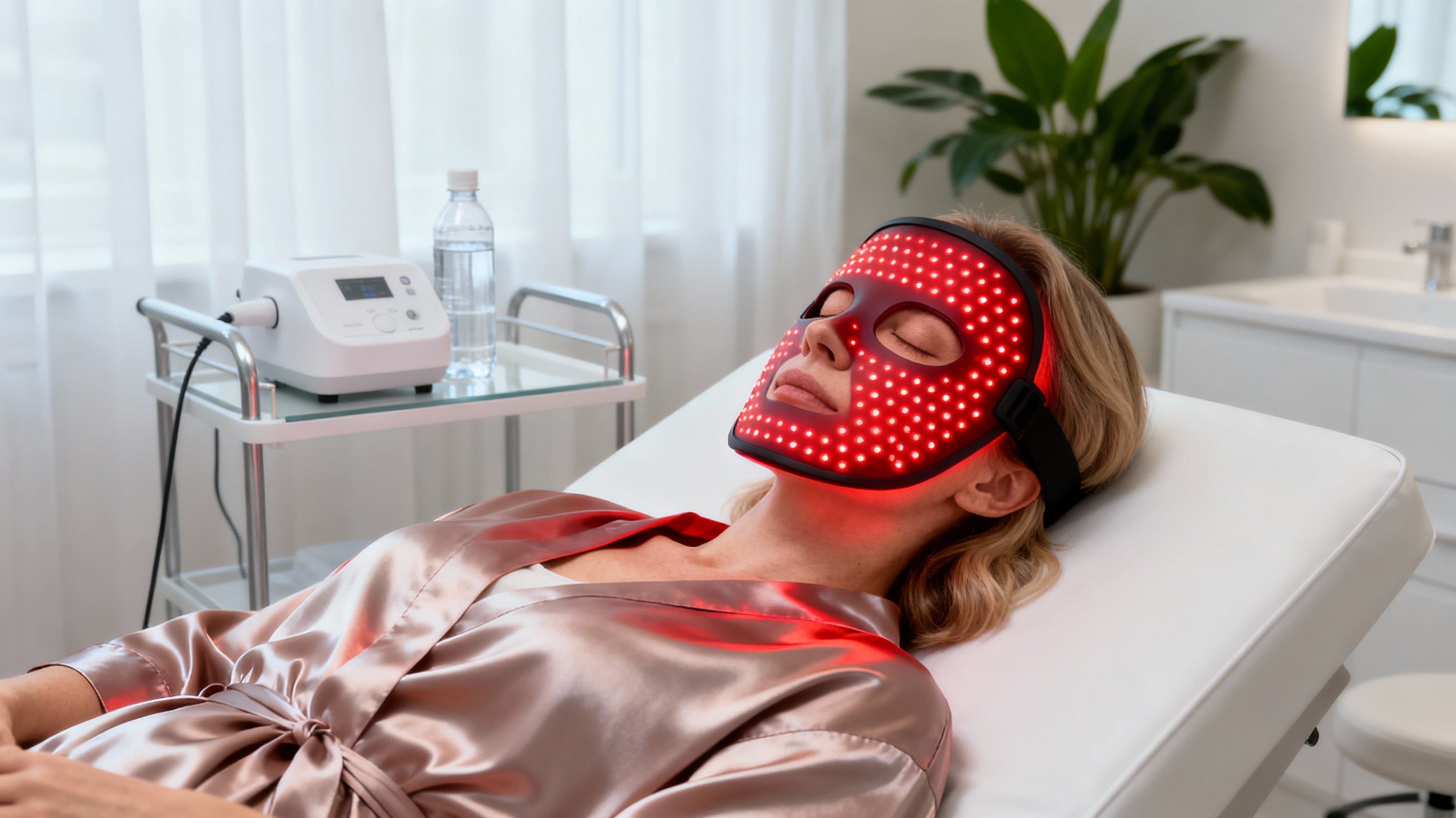
Red light therapy, often labeled photobiomodulation or low‑level light therapy, uses specific red and near‑infrared wavelengths to nudge biology rather than burn or cut tissue. The devices range from medical lasers to LED panels, pads, and full‑body beds.
Several sources, including FunctionSmart and LED Technologies, describe the most common therapeutic wavelengths as visible red light around the mid‑600 nanometer range and near‑infrared light around the low‑800s. Red tends to target skin and more superficial tissues. Near‑infrared penetrates deeper toward muscle, fascia, tendons, and even bone.
Crucially, these doses are non‑thermal. Unlike a hot infrared sauna or a tanning bed, well‑designed red and near‑infrared devices deliver photons with very little heat and no ultraviolet radiation. Stanford Medicine, WebMD, and multiple clinical sources emphasize that these wavelengths do not carry the same skin‑cancer risk as UV light.
From a sports and rehab standpoint, red light therapy has three big selling points. It is non‑invasive, it aims to enhance the body’s own repair processes instead of masking symptoms, and when used properly it has a strong safety profile with few reported adverse events.

How Light Interacts With Muscle Tissue
The most interesting part of red light therapy is the mechanism. Several independent reviews, including a 2016 photobiomodulation review in human muscle and explanatory pieces from Athletic Lab, Physical Achievement Center, LED Technologies, and physiotherapy summaries, converge on the same core pathway.
At the cellular level, red and near‑infrared photons are absorbed by chromophores, especially cytochrome c oxidase in the mitochondrial electron transport chain. That has a handful of downstream effects that matter for strength performance.
First, mitochondrial energy production can increase. When inhibitory nitric oxide is displaced from cytochrome c oxidase, oxygen can bind and electrons move more freely, driving more ATP synthesis. FunctionSmart cites research suggesting that, under certain conditions, cellular ATP output can increase up to roughly twofold. That is lab‑bench biology, not guaranteed in your quads, but it supports the basic idea that energetic capacity can shift.
Second, red light alters blood flow and oxygen delivery. Articles from City Fitness, FunctionSmart, and University Hospitals describe vasodilation driven by nitric oxide release, which opens up blood vessels. More oxygen‑ and nutrient‑rich blood reaching working muscle is exactly what you want before and after heavy sessions.
Third, light signals affect inflammation and oxidative stress. The muscle‑focused review and multiple clinical articles report reductions in pro‑inflammatory cytokines, improvements in antioxidant defenses, and lower markers of muscle damage such as creatine kinase and C‑reactive protein in some trials. LED Technologies highlights a sports‑injury study in the journal Laser Therapy where 65 university athletes using LED phototherapy returned to play in about 9.6 days compared with an anticipated 19.23 days, without notable adverse events.
Fourth, red light appears to influence gene expression involved in muscle growth and repair. A case‑control twin study on light‑emitting diode therapy for resistance training reported that the twin receiving active light exposure showed greater increases in muscle cross‑sectional area and strength, with upregulation of genes linked to hypertrophy, cell proliferation, and energy metabolism, and less expression of genes tied to muscle damage. That is a single twin‑pair, not a definitive trial, but it illustrates the mechanistic direction.
Finally, there are endocrine and systems‑level effects. City Fitness notes potential modulation of hormones like testosterone and cortisol, while Athletic Lab and City Fitness both emphasize sleep benefits when red light is timed in the evening. Better sleep quality and more stable cortisol rhythms will not show up as a “red light effect” on a force plate, but they absolutely matter for long‑term strength output.
In short, red and near‑infrared light can increase mitochondrial energy availability, improve microcirculation, temper excessive inflammation, and tilt muscle signaling toward repair and growth. The theory is sound. The harder question is what actually happens when you shine these devices on real people who are squatting, pressing, and sprinting.
What The Research Really Says About Strength Output
The most comprehensive look at red light and human muscle performance so far comes from a review in the journal Photobiomodulation–related literature, which screened almost a thousand records and included 46 clinical trials on healthy people and athletes, with a total of 1,045 participants. Most of these trials used red or near‑infrared lasers or LED clusters applied to working muscles before or after exercise.
From a strength‑output perspective, there are three main themes in the data: acute pre‑workout performance, longer‑term adaptations, and recovery between sessions.
Acute Pre‑Workout Strength and Endurance
When red light therapy is used as muscular pre‑conditioning—that is, applied to a specific muscle group shortly before exercise—several randomized trials report improvements in acute performance.
In biceps protocols using low‑level laser or LED arrays, the review found that pre‑exercise photobiomodulation often increased the number of repetitions performed, total work done, and time to exhaustion compared with placebo. Some trials also showed lower post‑exercise creatine kinase, C‑reactive protein, or lactate levels, consistent with less biochemical strain for a given workload.
Similar benefits show up in more applied performance contexts. Degree Wellness cites a 2015 systematic review and meta‑analysis of randomized, placebo‑controlled trials where phototherapy applied before exercise improved key metrics such as maximum repetitions, speed, endurance, and time to exhaustion versus placebo. In specific strength studies referenced there, young men experienced significant increases in leg extension and leg press torque with added light therapy, and another trial reported about a 55 percent increase in leg‑press performance over training alone. A 2014 study they highlight reported roughly a 52 percent increase in maximum hand‑grip repetitions after treatment.
That sounds impressive, but we have to look at context. Examine.com’s detailed evidence review points out that some of the most positive data for acute performance come from a narrow set of studies in young male volleyball players, mostly from a single research group. In those studies, applying red light immediately before eccentric exercises like curls or knee extensions slightly increased repetitions to failure. That is encouraging, but it is not a broad, multi‑lab confirmation yet.
The larger muscle review also reminds us that not all pre‑conditioning studies are positive. At least one triple‑blind randomized trial using an 808 nm laser on multiple biceps sites found no effect on repetitions, lactate, or electromyography fatigue. Another trial using an 800/970 nm protocol saw only minimal gains in maximal voluntary isometric contraction without meaningful effects on tenderness.
Athletic Lab draws on this same body of work and summarizes it like this: pre‑strength red or near‑infrared exposure has produced significantly greater strength gains in some protocols and faster endurance improvements in others, but results are mixed and clearly parameter‑dependent.
As a practitioner, that matches what I see. When I have athletes stand in front of a well‑tuned panel before a heavy session, the most reproducible acute change is not “my one‑rep max just jumped by twenty pounds” but “I got more quality reps before I started to grind” or “I felt less deep fatigue afterward.” That is consistent with the literature suggesting a stronger signal for fatigue resistance and total work than for absolute peak force.
Strength and Hypertrophy Over Weeks and Months
If you care about strength output, you ultimately care about what happens over a training block or a season, not just in one workout.
Longer‑term trials are fewer, but a pattern is emerging. Examine.com notes that in young men, adding pre‑workout red light therapy to resistance training has been associated with greater increases in muscle size and strength compared with training alone. The LED twin case study aligns with this: both twins got stronger, but the one receiving light therapy around training sessions showed larger gains in cross‑sectional area and performance.
Degree Wellness aggregates several trials suggesting that combining red light therapy with exercise can produce more than 50 percent greater gains in muscle thickness and strength, measured via ultrasound and dynamometry, compared with exercise alone. They also describe studies where endurance improvements occurred about three times faster when training was paired with light therapy, and trials in team sports and cyclists where pre‑exercise red light increased time to exhaustion and improved biochemical recovery markers.
At the same time, the longer‑term data highlight limits. Examine.com describes a study in older men where adding red light therapy to strength training did not improve muscle size or strength beyond training alone. In older women, applying red light after strength sessions did not increase strength, and muscle size was not reported. That suggests age, hormonal milieu, sex, or timing might all influence whether the photobiomodulation signal translates into measurable adaptation.
In other words, the best available evidence points to a real but conditional effect. Young, resistance‑trained individuals seem most likely to see additive strength and hypertrophy benefits when red light is dialed in and timed before training. Older adults may not respond the same way, at least with the protocols tested so far.
Recovery, DOMS, and The Ability To Train Harder
Recovery might feel like a separate topic, but if delayed‑onset muscle soreness and joint irritation force you to dial back load or volume, your “strength output” over a month or a season suffers.
On this front, the data are more heterogeneous. The human muscle review reports that several randomized trials applying red or near‑infrared light after eccentric biceps exercise did not reduce delayed‑onset muscle soreness, restore range of motion faster, or improve peak torque versus placebo. However, at least one LED trial using a combination of 880 and 660 nm wavelengths did find significantly less soreness at 48 hours compared with placebo and no treatment.
Examine.com takes the conservative view: across available trials, red light therapy does not consistently reduce soreness in the days after exercise. A systematic review cited by Athletic Lab similarly concluded that evidence for clinically meaningful reductions in DOMS is insufficient.
On the more optimistic side, Greentoes Tucson points to a 2016 review where athletes using red light after training showed reduced soreness, lower markers of muscle damage, and faster recovery of strength and power. They also note a 2010 study with greater muscle and strength gains when photobiomodulation was used before lifting, and a 2022 study in trained men with improved muscle growth markers and increased muscle mass when red and infrared exposure followed lifting sessions.
FunctionSmart goes further, suggesting that consistent protocols can reduce delayed‑onset soreness by up to roughly half, based on the research they cite, and LED Technologies emphasizes markedly reduced return‑to‑play times across a broad set of sports injuries.
Putting this together, the cleanest statement is that red light therapy probably can improve recovery and soreness in some contexts and protocols, particularly around injury rehabilitation and perhaps around very high eccentric loads, but this is not guaranteed. Parameter choices and individual biology seem to matter a great deal, and the literature does not yet justify a blanket promise of “no more soreness.”

The Skeptical Side: Where Evidence Is Weak
Any time you see claims of “more strength, less soreness, faster fat loss, better sleep, and younger skin” from the same red light device, your inner scientist should raise an eyebrow.
Stanford Medicine’s experts Jamie Zeitzer and Michael Fredericson take a deliberately cautious stance. They acknowledge strong support for red light in dermatology and hair regrowth, but describe evidence for improved athletic performance, muscle recovery, and sleep as weak or insufficient at this point, despite plausible mechanisms. That is a sober, big‑picture assessment.
TrainingPeaks, reviewing many of the same performance studies, notes that upper‑body trials sometimes show improved biochemical markers after hard efforts without measurable performance gains, and that lower‑body trials are inconsistent. Their conclusion is blunt: red light therapy currently offers plausible biology but no consistent, clinically meaningful benefits for athletic performance, and given the high cost of commercial devices it is not clearly worth the investment for most athletes right now.
Examine.com, whose entire business is summarizing and grading evidence, describes the research base as small, with key positive findings clustered in specific populations and labs. Their guidance is to treat red light as an experimental adjunct for short‑term performance in young, resistance‑trained individuals, with modest expectations and no assumption of benefit in older adults or for soreness reduction.
Even the large muscle‑tissue review has limitations. It did not perform a formal risk‑of‑bias assessment or meta‑analysis. Protocols varied wildly in wavelength, dose, timing, and the number of treatment sites, and null trials were very much present beside positive ones. The dose‑response appears to be biphasic: too little light has no effect, but too much can negate benefits or even harm cells, as shown in connective‑tissue studies where higher near‑infrared doses reduced osteoblast viability.
From an EEAT standpoint, the take‑home is clear. The science supports biological plausibility and promising early performance data, but also shows inconsistency, publication bias risk, and substantial unknowns about optimal dosing. Any honest discussion of muscle strength output has to hold both sides in view.
How Red Light Might Support Strength Output In Practice
With all those caveats, why do serious athletes, coaches, and even physical therapists still experiment with red light?
Because when you put the mechanisms and the cleaner trials together, a coherent “use case” emerges. Pre‑conditioning light exposure can increase ATP availability and improve microcirculation in the very muscle groups you are about to stress. That may let you perform a bit more total work at the same relative effort or reach failure a few repetitions later. Over time, that extra high‑quality volume can translate into more hypertrophy and strength—if, and only if, the rest of your training, nutrition, and recovery are on point.
At the same time, carefully timed post‑exercise or off‑day sessions may shift the tissue environment toward faster repair by providing more energy for protein synthesis, supporting collagen and elastin production in muscle and connective tissue, and keeping inflammation in a productive range instead of a destructive one. Physical Achievement Center describes how red and near‑infrared exposure post‑training supports collagen synthesis, modulates genes related to regeneration, and aids removal of metabolic waste products like lactic acid.
For older lifters or those managing chronic tendinopathies and joint irritation, the more robust evidence may actually sit with pain and function rather than raw strength measures. University Hospitals and WebMD both highlight positive reviews for tendinopathies and certain inflammatory pain conditions, as well as modest quality‑of‑life improvements in chronic pain and rheumatoid arthritis.
Add in the sleep angle—such as the Athletic Lab report on improved sleep quality and nighttime melatonin secretion in basketball players after evening red light—and you can see how a small biological nudge before training and a slightly better recovery environment overnight might, cumulatively, support better strength output, even if the light itself is not some massive direct performance enhancer.

Practical Protocols For Strength‑Focused Athletes
This is where the “light therapy geek” in me gets excited, because protocol is often the difference between “did nothing” and “I think this actually moved the needle.” At the same time, nothing here is a medical prescription; it is a translation of what various clinical and practical sources describe as typical patterns.
Choosing A Device
Most performance‑oriented protocols use a combination of mid‑600s red wavelengths for superficial tissue and low‑800s near‑infrared wavelengths for deeper muscle and connective tissue. FunctionSmart, LED Technologies, and Physical Achievement Center all emphasize this red plus near‑infrared range and recommend higher‑powered arrays for athletes, as they can deliver adequate energy to deeper tissues in a reasonable session length.
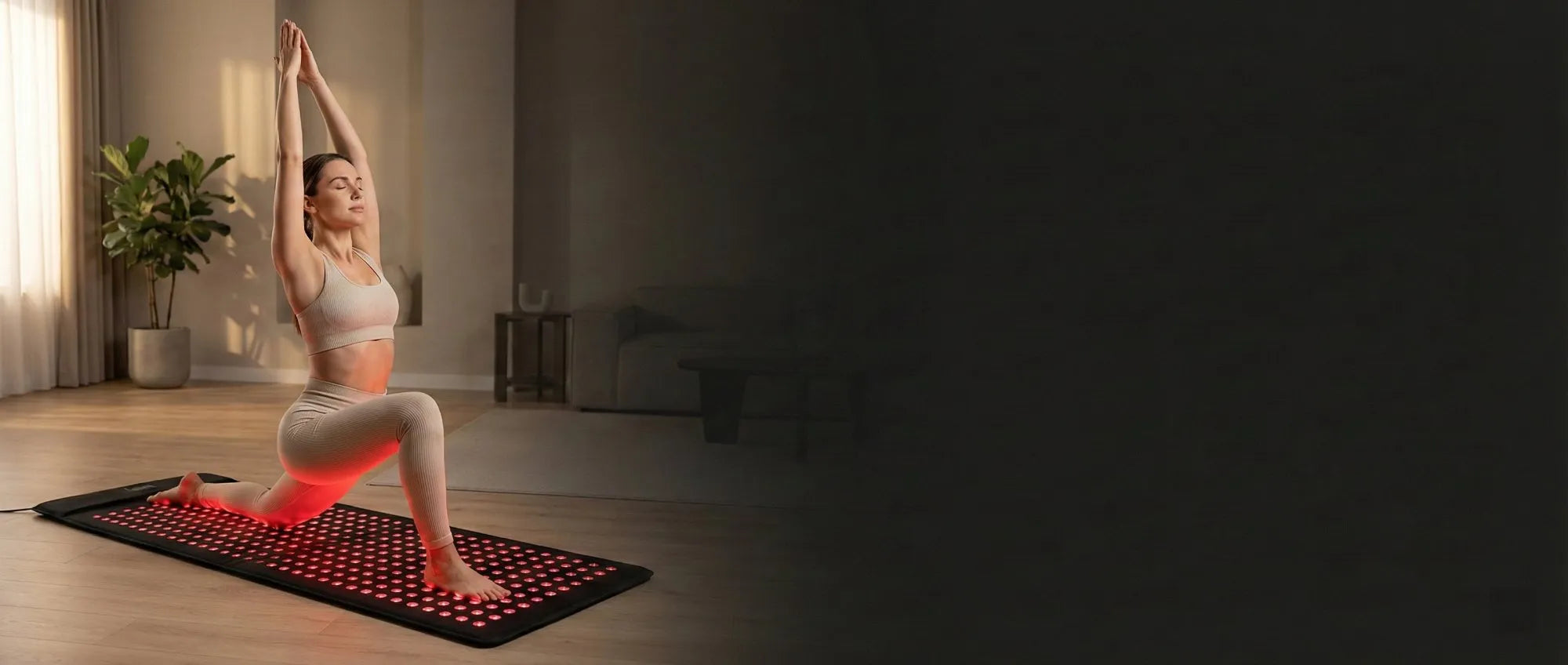
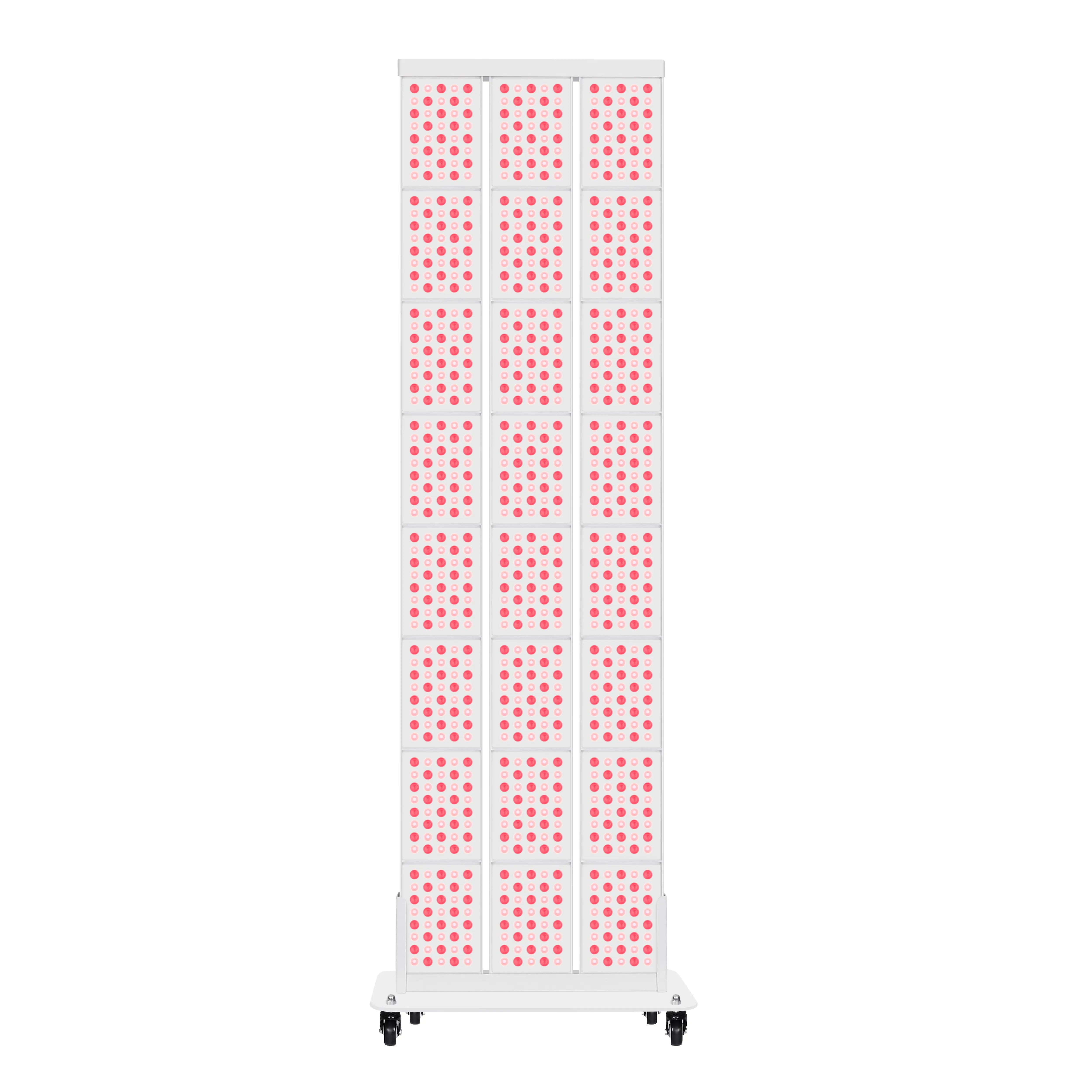
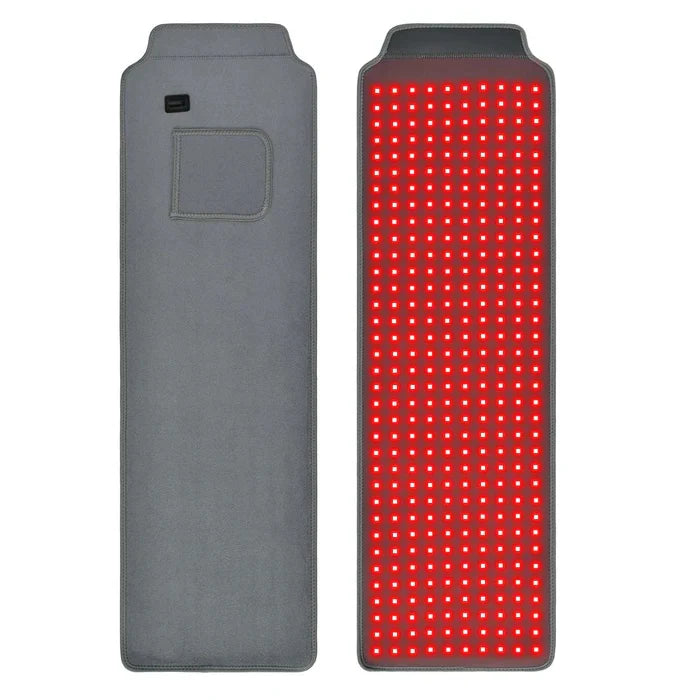
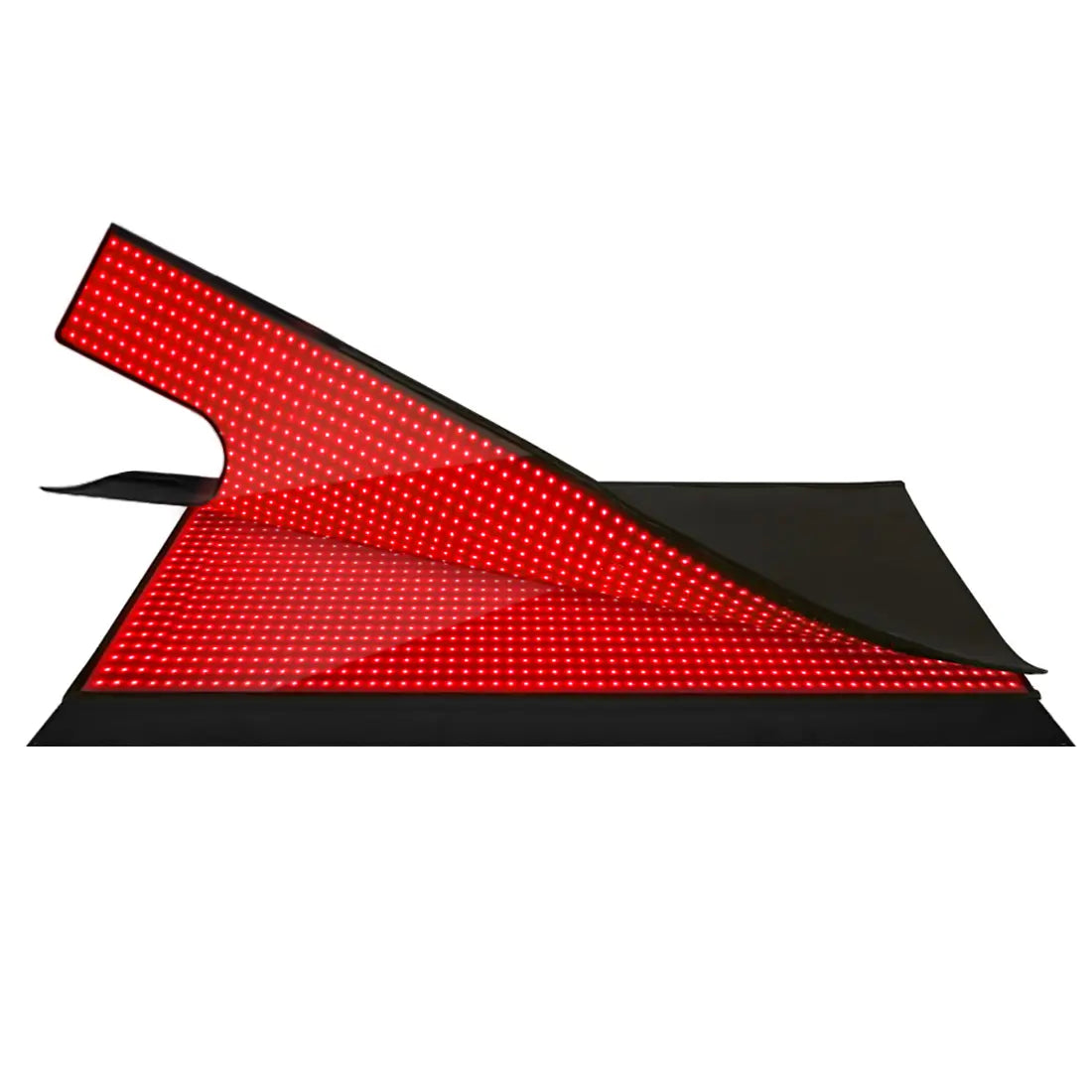
Clinic‑grade options include full‑body beds and large panels, such as those described at AEON Clinic and in sports medicine practices, while home users might lean toward wall‑mounted panels or flexible pads that can wrap around quadriceps, hamstrings, or shoulders. LED Technologies stresses the importance of FDA‑cleared devices, especially when you are self‑treating at home, since clearance at least confirms basic safety and predictable output.
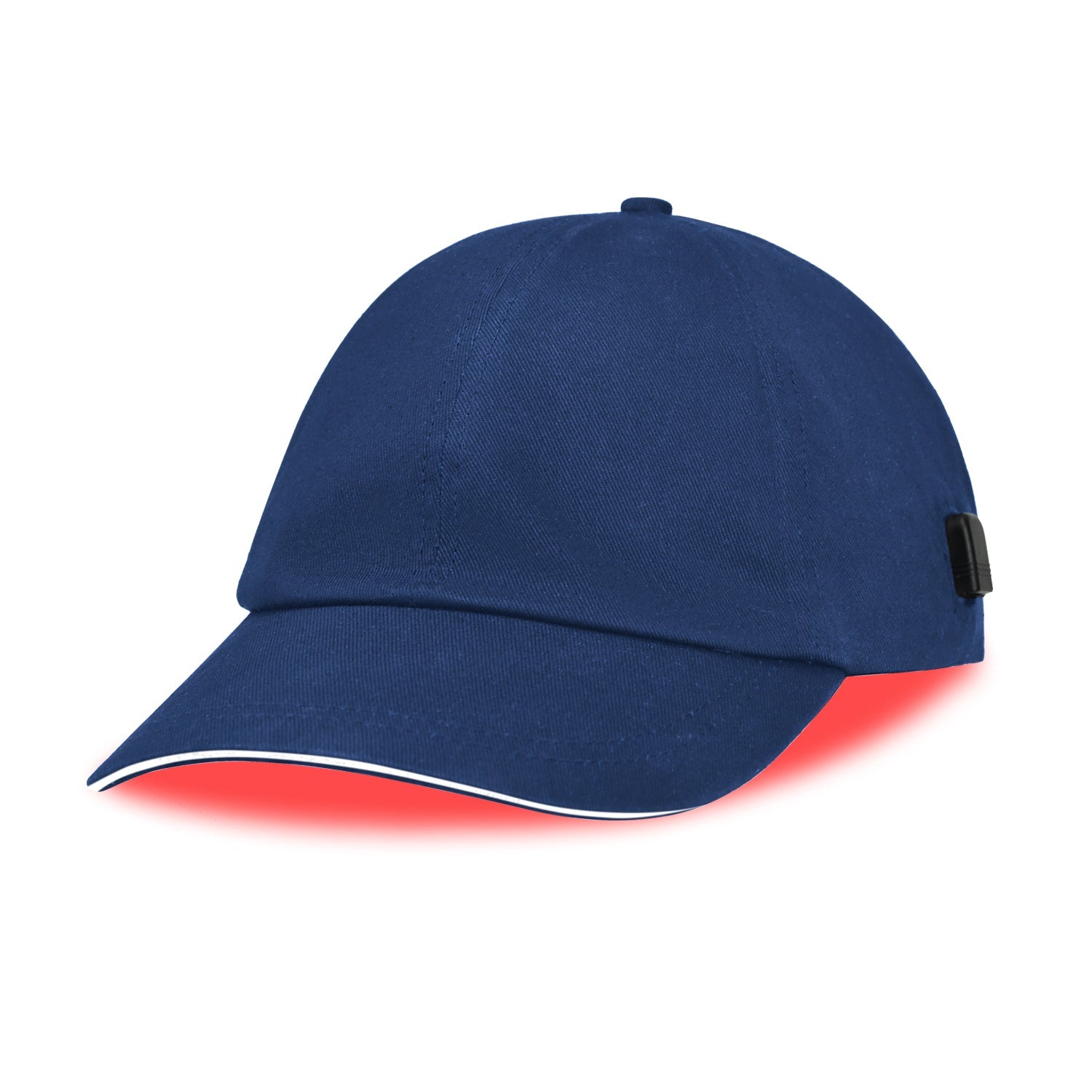
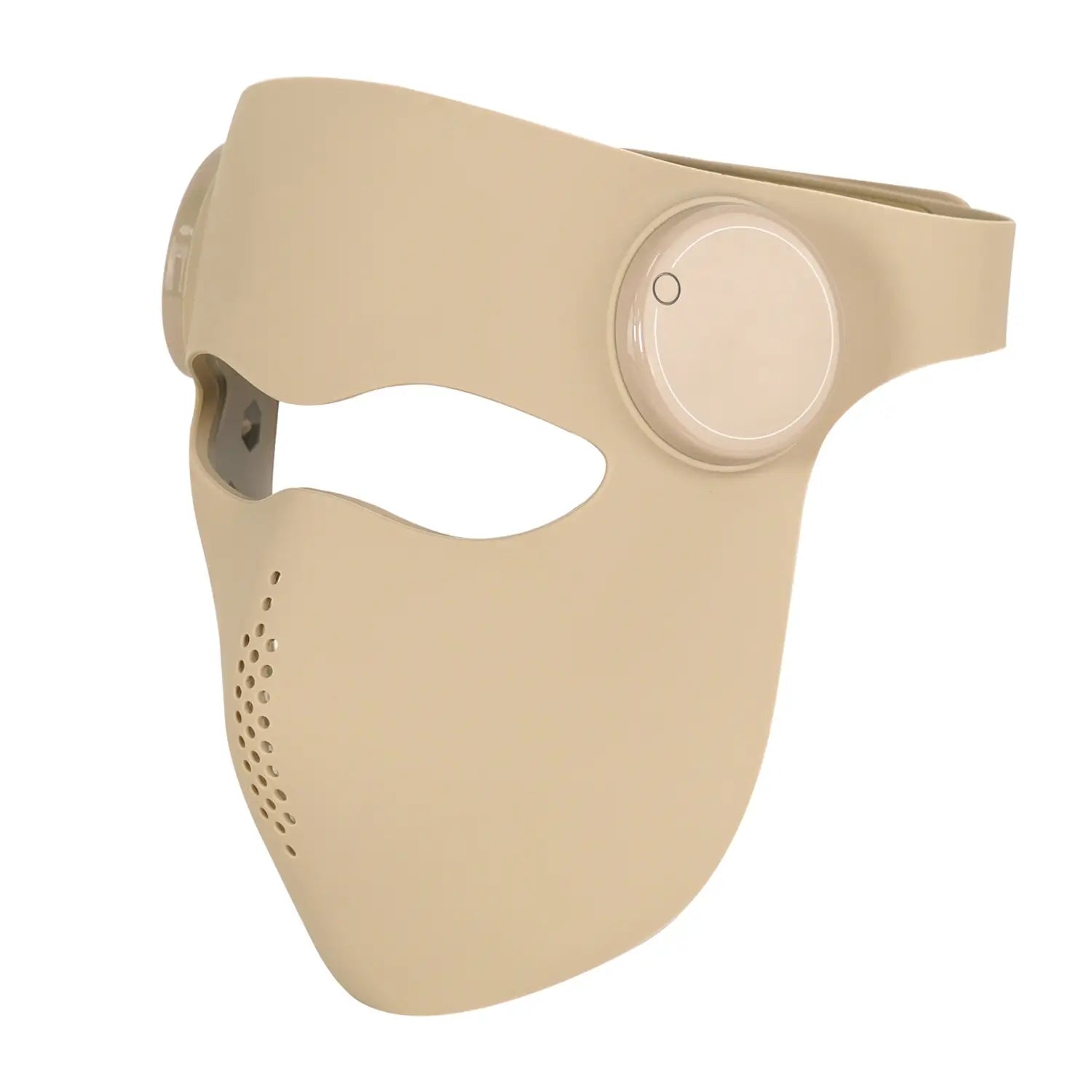
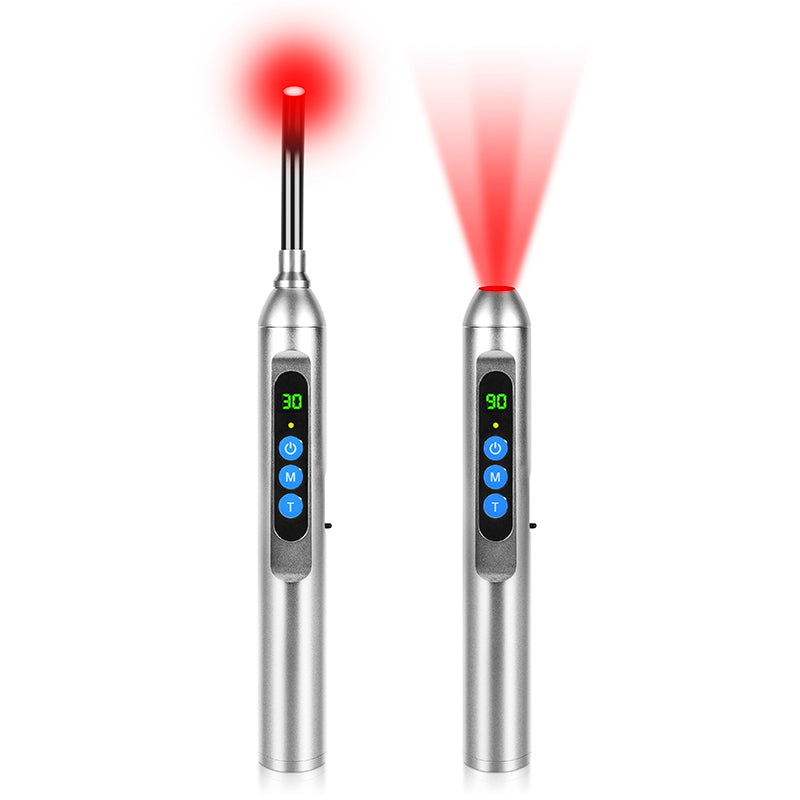
In my own setup, I lean toward larger panels for strength athletes because they can cover entire thigh or hip complexes at once. Handheld wands and tiny consumer gadgets can work for very small areas, but they make it almost impossible to deliver a consistent, evidence‑informed dose to larger muscle groups in a practical time frame.
Timing Around Training
Across sources, the timing pattern that emerges is surprisingly consistent.
For pre‑workout performance, several articles, including the large muscle‑tissue review, Physical Achievement Center, FunctionSmart, and Degree Wellness, favor applying red and near‑infrared light before the workout. Physical Achievement Center suggests about 15 to 30 minutes before intense sessions or competition as a pre‑conditioning window. This aligns with trials where pre‑exercise exposure increased repetitions, total work, or time to exhaustion, and with the 2015 meta‑analysis indicating improved performance when light was applied before exercise.
For post‑workout recovery, FunctionSmart recommends using therapy within roughly two to four hours after training for optimal recovery benefits, particularly to accelerate muscle repair, reduce inflammation, and support faster clearance of metabolic byproducts. Greentoes and Poll to Pastern describe typical post‑workout sessions of around 10 to 20 minutes per target area.
For rest days and ongoing recovery support, Greentoes suggests occasional sessions on non‑training days to keep inflammation in check and promote continuous tissue repair. In practice, many athletes use panels several times per week, particularly on heavy upper‑ and lower‑body days and on one or two strategic off‑days.
My bias, informed by both the data and real‑world experimentation, is to prioritize pre‑workout exposure for strength and power days and early post‑workout or evening sessions for hypertrophy blocks and recovery‑dominant phases. Trying to do everything all the time is a recipe for protocol noise.
Session Length, Placement, and Dosing
Most practical articles converge on short to moderate sessions rather than marathon exposures. FunctionSmart and Greentoes commonly reference 10 to 20 minutes per body area. Athletic Lab notes that their setup caps sessions at 20 minutes, considering that a point of diminishing returns. Poll to Pastern describes roughly 20 to 30 minutes per area when using smaller at‑home devices.
Placement is simple in concept and tricky in practice. You need to expose bare skin over the specific muscles you care about and position the device close enough that the documented power density actually reaches the tissue. The muscle review emphasizes that pre‑conditioning benefits depend on targeting multiple irradiation points over the working muscle, not just a single spot.
Dose is where many people go wrong. Physiotherapy resources and the broader photobiomodulation literature repeatedly warn about a biphasic dose‑response: insufficient energy delivers no biological effect, while excessively high doses can flatten or even reverse the benefits. Because consumer devices vary hugely in output, it is critical to follow manufacturer dosing guidelines that are grounded in measured irradiance and to resist the temptation to assume that twice as long is twice as good.
Integrating With Training, Nutrition, and Sleep
Perhaps the most important practical lesson from sources like Physiopedia, Poll to Pastern, Greentoes Tucson, and City Fitness is that red light therapy is an adjunct, not a replacement.
Physiotherapy‑oriented summaries explicitly advise clinicians to use photobiomodulation only as an adjunct to active rehabilitation, strength and conditioning, and load management—not as a stand‑alone solution. Poll to Pastern emphasizes that red light for exercise recovery should sit alongside adequate rest, sound nutrition with enough protein and carbohydrates, hydration, mobility work, and gradual progression of training loads.
Greentoes recommends that lifters using panels still prioritize basic programming and recovery principles: respecting rest days, ensuring adequate dietary protein, staying hydrated, and tracking soreness and performance over time.
In my own programming for strength clients who want to experiment with red light, I insist on getting sleep, protein, and intelligent progression under control first. Only once those pillars are in place do we layer in light sessions and watch for marginal gains in reps, bar speed, or session‑to‑session readiness.
Pros And Cons For Muscle Strength Output
A quick way to synthesize the discussion is to look at how red light therapy stacks up as a tool for strength output, strictly in light of the evidence summarized above.
Aspect |
Potential Upside for Strength Output |
Key Limitations and Risks |
Acute performance |
Some trials show more repetitions, greater total work, and longer time to exhaustion when applied before exercise, especially in young trained men. |
Results are inconsistent across studies; several high‑quality trials show no effect; benefits may be small in real‑world terms. |
Long‑term strength and size |
Case‑control and small RCTs suggest greater hypertrophy and strength gains when combined with resistance training in younger subjects. |
Older men and women may not see added strength or size; protocols are not standardized; most trials are small and short. |
Recovery and ability to train |
Some studies, reviews, and clinical reports indicate reduced muscle damage markers, faster strength recovery, and shorter return‑to‑play after injury. |
Soreness reduction is not consistent across trials; effects vary by dose and timing; evidence quality is low to moderate overall. |
Mechanistic plausibility |
Strong mechanistic support through mitochondrial ATP, nitric oxide–mediated blood flow, and gene expression favoring repair and growth. |
Mechanistic plausibility does not guarantee real‑world strength gains; dose, wavelength, and tissue depth complicate translation. |
Safety |
Generally well‑tolerated when used appropriately, with no UV exposure and few reported adverse events; can reduce need for some medications. |
Overuse or very high intensities can cause skin irritation or blistering; direct eye exposure is risky; contraindications exist. |
Cost and logistics |
Once purchased, devices can be reused for years and for multiple body regions and family members. |
High‑quality devices are expensive; TrainingPeaks and others argue current performance benefits may not justify cost for many users. |

Safety, Contraindications, And When To Be Careful
Almost every medical or physiotherapy source converges on the same safety profile. Used correctly, red and near‑infrared light are low risk. They do not involve ultraviolet radiation. Typical side effects are rare and mild, such as transient warmth or slight redness. The Laser Therapy sports‑injury study in 65 athletes reported no adverse events.
However, that does not mean there is zero risk. WebMD reports that in an early‑stage clinical trial, very high levels of red LED exposure caused skin blistering and redness, underscoring the reality of overdose. Both WebMD and University Hospitals highlight the potential for eye damage without proper eye protection, and recommend goggles whenever you are in front of a high‑power device.
Most clinical sources advise caution or medical consultation in several situations: active malignancies at the treatment site, pregnancy (especially over the abdomen or pelvis), severe photosensitivity or light‑sensitizing medications, areas of active hemorrhage, and significant eye disease. Physiotherapy resources also emphasize adapting dosing in individuals with reduced sensation or impaired communication, where feedback about discomfort is limited.
Stanford Medicine and University Hospitals both point out another kind of risk: misplaced expectations. Red light therapy cannot repair structural mechanical problems such as torn ligaments or advanced joint degeneration. It may help with the inflammatory component of osteoarthritis or tendon overload, but it will not reverse severe osteoarthritic changes or replace surgery when that is indicated.
For strength‑focused lifters, the most sensible approach is to treat red light therapy the way you would treat a new supplement or a novel recovery modality. Screen for contraindications, talk with a qualified clinician if you have any medical complexity, protect your eyes, and start with conservative doses. Then decide whether meaningful changes in performance actually show up in your logbook.
FAQ: Smart Experimentation For Strength Athletes
Can red light therapy replace hard strength training?
No. All of the performance and hypertrophy data assume progressive resistance training in the background. Red light therapy at best amplifies or accelerates adaptations you are already driving with well‑designed lifting, not a substitute for it.
Is red light therapy more effective for younger lifters than older adults?
The most consistent strength and size benefits so far have been seen in young, resistance‑trained men. At least one study in older men and another in older women found no extra strength or size advantages when red light was added to training. That does not mean older lifters never benefit, but it does mean expectations should be modest and individualized.
How long does it take to notice any change in strength output?
Most clinical and practical sources suggest that subtle benefits, like less stiffness or a slight improvement in perceived recovery, may appear within a couple of weeks of regular use, while more measurable changes in performance tend to emerge over two to four weeks or longer. That timing fits what I have seen when we add light therapy to existing strength programs and track repetitions, load, and soreness over multiple mesocycles.
Closing Thoughts From A Light Therapy Geek
If you are chasing stronger lifts and better muscle output, red light therapy is best viewed as a finely tuned micro‑adjustment to your internal environment, not a shortcut past the basics. The biology is intriguing, several controlled trials are promising, and real‑world athletes do report worthwhile benefits, especially in the domains of fatigue resistance and recovery. At the same time, experts at places like Stanford, Examine.com, and TrainingPeaks are absolutely right to emphasize that the evidence is still scattered and far from definitive.
My own stance, after years of experimenting on myself and with strength athletes, is simple. If your training, nutrition, and sleep are already dialed in and you have the budget, a carefully chosen red or near‑infrared setup can be a legitimate experiment in squeezing out a few extra percentage points of performance and recovery. Treat it as a tool, not a religion, track your data ruthlessly, and let the barbell decide whether those photons are earning their keep.
References
- https://digitalcommons.cedarville.edu/cgi/viewcontent.cgi?article=1013&context=education_theses
- https://scholarworks.uark.edu/cgi/viewcontent.cgi?article=1026&context=anscuht
- https://ui.adsabs.harvard.edu/link_gateway/2022Photo...9..618S/PUB_HTML
- https://pmc.ncbi.nlm.nih.gov/articles/PMC5026559/
- https://dspace.mit.edu/bitstream/handle/1721.1/109162/Ferraresi-2012-Low-level%20laser%20%28lig.pdf?sequence=1&isAllowed=y
- https://med.stanford.edu/news/insights/2025/02/red-light-therapy-skin-hair-medical-clinics.html
- https://www.uhhospitals.org/blog/articles/2025/06/what-you-should-know-about-red-light-therapy
- https://www.physio-pedia.com/Red_Light_Therapy_and_Muscle_Recovery
- https://www.athleticlab.com/red-light-therapy-for-athletes/
- https://cityfitness.com/archives/36400