If you live or work in heavily air-conditioned spaces and feel congested, headachy, exhausted, or vaguely “off” all the time, you are not imagining it. Modern HVAC gives us comfortable indoor temperatures but often at the cost of drier air, higher indoor pollutants, and disrupted light exposure. Put simply, your AC can quietly chip away at respiratory, immune, skin, and mood health.
As someone who has spent years obsessively optimizing light environments, I do not tell people to abandon AC. Instead, I look at how to harden the system: fix the air, support the body’s stress response, and then layer in targeted light as a biologically sensible counterweight. Red and near‑infrared light therapy, properly used, is one of the most promising tools in that stack.
There are no clinical trials that study “air conditioning illness plus red light therapy” as a single package. What we do have is solid early evidence on how AC degrades air and mucosal health, and a growing body of research on how red and near‑infrared light modulate inflammation, immunity, respiratory function, skin, and mood. This article connects those dots so you can build a realistic, science‑backed protocol.
What Is “Air Conditioning Illness”?
“Air conditioning sickness” is not a formal diagnosis. It is a pattern of symptoms that show up or worsen when you spend time in air‑conditioned environments and improve when you leave. Articles from HVAC and medical sources converge on the same core picture: poorly maintained or aggressively used AC systems can trigger allergy and asthma flare‑ups, sinus congestion, coughing, headaches, fatigue, skin irritation, and a general feeling of malaise.
Several mechanics drive this. First is indoor air quality. When filters are dirty and coils harbor mold, the system recirculates dust, mold spores, and other particulates. AdvantageHCP and Lawes Company both highlight that dirty filters and moldy ducts aggravate allergies and asthma, causing sneezing, wheezing, coughing, chest tightness, or more frequent asthma attacks. WebMD notes that these same pollutants can irritate your nose and throat and may contribute to headaches and “AC sickness” in office or car environments.
Second is humidity and temperature. Air conditioners cool by pulling moisture out of the air. Run too cold, too hard, and indoor humidity drops below the sinus‑friendly sweet spot. Both Lawes Company and allergy experts quoted by Yahoo’s medical roundup recommend indoor humidity in roughly the 40 to 60 percent range. Below that, mucous membranes in your nose, throat, and eyes dry out and crack. That makes you more vulnerable to infections and generates symptoms such as dry sore throat, nosebleeds, sinus pressure, and gritty, irritated eyes.
Third is ventilation and gas balance. AdvantageHCP points out that poorly maintained systems often run with minimal fresh air intake. Over time, oxygen levels can drift down and carbon dioxide levels up. The result is that familiar AC office feeling: dull headache, heaviness behind the eyes, and fatigue that lifts when you step outside. WebMD echoes this by noting that large, rapid temperature swings between hot outdoors and very cold indoor AC can also stress your system and contribute to muscle stiffness and headaches.
Finally, skin and immune balance take a hit. Several HVAC sources describe dry, particle‑laden air from AC as a trigger for itchy, rash‑prone skin. At the same time, closed windows, more time indoors, and recirculated air make it easier for cold viruses to spread. LiveFree Health notes that seasonal colds spike in fall and winter in part because of increased time indoors with reduced fresh air.
A simple rule of thumb many clinicians use is this: if your nose, chest, head, or skin start complaining within minutes of the AC turning on, and those symptoms fade when you spend a few hours in fresher air, you are likely dealing with some version of air conditioning illness. The first line of defense is always mechanical: inspection and cleaning of the entire system, regular filter changes, better ventilation, and humidity control. But that only handles the external inputs. Red light therapy, applied smartly, can support the overwhelmed biology on the receiving end.

How Red Light Therapy Targets AC‑Stressed Systems
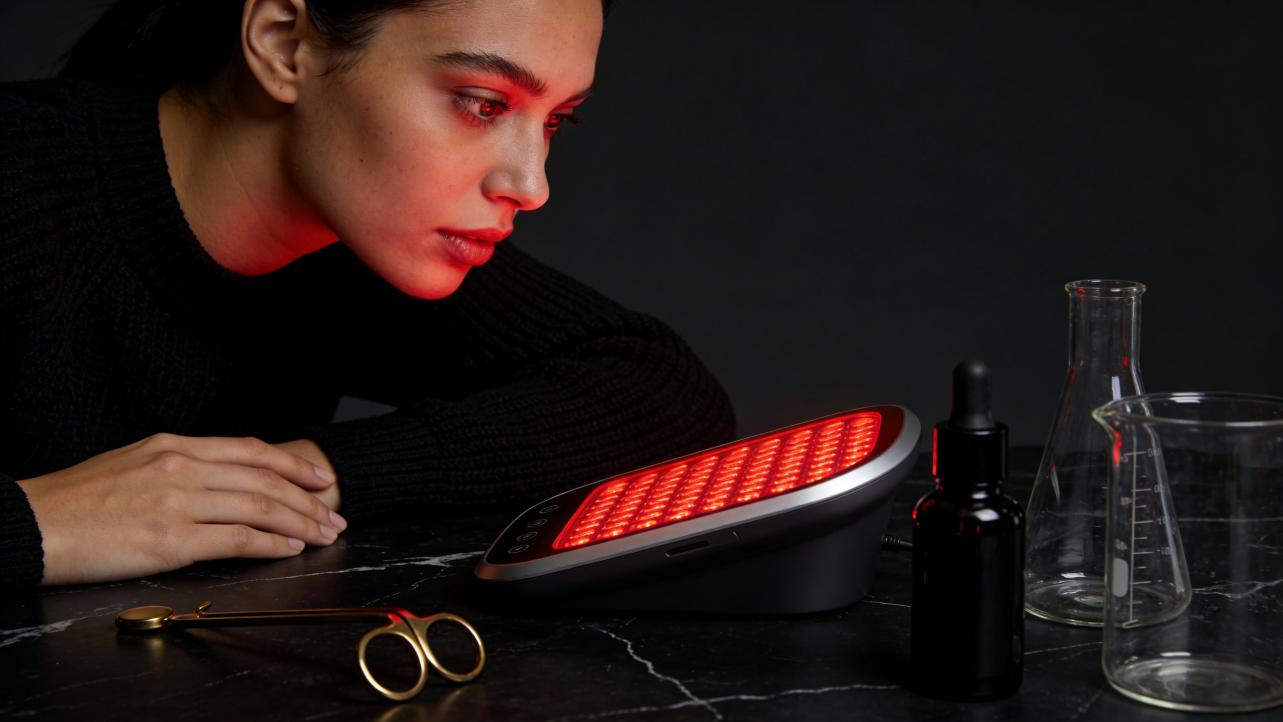
Red light therapy, also called low‑level laser therapy or photobiomodulation, uses specific red and near‑infrared wavelengths (roughly 600 to 1,100 nanometers) to modulate cell function without heating or damaging tissue. WebMD, CNET, and Dr. Axe all describe the same core mechanism: these wavelengths are absorbed by components in the mitochondria, particularly cytochrome c oxidase, which can increase ATP production, modulate reactive oxygen species, and influence nitric oxide signaling. What you feel, when dosing is appropriate, is more cellular energy and better local circulation.
Aesthetic and wellness clinics emphasize that red light does not behave like UV. It does not tan or burn the skin and is generally non‑thermal at the doses used for wellness. 212 Med Spa and CNET both stress that red light stimulates healing and repair pathways rather than causing tissue injury the way ablative lasers or UV tanning lamps can. WebMD notes that it has been used for decades in dermatology and pain clinics, and Dr. Axe points out that red and near‑infrared photobiomodulation are FDA‑cleared for certain indications such as chronic joint pain and slow‑to‑heal wounds.
Mechanistically, why does any of this matter for AC sickness? Because the same pathways that red light influences line up with several downstream effects of heavy AC use.
Researchers and clinicians report that red and near‑infrared light can reduce inflammatory cytokines and modulate immune activity. Dr. Axe cites studies showing changes in cytokines and growth factors as well as improvements in blood flow. A 2018 study mentioned by LiveFree Health found that red light exposure enhanced macrophage and lymphocyte activity, the immune cells that clear infections. A randomized trial of near‑infrared ceiling lighting (850 nanometers) in people with mild sleep‑related complaints showed that a higher dose significantly improved winter well‑being scores and reduced inflammatory markers such as interferon‑gamma and, in some models, tumor necrosis factor‑alpha.
On top of this, red light therapy repeatedly shows benefits in three domains that AC tends to disrupt: respiratory function, skin barrier integrity, and mood and energy. Respiratory studies discussed by Haven of Heat, PlatinumLED, Lumaflex, and Healthline report reductions in airway inflammation and improvements in lung function in asthma and COPD models. Multiple dermatology trials reviewed by WebMD and CNET document improved collagen, smoother texture, decreased redness, and better handling of inflammatory skin conditions. Mood and fatigue studies, plus clinical experience reported by Dr. Axe, Bestqool, and the near‑infrared ceiling light trial, show that carefully dosed photobiomodulation can improve subjective energy, lower daytime drowsiness, and reduce bedtime cortisol, particularly in low‑light, winter‑type environments.
Viewed through that lens, red light is not a magic “AC sickness cure.” It is a way of nudging your mitochondria and microcirculation back toward a state where your airways, immune system, and skin are more resilient to the stress that sealed, cooled, dry rooms impose.
A quick way to see the pattern is to compare AC stressors with red light mechanisms:
AC‑Driven Problem |
Primary Biological Stress |
Red/NIR Light Effect Reported In Studies |
Dry, irritated airways and sinuses |
Dehydrated mucosa, local inflammation |
Reduced airway inflammation, supported tissue repair |
Recirculated allergens and pollutants |
Immune overreaction, chronic low‑grade inflammation |
Modulation of immune cell activity and cytokines |
Stale indoor air, low energy, brain fog |
Elevated CO₂, stress hormones, mitochondrial strain |
Improved well‑being scores, lower cortisol, better mood |
Dry, itchy, inflamed skin |
Barrier damage, micro‑inflammation |
Increased collagen, reduced redness and irritation |
The rest of this article walks through how to translate that biology into practical routines that specifically counter AC‑driven symptoms.

Breathing Easier: AC, Lungs, Sinuses, And Red Light
How AC Environments Irritate Your Airways
AC‑linked respiratory symptoms fall into two main buckets. The first is allergic or inflammatory: you turn on the unit and within minutes you are sneezing, coughing, or feeling tight in your chest. AdvantageHCP flags that as a classic sign that dust, mold, and other allergens are being blasted into your air rather than trapped by clean filters. WebMD’s overview of AC effects notes that cold, dry air can also worsen asthma and bronchitis by constricting airways and drying the mucus layer that normally traps and removes irritants.
The second bucket is sinus‑heavy. Lawes Company and Yahoo’s physician roundup both describe people who develop facial pain, sinus pressure, and post‑nasal drip in heavily cooled spaces. Sleep and sinus specialists add an important twist: indoor lighting and screens that blast blue‑white light into the evening can disturb melatonin and immune function, increasing allergic rhinitis and sinus inflammation. The result is a familiar pattern: you walk into a frigid, bright office and within an hour your nose clogs, your head feels heavy, and by evening you are mouth‑breathing in bed.
Humidity amplifies all this. When AC runs hard enough to drop indoor humidity well below about 40 percent, mucus thickens, cilia struggle to move it, and micro‑cracks open in nasal membranes. Yahoo’s experts recommend targeting indoor humidity around 40 to 50 percent and adjusting thermostat settings or adding a humidifier to avoid over‑drying the air. That is necessary groundwork. Once you stabilize the environment, red light can help you rehabilitate the airway tissue that has been irritated for months or years.
What Respiratory Red Light Research Actually Shows
Several independent lines of evidence suggest that red and near‑infrared light can calm inflamed airways and support lung function. Haven of Heat summarizes animal research published in European respiratory journals where red light significantly reduced airway inflammation in asthma and COPD models. They also describe clinical trials in chronic respiratory disease where regular red light sessions reduced symptoms and improved quality of life, though sample sizes were small and effect sizes not always fully quantified.
PlatinumLED highlights a 2023 review on COPD indicating that red and near‑infrared light in the 660 to 830 nanometer range can reduce pulmonary inflammation, inflammatory cytokines, and lung edema while promoting apoptosis of inflammatory cells. They also reference animal studies showing reduced lung inflammation after dust‑mite exposure and formaldehyde irritation, as well as case reports in acute infectious respiratory syndromes where repeated 15‑minute chest sessions were associated with better lung function and less hypoxia.
Healthline’s review on red light for asthma is more conservative but points in the same direction. It notes early research suggesting that red light can decrease lung inflammation, reduce oxidative stress, and modify mast cell activity, which are key players in allergic asthma. It also mentions improvements in sinus congestion through reduced mucus production and faster clearance, which would be highly relevant if AC tends to lock you into a chronic stuffy‑nose cycle.
On the sinus side, Mito Red and other sources describe intranasal light therapy using red and occasionally blue light delivered via small devices placed in the nostrils. Mito’s sinus wellness content explains that red and near‑infrared light in the nasal cavity can be absorbed by local mitochondria and the dense blood vessels beneath the mucosa, potentially reducing oxidative stress and inflammation. Blue light, in low doses, appears to provide more surface‑level antimicrobial effects, decreasing bacterial load in the nasal passages. The article frames these approaches as exploratory but promising adjuncts to standard sinus care.
If you step back and look across these respiratory studies, you see the same pattern: red and near‑infrared light consistently down‑shift inflammatory signaling, support tissue repair, and in some cases improve functional measures like lung capacity or dyspnea scores. For someone whose airways are assaulted daily by dust‑laden, dry, cold AC air, that is exactly the direction you want your biology to move.
Practical Lung And Sinus Protocols For An AC World
Before you shine any device at your chest or face, two caveats are non‑negotiable. First, this is adjunctive support only. Healthline and PlatinumLED both emphasize that red light must never replace inhalers, bronchodilators, steroids, oxygen therapy, or any other part of standard asthma or COPD management. Second, if you have moderate to severe asthma, COPD, unexplained shortness of breath, or recurrent sinus infections, talk to your pulmonologist or ENT before starting red light therapy.
With that in place, here is how I would structure an AC‑aware respiratory protocol using patterns that appear repeatedly across Mito Red, Bestqool, Greentoes, and clinical case discussions. For chest‑focused work, many wellness sources suggest starting with short sessions, around 5 to 10 minutes per area, at a comfortable distance from a panel. For example, you might position a red or red/near‑infrared LED panel roughly a foot from your bare chest, expose the front of your torso for 5 to 10 minutes, then turn to expose the back for another 5 to 10 minutes. Done three times per week, that gives you about an hour of targeted lung‑adjacent exposure in a week, without overdoing it. This approach parallels durations described by Greentoes (10 to 15 minutes per area, two or three times weekly) and Mito Red’s recommendation to begin with 5 to 10 minute sessions and increase only if you tolerate them well.
For sinus and nasal support, an intranasal light device allows you to work directly at the front line. Mito Red’s sinus wellness article frames intranasal red or combined red and blue light as a way to support mucosal health and immune readiness. Sessions are usually short, often in the 5 to 10 minute range, and can be done daily or several times per week during high‑risk seasons or when AC exposure is heaviest. Integration with core sinus hygiene—saline irrigation, humidification, allergen avoidance, and air purification—is crucial. Light nudges the biology; mechanics keep the load down.
Finally, tie your breathing protocol to environment control. AC specialists and sinus centers consistently recommend replacing filters every one to three months, scheduling professional cleanings, adding a HEPA air purifier if respiratory issues persist, maintaining that 40 to 60 percent humidity range, and periodically opening windows to introduce fresh air when conditions allow. The most elegant red light setup in the world will struggle to keep up if your lungs are bathing in spores from a moldy evaporator coil.

Immune Resilience And The “AC Cold”
Why Closed, Cooled Spaces Invite Infections
Cold and flu season is not just about outdoor weather. LiveFree Health points out that seasonal colds spike in fall and winter because fluctuating temperatures, closed windows, and more time indoors with other people create ideal conditions for viruses to spread. AC extends that indoor pattern into the warmer months. Poor ventilation lets viral particles and pollutants accumulate, and dehydration from dry air compromises mucosal defenses.
Greentoes explains that chronic, low‑grade inflammation also weakens immune efficiency. When your immune system is constantly wrestling with dust, mold, and chemical irritants swirling around your AC vents, it has less capacity to respond quickly and cleanly when a real pathogen hits. That background inflammatory noise is part of why some people in AC‑heavy environments feel like they “catch every bug going around.”
How Red Light May Support Immune Balance
Multiple sources converge on a simple statement: red light therapy appears to be immunomodulatory. It can help a sluggish immune system respond more robustly, and it can also calm an overactive one. Greentoes explains that red light gives cells more energy by stimulating mitochondrial ATP production, which helps immune cells operate more efficiently. LiveFree Health notes that red light exposure has been linked to increased activity of macrophages and lymphocytes, white blood cells that patrol for viruses and bacteria.
At the systemic level, higher‑level studies provide quantitative backing. The randomized ceiling‑mounted near‑infrared trial in adults with sleep complaints used 850‑nanometer light integrated into normal room lighting for several hours per day over four weeks. At the highest dose, the winter group showed significantly improved composite health scores and decreased pro‑inflammatory cytokines. Interferon‑gamma dropped by roughly 3 picograms per milliliter compared with a small increase on placebo, and when body mass index was included in the model, tumor necrosis factor‑alpha also fell relative to placebo. Bedtime salivary cortisol decreased compared with a rise in the placebo group, and resting heart rate dropped by several beats per minute in winter participants. If you divide the winter well‑being score improvement in the high‑dose group by the placebo improvement, the active group achieved roughly eight times greater gain, which is meaningful for a simple lighting change.
Dr. Axe summarises broader photobiomodulation work showing that red and near‑infrared light can influence cytokines, growth factors, and inflammatory mediators, while NASA‑linked research found that 96 percent of patients with oral mucositis experienced pain improvement under far‑red LEDs. This does not mean red light prevents infections, but it strongly suggests that tissue under stress and inflammation is more likely to heal effectively when metabolic and immune pathways are supported by the right wavelengths.
Sauna research, while heat‑based rather than purely photonic, points in the same direction. Inside Matters cites work showing that regular sauna use reduces the incidence of common colds, likely through cardiovascular and immune conditioning. That is a cousin technology to red light therapy and reinforces the idea that intelligently dosed light and heat exposures can build resilience against respiratory infections in people who spend much of their lives indoors.
Building An Immune‑Supportive Red Light Routine
Immune support is a long game. None of the sources promise that a single red light session will abort a cold. Instead, they stress consistency. Mito Red frames their devices as wellness tools meant to be used regularly, and Bestqool recommends starting with 10 to 15 minute sessions about three times per week, then extending to 15 to 20 minutes as tolerated. Greentoes suggests two or three sessions per week for four to six weeks, followed by weekly maintenance if you see progress.
In practical terms, that might look like a daily or near‑daily routine where you expose large areas of skin to a red or red/near‑infrared panel for about 10 to 15 minutes, with special attention to the torso where a significant fraction of circulating blood passes close to the surface. PlatinumLED notes that chest‑area red light may irradiate a large portion of the blood volume due to cardiac output, potentially delivering light to immune cells throughout the body as blood flows through illuminated vessels. Over four weeks, even a modest 10 minute daily session adds up to nearly five hours of cumulative exposure, which is the timescale over which mood, inflammatory markers, and resilience changes have been observed in several trials.
Lifestyle still runs the show. LiveFree Health emphasizes fundamentals: good hydration, adequate sleep, nutrient‑dense food, and stress management are all crucial for immunity. Mito Red echoes this, advising users to pair red light therapy with balanced nutrition, sufficient rest, and regular movement. For an AC‑heavy lifestyle, that may mean placing your red light panel in the same room where you do morning mobility work, sipping water throughout your session, and then opening windows briefly to reset indoor air before your workday begins.

Skin, Energy, And The “Office Zombie” Problem
Dry, Itchy Skin In Cooled Air
AC is notorious for drying out skin. AdvantageHCP describes airborne dust and mold from poorly maintained systems as irritants that can cause itching, rashes, and general discomfort. WebMD notes that AC dries the skin and mucous membranes, and Yahoo’s article highlights that AC‑related dryness is a common trigger for irritated eyes as well.
Red light therapy has some of its strongest human data in dermatology. WebMD explains that red light appears to stimulate collagen production, which improves skin elasticity and smooths wrinkles. It also notes benefits for signs of sun damage and acne, with improvements attributed in part to reduced inflammation. A 2014 study referenced by Dr. Axe in Photomedicine and Laser Surgery found that red light improved complexion, skin tone, texture, and collagen density with a high safety and satisfaction profile. CNET’s review adds that red light can help inflammatory skin issues such as rosacea and eczema by calming redness and supporting barrier repair.
From a practical standpoint, you can think of AC as constantly poking micro‑holes in your skin barrier through dryness and irritants, while red light is supplying the cells that rebuild that barrier with better energy and signaling. Devices span facial masks, panels, and handheld wands. WebMD describes how masks are worn over the face for short sessions a few times a week, while panels and handhelds allow targeted work on areas like hands, knees, or patches of irritation.
For someone whose skin feels tight and itchy after a day under the vents, a realistic approach is to pair environmental fixes—like slightly raising the thermostat, adding a bedroom humidifier, and cleaning filters—with two or three red light sessions per week focused on the face, neck, and any chronically dry areas. Over several weeks, users in clinical and spa settings commonly report calmer, more resilient skin rather than the daily “dry out and repair” cycle that AC alone enforces.
Energy, Mood, And The Indoor Summer Slump
Many people assume seasonal mood shifts only happen in winter, but Bestqool describes a “summer slump” characterized by low energy, disrupted sleep, and irritability. Drivers include heat‑related sleep disruption, dehydration, social pressure, and crucially, more time indoors with AC and artificial lighting. You get the worst of both worlds: not enough full‑spectrum outdoor light to anchor your circadian rhythm and plenty of cool, dry, blue‑heavy light at night to keep your brain wired when it should be winding down.
Red light therapy can help balance that equation in several ways. CNET notes that red and infrared exposure can reduce stress and support mental health by lowering cortisol and influencing neurotransmitters such as serotonin and dopamine. Dr. Axe reports mood benefits like increased energy, confidence, and social engagement in people using red light regularly. The near‑infrared ceiling light study found that in winter, the highest dose reduced daytime drowsiness on the Epworth Sleepiness Scale more than placebo and improved mood scores, again without disrupting melatonin timing.
Bestqool’s practical advice is to use red light as a circadian ally. They recommend starting with 10 to 15 minute sessions about three times per week for two weeks, then increasing to 15 to 20 minutes, ideally in the morning between 7:00 AM and 9:00 AM or in the early evening between 7:00 PM and 8:00 PM. Avoiding sessions in the two hours before bedtime is advised if the light feels too energizing. Integrated into habits like morning coffee, stretching, or evening wind‑down, red light can provide a soothing, non‑disruptive signal in contrast to the harsh overhead fluorescents and screens that dominate many AC environments.
Again, the numbers tell a story. In the near‑infrared ceiling light trial, bedtime salivary cortisol fell by about 8 nanomoles per liter in the high‑dose group while rising modestly in the placebo group. Resting heart rate at night dropped by several beats per minute in winter participants using mid to high doses. That combination—lower stress hormones and calmer cardiovascular tone—is exactly the pattern you want if AC and modern work patterns leave you wired and tired.
Designing A Safe Red Light Protocol For AC Illness
Choosing Devices And Wavelengths
The first decision is selecting the right hardware. WebMD, CNET, Dr. Axe, and Mito Red all emphasize that there is a wide spectrum of device quality. Clinic‑grade systems and reputable home panels typically use red wavelengths around 630 to 670 nanometers and near‑infrared around 800 to 900 nanometers, a range supported by multiple studies for skin, pain, and respiratory applications. PlatinumLED and Lumaflex both highlight panels that combine red and near‑infrared, sometimes with trace blue, for broader effects.
For AC‑related issues, full‑body or mid‑sized panels are the workhorses. They allow you to address lungs, skin, and overall energy in one setup. Facial masks are helpful when skin and sinus symptoms dominate but have limited reach beyond the face. Intranasal devices, as described by Mito Red and sinus specialists, are specialized tools for people with persistent sinus problems who are already under medical care.
Safety and legitimacy matter. WebMD and CNET recommend favoring devices that are cleared by the US Food and Drug Administration where applicable, as this at least ensures they are built to certain safety and performance standards. Cheaper devices may be underpowered or use off‑target wavelengths, which mainly wastes your time.
Session Timing, Dosage, And Integration
Because there is no universal dosing standard, the safest tactic is to anchor your routine in the ranges multiple sources agree on and then adjust based on response. Mito Red advises starting with sessions of about 5 to 10 minutes, monitoring how you feel, and only then increasing duration. Bestqool suggests 10 to 15 minute sessions about three times per week initially, building to 15 to 20 minutes. Greentoes outlines a plan of 10 to 15 minutes per area, two or three times weekly for four to six weeks, then tapering to weekly maintenance.
Translated to an AC‑specific context, a robust but conservative routine might look like this in practice. On most days, you might perform a 10 to 15 minute morning session in front of a red/near‑infrared panel, exposing your torso to support lungs and immune cells, and allowing incidental exposure to your neck and lower face. On two or three evenings per week, you could add a shorter 5 to 10 minute facial or sinus‑focused session, either with a panel at a comfortable distance or with a facial mask, to address skin dryness and sinus irritation from the day. If sinus issues are a major complaint and your physician is on board, an intranasal device could be layered in several times per week for 5 to 10 minutes, coordinated with saline rinses and humidification.
If you run that pattern for six weeks, the math is straightforward. A single 15 minute morning session every day yields roughly ten and a half hours of light exposure over that period. Add two 10 minute evening sessions per week and you add another two hours. That tally starts to look similar in time frame, though not in technical details, to the multiweek exposure patterns used in trials that showed shifts in mood, inflammatory markers, and pain.
Hydration and environment need to be built into the protocol. Mito Red consistently encourages users to be well hydrated before and after sessions, which is especially important when AC is drying you out. Pairing sessions with a glass of water, checking your indoor humidity sits near that 40 to 60 percent window, and making sure filters are fresh turns red light from a standalone gadget into a coordinated environmental intervention.
Safety, Cautions, And When Not To DIY
Although red light therapy has a strong safety profile when used correctly, it is not risk‑free. WebMD reports that at high intensities, red LED devices can cause skin redness or even blistering. Eye discomfort and potential eye damage are reasons most clinical and consumer guidance, including CNET and WebMD, recommend wearing protective goggles when treating the face or head and avoiding looking directly into bright LEDs.
Certain situations call for medical clearance before you start. Healthline and Greentoes caution against unsupervised use if you are pregnant, have cancer, take medications that increase light sensitivity, have uncontrolled thyroid disorders, or live with certain autoimmune conditions. People with a history of skin cancer or serious eye disease should speak with their physicians before using red light devices, and Healthline notes that red light is not considered safe for people with photosensitive conditions such as lupus.
Even when the safety boxes are checked, red light therapy remains an adjunct. Dr. Axe and PlatinumLED both stress that it should not replace standard treatments for asthma, COPD, infections, or autoimmune disease. AdvantageHCP, Lawes Company, WebMD, and Yahoo’s experts repeatedly bring the conversation back to AC maintenance and indoor air quality. If you are not cleaning or replacing filters, managing humidity, and improving ventilation, red light will be fighting uphill.
The guiding principle is simple. Use red and near‑infrared light to help your biology handle a stressful indoor environment, not to excuse you from fixing that environment.
FAQ: Red Light Therapy And AC Illness
Can I use red light therapy instead of fixing my air conditioner or buying an air purifier?
No. Every HVAC and indoor air quality source emphasizes that dirty filters, moldy coils, and poor ventilation fundamentally drive AC‑related symptoms. Red light therapy can support inflamed tissue, immune balance, and energy, but it does nothing to remove dust, mold, or chemical pollutants from the air. Think of red light as the cellular side of the equation and maintenance, filtration, and humidity control as the environmental side; you need both.
How soon might I feel a difference in AC‑related symptoms?
Greentoes notes that some people notice changes in skin and irritation within a few sessions, while immune‑related benefits often show up over two to four weeks. The near‑infrared ceiling light study found changes in mood and inflammatory markers over a four‑week period, not overnight. In other words, expect subtle shifts at first—slightly less congestion by the end of the workday, a bit more evening energy—and more obvious changes after several weeks of consistent use paired with better indoor air.
Is red light therapy safe if I have asthma or COPD that is triggered by AC?
Healthline, Haven of Heat, and PlatinumLED all frame red light as an experimental adjunct for respiratory diseases, not a primary treatment. Early evidence suggests it may reduce airway inflammation and support lung function, but dosing is not standardized and long‑term safety in these specific populations needs more data. If your asthma or COPD is medically stable, some pulmonologists may be open to supervised red light as part of a broader plan, especially if you are already using optimal medication, pulmonary rehab, and indoor air control. If your symptoms are poorly controlled, if you rely on rescue inhalers frequently, or if you have had recent hospitalizations, do not start red light therapy without direct guidance from your respiratory specialist.
A well‑tuned AC system should keep you comfortable, not sick and exhausted. By cleaning up your indoor air and then using red and near‑infrared light strategically—supporting lungs, immunity, skin, and mood—you can transform the same cooled environment that once drained you into a far more resilient, biologically compatible space. That is what a serious light therapy geek aims for: not escaping modern comfort, but upgrading it.
References
- https://pmc.ncbi.nlm.nih.gov/articles/PMC9855677/
- https://safety.dev.colostate.edu/browse/rO1rWm/8GF258/red__light_therapy__when-sick.pdf
- https://212medspa.com/6-ways-red-light-therapy-can-improve-your-health/
- https://advantagehcp.com/4-signs-your-air-conditioner-is-making-you-feel-sick/
- https://www.insidematters.co.nz/post/the-science-behind-infraredsauna-and-redlighttherapy
- https://www.greentoestucson.com/red-light-therapy-improves-immunity/
- https://www.lawescompany.com/air-conditioning-sickness/
- https://livefreewi.com/blog/beat-seasonal-colds-with-chiropractic-care-and-red-light-therapy
- https://www.sleepandsinuscenters.com/blog/indoor-lighting-effects-on-sinus-health-key-insights-for-better-air-quality
- https://www.webmd.com/skin-problems-and-treatments/red-light-therapy