Summary: Red light therapy can be a powerful, low-friction tool in your home wellness stack when you use the right device, dose it intelligently, and pair it with solid fundamentals like sleep, nutrition, and movement.
How Red Light Therapy Actually Helps Your Cells
Red light therapy (photobiomodulation) uses specific red and near‑infrared wavelengths (roughly 630–670 nm and 800–850 nm) to nudge your cells into higher gear. These wavelengths are absorbed by mitochondria, boosting ATP production, improving blood flow via nitric oxide release, and dialing down inflammatory signaling.
Stanford dermatology, Harvard Health, and Cleveland Clinic all converge on the same bottom line: the best-supported benefits are modest but real improvements in wrinkles, skin texture, wound healing, and hair density, plus some help with joint and tendon pain.
Deeper claims—better sleep, brain performance, mood, or fat loss—are intriguing but still early-stage. UCLA Health and WebMD both highlight encouraging pilot data for pain and cognition, but emphasize that protocols are not standardized and effects vary.
In other words, this is a smart tool for skin and pain, and a “maybe” for systemic biohacks—not a magic wand.

Choosing a Home Device That’s Actually Therapeutic
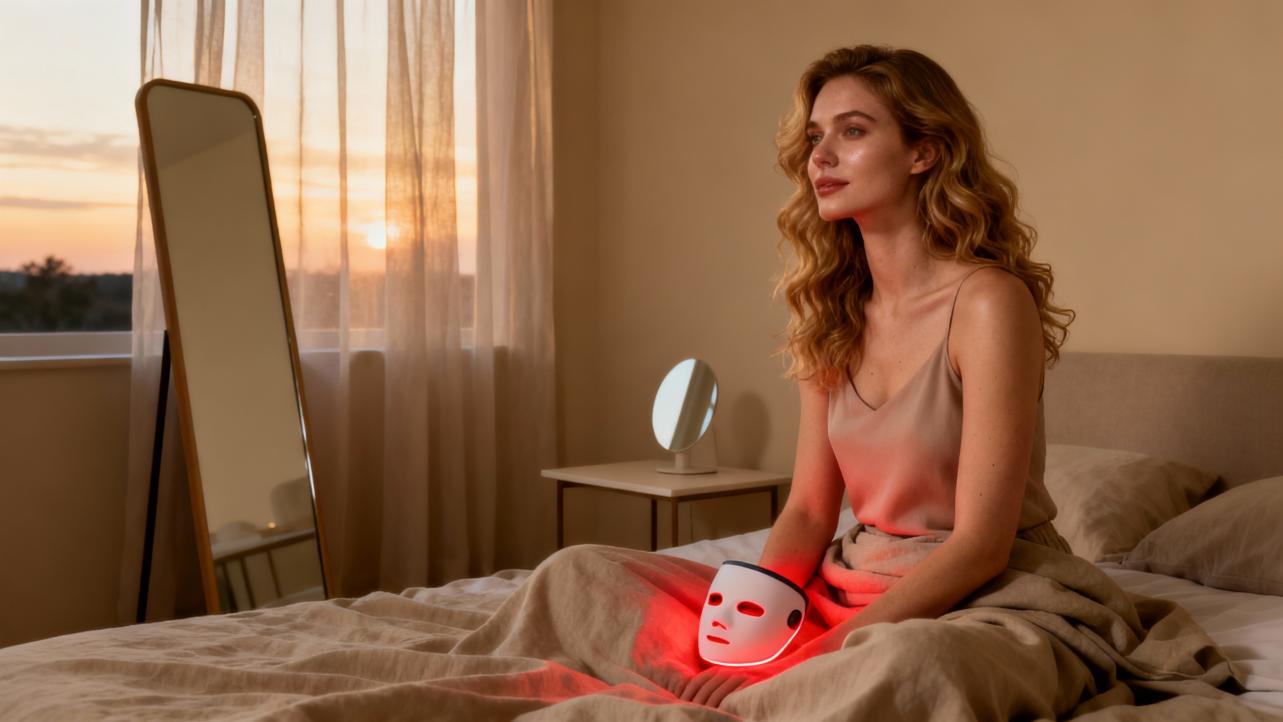
If you want clinic-style biology at home, the device specs matter more than the marketing. High-quality panels and pads typically use red (around 630–660 nm) for skin and near‑infrared (around 810–850 nm) for muscles and joints. Look for both bands if you care about recovery as much as aesthetics.
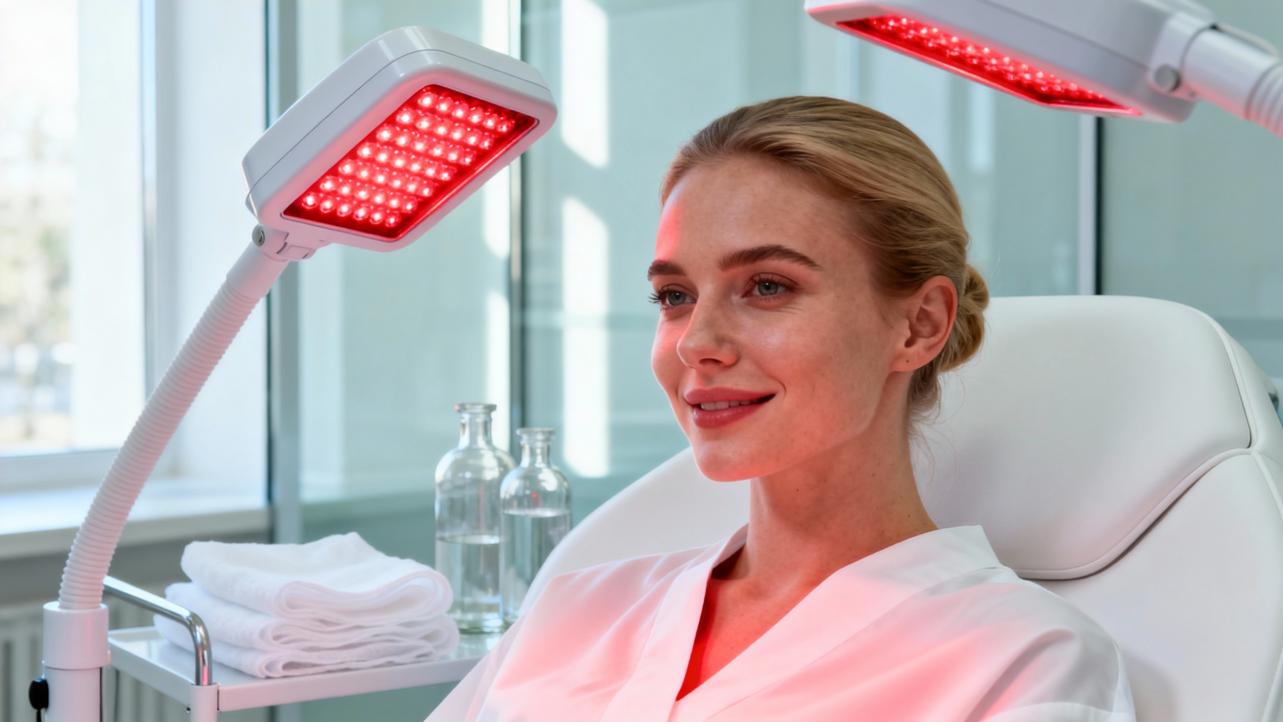
Irradiance (power density) is your dose dial. Many medical and at-home guides aim for roughly 20–100 mW/cm² at the skin, which typically translates to sitting about 6–12 inches from a decent panel. Too far away and your dose collapses; too close for too long and you overshoot the sweet spot.
From years of testing panels and pads on myself and clients, I’ve learned to favor: clear published wavelengths, honest power specs, built‑in timers, and either FDA-cleared or medically vetted brands. Stanford and Cleveland Clinic both point out that FDA clearance mainly speaks to basic safety, not guaranteed effectiveness—so still think like a skeptic.
Smaller wands are fine for a single wrinkle or a finger joint; panels or flexible pads are far more practical if you’re treating a face, knee, or back multiple times a week.

Daily Protocols: Skin, Pain, and Performance
Think of red light as a training stimulus for your cells: modest intensity, repeated often. Most clinical and expert protocols cluster around 10–20 minutes per area, 3–5 sessions per week, for at least 4–6 weeks before you judge results.
For general wellness and skin support, I typically program people at 10–15 minutes, 3–4 mornings per week, panel about 6–12 inches away. For sore joints or post‑workout recovery, you can push to 15–20 minutes on the target area, 3–5 times weekly for the first 4 weeks, then taper to about 2 sessions per week for maintenance as suggested in several protocols summarized by Fuel Health Wellness and others.
Quick-start home protocol:
- Clean, bare skin; remove makeup, sunscreens, and SPF foundations.
- Position device 6–12 inches from the area you’re treating.
- Start with 10 minutes, 3 times per week per area for 2 weeks.
- If well tolerated, increase to 15–20 minutes and/or 4–5 sessions per week as needed.
If the light feels stimulating, favor morning or early afternoon; if you find it relaxing (many do), an early‑evening “wind‑down” block works well—just avoid blasting your eyes with bright panels right before bed.
Safety, Limits, and Smart Caution
Medical centers including Harvard, Cleveland Clinic, and UCLA Health consistently describe red and near‑infrared light as low risk when used correctly: non‑ionizing, non‑burning, and not linked to skin cancer. Still, there are rules.
Photobiomodulation follows a biphasic “Goldilocks” dose response: too little does nothing, too much can blunt benefits or cause irritation. Most safety guidelines cap sessions at about 5–20 minutes per body area and recommend 3–5 sessions per week, not marathon hours under the panel.
Use proper eye protection for face work, especially with high‑power panels or invisible near‑infrared. If you’re pregnant, have a history of skin cancer, seizures, photosensitive conditions like lupus, darker skin that tends to hyperpigment, or you take photosensitizing medications (certain antibiotics, acne drugs, or anti‑inflammatories), talk to a physician before you start.
One nuance worth underscoring: major institutions like Stanford and the Cleveland Clinic stress that evidence is still limited for weight loss, dementia, erectile dysfunction, or broad “longevity” claims, despite heavy online hype. Treat those as experiments, not promises.
Tracking Progress Like a Biohacker
Because red light works cumulatively and subtly, you’ll miss most of the win if you rely on memory. I recommend a simple tracking loop for at least 8–12 weeks: monthly photos for skin and hair, a 0–10 pain score for joints, and basic training or sleep notes if you’re chasing performance or recovery.
If nothing changes after a consistent 12–16 session block (about 4 weeks), adjust one variable at a time: distance, duration, or frequency—never all three at once. If you see benefits, shift into a sustainable maintenance cadence (often 1–2 sessions per area per week) rather than stopping completely and losing your gains.
Integrated this way—right device, right dose, right expectations—red light therapy becomes what every home biohacker wants: a quiet, science‑aligned background habit that helps your skin, joints, and mitochondria age a little more gracefully.

References
- https://www.health.harvard.edu/staying-healthy/red-light-therapy-for-skin-care
- https://med.stanford.edu/news/insights/2025/02/red-light-therapy-skin-hair-medical-clinics.html
- https://www.brownhealth.org/be-well/red-light-therapy-benefits-safety-and-things-know
- https://atria.org/education/your-guide-to-red-light-therapy/
- https://my.clevelandclinic.org/health/articles/22114-red-light-therapy