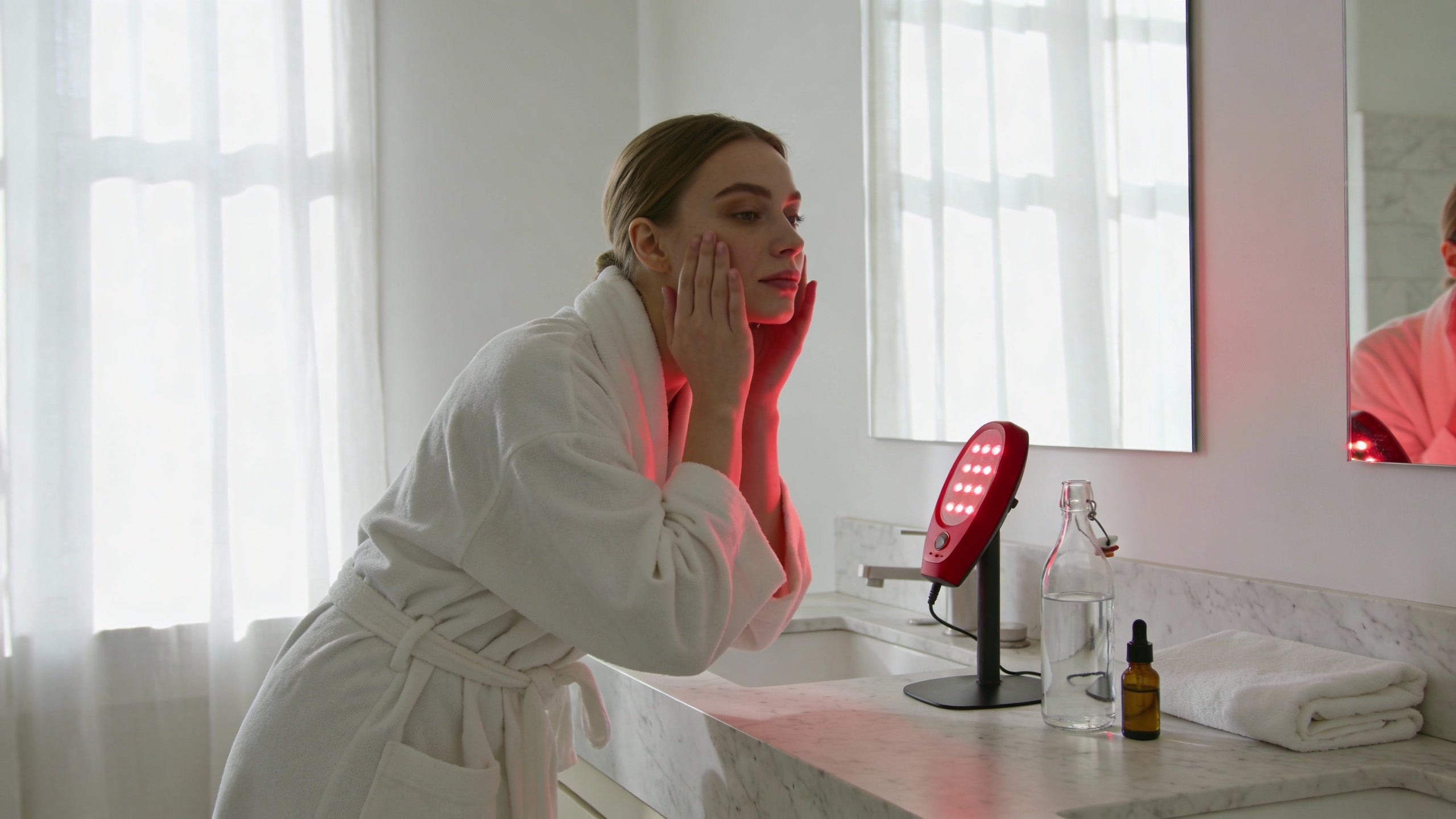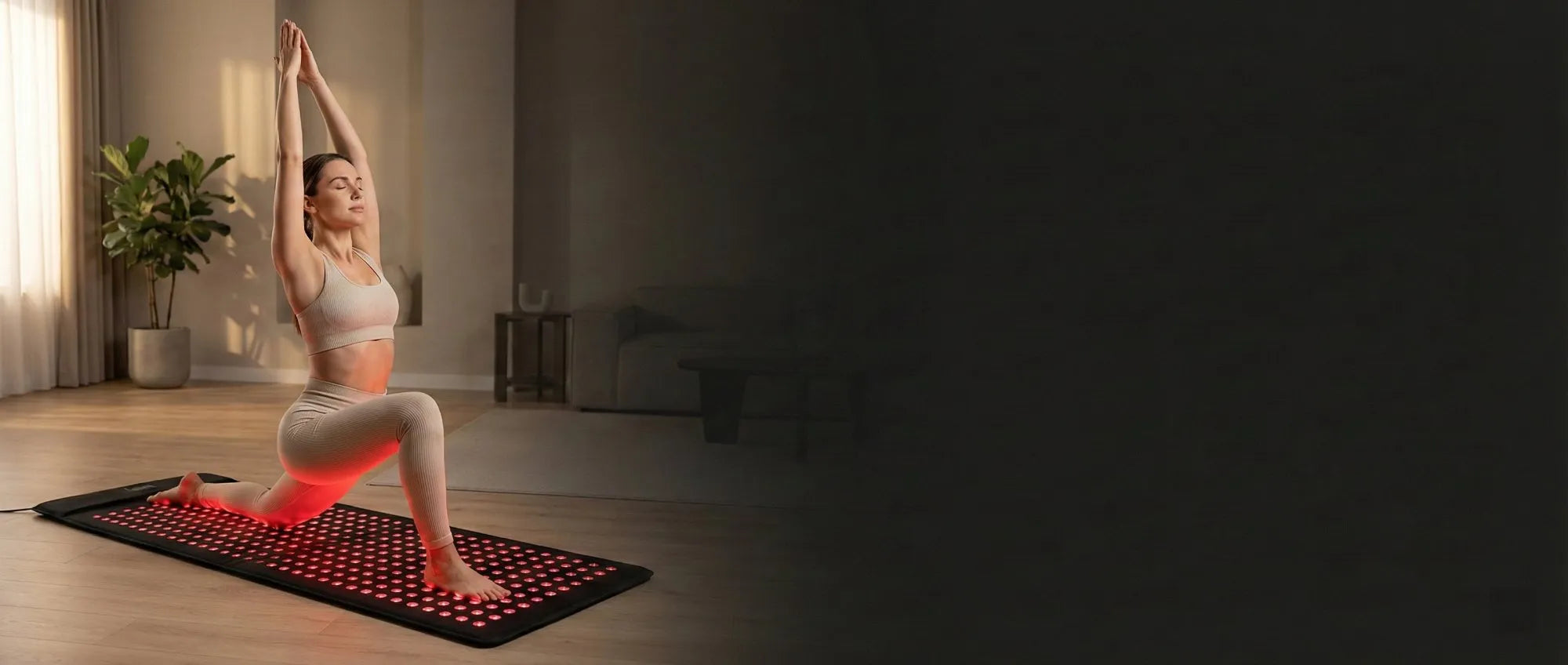
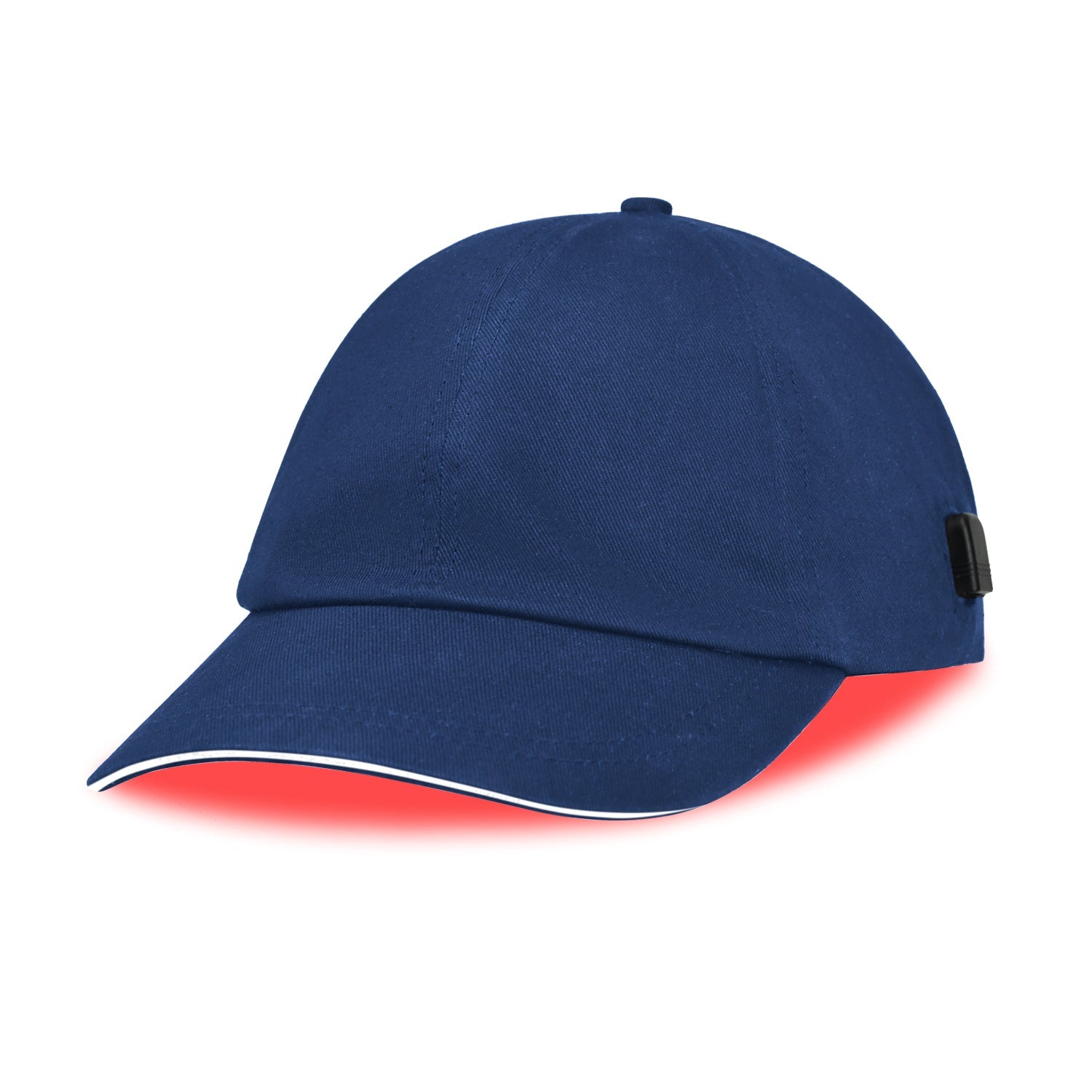
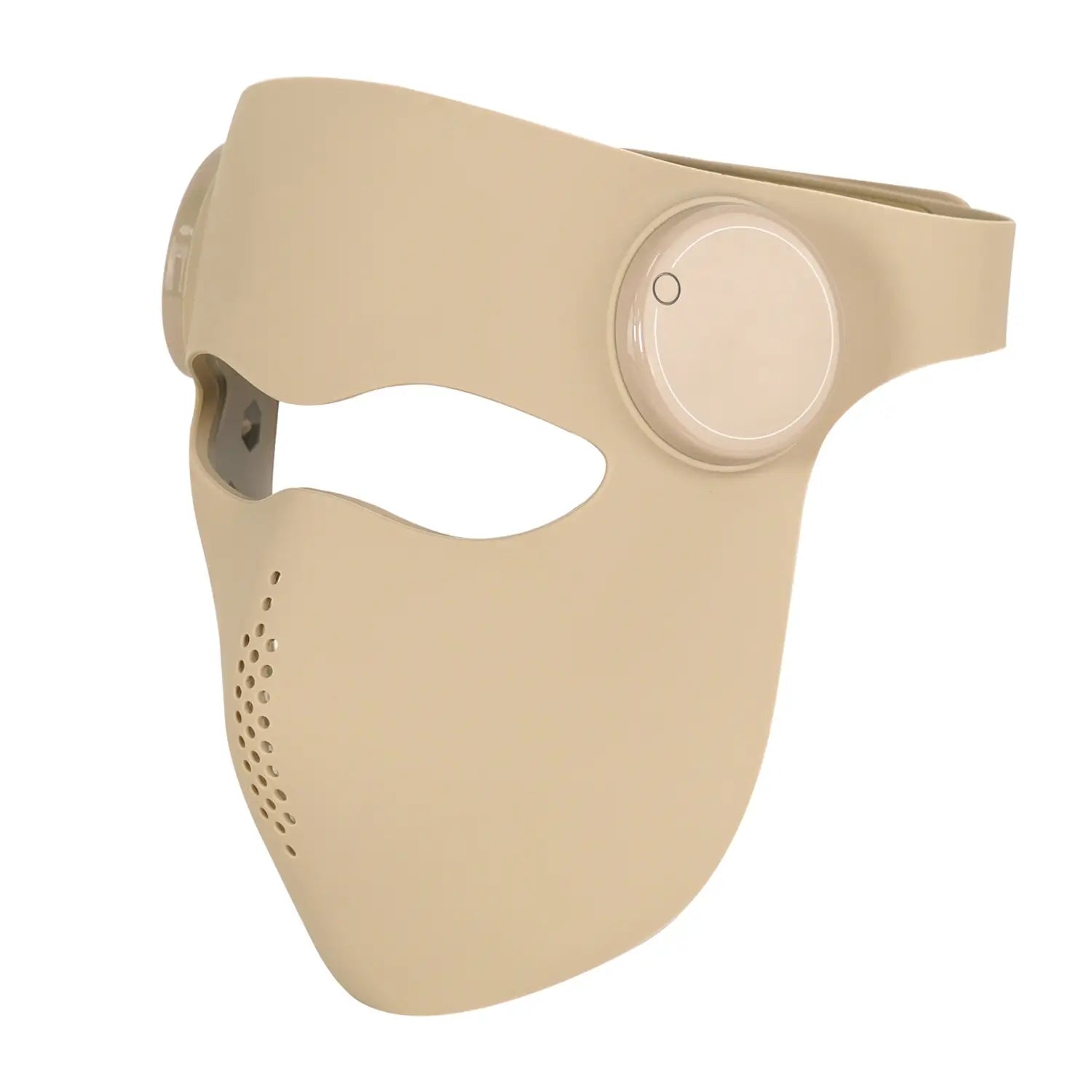

If you scroll wellness feeds long enough, you start to believe red light therapy can do everything short of paying your bills. As someone who has spent years testing clinical panels, at-home masks, and reading the dry photobiology papers so you do not have to, I can tell you this: red light is not magic, but it does measurably change how skin cells behave at every age.
The nuance is in the details. Different ages bring different skin biology, different problems, and slightly different risk–benefit calculations. When you understand how red light interacts with mitochondria, fibroblasts, inflammation, and collagen across the decades, you can design a protocol that is actually worth your time and money instead of just adding another gadget to your shelf.
Let’s walk through what the science really says, age by age, and what I recommend as a light therapy geek who is picky about evidence.
How Red Light Therapy Interacts With Skin Cells
What Red Light Therapy Actually Is
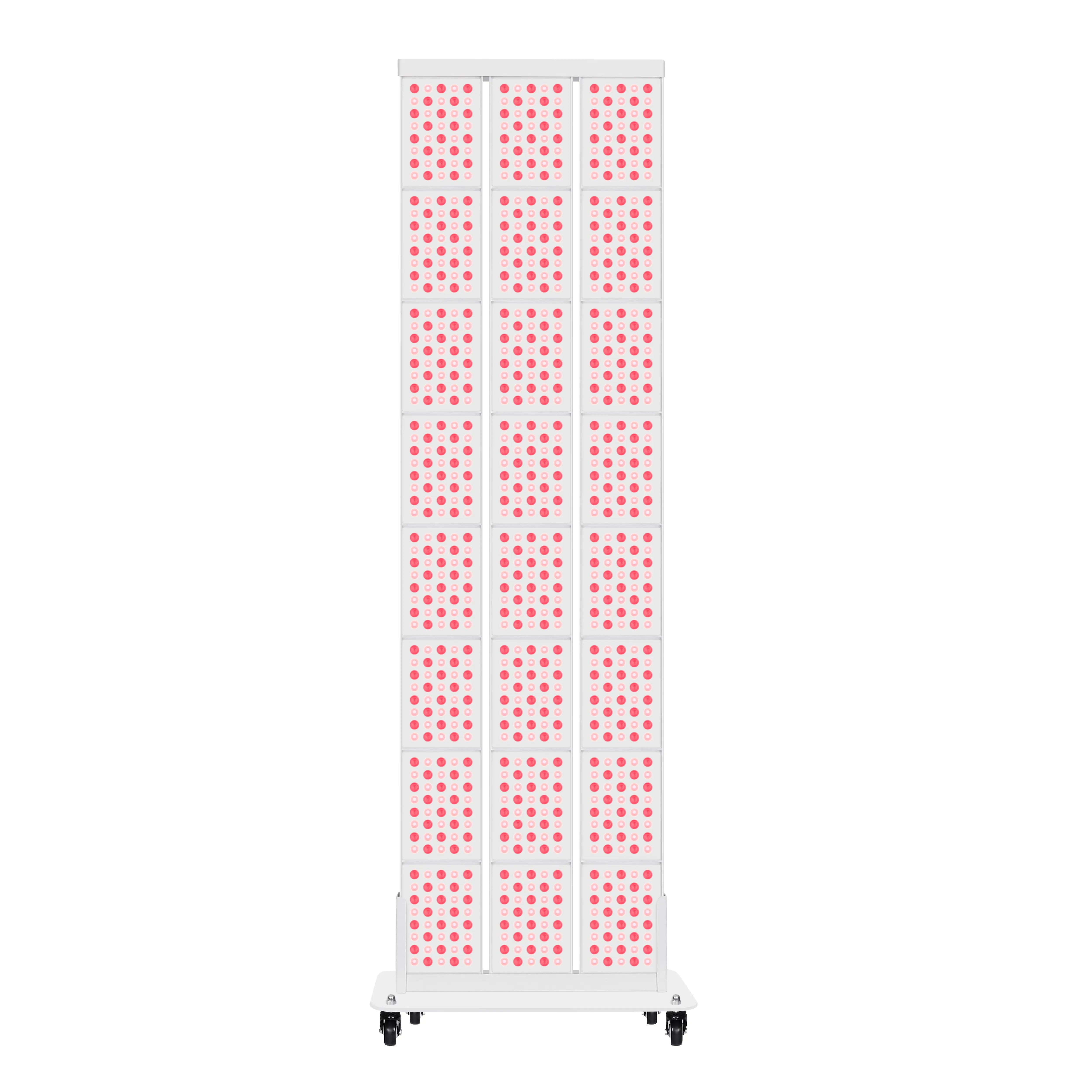
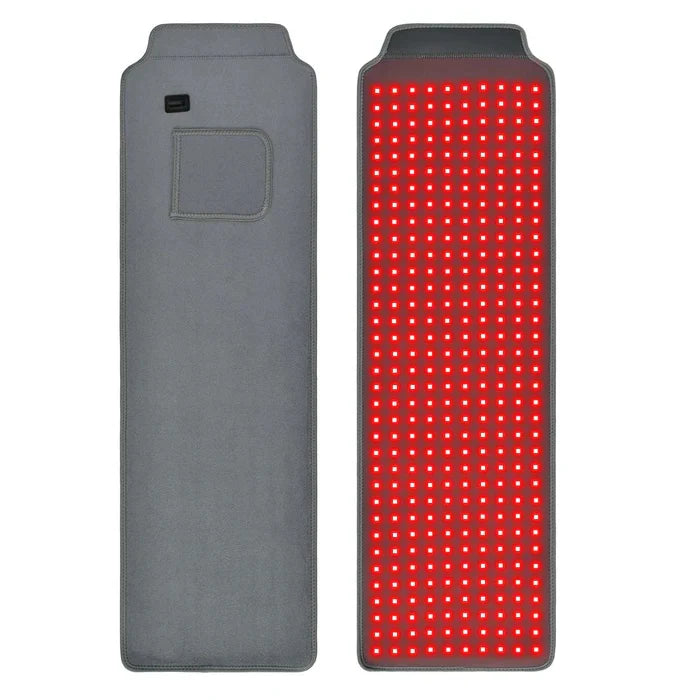
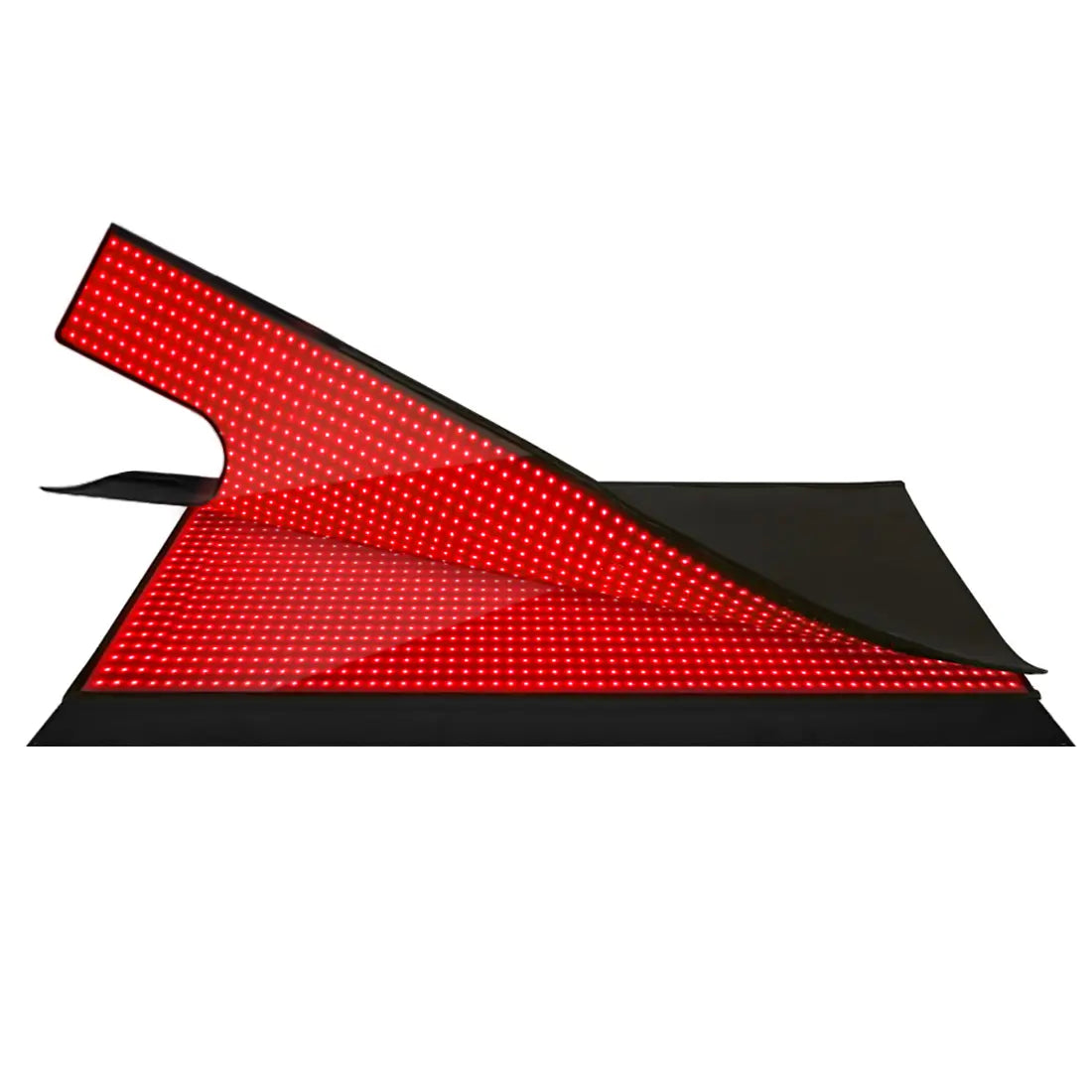
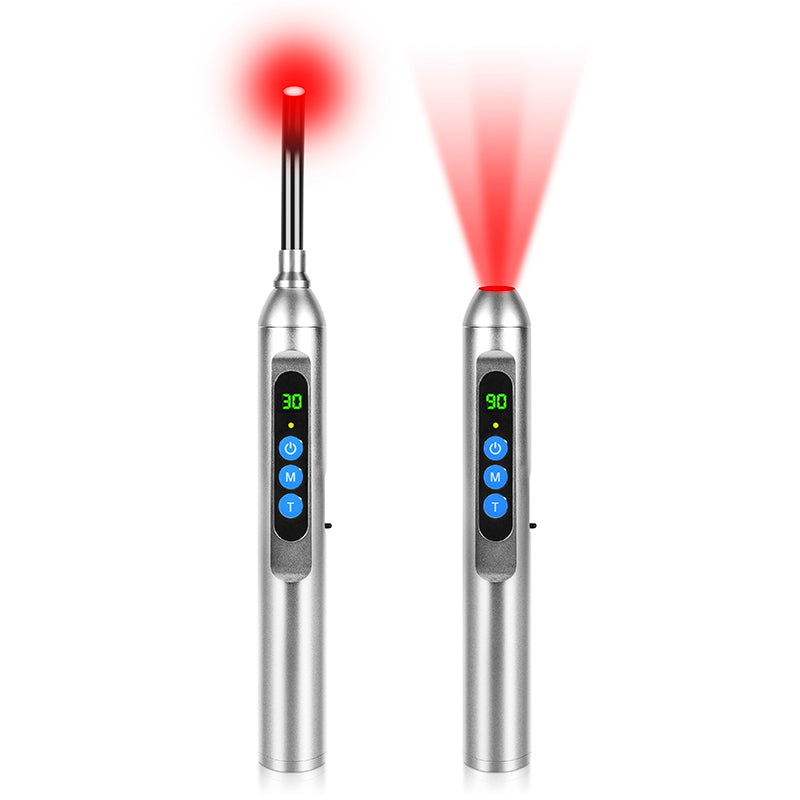
In the medical literature, what most people call red light therapy is usually labeled photobiomodulation or low-level light therapy. It uses low-energy red and sometimes near‑infrared wavelengths, typically in the 630–700 nanometer range for visible red, delivered by LEDs or low-level lasers.
Cleveland Clinic, Harvard Health, and multiple academic centers describe the same core mechanism. Red light penetrates into the skin without using ultraviolet light. Skin cells absorb this red light, particularly in their mitochondria, the “power plants” that generate ATP. Studies summarized by Cleveland Clinic, Penn State Behrend, and Baylor College of Medicine report that this light absorption can:
- Increase ATP production.
- Stimulate fibroblasts, the cells that make collagen and elastin.
- Improve local blood flow.
- Reduce inflammatory signaling.
Camelback Dermatology, Santa Barbara Skin Care, and others point out that by activating fibroblasts and boosting collagen and elastin, red light can counter some of the age‑related decline in these proteins that leads to wrinkles and sagging.
In practical terms, you shine red light on skin, and over repeated sessions you often see:
- Slightly smoother texture and fine lines.
- Calmer redness and less irritation.
- Faster healing after minor injuries, acne, or procedures.
The effect size is modest, but the direction is real.
To visualize the commitment, imagine a very typical protocol cited by dermatology practices and wellness institutes: ten to twenty minutes per session, two to three times per week. If you did fifteen minutes three times per week for twelve weeks, that is about nine hours total time under the light. The people who get results are usually the ones who actually log those hours.
Collagen, Elastin, and the Aging Matrix
A controlled trial indexed on PubMed Central followed 136 adults aged 27 to 79 who received full‑body red or red‑plus‑near‑infrared light twice weekly, for thirty sessions. Doses were carefully measured in joules per square centimeter in classic photobiology fashion. Compared with untreated controls, the treated groups showed:
- Significant increases in ultrasonographically measured intradermal collagen density.
- Reduced computer‑measured skin roughness in the periorbital (eye) area.
- Higher self‑rated skin “feeling” and complexion.
Importantly, the study found no meaningful advantage of a broader polychromatic spectrum over a red‑only band between 611 and 650 nanometers. That suggests you do not need exotic multi‑color devices for collagen and texture; well‑delivered red light alone can be enough.
This collagen response is particularly relevant after midlife, when fibroblast activity and natural collagen production drop. Camelback Dermatology and Santa Barbara Skin Care both emphasize that red light–activated fibroblasts help restore some firmness and elasticity, translating into softer wrinkles and less sagging over time.
Inflammation, Barrier, and Breakouts
Red light’s anti‑inflammatory effects show up in several ways.
Cleveland Clinic and dermatology practices such as Camelback note improvements in inflammatory skin conditions like acne, rosacea, eczema, and psoriasis. Red light reduces pro‑inflammatory mediators, supports barrier repair, and improves circulation. Baylor College of Medicine, UCLA Health, and multiple dermatology sources describe how red and blue LEDs are often combined for acne: blue light helps target acne‑related bacteria at the surface, while red light reduces inflammation, speeds healing, and may help soften acne scars and post‑inflammatory hyperpigmentation.
For a typical adult with mild inflammatory acne, this often means fewer angry, red lesions and faster resolution of breakouts when red light is used regularly alongside standard topical therapy. It does not replace benzoyl peroxide, retinoids, or hormonal work‑ups for stubborn acne, but it can take the edge off inflammation.

How Strong Is the Evidence, Really?
Clinical Trials on Skin and Safety
The PubMed Central trial I mentioned is one of the better‑designed human studies we have right now for overall skin rejuvenation. Past the collagen and roughness data, the key point is safety. Thirty full‑body sessions over several months produced no serious adverse effects and no meaningful ultraviolet exposure.
Separate phase I safety trials, often referred to collectively as the STARS 1 and STARS 2 studies and available through PubMed Central, pushed red LED doses much higher, into the 160 to 640 joules per square centimeter range, using a 633‑nanometer device on healthy adult forearms. Across more than one hundred participants of diverse skin types, the trials found:
- No serious adverse events.
- Mostly mild, transient redness.
- A handful of blistering events at the very highest doses, which established maximum tolerated dose thresholds.
From those dose‑escalation data, the researchers concluded that, for short‑course regimens, fluences up to about 320 joules per square centimeter are safe across skin tones, and up to about 480 joules per square centimeter are safe in lighter, non‑Hispanic Caucasian skin, under medical supervision. They also saw hints that darker skin may blister at lower high doses, which aligns with what dermatologists caution about hyperpigmentation risk from visible light in deeper skin tones.
Meanwhile, Harvard Health, Cleveland Clinic, WebMD, and UCLA Health all converge on the same message: red light therapy is non‑ionizing, does not use ultraviolet radiation, and appears safe in the short term when used correctly, with eye protection and sensible session times. What remains unknown is long‑term safety at high doses and in special populations such as children or people with complex medical conditions.
Where Benefits Are Strongest vs More Speculative
Stanford Medicine, Harvard Health, UCLA Health, and several dermatology practices tend to agree on where the evidence is most solid:
- Modest improvement in fine lines, wrinkles, and overall skin texture.
- Support for wound healing and scar appearance in some contexts.
- Acne improvement, especially mild to moderate inflammatory acne.
- Hair regrowth in androgenetic alopecia (pattern hair loss), which is technically a hair follicle story but still a skin organ response.
For other popular claims, such as dramatic body contouring, weight loss, systemic chronic pain resolution, or major cognitive change, the data are much thinner. UCLA Health and WebMD both emphasize that studies on dementia, broader chronic pain, and systemic diseases are early, small, and not definitive. Cleveland Clinic and Healthline are blunt: red light therapy is still an emerging treatment with promising but limited evidence, and many online wellness claims are simply not backed by strong trials.
As a light therapy obsessive, I rely on a simple rule: if Harvard Health, Cleveland Clinic, and WebMD all still use words like “promising,” “emerging,” and “more research needed” for a given use, I treat that use as experimental and do not build a protocol around it.
Teens and Young Adults: Acne, Oil, and Early Prevention
Red light’s relationship with teenage and twenty‑something skin is mostly about inflammation and acne control.
Baylor College of Medicine describes LED therapy as particularly well suited for brightening hyperpigmentation and treating mild, surface‑level acne, not deep cystic cases. Blue LEDs help address acne‑related processes near the surface, while red light calms inflammation and supports healing. Camelback Dermatology and Cleveland Clinic also list acne as a key indication, largely through collagen support, circulation, and anti‑inflammatory action.
At this age, mitochondria, fibroblasts, and collagen are not the problem; hormones and sebum are. That means the goal is not “anti‑aging” but reducing red, painful breakouts, limiting scarring, and maybe dialing down early sun damage.
In practice, a teen or college student with mild inflammatory acne will usually get the most value from red light therapy if three conditions are met. First, they already have basics in place: a good cleanser, a non‑comedogenic moisturizer, and evidence‑based topicals like benzoyl peroxide or retinoids under professional guidance. Second, their expectations are calibrated; dermatology sources like UCLA Health stress that LED therapy is an ongoing maintenance tool, not a one‑time cure. Third, the acne is in the mild‑to‑moderate category and primarily inflammatory rather than deeply nodular.
Realistic use, based on dermatology clinics and wellness institutes, would look like ten to twenty minutes of red or red‑plus‑blue light, two or three times per week, for at least eight to twelve weeks. That is roughly eight to twelve hours of total exposure over three months. Visible improvement often shows up only after several sessions, with fuller benefits around ten to twelve sessions, which matches observations from professional esthetics schools and clinics.
One important caution: the phase I safety trials and most clinical studies focus on adults, often with average ages around the mid‑50s, and specifically note that long‑term safety and pediatric safety remain to be studied. If you are considering red light therapy for someone under eighteen, it is wise to involve a board‑certified dermatologist or pediatric dermatologist rather than relying on social media trends or generic at‑home devices.
Adults in Their 20s to 40s: From Optimization to First Repair
By the time you hit your late 20s and 30s, collagen production begins to edge downward, even if your skin still looks good. This is the window where red light can shift from acne and inflammation management into prevention and gentle correction.
Harvard Health, citing the American Academy of Dermatology, notes that red light therapy can reduce fine lines and wrinkles, lighten dark spots, smooth texture, diminish redness, accelerate wound healing, boost hair regrowth, minimize scars, and ease acne. Stanford Medicine points out that evidence is relatively strong for modest wrinkle reduction and hair regrowth, while still insisting that red light is no panacea.
For busy adults, the biggest barrier is rarely technology; it is adherence. Harvard Health is blunt about this. For red light therapy devices to be effective, they need to be used multiple times per week for four to six months. It is slow and steady, not a quick fix. UCLA Health makes a similar point, showing that benefits in studies often last only a month or so after stopping treatment.
At this age, I like red light therapy in three specific roles that align well with the evidence.
First, as a consistency anchor. If a patient or client is more likely to keep up with a nightly or every‑other‑night skincare routine because it includes ten relaxing minutes under a red light mask, the benefit often comes as much from the routine itself as from the photons. Baylor College of Medicine and esthetics institutes both emphasize that diligence over months is what separates meaningful outcomes from disappointment.
Second, as a recovery enhancer. Dermatologists frequently use LED red light after lasers, chemical peels, or microneedling to calm inflammation and speed healing. Baylor College of Medicine mentions this post‑procedure use specifically. For a 35‑year‑old doing quarterly peels or occasional microneedling, adding red light sessions in the immediate recovery days can reduce downtime and erythema.
Third, as low‑downtime maintenance. Compared with more aggressive options like ablative lasers, intense pulsed light (IPL), or deep peels, red light is comfortable, non‑ablative, and essentially downtime‑free. Clinics that compare RLT to IPL and other modalities position red light as ideal for sensitive skin, early aging changes, and long‑term maintenance, while IPL or stronger lasers are reserved for more dramatic pigment and vessel correction.
In this age band, a common pattern is an at‑home LED mask or panel used ten to twenty minutes a few times per week, combined with in‑office red light “boosts” around more intensive treatments. Cost‑wise, dermatology sources and health publishers suggest that in‑office LED sessions often run around eighty dollars or more per visit, while at‑home devices typically sit in the roughly one hundred to one thousand dollar range. If you run the math on weekly in‑office visits for three months, it is very easy to exceed the price of a solid at‑home panel, which is why I encourage people to think in terms of a six‑ to twelve‑month plan, not a single session.
Midlife and Older Adults: Repair, Resilience, and Healing
Once you are into your 40s, 50s, 60s, and beyond, the biology shifts. Collagen declines more steeply, cumulative ultraviolet damage adds up, and wound healing slows. This is where the collagen and circulation effects of red light therapy become especially attractive.
The randomized trial spanning ages 27 to 79 offers clear evidence that even older skin can respond with increased intradermal collagen density and reduced surface roughness after a series of thirty sessions. Participants included people with shallow, moderate, and deep wrinkles at baseline, and treated groups saw statistically significant improvements over controls in both objective and subjective metrics.
Harvard Health, summarizing American Academy of Dermatology guidance, highlights that red light therapy can lighten dark spots, improve texture, diminish redness, and accelerate wound healing, including in settings like diabetic ulcers or slow‑healing injuries. Camelback Dermatology and Santa Barbara Skin Care similarly emphasize scar softening and improved tone for sun‑damaged, hyperpigmented, or dull skin.
At the same time, UCLA Health and WebMD point out that hair regrowth data for red light are strongest in androgenetic alopecia, a condition common in midlife and older adults. Red light appears to improve scalp blood flow and energize follicles, increasing hair thickness and density, though benefits tend to fade after stopping treatment.
Older adults also show up prominently in the pain and wound‑healing research. MD Anderson Cancer Center uses low‑level red lasers for conditions like oral mucositis (painful mouth sores) from cancer therapy and is actively studying red light for cancer‑related and chronic pain. UCLA Health reviews data suggesting red light can reduce acute and chronic pain and inflammation, although pain often returns after treatment stops.
For skin‑focused protocols in this age group, I tend to prioritize:
- Regular facial and neck red light for collagen support and redness reduction.
- Post‑procedure red light after surgeries, peels, or lasers to help healing.
- Targeted use over chronic wounds or fragile skin under the guidance of a dermatologist or wound‑care specialist.
One extra layer of nuance is skin tone. Harvard Health and UCLA Health both note that people with darker skin may be more sensitive to visible light, including red, with a greater risk of developing dark spots (hyperpigmentation). They recommend that individuals with deeper skin tones start with lower doses and always involve a board‑certified dermatologist in treatment planning, rather than jumping straight into high‑power at‑home devices.
Finally, the safety data we have, including the STARS trials, are heavily weighted toward adults with average ages around the mid‑50s and skew male. Those studies explicitly highlight that long‑term safety and safety in diseased or pediatric populations remain open questions. For older adults with multiple medical conditions, it makes sense to keep red light therapy nested inside a medically supervised plan rather than as a solo experiment.
How Age Shapes Realistic Goals for Red Light Therapy
To put this all together, it helps to see age, main skin issues, and realistic red light roles side by side.
Age group |
Dominant skin concerns |
What red light can realistically support |
Best setting |
Key cautions |
Teens and early 20s |
Inflammatory acne, redness, early sun damage |
Reduced inflammation, faster healing, fewer red lesions, some scar softening |
Dermatology‑guided LED, sometimes combined red and blue light; cautious at‑home use in older teens |
Limited pediatric safety data; always consult a dermatologist, especially for minors |
Mid‑20s to late 30s |
Mild wrinkles, first pigment changes, stress‑related breakouts |
Early collagen support, texture and tone improvement, recovery after peels or microneedling, acne calming |
Combination of at‑home masks or panels and in‑office sessions around procedures |
Main risk is over‑promising; stick to realistic expectations and eye protection |
40s and beyond |
Deeper wrinkles, laxity, sun damage, slower healing, hair thinning |
Collagen and elastin support, improved redness, help with scar appearance, adjunct for wound healing and hair regrowth |
Professional devices in dermatology or medical aesthetics settings, optionally supplemented by high‑quality home devices |
Monitor for hyperpigmentation in darker skin tones; integrate with medical care for wounds, cancer treatment effects, or chronic pain |

Safety, Dosing, and Choosing a Device at Any Age
No matter how old you are, a few principles are non‑negotiable.
First, safety. Cleveland Clinic, Harvard Health, WebMD, MD Anderson Cancer Center, and UCLA Health all stress that red light therapy uses visible, non‑ionizing light, not UV. That means it is not associated with the DNA damage and skin cancer risk inherent in tanning beds or unprotected sun exposure. However, that does not make it free of risk. Across clinical and safety studies, the main issues are:
- Eye injury from direct exposure, especially with lasers or high‑intensity panels, which is why clinics use goggles or shields.
- Skin burns or blistering at very high doses or with malfunctioning devices, as documented in the STARS safety trials and scattered case reports.
- Potential hyperpigmentation or dark spots in darker skin when visible light doses are too high.
Second, medical context. Cleveland Clinic and Harvard Health both recommend avoiding red light devices, or at least getting medical clearance, if you:
- Take photosensitizing medications such as certain antibiotics, acne drugs, or mood stabilizers.
- Have a history of skin cancer or precancerous lesions.
- Have light‑sensitive conditions such as lupus.
- Have inherited eye diseases or significant eye history.
Third, dosing and consistency. Professional dermatology and wellness sources converge around ten to twenty minutes per session, several times per week, for weeks to months. Brillare Beauty Institute notes that visible effects often require ten to twelve sessions, after which maintenance once a week can help sustain improvements. Harvard Health and UCLA Health emphasize that you are looking at four to six months of multiple weekly sessions for meaningful change, and that benefits tend to fade within about a month after stopping.
If you run a realistic time budget for a six‑month anti‑aging protocol at fifteen minutes three times per week, you are committing roughly eighteen hours of total light exposure over that period. If those hours displace doom‑scrolling and anchor a disciplined skincare routine, they can be extremely well spent. If they just add more noise to a chaotic regimen, red light therapy will underperform no matter how good the device is.
Finally, device choice matters, but maybe not in the way marketing suggests. Stanford Medicine and multiple hospital systems point out that devices used in clinics and medical spas are generally more powerful and better characterized in wavelength and power density than consumer masks and panels. At‑home devices are usually weaker and therefore safer, but they also demand more patience and consistency.
Harvard Health, UCLA Health, and Cleveland Clinic all recommend looking for devices labeled as FDA‑cleared for a specific indication and being wary of products that promise sweeping benefits far beyond what current clinical studies support. The American Academy of Dermatology and these hospital systems also consistently recommend consulting a dermatologist before starting, especially if you have darker skin, complex medical conditions, or plan to treat anything beyond cosmetic fine lines and mild acne.

FAQ: Age‑Specific Questions I Hear All the Time
Is red light therapy safe for kids and younger teens?
Most of the better safety data come from adults, not children. The high‑fluence safety trials using red LED light specifically note that they did not evaluate pediatric populations and that long‑term safety is unknown. Because younger skin is still developing and acne treatment for minors already has many evidence‑based options, I recommend using red light therapy for children or younger teens only under the supervision of a dermatologist, and only as an adjunct to standard care.
If I am in my 20s or 30s and do not have visible wrinkles yet, is red light therapy worth it?
For someone in their 20s or 30s with healthy skin, the biggest levers for long‑term skin quality are still daily broad‑spectrum sun protection, not smoking, good nutrition, high‑quality sleep, and stress management. Red light therapy can add marginal benefits in texture, tone, redness, and post‑acne healing, and it can support recovery after procedures. But if money or time are limited, prioritize the basics first. That mirrors the perspective from university health systems that place core lifestyle “pillars” above gadgets.
I am over 60 with sun damage and slower wound healing. Should I favor in‑office or at‑home red light therapy?
If you have significant sun damage, fragile skin, diabetes, or are recovering from surgery or cancer treatment, in‑office treatment is generally the safer starting point. Clinical devices at dermatology practices, wound‑care centers, or cancer centers like MD Anderson are calibrated, and treatments are supervised by professionals who can adapt dosing and monitor for side effects. Once a stable protocol is in place and your providers are comfortable, layering in a high‑quality at‑home device for maintenance can make sense, but it should be part of a coordinated medical plan.
Red light therapy has earned its place in serious skin care, not as a miracle, but as a gentle, biologically active nudge to your cells’ energy systems and repair machinery. Across age groups, it can help calm inflammation, support collagen, and speed healing, provided you pair it with smart lifestyle choices and realistic expectations. If you approach it like a veteran optimizer—evidence first, consistency second, gadgets third—it can be a quietly powerful ally in keeping your skin resilient from your teens into older age.

References
- https://lms-dev.api.berkeley.edu/red-light-therapy-research
- https://brillarebeautyinstitute.edu/red-light-therapy-vs-traditional-skin-treatments/
- https://scholars.duke.edu/individual/pub1683616
- https://www.health.harvard.edu/diseases-and-conditions/led-lights-are-they-a-cure-for-your-skin-woes
- https://thewell.northwell.edu/skin-health/red-light-therapy-skincare
- https://clinicaltrials.gov/ct2/show/NCT06545396
- https://www.cortiva.edu/blog/red-light-therapy-vs-other-treatments-a-comparative-analysis-for-estheticians/
- https://pmc.ncbi.nlm.nih.gov/articles/PMC3926176/
- https://blogs.bcm.edu/2025/06/24/led-light-therapy-how-does-it-work-on-your-skin/
- https://behrend.psu.edu/student-life/student-services/counseling-center/services-for-students/wellness-offerings/red-light-therapy