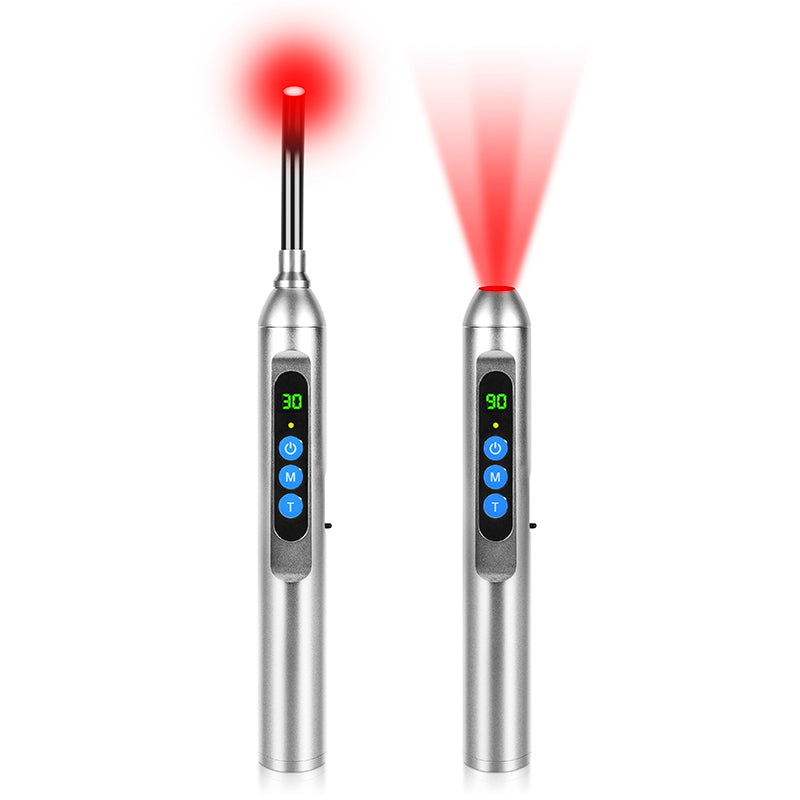

What Red Light Therapy Actually Is
If you hang around biohackers or dermatology clinics long enough, you will hear red light therapy called a few different names: photobiomodulation, low-level light therapy, or low-level laser therapy. Under all those labels is the same core idea. Specific red and near-infrared wavelengths of light, usually delivered by LEDs or low-power lasers, are aimed at your skin to nudge cells into a higher-functioning state, without burning or cutting the tissue.
Clinics like Cleveland Clinic and Harvard-affiliated dermatology centers describe it as noninvasive, non-UV, and generally low risk when used correctly. Unlike tanning beds or sunlight, there is no ultraviolet radiation driving DNA damage. Instead, the light energy is absorbed mainly by mitochondria, the “power plants” of your cells, boosting production of ATP, the cellular energy currency. Penn State Behrend and Cleveland Clinic both note that this increase in cellular energy appears to support healing, reduce inflammation, and stimulate repair processes in skin and other tissues.
Originally, research accelerated when NASA started using red and blue LEDs for plant growth and noticed faster healing of skin abrasions under those arrays. NASA-sponsored work later showed that high-intensity red and near-infrared LEDs could reproduce many benefits of low-level lasers for tissue repair while being safer and cheaper, and military studies even found faster healing in training injuries. That early work helped legitimize LED-based photobiomodulation in mainstream medicine and opened the door to today’s dermatology uses.
In dermatology and aesthetics, the focus is visible red light in roughly the 600–650 nanometer range and near-infrared light around 800–880 nanometers. Franklin Dermatology, Stanford Medicine, UCLA Health, and Harvard Health all converge on the same core claim: used in the right dose and schedule, red light can modestly improve skin texture, fine lines, and overall appearance, and in some cases help acne, redness, scars, and hair thinning.

How Red Light Interacts With Your Skin Cells
As a long-time light therapy geek, I think about these devices less like beauty gadgets and more like very low-dose cellular coaching. The reason comes down to how red light interacts with the skin layers.
Red wavelengths around 600–700 nanometers penetrate into the dermis, the layer where fibroblasts live. These fibroblasts are the cells that manufacture collagen and elastin, the proteins that give skin firmness and elasticity. A paper in the Journal of the American Academy of Dermatology reports that low-level red and infrared light can increase expression of collagen, elastin, and hyaluronic acid in skin. Hyaluronic acid is the molecule that binds water and contributes to skin plumpness and hydration.
Photobiomodulation research summarized in scientific reviews describes a common pathway: red and near-infrared photons are absorbed by mitochondrial enzymes such as cytochrome c oxidase. That absorption increases ATP, modulates the redox state inside the cell, and upregulates genes related to tissue repair and regeneration. In simpler terms, the cell has more energy and shifts into a repair-and-rebuild mode.
Clinical work backs up these mechanisms. Franklin Dermatology cites laboratory data showing red light can boost collagen synthesis in human skin fibroblasts by up to about 400 percent in vitro, and clinical trials have found increases in dermal collagen density in treated skin. A randomized controlled trial of 136 volunteers exposed to red or polychromatic light twice per week for 30 sessions demonstrated measurable reductions in skin roughness and increases in intradermal collagen compared with untreated controls. This was achieved with non-thermal doses in the 611–650 nanometer band, without any intentional tissue damage.
Red light also influences blood flow and inflammation. Studies in Lasers in Medical Science observed enhanced microcirculation, which improves oxygen and nutrient delivery to the skin and contributes to a healthier glow. Multiple sources, including Arizona dermatology clinics and Harvard Health, emphasize its anti-inflammatory effects, which is a big reason it shows up in protocols for acne, rosacea, and wound healing.
To place red light in context, it helps to contrast it with blue and near-infrared light.
Light type |
Typical wavelength range |
Main skin targets |
Common skin uses and role |
Evidence snapshot for skin |
Red LED |
About 600–650 nm |
Dermal fibroblasts, blood vessels, nerves |
Fine lines, wrinkles, texture, redness, acne support |
Multiple small trials show modest collagen gains, smoother texture, and reduced wrinkles |
Near-infrared |
About 800–880 nm |
Deeper dermis, subdermal tissues |
Hair thinning, joint and muscle pain, some skin uses |
Evidence strongest for pain and hair; skin rejuvenation appears similar to red in some work |
Blue LED |
Visible blue range |
More superficial layers, sebaceous glands |
Acne bacteria and oil reduction |
Used clinically for acne; sometimes combined with red to pair antibacterial and anti-redness |
Harvard Health and other dermatology sources emphasize that combining red and blue can be especially interesting for acne: blue light targets acne-causing bacteria and sebaceous glands, while red light calms the resulting inflammation and promotes repair.

Visible Skin Benefits Backed by Research
Fine Lines, Wrinkles, and Skin Texture
If you care about appearance, this is the headline question: does red light actually do anything for wrinkles and texture, or is it just an Instagram filter with extra steps?
Several controlled human studies say there is a real, if modest, effect. A 2014 clinical trial in Photomedicine and Laser Surgery found that several weeks of red light therapy significantly increased collagen production and improved overall skin tone in aging skin. Franklin Dermatology notes that randomized trials, including one in Clinical, Cosmetic, and Investigational Dermatology, observed improvements in skin elasticity and surface roughness, with fewer visible wrinkles.
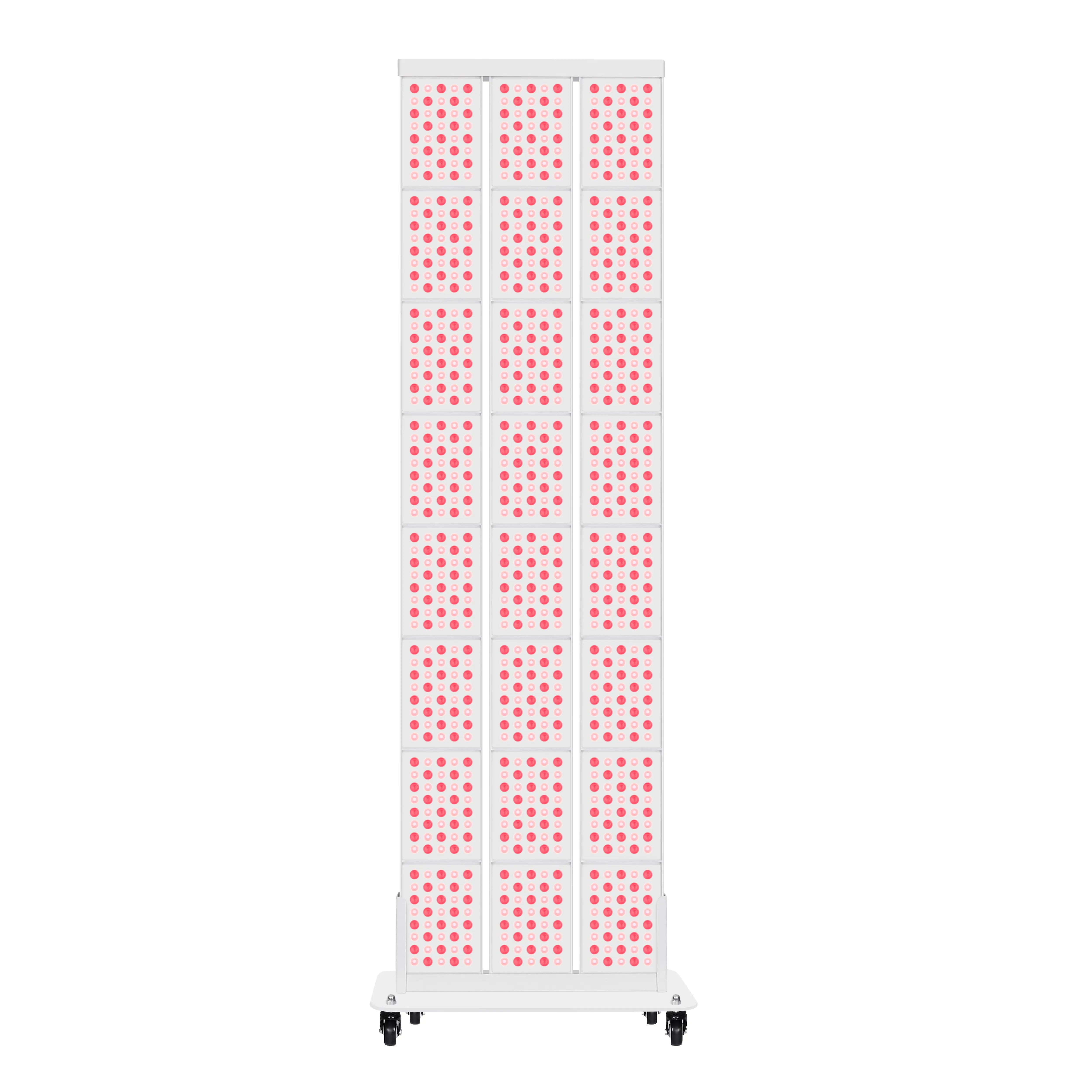
A large prospective trial of 136 volunteers using full-body or partial-body red light systems twice weekly for 30 sessions showed statistically significant improvements in skin complexion and subjective skin feeling, along with measurable reductions in roughness and increased collagen density on ultrasound. Importantly, independent physicians looking at before and after photos confirmed visible improvement in wrinkle appearance compared with untreated controls, and the treatment was described as atraumatic and non-ablative.
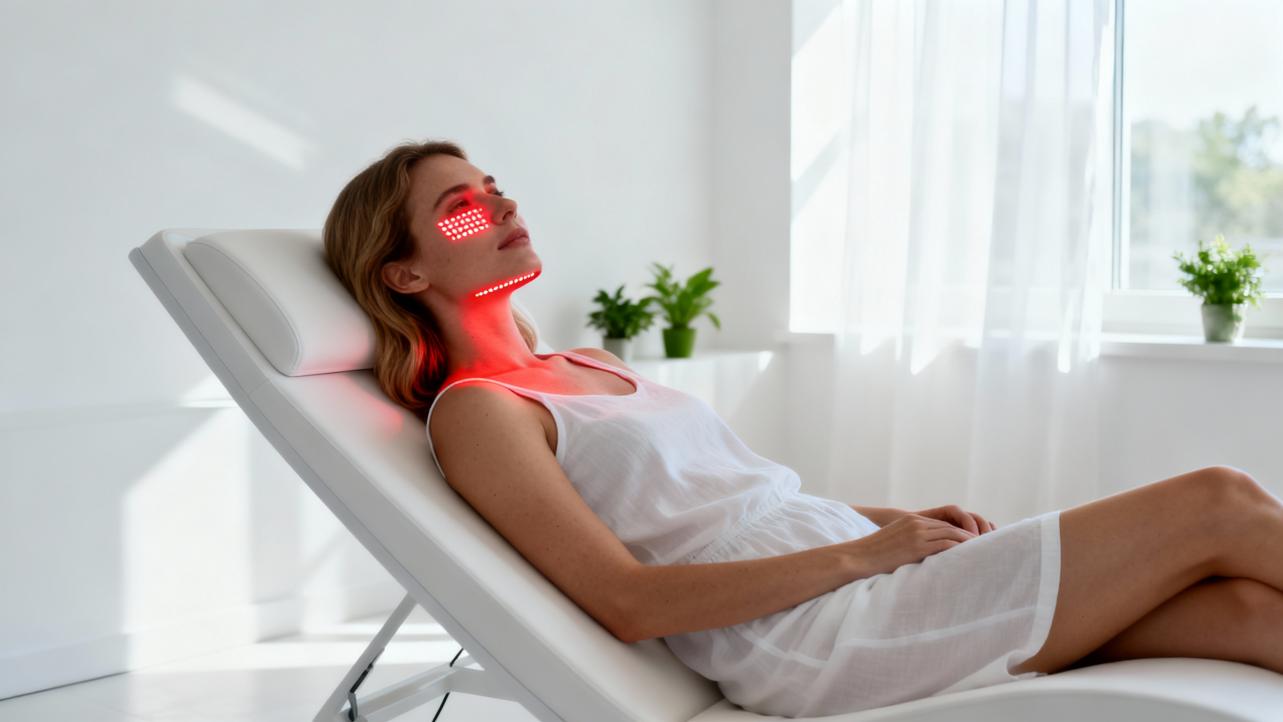
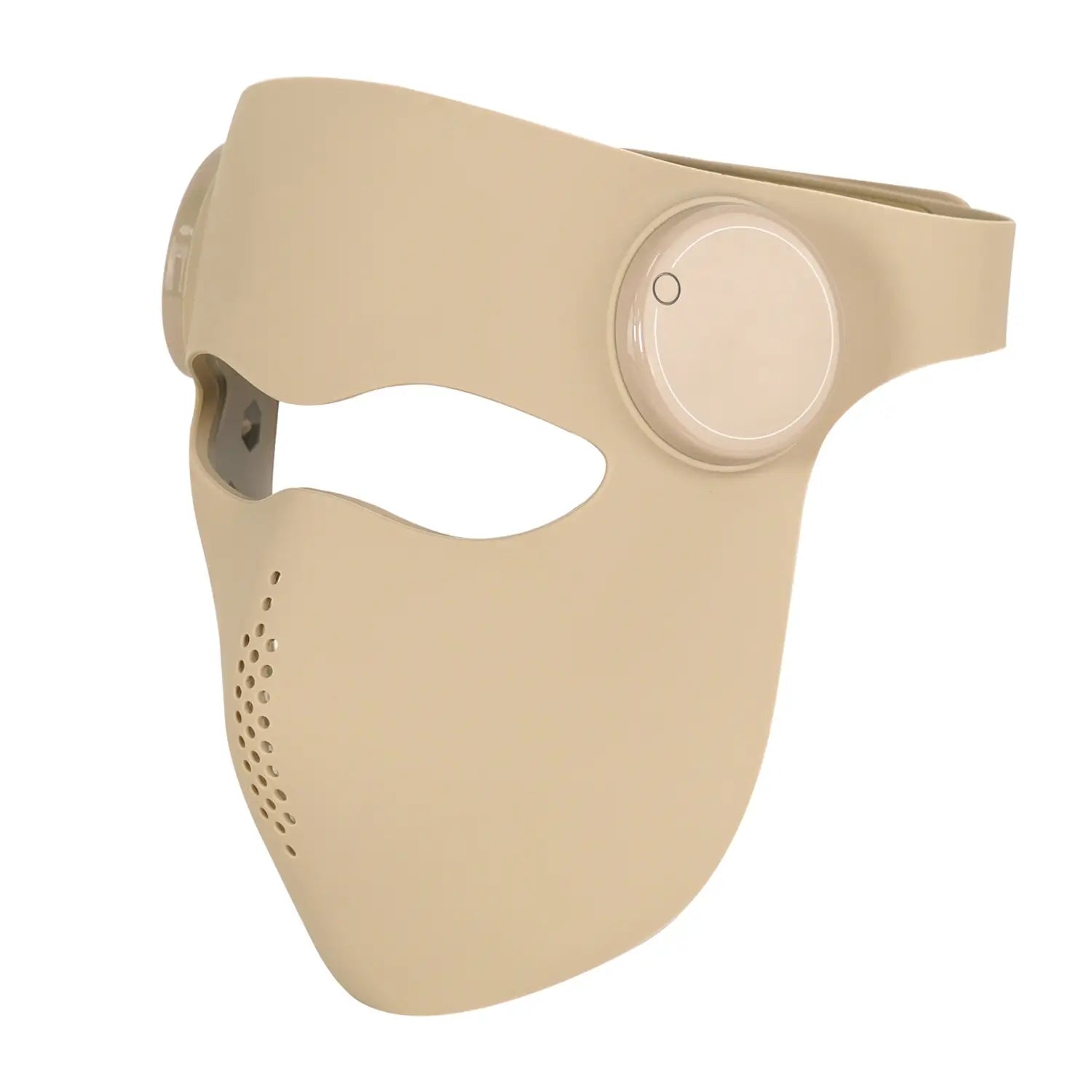
For more targeted facial work, a recent study of a home-use red LED mask emitting around 630 nanometers used 12-minute sessions twice a week for three months in adults with visible facial aging. Objective measures showed progressive improvements in crow’s-feet depth, firmness, dermal density, cheek roughness, pore size, and complexion homogeneity. All volunteers reported overall better skin quality, and the benefits persisted for about a month after stopping treatment. UCLA Health highlights similar findings for red-light masks used over three months, with improvements that outlasted the active treatment period.
Harvard Health and the American Academy of Dermatology summarize the literature this way. Red light therapy can reduce fine lines and wrinkles, smooth texture, and strengthen the skin by increasing collagen, but effects are modest, require weeks to months of consistent use, and vary with device parameters and individual biology. It is not a facelift in a lamp; it is more like gently turning up your skin’s natural maintenance program.
Skin Tone, Redness, and Hyperpigmentation
Beyond wrinkles, many people care just as much about blotchiness, redness, and dull tone. Here the evidence is smaller but still encouraging.
In the home-mask study mentioned earlier, researchers tracked complexion homogeneity and brightness. Over three months, red light sessions improved overall tone and reduced visible irregularities, and those gains remained up to about a month after stopping. Arizona-based dermatology clinics report similar clinical experience, noting that red light improves overall skin tone and texture by increasing blood flow and cellular turnover, which can help sun damage, hyperpigmentation, and general dullness.
Red light’s anti-inflammatory effects also matter. Cleveland Clinic and Harvard Health cite reductions in redness and irritation in conditions like rosacea and eczema. By calming inflammatory pathways and improving microcirculation, red light appears to reduce flushing and visible redness in some patients, although large high-quality trials are still lacking.
For dark spots specifically, the American Academy of Dermatology, as quoted by Harvard Health, acknowledges that research suggests red light can lighten dark spots and help sun-damaged skin. However, Harvard’s LED skin article also warns that evidence remains limited and long-term safety is not fully known, especially with repeated exposure. Experts advise that anyone using red light for “sun damage” should first see a physician to rule out skin cancer or other conditions that will not respond to LED treatments.
Acne and Post-Acne Marks
Acne is one of the more interesting use cases because different wavelengths do different jobs. Blue light targets Cutibacterium acnes bacteria and can reduce oil production in sebaceous glands. Red light does not kill the bacteria directly but reduces inflammation, supports healing, and helps with residual redness and post-inflammatory hyperpigmentation.
Arizona dermatology practices describe a combined strategy: blue light to address acne-causing bacteria and oil, red light to calm the skin and support repair. Harvard Health agrees, noting that red and blue LEDs are often used together in acne devices, though high-quality evidence for long-term superiority over standard treatments is still limited.
UCLA Health reports a small acne study where red light sessions every two weeks reduced oil secretion and acne lesions without reported adverse effects. Reviews summarized by Zoe, which examined randomized controlled trials, suggest that red light may perform roughly on par with standard acne treatments in some settings and could reduce reliance on antibiotics, although a more recent Cochrane review judged the certainty of evidence for light-based acne therapies, including red, to be low.
The practical takeaway is that red light can be a useful adjunct for acne-prone skin, particularly to reduce redness and support healing, but it should not replace evidence-based treatments like topical retinoids, benzoyl peroxide, or prescription medications unless that decision is made with a dermatologist.
Scars and Wound Healing
NASA-backed work, U.S. military studies, and clinical dermatology all point to wound healing as a key area where red and near-infrared light show promise. NASA spinoff reports describe more than a 40 percent greater improvement in certain musculoskeletal injuries and roughly 50 percent faster laceration healing in treated groups compared with controls. Those studies were not focused on cosmetic skin, but they illustrate the tissue-repair potential.
Cleveland Clinic lists faster wound healing and improved scar appearance as active areas of investigation for red light. Harvard Health, summarizing American Academy of Dermatology guidance, notes that red light may speed healing of diabetic ulcers, minimize scars, and support better outcomes after skin injury. Arizona dermatology clinics explicitly use red light to support post-procedure care, aiming to enhance wound repair and reduce the appearance of acne or surgical scars.
That said, Stanford Medicine points out that evidence for wound healing and scarring is mixed. In one eyelid-surgery study, red-light–treated scars healed in about half the time of untreated scars, while another similar trial found only small, statistically non-significant differences. Benefits may be limited to early healing phases and depend heavily on timing, dose, and the nature of the wound.
For someone managing acne scars, post-surgical marks, or slower healing, red light can be a reasonable adjunct to established treatments like silicone gels, laser resurfacing, or microneedling. It is not a stand-alone cure, and expectations should be set accordingly.
Hair at the Edge of the Story
Hair sits slightly outside pure “skin appearance,” but the scalp is skin, and red light’s hair data help highlight how it affects living tissue. Stanford Medicine and UCLA Health both state that red and near-infrared light can regrow hair in thinning areas when used for several months, by increasing blood flow and nutrient delivery to hair follicles. However, benefits stop once treatment stops, and it cannot revive follicles in fully bald areas.
From a skin-health perspective, the key point is that the same vascular and mitochondrial effects that help scalp follicles likely also support the health of the surrounding scalp skin. But hair regrowth claims for facial skin or body hair should be viewed with skepticism; the credible hair data are specific to androgenetic alopecia and dedicated scalp devices.

What the Evidence Does Not Yet Support
If you scroll wellness marketing long enough, you will see red light panels promised as a cure for everything from depression and dementia to weight loss and cellulite. This is where the science and the hype diverge.
University of Utah experts describe red light as having credible, growing evidence in dermatology and hair loss but still experimental for systemic issues such as metabolic disease, neurodegenerative disorders, and broad mental health claims. Emerging animal data exist for conditions like Alzheimer’s and Parkinson’s disease, but robust human data are not available.
Cleveland Clinic is very clear: there is no scientific evidence that red light therapy treats depression, seasonal affective disorder, direct cancer treatment, cellulite, or weight loss, despite heavy online marketing. Zoe’s independent review of the literature concludes that for most non-skin uses, studies are small, variable in dosing and device quality, and often funded by device companies, which lowers overall certainty.
Even within skin health, Harvard Health describes the evidence for LEDs as promising but limited, with only small studies and unknown long-term safety. Many dermatologists now consider red light a reasonable adjunct, especially when other treatments are already optimized, but not a replacement for foundational skin care and medical management.
As an optimizer, I like to think of red light therapy as a precision supplement for skin, not a multivitamin for your entire life. It is powerful in narrow, well-studied contexts and speculative outside them.

Safety, Side Effects, and Who Should Be Careful
One of the reasons red light is so popular is its safety profile. Across sources like Cleveland Clinic, Harvard Health, Arizona dermatology practices, and UCLA Health, the same picture emerges. Red light therapy, at typical cosmetic doses, is non-UV, non-thermal, and generally well tolerated.
Short-term side effects are usually mild and transient: slight redness, tightness, or irritation that resolves quickly. The home-mask study with twice-weekly 12-minute sessions reported no significant adverse pigmentation, even in darker skin types, and allowed inclusion of Fitzpatrick phototypes V and VI. The larger full-body trial also described the treatment as atraumatic, with no erythema even after extended exposure, because devices emitted almost no ultraviolet radiation.
However, there are real cautions. Harvard’s LED article highlights a major recall of a commercial acne mask because of potential eye damage in users with underlying eye conditions or on photosensitizing medications. Eye safety is a consistent theme. Expert guidance from Harvard, UCLA Health, and Cleveland Clinic advises not staring directly into bright LEDs and using proper protective goggles, especially with higher-intensity clinical devices.
Cleveland Clinic, Brown University Health, and others recommend caution for several groups: people with photosensitive conditions such as lupus, those taking medications that increase light sensitivity (including some antibiotics, diuretics, and acne drugs), pregnant individuals, and anyone with a history of skin cancer or pre-cancerous lesions. For darker skin tones, Harvard Health and the American Academy of Dermatology recommend dermatology input and possibly lower doses to reduce the risk of unwanted dark spots.
Long-term safety of repeated red-light exposure is still not fully known. Harvard Health points out that while LEDs appear safer than UV, the impact of many years of frequent use is not yet clear. That does not mean the therapy is unsafe; it means we should respect the uncertainty and avoid treating it as completely risk-free.
Even regulatory bodies are starting to recognize that red light is more than just a spa perk. In a formal interpretation letter, the U.S. Occupational Safety and Health Administration concluded that LED red light therapy used for workplace injuries counts as medical treatment, not first aid, under recordkeeping rules. It does not change how you use a home device, but it underscores that this is genuine medical-level intervention when used clinically.

How to Use Red Light Therapy for Skin the Smart Way
Most of the people I work with want to know not just whether red light works, but how to build it into a routine without wasting time or money. The research gives some useful guardrails.
Clinical protocols vary, but several patterns repeat. The full-body trial used non-thermal red or polychromatic light twice a week for a total of 30 sessions, each lasting 12 to 25 minutes, delivering around 8.5 to 9.6 joules per square centimeter in the red band. The home red-mask study used 12-minute sessions twice weekly, separated by about 72 hours, over three months. Baylor Scott & White Health, Arizona dermatology clinics, Solawave educational content, and Cleveland Clinic all describe typical at-home recommendations of about 10 to 20 minutes, two to three times per week, for several weeks or months.
Researchers emphasize that dosing follows something like the Arndt–Schulz law: too little energy has no effect, but too much can actually inhibit cellular function. That is why the Dior × Lucibel mask protocol intentionally spaced sessions rather than stacking them daily. Doing more is not automatically better; it may be counterproductive.
From all of these data, a practical pattern emerges. For most healthy adults using a well-designed, skin-focused device, a reasonable starting template is short, sub-20-minute sessions, two or three times per week, for at least eight to twelve weeks before judging results. Device instructions and clinical guidance should always override generic rules, but the core idea is consistent, repeated stimulation rather than marathon sessions.
Routine details matter. Studies and clinical guidance recommend cleansing the skin before treatment to remove makeup, sunscreen, and oils that could interfere with light penetration. Eye protection is recommended whenever the manufacturer or clinic advises it, and particularly with brighter panels, masks, or full-body beds. After sessions, gentle moisturization and robust sun protection fit naturally with what the American Academy of Dermatology and Harvard Health already recommend for skin longevity.
When choosing a device, the evidence suggests looking for a few key features. Academic and clinical sources highlight wavelengths in the neighborhood of 630 to 650 nanometers for red and around 800 to 880 nanometers for near-infrared, since those are the bands most commonly studied for skin and hair. Utah physicians caution that many consumer masks do not specify their wavelengths clearly, and that a device emitting only certain bands may not reproduce effects seen in studies using other wavelengths.
Multiple sources, including Harvard Health, UCLA Health, Cleveland Clinic, and Baylor Scott & White Health, recommend choosing devices described as “FDA-cleared” for specific indications, rather than relying on vague marketing claims. Even then, it is important to remember that FDA clearance usually focuses on safety and basic performance, not on proving that the device delivers dramatic cosmetic results. NASA-associated scientists warn that many newer consumer products function more like ordinary light bulbs, without optimized irradiance or dosing.
Cost and opportunity cost are real issues. University of Utah experts and Cleveland Clinic note that in-office sessions can cost around tens of dollars per treatment or more, while at-home masks and panels often range from roughly $100.00 to well over $1,000.00, and professional full-body beds can reach very high prices. Zoe’s review suggests that given the modest, uncertain benefits for many claims, people should prioritize proven investments like nutrition, exercise, sleep, and evidence-based medical care, and treat red light therapy as an optional add-on rather than a core health pillar.
Pros and Cons of Red Light for Skin Appearance
When you filter out the marketing noise and look at the clinical data, a balanced picture emerges.
On the plus side, red light therapy is noninvasive, does not use UV, and requires little to no downtime. Controlled trials show real, statistically significant improvements in collagen density, skin roughness, wrinkles, and subjective satisfaction with skin quality. American Academy of Dermatology guidance, summarized by Harvard Health, notes potential benefits even beyond wrinkles, including dark spots, redness, scars, and wound healing support. Safety, in the short term and at reasonable doses, appears favorable across multiple medical centers, with side effects typically limited to temporary mild irritation or redness.
On the minus side, the improvements are modest, not transformative, and require disciplined, long-term use. Evidence quality is uneven; many trials are small, short, and use different devices and protocols, making it hard to generalize. Long-term safety is not fully known, especially for daily use over many years. Device quality and output vary dramatically across the consumer market, and marketing often outruns the science, especially for claims far outside dermatology. Costs, both time and money, can add up quickly, and most uses for skin appearance are not covered by insurance.
Put simply, for skin appearance, red light therapy is neither magic nor meaningless. It sits in that nuanced middle where a science-minded optimizer can extract real value, provided expectations are realistic and the basics of skin health remain in place.
Frequently Asked Questions
How quickly will I see changes in my skin?
Clinical studies provide a rough timeline. In red light trials for aging skin, some improvements in texture and fine lines appeared within four weeks, but more robust changes were seen around the three-month mark. The home red-mask study and UCLA Health’s summary both describe visible improvements after about three months of consistent use, with benefits persisting for roughly a month after stopping sessions. For most people, that means you should commit to several weeks of regular use before expecting a noticeable difference, and be prepared to maintain some ongoing schedule if you want to sustain results.
Can red light therapy replace my retinoids, sunscreen, or laser treatments?
Major medical centers, including Cleveland Clinic and Harvard Health, consistently frame red light as a complement, not a replacement, for established skin treatments. The American Academy of Dermatology recommends sun protection, evidence-based topical therapies, and sometimes lasers or other procedures as primary tools, with LED-based treatments as optional add-ons. If you are already on a retinoid, using sunscreen, and following a dermatologist-directed regimen, red light can layer on top to nudge collagen, texture, and redness in a favorable direction. It should not be used to replace prescribed medications or to delay evaluation of suspicious spots or serious skin disease.
Is red light safe for darker skin tones?
The home-mask study using a 630-nanometer LED device specifically designed its parameters to avoid heat-related pigmentation risk and successfully included volunteers with darker skin (Fitzpatrick phototypes V and VI) without observed adverse pigmentation. At the same time, Harvard Health and the American Academy of Dermatology advise extra caution because darker skin has a higher tendency toward hyperpigmentation if irritated. The safest path for darker skin tones is to involve a dermatologist, start with conservative dosing, follow device instructions exactly, and stop if you notice new darkening or other unexpected changes.
What should I look for in a home red light device for skin?
Evidence and expert guidance suggest focusing on a few essentials. Look for clear labeling of wavelengths, ideally in the ranges used in studies for skin, such as around 630 to 650 nanometers for red and possibly a near-infrared band if indicated. Favor products that are described as FDA-cleared for specific cosmetic or dermatologic uses, recognizing that clearance speaks to safety more than dramatic efficacy. Seek out manufacturers who disclose irradiance or power density rather than those relying solely on lifestyle imagery and broad health claims. Be wary of devices that promise rapid, dramatic, or whole-body cures; as University of Utah and Zoe’s analyses point out, the strongest evidence is for modest improvements in specific skin and hair concerns, not sweeping systemic transformation.
Closing Thoughts from a Light Therapy Geek
After years of watching the research mature and seeing real people fold panels and masks into their routines, my view is simple. Red light therapy is a worthwhile tool for skin appearance when you treat it like a science-backed supplement, not a miracle. Respect the dose, stay consistent, keep your skincare fundamentals rock solid, and let the LEDs do their quiet, incremental work in the background.

References
- https://lms-dev.api.berkeley.edu/does-red-light-therapy-help-wrinkles
- https://spinoff.nasa.gov/NASA-Research-Illuminates-Medical-Uses-of-Light
- https://www.health.harvard.edu/diseases-and-conditions/led-lights-are-they-a-cure-for-your-skin-woes
- https://pmc.ncbi.nlm.nih.gov/articles/PMC10311288/
- http://www.osha.gov/laws-regs/standardinterpretations/2025-07-28
- https://behrend.psu.edu/student-life/student-services/counseling-center/services-for-students/wellness-offerings/red-light-therapy
- https://med.stanford.edu/news/insights/2025/02/red-light-therapy-skin-hair-medical-clinics.html
- https://healthcare.utah.edu/the-scope/mens-health/all/2024/06/176-red-light-therapy-just-fad
- https://www.brownhealth.org/be-well/red-light-therapy-benefits-safety-and-things-know
- https://my.clevelandclinic.org/health/articles/22114-red-light-therapy