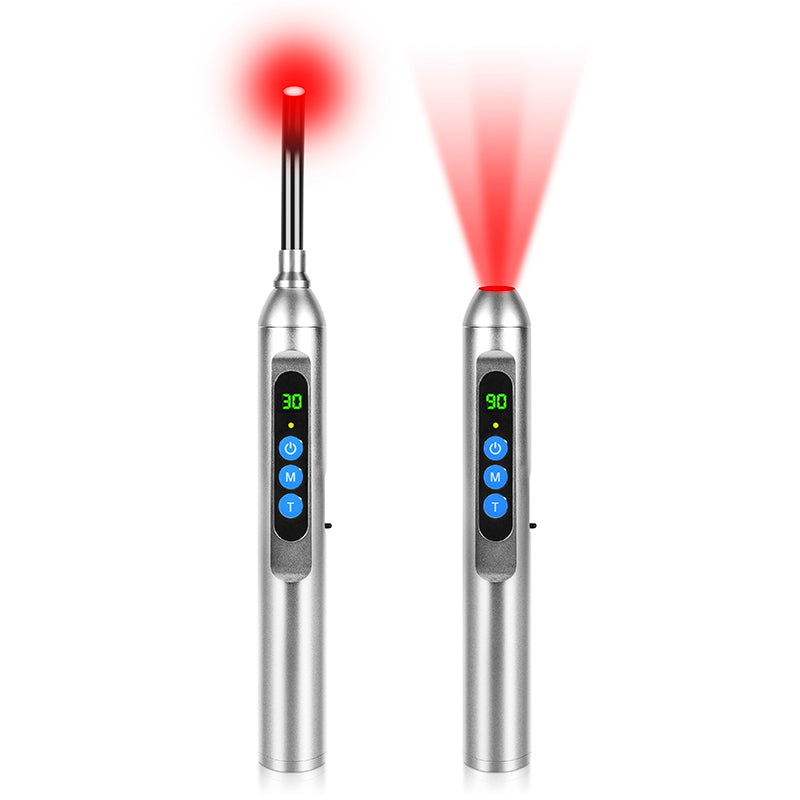

As someone who spends their days specifying LED spectra, beam angles, and mounting heights for wellness spaces and treatment rooms, I am always interested in one question: does the light actually do what people say it does? Red light therapy for acne scars is a perfect example. The devices look impressive, the marketing is glowing, and yet your skin and your budget deserve a clear, evidence-based comparison with everything else that promises to fade scars.
This article walks through how red light therapy works on acne scarring, how strong the clinical evidence really is, and how it compares with other light-based and conventional treatments. The goal is practical: to help you decide where red LED therapy realistically fits in your scar-care plan, and how to use it intelligently if you choose to make it part of your routine.
How Red Light Therapy Interacts With Skin
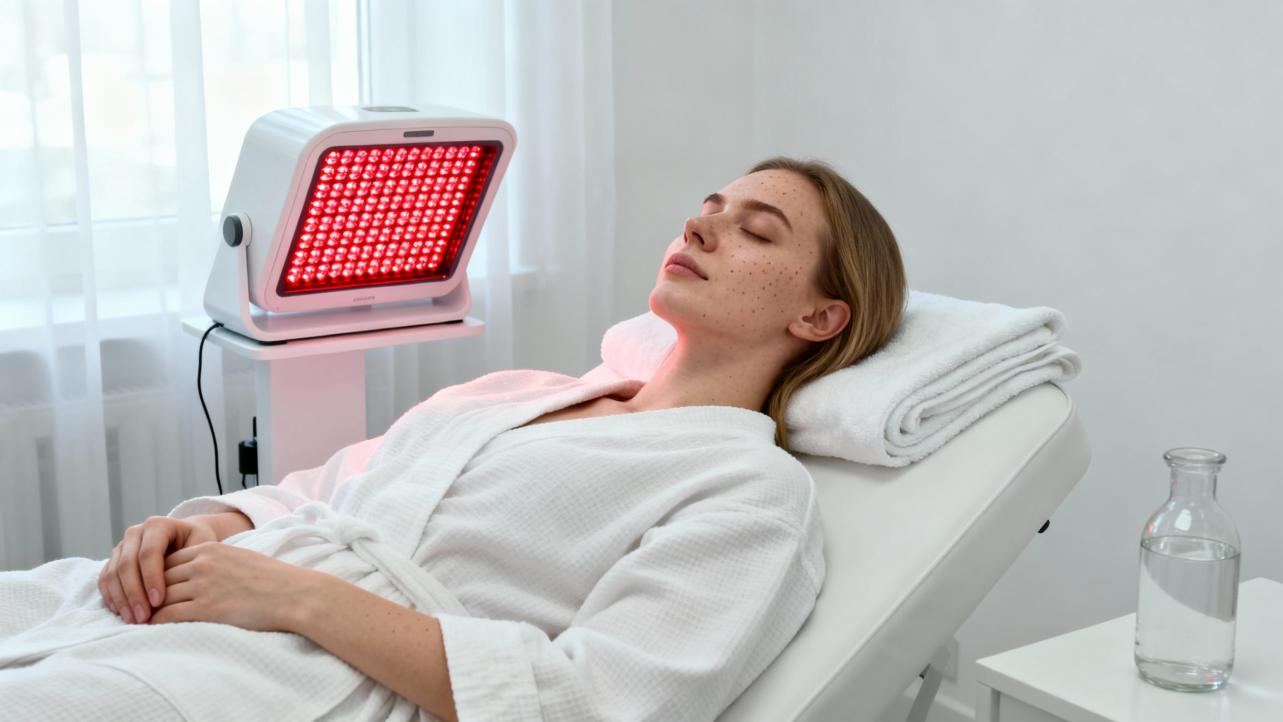
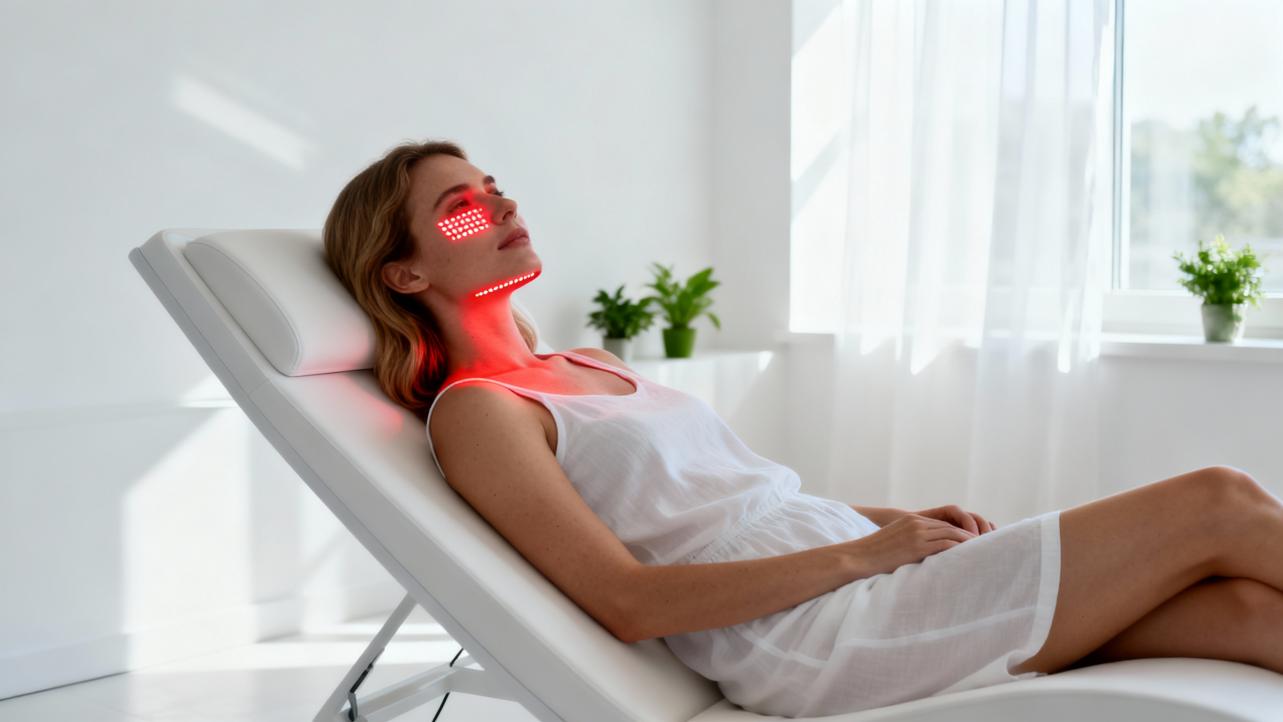
Red light therapy, also called low-level light therapy or photobiomodulation, uses visible red and often near-infrared LEDs. Typical therapeutic wavelengths cluster around about 600 to 700 nanometers in the red range and roughly 800 to 850 nanometers in the near-infrared range. Unlike lasers that intentionally heat and damage tissue to stimulate remodeling, these LEDs deliver non-ionizing, non-thermal light. The energy level is low enough that tissue does not burn or vaporize.
Multiple reputable medical sources, including Cleveland Clinic, WebMD, and Stanford Medicine, describe a similar core mechanism. Photons from the LEDs are absorbed by components inside the cell, especially within the mitochondria. This absorption appears to increase production of ATP, the cell’s energy currency, and to trigger a cascade of effects that include improved cellular repair, modulation of inflammatory pathways, and stimulation of fibroblasts, the cells that build collagen and elastin.
Clinical and laboratory work cited by Cleveland Clinic and Stanford Medicine suggests that this kind of light can improve some aspects of skin texture and wrinkles and may accelerate wound repair in some settings. However, both emphasize that the evidence base is still limited and mixed: many studies are small, sometimes lack proper placebo controls, and often vary widely in wavelength, dose, and schedule. In other words, the biology is plausible and measurable, but not every device or protocol is equally effective.
From a lighting design standpoint, that variability matters. Dose is a product of power, distance, and time. Guidance from Atria, an educational nonprofit focused on red light therapy, notes that most therapeutic devices fall roughly in the 20 to 100 milliwatts per square centimeter range at the skin and that sessions usually last about 5 to 20 minutes per treated area. Move too far from the panel and irradiance decays; move too close or stay on for too long and you may slip past the “Goldilocks zone” where benefits plateau or even decline.

Why Acne Scars Are So Persistent
To understand what red light has to accomplish, it helps to look at how acne scars form. Acne is extremely common; a consumer health article summarized by HigherDOSE notes that about 117.4 million people are affected worldwide and that roughly one in five of them develop visible scars. The emotional impact is real, with higher rates of anxiety, depression, and self-consciousness.
Acne scars are the legacy of deep inflammation. When an inflamed pore swells and ruptures, the wall of the follicle breaks and surrounding tissue is injured. The body rushes fibroblasts to the area to produce collagen and patch the damage. If they overshoot, the result is a raised, hypertrophic scar. If too much tissue is lost or not enough collagen is laid down, the result is an indented, atrophic scar. Both types may also carry lingering redness or brown post-inflammatory pigment.
Traditional treatments target these problems in different ways. Chemical peels, microdermabrasion, and aggressive lasers intentionally remove or injure layers of skin to stimulate fresh collagen. Procedures such as microneedling and some lasers remodel deeper tissue. Topical retinoids and acids increase cell turnover and help with color and texture. These options can work, but as the HigherDOSE and WellSpot IV reviews point out, they are often painful, have downtime, and carry risks such as scarring, infection, or hyperpigmentation, particularly on sensitive or darker skin tones. Oral medications like isotretinoin are powerful but come with serious systemic side effects and pregnancy risks.
Red light therapy positions itself as the gentler alternative: a way to influence the same biology, especially inflammation and collagen synthesis, without abrasion, heat, or harsh chemicals.

Red Light Therapy For Acne And Scars: What The Evidence Actually Shows
Most of the stronger data for red light sits in two related areas: active acne control and general wound healing. Acne scars sit right at that intersection, so the evidence is relevant even when a study talks more about lesions than about scars per se.
Effects On Active Acne And Implications For Scarring
DermNet, a respected dermatology resource, explains that red LED light in the roughly 600 to 650 nanometer range penetrates somewhat deeper into the skin than blue light and has prominent anti-inflammatory effects. In animal models of acne, red light reduced inflammatory mediators from immune cells and may have helped normalize keratinization and barrier damage. In human acne, red light is thought to reduce redness, swelling, and discomfort and to accelerate healing of each lesion.
Multiple sources, including Gold Skin Care Center and Greentoes Tucson, describe LED protocols where red light, often combined with blue light, leads to measurable reductions in both inflammatory and non-inflammatory lesions for mild to moderate acne. DermNet notes that blue–red combination therapy is superior to blue light alone, with synergistic antibacterial and anti-inflammatory effects at different depths. Schweiger Dermatology Group references a Journal of Drugs in Dermatology study where combined blue and red light achieved about a 76 percent reduction in inflammatory lesions and a 60 percent reduction in non-inflammatory lesions after twelve weeks.
For scars, this matters because every active breakout is a chance for a new scar. Better control of chronic inflammation and quicker resolution of each lesion can reduce the number and severity of scars that form in the first place. Greentoes Tucson also notes that red light can help fade existing scars and post-acne color changes gradually by supporting repair and reducing ongoing inflammation around old lesions, although results are described as gradual rather than dramatic.
Evidence For Scar Remodeling And Wound Healing
When you focus specifically on scar appearance and wound healing, red and near-infrared light have a growing but still moderate evidence base.
A review from BlockBlueLight cites dermatology research where red LED therapy produced substantial improvements in skin lesions and wound healing, including average lesion count reductions of about 46 percent at four weeks and roughly 81 percent at twelve weeks after treatment in certain inflammatory conditions. They also mention wound-healing experiments where skin healed about twice as fast with LED use. While these studies are not limited to acne scars, they demonstrate that low-level red light can meaningfully influence tissue repair.
CurrentBody, a company that manufactures medically certified LED devices, highlights clinical data and expert opinion that red and near-infrared light used around 633 and 830 nanometers can activate wound-healing cells up to several inches below the skin surface, increase blood flow, and stimulate collagen and elastin production. Their devices have been used on surgical and acne scars and have been studied for early post-operative scar reduction, although the details they share emphasize safety and feasibility more than precise percentage changes.
The iRestore summary on facial scars provides more focused guidance. It describes red light in roughly the 630 to 660 nanometer range and near-infrared around 810 to 850 nanometers as a way to soften and smooth uneven scar texture, reduce redness, and improve overall tone. They recommend sessions of about ten minutes, three to five times per week, and note that many users see noticeable improvements in texture and scar appearance within about four to eight weeks, especially for newer scars. Importantly, they frame expectations clearly: scars are usually softened and faded, not completely erased.
WellSpot IV, a clinic that combines light therapy with other services, reports that red and near-infrared light in a band from roughly 590 to 830 nanometers can reduce mild to moderate acne breakouts by about 36 percent and improve overall texture and scarring over four to twelve weeks when used two to three times per week for ten to fifteen minutes. Again, the emphasis is on gradual improvement with consistent use.
At-home focused brands such as EvenSkyn stress similar themes. Their guide on at-home red light for acne scarring and texture describes how photobiomodulation stimulates fibroblasts, increases collagen, improves circulation, and reduces inflammation, with consistent, maintenance-focused use needed for long-lasting results. They highlight positive user reports on smoother texture and less visible scars but do not provide specific numerical outcomes, underlining that evidence is still more experiential than strictly statistical.
Higher-level academic commentary from Stanford Medicine and Cleveland Clinic adds nuance. Both sources acknowledge that red light can measurably affect biology and that there are promising results for wound healing and scarring in some small studies. At the same time, they emphasize that evidence is mixed, some trials show only modest or statistically uncertain benefits, and optimal wavelength, dose, and schedule remain unclear. They recommend viewing red light as a potentially useful tool rather than a proven cure-all.
Comparing Red Light With Other Light-Based Scar Treatments
Red LEDs do not exist in a vacuum. Dermatologists have a toolbox that includes blue light, blue–red combinations, photodynamic therapy, and multiple classes of lasers. Understanding where red light sits relative to these options helps set realistic expectations.
Red Versus Blue And Blue–Red Combination
Blue light, usually around 415 nanometers, penetrates less deeply than red light but has a very specific target in acne: porphyrins produced by Cutibacterium acnes. DermNet explains that when blue light excites these porphyrins, reactive oxygen species are generated that selectively kill the bacteria. Blue light also seems to have its own anti-inflammatory effects. However, blue alone does relatively little for deeper inflammation or scar remodeling.
Red light complements this by working deeper, calming inflammation, and supporting collagen production and wound healing. That is why many acne protocols now use both. DermNet and Schweiger Dermatology both describe combined blue–red regimens as more effective than blue alone for reducing both inflammatory and non-inflammatory lesions, with the Journal of Drugs in Dermatology study reporting the roughly 76 and 60 percent reductions described earlier.
For pure scar work, particularly on older atrophic scars, the antibacterial contribution matters less. Here, red and near-infrared light are more relevant because collagen stimulation, microcirculation, and long-term modulation of inflammation are the primary goals. Blue light has minimal role once active infection and oil overproduction are controlled.
Red Light Versus Photodynamic Therapy
Photodynamic therapy, or PDT, is a more intensive light-based treatment used for both active acne and certain precancerous skin conditions. DermNet explains that PDT involves applying a photosensitizer such as aminolevulinic acid or methyl aminolevulinate that preferentially accumulates in oil glands and hair follicles. When exposed to a suitable light source, often in the red part of the spectrum, the photosensitizer generates free radicals that kill bacteria and damage sebaceous glands.
HigherDOSE cites clinical evidence where PDT using aminolevulinic acid plus red light achieved at least 90 percent acne clearance within about one month in a study, highlighting the power of combining red wavelengths with a photosensitizing agent. That kind of rapid clearance could meaningfully reduce the risk of new scars, especially in severe, treatment-resistant acne.
However, PDT tends to come with more side effects. DermNet notes that optimal parameters are still uncertain and that side effects can include pain, redness, crusting, and pigment changes. PDT is typically performed in-office, requires photosensitivity precautions afterward, and is reserved for cases where simpler measures are inadequate.
Compared with PDT, standalone red LED therapy is much gentler. It does not deliberately damage sebaceous glands or rely on pharmaceutical photosensitizers. It also does not match PDT’s rapid impact on severe active acne. For scar-specific goals, red LED therapy offers a low-risk, gradual option, while PDT is better thought of as a powerful tool to shut down stubborn acne activity that is likely to cause significant scarring.
Red Light Versus Ablative, Infrared, And Vascular Lasers
Lasers occupy the more aggressive end of the spectrum for acne and acne scarring. DermNet’s review of lasers and light for acne describes several key families.
Pulsed dye lasers around 585 to 595 nanometers target blood vessels and are used for vascular lesions, redness, and inflammatory scars. They reduce erythema and may modulate inflammatory pathways but can cause bruising and pigment changes.
Infrared lasers, such as the 1540 nanometer erbium glass and the 1450 nanometer diode, penetrate deeply into the dermis and target water in sebaceous glands. Studies summarized by DermNet report that the 1540 nanometer erbium glass laser produced about a 68 to 82 percent reduction in acne lesions, with effects sustained at twenty-four months and relatively few reported side effects. The 1450 nanometer diode laser also reduced lesion counts but had significant pain, dryness, and redness, enough that many dermatologists have moved away from it.
Nd:YAG lasers around 1064 nanometers offer deep dermal heating with limited epidermal injury. Repeated treatments at about two-week intervals have been shown to reduce inflammatory lesion counts, sebum production, and inflammatory cytokines, with fairly favorable safety in small studies. KTP lasers at 532 nanometers, used more for telangiectasia and rosacea, have only modest, transient effects on acne.
From the vantage point of acne scars, these lasers can be powerful, especially for deep, resistant scarring. Fractional ablative and non-ablative lasers can visibly remodel atrophic scars with relatively few sessions, though those specific devices go beyond the details in the referenced articles. The trade-off is cost, discomfort, downtime, and risk of complications.
Red LED therapy does not compete head-to-head with these lasers in terms of raw power or speed of results. What it offers is a very safe, non-invasive adjunct. For someone with mild to moderate textural scarring, persistent redness, or lingering pigmentation, especially if they have sensitive skin or a darker complexion at higher risk of pigment complications, low-level red light can be an appealing way to chip away at scars and support recovery between stronger treatments.
Home Red Light Devices Versus In-Clinic Systems
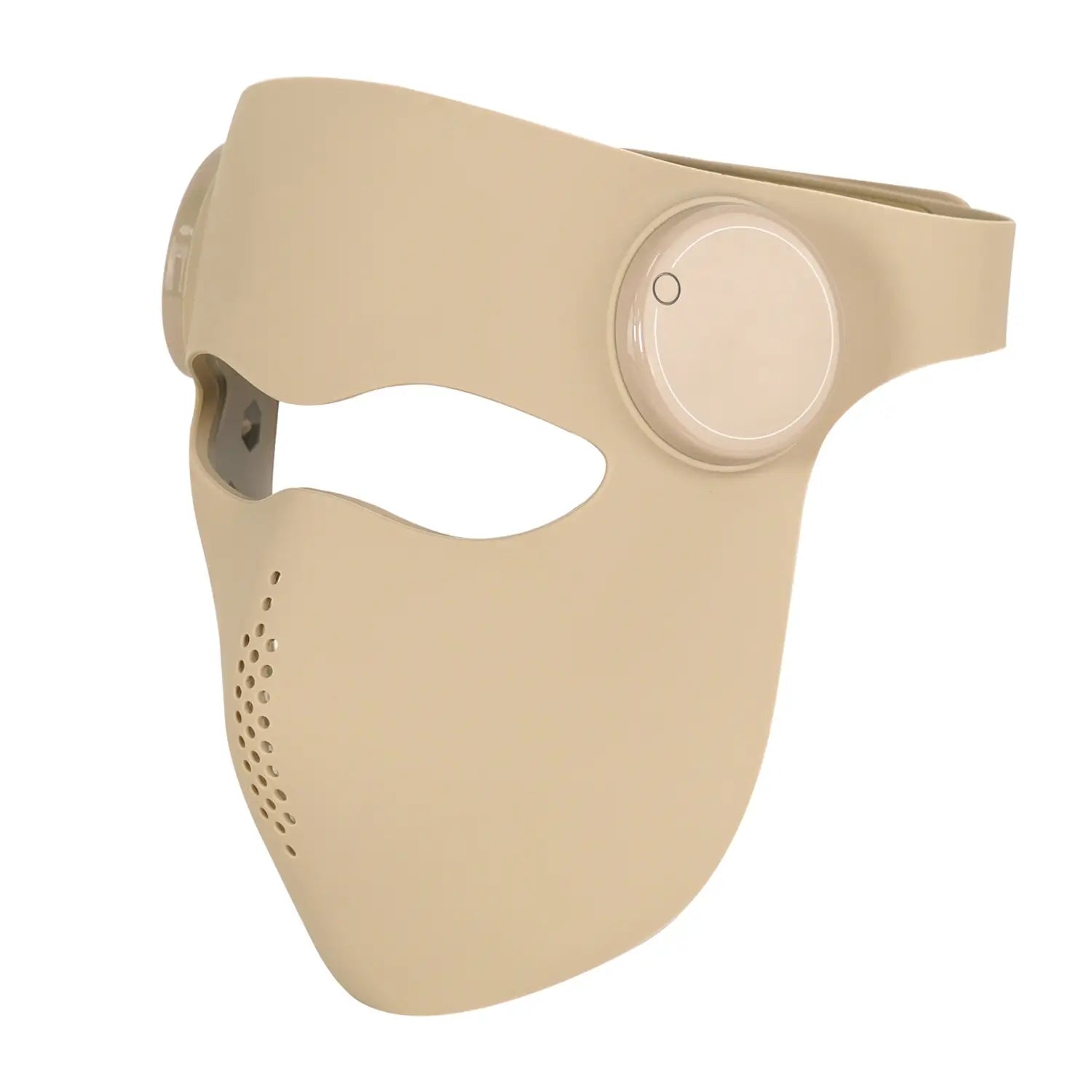
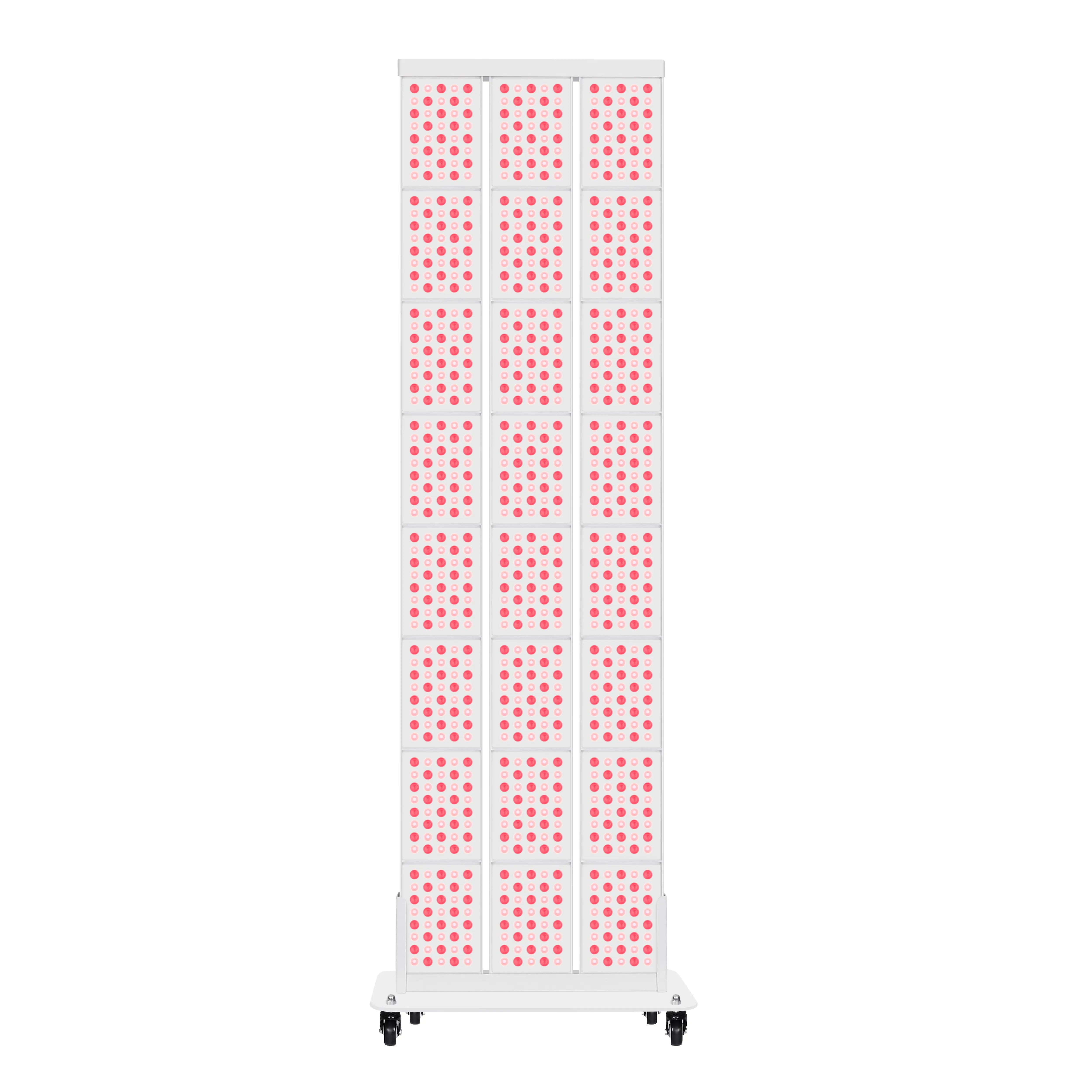
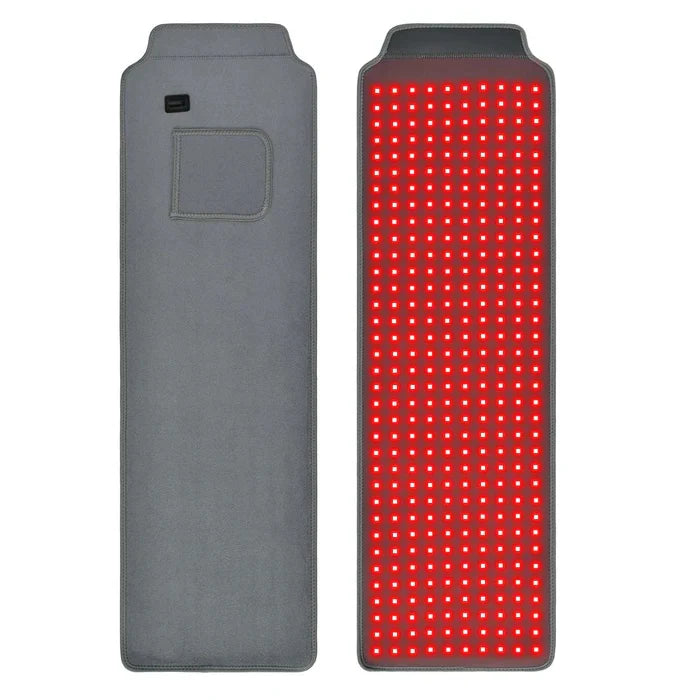
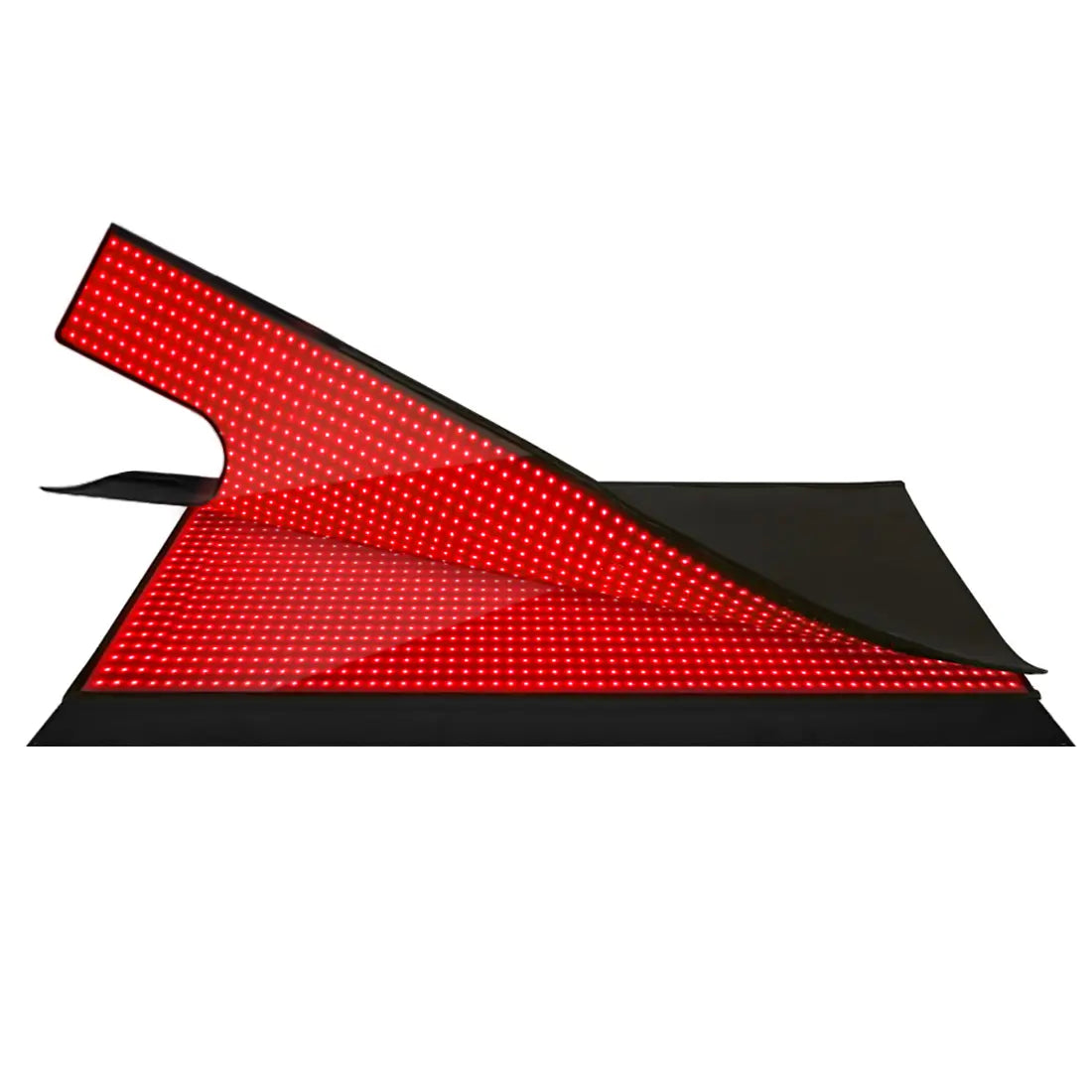
The marketplace for LED devices ranges from compact facial masks and wands to large wall panels and full-body beds. As with any lighting system, the details of the hardware matter.
Medical and academic sources such as Cleveland Clinic, the American Academy of Dermatology, and Harvard Health all make similar points. Professional systems in clinics tend to be more powerful, with tighter control over wavelength, irradiance, and treatment protocols. At-home devices are generally less powerful, which makes them safer for unsupervised use but also means results may be slower or more modest.
Atria’s guidance for photobiomodulation and consumer brands like BlockBlueLight and Rouge Care offer practical starting points. They suggest most people begin with about 10 to 20 minute sessions per area, roughly three times per week, and then increase to as many as five sessions per week as tolerated. Rouge notes that very short, sporadic sessions are unlikely to deliver much benefit, while excessively long sessions add little beyond what a well-timed 20 minute exposure already provides and can erode consistency if they do not fit your schedule.
Brillare Beauty Institute points out that at-home devices, because they are less powerful than many in-clinic systems, can often be used more frequently but require more weeks of regular use before changes are obvious. Their summary for facial applications echoes a common recommendation: start at about 5 to 10 minutes a few times per week if you have sensitive skin and then adjust based on how your skin responds.
DermNet calls out that currently approved home masks for acne typically use blue–red combinations and have been shown to reduce both inflammatory and non-inflammatory lesion counts. A clinical trial cited there reported about a 24.4 percent improvement in inflammatory lesions and a 19.5 percent improvement in non-inflammatory lesions with a light mask compared with benzoyl peroxide. The trial population had mild to moderate acne rather than established scarring, but it shows that home masks can achieve biologically meaningful effects when used consistently.
For scars specifically, companies such as iRestore, EvenSkyn, CurrentBody, and WellSpot IV all describe at-home or clinic-grade red and near-infrared devices that, in their experience and early clinical data, smooth texture, soften scars, and improve tone over four to twelve weeks of regular use. They stress that results are cumulative and that maintenance sessions are usually needed to sustain benefits.
From a design perspective, coverage and ergonomics are as critical as raw power. A small wand can deliver adequate irradiance but is tedious to use over larger scarred regions. A well-designed full-face mask, chest panel, or larger wall-mounted unit better matches the geometry of real faces and bodies and encourages consistent use because the experience is more comfortable and predictable.

Safety And Limitations Compared With Other Options
One of the strongest arguments in favor of red LED therapy is its safety profile when used correctly. The American Academy of Dermatology, Cleveland Clinic, and WebMD all describe red light as non-invasive, non-UV, and generally low risk. Short-term side effects tend to be mild: transient redness, slight irritation, or warmth. Many people feel only gentle warmth or nothing at all.
However, “low risk” does not mean “no precautions.” Several important considerations emerge across medical and consumer guidance.
Eye protection is essential. The American Academy of Dermatology and Harvard Health both emphasize that intense visible and near-infrared light directed at the face can potentially harm the eyes. A high-profile example is Neutrogena’s voluntary recall of its Light Therapy Acne Mask after concerns about possible eye damage in people with certain conditions or photosensitizing medications. Any reputable clinic or device should provide appropriate goggles or shields and clear instructions.
Photosensitivity matters. People taking medications that increase light sensitivity, such as some antibiotics or retinoids, or with medical conditions that involve photosensitivity, should talk with their physician before using red light. Articles from the American Academy of Dermatology and Solawave both underscore this point.
Long-term safety and effectiveness are still being studied. Stanford Medicine reminds readers that while red light is not ionizing radiation and does not behave like ultraviolet light, data on decades-long use for cosmetic or systemic indications are limited. Harvard Health similarly notes that while LED devices seem safe in the short term, long-term safety and durable efficacy are not fully established.
Financial cost is another limitation. Cleveland Clinic and WebMD both note that in-office treatments often cost around eighty dollars or more per session and usually require repeated visits over weeks or months. BSW Health reports that at-home devices range widely, from about one hundred dollars to around one thousand dollars depending on size and features, and that health insurance rarely covers these costs because cosmetic uses are typically not reimbursed.
When compared with chemical peels, high-strength topical acids, oral isotretinoin, or ablative lasers, red LED therapy is clearly gentler and less risky for most people. It is also less likely to deliver dramatic, rapid changes in deep, long-standing scars. The realistic role is as a safe, supportive therapy that reduces inflammation, supports collagen remodeling, and fits around other evidence-based acne and scar treatments rather than replacing them entirely.
Practical Guidance: Using Red Light Intelligently For Acne Scars
If you are considering red light therapy for acne scars, it helps to think like a lighting designer and a dermatologist at the same time. The light must reach the right target at the right dose, and the treatment must fit into a broader plan for ongoing acne control and skin health.
Start with a medical assessment. All of the reputable medical organizations, including the American Academy of Dermatology and Cleveland Clinic, recommend consulting a dermatologist or qualified healthcare provider before relying on red light for skin disease. This is especially important if you have active, cystic, or widespread acne, a history of skin cancer, very reactive or darker skin, or if you are pregnant or taking medications that affect light sensitivity. A dermatologist can confirm which scars you are dealing with, rule out other conditions, and help you decide whether red light fits best as a primary or adjunctive therapy.
Choose a device that respects both engineering and evidence. Look for products that state their wavelengths clearly and operate in ranges that have been studied, such as red around the low to mid 600s in nanometers and near-infrared around 800 to 850 nanometers. Favor devices that have some form of regulatory clearance for safety, such as FDA clearance, and that do not rely on vague marketing without specifying irradiance or recommended treatment distance. For scar work on the face, full-face masks or larger panels are often more practical than very small spot wands.
Respect dose and distance. Atria and BlockBlueLight emphasize that more light is not always better. As a general orientation, many at-home protocols use sessions of about 10 to 20 minutes per area about three times per week, with some increasing to five sessions per week. For facial skin, guidance from Rouge and others often suggests positioning yourself roughly 6 to 24 inches from most panels, depending on the device’s power and the manufacturer’s charts. Very long marathon sessions or pressing the device directly into the skin simply because it feels gentle do not necessarily add value, and they can create eye-strain or subtle irritation.
Build consistency before chasing perfection. Almost every source, from Brillare Beauty Institute and BSW Health to WellSpot IV and Solawave, stresses consistency over intensity. Red light therapy works cumulatively. Doing a few sessions and then abandoning the device when you do not see instant change is a recipe for disappointment. It is more effective to commit to a schedule you can sustain, take progress photos every few weeks under similar lighting, and evaluate after a realistic window such as eight to twelve weeks.
Combine thoughtfully with other treatments. Red light may pair well with gentle topical regimens, prescription acne medications, or occasional in-office procedures. Greentoes Tucson and Schweiger Dermatology point out that red light can help calm irritation from retinoids, benzoyl peroxide, or peels and may help recovery after more aggressive treatments. However, immediately layering strong acids, peels, or retinoids right before or after a session can overstress skin. Zap Laser’s aftercare guidance recommends avoiding harsh exfoliants and strong acids for about a day after treatment and focusing on hydrating serums, barrier-supporting moisturizers, and diligent sun protection.
Protect and support the skin environment. Regardless of light, scars remodel best in skin that is not being constantly inflamed by sun, harsh products, or uncontrolled breakouts. Daily broad-spectrum sunscreen, non-comedogenic moisturizers, and targeted acne medications when needed create a foundation where red light can do its best work. Several sources, including iRestore and BSW Health, highlight sunscreen as non-negotiable, since ultraviolet damage can darken scars and fight against the gains from therapy.
Manage expectations. Even advocates of red light therapy caution against expecting miracles. Stanford Medicine and Harvard Health both note that while red light can modestly improve wrinkles and potentially help with scarring and wound healing, current evidence does not support dramatic transformations in every case. Commercial summaries from iRestore and WellSpot IV emphasize that newer scars tend to respond faster, older scars can still improve but more slowly, and complete erasure is unlikely. Benefits may fade if treatments stop, as Stanford’s review of hair regrowth with red light illustrates in another context.
The most satisfied users tend to be those who measure progress in softer edges, slightly shallower pits, calmer redness, and a smoother overall texture rather than those expecting their skin to revert to pre-acne condition.

A Side-By-Side View Of Treatment Options
To summarize where red light therapy sits among the main approaches to acne scarring, it can be helpful to think in terms of target, evidence strength, and trade-offs.
Therapy type |
Main target in acne and scarring |
Evidence for scars and lesions (from cited sources) |
Key advantages |
Key limitations |
Standalone red or red plus near-infrared LED |
Inflammation, fibroblasts, collagen and elastin production, microcirculation |
Studies and brand-backed trials show reductions in acne lesions and gradual improvements in scar texture and color; wound-healing data include about 46 to 81 percent lesion improvements in some inflammatory conditions and faster healing, but high-quality scar-specific trials are limited and mixed according to Stanford Medicine and Cleveland Clinic |
Non-invasive, low risk, no downtime, suitable for a wide range of skin types, can be used at home, supports both active acne control and scar remodeling |
Effects are modest to moderate, require consistent use for weeks to months, and may fade after stopping; optimal parameters are not standardized and high-level evidence is still emerging |
Blue LED alone |
Acne-causing bacteria in superficial follicles |
Demonstrated reductions in inflammatory lesions by killing Cutibacterium acnes, as described by DermNet and Schweiger Dermatology; little direct impact on established scars |
Non-invasive, targets bacteria without systemic antibiotics, low risk for most users |
Less effect on deeper inflammation and scar remodeling; usually combined with red light for better results |
Blue–red combination LED |
Bacteria plus inflammation and healing pathways |
Combined protocols yield greater lesion reductions than blue alone; a study summarized by Schweiger Dermatology reported about 76 percent inflammatory and 60 percent non-inflammatory lesion reductions after twelve weeks |
Tackles both current breakouts and inflammatory pathways, potentially reducing future scarring; home masks with these wavelengths have documented efficacy for mild to moderate acne |
Still primarily focused on active acne; scar improvements are secondary and gradual; requires regular clinic or home use |
Photodynamic therapy with aminolevulinic acid and light |
Sebaceous glands, bacteria, and inflammation using a topical photosensitizer |
DermNet notes positive but limited evidence; HigherDOSE cites a study with at least 90 percent acne clearance within about one month, which indirectly reduces scarring risk |
Powerful option for resistant acne; can produce rapid and substantial clearance; may reduce the likelihood of new scars |
More side effects, including pain, redness, crusting, pigment changes; requires in-office care, sun precautions, and careful patient selection |
Infrared and fractional lasers (such as 1540 nanometer erbium glass) |
Deep dermal collagen, sebaceous glands, vascular structures |
DermNet reports about 68 to 82 percent reduction in acne lesions maintained at twenty-four months for the 1540 nanometer erbium glass device; other lasers improve inflammatory lesions and scarring but with variable side effects |
Strongest available tools for significant scars, capable of notable remodeling in relatively few sessions under expert care |
Expensive, often painful, require downtime, and carry higher risks of complications such as pigment changes or scarring, especially in darker skin tones |
This comparison table is not exhaustive but illustrates the spectrum. Red LED therapy occupies a middle ground: stronger than simple skincare alone, much gentler and safer than aggressive lasers or systemic drugs, and best suited as a long-term, adjunctive strategy.

A Brief Look At Common Questions
People often ask whether red light will completely erase acne scars. The honest answer is that the current evidence and clinical experience suggest it is more likely to soften and fade scars rather than remove them. At-home devices and many in-office LED systems work incrementally, improving texture, reducing redness, and helping scars blend into surrounding skin rather than vanish.
Another frequent question is whether red light therapy can replace peels, microneedling, or laser resurfacing. For mild scarring, especially on sensitive or darker skin where more aggressive treatments carry higher risk, red light may be sufficient when combined with good acne control and skincare. For deeper, long-standing scars, most dermatologists would still consider procedures that directly remodel the dermis, using red light as a supportive therapy before, between, or after those treatments.
People also wonder how long they need to keep using red light. Most sources in this review, from BSW Health to WellSpot IV and Rouge, describe protocols measured in weeks and months rather than days and acknowledge that maintenance is often necessary. Skin is a living system; collagen and inflammation do not freeze in place. As with good lighting in a building, the benefit is in ongoing, appropriate illumination, not a single bright flash.
Closing Thoughts From A Lighting Perspective
When I help design a wellness studio or a home treatment corner, the goal is always the same: use light deliberately, not just decoratively. Red light therapy for acne scars deserves that same mindset. The science behind photobiomodulation is real but nuanced, the clinical evidence is promising yet still maturing, and the devices work best when the right wavelengths, doses, and routines are matched to a clear skin strategy.
If acne scars are affecting your confidence, red LED therapy can be a gentle, technically elegant way to support healing, especially when your dermatologist has helped you control new breakouts and map out complementary treatments. Think of it as fine-tuned illumination for your skin’s repair systems rather than a stadium spotlight that solves everything overnight. Used with respect for both biology and beam patterns, it can help your complexion move a few important steps closer to the clear, even surface you are aiming for.
References
- https://brillarebeautyinstitute.edu/red-light-therapy-frequency/
- https://www.health.harvard.edu/diseases-and-conditions/led-lights-are-they-a-cure-for-your-skin-woes
- https://med.stanford.edu/news/insights/2025/02/red-light-therapy-skin-hair-medical-clinics.html
- https://www.brownhealth.org/be-well/red-light-therapy-benefits-safety-and-things-know
- https://dermnetnz.org/topics/lasers-lights-and-acne
- https://atria.org/education/your-guide-to-red-light-therapy/
- https://my.clevelandclinic.org/health/articles/22114-red-light-therapy
- https://www.aad.org/public/cosmetic/safety/red-light-therapy
- https://www.uhhospitals.org/blog/articles/2025/06/what-you-should-know-about-red-light-therapy
- https://www.bswhealth.com/blog/5-benefits-of-red-light-therapy