
As someone who lives at the intersection of LED technology and how light shapes spaces and skin, I am often asked a deceptively simple question: can red light therapy actually do anything meaningful for those stubborn depressed acne scars, or is it just another glowing gadget?
To answer that honestly, we need to look at what those scars really are, how red light interacts with skin biology, and how the current evidence stacks up against more established scar treatments like fractional lasers and microneedling.
What Exactly Are Depressed Acne Scars?
Depressed (atrophic) acne scars form when deep inflammation from acne destroys collagen in the dermis. Instead of rebuilding a full, smooth layer of support tissue, the skin heals with a “deficit,” leaving an indentation.
Dermatology literature divides acne scars into three main structural categories. Icepick scars are narrow, deep tracts that look like tiny punctures. Boxcar scars are wider depressions with sharper edges, and rolling scars create broad, undulating dips caused by fibrous bands tethering the skin from below. Raised scars, like hypertrophic and keloid scars, are a different problem driven by excess collagen.
Epidemiologic data cited in a systematic review on fractional CO₂ lasers estimates that about 20% of teenagers with acne develop noticeable scars, and depressed scars are by far the most common type. These marks are not only textural; they often travel a predictable course: first redness, then residual discoloration, and over time a fibrotic, “set in” look as collagen architecture reorganizes.
As a lighting specialist, I am painfully aware of how directional light exaggerates texture. Side lighting in a bathroom or office can suddenly make shallow rolling scars look deeper, the way grazing light reveals every imperfection in an unprimed wall. That is part of why many people start looking for solutions.

How Red Light Therapy Works On Skin
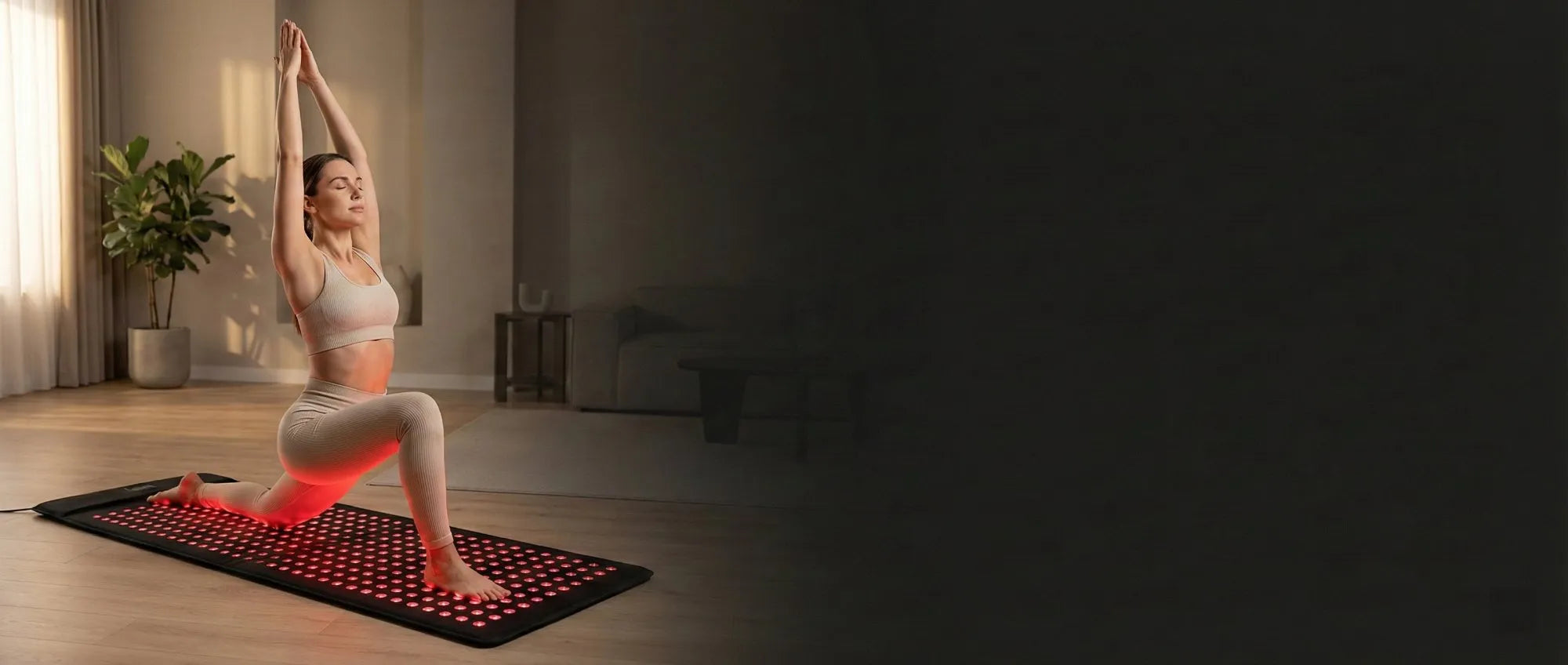
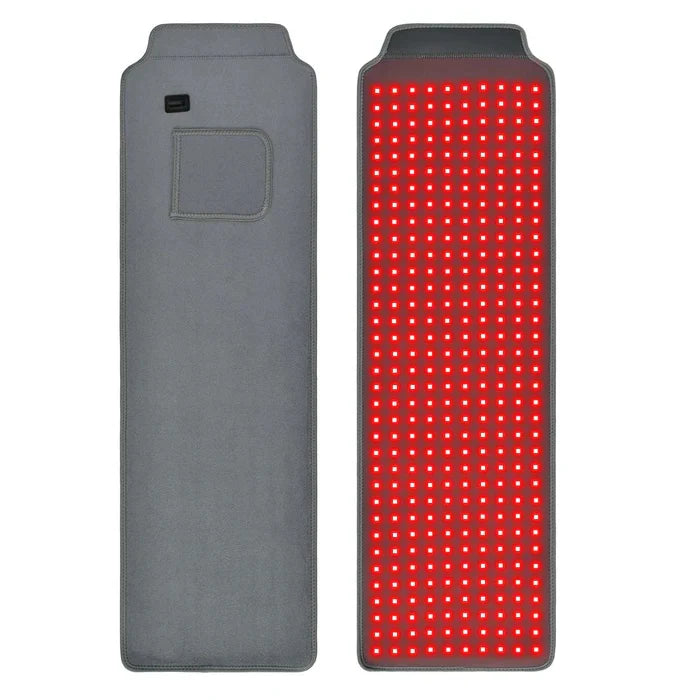
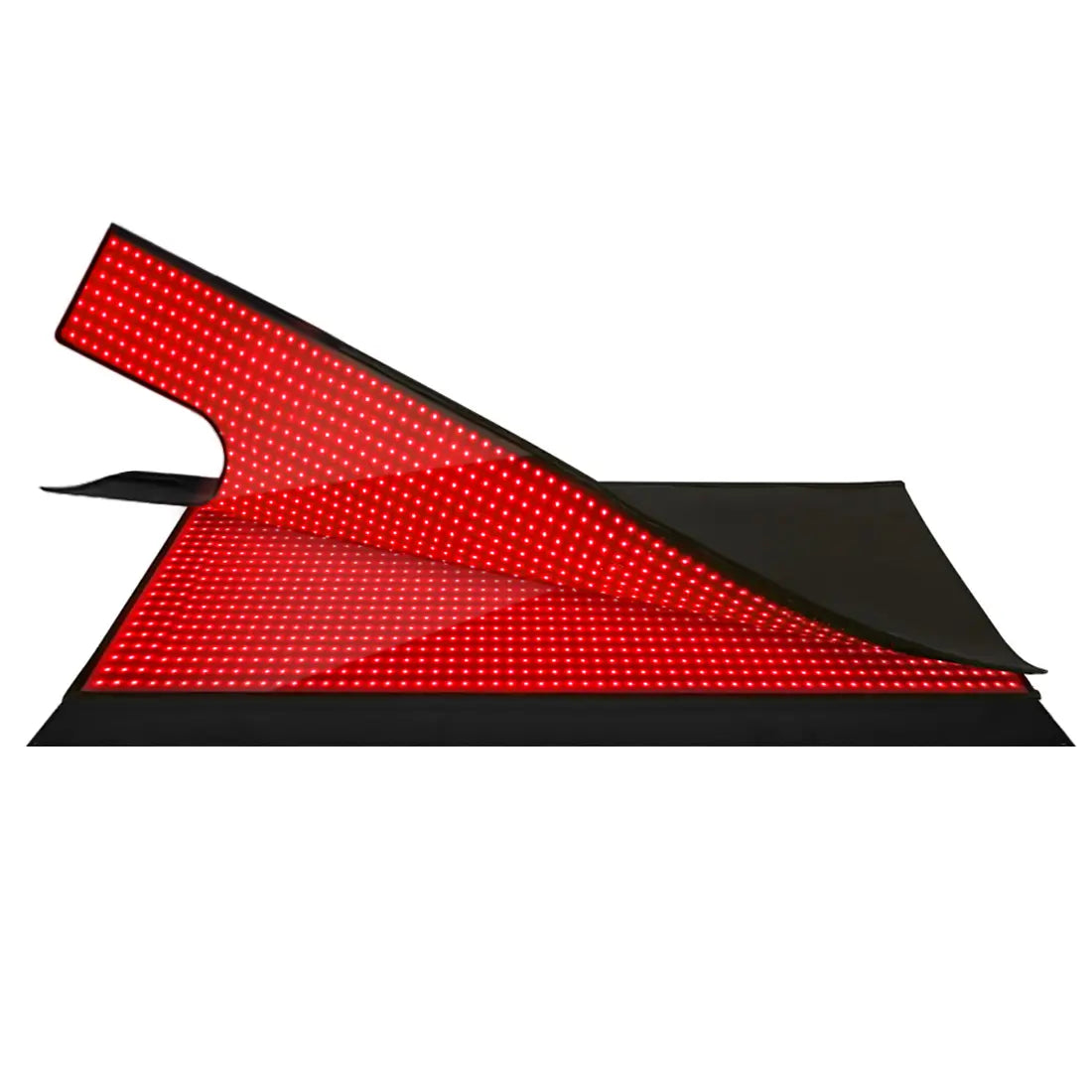
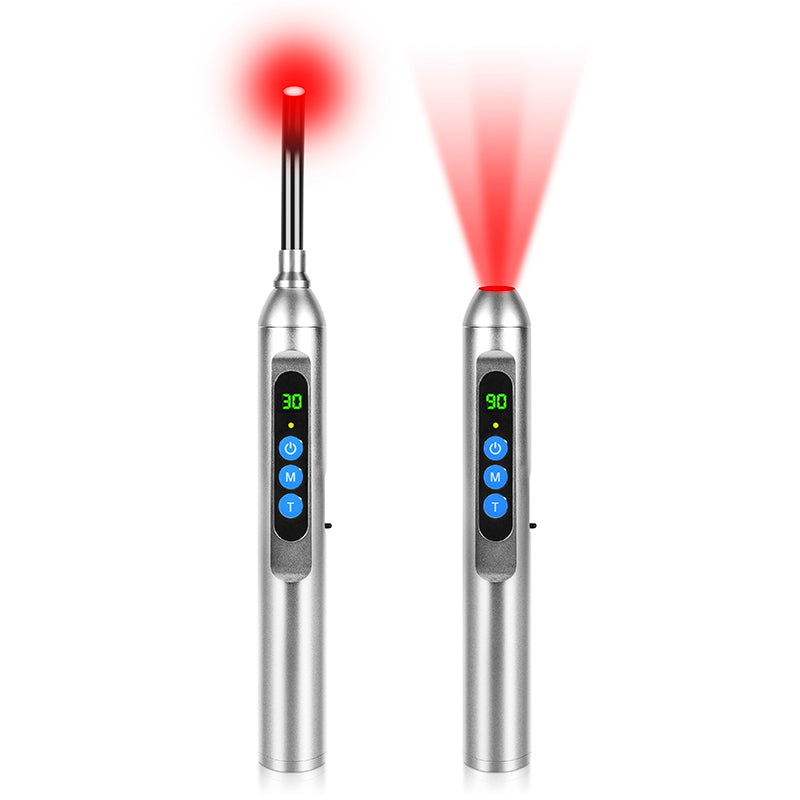
Red light therapy, often grouped under terms like low-level light therapy or photobiomodulation, uses relatively low-energy red and near‑infrared LEDs or low‑power lasers. Most dermatology-focused systems cluster in the roughly 600–1,000 nm range, with many consumer masks and panels using red wavelengths around 630–660 nm and near‑infrared around 810–850 nm.
Clinics such as Cleveland Clinic, Brown Health, and UCLA Health describe the mechanism in similar terms. Red light is absorbed by mitochondria, especially by components like cytochrome c oxidase. That absorption appears to increase cellular energy (ATP), alter reactive oxygen species signaling, and modulate pathways tied to inflammation and repair.
In skin, several effects keep showing up across controlled trials and reviews:
- Fibroblast activation, which raises production of collagen and elastin, the structural proteins that give skin firmness and resiliency.
- Improved blood flow and vasodilation, which deliver more oxygen and nutrients to healing tissue.
- Reduced inflammatory signaling, especially in conditions like acne and some forms of dermatitis.
- Enhanced proliferation and migration of keratinocytes and other repair cells.
A controlled clinical trial with more than a hundred volunteers, published in a dermatology journal and summarized in the notes, exposed skin to red and red–near‑infrared light twice weekly for 30 sessions. Compared with untreated controls, the treated groups showed measurable increases in dermal collagen density, smoother skin surface on profilometry, and more favorable wrinkle scores. Importantly, the devices were non‑ablative; there was no deliberate tissue destruction, unlike resurfacing lasers.
Although that trial did not specifically target acne scars, the underlying biology—stimulating fibroblasts, thickening dermal collagen, smoothing surface roughness—is exactly what we want to see if we are trying to soften depressed scars.

What The Evidence Says About Acne And Scarring
Red Light And Active Acne
Visible light therapy is already part of mainstream acne care. Healthline and multiple dermatology practices describe blue and red light protocols that target mild to moderate inflammatory acne.
Blue light (roughly 405–420 nm) has an antimicrobial effect because acne bacteria produce porphyrins that absorb blue wavelengths and generate reactive oxygen species that kill the bacteria. Red light, in contrast, does not kill bacteria directly; its strength lies in deeper penetration, anti‑inflammatory action, and support of tissue repair.
A dermatology group summarized a Journal of Drugs in Dermatology study where combined blue and red light over 12 weeks led to about a 76% reduction in inflammatory acne lesions and a 60% reduction in non‑inflammatory lesions. Healthline notes that red light can reduce inflammation and may decrease the visibility of acne scarring, especially as active lesions heal.
So for active breakouts, the evidence is already fairly solid: phototherapy is not a cure for acne, but it is a well‑supported management tool, particularly for inflamed lesions.
Red Light And Depressed Acne Scars
Scar remodeling is a tougher challenge than calming acne. Once collagen has been lost and tethering bands have formed, you are asking the skin to rebuild structure, not just quiet inflammation.
The research landscape is more limited but still informative:
- A case report in the medical literature described a 20‑year‑old woman with a painful, depressed facial scar that worsened after an Nd:YAG laser treatment. She received a series of eight sessions combining autologous platelet‑rich plasma injections with 830 nm LED phototherapy delivering 72 J/cm² over 20 minutes. The scar’s depth and symptoms improved substantially, with minimal side effects. The authors proposed that PRP delivered growth factors while the near‑infrared LED enhanced wound‑healing cell activity and reduced inflammation.
- An article from an LED aesthetics brand, summarizing clinical insights and FDA‑cleared use, explains that red light around 630–660 nm targets fibroblasts in the upper dermis, while near‑infrared around 810–850 nm penetrates deeper to speed tissue repair, increase blood flow, and reduce inflammation. They report softer scar texture, reduced redness and hyperpigmentation, and more even tone with consistent use on acne scarring.
- Dermatology clinics such as West Dermatology and BSWHealth describe red light therapy as supporting wound healing, accelerating the skin’s natural repair processes, and reducing the appearance of scars from acne, surgery, or injury by strengthening collagen and improving circulation.
- A broader photobiomodulation trial with 30 sessions of red or red–near‑infrared exposure showed increased dermal collagen and reduced surface roughness in photoaged skin. Although not a dedicated scar study, it strengthens the mechanistic link between this type of light and collagen remodeling.
- Stanford Medicine’s review of red light therapy in dermatology points out that data for wound healing and scarring are mixed: one eyelid surgery study found only a slight, non‑significant improvement in scar appearance, while another showed faster early healing but similar cosmetic appearance by six weeks. The overall message is “promising but not definitive.”
Across Cleveland Clinic, WebMD, Brown Health, UCLA Health, and Harvard Health, a consistent theme emerges: red light therapy clearly changes skin biology—collagen, blood flow, inflammation—but the high‑quality, long‑term trials specifically focused on depressed acne scars are still lacking. Most of what we have are smaller studies, case reports, and extrapolation from wrinkle and wound‑healing research.
In other words, the science says red light therapy can plausibly improve some features of depressed scars, but it is not yet supported by the same level of evidence as more aggressive scar treatments.

How Red Light Compares With Fractional CO₂ Lasers And Other Scar Treatments
When I evaluate a light‑based treatment as a technology specialist, I look at how much energy it delivers, where that energy goes, and how controlled the resulting tissue response is. On that basis, red light therapy and fractional CO₂ lasers are fundamentally different tools.
A systematic review and meta‑analysis on ultra‑pulse CO₂ fractional lasers for depressed acne scars pulled together six double‑blind randomized controlled trials. These lasers create arrays of microscopic thermal injury zones that penetrate from the epidermis into the dermis. Water in the tissue absorbs the laser energy, creating tiny columns of controlled damage surrounded by intact skin, which allows rapid re‑epithelialization.
Deep‑mode fractional CO₂, according to that review, uses energy densities around 5–30 mJ with low coverage to reach down to about 3,500 micrometers into the dermis, directly stimulating robust collagen proliferation. Active mode uses higher coverage and shallower penetration to resurface the epidermis and promote renewal. Clinical reports described good outcomes for pitted acne scars with relatively fast healing, less trauma than older resurfacing methods, and manageable adverse effects.
In contrast, red light therapy uses low‑energy, non‑ablative light. There is no intentional micro‑wounding. It relies on nudging cell metabolism, not chiseling new micro‑architecture into the scar.
Other non‑surgical options covered in dermatology sources include microneedling and radiofrequency microneedling, chemical peels, dermal fillers, and other fractional lasers like erbium systems and Fraxel‑type devices. These all create a stronger, more targeted physical or thermal stimulus than red light.
A concise comparison helps put red light therapy in context:
Treatment |
How it works on scars |
Evidence base for depressed acne scars |
Downtime and risk |
Typical role today |
Non‑ablative photobiomodulation; boosts collagen, blood flow, and reduces inflammation |
Small studies, acne trials, wrinkle trials, case reports; mixed data on scarring |
Usually no true downtime; mild transient redness or tightness |
Adjunct to other treatments, early support in healing, maintenance, and prevention of worsening scars |
|
Fractional CO₂ laser |
Ablative micro‑columns of thermal injury stimulate strong collagen remodeling |
Six randomized trials in a meta‑analysis, multiple clinical series with good results |
Several days of redness and peeling; risk of pigment change |
Gold‑standard for many moderate to severe depressed scars |
Microneedling / RF microneedling |
Controlled micro‑injuries, sometimes with heat, break up fibrous bands and add collagen |
Widely used; supported by clinical experience and non‑randomized studies |
Short downtime; pinpoint bleeding, swelling, sun sensitivity |
First‑line for rolling and boxcar scars, often combined with other modalities |
Chemical peels / laser resurfacing (non‑CO₂) |
Chemical or light‑based resurfacing; stimulates new collagen and smooths texture |
Good support for atrophic scars, especially boxcar and some icepick scars |
Ranges from minimal to significant downtime |
Texture refinement, pigment control, and combination therapy |
Dermal fillers |
Injected volume lifts depressed scars to surrounding skin level |
Strong practical track record for boxcar and rolling scars |
Minimal downtime; temporary bruising |
Immediate but temporary volume for select scars, often as part of a plan |
This is why many dermatologists see red light more as a supporting player than a main actor for established depressed scars.

Where Red Light Therapy Really Fits For Depressed Acne Scars
Realistic Benefits You Can Expect
When I look at red light therapy through both a lighting and skin‑biology lens, three potential benefits for depressed scars stand out.
First, improved skin quality surrounding the scars. Studies in photoaged skin show increased dermal collagen and smoother surface roughness after courses of red and near‑infrared light. For acne scars, that can translate into softer edges around indentations, slightly better blending with adjacent skin, and a more uniform surface under everyday lighting.
Second, reduction in redness and post‑inflammatory hyperpigmentation. Multiple dermatology sources report that red light calms inflammation and can even out tone. LED acne‑scar discussions emphasize that red and near‑infrared light can reduce residual erythema and help stabilize melanocytes, which may make scars less visually prominent, especially in lighter skin.
Third, prevention and early intervention. LED therapy can be especially valuable while acne is still active or scars are newly forming. By calming inflammation, speeding closure of healing lesions, and nudging collagen deposition in a healthier direction, it may lower the risk that every breakout becomes a permanent crater. Plastic surgeons and dermatologists frequently use red LED panels shortly after cosmetic procedures to minimize bruising and scarring, which aligns with this preventive role.
In a controlled environment where dose, wavelength, and exposure time are optimized, these effects are genuine. They are just more subtle and gradual than what fractional lasers or microneedling can achieve.
Important Limitations
The flip side is critical for expectations. All of the reputable sources—Harvard Health, Stanford Medicine, Cleveland Clinic, Brown Health, UCLA Health, and WebMD—stress that evidence is still limited, studies are small and heterogeneous, and results are often modest.
For deep icepick scars or sharply edged boxcar scars, red light alone is unlikely to generate enough new collagen to completely lift the floor of the defect. The mechanical tethering and architectural loss are simply too substantial. Even the most optimistic clinical and spa articles frame red light as a way to soften, not erase.
Another limitation is dose and device variability. Clinic devices tend to have well‑characterized wavelengths and irradiance, while many at‑home panels and masks do not publish reliable power measurements. Brown Health and Cleveland Clinic both note that home devices are usually less powerful, and that treatment schedules in studies (often several sessions per week over many weeks or even thirty sessions) are more intense than most consumers realize.
Finally, benefits tend to plateau or fade when treatments stop. Stanford Medicine and UCLA Health both highlight that improvements in skin texture or pain often diminish over weeks to months without ongoing sessions.
A Practical Guide If You Are Considering Red Light For Depressed Acne Scars
Choosing A Device Or Setting
From a lighting-engineering standpoint, several parameters matter more than the color of the LEDs on the box:
Focus on medical‑style wavelengths. Many skin‑oriented devices center red output around 630–660 nm and near‑infrared around 810–850 nm, ranges referenced in dermatology and wellness articles. These wavelengths have been used in clinical trials and are more likely to reach the dermis without causing thermal damage.
Prefer devices that are cleared by the US Food and Drug Administration for skin indications. Cleveland Clinic, Brown Health, WebMD, and UCLA Health all recommend looking for “FDA‑cleared” rather than generic marketing claims. That clearance focuses on safety rather than guaranteed effectiveness, but it at least indicates the device meets basic standards.
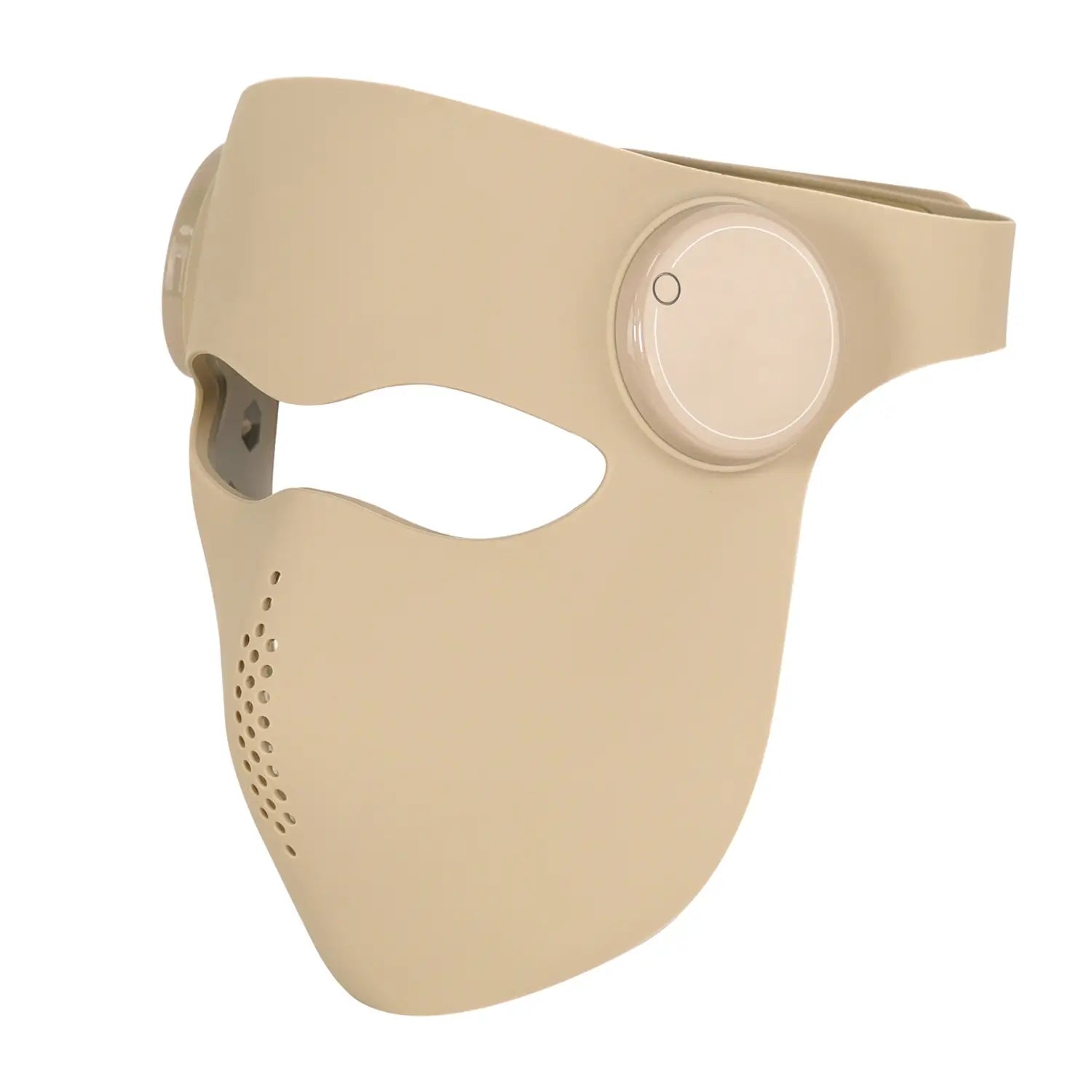
Consider coverage and uniformity. Depressed scars cluster in specific zones—the cheeks, temples, forehead. In lighting terms, you want an even “wash” of therapeutic irradiance across those areas, not hot spots and dead zones. Good mask design, panel distance, and fit matter.
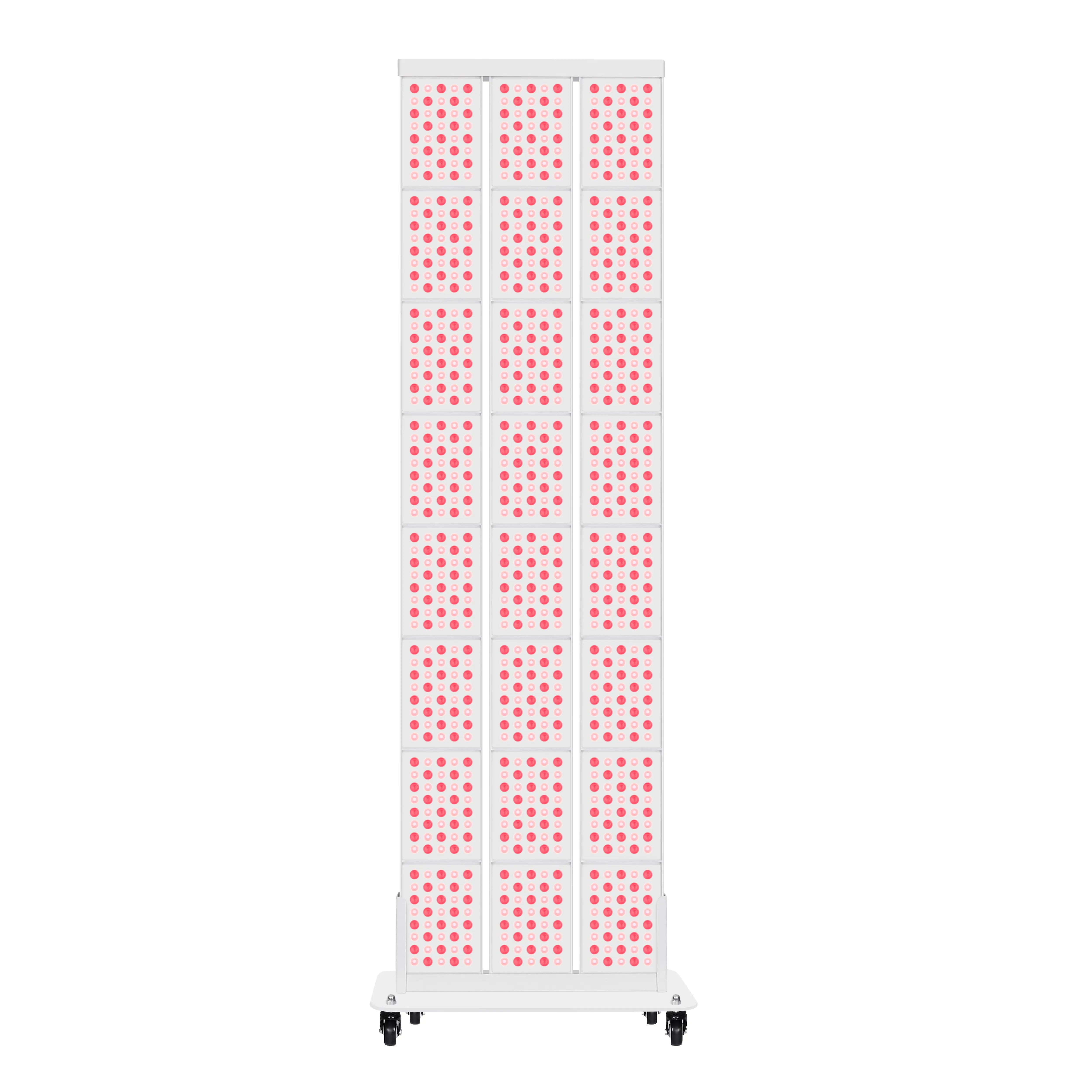
Be realistic about power when choosing between clinic and home. Medical‑grade panels and in‑office LED arrays typically deliver more controlled, higher‑intensity light. At‑home devices trade power for convenience and safety margin. They can still help, especially for maintenance and prevention, but changes will be slower.
How Often And How Long To Use It
Clinical protocols in the research notes are surprisingly consistent. The wrinkle and photobiomodulation trial used two sessions per week, building to 30 treatments. Cosmetic and dermatology articles often describe 10–20 minute sessions, two or three times per week, for several weeks to a few months.
For practical planning, many clinics and manufacturers suggest something like ten to twenty minutes per session, at least two to three times weekly for eight to twelve weeks before judging results. BSWHealth and West Dermatology both emphasize that consistent, long‑term use is needed; it is not a one‑and‑done experience.
From a lighting design perspective, think of it as a maintenance schedule: you are not repainting the walls; you are dialing in a regular “service interval” that keeps the system working, in this case your skin’s repair machinery.
Always follow your specific device instructions. More is not always better; overuse can cause unnecessary irritation, just as overspecifying brightness in a room can create glare rather than comfort.
Combining Red Light With Other Treatments
The most compelling evidence for red light in scarring scenarios comes from combination approaches.
Blue plus red light for acne often reduces the number and severity of lesions, which may indirectly reduce new scars simply by controlling inflammation more effectively. A series described by Schweiger Dermatology showed substantial lesion reduction over 12 weeks with alternating blue and red exposures.
The case report on PRP plus 830 nm LED for a depressed facial scar is another clue. PRP brings a concentrated burst of growth factors, while near‑infrared LED phototherapy enhances the activity of repair cells and calms inflammation. Together, they produced a result that neither modality might have achieved alone.
Cosmetic dermatology sources also describe layering red LED sessions around more powerful scar procedures. For example, fractional CO₂ laser or microneedling might be used a few times a year to physically remodel scar structure, while red light provides gentle, repeated support between those visits to optimize healing and minimize downtime.
If you already have or are planning CO₂ laser, microneedling, chemical peels, or fillers, it is worth asking your dermatologist whether adding red light therapy might support healing and help with redness and subtle surface refinement.
Safety, Skin Types, And When To Avoid It
Across Cleveland Clinic, Brown Health, WebMD, UCLA Health, and Harvard Health, the consensus is that red light therapy is generally safe when used as directed. It uses non‑ionizing, non‑ultraviolet light at low intensities, and serious adverse effects are rare in clinical studies.
Short‑term side effects can include transient redness, a feeling of warmth or tightness, mild peeling, or dryness. In the PRP plus 830 nm LED case, the only issues were minor bleeding from injections and mild redness resolving within two days. Clinics emphasize standard aftercare: gentle cleansers, non‑comedogenic moisturizers, and diligent broad‑spectrum sunscreen.
Eye safety requires particular attention. Even though red light lacks UV, staring into intense LEDs is not advisable. Harvard Health notes that an acne mask from a major brand was recalled after concerns about potential eye injury in susceptible users, and dermatology sources consistently recommend appropriate eye protection for facial treatments.
There are groups who should be especially cautious or seek medical guidance first. People taking photosensitizing medications, those with a history of skin cancer or suspicious moles, and individuals with significant eye disease fall into this category. Research summarized by Healthline suggests that pregnant people are generally advised to avoid certain light‑based acne therapies altogether. Several hospital systems recommend talking with a dermatologist or physician before starting home red light therapy, especially for darker skin tones where the risk of unwanted pigmentation changes is not fully understood.

So, Can Red Light Therapy Effectively Improve Depressed Acne Scars?
From a strictly evidence‑based perspective, the fairest answer is that red light therapy can help, but its role is supportive and its effects are modest compared with more aggressive scar treatments.
The mechanisms are sound. Multiple clinical and laboratory studies show that red and near‑infrared light can increase dermal collagen, improve skin roughness, enhance circulation, and reduce inflammation. Case reports and clinical experience suggest that, over time, this can soften the appearance of some depressed scars, especially newer or milder atrophic scars and the redness that surrounds them.
At the same time, fractional CO₂ lasers, microneedling, radiofrequency microneedling, chemical peels, and fillers have a substantially stronger evidence base specifically for depressed acne scars, including randomized trials and long experience in clinical practice. They physically restructure the scarred tissue in ways low‑level red light simply cannot match.
If you think in terms of lighting a room, red light therapy is akin to upgrading the ambient light quality—more flattering, more even, reducing the shadows that make imperfections pop. Fractional lasers and microneedling are more like structural renovations, literally reshaping the surface. Most people with moderate to severe depressed acne scars will get the best results by combining both approaches: targeted structural treatments from a dermatologist or laser surgeon, with red light used as a gentle, low‑risk adjunct for healing, maintenance, and prevention.
FAQ
How long does it take to see changes in depressed acne scars from red light therapy?
Based on dermatology and photobiomodulation studies, most people need several weeks of consistent use before they notice subtle improvements. Trials on wrinkles and acne often ran for eight to twelve weeks with two or three sessions per week. For scars, expect gradual softening of edges and improvement in redness over months, not days, and understand that deep indentations may remain.
Can red light therapy replace fractional CO₂ laser or microneedling for deep scars?
Current evidence and clinical practice say no. A systematic review of fractional CO₂ lasers for depressed acne scars drew on multiple randomized trials and showed strong remodeling effects. Microneedling and radiofrequency microneedling physically break tethering bands and stimulate substantial collagen. Red light therapy does not create that level of tissue change and is best viewed as a complement rather than a replacement.
Is an at‑home red light device worth it if I have old acne scars?
It can be, if you have realistic expectations and use it consistently. Hospital systems and dermatology experts note that at‑home devices are generally less powerful than clinic systems, so results take longer and may be subtler. If you want to support overall skin health, reduce redness around scars, and possibly smooth mild textural changes, a well‑chosen, FDA‑cleared device using appropriate wavelengths can be a sensible part of your routine. For deep or complex scarring, it should augment, not substitute for, professional treatments.
As a curator of LED illumination, I see red light therapy as a thoughtfully tuned accent layer in a comprehensive scar‑recovery design, not the only fixture in the room. When you pair the right light with the right medical treatments and realistic goals, it can absolutely support smoother, calmer, more confident skin.

References
- https://www.health.harvard.edu/diseases-and-conditions/led-lights-are-they-a-cure-for-your-skin-woes
- https://www.urmc.rochester.edu/encyclopedia/content?ContentTypeID=85&ContentID=P00255
- https://pmc.ncbi.nlm.nih.gov/articles/PMC3926176/
- https://med.stanford.edu/news/insights/2025/02/red-light-therapy-skin-hair-medical-clinics.html
- https://www.brownhealth.org/be-well/red-light-therapy-benefits-safety-and-things-know
- https://my.clevelandclinic.org/health/articles/22114-red-light-therapy
- https://www.gundersenhealth.org/health-wellness/aging-well/exploring-the-benefits-of-red-light-therapy
- https://hartfordhealthcare.org/about-us/news-press/news-detail?articleId=66176
- https://www.uclahealth.org/news/article/5-health-benefits-red-light-therapy
- https://www.aad.org/public/cosmetic/safety/red-light-therapy