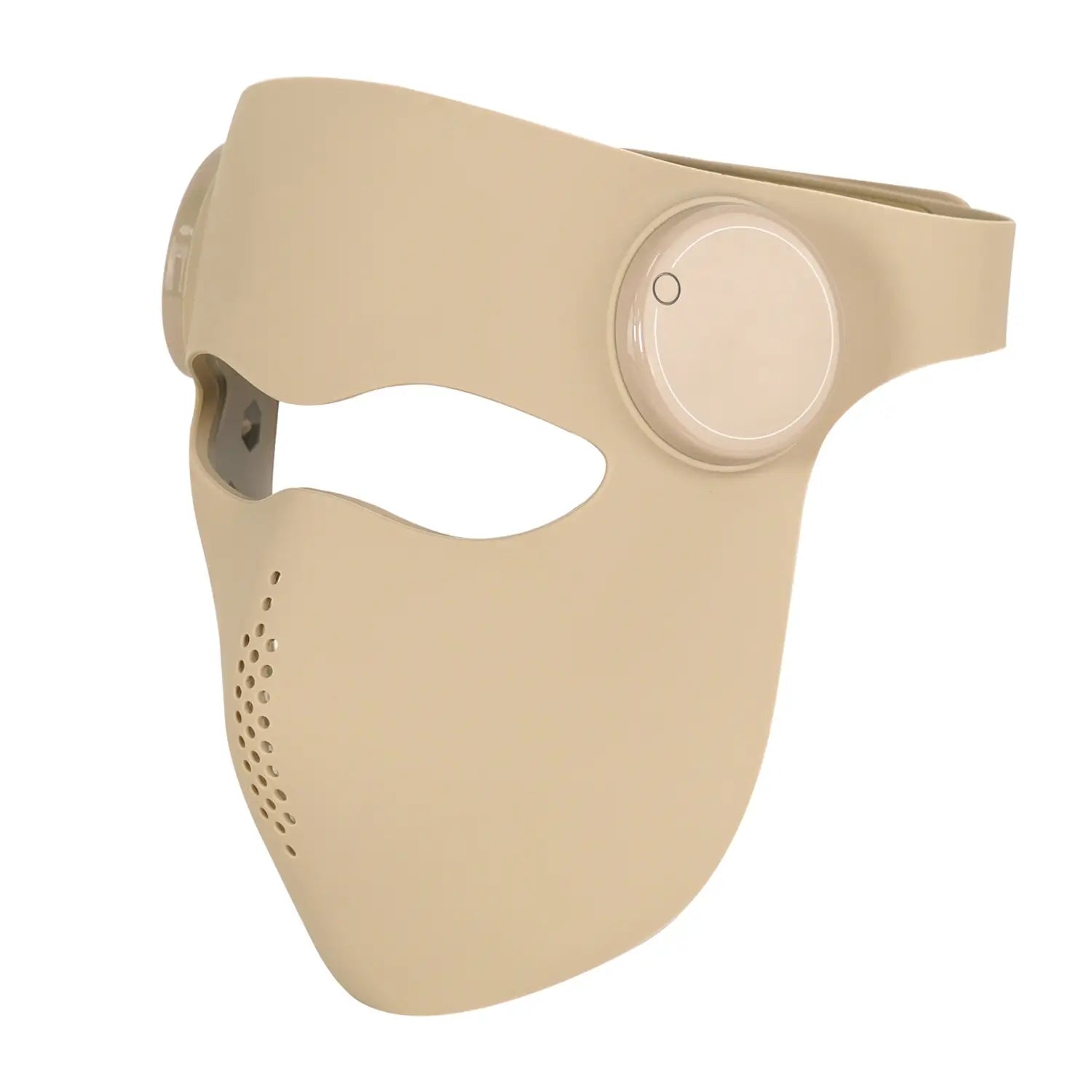
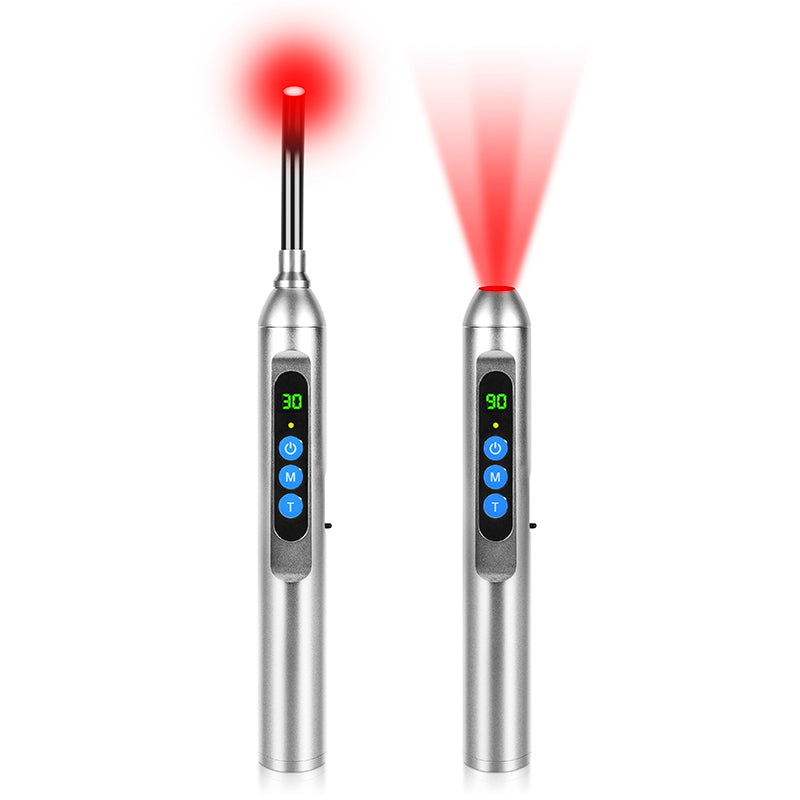

As someone who has spent years tinkering with LED panels, sitting under clinical light domes, and combing through dermatology journals, I can tell you this: red light therapy is neither miracle nor myth. It is a biologically plausible, increasingly well-studied tool that can help with acne control and possibly prevention, but only when you understand its limits and use it strategically alongside proven basics.
This article walks through what the science actually says about red light and acne, how it might help prevent future breakouts, where the hype gets ahead of the data, and how to build a realistic, evidence-informed protocol.
Why Acne Prevention Is So Challenging
Acne vulgaris is a chronic inflammatory disease of the hair follicle and oil (sebaceous) gland unit. A systematic review in a dermatology journal describes it as driven by several converging factors: hormone-sensitive oil production, clogging of the follicle with dead skin cells, overgrowth of Cutibacterium acnes, and an exaggerated inflammatory response. Over eighty percent of adolescents experience it, and for many people it continues well into adulthood.
Traditional treatments target that biology but come with trade-offs. Topical retinoids and benzoyl peroxide can be highly effective, yet they often cause dryness, peeling, and irritation. Oral antibiotics raise resistance concerns and are not meant as long-term prevention. Oral isotretinoin can transform severe, scarring acne, but it carries well-known side effects and strict monitoring.
Light-based therapies, including red light, grew out of the search for non-drug options that can reduce inflammatory lesions without systemic side effects. The key question for a prevention-focused biohacker is different from “Can I shrink a pimple faster?” It is “Can I change the skin environment enough that breakouts happen less often and are less severe over time?” Red light therapy is one contender in that arena.

Red Light Therapy 101
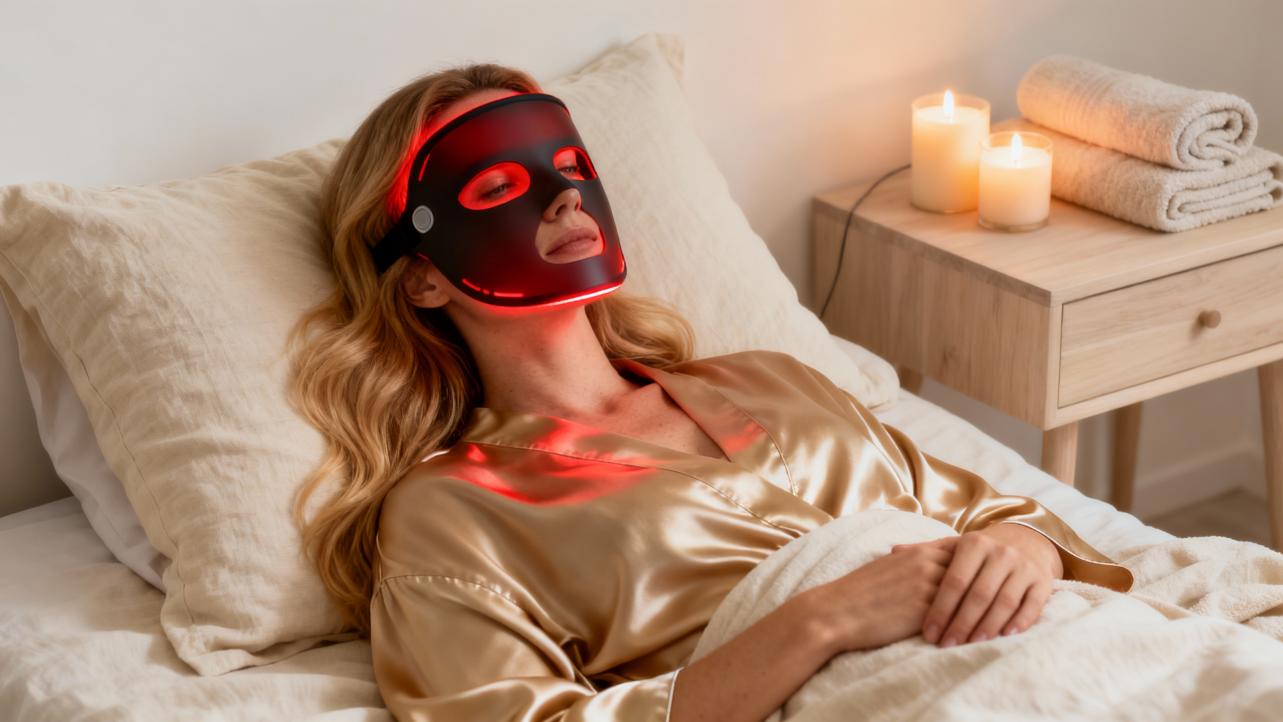
Red light therapy, often called photobiomodulation or low-level light therapy, uses low-power red or near-infrared wavelengths delivered by LEDs or low-level lasers. Cleveland Clinic and Harvard Health both describe it as noninvasive and non-UV: you are not burning the skin, and you are not exposing it to the ultraviolet energy that drives skin cancer.
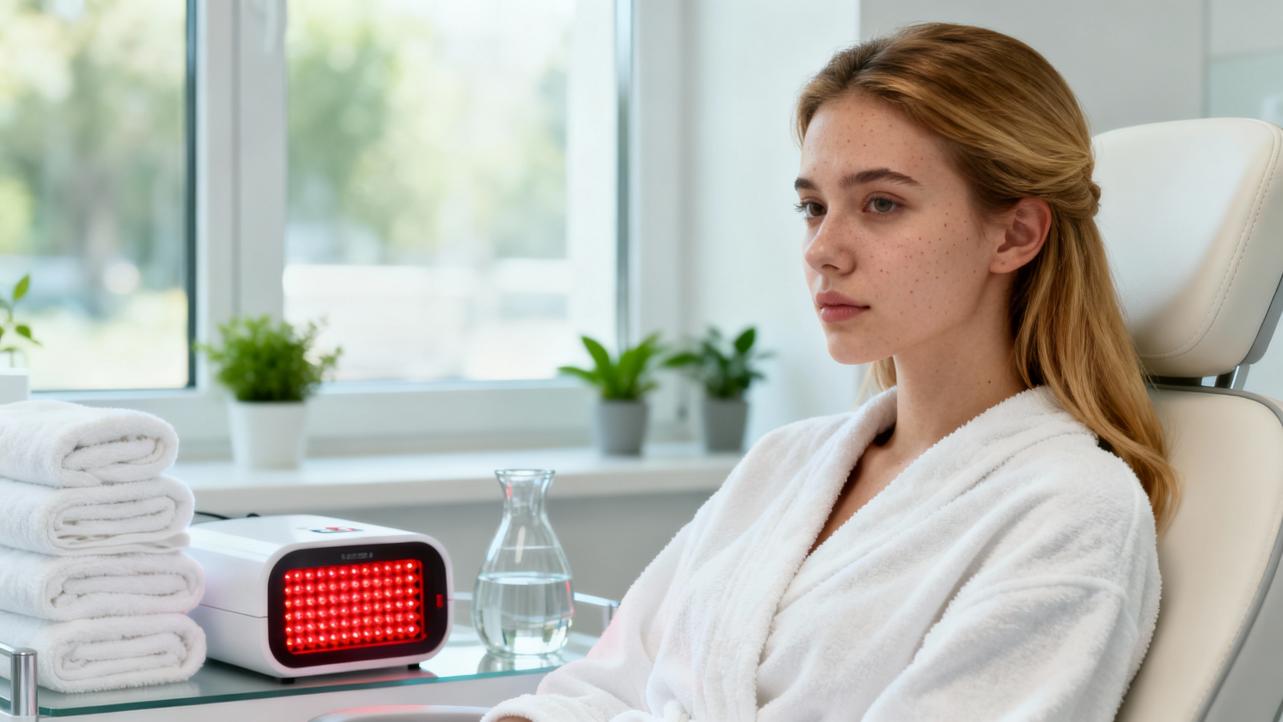
NASA research originally explored these wavelengths to help plants grow in space and to support wound healing in astronauts. That early work triggered broader medical interest. Today, red light therapy devices show up in dermatology clinics, pain clinics, hair-loss centers, wellness studios, and on countless consumer shopping pages as masks, panels, beds, wands, caps, and more.
Multiple medical sources, including Cleveland Clinic, Harvard Health, UCLA Health, and WebMD, converge on a similar mechanism story. Red and near-infrared photons are absorbed by components in mitochondria, increasing cellular energy production, modulating signaling molecules, and reducing inflammatory mediators. In skin, that appears to translate into better wound healing, more collagen and elastin production, improved microcirculation, and reduced inflammation.
Those broad effects are why red light is being studied or used not only for acne, but also for wrinkles, scars, sun damage, hair loss, arthritic pain, and wound healing. For our purposes, the key is how those same mechanisms could be leveraged to keep acne under better control.

Red vs Blue vs Other Light: Where Red Fits in Acne Care
Most acne-focused light research does not use red in isolation. Instead, it often combines red with blue light or uses other modalities like intense pulsed light (IPL) or photodynamic therapy. Understanding where red fits requires a quick comparison.
Modality / Color |
Main Target and Role in Acne |
Typical Use Pattern and Notes |
Blue LED (around 407–420 nm) |
Activates bacterial porphyrins in C. acnes, creating reactive oxygen species that kill bacteria in the follicle |
Often applied several times per week for a few weeks; strongest effect on inflammatory lesions near the surface; some research suggests possible pro-aging free radical effects with blue light if overused |
Red LED (about 620–750 nm, sometimes extended into near-infrared) |
Penetrates more deeply; reduces inflammation, modulates sebaceous glands, stimulates fibroblasts and collagen, improves circulation and healing |
Used for inflammatory acne, redness, and scarring; often paired with blue light to add healing and anti-inflammatory effects |
Combined blue + red LED |
Blue attacks C. acnes bacteria; red calms inflammation and supports repair and scar improvement |
Studies cited by Schweiger Dermatology Group and other reviews report larger reductions in inflammatory lesions with this combination than with either color alone |
IPL and other lasers |
Wider spectrum and higher energy; act on porphyrins, blood vessels, and sebaceous glands, sometimes with thermal injury |
More aggressive, office-only options; can improve inflammatory acne and scarring but with higher downtime and cost |
Photodynamic therapy (light plus a photosensitizing drug) |
Photosensitizer applied to skin accumulates in oil glands; light activation destroys target cells more aggressively |
Used for more resistant acne; USF Health notes stronger oil-gland suppression but also several days of redness, peeling, and strict light avoidance afterward |
Blue light is the workhorse bactericidal wavelength in acne research. Red is the deeper, anti-inflammatory and remodeling wavelength. Prevention-minded protocols usually aim to combine both: blue to reduce bacterial triggers and red to quiet inflammation, support healing, and potentially normalize oil output and scarring over time.
Mechanisms: How Red Light Could Help Prevent Breakouts
Several clinical and review articles converge on a plausible prevention mechanism for red light therapy. The language varies, but the themes are consistent.
Red and near-infrared light act on mitochondria in skin cells, boosting their energy production. Cleveland Clinic explicitly notes that red light is thought to act on cellular “power plants” and that certain skin cells absorb specific wavelengths and are stimulated to work harder at repair and regeneration.
Multiple sources, including Cleveland Clinic, Harvard Health, WebMD, and red light clinic providers, describe red light as capable of stimulating collagen and fibroblasts, increasing blood circulation, and reducing inflammation. A wellness studio article citing National Institutes of Health data emphasizes that red light reduces pro-inflammatory cytokines and improves tissue repair.
From an acne-prevention lens, those mechanisms matter because they target three key choke points in the breakout cascade.
First, inflammation. Acne today is viewed as an inflammatory disease, not just a clogged pore problem. Red light’s anti-inflammatory signaling may lower the intensity and duration of inflammatory lesions, which can reduce post-inflammatory marks and possibly decrease the chance that a minor clog escalates into a painful cyst.
Second, sebaceous activity and barrier health. Some clinical work, summarized by UCLA Health, shows that repeated red light sessions can reduce skin oil production and improve acne without adverse effects. Even modest reductions in oil, combined with healthier barrier function and better microcirculation, could tilt the environment away from constant micro-clogging.
Third, repair and remodeling. By stimulating collagen and elastin, red light may improve the way skin heals after a lesion, which is crucial for preventing long-term textural scarring. Several sources, including Cleveland Clinic, Harvard Health, and WebMD, highlight improvements in scars, fine lines, and skin texture as realistic outcomes with consistent red light use.
In other words, red light is not your sterilizing hammer. It is more like a systemic tune-up for inflamed, stressed skin that supports healthier function over time. That is the theoretical path to prevention: fewer lesions progressing to severe inflammation, faster resolution of those that do appear, and a less hospitable environment for ongoing flare-ups.
The missing piece is long-term prevention data. Most trials are short, lasting a few weeks or months, and rarely track how many new breakouts occur many months later without continued therapy. That is why major institutions are cautious, even as they acknowledge promising signals.

What The Research Actually Shows
Visible Light Therapy: The Big-Picture Data
A PRISMA-adherent systematic review of visible light photobiomodulation for acne included thirty-five studies, almost twelve hundred patients with a mean age in the mid-twenties, and mostly mild-to-moderate facial acne. The treatments intentionally excluded high-energy lasers, IPL, and classic photodynamic therapy; the focus was on LED-style visible light.
Blue light dominated these studies, accounting for about two thirds of participants. Combined blue and red light accounted for nearly a quarter, and pure red light alone was used in a minority of patients.
Across all visible light modalities in that review, about ninety-one percent of patients achieved partial clearance and roughly four percent complete clearance of acne. Among partial responders, lesion reductions clustered as follows: almost half saw up to fifty percent reductions, about a third achieved roughly fifty-one to seventy-four percent reductions, and a smaller group reached seventy-five to ninety-nine percent reductions. Only a small fraction saw no improvement or worsening.
Treatment protocols varied, but a typical pattern was around two sessions per week over roughly six to eight weeks, with an average of twenty-two sessions in about seven weeks. Clinical responses were generally assessed within three to four weeks from therapy initiation, suggesting that improvement often starts within the first month.
Adverse effects in these LED-like protocols were usually mild and transient: temporary redness, dryness, irritation, and occasional peeling or headache. No serious systemic events were reported.
This broad review tells us that visible light, as a category, is a real therapeutic tool for mostly mild-to-moderate acne. It does not prove that red light alone prevents acne long term, but it firmly places red and blue LEDs on the map as legitimate modalities rather than pure gimmicks.
Red Plus Blue: Better Together
Several more focused studies and reviews examine combined blue and red LED therapy.
In the visible light systematic review, combined blue and red treatment often delivered blue fluence around 48 J/cm² and red around 96 J/cm² in sessions of about fifteen minutes, twice weekly over eight weeks. In that subgroup, about eighty-nine percent of patients had partial clearance and nine percent had complete clearance, with only a tiny percentage experiencing worsening. By week four, inflammatory lesion counts had improved by nearly half and noninflammatory lesions by about a quarter.
A broader review of light-based acne therapies reports that blue and blue–red LED treatments typically cut inflammatory lesion counts by roughly sixty to seventy percent after four weeks of twice weekly sessions, especially for inflammatory papules and pustules. One double-blind trial cited in that review found that combined blue–red LED produced around seventy-seven percent reduction in inflammatory lesions and fifty-four percent reduction in noninflammatory lesions twelve weeks after a four-week treatment course. Another study referenced by Schweiger Dermatology Group, published in the Journal of Drugs in Dermatology, reported about seventy-six percent reduction in inflammatory lesions and sixty percent in noninflammatory lesions after twelve weeks of combined blue and red therapy.
Patterns emerge from these data. Light therapy works best for inflammatory lesions. Noninflammatory comedones are less responsive. Combination blue–red LED consistently outperforms blue light alone in many trials.
That has direct implications for prevention. If your goal is to reduce the frequency and severity of inflammatory flares, combining blue and red is more evidence-aligned than using red in isolation, especially in the early intensive phase. Red then becomes the workhorse for inflammation control and recovery as you transition into a maintenance and prevention mindset.
Red-Light–Centered Evidence
Specific red-only acne studies are fewer, but several reputable sources summarize relevant findings.
UCLA Health notes a small study where participants received six red light treatments every two weeks. The results included significantly less skin oil, clearer acne lesions, and no adverse effects. The article also emphasizes that red light appears to help minimize acne primarily by promoting healing and reducing inflammation, while blue light photodynamic therapy is the route that directly destroys oil glands and bacteria.
A wellness studio using an FDA-cleared LED device cites National Institutes of Health data that repeated red light therapy sessions significantly reduce acne lesions and inflammation with minimal side effects. WebMD similarly describes red light as effective for acne by improving inflammation and aiding tissue repair, especially in the context of chronic skin issues.
These reports reinforce the mechanistic picture: red light meaningfully affects inflammation, healing, and perhaps oil output. They also highlight that red light, on its own, is more of a modulation tool than a bacterial “kill switch.”
What Major Institutions Actually Say
When you zoom out from individual trials to institutional guidance, the tone becomes measured.
Cleveland Clinic describes red light therapy as a treatment that “may” improve acne, wrinkles, scars, redness, and other issues, but emphasizes that most studies are small and methodologically limited. Researchers see potential, yet the clinic stresses that there is not enough high-quality evidence to fully endorse many of the popular claims. Red light therapy is framed as an emerging, promising option, not a universally proven cure.
Harvard Health’s pieces on LED skin devices and red light for skin care echo that stance. Experts there call LED and red light an “exciting emerging area” but highlight the lack of large, controlled trials and long-term safety data. They point out that many professional treatments cost around $80.00 or more per session, at-home devices typically cost several hundred dollars, and the Food and Drug Administration clears many of these devices primarily for safety, not for demonstrated efficacy. Device quality is variable, and the optimal dose and schedule remain undefined.
The American Academy of Dermatology, as summarized in Healthline and other reviews, states that visible light therapy tends to work best for mild to moderate inflammatory acne, is not effective for whiteheads, blackheads, or deep nodular acne, and should be considered part of a broader acne management plan rather than a standalone solution.
Finally, multiple medical sources remind us that UV-free does not equal completely risk-free. Harvard dermatologists note that long-term safety of repeated LED exposure is still uncertain, that eye protection is important, and that a consumer acne mask was voluntarily recalled after concerns about potential eye damage in people with underlying eye conditions or on light-sensitizing medications.
That is what responsible enthusiasm looks like: acknowledgment of meaningful benefits, clear communication of limitations, and respect for safety questions that have not yet been fully answered.
Pros And Cons of Red Light Therapy For Acne Prevention
Given that landscape, how should a prevention-focused person evaluate red light therapy? A high-level snapshot helps.
Potential Upsides For Acne Control and Prevention |
Key Limitations, Risks, and Unknowns |
Noninvasive, non-UV, generally safe short term when used as directed, with minimal recovery time |
Evidence base is still dominated by small, short-term studies; long-term prevention and relapse data are sparse |
Effective at reducing inflammatory lesions and improving redness when used in visible light protocols, especially with blue–red combinations |
Less effective for purely comedonal acne and deep nodulocystic lesions, which often require conventional medical therapies |
Red light can reduce inflammation, support wound healing, and help improve scars and skin texture, potentially improving the “after” picture of any breakout |
Optimal wavelength, dose, and schedule for prevention are not standardized; home devices vary widely in intensity and spectrum |
May modestly reduce oil output and help keep skin more balanced, based on small studies and clinical experience, without the systemic side effects of oral drugs |
Treatments can be time-intensive (multiple sessions per week for weeks or months) and costly, especially in-office, with limited or no insurance coverage |
At-home devices are widely available and, when FDA-cleared and used correctly with eye protection, generally considered low risk |
People on photosensitizing medications, with certain eye diseases, or with a history of skin cancer need medical clearance; misusing devices can damage skin or eyes |
Can complement a prevention-focused lifestyle and skincare routine, especially for those who cannot tolerate harsh topicals or long antibiotic courses |
Marketing often overpromises, especially for whole-body wellness and mental health claims that currently have limited human evidence |

In-Office vs At-Home Red Light For Prevention
Red light therapy lives on a spectrum from medical-grade devices in dermatology departments to inexpensive consumer gadgets promoted by influencers. The choice matters for both effectiveness and safety.
In-office LED therapy typically uses calibrated devices with defined wavelengths such as red, blue, or combinations, sometimes in dome or panel form. Clinical sessions usually last about fifteen to thirty minutes. Florida-based clinical training sources and multiple dermatology clinics report that best results are seen after a series of sessions, often weekly or two times per week for several weeks, followed by more spaced maintenance. For inflammatory acne, protocols often combine blue and red to tackle bacteria and inflammation together.
More aggressive in-office options like IPL or photodynamic therapy amplify the effect. USF Health describes acne dynamic therapy where a photosensitizing medication is applied and allowed to activate for thirty to one hundred eighty minutes, followed by eight to sixteen minutes of light treatment. When medication is used, patients can experience several days of redness and peeling and must avoid sunlight and bright indoor light for about forty-eight hours, often using physical sun blocks containing zinc oxide and titanium dioxide. That is not a casual biohack; it is a true medical procedure aimed at more resistant acne.
At-home devices, by contrast, are typically weaker. Cleveland Clinic and Harvard Health note that over-the-counter masks, panels, and wands are often less powerful than clinical systems and may take longer or fail to deliver the same results. Some home-use LED masks require daily or even twice daily sessions of thirty to sixty minutes over several weeks; others advertise shorter daily or near-daily sessions. In all cases, consistent use is critical.
The Food and Drug Administration has cleared many at-home devices for safety, but it does not guarantee that any specific device will match clinical outcomes. University of Utah Health clinicians point out that devices vary in which wavelengths they actually emit. Some popular masks might only provide a couple of wavelengths, while the studies you think you are emulating used different ones. If your goal is acne prevention and the research you are trying to mirror relies on certain red and blue bands, that mismatch matters.
In practical terms, in-office treatment makes the most sense if you have significant inflammatory acne, want medically supervised dosing, or are considering more aggressive options like photodynamic therapy. A high-quality at-home LED unit may be reasonable as a maintenance or prevention tool for mild inflammatory acne if you are willing to use it consistently and have already aligned with a dermatologist on your overall regimen.
Building A Science-Based Red Light Routine For Acne Prevention
The “light therapy geek” approach is simple: earn every device and every minute under the LEDs by getting the basics right and making sure the protocol you follow resembles actual research rather than marketing copy.
Step One: Confirm the Diagnosis and Stabilize the Basics
Harvard dermatologists are explicit about this: do not self-treat “sun damage” or other lesions with light devices without seeing a physician first, because you can easily miss skin cancers or other conditions that will not respond and may worsen. The same principle applies to acne. What looks like acne might be rosacea, folliculitis, or another skin disease that requires different management.
A board-certified dermatologist can confirm that you are dealing with acne, determine its severity and type, and rule out red-flag conditions. They can also help you build a foundation that already improves prevention: a gentle, non-comedogenic skincare routine; appropriate topical medications; and realistic expectations. University of Utah Health’s “Core Four” framing reminds us that nutrition, movement, sleep, and emotional health still matter more for overall wellbeing than any gadget, and they are not irrelevant to chronic inflammatory skin disease either.
Step Two: Decide Where Red Light Fits
Light therapy makes the most sense as an adjunct tool in a few scenarios.
If you have mild to moderate inflammatory acne, prefer to avoid long antibiotic courses, and either cannot tolerate or do not fully respond to standard topicals, adding a blue–red LED protocol under dermatologist guidance is reasonable. The goal here is to reduce inflammatory lesion burden and improve redness while maintaining a simple skincare base.
If your acne is mostly under control with topical medication but you are left with lingering redness, post-inflammatory marks, or early textural change, red-dominant light becomes more of a recovery and remodeling tool. That is where its collagen-stimulating, circulation-enhancing effects shine and where its contribution to long-term cosmetic “prevention” of scars is most plausible.
If your acne is severe, deeply nodular, or causing scarring despite appropriate care, red light should not be your frontline. Evidence and professional guidelines still favor systemic therapies in those cases. Light can still be layered in later, but it does not replace isotretinoin or other potent medications when they are clearly indicated.
Step Three: Choose the Appropriate Modality
For most prevention-minded users with mild to moderate inflammatory acne, simple LED therapy is the starting point. In a clinical setting that often means blue and red light in the same session or course.
If you and your dermatologist feel that you need a stronger push and you are willing to accept more downtime, options like IPL or photodynamic therapy can be considered. The light-based therapy literature shows that adding photosensitizers to IPL or lasers tends to amplify and prolong acne improvement, but also adds more pain, redness, swelling, and pigment risks, particularly in darker skin types. USF Health reminds patients undergoing photosensitizing protocols to avoid light for forty-eight hours and to expect a few days of redness and peeling. That is not prevention as much as it is aggressive disease control.
For at-home devices, scrutiny is everything. Look for devices that are clearly labeled with their wavelengths, that are “FDA-cleared” rather than just advertised as “FDA approved,” and that come from reputable manufacturers. UCLA Health and Harvard skin-care guidance both encourage choosing devices designed for the specific body area and condition you want to address and emphasize that dose and wavelength matter.
Step Four: Align With Evidence-Based Frequencies
Clinical protocols in the visible light literature generally cluster around multiweekly use for several weeks, with improvement emerging during the first month and often continuing for several more weeks.
The systematic review of visible light photobiomodulation reports an average of twenty-two sessions over about seven weeks, often using about two sessions per week. Combined blue–red trials commonly use twice weekly sessions for four to eight weeks, with follow-up data at eight to twelve weeks showing sustained improvement.
Healthline’s review of light therapy for acne notes that in-clinic sessions are often scheduled two or three times per week for four to six weeks, each lasting about fifteen to thirty minutes, with periodic maintenance every few months. A red light sauna studio using an FDA-cleared LED panel recommends two or three sessions per week for four weeks, then monthly maintenance to sustain benefits. Another acne-focused spa suggests that more severe or persistent acne may require eight to ten weeks of regular dual-light sessions.
For prevention, that body of evidence suggests a phased approach.
In an initial “intensive” phase under professional guidance, using blue–red LED several times per week for about a month or two can lower inflammatory lesion burden and calm the terrain. During this period, you are closer to a treatment protocol.
In a “maintenance” or prevention phase, you gradually reduce frequency. Some clinics move to monthly sessions; others recommend continued but less frequent home use. Harvard’s red light skin-care guidance reminds us that visible changes often take four to six months of consistent use with home devices, underscoring that prevention is a long game, not a weekend hack.
The crucial point is that you and your clinician should set a clear review horizon. If, after a realistic course of eight to twelve weeks of correctly dosed therapy and solid skincare fundamentals, you see no meaningful change in breakout frequency, severity, or recovery, it is reasonable to pivot rather than doubling down indefinitely.
Step Five: Protect Eyes and Pigment
Almost every major medical source agrees on several safety essentials.
First, eye protection is non-negotiable. Harvard Health discusses the recall of a consumer LED acne mask after concerns that it could harm eyes in susceptible users. Cleveland Clinic warns that misused devices, especially when directions are ignored, can damage skin or eyes. At a minimum, follow device instructions for goggles or shields every single time.
Second, photosensitizing medications matter. Cleveland Clinic and LED therapy resources list isotretinoin, lithium, and various other drugs as potential triggers for light sensitivity. Healthline notes that people on certain antibiotics, those who are extremely sun-sensitive, and individuals who are pregnant or possibly pregnant should avoid or be very cautious with light therapy unless cleared by a physician.
Third, skin tone and pigment risk deserve attention. Harvard’s discussion of red light for skin reminds readers that visible light, including red, can sometimes trigger dark spots in darker skin types. For people with more pigment, it is wise to consult a dermatologist, start with lower doses, and pay close attention to any emerging hyperpigmentation.
The good news is that when these precautions are respected, LED red light therapy appears to have a very favorable short-term safety profile. Serious complications in properly conducted studies are rare and mostly limited to more aggressive protocols involving photosensitizers or high-energy devices.
Step Six: Track Outcomes Like a Scientist
Prevention is notoriously difficult to judge subjectively. As a wellness optimizer, treat your skin like an experiment.
Before starting a red light protocol, take standardized photos of your face in consistent lighting and angles, ideally at the same time of day and without makeup. Keep a simple journal noting the number of inflammatory lesions, perceived oiliness, new breakouts, and how long individual pimples take to resolve. Note any changes in your skincare products or lifestyle so you can account for them.
Repeat those photos every two to four weeks, not every day. Red light therapy is subtle and cumulative; chasing micro-changes day to day fuels anxiety, not insight. After eight to twelve weeks, compare honestly. Do you see fewer inflammatory lesions? Faster healing? Less lingering redness or fewer new breakouts? Or does your skin look essentially the same?
If your answer is “significantly better,” then you have earned your maintenance protocol. If it is “marginal” or “unchanged,” the data are telling you to redirect your time and money toward other interventions rather than clinging to the device out of sunk-cost attachment.

When Red Light Therapy Is Probably Not Worth It For Prevention
There are clear scenarios where red light is unlikely to be your best move.
If your acne is severe, deeply nodular, or causing scarring, especially on the back or chest, the evidence still favors systemic treatments such as oral isotretinoin or carefully supervised combination regimens. Light can be layered on later for redness and scar modulation, but it should not delay definitive therapies.
If your acne is almost entirely comedonal, with blackheads and whiteheads but very little inflammation, visible light tends to help less. Both the American Academy of Dermatology and multiple reviews highlight that light-based therapies are stronger for inflammatory lesions than for comedones. In those cases, disciplined use of retinoids, chemical exfoliants, and lifestyle optimization may deliver more prevention per dollar.
If you are on multiple photosensitizing medications, have a history of certain eye diseases, or have had skin cancer, red light should only be considered under direct medical supervision, if at all. Safety margins for the average person do not automatically apply in higher-risk groups.
Finally, if you know you are not realistically going to maintain multiple sessions per week during the initial phase or ongoing maintenance, an expensive LED purchase may simply become an illuminated dust collector. Prevention requires consistency; without it, the best-designed protocol remains theory.
Short FAQ
Does red light therapy prevent acne without blue light?
Red light on its own appears to reduce inflammation, support healing, and in at least one small study reduced oil production with improved acne outcomes. However, most of the stronger acne data involve blue or blue–red combinations, because blue is more directly antibacterial against C. acnes. For true prevention of inflammatory breakouts, especially at the start, combining blue and red under professional guidance aligns better with the evidence than relying on red alone. Red-dominant protocols make more sense later, when you are focusing on calming residual redness and supporting recovery.
How quickly should I expect to see changes if I am using red or blue–red light for prevention?
Clinical visible light protocols for acne often report noticeable improvements within three to four weeks, with continued gains over about eight to twelve weeks of multiweekly sessions. Some wellness studios and dermatology practices note visible changes after just a few sessions, but large-scale data still point to several weeks of consistent use before drawing conclusions. For prevention, think on the scale of months rather than days and review your results at set intervals rather than constantly.
Can I combine red light therapy with retinoids or benzoyl peroxide?
Many dermatologists integrate topical medications with light-based therapies, but timing matters. Healthline’s guidance on light therapy for acne notes that clinicians often ask patients to avoid retinols and other skin-thinning products for about two weeks before certain in-office phototherapy or photodynamic procedures. For lower-intensity LED treatments, some practitioners simply advise pausing strong topicals right before and after sessions. Because your skin, products, and device parameters are unique, the safest route is to let a dermatologist or knowledgeable provider design the combination and schedule rather than improvising on your own.
Closing Thoughts
Red light therapy is not a magic eraser for acne, but it is far more than a passing fad. The best evidence paints it as a gentle, biologically plausible ally for calming inflammatory acne, supporting healing, and potentially reducing how often and how fiercely your skin flares—especially when combined with blue light and anchored in a smart skincare routine and solid lifestyle fundamentals.
From one light-obsessed wellness optimizer to another: treat red light as a tool in your kit, not the entire kit. Let high-quality data, a trusted dermatologist, and honest self-tracking guide how you use it—and when you set it aside in favor of what your skin is telling you it really needs.
References
- https://lms-dev.api.berkeley.edu/red-light-tjerapy
- https://florida-academy.edu/the-benefits-of-led-light-therapy-a-revolutionary-skin-treatment/
- https://www.health.harvard.edu/diseases-and-conditions/led-lights-are-they-a-cure-for-your-skin-woes
- https://pmc.ncbi.nlm.nih.gov/articles/PMC11585190/
- https://health.usf.edu/care/cosmetic/services-specialties/acne
- https://blogs.bcm.edu/2025/06/24/led-light-therapy-how-does-it-work-on-your-skin/
- https://healthcare.utah.edu/the-scope/mens-health/all/2024/06/176-red-light-therapy-just-fad
- https://my.clevelandclinic.org/health/articles/22114-red-light-therapy
- https://www.uclahealth.org/news/article/5-health-benefits-red-light-therapy
- https://www.aad.org/public/diseases/acne-and-rosacea/lasers-and-lights-how-well-do-they-treat-acne