
Why Winter Colds Hit Families So Hard
If your household feels like a relay race of runny noses every winter, there is a biological reason. Work summarized by Infraredi describes research showing that when the air gets cold, the temperature inside the nose can drop by about 5%. That relatively small change can cut the local immune response in the nasal tissues by nearly half, making it dramatically easier for cold, flu, and even COVID‑19 viruses to infect cells in the upper airway.
Clinically, that lines up with what most families experience. A typical upper respiratory infection begins with sore throat, sneezing, and a stuffy or runny nose. More intense cases add headaches, body aches, facial pressure, and sometimes loss of taste or smell. Most people get better in roughly a week, with or without antivirals, but that week can derail school, work, and sleep for everyone under the same roof.
Evidence-based wellness guidance from sources like Infraredi, Greentoes, and Mito Red Light all converge on the same foundation: sleep, nutrient-dense food, daily walking, stress management, and healthy social connection are still the core of immune resilience. Red light therapy is presented as a complementary modality that can support those basics, not replace them.
Imagine a common winter scenario. A child brings home a cold from school, develops congestion and a sore throat, and by the next day one parent feels a scratchy throat and fatigue. Without changing anything else, that family will usually ride out a week of symptoms. When you add in earlier bedtimes, warm, humidified air, and a structured red light routine aimed at calming sinus inflammation and supporting immune function, your goal becomes shortening that disruption and making the experience less miserable, not “zapping” the virus away.
That is the realistic lens we need before we talk about what red light therapy can and cannot do.

What Red Light Therapy Actually Does (And Doesn’t) Do
Red light therapy, often called photobiomodulation or low-level light therapy, uses specific bands of visible red and near‑infrared (NIR) light to nudge cellular biology. Across Infraredi, Lumara Systems, LifeSpan Dynamics, Light Lounge, Verywell Health, and Brown Health summaries, the definition is consistent: these are low-energy LEDs or lasers, typically in the 630–700 nanometer range for red and roughly 700–900 nanometers (often 810–850 nanometers) for near‑infrared.
Unlike ultraviolet light, these wavelengths do not ionize tissue and do not tan or burn the skin. Instead, they are absorbed by chromophores inside the cell, especially in the mitochondria. Multiple sources, including Verywell Health and Mito Red Light, describe a core hypothesis: red and NIR light support mitochondrial enzymes such as cytochrome c oxidase, boosting production of ATP, the energy currency of the cell.
Infraredi, Light Lounge, PlatinumLED, and Greentoes all highlight downstream effects that are particularly relevant for colds and respiratory health. These include: increased ATP availability so cells can repair and defend themselves, release of nitric oxide that can dilate blood vessels and improve local circulation, angiogenesis (growth of new microvessels) to deliver nutrients and clear waste, modulation of inflammatory signaling, and improved lymphatic flow to move fluid and immune cells more effectively.
Several sources, including Infraredi and Greentoes, also describe how red and NIR light exposures may increase melatonin production and improve sleep, and how improved mood and reduced anxiety can indirectly strengthen immune responses. Light Lounge points to human and animal data suggesting that photobiomodulation can enhance T‑cell function, support thymus health, and even make vaccines more effective in animal models by strengthening immune signaling.
From a “light therapy geek” standpoint, the key clarification is this: red light therapy is not an antiviral treatment. Lumara Systems and Mito Red Light both explicitly emphasize that it does not kill cold viruses. Instead, it modulates how your tissues respond to infection. It is more like improving the terrain than attacking the invader.
Consider a simple real‑world calculation. If you run a 10‑minute red light session on your face and another 10 minutes on your chest once a day during a cold, that is 20 minutes of exposure across two areas. Infraredi suggests not exceeding about 20 minutes of daily treatment per specific body area, and Mito Red Light encourages starting with shorter 5–10 minute sessions and increasing slowly. That kind of time commitment is realistic for most families and keeps you comfortably inside the usage ranges these companies describe.

What the Evidence Says About Colds, Sinuses, and Lungs
Sinus and Nasal Relief
When families ask where red light therapy is most promising for cold support, the nose and sinuses are the first place I point, because that is where we have the most direct data.
A randomized trial summarized by a PubMed Central article on 660‑nanometer red light rhinophototherapy looked at 60 adults with moderate to severe allergic rhinitis. Participants received standard medical therapy with antihistamine and nasal steroid; half also received a single 15‑minute intranasal session of 660‑nanometer light via probes in each nostril. Subjective symptoms such as congestion, runny nose, and sneezing improved significantly within about 30 minutes in the light group. However, objective measurements of nasal airflow and cross‑sectional area did not improve, and in some regions of the nasal cavity actually decreased slightly. The authors concluded that while patients felt better, this particular protocol did not objectively open the nose and its decongestant value was questionable.
A separate single‑arm observational study published in an MDPI journal evaluated a different intranasal LED device delivering 660‑nanometer red and 940‑nanometer infrared light at low power three times daily for four weeks in 21 adults with mild persistent allergic rhinitis. Over that month, symptom scores on a standardized quality‑of‑life questionnaire and a visual analog scale improved significantly, with notable gains in runny nose and congestion starting around day seven. Nasal smears showed a trend toward lower eosinophil counts in several participants, suggesting decreased allergic inflammation, and only mild transient nasal dryness and itching were reported.
Commercial sinus‑focused manufacturers leverage this evidence. Lumara Systems cites a rhinophototherapy study using 660‑nanometer light that reported reduced nasal resistance and improved airflow within about 30 minutes, along with broader research showing improved airway resistance and mucus clearance in respiratory conditions.
Putting this together, there is moderate, early‑stage support for red or red/NIR light in improving subjective nasal and sinus symptoms related to inflammation, especially in allergy‑type congestion. However, objective airflow changes are inconsistent, and study sizes are small. For a congested teenager or parent, that means a realistic expectation is less pressure and less “stuffiness,” not necessarily a dramatic, measurable jump in airflow.
Lungs, Cough, and Shortness of Breath
On the lung side, most of the data is preclinical or focused on chronic disease, not simple family colds. Light Lounge’s review of light therapy for lung inflammation summarizes multiple mouse studies where red or near‑infrared light reduced inflammatory cell infiltration, normalized oxidative stress, and protected delicate lung structures, keeping airways more open in asthma‑like models. The authors stress that these are animal studies and that human work is still emerging.
PlatinumLED’s review of COPD, asthma, and COVID‑19 collects both animal and small human studies. These data suggest that red and NIR chest irradiation can reduce inflammatory cytokines, lung edema, and markers of lung injury, and may improve exercise tolerance and respiratory muscle function in chronic lung disease. They even describe a small case series of two middle‑aged COVID‑19 patients receiving several 15‑minute chest sessions per week, with reported improvements in lung function and symptoms such as dyspnea and chest tightness.
Healthline’s medically reviewed overview of red light therapy for asthma echoes this cautiously optimistic tone. It notes that early research indicates reduced airway inflammation, modulation of mast cells and inflammatory cytokines, and decreased oxidative stress, but emphasizes that red light therapy remains an experimental adjunct, not part of standard asthma management.
For a family with an asthmatic child or a grandparent with COPD, that means red light therapy might be considered as a supervised add‑on under medical guidance, particularly for chronic inflammation and breathing capacity. It should never replace inhalers, steroids, or emergency plans. For an otherwise healthy adult with a viral cough and mild shortness of breath, chest red light is best viewed as a comfort tool that may ease muscle soreness and help circulation rather than a primary treatment for the infection itself.
Immune System Modulation and “Getting Sick Less”
Beyond local nose and lung effects, some of the most intriguing work comes from immune‑system research. Light Lounge’s immune system review describes human and animal studies where light therapy improved T‑cell numbers, helped counter age‑related thymus shrinkage, and enhanced immune responses in oncology patients without stimulating tumor growth. Animal studies showed better clearance of infections, improved sepsis outcomes, and stronger vaccine responses, including more effective flu vaccination with the same dose.
Greentoes’ immunity‑focused article, though written for a day spa audience, parallels these mechanistic findings. It explains that red and NIR light can help balance an underactive or overactive immune response by increasing ATP, improving blood flow to immune‑related organs, and reducing chronic low‑grade inflammation. Over several weeks of regular sessions, they report that clients often notice calmer skin, milder allergy symptoms, and faster recovery from minor illnesses, while emphasizing that red light therapy is supportive care, not a substitute for medical treatment.
Infraredi’s flu‑season overview adds that red and near‑infrared light may improve lymphatic function, helping regulate fluid balance and clear cellular waste, and may support stem cell activation and melatonin production, all of which could contribute to better immune resilience, especially in older adults.
In practical family terms, that means red light therapy is most defensible as a way to nudge multiple small levers at once: localized inflammation, circulation, sleep quality, and possibly immune cell efficiency. Over a winter of consistent use, the realistic goal is fewer “knock‑you‑out” days and smoother recovery curves, not total prevention of colds.
How I Integrate Red Light Therapy Into Family Cold Care
As a long‑time light therapy experimenter, I treat red light as a structured ritual layered on top of the basics. The sources above are clear that lifestyle remains primary. Only once those boxes are reasonably checked do I reach for the LEDs.
At‑Home Session Patterns For Typical Symptoms
Different providers outline similar but not identical protocols. Infraredi recommends using a portable red light device 10–20 minutes at a time on specific areas: the neck over or near the carotid artery for cough or sore throat, the forehead for headaches, the nose for 10–15 minutes for congestion, the chest for 10–15 minutes for shortness of breath, and directly over sore muscles or joints for 10–20 minutes. They emphasize not exceeding about 20 minutes per day per area and advise consulting a physician first.
LifeSpan Dynamics suggests somewhat longer exposures for their devices: about 30 minutes over each side of the neck for cough or sore throat, around 15 minutes each on nose and chest for colds, 20–30 minutes on the forehead for congestion‑related headaches, and 15–20 minutes on achy muscles and joints. They advise using the device as often as needed while symptoms are intense and then cutting the dose roughly in half as symptoms improve.
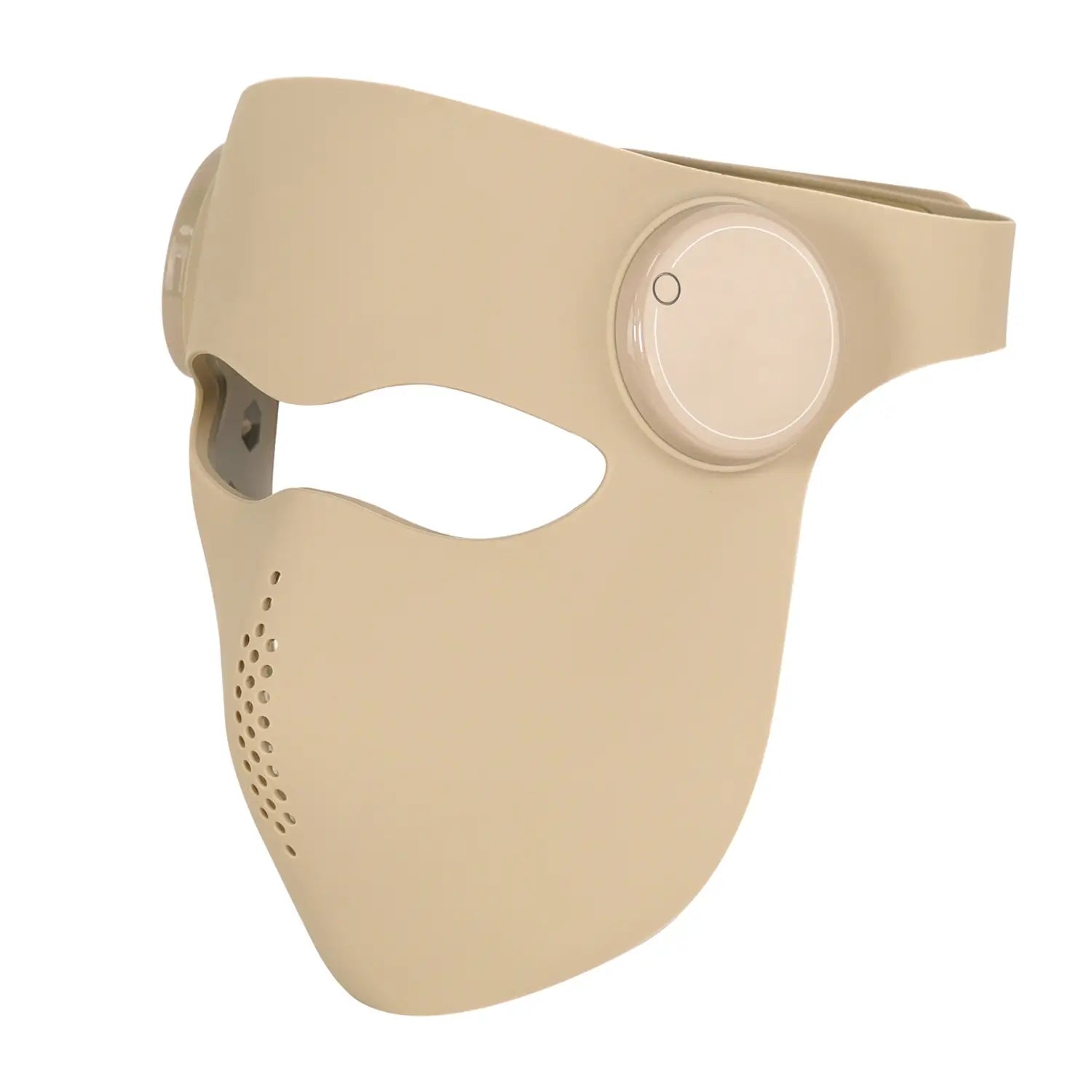
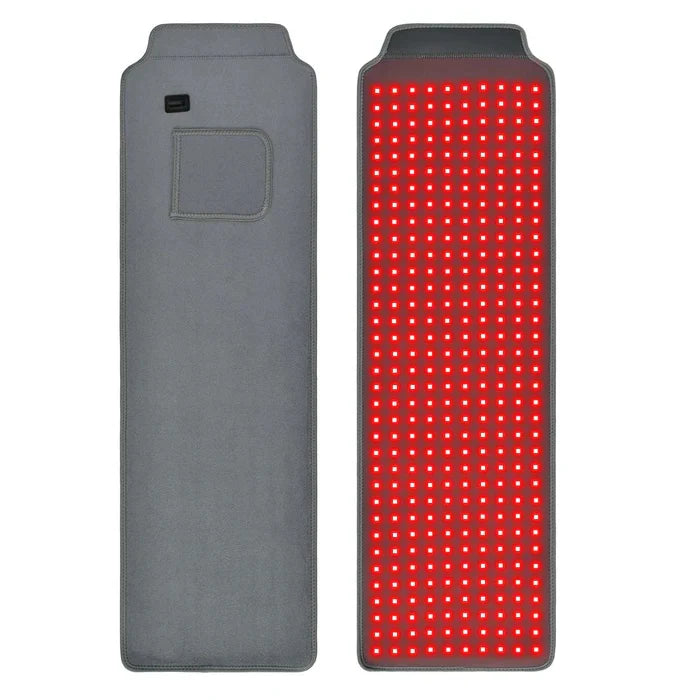
Lumara Systems focuses heavily on sinus and upper chest application, describing sinus masks and panels that deliver targeted 660‑nanometer and combined 635/830/940‑nanometer light. Their suggested cold‑season routine involves about 20 minutes over sinuses and cheeks with a facial mask, 10–15 minutes on the upper chest or throat with a flexible pad, and short 5‑minute sessions at 6–8 inches from a panel to cover the jawline and nasal bridge. They recommend starting within the first 24 hours of feeling run down and continuing once or twice daily during active symptoms.
Greentoes, writing from a wellness‑center perspective, recommends starting with 10–15 minutes per treatment area two or three times per week for a month or so, then weekly maintenance, with the option to increase frequency during cold and allergy season. Mito Red Light suggests new users begin even more conservatively, with 5–10 minute sessions to see how the body responds, then gradually lengthening or adding sessions as tolerated.
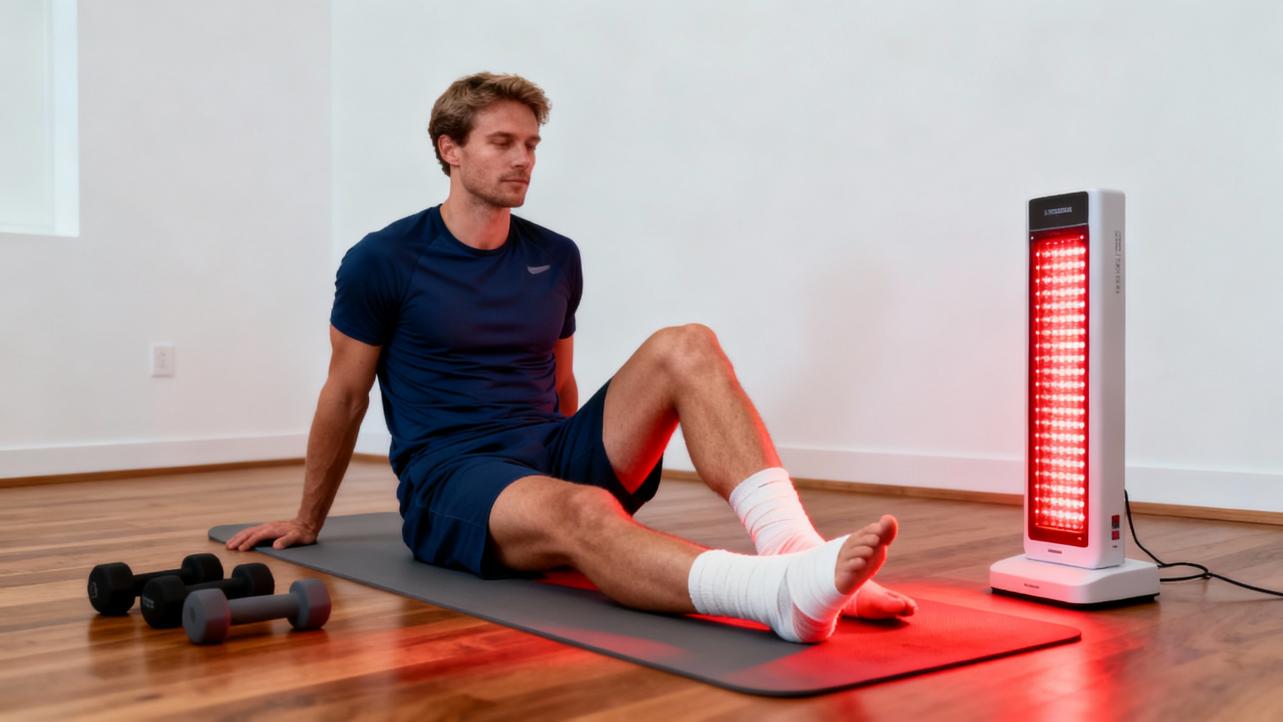
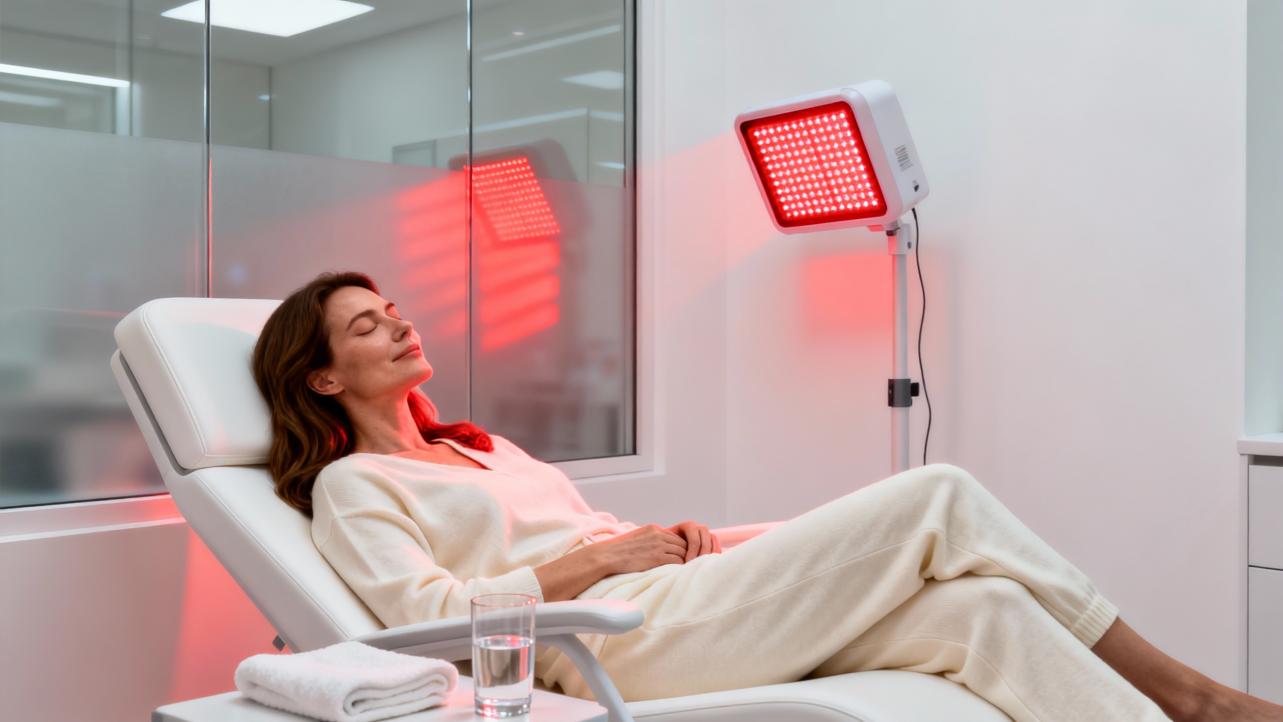
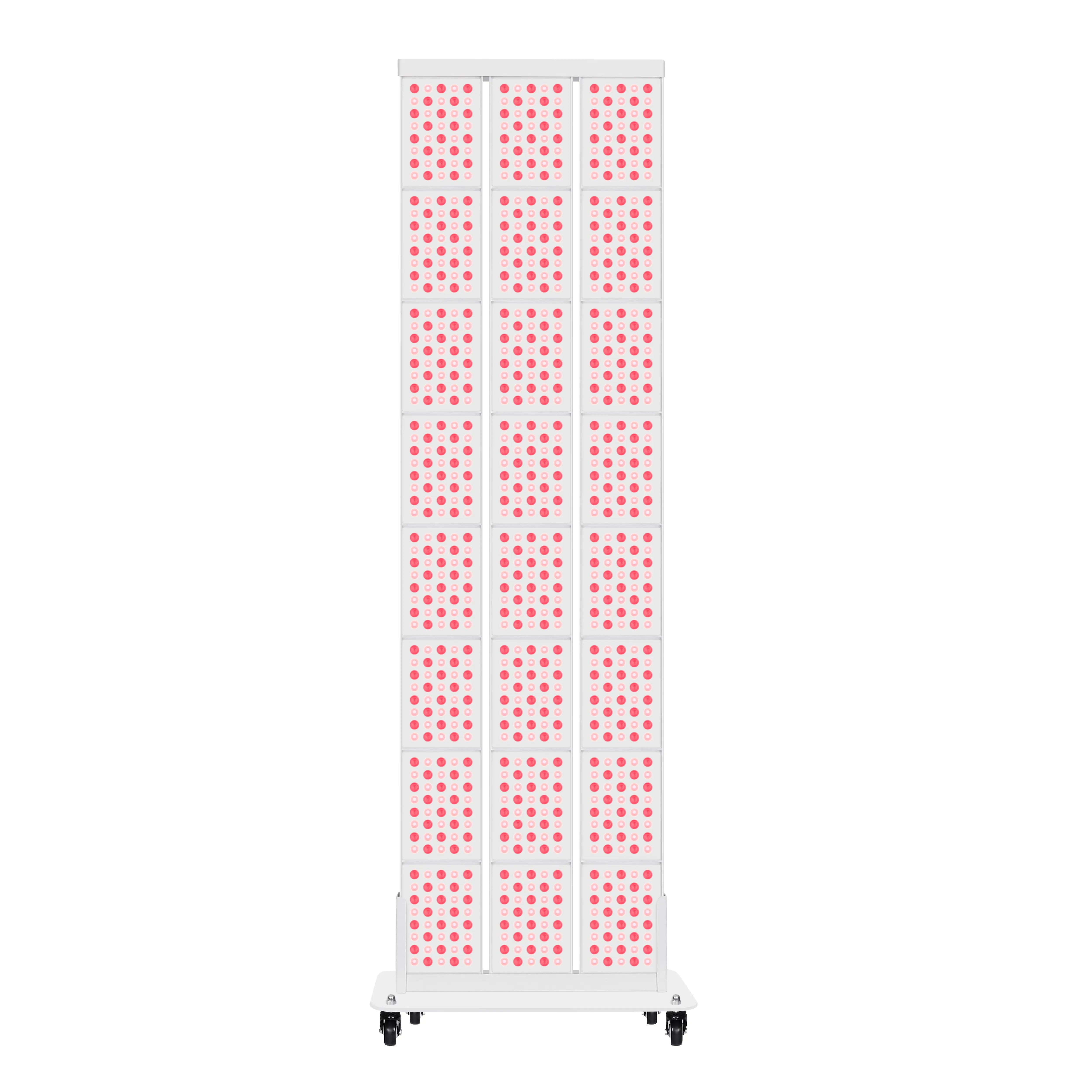
For my own family, I synthesize these into simple, device‑specific routines anchored in the most conservative guidance. As an example, if a parent develops a sore throat and congestion, we might do a 10–15 minute session with a panel directed at the neck and lower face in the early evening, keeping the panel roughly at manufacturer‑recommended distance, followed by another 10 minutes targeted at the sinus region. That keeps each area under the 20‑minute per day ceiling suggested by Infraredi, fits within the duration ranges described by Lumara and Greentoes, and is short enough that it realistically happens even on chaotic school nights.
The key is consistency and respect for the device manual. Short, repeatable sessions that your family will actually do beat heroic half‑hour marathons that never make it into your real life.
Adapting For Kids, Parents, And Grandparents
Almost all of the formal clinical data we have for respiratory and immune effects of red light therapy comes from adults. The MDPI allergic‑rhinitis studies, the rhinophototherapy trial, COPD and asthma research summarized by PlatinumLED and Healthline, and the immune‑system work compiled by Light Lounge are all adult‑oriented. The Regenus Center piece on children discusses the founder’s performance‑recovery philosophy but does not provide child‑specific dosing or safety data.
Brown Health and Verywell Health both categorize red light therapy as generally low‑risk when used as directed, but they highlight important precautions: people who are pregnant, those with active cancer in the treatment area, individuals with seizure disorders, and anyone on photosensitizing medications or with photosensitive conditions such as lupus should get medical clearance before using red light therapy. GoodRx and Healthline add that long‑term safety data are limited and that people with photosensitivity can worsen with even low‑level light exposure.
In a family context, that translates to a conservative approach. For adults and older teens without those risk factors, home red light sessions in the time ranges discussed above are reasonable to consider as a wellness adjunct, ideally after a conversation with a primary care clinician. For younger children, especially those with complex medical histories, I lean heavily toward using red light therapy only under pediatric guidance, using shorter sessions, carefully avoiding eye exposure, and treating it as optional rather than essential.
For older family members, particularly those with chronic lung or cardiovascular disease, the potential upside of improved circulation and inflammation control is attractive, but only in collaboration with their pulmonologist or cardiologist. Healthline’s summary on asthma is clear: red light therapy is not part of standard guidelines, and more research is needed on long‑term effects and optimal dosing.
Benefits, Limits, And Risks For Families
Potential Benefits You Can Reasonably Expect
Across Infraredi, Lumara, Light Lounge, Greentoes, PlatinumLED, Verywell Health, and Brown Health, several potential benefits are consistently mentioned in contexts that touch colds and respiratory health.
At the symptom level, red and near‑infrared light appear to reduce local inflammation and tissue stress. In the sinus region, that may translate into less pressure, less congestion, and less facial pain. Lumara highlights a clinical trial where 660‑nanometer red light over the nasal passages decreased nasal resistance and improved airflow within 30 minutes, and the MDPI allergic‑rhinitis LED study documented significant improvements in nasal symptom scores over four weeks.
For cold‑related muscle aches and joint pain, LifeSpan Dynamics and Infraredi both report good experiential results with 15–20 minute sessions over affected areas. This aligns with broader pain research summarized by Verywell Health, where red light therapy modestly reduced pain and disability in conditions like knee osteoarthritis and carpal tunnel syndrome.
Systemically, Light Lounge’s immune review and Greentoes’ client‑focused article both suggest that regular light therapy may support more balanced immune responses over weeks, especially in older adults. Infraredi adds potential support for lymphatic function and stem‑cell activity. Verywell Health describes early studies where red light shortened healing time for cold sores, and GoodRx reports small trials where average healing went from about seven days to about five days, especially when combined with topical antivirals. While cold sores are viral lesions rather than respiratory infections, they are a real‑world example of immune and tissue repair support that many families understand immediately.
For sleep and mood, Infraredi, Light Lounge, and Greentoes all highlight improved melatonin production and reductions in depression and anxiety in some studies and user reports. Better sleep alone is an immune upgrade for any household.
The most grounded expectation for families, then, is a constellation of small benefits: milder congestion, less pain, somewhat smoother recovery from seasonal bugs, possibly better sleep and mood, and over the long term a more resilient baseline.
Evidence Gaps And Clear Limits
At the same time, the evidence is far from definitive. Verywell Health’s broad review, Brown Health’s clinical context, and Mito Red Light’s own disclosures all emphasize that red light therapy research is often small, short‑term, and heterogeneous. Dosing protocols differ wildly between studies, devices vary in power and wavelength, and long‑term outcomes are rarely reported.
The rhinophototherapy allergic‑rhinitis trial underscores that subjective improvement does not always match objective change. Patients felt less congested, but careful airflow measurements showed no improvement and even reduced posterior nasal cavity volume after treatment. That is a sobering reminder that feeling better can be driven by inflammation, neural signaling, and perception more than by big mechanical changes.
The perspective article on light and pandemic infections notes compelling historical data from the 1918 influenza pandemic, where sunlight therapy appeared to cut mortality in some hospitals from around 40% to about 13%. But those are observational reports from a different era, confounded by many variables. Modern photobiomodulation data in COVID‑19 and severe pneumonia are still limited to preclinical work and very small case series, such as the two‑patient example in PlatinumLED’s review.
Healthline’s assessment of red light therapy for asthma and Brown Health’s general guidance both stress that red light therapy is not part of standard respiratory or allergy guidelines, and that people should see it as a complement rather than a core treatment. GoodRx’s discussion of cold sores notes that while healing time can be modestly shortened, these devices are often expensive and not covered by insurance, and they do not prevent all future outbreaks.
For families, it is crucial to internalize these limits. Red light therapy does not replace antivirals for flu, does not substitute for inhalers in asthma, and does not obviate the need for antibiotics when a bacterial sinus infection truly sets in. It is a“nice‑to‑have” overlay, not a “must‑have” anchor of care.
Safety, Side Effects, And When To Avoid It
The safety picture is generally reassuring but nuanced. Infraredi and LifeSpan Dynamics both describe red light therapy as natural, non‑invasive, chemical‑free, non‑ablative, and non‑heating, and report no serious adverse effects when used properly. The MDPI allergic‑rhinitis LED study reported only mild, transient nasal dryness and itching. The rhinophototherapy trial reported a few self‑limited events such as brief nostril burning and mild headaches.
Verywell Health and Brown Health classify red light therapy as low risk when FDA‑cleared devices are used as directed, with common side effects limited to temporary redness, warmth, or irritation at the treatment site. However, they also raise important concerns: there are no universally accepted dosing guidelines, long‑term safety has not been thoroughly studied, and direct eye exposure can damage the retina. Eye protection is strongly recommended when using bright panels, and intranasal devices should be used exactly as designed.
GoodRx and Healthline echo these caveats, highlighting groups that should be particularly cautious or avoid red light therapy: people with photosensitive conditions, those taking photosensitizing drugs, individuals with seizure disorders sensitive to light, and people who are pregnant, since safety in pregnancy is not well established. Brown Health adds that people with active cancer in the treatment area should consult an oncologist before using red light therapy. Greentoes advises avoiding use directly over open wounds unless a physician approves it.
In a family setting, the safest posture is clear. Treat red light therapy as you would any other powerful wellness tool: respect contraindications, get medical input when chronic illness is involved, limit exposure to manufacturer guidelines, and never “stack” multiple devices or marathon sessions without a specific, evidence‑informed reason.
Choosing And Using Devices Wisely At Home
Families are often overwhelmed by device options. Panels, pads, masks, beds, caps, intranasal wands, and more crowd the market, many marketed with aggressive promises. The research‑backed features that matter are simpler than the marketing suggests.
Across Lumara Systems, Infraredi, PlatinumLED, Mito Red Light, and Verywell Health, three elements repeat: wavelength, power density, and coverage pattern. Red light for surface issues like skin and sinus mucosa typically centers around 630–700 nanometers, while near‑infrared for deeper tissues clusters around 810–850 nanometers, sometimes extending toward 940 nanometers. Clinical and wellness reviews note that both bands can support mitochondrial function and inflammation control, but near‑infrared penetrates deeper into muscle and chest tissues.
Lumara emphasizes uniform coverage across the sinus region, describing devices with tightly spaced LEDs and flat optical profiles delivering around 5 joules per square centimeter in about five minutes to avoid “leopard spots” of under‑dosed tissue. Their point is that underpowered devices with widely spaced diodes can lead to inconsistent results, especially across the complex curves of the face and jawline. Verywell Health similarly advises consumers to favor higher‑spec, FDA‑cleared devices from reputable manufacturers rather than low‑cost gadgets with unspecified power and wavelength.
Mito Red Light, which focuses on full‑body and panel devices, underscores consistency and integration into daily routines. They suggest placing sessions alongside existing habits, such as morning coffee or evening wind‑down, so the device does not become an unused piece of furniture. Hydration before and after sessions is recommended to support cellular responses.
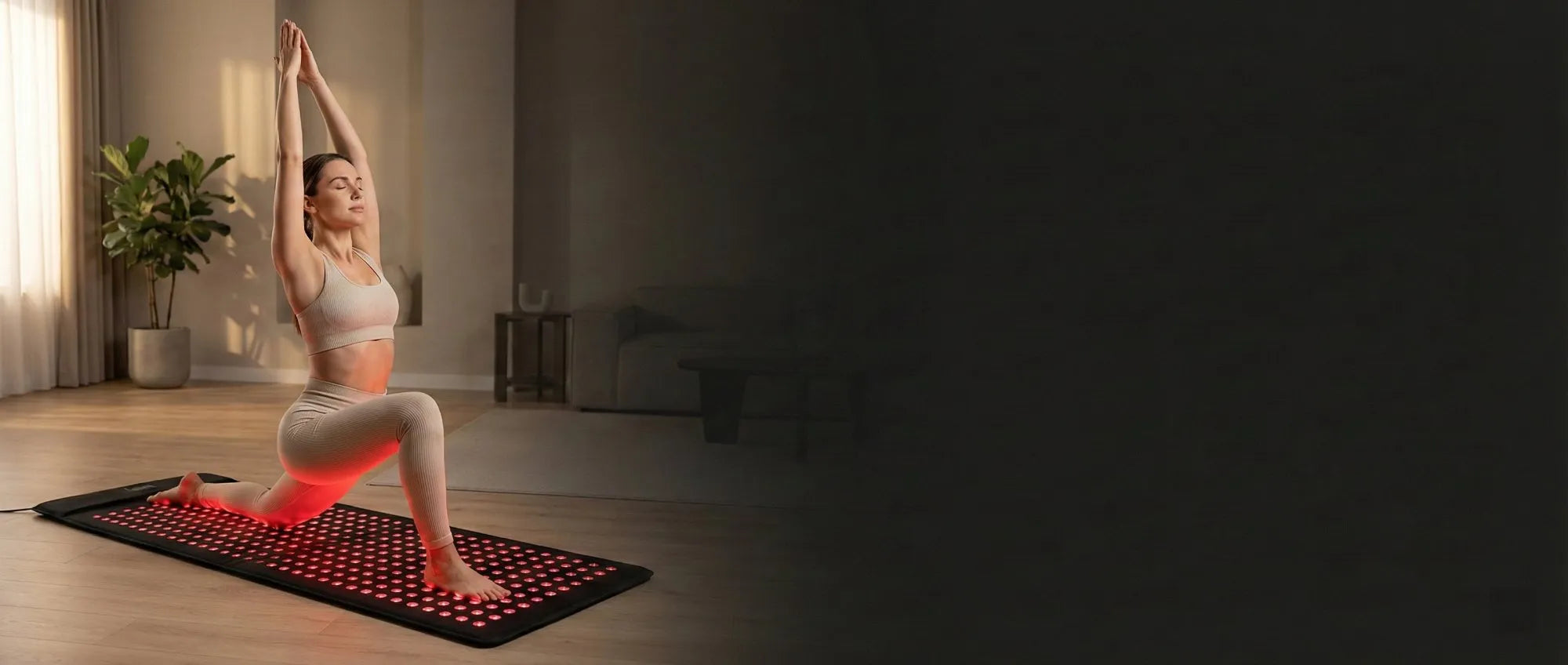
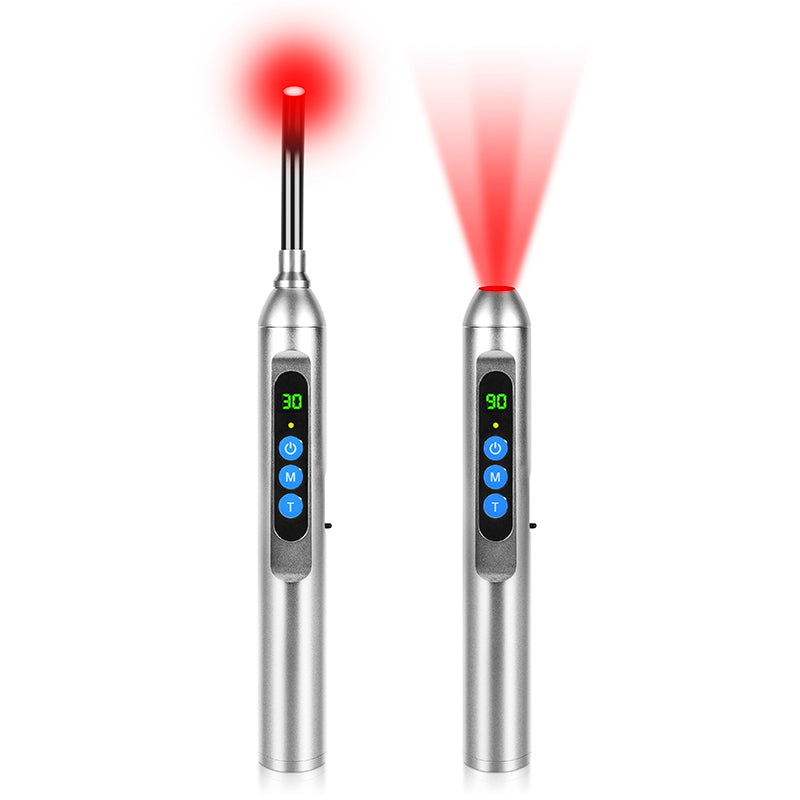
For family use, a practical approach is to prioritize a versatile device that can safely reach the face, throat, and upper chest, with clearly stated wavelengths in the red and possibly near‑infrared range, and documented irradiance and treatment times. Intranasal devices can be considered if nasal and allergy issues are major problems in the household and if adults are comfortable inserting and cleaning probes, but they should be used within the narrow safety parameters of trials and manufacturer instructions.
A simple comparison helps clarify how different device types map to common cold‑season needs.
Family Need |
Device Type Often Used |
Key Notes From Research And Practice |
Sinus congestion and facial pain |
Facial mask or small panel |
660‑nanometer exposure over sinuses improved symptoms in allergic‑rhinitis and sinus studies; early use within first 24 hours is emphasized by sinus‑focused manufacturers. |
Sore throat, cough, chest tightness |
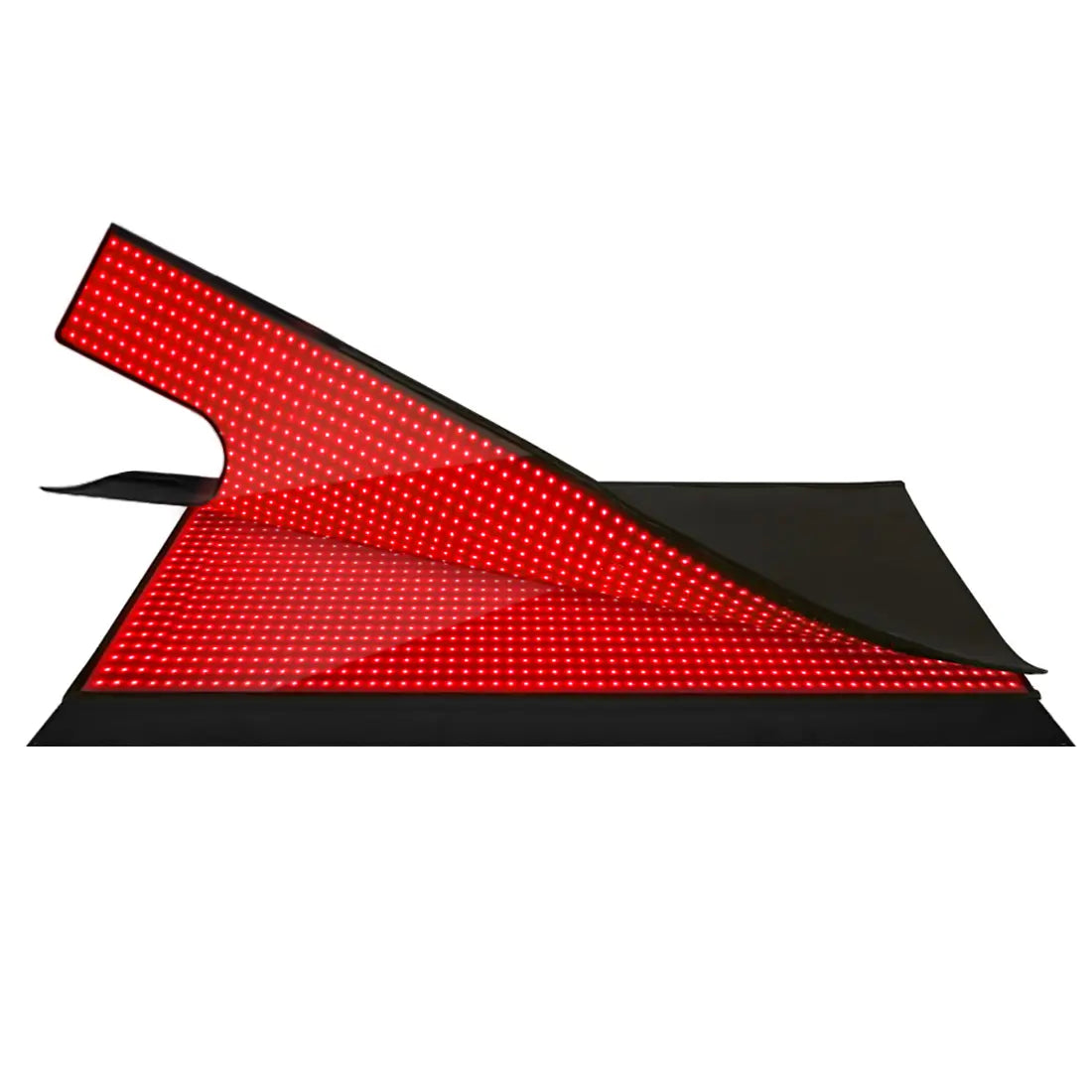
Panel or flexible chest pad |
Chest irradiation is used in COPD and asthma research to reduce inflammation and support breathing; consumer protocols suggest 10–20 minutes over chest and neck per session. |
General immune and recovery support |
Medium panel for torso |
Light Lounge and Greentoes describe systemic immune modulation and faster recovery with regular full‑torso sessions over weeks, especially in older adults. |
Rather than chasing every niche gadget, many families do well with one reliable panel or pad that can address multiple areas and symptoms, backed by solid instructions and realistic expectations.

Integrating Red Light With A Whole‑Home Winter Strategy
The most sophisticated light therapy protocol will underperform in a lifestyle that works against the immune system. The same sources that promote red light therapy emphasize this. Infraredi and Greentoes both highlight sleep, diet, walking, and stress management. Light Lounge and the Sleep and Sinus Centers of America point out that indoor lighting and air quality profoundly shape sinus health and immune function.
That means the “light therapy geek” winter playbook is broader than one device. Evening lighting is warmed and dimmed to protect melatonin, with bright blue‑white overheads and screen glare dialed down after dinner. Humidity is kept in a comfortable range so nasal membranes do not dry out and thicken mucus. HEPA filtration reduces dust and pollen that inflame sinuses. Families schedule red light sessions at times that support these rhythms rather than fighting them.
For instance, a realistic evening for a family during cold season might include a warm dinner, screens dimmed and set aside an hour before bed, 10–15 minutes of red light on the face and chest for whoever is sick, and then lights shifted to warm, low settings to let melatonin rise. The total added time cost for light therapy is under half an hour, but it is embedded in a routine that inherently strengthens immune defenses and sleep.
Over a season, that kind of integrated approach will always outperform isolated gadget use.

FAQ: Smart, Skeptical Answers To Common Questions
Is red light therapy a cure for colds or flu?
No. Across Infraredi, Lumara Systems, Mito Red Light, Healthline, Verywell Health, and Brown Health, red light therapy is consistently framed as supportive, not curative. It does not kill viruses or replace antivirals, rest, or medical care. What it can do, based on early evidence, is reduce inflammation, support circulation and mitochondrial energy, and help tissues recover more gracefully as your immune system does the real antiviral work.
Should my family start red light therapy at the first sign of getting sick?
Several sinus‑focused and flu‑season articles, including those from Infraredi and Lumara Systems, recommend starting red light sessions early, ideally within the first 24 hours of feeling run down or noticing throat tightness. That is when viral load and inflammatory signaling are ramping up but tissue damage is still limited. Starting early gives you the best chance to influence that inflammatory cascade. However, you should still lean on fundamentals such as extra sleep, hydration, and staying home when contagious, and seek medical care promptly if symptoms escalate.
Is intranasal red light worth it for my family?
Intranasal devices are one of the most intriguing and least understood tools in this space. The MDPI allergic‑rhinitis LED study and the rhinophototherapy trial show that intranasal red or red/NIR light can improve allergy‑related nasal symptoms, sometimes quite quickly, but objective airflow improvements are inconsistent, and long‑term data are limited. Mito Red Light’s intranasal overview frames such gadgets as wellness‑class tools, not medical devices designed to treat disease. For a family with severe chronic sinus problems, they might be worth discussing with an ear, nose, and throat specialist. For most households, a high‑quality external panel or mask combined with smart lifestyle changes delivers most of the accessible benefit with fewer unknowns.
How often should we use red light therapy in winter if we are not sick?
Greentoes suggests starting with 10–15 minute sessions per area two or three times per week for four to six weeks, then shifting to weekly maintenance, and increasing frequency during times when you typically get sick. Mito Red Light emphasizes short early sessions of 5–10 minutes and gradual increases based on comfort, while Verywell Health notes that many clinical protocols involve repeated sessions over weeks or months. For a healthy family, that might translate into one or two short sessions per week during winter for general wellness, always within manufacturer guidelines and with clear boundaries around eye protection and contraindications.
Closing
After years of experimenting with everything from handheld sinus probes to full‑body panels, my verdict is both enthusiastic and grounded. Red light therapy is a powerful way to tilt your family’s biology toward faster recovery and calmer inflammation, especially when used early and consistently during cold season. But its real strength shows up when it rides on top of the basics you already know: sleep, nourishment, movement, clean air, and a home whose lighting respects your biology. Use the light to support those foundations, not to substitute for them, and you will be practicing the kind of science‑backed, common‑sense biohacking that truly serves your family over many winters.
References
- https://pmc.ncbi.nlm.nih.gov/articles/PMC6311790/
- https://www.brownhealth.org/be-well/red-light-therapy-benefits-safety-and-things-know
- https://www.verywellhealth.com/red-light-therapy-5217767
- https://www.greentoestucson.com/red-light-therapy-improves-immunity/
- https://lightlounge.life/about/blog?post=immune-system-light-therapy/
- https://www.sleepandsinuscenters.com/blog/indoor-lighting-effects-on-sinus-health-key-insights-for-better-air-quality
- https://drmuller.com/scientific-research/red-light-therapy/
- https://www.goodrx.com/conditions/cold-sores/red-light-therapy-cold-sores?srsltid=AfmBOookJANo1mbRCgtPGplIwT0j5R3QwIwfSNEu2MJnpxBHE-T1e8n7
- https://www.healthline.com/health/asthma/can-red-light-therapy-help-asthma
- https://infraredi.com/blogs/red-light-therapy/red-light-during-flu-season?srsltid=AfmBOooLQBzsph7iE1YJ9dCZ0GiGZt5pub2wWPemrikok5HVtCVT4EjY