
Acute sprains are the kind of injury that can derail everything from a weekend tournament to a carefully periodized training block. One bad step off a curb or an awkward landing from a jump, and suddenly your ankle or knee balloons, every step hurts, and the familiar advice shows up: rest, ice, compression, elevation, and “give it time.”
As someone who has spent years geeking out on light therapy and helping athletes and high-performers build recovery stacks, I love “time” and “patience” as much as anyone. But I also love data. Over the last couple of decades, red and near‑infrared light therapy has gone from fringe gadget to a modality with a surprisingly deep research base in tissue healing, pain relief, and sports recovery. For sprains in particular, the evidence is not perfect, but it is strong enough that I now consider red light a serious, science‑backed option for accelerating recovery when used intelligently.
This article will walk you through what red light therapy actually is, what the research says about acute sprains, how it compares to old‑school icing, and how to use it safely and effectively as part of a broader rehab plan.
What Exactly Is Red Light Therapy?
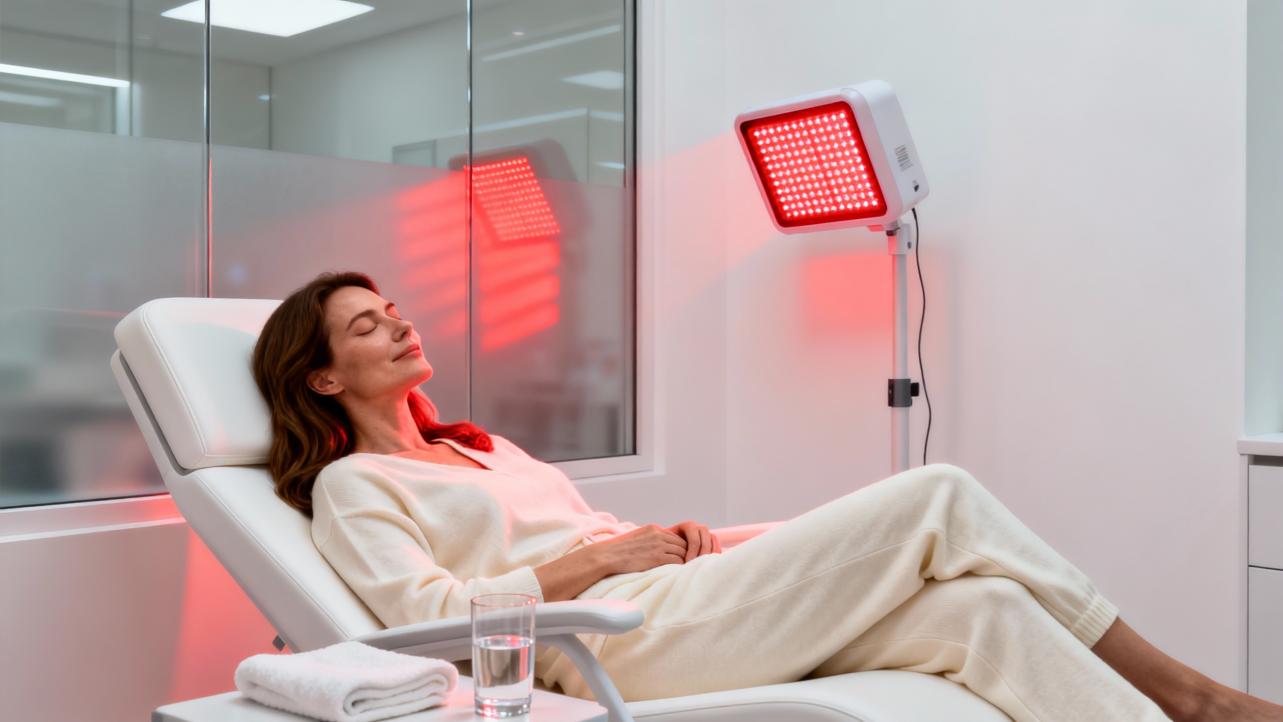
Red light therapy, often called photobiomodulation or low‑level laser therapy, uses specific wavelengths of red and near‑infrared light to influence how cells behave. Physical therapy and sports medicine clinics typically use light in roughly the 600–1,000 nanometer range, with common bands around 630–660 nm for visible red and 810–850 nm for deeper near‑infrared. These wavelengths penetrate tissue without causing the kind of thermal or UV damage you would associate with tanning beds or sunburn.
Early work on this technology grew out of NASA research, where red light was explored to support plant growth and to help heal astronauts’ wounds. Since then, hundreds of clinical trials and thousands of papers have examined how these wavelengths affect human tissue. In 2015, the National Library of Medicine recognized “photobiomodulation” as a formal medical subject heading, reflecting the growing consensus that light can reliably change biology when dosed correctly.
Mechanistically, several sources converge on the same core story. Clinics and reviews summarized by Fyzical, EliteFAOR, FunctionSmart, Krysushp, and Athletic Lab describe how these photons are absorbed by mitochondrial enzymes, especially cytochrome c oxidase. That interaction can free up nitric oxide that was blocking the respiratory chain, improve oxygen use, and increase ATP production, effectively giving injured cells more usable energy. Research summarized by Harvard photomedicine expert Michael Hamblin and highlighted by Joovv emphasizes that this “good stress” also up‑regulates antioxidant defenses and pro‑healing signals.
Other effects matter for sprains too. Studies and clinical reports referenced by EliteFAOR, Fyzical, Joovv, Kineon, and Krysushp show red and near‑infrared light can increase local blood flow, modulate inflammatory chemicals, and stimulate collagen production. In dermatology, Stanford Medicine points out that similar wavelengths improve blood flow and collagen in the skin, which is why they are used for scars and wrinkles. It is the same biological machinery your ligaments depend on when they are trying to repair microtears.
Put simply, red light therapy is not magic; it is targeted light input that nudges cell energetics, circulation, and inflammation in a direction that tends to favor repair rather than stagnation.

Can Red Light Actually Speed Up Sprain Recovery?
The key question for a sprained ankle, knee, or wrist is simple: does red light therapy get you comfortably back on your feet faster than standard care alone? The evidence is still emerging, but several lines of data point in the same direction.
Pilot data in athletes: faster return to play
One of the more compelling pieces of evidence comes from a pilot study at Lehigh University on varsity athletes with acute musculoskeletal and soft‑tissue injuries. Researchers used an 830 nm near‑infrared LED system on 395 injuries over about 15 months and had full follow‑up data on 65 athletes. Treatment began as early as possible after injury and typically involved three consecutive daily sessions of 20 minutes, with most athletes receiving between two and six sessions in total.
Across this group, the average return‑to‑play time was about 9.6 days, compared with an anticipated average of roughly 19.2 days based on conventional therapy. For mild ankle sprains, the gap was even starker: athletes returned in an average of 3.6 days versus an expected 7–10 days. Grade 2 knee sprains averaged 16 days with red light versus 28–42 days with traditional care. Pain scores also dropped to zero by the time athletes were cleared to play, and no adverse events were reported.
This is exactly the kind of result that grabs the attention of performance staff and obsessive home biohackers. However, it is important to respect the limitations the authors themselves highlight. This was not a randomized, placebo‑controlled trial. Expected recovery times were based on historical data rather than a concurrent control group. That means this study is strong “hypothesis‑generating” evidence, not final proof.
What it tells us is that when red light is added early and consistently to standard sports medicine care, athletes can sometimes return in about half the expected time for certain sprain grades. That is a meaningful signal, even if more rigorous trials are needed.
Sprain and soft‑tissue studies: swelling, weight‑bearing, and function
A Healthline review of red light therapy summarizes small clinical studies on soft‑tissue injuries such as ankle sprains. In those studies, light therapy reduced swelling at 24 to 72 hours and allowed earlier return to full weight‑bearing compared with standard RICE protocols. The authors are careful to point out that these trials are small and underpowered, and they call for larger, well‑controlled comparisons. Still, they align with the Lehigh athlete experience: less swelling, faster functional milestones.
Specialty foot and ankle practices report similar trends. EliteFAOR describes using red and near‑infrared light around 630–850 nm to treat plantar fasciitis, Achilles tendinopathy, arthritis, post‑surgical pain, and acute ankle sprains. They note reduced pain scores, less edema and stiffness, and improved range of motion and gait when red light is integrated with physiotherapy over several weeks.
Broad sports‑injury overviews from Krysushp and Hybrid Health emphasize that red light in the 600–1,000 nm range appears to accelerate healing and reduce inflammation for sprains, strains, and tendon issues, particularly when used consistently several times per week. While these sources are partly educational and partly commercial, they draw heavily from the same photobiomodulation research base summarized in peer‑reviewed reviews.
Inflammation and tissue healing: mechanistic evidence
Beyond sprains specifically, there is strong mechanistic evidence that red light speeds up repair and modulates inflammation in injured tissue.
A University at Buffalo–led study, published in Scientific Reports and highlighted by the university, investigated photobiomodulation in a mouse model of third‑degree burns. Light therapy accelerated wound closure and reduced inflammation by activating TGF‑beta 1, a growth‑regulating protein that stimulates fibroblasts and macrophages. Those are the exact cell types you want orchestrating controlled repair after a ligament injury. The researchers also developed precise dosing protocols to avoid extra thermal injury, underscoring how important parameters are.
In joint disease, a meta‑analysis reported in Lasers in Medical Science and cited by Fyzical found that low‑level laser and red light therapy significantly reduced pain and improved function in osteoarthritis and rheumatoid arthritis, with particularly strong results in knee joints. A 2015 review in Journal of Photochemistry and Photobiology B, again summarized by Fyzical, concluded that red light reduces inflammation and promotes tissue regeneration in conditions such as muscle strains, tendinitis, and back pain. These are not sprains per se, but they involve similar soft‑tissue and inflammatory processes.
Peripheral nerve and chronic pain data point the same way. A 2021 systematic review in Pain and Therapy reported that photobiomodulation improved nerve regeneration and reduced burning and tingling in neuropathy. University Hospitals notes that red light therapy may relieve pain from acute and chronic musculoskeletal conditions and fibromyalgia, and can reduce reliance on pain medications when used as an adjunct.
Finally, real‑world community experience gives us a different kind of signal. At the University of Texas Rio Grande Valley, an exercise physiologist has operated a Red Light Wellness Lab offering free red and infrared sessions to community members. According to UTRGV, many participants report meaningful relief from arthritis and joint pain after red light when other approaches failed, and the lab is systematically tracking outcomes to deepen the evidence base.
Weighing the strength of the case
The skeptical view, articulated by Stanford Medicine, is that claims for athletic performance, sleep, chronic pain, and systemic benefits are still ahead of the most rigorous human data. That critique is fair. The photobiomodulation literature is heterogeneous, with many small trials and inconsistent parameters. A narrative review of muscle photobiomodulation up to 2016 found that some protocols clearly improved fatigue resistance and recovery, while others did very little, emphasizing how sensitive results are to wavelength, dose, and timing.
At the same time, when you put the pieces together for acute sprains, the case is stronger than for many popular “recovery hacks.” You have a plausible mechanism, evidence of faster healing and reduced inflammation in burns and other injuries, pilot data in athletes showing markedly shorter return‑to‑play times, small sprain trials showing less swelling and earlier weight‑bearing, and large meta‑analyses supporting pain relief in related joint conditions.
In practical terms, that is enough to justify using red light as a serious adjunct for sprains, as long as you do not treat it as a magic cure or a replacement for proper diagnosis and rehab.
Here is a simple way to visualize the impact. Imagine a mild ankle sprain that would normally keep you from running comfortably for seven to ten days. In the Lehigh pilot, similar sprains cleared in about three to four days with early near‑infrared light plus standard care. Even if you only got half that benefit in your own case, you would trade a few brief light sessions for several days of earlier walking, training, and working without a limp.

Red Light Therapy vs Ice and Traditional RICE
Most of us were raised on the RICE protocol: rest, ice, compression, elevation. That approach was popularized in 1978 by Dr. Gabe Mirkin and has dominated sprain treatment ever since. However, Mirkin himself has since backed away from routine icing based on newer recovery research, and the evidence behind RICE for actual healing is surprisingly weak.
A Joovv review of the literature notes that a 2008 meta‑analysis of cold therapy for soft‑tissue injuries and a 2012 review of RICE for ankle sprains both found insufficient evidence that icing or RICE improve long‑term healing. The authors concluded that widespread use of RICE is based more on tradition and anecdote than robust clinical data.
Dr. Mirkin now argues that prolonged icing causes blood vessels near an injury to constrict and stay constricted long after the ice is removed, reducing blood flow and slowing the very inflammatory and repair processes needed for healing. Ice absolutely numbs pain in the short term, but when applied for more than around five minutes at a time, it may impair tissue repair and reduce subsequent strength, flexibility, and endurance.
Red light therapy approaches the same problem from the opposite direction. Instead of trying to shut down inflammation, it attempts to support and regulate it. Joovv, drawing on photomedicine research summarized by Michael Hamblin, explains that red and near‑infrared light act as a mild cellular stressor that boosts mitochondrial energy production, increases nitric oxide and blood flow, and up‑regulates anti‑inflammatory and antioxidant pathways. That combination tends to clear metabolic waste, deliver more oxygen and nutrients, and resolve inflammation more efficiently, rather than freezing it in place.
Healthline’s review captures this contrast well. In small soft‑tissue injury studies, light therapy reduced swelling and allowed earlier weight‑bearing than RICE alone. And unlike prolonged icing, red light increased local circulation instead of shutting it down.
A sensible modern strategy is therefore to treat ice as a short‑term pain‑control tool and red light as a pro‑healing signal. In the first day or two after a sprain, a brief five‑minute ice application can give you enough relief to get through critical tasks or to fall asleep. Around that, you emphasize elevation, compression, gentle movement within pain‑free range, and early, carefully dosed red or near‑infrared light to facilitate circulation and tissue repair.
Imagine you sprain your ankle badly on a Friday evening. Once you are sure there is no deformity or inability to bear any weight that would warrant urgent imaging, you could elevate the ankle, use a compression wrap, apply ice once or twice for a few minutes to take the edge off, and begin red light sessions within the first day, as long as the skin is intact. Over the weekend, you continue brief light sessions and gentle range‑of‑motion work. By Monday, many people find that swelling and pain are significantly lower than they would expect from past sprains managed with ice alone, and they are already transitioning to targeted rehab exercises.
Why Light Helps Sprained Ligaments Heal
To understand why this combination of pain relief and faster recovery is possible, it helps to unpack the key mechanisms that show up again and again across the research and clinical summaries.
Mitochondrial tuning and ATP production are the first. When red and near‑infrared photons hit cytochrome c oxidase, they can displace nitric oxide that was blocking the enzyme and allow oxygen to bind more effectively. Athletic Lab, Fyzical, and multiple reviews emphasize that this restores the mitochondrial electron transport chain and increases ATP availability. Ligament cells that were limping along on low energy now have more fuel to synthesize new collagen and repair structural damage.
Nitric oxide and microcirculation are next. Kineon, Krysushp, EliteFAOR, and several sports‑performance sources describe how light‑induced nitric oxide causes local vasodilation. That widens small blood vessels around the injured ligament, improving delivery of oxygen, amino acids, and other nutrients while speeding removal of inflammatory byproducts. In sprain terms, that means less stubborn swelling and a faster shift from the “angry balloon” phase to the “stiff but manageable” phase.
Inflammation and oxidative stress modulation are another pillar. EliteFAOR, Fyzical, and a 2015 review in Journal of Photochemistry and Photobiology B note that red light reduces pro‑inflammatory mediators, dampens excessive reactive oxygen species, and activates antioxidant defenses. The University at Buffalo burn study adds a TGF‑beta 1 layer to this picture, showing that photobiomodulation can activate a master growth and repair signal that recruits fibroblasts and macrophages in a controlled way. For a sprain, that combination reduces destructive inflammation while preserving the signaling needed for structured healing.
Collagen and tissue remodeling then come into play. EliteFAOR, Fyzical, and dermatology sources at Stanford highlight increased collagen synthesis in response to red light. Collagen is the scaffolding that gives ligaments their strength. Better collagen deposition and alignment mean the sprained ligament is more likely to regain normal stiffness and less likely to remain lax and unstable.
Finally, nerve modulation and pain relief matter because pain is both a symptom and a limiter of rehab. EliteFAOR and Fyzical report that red light can modulate nerve conduction and increase endorphin release, which helps lower pain without medication. University Hospitals notes that for both acute and chronic musculoskeletal pain, red light can reduce pain intensity and improve quality of life, especially in superficial and inflammatory problems. That is crucial, because every degree of pain relief you can achieve without blunting healing gives you more room for early, appropriate loading.
All of this is why high‑level sports organizations have invested in light therapy as part of their recovery ecosystems. The San Francisco 49ers, for example, use Joovv devices in a dedicated recovery room to help players manage inflammation and heal after games. Rehab specialists like those cited by Joovv group red light alongside compression and gentle movement as a core modality, not an afterthought.
Mechanisms and sprain benefits at a glance
You can think about the connection between the cellular effects and your sprained ankle in a structured way:
Mechanism or effect |
What happens biologically |
How that helps an acute sprain |
Mitochondrial ATP boost |
Light stimulates cytochrome c oxidase and improves oxidative phosphorylation, increasing cellular energy production. |
Ligament and surrounding muscle cells have more energy to repair microtears and reorganize collagen, which can shorten the healing window. |
Nitric oxide and blood flow |
Photons trigger nitric oxide release and vasodilation, improving microcirculation around the injury. |
Swelling becomes more dynamic rather than stagnant, nutrient delivery improves, and waste products clear faster, reducing stiffness and pressure. |
Inflammation and oxidative stress |
Red light balances pro‑ and anti‑inflammatory mediators and up‑regulates antioxidant defenses. |
The ankle still goes through an inflammatory phase, but the response is less chaotic and damaging, which supports better tissue quality and less long‑term pain. |
Collagen and matrix synthesis |
Fibroblasts increase collagen production and extracellular matrix remodeling in response to light. |
The ligament rebuilds a stronger, more organized collagen network, which supports stability and reduces the risk of re‑sprain. |
Analgesia and nerve modulation |
Light influences nerve conduction and endogenous opioids, reducing pain perception. |
Lower pain allows earlier, safer range‑of‑motion work and loading, which is essential for regaining normal movement patterns. |
Practical Protocols: Using Red Light Therapy For an Acute Sprain
The best results in the research and in real‑world practice come when red light is integrated into a broader plan rather than used in isolation. Here is how to think about that plan.
Get the injury properly assessed
Before you grab a device, make sure you are dealing with a sprain and not something more serious. Kineon’s ankle sprain guide defines sprains as stretching or tearing of the ligaments that support the joint and grades them from mild stretching with one to three weeks of recovery, to partial tears needing three to six weeks, to complete ruptures that can take months and may require surgical evaluation.
Red flags that warrant prompt medical evaluation include severe swelling, obvious deformity, inability to bear any weight, significant numbness, or a popping sensation followed by marked instability. For higher‑grade sprains and suspected fractures, red light should be considered only after a clinician has confirmed the diagnosis and discussed appropriate use.
Early‑phase sessions in the first week
Once your provider has confirmed that you are safe to manage the sprain conservatively, you can start thinking about light.
In the Lehigh athlete study, near‑infrared LED sessions were applied as early as possible after injury, typically twenty minutes per session for three consecutive days, with most athletes receiving two to six total treatments. In Kineon’s customer experiences, people with ankle injuries used a targeted red and near‑infrared device for about fifteen minutes per ankle twice a day, reporting noticeable improvement after about ten days and up to roughly an 80 percent pain reduction within one to four weeks.
Other overviews, such as those from Krysushp, Fyzical, FunctionSmart, and Hybrid Health, generally recommend short, repeated exposures in the range of 10–20 minutes per area, several times per week. Athletic Lab notes that in their performance center, red light sessions rarely exceed about twenty minutes because benefits flatten beyond that while time cost increases.
Putting those pieces together, a reasonable early protocol for a mild to moderate ankle sprain might look like one or two short red or near‑infrared sessions per day of about 10–15 minutes, directed at the injured side of the joint, starting as soon as swelling and skin status allow and continuing most days for the first one to two weeks. The ankle is also elevated when convenient, a compression sleeve is worn if comfortable, and gentle, pain‑free range‑of‑motion exercises are sprinkled throughout the day.
To appreciate the time tradeoff, consider that the Lehigh protocol delivered roughly 60 minutes of light spread over three days for some injuries. Kineon’s example involved about 30 minutes a day for several weeks, amounting to roughly 210 minutes in the first week. Even if you adopt a middle path of 15 minutes once a day for 10 days, you are looking at 150 minutes of total light time. If that helps you cut your usable recovery window from, say, 14 days to 7–10 days, the return on investment is substantial for athletes and busy professionals alike.
Progression alongside rehab and return to sport
No light protocol can replace progressive loading, coordination training, and movement correction. EliteFAOR, FunctionSmart, Fyzical, ImprovedMotions, and multiple athletic performance clinics all stress that red light is best used as an adjunct to physiotherapy and exercise‑based rehabilitation.
In practice, that means that as pain and swelling decrease, you use your pain‑free window after a light session for the next rehab steps. That might include balance drills on a stable surface, band‑resisted movements, or low‑impact cardio. Clinical reports compiled by EliteFAOR suggest that when red light is combined with structured rehab, patients often see improved gait, better range of motion, and a faster return to normal activity compared with exercise alone.
You continue light sessions while you increase load, then gradually taper frequency as function normalizes. Many athletes keep one or two maintenance sessions per week on previously injured joints during heavy training blocks as a preventive strategy, an approach supported by sports‑oriented reviews from FunctionSmart, Krysushp, and Athletic Lab.
Devices, Dosing, and Choosing the Right Setup
The marketplace is full of red light options, from tiny budget panels to medical‑grade lasers. The research notes give us some useful guidelines for sprains.
Wavelengths and depth
Most studies and clinical protocols for musculoskeletal injury cluster in the 600–900 nm range. EliteFAOR, FunctionSmart, and Fyzical cite typical treatment windows of about 630–850 nm or 600–1,000 nm in physical therapy. Krysushp specifically mentions 600–900 nm as a useful band for ankle sprains because those wavelengths penetrate deeply enough to reach ligaments and surrounding tissues.
Visible red light around 630–660 nm tends to be better for more superficial structures, while near‑infrared wavelengths such as 810–850 nm reach deeper into muscle and joint tissue. That is why many sports and rehab devices combine both bands.
Targeted wraps vs panels vs clinic arrays
Different devices have different strengths, which you can summarize this way:
Device type |
Best use cases |
Advantages |
Limitations for sprains |
Strap‑on LED or laser wrap |
Localized ankle, knee, or wrist sprains where you can wrap the light directly around the joint. |
Delivers light close to the target, minimal setup, easy to use while seated, often designed with sprains in mind. |
Coverage is limited to one joint at a time; quality varies by brand; deeper structures may still need adequate power and wavelength. |
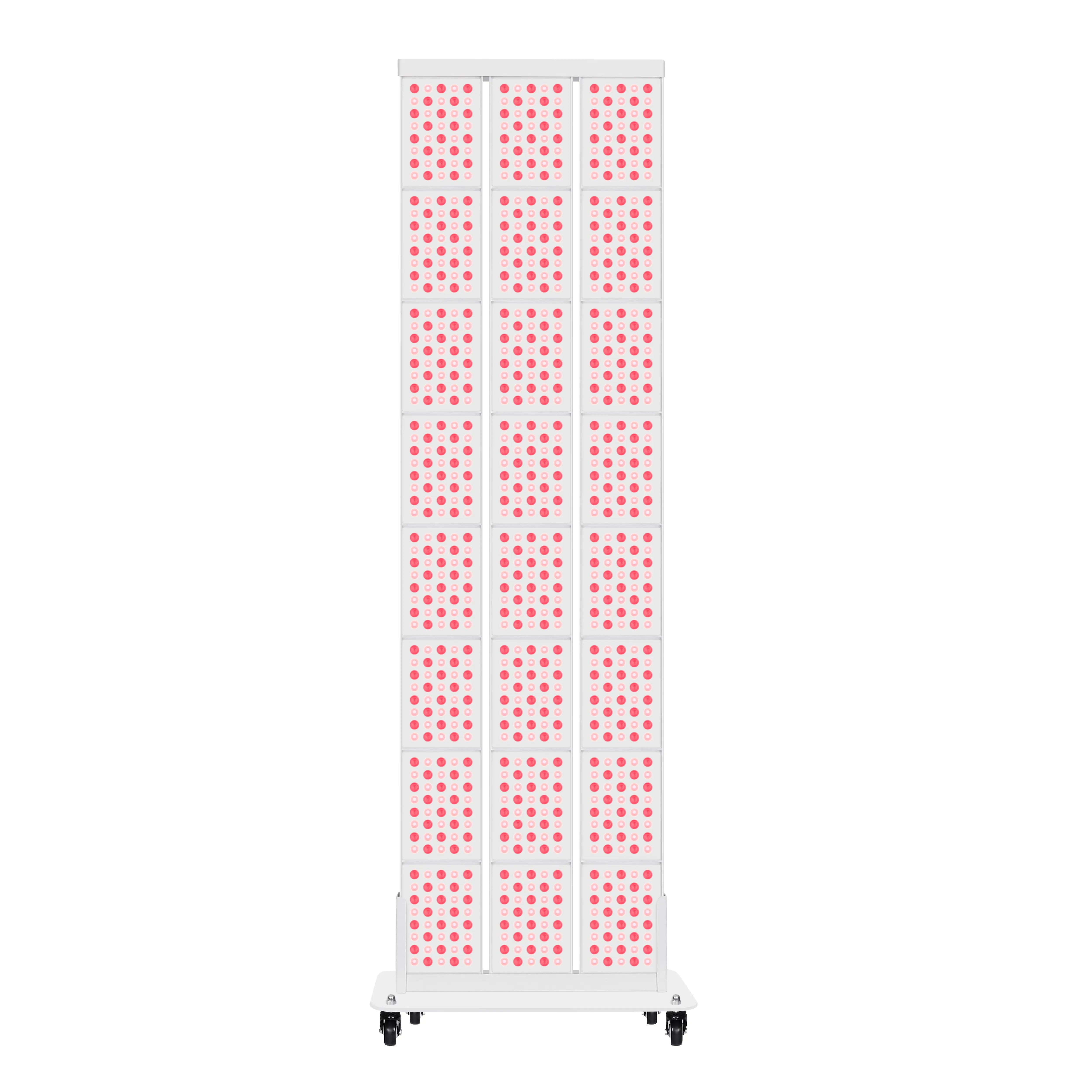
Stationary LED panel |
General recovery, multiple body areas, superficial tissues, and convenience. |
Can treat several regions in one session; good for broader recovery routines; often more affordable per square inch. |
Harder to get strong, even coverage around the entire ankle or knee; distance from the panel affects dose significantly. |
Clinic‑grade multi‑panel array |
Acute and complex injuries in a supervised setting, such as the arrays used in the Lehigh athlete study or university labs. |
Power and dosing are usually well characterized; clinicians can combine light with manual therapy and exercise. |
Access can be limited; sessions may be more expensive; not everyone has a local facility offering this. |
Kineon’s material argues that targeted laser‑based units have an edge for ankle sprains because they can direct more energy into deeper ligaments, and they recommend choosing brands with clinical‑trial‑informed designs and strong support. Stanford dermatology experts, however, caution that many consumer gadgets do not clearly state their wavelengths and power, which makes dosing unpredictable. University Hospitals suggests that home devices are often adequate to try first, as long as you treat them as adjuncts and are realistic about outcomes.
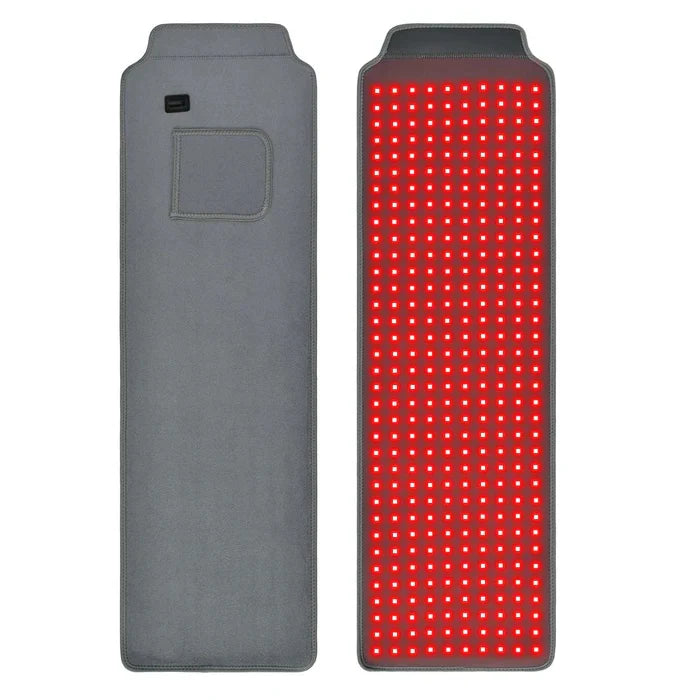
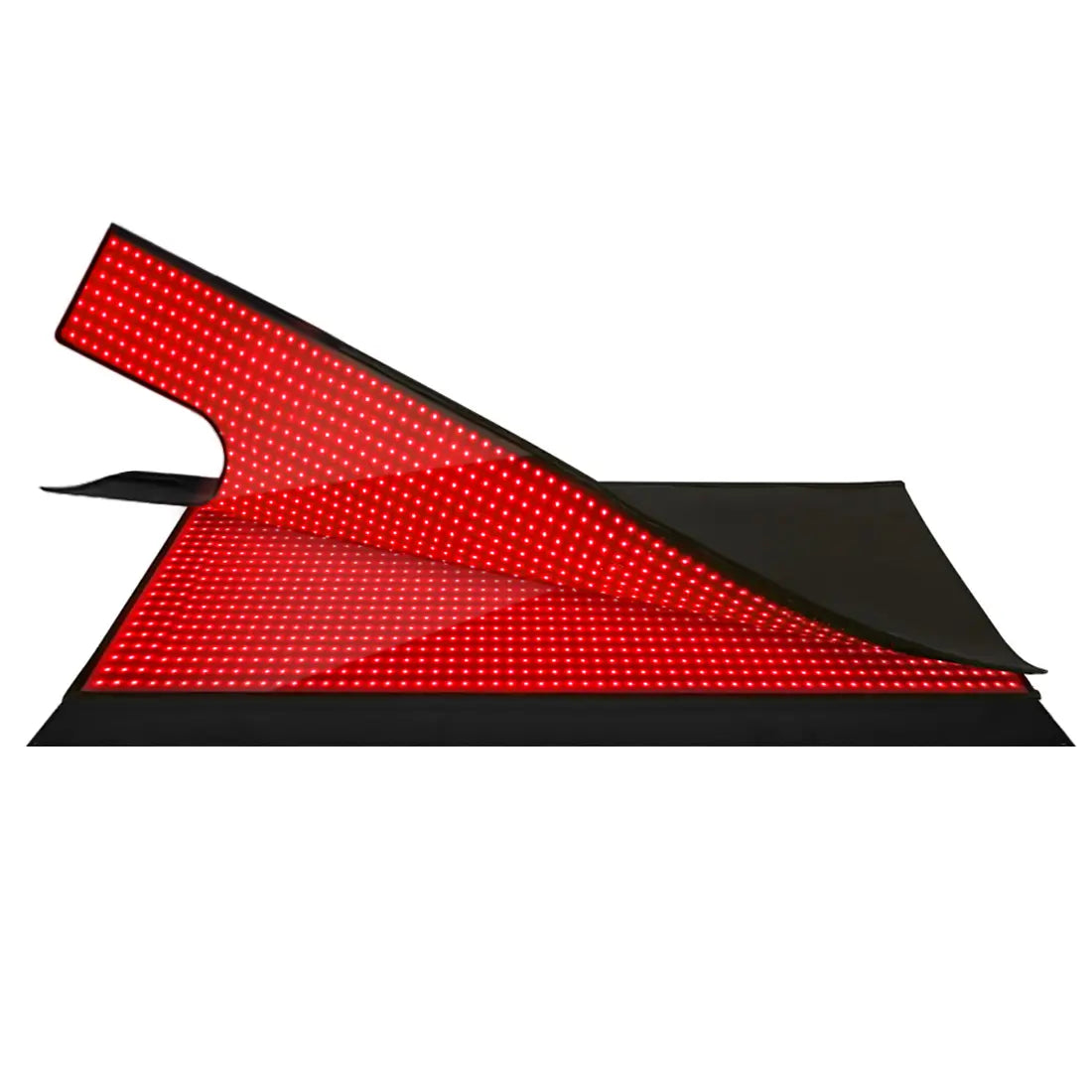
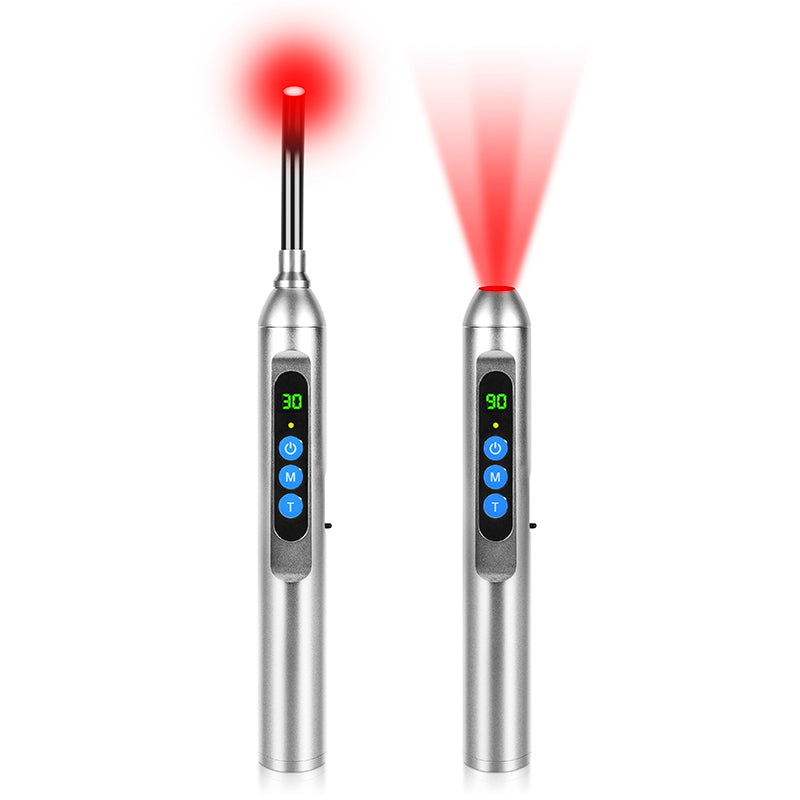
The sweet spot for most people with a sprain is a targeted wrap from a reputable company or a reasonably powerful red and near‑infrared panel used at close range, combined with consistent, short sessions and proper rehab.
Dosing principles
The pilot athlete study used an irradiance of about 50 mW per square centimeter and delivered roughly 60 joules per square centimeter over each 20‑minute session. Home devices rarely spell this out in such detail, but the general pattern across Fyzical, FunctionSmart, Krysushp, Hybrid Health, and Athletic Lab is to favor brief, repeated exposures rather than marathon sessions.
Athletic Lab notes that in their facility, twenty minutes per session is a practical upper bound. Kineon’s testimonial involved fifteen minutes twice daily. Krysushp recommends 10–30 minutes per treatment, often 3–5 times per week, adjusted to the individual and the injury.
A conservative, evidence‑aligned approach is to start with 10–15 minutes once daily directed at the injured joint, monitor how you feel over the next 24 hours, and gradually increase to twice daily if you are tolerating it well and seeing benefit. Because photobiomodulation follows a dose‑response curve, more is not always better; excessively long or intense sessions can plateau or even reverse benefits.

Safety, Risks, and When to Be Cautious
One of the big advantages of red light therapy is its safety profile. Across the Lehigh athlete study, more than 1,700 sessions were delivered without adverse events or increased pain. Athletes typically reported only mild skin warmth. Fyzical, ImprovedMotions, and multiple rehabilitation sources describe red light as generally safe, painless, and free of harmful UV radiation.
Stanford Medicine dermatologists consider red light safe on skin when not directed into the eyes and note that some devices have regulatory clearance primarily for safety. University Hospitals similarly emphasizes that the main concern with red light therapy today is often financial rather than medical, especially with home devices.
That said, there are important cautions. EliteFAOR and Fyzical recommend avoiding red light directly over known or suspected active cancer sites and exercising caution or seeking medical advice before use during pregnancy. Direct eye exposure should be avoided, and protective eyewear is often recommended around higher‑power devices. EliteFAOR also suggests avoiding direct use over open wounds unless the device is specifically designed and cleared for wound healing, even though some photobiomodulation systems have been studied in that context.
People with photosensitive conditions or those taking medication that increases light sensitivity should always consult their physician first. Because red light therapy is considered medical treatment rather than simple first aid in some regulatory frameworks, such as recent OSHA interpretations of LED red light wraps in workplace injuries, employers and clinicians are wise to document its use as part of a structured care plan.
As with any therapy, the safety net is common sense. If a session leads to unusual discomfort, excessive warmth, headaches, or any concerning symptom, you stop, reassess, and talk with a health professional.

Pros and Cons of Red Light Therapy for Acute Sprains
Viewed through a seasoned “wellness optimizer” lens, red light therapy for sprains has a compelling upside with a few key caveats.
On the benefit side, it is non‑invasive, drug‑free, and generally low risk. The mechanistic science is robust, with consistent evidence that red and near‑infrared wavelengths can boost cellular energy, modulate inflammation, and enhance collagen and tissue repair. Pilot human data in athletes, small sprain trials, and meta‑analyses in arthritis and soft‑tissue injuries all point toward faster recovery, less pain, and better function when light is integrated with standard care. Practical reports from clinics, sports organizations, and community labs echo these findings in real‑world settings.
The tradeoffs are that the clinical evidence for sprains specifically still relies heavily on small studies and non‑randomized designs, and the field overall suffers from inconsistent protocols. Stanford experts are right to warn against treating red light as a cure‑all. Some domains, like delayed‑onset muscle soreness, show mixed results in systematic reviews, and no light protocol will repair a completely torn ligament that needs surgical intervention. Costs can also add up, especially for high‑end panels and clinic treatments, and consistent use requires discipline.
One way to synthesize this is in a simple comparison.
Aspect |
Potential upside |
Potential downside or unknown |
Pain and swelling |
Reduces pain scores, eases stiffness, and decreases swelling in many musculoskeletal studies and clinical reports. |
Response varies; some patients notice subtle changes rather than dramatic relief; placebo effects and natural healing contribute. |
Healing speed |
Pilot data show shorter return‑to‑play times; burn and wound models show faster closure and better early healing. |
High‑quality, randomized sprain trials are still limited; long‑term outcomes may converge with standard care in some injuries. |
Safety |
Generally safe, non‑thermal, and compatible with most rehab programs; low risk of serious side effects at typical doses. |
Requires caution in pregnancy, active cancer, photosensitivity, and around the eyes; misuse of powerful devices could irritate skin. |
Practicality |
Easy to apply at home with modern devices; sessions are relatively short; pairs well with mobility and strength work. |
Good devices can be expensive; protocols require consistency; device specs and dosing can be confusing to interpret. |
If you think the way most serious athletes and biohackers do, these tradeoffs are attractive. You are accepting modest up‑front cost and behavior change in exchange for a realistic chance at faster, less painful recovery and a lower reliance on pain medication.
Common Questions About Sprains and Red Light Therapy
Is red light therapy enough on its own for a bad sprain? No. Every credible clinical source, from Fyzical and EliteFAOR to University Hospitals and Healthline, frames red light as an adjunct, not a replacement, for standard care. For a higher‑grade sprain, you still need a proper diagnostic exam, a clear rehab plan, and sometimes bracing or even surgical consultation. Red light can make that process faster and more comfortable, but it cannot stitch a torn ligament back together.
How soon after a sprain should I start red light? The best results in the Lehigh athlete study came when near‑infrared sessions were started as early as possible after injury, and Joovv’s experts likewise recommend shifting from “more ice” to “more light” once immediate pain control is achieved. Practically, you begin light after a clinician has confirmed there is no fracture or need for immediate surgery and once the skin over the area is intact and clean. For many mild to moderate sprains, that means within the first 24–72 hours.
What if I only have a budget red light device? Stanford dermatologists warn that many consumer devices do not clearly state their wavelength or power, which makes precise dosing tricky. However, University Hospitals notes that home devices are often sufficient to try first, especially when cost is manageable. If your device emits red and near‑infrared light in the broadly therapeutic bands and you can get it reasonably close to the sprain for 10–15 minutes, you are still sending useful light into the tissue. The key is consistency, integrating it with thoughtful rehab, and keeping expectations anchored in the reality that light is a helpful nudge, not a miracle.
Can I overdo red light therapy on a sprain? Photobiomodulation research, including muscle recovery reviews and Athletic Lab’s applied experience, suggests a dose‑response curve where too little light does nothing and too much can plateau or reduce benefits. Very long sessions or excessively frequent treatments are unlikely to be harmful at typical home power levels, but they are also unlikely to be more effective and may irritate the skin or waste time. Sticking to 10–20 minutes per session on the injured joint, once or twice daily, is a reasonable upper limit unless you are under professional supervision.
Closing Thoughts
If you care about performance, longevity, and staying in the game, acute sprains are not just annoyances; they are stress tests of your recovery system. Red and near‑infrared light therapy has quietly amassed enough mechanistic and clinical support that it deserves a place in that system, not as a flashy gadget, but as a grounded, evidence‑informed tool.
Used early, consistently, and alongside smart rehab, red light will not make you superhuman, but it can very plausibly make you a faster‑healing human. And in the real world of training cycles, competitions, and busy lives, that is exactly the kind of edge a seasoned light therapy geek is looking for.
References
- https://digitalcommons.cedarville.edu/cgi/viewcontent.cgi?article=1013&context=education_theses
- https://pmc.ncbi.nlm.nih.gov/articles/PMC4846838/
- http://www.osha.gov/laws-regs/standardinterpretations/2025-07-28
- https://bbb-devel.spots.edu/browse:062acl/056626/Red_Light_Therapy_Sprained_Ankle.pdf
- https://ww2.jacksonms.gov/fulldisplay/v92Nyl/8OK145/RedLightTherapySprainedAnkle.pdf
- https://www.buffalo.edu/news/releases/2021/08/003.html
- https://med.stanford.edu/news/insights/2025/02/red-light-therapy-skin-hair-medical-clinics.html
- https://www.utrgv.edu/newsroom/2025/09/15/utrgv-researcher-bringing-light-therapy-to-community.htm
- https://www.uhhospitals.org/blog/articles/2025/06/what-you-should-know-about-red-light-therapy
- https://www.physio-pedia.com/Red_Light_Therapy_and_Muscle_Recovery