
Why Talk About Red Light for Migraine?
If you live with migraine, you know the drill: the world suddenly becomes too bright, too loud, too sharp. The goal in those moments is simple and urgent: get out of pain fast, without wrecking your body or your life in the process.
I have spent years experimenting with light in my own “migraine cave” while following what neurologists and headache societies actually recommend. Between the American Headache Society, the American Migraine Foundation, Mayo Clinic, JAMA-level systematic reviews, and non‑pharmacological guidance from major neurology journals, one theme is crystal clear: acute medications and environmental control are the backbone of rapid relief. Red light therapy, at least with the evidence we have today, is not a replacement for those foundations. It is a potential optimization layer.
In other words, think of red light as a tool you might add on top of proven strategies, not a shortcut around them. The science you will see here comes from migraine guidelines and reviews; where red light therapy goes beyond that evidence, I will treat it as informed experimentation, not as an established cure.

What We Know About Fast Migraine Relief
Acute vs preventive: two very different jobs
Major medical sources like the American Migraine Foundation, the American Headache Society, Cleveland Clinic, and Mayo Clinic all draw the same line. There are two categories of migraine treatment.
Acute treatments are the “attack-time” tools you reach for as soon as you feel a migraine coming on. These include over‑the‑counter pain relievers such as ibuprofen, naproxen, aspirin, or acetaminophen, as well as migraine‑specific prescription drugs such as triptans, gepants, ditans, and in some cases dihydroergotamine plus an anti‑nausea drug. Their job is to stop or shorten the attack and restore function.
Preventive treatments are taken regularly to reduce how often and how severely migraines hit. These can include blood‑pressure drugs, certain antidepressants and antiseizure medications, Botox injections for chronic migraine, and newer CGRP‑targeting therapies, along with lifestyle and non‑drug strategies like sleep regularity, exercise, weight management, and supplements such as magnesium or riboflavin under medical supervision.
Red light therapy, as people usually discuss it in wellness circles, is not currently categorized in any major guideline as an acute migraine treatment. The standard of care for rapid relief absolutely rests on medications plus environmental strategies such as resting in a dark, cool, quiet room, using temperature therapy, hydration, and trigger management.
How strong is the evidence for standard acute medications?
A large systematic review and meta‑analysis in JAMA examined tens of thousands of adults with episodic migraine. It pulled together prior systematic reviews and more than one hundred randomized clinical trials of acute treatments. The findings are very consistent with what the American Migraine Foundation teaches in plain language.
Triptans stand out. In pooled analyses, oral sumatriptan 100 mg roughly tripled the chance of being pain‑free at two hours compared with placebo. Several other triptans, like naratriptan, frovatriptan, and almotriptan, showed similar patterns. Sumatriptan injections were even faster and slightly more effective, at the cost of more side effects.
Common NSAIDs also matter. Ibuprofen 400 mg, aspirin, and diclofenac significantly increased the odds of two‑hour pain freedom and sustained pain freedom over a day, compared with placebo. Combination therapy, such as sumatriptan plus naproxen, performed better than either drug alone and clearly better than placebo.
If you prefer plain numbers, imagine this: in many of these studies, only a small minority of people taking placebo were pain‑free at two hours. With a well‑dosed triptan plus NSAID, the proportion of people pain‑free at two hours often roughly doubled or tripled. That is a very different level of evidence than we currently have for any light‑based approach.
Timing is everything
The American Migraine Foundation emphasizes that there is usually a “window of opportunity” early in an attack, often within the first two hours, when acute medication works best. When people take triptans while pain is still mild, they have higher odds of becoming pain‑free and getting back to normal function within a few hours. When they wait until the pain is severe, the same drug performs less impressively.
Clinical guidelines suggest that a good acute regimen should make you pain‑free within two to four hours, allow you to return to normal function in about three to four hours, work reliably at least half the time, and feel acceptable enough that you are comfortable using it when needed. If your current plan is not doing that, you and your clinician have reason to adjust it.
All of this matters when we talk about red light therapy. If experimenting with light causes you to delay taking your acute medication past that early window, you are trading an evidence‑backed chance at relief for an unproven experiment. That is not a trade I recommend.
Medication overuse: the “boomerang” risk
Cleveland Clinic and the American Migraine Foundation both warn about medication‑overuse headache. Using acute migraine‑specific drugs, such as triptans or combination analgesics, more than about nine to ten days per month, or simpler analgesics more than roughly fifteen days per month, can itself drive more headaches over time.
Think through a real‑world month. If you have eight migraine days and you treat all of them with a triptan plus an NSAID, you are hovering just under the threshold for medication overuse. Add rescue doses, and you can easily cross into a pattern that makes your brain more sensitized. This is why a comprehensive plan often combines acute meds, prevention, and non‑pharmacological strategies rather than relying on pills alone.
Red light therapy usually enters the picture here as people look for lower‑risk add‑ons that might reduce the amount of medication they need. That is a reasonable motivation, but it has to be grounded in honest expectations.
Why Light Matters So Much During a Migraine
Light is not neutral for migraine brains. Migraine is a neurological disorder that affects how the brain processes sensory input. Many people experience photophobia, an almost painful sensitivity to light, during attacks and even between them.
The American Migraine Foundation’s home remedies guidance, Migraine Trust community reports, and Mayo Clinic’s lifestyle recommendations all converge on a few simple, powerful environmental steps during an attack: get to a dark, quiet, cool space; dim or switch off overhead lights; avoid bright screens; and block harsh sounds and odors.
Some people do well with cold packs or cooling wraps on the head or neck for about fifteen minutes at a time. Others prefer gentle warmth on the neck to relax muscles. Hydration, preferably with water, is consistently recommended because dehydration is a known trigger.
Interestingly, there is emerging evidence that a particular narrow band of green light can relieve some migraine symptoms without worsening photophobia in certain patients. That tells us that not all light is equally offensive to the migraine brain. However, the sources summarized here do not provide equivalent quality data on red light specifically for migraine relief.
From a practical standpoint, many patients find that lower‑intensity, warmer‑tone lighting is less aggravating than bright, blue‑heavy white light. That experiential pattern helps explain why some of us reached for red or amber lamps long before “red light therapy” became a buzzword.
As a personal example, I used to stumble in total darkness from my bedroom to the bathroom during attacks because even a nightlight felt viciously bright. Once I swapped that nightlight for a very dim red lamp tucked behind a piece of furniture, I could move around without spiking my pain. That did not abort the migraine, but it reduced the misery of simply navigating my own home.
Red Light Therapy During an Attack: How to Use It Without Sabotaging Evidence-Based Care
Because formal guidelines do not list red light therapy as a recognized acute migraine treatment, everything in this section sits in the category of experimental, personalized strategy. The goal is to integrate red light into a plan that still respects what neurologists and headache societies already recommend.
Step one: secure your acute treatment window
At the first sign of migraine pain or premonitory symptoms, evidence‑based acute care comes first. That may mean an NSAID like ibuprofen or naproxen, acetaminophen, or a migraine‑specific drug such as a triptan, gepant, or ditan, depending on what you and your clinician have chosen. If nausea is prominent, an anti‑nausea medication can make oral treatment more effective, and non‑oral routes such as nasal sprays or injections can be better options.
From the American Migraine Foundation and JAMA synthesis, the critical principle is early use. If you wait until the pain is severe, outcomes drop. When I coach people on building a home protocol, I encourage them to think of red light as something to layer in while the medication is already on board, not something to “try first” instead of taking the triptan you know works for you.
Imagine two scenarios. In the first, you take your prescribed sumatriptan plus ibuprofen within thirty minutes of the aura or mild pain, then retreat to your darkened room where you have set up a dim red lamp behind you so you can still see. In the second, you decide to “test” whether red light alone can abort your migraine; you spend ninety minutes in front of a panel trying different positions and intensities, and only take medication once the pain is a solid eight out of ten. The same drug will probably look much less effective in the second scenario, and the red light will unfairly take the blame for a timing error.
Step two: use red light to create a navigable “migraine cave”
Most guidelines simply say “rest in a dark, quiet room.” In reality, very deep darkness can be unsafe or impractical, especially if you live with family, have children, or need to get to the bathroom without falling. This is where red light can be a useful compromise.
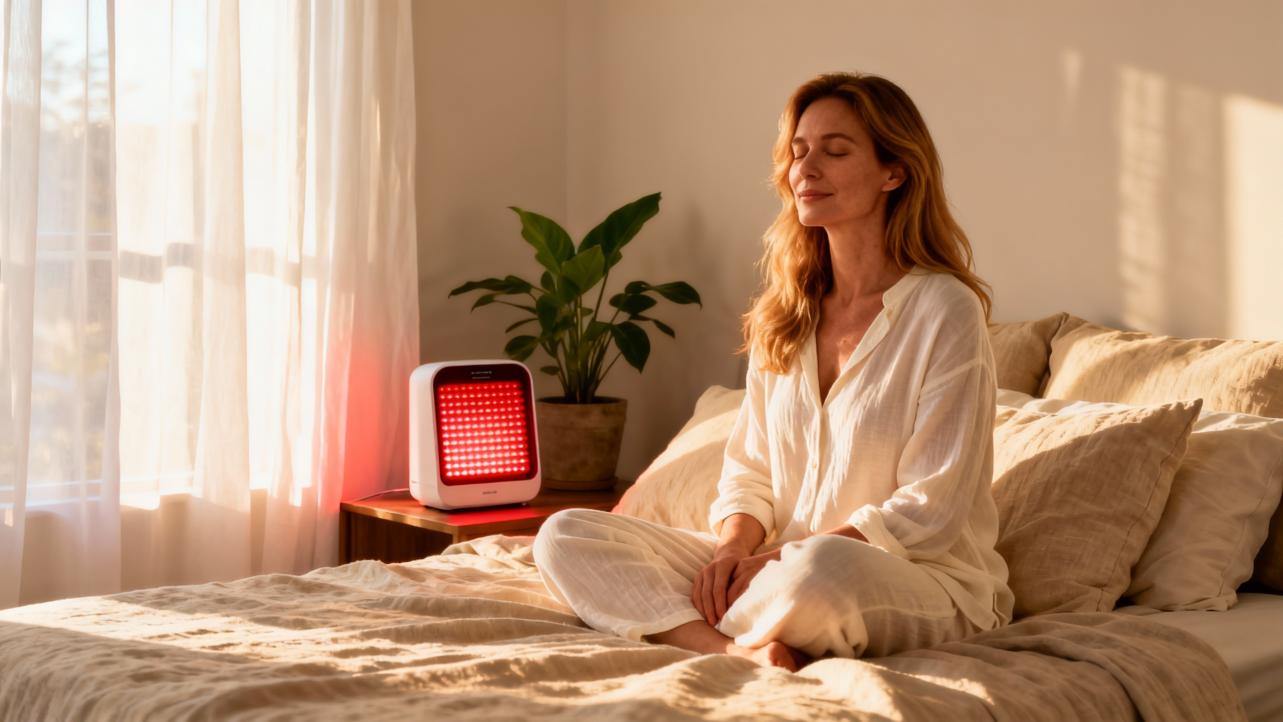
What I have found most workable, both personally and in people I advise, is to treat red light as a low‑level, indirect illumination, not a spotlight. That means positioning a small red lamp behind you or near the floor, pointed at a wall, so the light is reflected and diffuse. The intensity should be just enough to see obstacles, not enough to read comfortably.
This approach honors the guideline‑backed principle of minimizing sensory load while acknowledging that humans have to move through space. Compared with walking through a bright hallway lit by cool white LEDs, a short walk under a dim red glow usually provokes less photophobic flaring.
Think through a concrete example. Suppose an acute attack will keep you in your bedroom for about four hours. You take your acute meds at the first sign of pain and lie down with an ice pack on your forehead for fifteen minutes, then switch to gentle warmth on the neck. To reach the bathroom every hour, you turn on a faint red lamp near the floor, keeping overhead lights off. On your pain diary, you might still mark that attack as a “9” at its peak, but you will likely also notice fewer brutal spikes caused by accidental light exposure. Over months, those small reductions in suffering add up.
Step three: for some, red light is a way to keep functioning at low intensity
Not every attack lets you check out completely. Parents, caregivers, and people in demanding jobs often need to keep moving through the world during mild or moderate attacks. The American Migraine Foundation and Migraine Trust note that some patients can use gentle movement, short naps, and environmental adjustments to cope through these episodes.
In that context, having a red‑lit work corner or bathroom can be a lesser evil. For instance, during a lower‑grade attack that would not normally justify a triptan in your regimen, you might take an NSAID, hydrate, and dim the lights in your home office. A small red lamp at your desk, with your screen brightness turned way down and blue‑rich backgrounds minimized, can make finishing essential tasks less punishing.
Again, none of this is a substitute for proper acute therapy when indicated, and it certainly is not endorsed as a migraine cure by Mayo Clinic, the American Headache Society, or the JAMA review. It is a practical way to obey the advice to control light exposure without having to live in total darkness.

Pros, Cons, and Unknowns of Red Light Therapy for Acute Migraine
Because our research notes come from mainstream neurology and headache sources, they are very clear about the state of the evidence for medications, neuromodulation, behavioral therapy, and lifestyle changes. They are mostly silent on red light specifically for migraine. That silence is itself informative.
What the guidelines say
The American Migraine Foundation, American Headache Society, Mayo Clinic, Cleveland Clinic, and major systematic reviews emphasize the following for acute care: early use of NSAIDs or acetaminophen for mild to moderate attacks; triptans as first‑line for moderate to severe episodes; newer migraine‑specific drugs such as gepants and ditans when triptans cannot be used; in some cases, formulation tricks such as nasal sprays or injections for faster onset or when nausea makes swallowing difficult.
They also emphasize non‑drug strategies such as dark, quiet, cool rooms; cold or warm compresses; hydration; sleep hygiene; and behavioral approaches like relaxation training and mindfulness. Some sources discuss neuromodulation devices that use electrical or magnetic stimulation of specific nerves.
Red light therapy devices are not listed among acute treatments or standard non‑drug options in these materials. That does not prove they do nothing; it simply means we do not have the kind of high‑quality evidence that earns a place in guidelines.
Potential advantages of red light
Within that context, red light has several practical advantages when used thoughtfully.
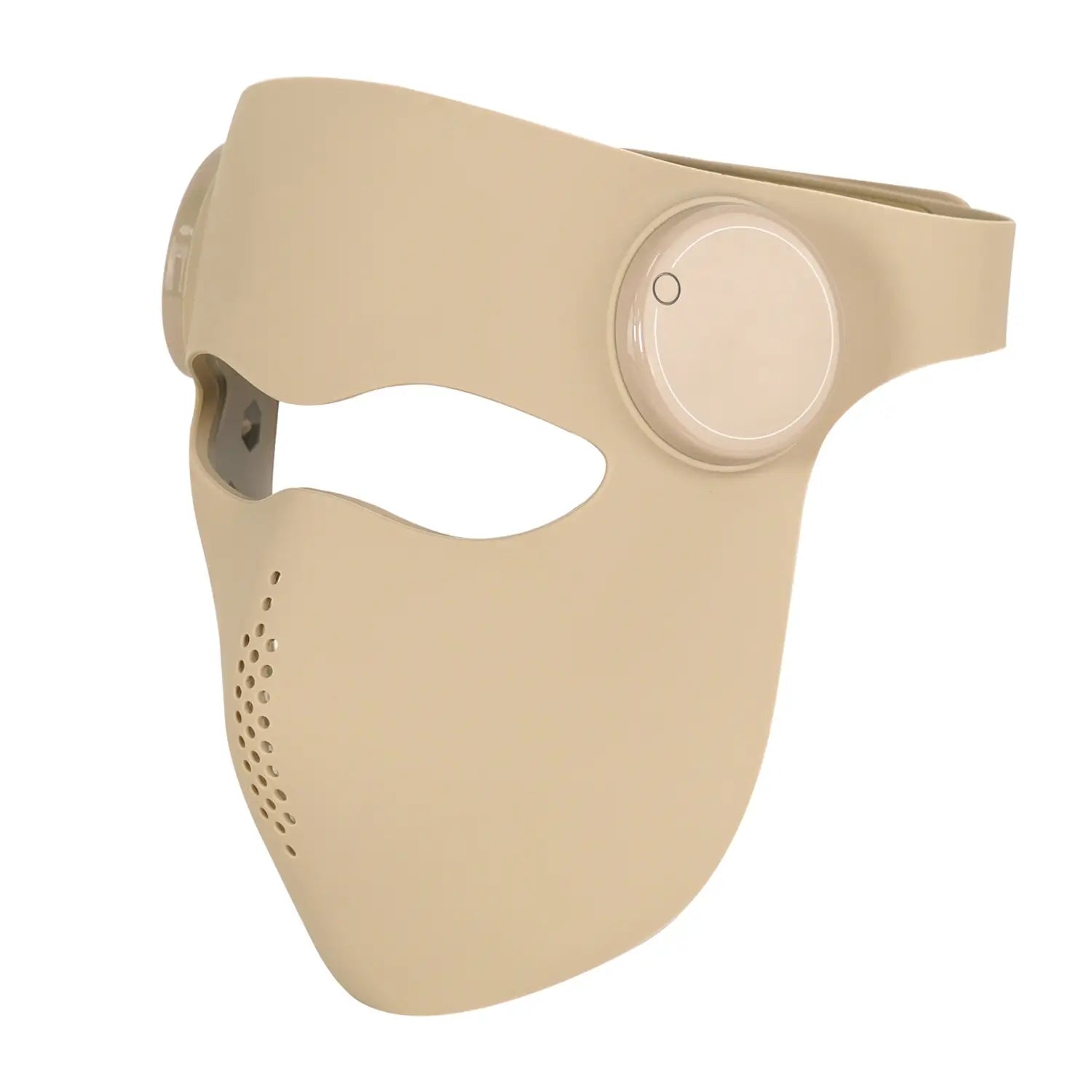
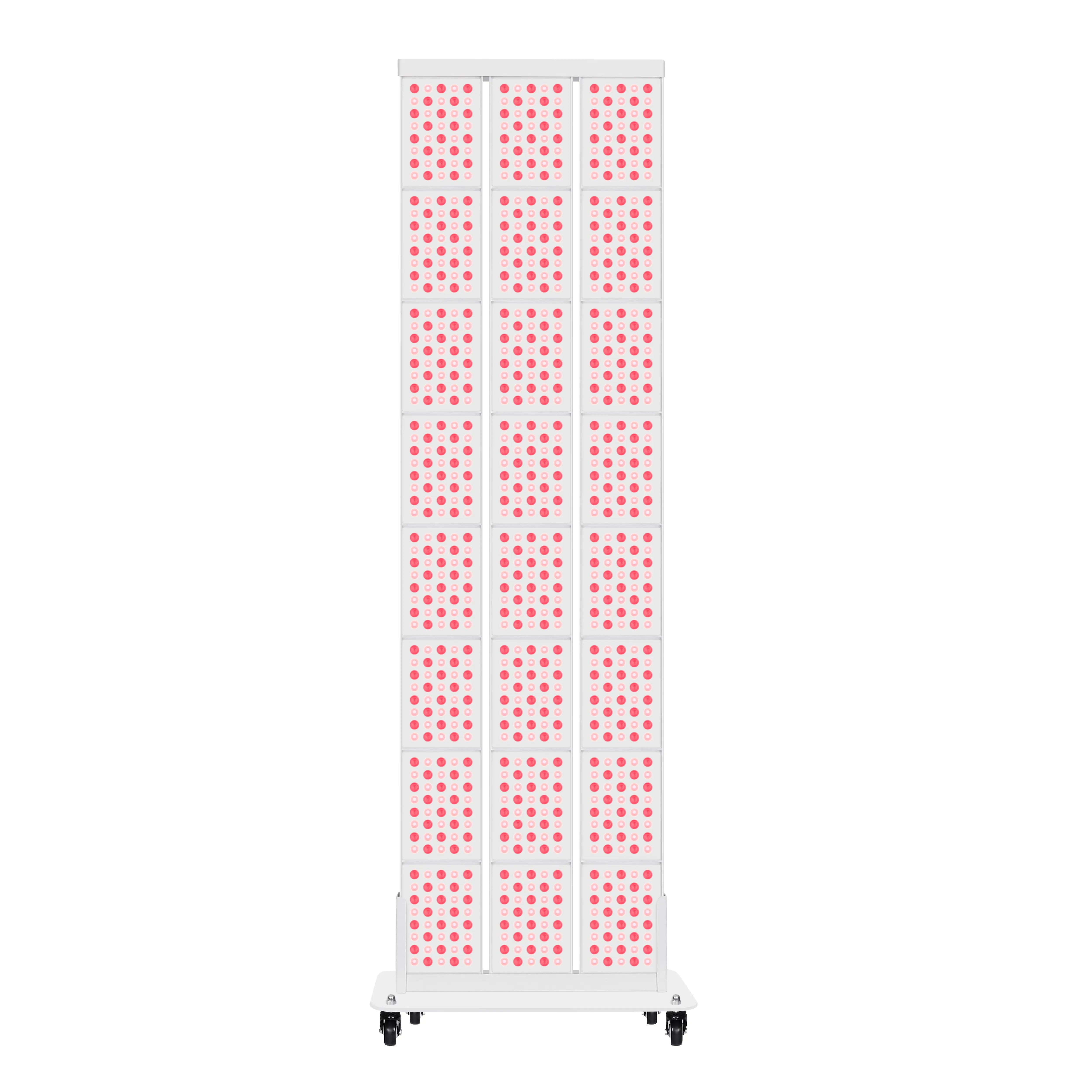
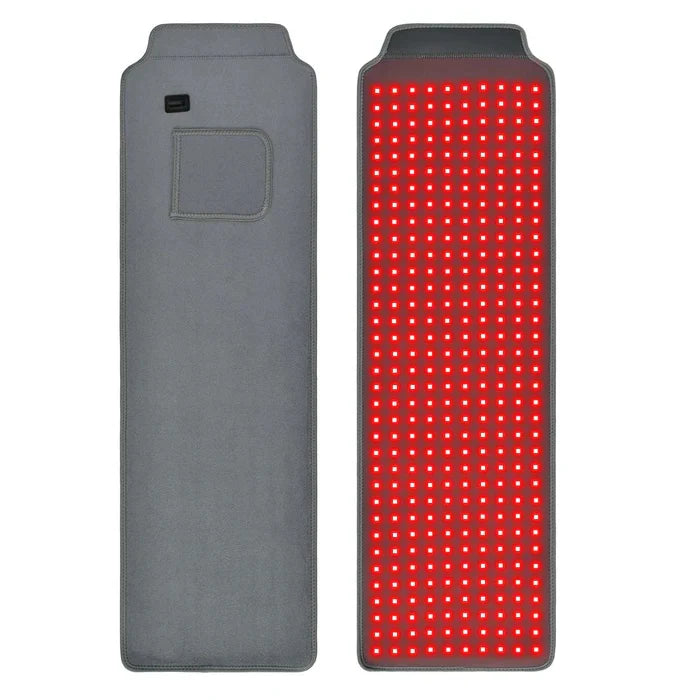
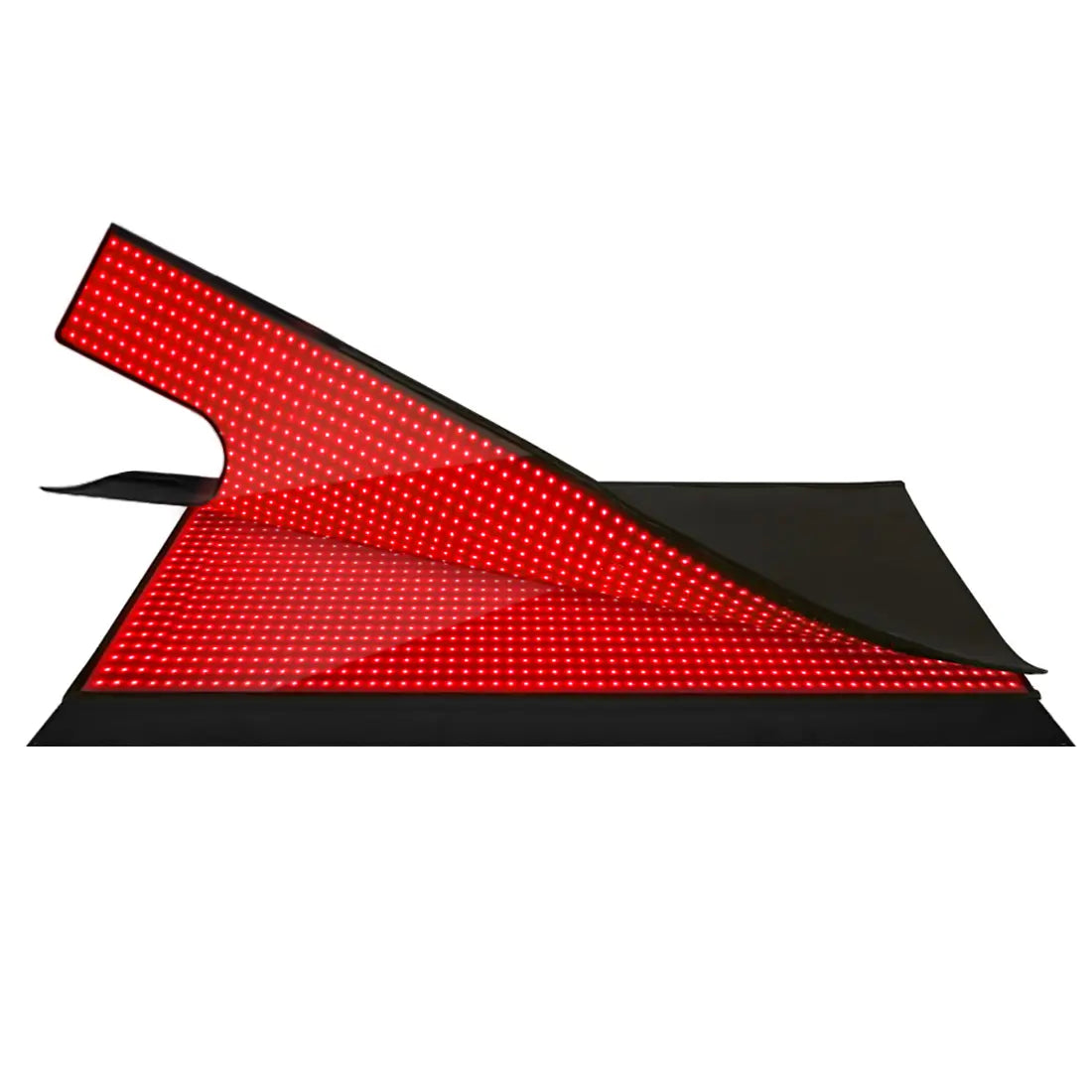
It is non‑pharmacological, so it does not add to the burden of acute medications or raise the risk of medication‑overuse headache. It can be implemented at home with relatively simple equipment, from inexpensive red bulbs to more specialized panels, though the latter are not reviewed for migraine in the sources summarized here. And it can make it easier to follow guideline advice to reduce light exposure while still being able to move around your space.
For someone who is already taking acute medications as recommended, using temperature therapy, hydrating, resting, and tracking triggers, red light can be a way to shave off some of the environmental suffering without adding side effects.
Real downsides and cautions
There are also clear downsides.
The biggest risk, from a migraine‑care perspective, is that red light becomes a reason to delay starting evidence‑based acute treatment. The JAMA review and American Migraine Foundation both highlight timing as crucial. If red light experiments routinely push medication past the early window while pain is still mild, you are quietly training your brain toward more refractory attacks.
A second risk is assuming that because red light is “natural,” it is automatically safe for the eyes or brain at any intensity or distance. The migraine sources provided here do not address retinal safety for red light devices, so this is an area where you should default to caution and manufacturer guidance, especially if you have eye disease or are on medications that affect light sensitivity.
Third, there is the simple cost and opportunity cost. High‑quality light therapy devices can be expensive. If that cost displaces resources you might have spent on seeing a headache specialist, accessing neuromodulation devices that do have migraine data, or maintaining preventive medications and supplements, it may not be a wise trade.
Finally, migraine is highly individual. The same way some people report that cold compresses worsen rather than help their pain, a minority may find any visible light, including red, intolerable during an attack. The correct dose of red light in that case is zero.
Who should be extra cautious
People who are pregnant or planning pregnancy already have more constrained options for migraine drugs. Cleveland Clinic and Mayo Clinic both point out that many standard medications carry fetal risk, which is why clinicians often favor acetaminophen‑based regimens in that context. While red light is unlikely to be a central concern, this group should be especially careful not to rely on experimental strategies in place of medical care.
Those with very frequent migraines, chronic migraine, or substantial disability should also treat red light as, at best, a marginal adjunct. The Nature “ten steps” paper and other management reviews emphasize that chronic migraine, especially in the setting of medication overuse and comorbid anxiety or depression, often requires a full preventive strategy, sometimes including Botox or CGRP‑targeting therapies, rather than endlessly tweaking home hacks.
Comparing Standard Acute Care and Red Light in a Real‑World Protocol
It can help to see how red light fits alongside proven strategies rather than in competition with them. The table below frames each option by evidence, role, and risk.
Strategy |
Evidence for rapid relief in migraine |
Primary role during an attack |
Key risks or limitations |
NSAIDs / acetaminophen |
High against placebo in multiple trials and reviews summarized in JAMA and AHRQ reports |
First‑line for many mild to moderate attacks; foundation of acute care |
Gastrointestinal side effects; overuse can cause rebound headaches |
Triptans and other migraine‑specific drugs |
High to moderate across many randomized trials, per JAMA and American Migraine Foundation |
First‑line for moderate to severe attacks; rescue when simple analgesics fail |
Contraindications in some cardiovascular disease; medication‑overuse risk |
Dark, cool, quiet environment |
Widely recommended by American Migraine Foundation, Mayo Clinic, Cleveland Clinic |
Reduces sensory overload; prevents worsening; supports rest |
Requires planning; not always feasible at work or on the road |
Temperature therapy (cold or warm compresses) |
Supported by clinical experience and smaller studies cited in home‑remedy resources |
Pain modulation and comfort, often within about 15 minutes |
Cold can aggravate symptoms or raise blood pressure in some; heat can worsen in others |
Red light as indirect room lighting |
Anecdotal and experiential; not included as an acute treatment in major guidelines |
Allows navigation and functioning while keeping light levels low |
Unproven for pain relief; risk of delaying meds; cost and variability in devices |
Now imagine two different rescue plans for a person with four moderate migraines per month.
In the first plan, at the earliest sign of pain they take an NSAID and a triptan according to their clinician’s instructions, drink water, move to their dark cool room, use an ice pack for fifteen minutes and then a warm neck wrap, and keep a faint red lamp behind them so they can reach the bathroom safely. They stay under the monthly medication‑overuse thresholds and use a preventive medication or supplement plan to keep frequency stable.
In the second plan, they have no medication on board. They use a red light panel as their main tool, wait to see whether the attack “breaks,” and only take an NSAID or triptan after several hours of severe pain. Over months, attacks become more disabling, they start using acute medicine more days per month, and they drift toward medication‑overuse headache.
The red light device is identical. The difference is whether it is used as a supporting actor or asked to play the lead in a role it is not equipped to fill.

Designing Your Own Migraine Sanctuary
Drawing on the non‑pharmacological guidance from migraine management reviews, neurologic clinics, and patient organizations, there are several pillars you can combine with red light in a coherent rapid‑relief plan.
First, control the basics: keep a regular sleep schedule, maintain consistent meals, stay well hydrated, manage stress with techniques such as mindfulness or cognitive behavioral tools, and identify your personal triggers through a headache diary. These steps reduce how often you will need a rapid‑relief protocol in the first place.
Second, invest in your acute toolkit: agree with your clinician on which over‑the‑counter and prescription medications you will use, at what dose, and in what sequence, and practice taking them early in the attack. If nausea is a recurring problem, discuss non‑oral routes such as nasal sprays or injections.
Third, build your environment: arrange at least one room where you can control light, noise, and temperature. That might mean blackout curtains, a fan, a white‑noise machine, a set of ice packs and a heating pad, and a very low‑intensity red lamp for safe navigation. Some people also benefit from tinted glasses and neuromodulation devices that have been cleared for migraine, though those are more specialized tools.
Fourth, integrate red light slowly and systematically. Rather than turning your life upside down, start by replacing harsh nightlights or hallway lights with dim red lights that you only use during or right before attacks. Track in your diary whether this changes your pain intensity, your sense of aggravation from light, or your need for medication. If there is no clear benefit after several months, you have your answer.
Finally, keep revisiting the plan. The Nature ten‑step framework for migraine management emphasizes that migraine status is dynamic. People move between episodic and chronic patterns over time. Triggers change. Medications that were once effective can lose their punch. Non‑pharmacological techniques such as relaxation training, mindfulness, or biofeedback can become more valuable as you build skills and confidence.
Red light, if it earns its spot in your life, should do so because your own data show that it helps you suffer less within a plan that is already grounded in what neurologists and headache societies recommend.

Short FAQ
Can red light therapy abort a migraine attack by itself?
With the evidence we have today, the answer is that we simply do not know, and major expert groups do not list red light as an acute migraine treatment. In contrast, high‑quality randomized trials summarized in sources such as JAMA, the American Headache Society, and the American Migraine Foundation show that triptans, NSAIDs, and certain combinations can reliably produce two‑hour pain freedom in a meaningful share of attacks when taken early. For rapid relief, it makes sense to treat red light as a comfort and environmental tool rather than as a stand‑alone abortive therapy.
Is it safe to combine red light with my migraine medications?
Red light used as indirect room illumination does not interact with medications in the way drugs interact with each other, so there is no known pharmacologic conflict with triptans, NSAIDs, gepants, or ditans. The real safety questions are about intensity, duration, and eye comfort. Since the migraine sources summarized here do not offer guidance on specific devices, it is wise to follow manufacturer instructions, avoid staring directly into intense light, and speak with your healthcare professional if you have eye disease, are pregnant, or are on medications that affect light sensitivity.
If light is a trigger, shouldn’t I stay in complete darkness?
Resting in a dark, quiet space is standard advice and extremely helpful for many people. However, non‑pharmacological migraine management reviews and Mayo Clinic’s guidance also note that extreme avoidance of all triggers can sometimes backfire by increasing stress and reducing your flexibility. A graded, well‑planned approach that minimizes harsh light but allows you to move safely, possibly with a very dim red lamp, fits better with current thinking: reduce the load on your nervous system without turning your entire life into a blackout zone.
In my experience as a light‑therapy‑obsessed migraine veteran, the sweet spot is combining hard science with thoughtful experimentation. Use the best acute treatments modern neurology has to offer, build a sanctuary that respects your brain’s sensitivity, and let red light earn its place as one of many tools rather than crowning it as a miracle.
References
- https://pubmed.ncbi.nlm.nih.gov/29671521/
- https://migrainetrust.org/self-care-for-migraine-your-top-tips/
- https://www.nuvancehealth.org/health-tips-and-news/natural-migraine-remedies-tips-for-pain-free-days
- https://americanheadachesociety.org/resources/primary-care/acute-treatment-for-migraine
- https://americanmigrainefoundation.org/resource-library/acute-migraine-treatments/
- https://my.clevelandclinic.org/health/diseases/5005-migraine-headaches
- https://www.migrainedisorders.org/migraine-disorders/migraine-treatments/
- https://www.mayoclinic.org/diseases-conditions/migraine-headache/diagnosis-treatment/drc-20360207
- https://www.aafp.org/pubs/afp/issues/2018/0215/p243.html
- https://ihs-headache.org/wp-content/uploads/2020/06/3426_dmkg-treatment-of-migraine-attacks-and-prevention-of-migraine.pdf