
Acute neck stiffness has a way of hijacking your whole day. You wake up, try to turn your head, and suddenly backing out of the driveway or checking a blind spot feels like a high‑risk maneuver. As someone who has spent years optimizing my own recovery stack and using light therapy with clients, I can tell you this: when you apply red and infrared light correctly, it can be a surprisingly powerful ally for short‑term neck stiffness and pain.
But power tools deserve respect. The goal here is not to chase the latest gadget, but to understand what the science actually says, where red light therapy fits, and how to use it intelligently alongside movement, ergonomics, and medical care when needed.
In this guide, I will walk you through how red and infrared light work at the tissue level, what clinical trials have found for neck pain and stiffness, and how to translate that into practical, real‑world protocols for acute neck flare‑ups—without the hype and without glossing over the limitations.
What Red and Infrared Light Therapy Actually Is
Red light therapy goes by a lot of names: low‑level laser therapy, photobiomodulation, cold laser, low‑level light therapy. They all describe the same basic idea: delivering specific red and near‑infrared wavelengths of light to your tissues at low power, not to heat them up, but to nudge cellular biology.
Medical centers such as Cleveland Clinic and MD Anderson describe red light therapy as low‑level red light, roughly in the 630–700 nanometer range. Near‑infrared light extends further, often up to around 850 nanometers for musculoskeletal applications. Athletically oriented clinics and reviews of photobiomodulation in sports report benefit from wavelengths in the 660–850 nanometer window, which are deep enough to reach muscles and connective tissue without burning the skin.
Mechanistically, several sources converge on the same story. WebMD, Cleveland Clinic, University Hospitals, and a major sports‑performance review of photobiomodulation all note that red and near‑infrared photons are absorbed by mitochondria, particularly by an enzyme called cytochrome c oxidase. That absorption boosts the cell’s energy production (ATP), adjusts reactive oxygen species, and can trigger nitric oxide release. In plain English, this means more cellular energy for repair, improved microcirculation, and a gentle anti‑inflammatory effect.
Clinics focusing on pain and athletic recovery add more detail. Fuel Physical Therapy and Function Smart Physical Therapy describe how red and near‑infrared light increase nitric oxide–mediated vasodilation. Blood vessels in the target area open up, blood flow improves, and oxygen and nutrients reach stressed tissue more effectively. Access Pain Solutions notes that this also reduces pro‑inflammatory signals and improves vascular function overall.
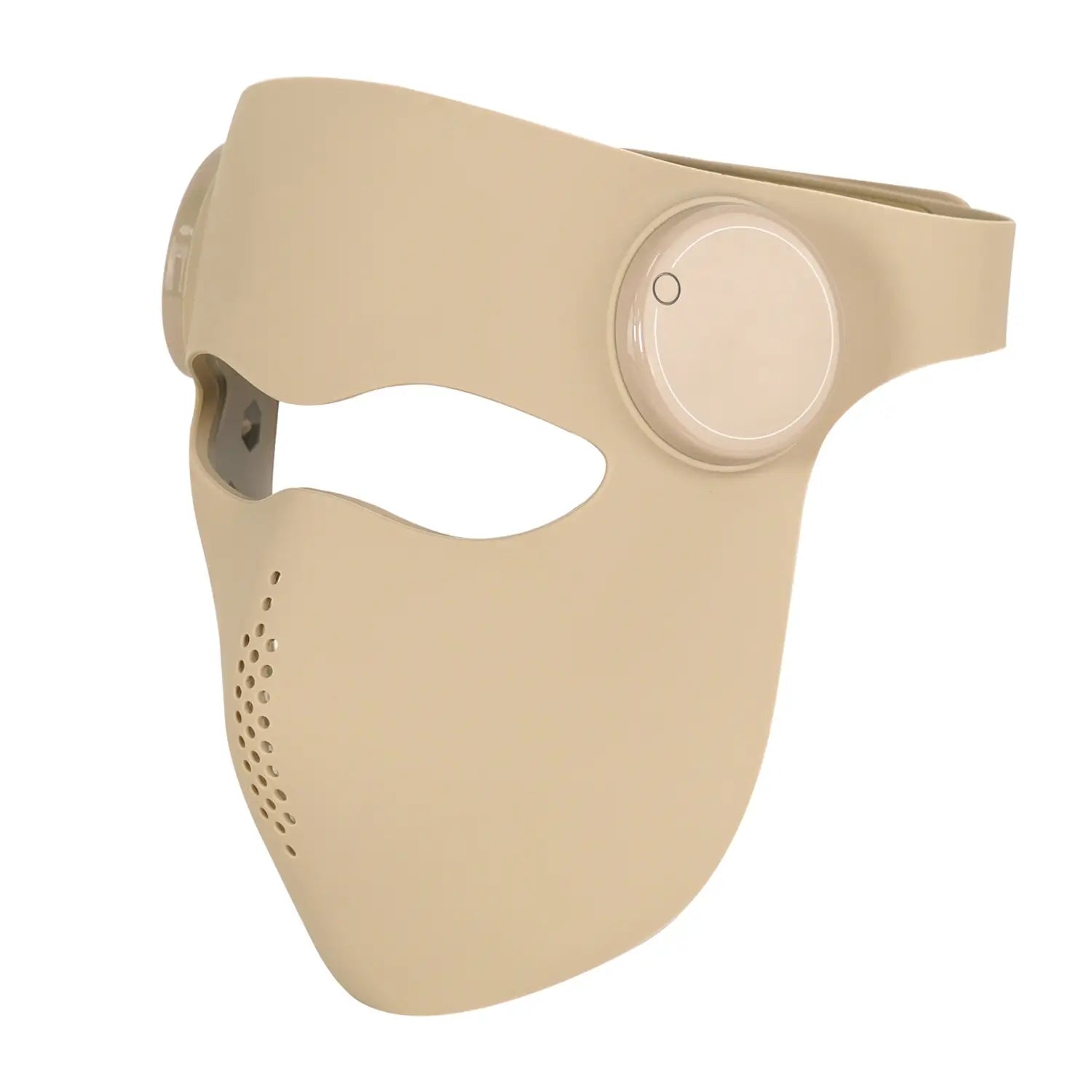
In the neck‑pain niche specifically, Kineon and LED Technologies highlight deep‑penetrating infrared LEDs aimed at muscles and joints, while chiropractic clinics and physical therapists use both laser and LED systems as part of broader pain‑management programs. Consumer devices—panels, pads, wraps, masks, and wands—use the same basic light ranges, usually with less power than clinical systems.
The key point is that this is not a tanning bed or a heat lamp. Proper red and infrared therapy uses low‑level, non‑UV light with modest warmth at most, aimed at modulating cellular function rather than baking the tissue.

Why Neck Stiffness Happens (And Where Light Fits In)
Neck pain and stiffness are incredibly common. Kineon cites estimates that around eight out of ten people experience neck pain at some point, and chronic or recurring neck issues can become life‑limiting. Epidemiologic work referenced in a randomized trial of low‑level laser therapy for neck pain puts global prevalence over a year somewhere between roughly 12 and 72 percent, with about one in nine people having activity‑limiting neck pain.
Causes of neck stiffness span one‑off trauma and everyday lifestyle. The Kineon neck‑pain review lists whiplash, slipped disks, trapped nerves, and falls, but also repeated behaviors: poor posture at a computer, muscle strain, bad sleeping alignment, and degenerative conditions such as arthritis. In a small subset of cases, neck pain can signal serious disease such as infection or malignancy, which is why new, severe, or unusual symptoms always warrant medical evaluation.
The mental health impact is not trivial. In one chronic pain study cited by Kineon, just over fourteen percent of people with chronic pain reported severe emotional impact. Up to forty‑five percent of chronic pain sufferers experience depression, straining relationships and quality of life.
For the purposes of this article, “acute neck stiffness” means that sudden, relatively recent onset of tightness and pain many people feel after sleeping awkwardly, staring at a screen too long, pushing a workout, or having a minor strain. It often sits on top of background issues like posture or previous injuries. Red and infrared light therapy fit here as a way to support the local biology of healing: increasing blood flow, easing inflammation, and helping muscles relax. They do not replace evaluation for red‑flag symptoms such as trauma, fever, neurologic changes, or unrelenting severe pain.

What the Science Says for Neck Pain and Stiffness
The obvious question is whether any of this actually moves the needle for neck symptoms. The evidence base is still evolving, but we do have several pieces that matter directly to neck pain and stiffness, plus broader pain and recovery data that help us connect the dots.
Low‑Level Laser Therapy for Chronic Neck Pain
A randomized clinical trial published in a medical journal and summarized through PubMed Central looked specifically at nonspecific chronic neck pain. Forty‑four adults with neck pain lasting more than three months were randomized either to low‑level laser therapy or to a sham treatment. Both groups still received standard care, including education and exercises, and they had access to anti‑inflammatory medications if pain passed a certain threshold.
The active group received laser in the near‑infrared range at 980 nanometers, with an energy density of 16 joules per square centimeter. Treatments targeted the painful neck area, paraspinal muscles, and upper trapezius for fifteen minutes per session, three times a week for four weeks. The sham group was treated on the same schedule, but with a passive probe that emitted only non‑therapeutic red light.
Both groups improved, but the laser group improved more and stayed ahead at each weekly measurement. Baseline pain scores on a zero‑to‑ten visual analog scale were just over eight in both groups. After the first week, the active group had dropped to about one and a half, while the sham group was still around two and a half. By week four, the laser group was around two and a half, while the sham group hovered around six. Importantly, no complications or adverse events were reported.
This was a short‑term trial in chronic pain, not a single‑session fix for acute stiffness, but it tells us two things. First, properly dosed red‑spectrum light at the neck can outperform a credible placebo when layered on top of exercise and education. Second, the safety profile under medical supervision was excellent.
LED Neck and Shoulder Study: Rapid Stiffness Relief
For acute stiffness, a feasibility study from a Japanese research group is especially interesting. Ten adults with chronic neck and shoulder stiffness and pain received a single treatment from a high‑intensity infrared LED device rather than a laser. The device used light at about 780 nanometers with an output of 750 milliwatts. The treatment site was a standard acupuncture point on the shoulder called Jianjing (GB21), commonly used for neck and shoulder tension.
Each participant received six short bursts of light—thirty seconds each at three‑second intervals—for a total of three minutes with the beam held over the shoulder point while seated. Researchers measured symptoms and physiology before treatment, immediately after, and fifteen minutes later.
Subjective stiffness on a hundred‑millimeter visual analog scale improved significantly, dropping from an average of 58.3 millimeters before treatment to 45.5 immediately afterward and down to 29.0 at fifteen minutes. That corresponds roughly to a quarter reduction in stiffness right away and almost half the original stiffness gone within fifteen minutes. Pain scores trended down as well, from 45.8 millimeters at baseline to 39.4 immediately and 27.7 at fifteen minutes, with the later drop reaching statistical significance.
The local skin temperature at the treatment site rose from about 94°F to around 106°F during irradiation, spreading approximately two inches from the center before returning close to baseline fifteen minutes later. There were no burns or lasting skin issues; most redness faded within that fifteen‑minute window. Blood pressure, pulse, and heart rate variability measures did not change in a meaningful way, and no adverse events were observed over the following week.
This was a tiny, single‑arm feasibility study without a control group, so we cannot rule out placebo effects or regression to the mean. But the magnitude and speed of stiffness relief, the clear local physiological response, and the absence of harm line up well with reports from clinics that see patients walk out feeling looser after a short neck or shoulder session.
Meta‑Analyses and Neck Pain
A neck‑specific review cited by Project E Beauty adds another layer. A 2013 meta‑analysis of low‑level laser therapy for neck pain reported immediate pain reduction in acute neck pain and pain relief that persisted up to roughly twenty‑two weeks after treatment in people with chronic neck pain. That meta‑analysis pooled multiple trials, which increases confidence, but it also bundled different devices and parameters, so it does not tell us exactly how to dose an at‑home neck session. It does, however, reinforce that neck tissues respond to properly delivered light in a clinically meaningful way.
Broader Pain and Inflammation Evidence
Stepping back from the neck, WebMD’s detailed review of red light therapy notes positive signals from multiple reviews in several pain‑related conditions. For example, studies in rheumatoid arthritis show short‑term relief of pain and morning stiffness, and a review of seventeen clinical trials in tendinopathy found low‑to‑moderate quality evidence for pain relief and functional improvement. A separate review of eleven pain studies across various conditions found mostly positive results, especially for inflammation‑related pain.
University Hospitals summarizes a 2021 review concluding that red light therapy can help relieve pain in acute and chronic musculoskeletal conditions and fibromyalgia, while still emphasizing that more and larger trials are needed before calling it standard care. Access Pain Solutions describes similar mechanisms and clinical experience in osteoarthritis, chronic back pain, neuropathy, tendonitis, and post‑surgical pain, again with the caveat that light works best as part of a broader pain‑management plan.
Cancer centers are cautiously optimistic. MD Anderson uses red light and related low‑level laser approaches for conditions such as oral mucositis in cancer patients and is actively studying applications in chronic pain. At the same time, they stress that for musculoskeletal pain, red light therapy remains investigational: no large randomized trials have nailed down exact dosing, frequency, or duration.
Taken together, the picture is consistent but incomplete. Red and near‑infrared light are not miracle cures, yet across multiple conditions—including neck pain—proper protocols often yield small‑to‑moderate improvements in pain and function, with very low rates of adverse events.
Muscle Recovery and Performance: Why That Matters to Your Neck
Photobiomodulation has also been studied for muscle recovery and athletic performance. A major review in sports medicine pulled together over forty clinical and case‑control studies and found that red and near‑infrared light can reduce delayed onset muscle soreness, preserve strength after intense exercise, and increase the number of repetitions or time to exhaustion when used as a pre‑conditioning tool.
Typical parameters in those trials involved wavelengths between about 655 and 830 nanometers and energy densities from roughly 0.5 to 2.5 joules per square centimeter for pre‑exercise conditioning, and somewhat higher doses for recovery, delivered either through laser or LED clusters.
Why should someone with a stiff neck care about biceps or quad studies? Because the basic biology is the same. When you wake with a “crick” in your neck after a long car ride or a bad pillow, what you are feeling is a combination of muscle guarding, low‑grade inflammation, and micro‑injury. The same ATP boost, nitric oxide‑driven blood flow, and reduced oxidative stress that help athletes bounce back faster can support your neck muscles in shifting from locked‑up to functional.
How Red Light May Ease Acute Neck Stiffness
When you aim red or near‑infrared light at the neck or upper back, several mechanisms work together.
First, mitochondrial activation. Sources such as WebMD, Cleveland Clinic, and Physiopedia’s review on muscle recovery all note that red and near‑infrared light increase ATP production inside cells. Muscles that are short on cellular energy tend to grip and fatigue; muscles with adequate ATP can relax and repair.
Second, improved microcirculation. Fuel Physical Therapy, Function Smart, Kineon, and Access Pain Solutions all highlight nitric oxide release and vasodilation as key. Blood vessels in the treated tissue open, more oxygen‑rich blood arrives, and metabolic waste products clear more efficiently. The Japanese LED study even gave us a visible proxy: skin temperature at the treatment point rose about twelve degrees Fahrenheit during a three‑minute session and spread about two inches outward, which lines up with a robust local circulatory response.
Third, modulation of inflammation and oxidative stress. The sports photobiomodulation review, along with several clinic articles, describes decreased markers of oxidative damage and pro‑inflammatory cytokines after light exposure, and increased antioxidant defenses. That subtle tilt away from excessive inflammation can be the difference between a neck that stays angry for a week and one that settles after a day or two.
Fourth, neuromodulation and pain signaling. MD Anderson and WebMD both mention that red light can alter pain pathways, in part by supporting tissue repair and in part by influencing neurotransmitters such as endorphins. Clinically, this shows up as reduced tenderness and less perceived stiffness even before structural changes fully catch up.
Think of acute neck stiffness as a small neighborhood power outage. Red and near‑infrared light do not rebuild the entire grid, but they help flip breakers back on in a targeted area: more cellular energy, better traffic flow of blood, less inflammatory noise, and calmer pain signaling.

Practical Use: Setting Up a Safe Neck Session
Translating these mechanisms and studies into practical steps is where the “light therapy geek” mindset really matters. The goal is to borrow what works from clinical protocols and adapt it to consumer devices and real schedules, while respecting all the safety boundaries.
Clinic protocols for musculoskeletal pain commonly use session lengths of ten to twenty minutes per treatment area, as reported by Fuel Physical Therapy, Function Smart Physical Therapy, and Demuth Spinal Care. Kineon’s neck‑pain guide suggests ten to fifteen minutes per session several times per week, with short‑term neck pain often improving relatively quickly and chronic issues sometimes needing up to about twelve weeks of consistent use. Access Pain Solutions describes typical infrared sessions lasting fifteen to thirty minutes, with acute pain often improving after three to five sessions and chronic pain benefiting from two to three treatments per week over several weeks.
On the other end of the spectrum, the Japanese LED feasibility study used a very intense, focused beam for just three minutes at a shoulder point and still saw significant stiffness reduction within fifteen minutes. The laser trial in chronic neck pain used fifteen minutes per session over twelve sessions.
For acute neck stiffness at home with a consumer‑grade LED pad, wrap, or panel, most people will land closer to the middle of that range. In my own self‑experiments and work with clients, I favor a conservative start: a shorter session, a bit farther from the device, and careful attention to how the neck feels over the following twenty‑four hours, then gradually working toward the manufacturer’s recommended full dose if everything feels good.
A simple example looks like this. You wake up with a stiff neck after a long drive. You have a near‑infrared neck wrap that lists a suggested session of fifteen minutes. On day one you might position the wrap so that the LEDs cover the stiff side of your neck and the upper trapezius, sit or lie in a posture where your neck feels supported, and run a ten‑minute session. Immediately afterward, you gently turn and tilt your head through comfortable range a few times, without forcing anything. If the neck feels looser and there is no increase in pain over the next day, you continue with one or two sessions per day for a couple of days, working up toward the full fifteen minutes as tolerated. If your device is a larger panel, you stand or sit at the recommended distance with the panel aimed at the back and side of your neck for a similar time window.
Two themes show up consistently in the clinical and wellness literature. The first is targeted positioning. Devices like Kineon’s strap‑on modules, LED Technologies’ neck pillow and flex pad, and various neck wraps and pads are all designed to get light right over the upper trapezius, cervical extensors, and base of the skull—areas that tighten up with forward‑head posture and stress. Panels can be effective, but you need to be deliberate about angle and distance so the neck is truly in the sweet spot.
The second theme is consistency. Fuel Physical Therapy notes that many people see meaningful pain reduction after a few sessions over days to weeks. Access Pain Solutions suggests that acute pain may improve after three to five sessions, while chronic pain often needs a few treatments per week for several weeks. Kineon describes short‑term neck issues easing with repeated ten‑ to fifteen‑minute sessions, while chronic problems may call for up to about twelve weeks of regular use. Even when devices can be used daily, as Fuel Physical Therapy notes, the key is to accumulate an adequate dose over time rather than chasing a single marathon session.
Choosing a Neck‑Friendly Device
The market for red and infrared devices is crowded, from medical lasers to Amazon‑style neck wraps. The clinical sources and product‑specific articles in the research notes point toward a few practical categories.
The first category is clinic‑grade laser and LED systems. MD Anderson’s pain center, dermatology offices, and some physical therapy and chiropractic clinics use these. They are more powerful than home devices, often deliver tightly controlled doses, and are applied by trained professionals. Cleveland Clinic and WebMD both note that in‑office devices are usually stronger and may produce faster or more pronounced results than consumer options, but you pay per session and often commute to appointments.
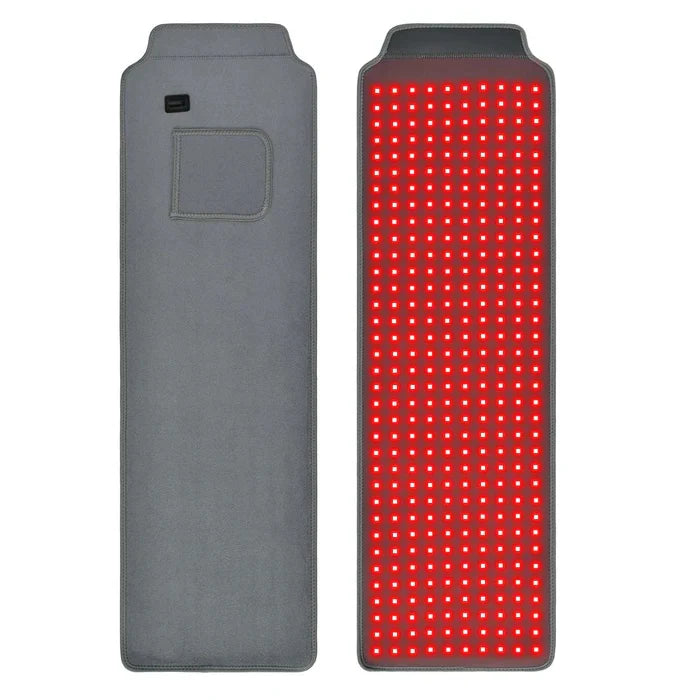
The second category is focused wrap or pad systems for home use. LED Technologies markets FDA‑cleared pads, flex wraps, eye masks, and neck pillows using deep penetrating light technology specifically for head and neck pain. Kineon’s MOVE‑style modular device straps around the neck and upper back, delivering near‑infrared and visible light directly to painful zones. An Amazon‑listed neck wrap from Comfytemp highlights features many similar products share: cordless, rechargeable, flexible, and designed to sit close to the cervical spine during daily activities or travel.
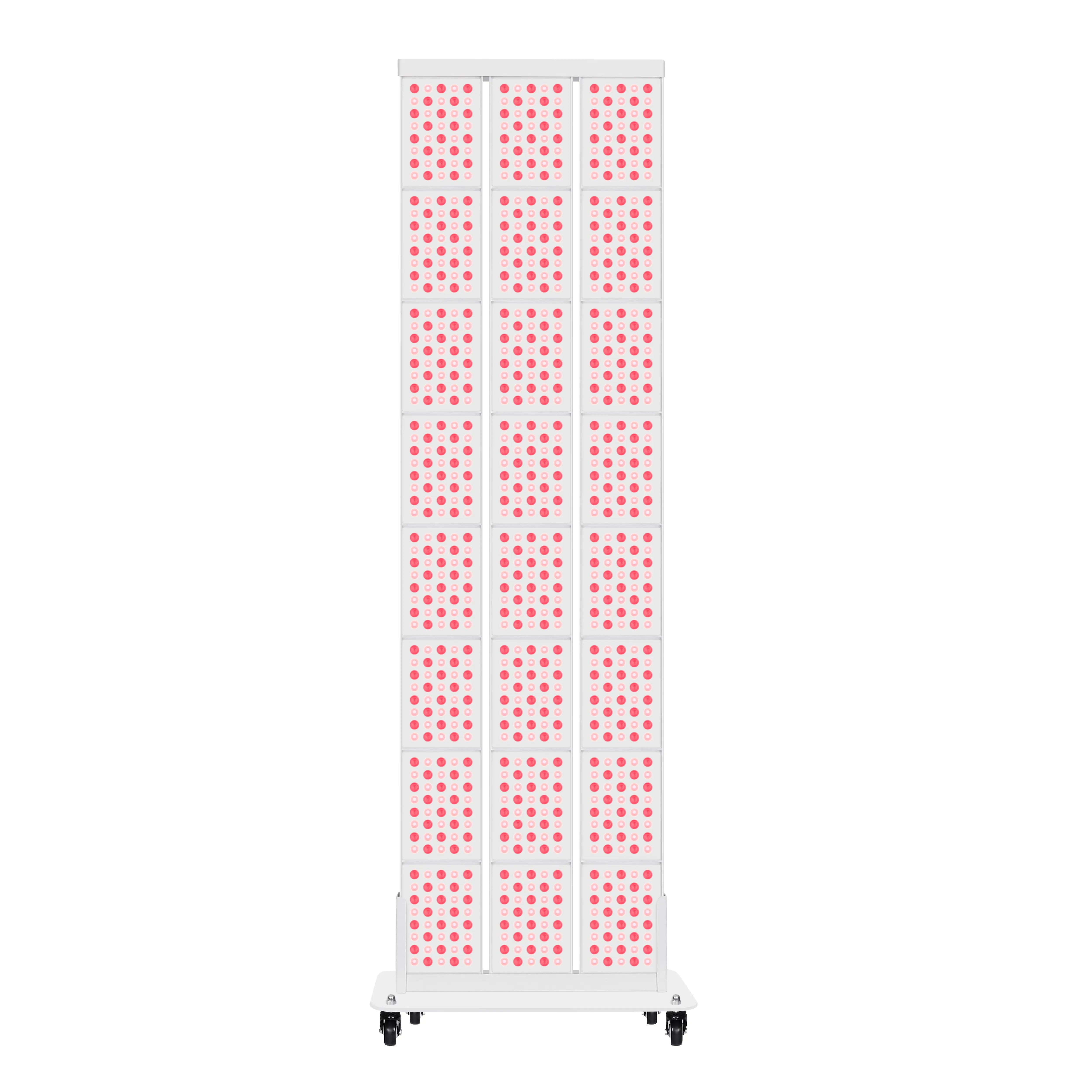
The third category is panels and beds. University Hospitals and WebMD describe panels that can be mounted on walls or set on tables for targeted or whole‑body use, and full‑body beds that resemble tanning beds but emit red or near‑infrared LEDs instead of UV. These are more common in gyms, wellness centers, and some clinics. Panels can certainly be used for necks; you just have to position yourself so the neck is within the effective beam window.
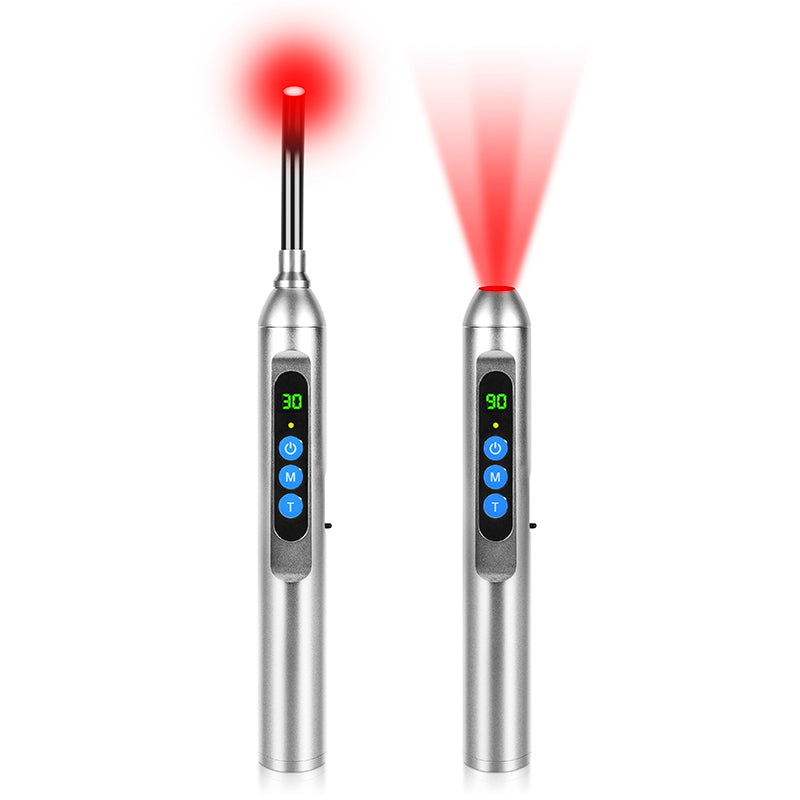
The final category is small handheld wands. WebMD notes these as useful for tiny areas such as a single knee, the back of the hands, or a spot on the face. For neck stiffness, handhelds can work, but only if you are willing to hold the wand steady for the duration.
From a decision standpoint, clinical heavyweights such as Cleveland Clinic and University Hospitals suggest weighing intensity, coverage, cost, and practicality. Consumer devices can start just under about $100 for handheld units and climb into the hundreds or thousands for larger, more powerful systems. Many clinics, like Fuel Physical Therapy, charge roughly $30 to $100 per session, sometimes with package discounts. At‑home devices are less intense but allow you to stack frequent, convenient sessions at no additional per‑use cost.
A simple way to think about it is that clinic devices buy you precision and speed under supervision, while home devices buy you consistency and convenience. For acute neck stiffness without red‑flag symptoms, a well‑chosen, neck‑friendly home device can be an excellent entry point, with clinic‑based care reserved for more stubborn or complex cases.
Pros and Cons for Acute Neck Stiffness
Red light therapy shines in a few specific areas that matter when you are dealing with a stiff neck.
On the plus side, it is noninvasive and drug‑free. Clinics like Fuel Physical Therapy, Demuth Spinal Care, Access Pain Solutions, and chiropractic practices routinely integrate light with manual therapy, exercise, and education precisely because it layers in additional pain relief and tissue support without adding systemic medication side effects.
The therapy is also highly localized. Unlike oral medications, which act throughout the body, near‑infrared light stimulates nitric oxide release and ATP production exactly where you aim it. The Duke‑linked work on nitric oxide and decades of red‑light research cited by HealthLight, along with the Japanese LED study, illustrate how local circulation can change dramatically in a small area with very little systemic effect.
The third advantage is synergy. Physical therapists and chiropractors report that pairing light with adjustments, corrective exercise, or soft‑tissue work helps stiff tissues accept movement with less guarding. The sports performance literature suggests that pre‑conditioning muscles with light before workouts can increase repetitions and delay fatigue, which hints at parallel benefits for gentle neck mobility work after a light session.
Pros have to be balanced by limitations and risks. The evidence base, while promising, is still mixed and incomplete. Cleveland Clinic and MD Anderson both point out that many red‑light studies are small, lack placebo controls, or use varying devices and protocols. WebMD reviews found positive trends in pain, arthritis, and tendinopathy, but also call for larger, more rigorous trials.
Another limitation is that red and infrared light cannot fix mechanical or structural problems by themselves. University Hospitals emphasizes that, for issues such as significant ligament tears or advanced osteoarthritis, light may help with pain and inflammation but will not rebuild damaged anatomy that truly requires surgical or interventional solutions.
Device quality and dosing are real concerns. Not all consumer devices publish their wavelength and irradiance clearly, and some marketing copy stretches beyond what the evidence supports, especially around weight loss, cellulite, and mental health. WebMD explicitly notes that there is no scientific evidence for red light therapy as a treatment for depression or as a primary weight‑loss tool, despite aggressive online marketing.
Finally, time and cost add up. Regardless of whether you opt for in‑office sessions or a home system, the therapeutic effect usually depends on repeat exposure over weeks or months, not a single use. Cleveland Clinic, WebMD, and University Hospitals all emphasize that people often need ongoing sessions—sometimes one to three times per week—to sustain benefits.
Safety, Risks, and When to Skip It
Across sources like Cleveland Clinic, WebMD, MD Anderson, Access Pain Solutions, and University Hospitals, the safety message is fairly consistent. Short‑term, directed use of red and near‑infrared light appears generally safe, non‑toxic, and non‑ionizing. Because these devices do not emit ultraviolet radiation, they do not carry the skin‑cancer risk associated with tanning beds.
That does not mean no risk. At high intensities or with excessive exposure, early clinical work and WebMD’s review note that red LEDs can cause skin redness or even blistering. The Japanese LED study deliberately pushed local skin temperature into the low hundreds Fahrenheit, but carefully monitored participants to avoid burns and saw all redness resolve quickly. That is in a supervised environment; duplicating extreme parameters at home without guidance is not a good idea.
Eyes are the other big safety concern. MD Anderson stresses use of protective goggles and eye shields in the clinic to prevent retinal damage from direct laser exposure. WebMD and other sources extend that caution to home devices: do not stare directly into bright red or near‑infrared sources, and follow manufacturer instructions about eye protection.
Certain groups should be particularly cautious or avoid light therapy altogether. WebMD recommends that people taking medications that increase skin or eye sensitivity stay away from red light therapy, and that people with a history of skin cancer or eye disease talk with their doctor before using it. Access Pain Solutions adds precautions for those who are pregnant, have active bleeding disorders, have very recent acute injuries within about forty‑eight hours, or have heat‑sensitive conditions.
Pregnancy data are limited but somewhat reassuring. WebMD cites a study following 380 pregnant women who underwent laser light treatments and found no adverse effects on parent or fetus. Still, in the absence of large, neck‑specific safety studies, most conservative practitioners advise getting explicit clearance before using light over the neck during pregnancy.
Finally, overuse is possible. WebMD notes that very high strengths or excessive use can lead to skin problems, even if normal doses are safe. In practice, that means respecting the session durations and frequencies laid out by evidence‑informed clinics and the device manufacturer, and resisting the temptation to double or triple your dose just because “more must be better.”
If you have sudden severe neck pain after trauma, pain accompanied by fever, unexplained weight loss, night sweats, significant weakness, numbness, or difficulty walking, red light therapy is not your first move. Those scenarios call for immediate medical evaluation; light can be revisited later, if appropriate, as part of a supervised plan.
Building a Neck‑Friendly Routine Around Light
Red light therapy works best when it is one piece of a neck‑health strategy rather than the whole plan. Kineon emphasizes pairing infrared sessions with activity modifications, improved ergonomics at work, and light neck‑stretching exercises. LED Technologies suggests using light therapy before, during, or after strenuous activities or as part of chronic pain management, not as a standalone cure.
A practical routine for someone prone to acute neck stiffness might look like this. You adjust your workstation so your screen is at eye height, your shoulders are relaxed, and your head is not jutting forward. You pay attention to sleeping posture, perhaps with a pillow that maintains neutral neck alignment. When you feel a flare starting—after a long drive or a stressful day—you run a short red‑light session over the neck and upper shoulders, then immediately follow it with gentle range‑of‑motion work and a short walk to get global circulation going.
If you are already in physical therapy, chiropractic care, or a structured strength program, you layer red light in as a pre‑ or post‑session tool. Sports performance literature and clinics such as Function Smart and Therabody describe using light before training to improve warm‑up and performance, and after training to reduce muscle soreness and speed recovery. The same rhythm can work around targeted neck exercises.
From a mindset standpoint, think of red and infrared light as a science‑backed nudge to help your tissues do what they are already trying to do: heal, adapt, and relax. It does not replace the fundamentals: smart loading, movement, sleep, and, when necessary, medical evaluation.

FAQ
Can red light therapy replace a doctor visit for sudden neck pain?
No. While meta‑analyses and trials show that low‑level lasers and LEDs can reduce neck pain and stiffness, serious causes of neck pain—from infections to structural injuries—need to be ruled out first. If your neck pain is severe, follows trauma, or comes with neurologic signs, fever, or other systemic symptoms, get evaluated; light therapy can be considered later if appropriate.
How quickly can it help an acute stiff neck?
In the Japanese LED feasibility study, stiffness scores dropped noticeably within minutes of a three‑minute treatment, and other analyses of low‑level laser therapy found immediate pain relief in acute neck pain. In real‑world clinic reports, people often start to feel looser after the first few sessions and see more durable change over days to weeks. Your response will depend on the cause of the stiffness, the device you use, and how consistently you apply it.
Is a home device worth it if I only get neck stiffness occasionally?
That depends on your budget and your tolerance for ongoing clinic visits. University Hospitals notes that consumer devices can start just under about $100, while larger systems and clinic‑grade equipment cost much more. If your neck flares up a few times a year and you are already under the care of a provider who offers red light therapy, occasional in‑office sessions may be enough. If you work long hours at a desk and get frequent stiffness, a well‑chosen neck‑friendly home device can be a convenient way to stack short, targeted sessions as soon as symptoms start, provided you use it safely and in coordination with your broader care plan.
As a lifelong light‑therapy geek and recovery optimizer, my bias is clear: when you respect the science, listen to your body, and pair red and infrared light with smart movement and good ergonomics, they become one of the most elegant tools you can add to your acute neck‑stiffness playbook.
References
- https://pmc.ncbi.nlm.nih.gov/articles/PMC10082920/
- https://admisiones.unicah.edu/uploaded-files/r5pLSe/3OK057/medical_grade__red_light__therapy-pad.pdf
- https://www.brownhealth.org/be-well/red-light-therapy-benefits-safety-and-things-know
- https://www.mainlinehealth.org/blog/what-is-red-light-therapy
- https://www.mdanderson.org/cancerwise/what-is-red-light-therapy.h00-159701490.html
- https://my.clevelandclinic.org/health/articles/22114-red-light-therapy
- https://www.uhhospitals.org/blog/articles/2025/06/what-you-should-know-about-red-light-therapy
- https://www.cwc-familychiro.com/red-light-therapy-a-pain-management
- https://www.physio-pedia.com/Red_Light_Therapy_and_Muscle_Recovery
- https://demuthspinalcare.com/blog/red-light-therapy-after-chiropractic-adjustments-benefits-for-tissue-healing