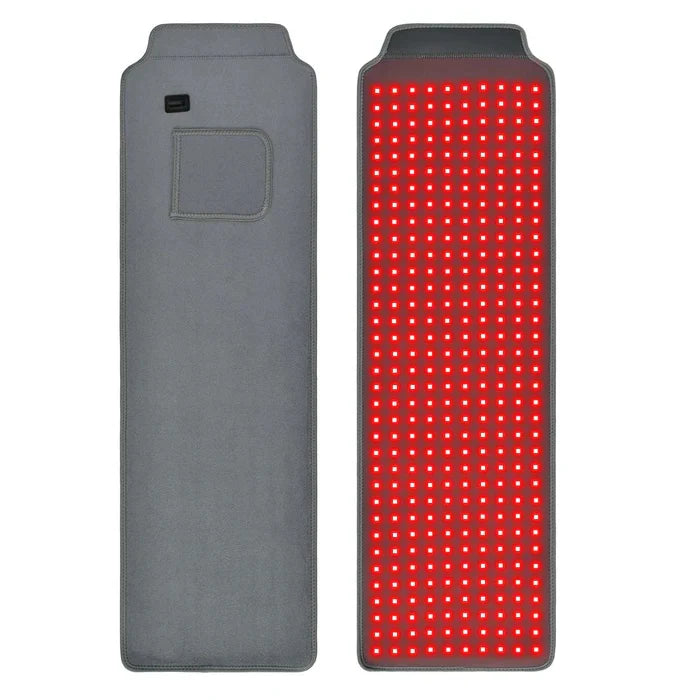

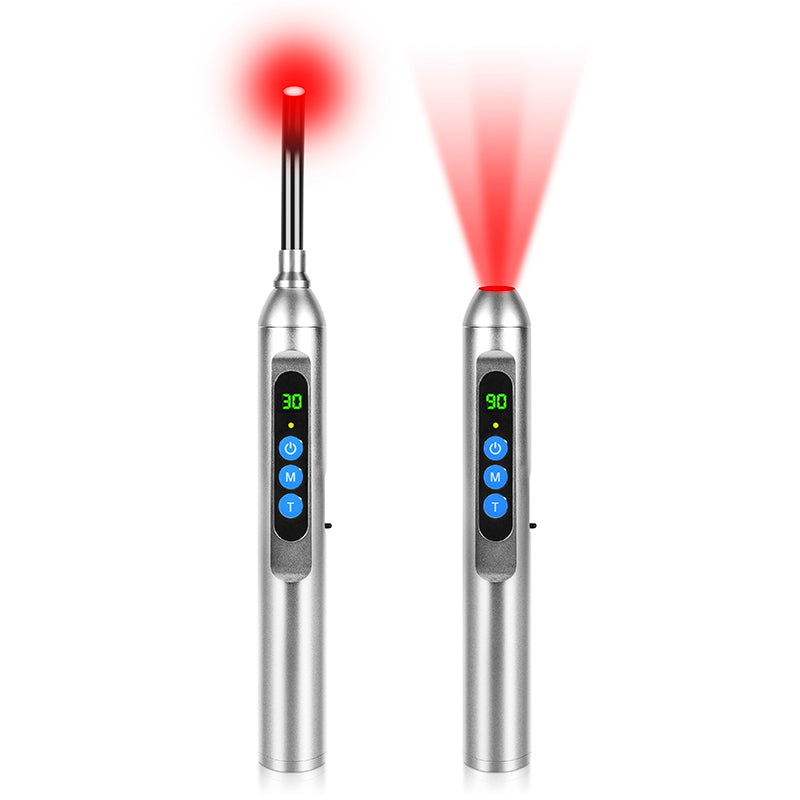

If you hang around serious biohackers and rehab clinicians long enough, you notice a pattern. Two people buy the same red light panel. One gets dramatic gains in circulation, recovery, and pain; the other just gets a warm glow and buyer’s remorse.
From what I’ve seen over years of tinkering with panels, lasers, and lab data, one of the big differentiators is not the brand of device. It is how well the person’s nitric oxide system is working, and how intelligently their light protocol leverages it.
Let’s unpack what the science actually says about nitric oxide and red or near‑infrared light, and then translate that into practical guidance you can use at home without slipping into hype.
Nitric Oxide 101: The Micro Gas That Drives Macro Results
Nitric oxide is a tiny, short‑lived gas molecule, but physiologists treat it like a master regulator. Comprehensive reviews from academic groups at Dartmouth and UCSF describe nitric oxide as a central messenger for vascular tone, platelet behavior, immune defense, mitochondrial function, and even neural signaling.
Your body mainly makes nitric oxide from the amino acid L‑arginine using nitric oxide synthase enzymes. There are three main flavors:
- Endothelial nitric oxide synthase in blood vessel linings quietly produces small pulses of nitric oxide to keep vessels relaxed, blood pressure normal, and platelets from clumping.
- Neuronal nitric oxide synthase helps with neurotransmission and fine control of muscle tone.
- Inducible nitric oxide synthase switches on during inflammation, especially in macrophages, and can generate nitric oxide at roughly hundreds of times the basal rate for hours or days.
At physiological levels, endothelial nitric oxide is strongly cytoprotective. It activates soluble guanylate cyclase, raises cyclic GMP, relaxes vascular smooth muscle, improves microcirculation, and reduces leukocyte sticking to vessel walls. The Dartmouth review notes that its diffusion distance in tissue is only on the order of 100 micrometers, roughly a few thousandths of an inch, so it acts very locally unless it is converted into more stable carrier forms such as nitrite or S‑nitrosothiols.
The same literature also makes it clear that nitric oxide has a darker side. High, sustained output from inducible nitric oxide synthase can combine with superoxide to form peroxynitrite, a highly reactive oxidant that nitrates proteins, damages mitochondrial membranes, breaks DNA, and can push cells into apoptosis or even necrosis. A detailed mechanistic review on nitric oxide cytotoxicity points out that when mitochondrial respiration is compromised and glycolytic backup is limited, nitric‑oxide–driven damage can rapidly become lethal to tissue.
From a wellness and performance perspective, that dual nature is the key. You want enough nitric oxide where you need it, when you need it, without bathing your system in constant high‑output production.
How Red And Near‑Infrared Light Boost Nitric Oxide
The field of photobiomodulation has spent decades teasing out why red and near‑infrared light help wounds heal, joints hurt less, and blood flow improves. Again and again, nitric oxide shows up in the mechanism diagrams. Importantly, the pathways are not just “more nitric oxide synthase,” and they are not purely thermal.
Releasing Nitric Oxide From “Parked” Stores
One robust finding is that light can liberate nitric oxide that is already parked on various molecules.
A Medical College of Wisconsin group showed that 670‑nanometer red light dilates isolated mouse arteries even when nitric oxide synthase is pharmacologically blocked. In their pressure‑myography experiments, a five‑minute exposure at low intensity increased vessel diameter by about sixteen percent, and the effect disappeared if a nitric oxide scavenger was added or the endothelium was removed. They found that the bath fluid from illuminated vessels contained a transferable, nitric‑oxide–dependent vasodilator with the chemical fingerprints of S‑nitrosothiols or dinitrosyl iron complexes. In other words, light had shaken nitric oxide loose from endothelial stores into a quasi‑stable form that could diffuse and relax other vessels.
The same researchers and collaborators have shown similar behavior in vivo. A red‑light study in mice using 670‑nanometer irradiation of the hindlimb demonstrated significant increases in paw perfusion compared to the non‑illuminated limb. Ozone‑based chemiluminescence detected higher levels of nitric‑oxide–derived precursors in the treated muscle but not in systemic plasma or the contralateral leg, which confirms that the effect is local rather than a global nitric oxide flood. The improved blood flow persisted for at least thirty minutes after a ten‑minute exposure, indicating that the light‑generated nitric‑oxide reservoir is reasonably stable in living tissue.
Other work has pushed this idea into clinical contexts. A randomized, placebo‑controlled trial in healthy volunteers applied low‑level near‑infrared laser therapy to the forearm and sampled venous blood from the treated area. Nitric oxide metabolites rose significantly above baseline within minutes of starting the treatment, peaked at about five minutes, and remained elevated through fifteen minutes before drifting back down. Sham treatment did not reproduce the curve, which pins the effect on the light itself.
Skin‑focused photochemistry studies support this from another angle. An experimental analysis of light‑induced nitric oxide release in skin has shown that not only UVA and blue light but also red and near‑infrared wavelengths can trigger nitric oxide liberation from cutaneous stores such as nitrite, S‑nitrosothiols, and heme‑NO complexes. Because red and near‑infrared photons can penetrate several millimeters into tissue, reaching the superficial vascular plexus beneath the skin, that released nitric oxide is positioned to modulate local blood flow and potentially feed into systemic hemodynamics.
Freeing Cytochrome c Oxidase And Mitochondria From Nitric Oxide Brakes
Another major mechanism centers on mitochondria. A widely cited photobiomodulation review from a Harvard‑affiliated group proposes that cytochrome c oxidase, the terminal enzyme in the respiratory chain, acts as a primary light absorber in the red and near‑infrared range. Under stress, mitochondria generate nitric oxide, which can bind to cytochrome c oxidase and temporarily displace oxygen, effectively throttling respiration.
The model suggests that when red or near‑infrared photons hit cytochrome c oxidase, they photodissociate this bound nitric oxide. That accomplishes two things at once: it frees the enzyme to use oxygen again, restoring ATP production, and it releases nitric oxide into the surrounding matrix where it can participate in signaling and vasodilation. Increased nitric oxide levels measured after low‑level light exposures in various cell and animal models are consistent with this mechanism.
Real‑world clinical and wellness observations line up with that biochemistry. Educational material from clinics and device manufacturers repeatedly emphasizes that red and near‑infrared light improve mitochondrial respiration and ATP, and that part of the pain‑relief and microcirculation effect comes from nitric‑oxide‑mediated vasodilation. A technical overview from one LED therapy provider notes that red and near‑infrared light trigger nitric oxide release from blood vessels and red blood cells, leading to vessel widening and a sustained increase in blood flow that can last for hours after a roughly twenty‑minute treatment, long after the light has turned off.
Upregulating Endothelial Nitric Oxide Synthase Without Heat
Resetting mitochondrial brakes is only half of the story. A newer frontier is using light not just to release parked nitric oxide, but to upregulate endothelial nitric oxide synthase itself.
Most of the early photobiomodulation work focused on wavelengths between about 630 and 900 nanometers. These are now standard in consumer panels and clinical LED arrays. In endothelial cells, visible‑red light around 632.5 nanometers has been reported to increase nitric oxide production, cell proliferation, and migration by promoting phosphorylation of endothelial nitric oxide synthase at an activating site via Akt kinase, along with increased gene expression of the enzyme.
Recently, researchers have pushed into the so‑called near‑infrared II window, between about 1,000 and 1,700 nanometers. A detailed in‑vitro study on human umbilical vein endothelial cells exposed them to 808‑, 1,064‑, and 1,270‑nanometer lasers at low irradiances for a few minutes and then measured nitric oxide using a fluorescent probe. Both 1,064‑ and 1,270‑nanometer light increased nitric oxide production, and the signal vanished when nitric oxide synthase was inhibited or nitric oxide was scavenged. Immunocytochemistry and Western blot analysis showed increased phosphorylation of endothelial nitric oxide synthase and its upstream kinase Akt after 1,064‑ and 1,270‑nanometer exposures. Crucially, an infrared camera confirmed that the temperature rise in the culture dish was less than about 1 degree Fahrenheit, underscoring that this is a photochemical, not thermal, effect.
Even though those near‑infrared II experiments were done in cultured cells, the penetration physics matter for biohackers. The same paper notes that near‑infrared II can reach on the order of 6 to 8 centimeters into tissue, roughly 2.5 to just over 3 inches, compared to around 3.2 centimeters, roughly 1.3 inches, for classic near‑infrared I. That deeper reach means you can, in principle, hit endothelial nitric oxide synthase in deeper vessels and organs rather than just the skin and superficial muscle, although human outcome data are still sparse.
Nitric Oxide And Blood Flow: From Mouse Legs To Diabetic Vasculature
If you care about performance, recovery, or cardiovascular health, what you want to know is whether any of this chemistry translates into meaningful hemodynamics.
The answer, based on multiple studies, is yes.
In the mouse hindlimb model mentioned earlier, red light at 670 nanometers not only increased perfusion in healthy tissue but also improved blood flow in a chronic ischemia model created by partially constricting the femoral artery. Importantly, nitric‑oxide–related precursors rose only in the irradiated muscle, not in remote tissue or plasma, so the vasodilation is localized rather than a systemic hypotensive hit.
In an ex‑vivo diabetes model, that same Medical College of Wisconsin group studied arteries from diabetic db/db mice, a standard model of endothelial dysfunction. Even though nitric‑oxide–mediated vasodilation is impaired in these vessels, low‑power 670‑nanometer light still produced significant dilation. When they added a nitric oxide scavenger, the effect collapsed. That means red light can rescue some nitric‑oxide‑dependent vasodilation in diabetic vessels, and it does so without relying on endothelial nitric oxide synthase, which is often dysfunctional in diabetes.
These mechanistic lab findings dovetail with clinical‑style experiments. The human forearm trial showed that a single low‑level near‑infrared treatment acutely raised nitric oxide metabolites in local venous blood with a time course aligned to the treatment window. Combined with the skin studies showing nitric oxide release under red and near‑infrared irradiation, and LED pad data showing prolonged increases in local blood flow after about twenty minutes of treatment, a consistent picture emerges: appropriately dosed red and near‑infrared light are reliable tools for creating nitric‑oxide‑driven microcirculatory changes in living tissue.
What This Means For Your Protocols
Most consumer conversations around red light therapy fixate on power density, panel size, or “joules per session.” That matters, but if your goal is to use light as a vascular and recovery tool, you are really programming your nitric oxide system. The research base gives some practical guardrails.
Circulation And Cardiometabolic Support
Multiple lines of evidence link light‑driven nitric oxide to better microcirculation, angiogenesis, and cardioprotection.
A cardiology group from the Medical College of Wisconsin showed that 670‑nanometer low‑level light could increase nitric oxide and stimulate collateral vessel growth in animal models with restricted blood flow. A separate review of light therapy and nitric oxide work highlights red and near‑infrared light releasing nitric oxide from hemoglobin and myoglobin, enhancing the cardioprotective effects of nitrite in a Journal of Molecular and Cellular Cardiology article.
At the same time, wellness‑oriented clinicians describe how red and near‑infrared beds improve circulation by dilating vessels through nitric oxide release from endothelial cells and blood components. A physical therapy center that uses full‑body red and near‑infrared beds emphasizes improved microcirculation and capillary growth in people with neuropathy‑like symptoms where blood flow is compromised, again pointing to nitric‑oxide‑mediated vascular remodeling as a key benefit.
If your target is cardiovascular support rather than just skin tone, you want enough body surface exposed for these nitric‑oxide releases to matter, and you want to think in months, not days, just as you would with an exercise or sauna regimen.
Muscle, Joint, And Nerve Recovery
Pain and recovery are where nitric oxide and red light therapy shine together.
A comprehensive FAQ from a clinical LED manufacturer explains that their red and near‑infrared pads trigger nitric‑oxide‑driven vasodilation after about twenty minutes and that the enhanced blood flow persists for several hours. They also describe other analgesic mechanisms such as modulation of ion channels and neurotransmitters, but nitric oxide is central to clearing metabolic waste and delivering oxygen and nutrients to sore tissue.
A musculoskeletal‑focused clinic in Wisconsin frames red and near‑infrared therapy as a non‑pharmaceutical option for joint and back pain, tendonitis, and exercise recovery. They note that red light reduces pro‑inflammatory cytokines, increases anti‑inflammatory signaling, and improves microcirculation via nitric oxide release and capillary growth. This is particularly attractive if you are already training hard and want to accelerate the shift from inflammatory to repair phases without adding another pill.
In my own optimization work, I consistently see that athletes who stack leg or back sessions with consistent lower‑body red or near‑infrared exposures report less next‑day soreness and faster perceived recovery, especially when they also support nitric oxide nutritionally. That is anecdotal, but it is entirely in line with the controlled laboratory data and clinical case series.
Skin, Wound Healing, And Local Tissues
Dermatology and wound care are where the human evidence for red light therapy is strongest, and nitric oxide plays a part even there.
Multiple clinical trials have shown that low‑level laser and LED therapies can speed healing of diabetic wounds and chronic venous ulcers. The mechanistic work in skin confirms that red and near‑infrared wavelengths can liberate nitric oxide from epidermal and dermal stores, and that this nitric oxide in turn drives vasodilation, collagen remodeling, and immune modulation.
Dental and oral‑health practitioners have adopted red light therapy to speed recovery after extractions and implants, reduce pain in jaw joint disorders, and help mouth ulcers and cold sores resolve faster. A dental practice that uses curved red and near‑infrared panels around the jaw notes that increased nitric oxide improves blood flow to the gums and jawbone, supporting faster healing without adding medications.
If you are using a home panel on skin, you are not just “boosting collagen.” You are also tapping into a shallow but powerful nitric‑oxide reservoir in the skin and superficial vessels that can orchestrate repair from the outside in.
Stacking Diet, Supplements, And Light For Nitric Oxide
You do not have to pick between endogenous nitric oxide synthase and dietary nitrate; the better approach is stacking them intelligently.
A nitric‑oxide supplement company that also educates about red light therapy frames nitric oxide as the “missing link” that unlocks full benefits from light. They emphasize that endogenous nitric oxide production declines with age and is further eroded by poor diet, oral health issues, and chronic stress. Their proposed stack is simple: a daily nitrate‑based supplement mimicking vegetable‑derived nitrates, followed by red or near‑infrared light treatments for about five to twenty minutes per area, with optional saliva test strips roughly ninety minutes later to monitor nitric oxide status.
This mirrors what broader physiology reviews describe. Nitrate and nitrite in blood and tissue act as nitric‑oxide reservoirs, and light can reduce nitrosylated hemoglobin or myoglobin and nitrite to nitric oxide. If you ensure that your reservoir is well stocked with vegetable‑like nitrates and then add targeted light, you are making it easier for your body to generate nitric oxide on demand with lower enzymatic effort.
If you already eat nitrate‑rich foods such as leafy greens and beets, your “supplement” may simply be better meal timing relative to your sessions. The key is avoiding the trap of using light while your nitric oxide substrate and cofactor status are neglected.
How Often And How Long?
The research base uses a range of doses, but practice patterns show some convergence.
The human forearm nitric‑oxide study observed a meaningful rise in nitric oxide metabolites within the first few minutes of treatment, peaking around five minutes. Clinical FAQs for LED pad systems suggest about twenty minutes per session to fully engage nitric‑oxide‑mediated vasodilation, with local blood flow remaining elevated for hours. A pain‑focused clinic recommends one or two sessions per day on problem areas, spaced by a few hours, and at least three treatment days per week for chronic issues.
For skin rejuvenation, one medical practice recommends three to five sessions per week for ten to twenty minutes. For joint and muscle pain, they suggest four to seven sessions per week at fifteen to thirty minutes. Hair‑regrowth protocols typically use about three sessions per week for fifteen to twenty‑five minutes, with the expectation that results will take several weeks or months.
For a home user, a realistic starting point is a consistent schedule that your lifestyle can support. For example, ten to twenty minutes on key regions, three or four days per week, for at least eight to twelve weeks, layered on top of movement, sleep, and nutrition that support nitric oxide biology.
When Nitric Oxide And Light Need Respect, Not Recklessness
Because nitric oxide is so central, it is worth being honest about where more is not necessarily better and where medical oversight is non‑negotiable.
The Double‑Edged Sword Of High‑Output Nitric Oxide
The deep mechanistic review on nitric oxide cytotoxicity makes it clear that high, sustained production from inducible nitric oxide synthase can drive significant tissue damage through peroxynitrite and related species. Excess peroxynitrite nitrates tyrosine residues on proteins, damages mitochondrial membranes, triggers DNA breaks, and can over‑activate PARP, depleting cellular NAD and ATP and pushing cells toward necrosis rather than controlled apoptosis.
Light‑based cancer therapies intentionally harness that destructive side. For example, chemists at a West Coast university have developed ruthenium nitrosyl complexes that accumulate in tumors and, upon light activation, release a burst of nitric oxide inside cancer cells to trigger apoptosis with less inflammation than classic photodynamic therapy. Another nanoplatform described in an ACS biomaterials journal uses a copper‑molybdenum sulfide core with a nitric‑oxide donor and a chemotherapy precursor; mild near‑infrared light at 1,064 nanometers triggers both nitric oxide release and toxic complex formation inside tumors, achieving about ninety‑seven percent tumor inhibition in animal models.
These are exciting, highly technical medical tools, not DIY stacks. They work precisely because nitric oxide, when pushed hard enough, becomes cytotoxic. That same property is a reminder that your goal in home photobiomodulation is to coax your physiology, not to blast it.
Vulnerable Populations And Hemodynamic Instability
There is also concrete evidence that light‑induced shifts in nitric oxide can destabilize hemodynamics in vulnerable populations.
A prospective study of premature infants treated with twenty‑four hours of phototherapy for jaundice found that very preterm infants, at or below thirty‑two weeks gestation, showed significant increases in blood nitric oxide and endothelin after treatment. In that youngest group, heart rate rose, mean arterial blood pressure dropped, and episodes of apnea were more frequent compared with older preterm and full‑term infants. The authors concluded that phototherapy is associated with marked nitric‑oxide‑related hemodynamic and respiratory changes in very preterm infants and recommended close cardiorespiratory monitoring.
Those infants were not receiving red light therapy; the wavelengths in neonatal phototherapy are different. But the lesson transfers: when systemic reserves are fragile, shifting nitric oxide and vascular tone with light can have non‑trivial consequences. It reinforces standard precautions you see in clinical LED guidelines, such as avoiding treatment over the uterus during pregnancy and steering clear of active cancer unless a physician specifically wants light in the protocol.
Practical Safety Boundaries For Home Users
Long‑running LED and laser therapy programs highlight a few practical safety themes that align with the nitric oxide science and the broader photobiomodulation literature.
Clinic and manufacturer recommendations typically include avoiding direct treatment over the thyroid for general wellness sessions, being cautious in people with photosensitive conditions or medications, and taking care with black‑ink tattoos where heating can be uneven. People with a history of skin cancer, current cancer therapies, epilepsy, or hyperthyroidism are usually advised to seek medical input before starting aggressive light regimens.
On the vascular side, if you are on blood‑pressure medication or anticoagulants, it is wise to monitor how your body responds as you ramp up session frequency, since improved nitric‑oxide‑mediated vasodilation can interact with your baseline hemodynamic control. The available human studies in healthy adults have not shown dangerous drops in pressure from localized low‑level treatments, but most trials are small and short.
The good news is that decades of practice with red and near‑infrared photobiomodulation show a very favorable safety profile when devices are used within recommended ranges. The nitric oxide data simply remind you that this is potent biology, not a fancy heat lamp.

Where The Science Is Going
One of the most exciting things, as a light‑therapy geek, is that the field is moving beyond “does it work” into “how do we precisely target nitric oxide pathways for specific goals.”
In vascular disease, red‑light‑driven nitric oxide release is being explored as a non‑pharmacologic adjunct for peripheral artery disease and diabetic microvascular dysfunction. The mouse hindlimb and diabetic artery models show that 670‑nanometer light can restore nitric‑oxide‑mediated vasodilation even when endothelial nitric oxide synthase is impaired. The study of red‑light‑activated vasodilation in vivo suggests a reasonably long‑lasting vasodilatory reservoir, which could be exploited in rehabilitation and limb‑salvage programs.
In cardiometabolic and systemic health, the recognition that the skin is a light‑sensitive nitric oxide reservoir across UVA, blue, red, and near‑infrared bands opens the door to more sophisticated protocols. Researchers have already suggested that carefully dosed red or near‑infrared exposure might provide some of the cardiovascular benefits of sunlight without the carcinogenic risks associated with chronic UVA exposure, although that still needs rigorous human trials.
On the endothelial biology side, near‑infrared II studies are beginning to treat endothelial nitric oxide synthase like a tunable photoreceptor. By showing that 1,064‑ and 1,270‑nanometer light can phosphorylate and activate the enzyme in human endothelial cells without heat, they point toward non‑invasive tools for restoring nitric‑oxide‑mediated endothelial function in cardiovascular disease.
On the oncology side, nitric‑oxide‑releasing nanoplatforms and ruthenium nitrosyl drugs suggest a future where on‑demand, light‑triggered nitric oxide is used in tightly controlled bursts to synergize with mild hyperthermia or chemotherapy, turning nitric oxide into a surgical‑precision weapon against tumors rather than a blunt systemic instrument.
For home wellness, the takeaway is that the same mechanisms that make red and near‑infrared light worth hundreds of millions of research dollars are the ones you are tapping when you stand in front of a panel in your living room. The difference is dose, targeting, and intent.
FAQ: Nitric Oxide And Your Light Therapy Routine
Does more nitric oxide always mean better results?
Not necessarily. The healthiest nitric oxide signaling looks like short, local pulses from endothelial nitric oxide synthase and well‑regulated release from storage pools. The mechanistic reviews on nitric oxide cytotoxicity make it clear that chronic high output from inducible nitric oxide synthase is associated with oxidative damage, mitochondrial failure, and necrosis. Light‑based cancer therapies deliberately push nitric oxide into that destructive zone inside tumors. For general wellness, you want modest, repeated boosts layered onto a lifestyle that supports endothelial nitric oxide synthase, not a constant attempt to flood your system.
Can red light therapy replace nitric‑oxide–related medications?
Current evidence does not support using light as a stand‑alone replacement for prescribed medications such as nitrates, blood‑pressure drugs, or anticoagulants. Studies in healthy volunteers and animal models show that red and near‑infrared light can acutely increase nitric oxide, improve local blood flow, and even rescue some vasodilation in diabetic vessels. That is promising as an adjunct, but it is not a substitute for therapies that have proven outcome data in large patient populations. Any change to medication should go through your physician, ideally with you sharing the light‑therapy research you are interested in.
How do I know if my device is actually affecting nitric oxide?
At home, you rarely have direct nitric oxide measurements, but you can watch for consistent, physiologically plausible patterns. In the human forearm trial, nitric oxide rose within minutes of starting treatment and then trended back toward baseline after the session ended. Clinically, users often report a sense of warmth and looseness in treated areas, faster flushing of muscle pump after exercise, and, over weeks, improved tolerance to activity in previously under‑perfused regions. Those subjective markers line up with the controlled data showing nitric‑oxide‑mediated vasodilation and increased perfusion after red and near‑infrared exposures. If you want more objective feedback, some nitric‑oxide supplement companies offer saliva test strips you can use before and after combining nitrate intake with light sessions, although those measurements reflect whole‑body nitric oxide metabolism, not just the area under the panel.

Closing Thoughts
If you think of red light therapy as “fancy heat” or “just ATP,” you will under‑use it. When you recognize it as a precise way to mobilize nitric oxide stores, free up mitochondrial respiration, and nudge endothelial nitric oxide synthase back toward youthful behavior, your protocols and expectations change.
From mouse arteries and diabetic vessels to human forearms and chronic pain clinics, the data converge on a simple message: the highest‑leverage way to optimize red and near‑infrared therapy is to treat nitric oxide as the primary currency. Stack your light with habits and nutrients that support that currency, respect the contexts where nitric oxide becomes a weapon rather than a healer, and your sessions stop being guesswork and start looking like deliberate vascular training for your whole system.

References
- https://lms-dev.api.berkeley.edu/studies-on-red-light-therapy
- https://scholarsarchive.byu.edu/cgi/viewcontent.cgi?article=1830&context=facpub
- https://epublications.marquette.edu/cgi/viewcontent.cgi?article=1741&context=theses_open
- https://pubmed.ncbi.nlm.nih.gov/18402249/
- https://mavmatrix.uta.edu/cgi/viewcontent.cgi?article=1212&context=bioengineering_theses
- https://digitalcommons.wku.edu/cgi/viewcontent.cgi?article=3841&context=ijes
- https://search.library.dartmouth.edu/view/action/uresolver.do?operation=resolveService&package_service_id=15874314210005706&institutionId=5706&customerId=5705&VE=true
- https://dc.etsu.edu/etsu-works/18212/
- http://ui.adsabs.harvard.edu/abs/2008SPIE.6846E..02H/abstract
- https://search.library.ucsf.edu/view/action/uresolver.do?operation=resolveService&package_service_id=9419675690006536&institutionId=6536&customerId=6530&VE=true