

Summary: Red and near‑infrared light can boost your cellular energy by acting on all three key stages of ATP production—fuel prep, electron transport, and ATP synthase—mainly by freeing up clogged mitochondria so they burn glucose and fats more efficiently.
ATP in Three Steps – And Where Light Fits
ATP synthesis is usually taught as three core steps:
- preparing fuel and loading electron carriers (glycolysis and the citric acid cycle),
- running the electron transport chain (ETC), and
- using the proton gradient to drive ATP synthase.
Every day, you recycle roughly your body weight in ATP, and over 95% of that comes from aerobic respiration, not quick sugar bursts.
Most of red-light therapy’s power is in step 2, but upstream and downstream steps get pulled along for the ride through redox signaling and gene changes, as shown in reviews on low‑intensity light therapy and photobiomodulation in mitochondria.
Step 1: Fuel Prep – Setting Up NADH and FADH₂
In step 1, you turn carbs and fats into acetyl‑CoA and then run them through the citric acid cycle to load NADH and FADH₂ with high‑energy electrons.
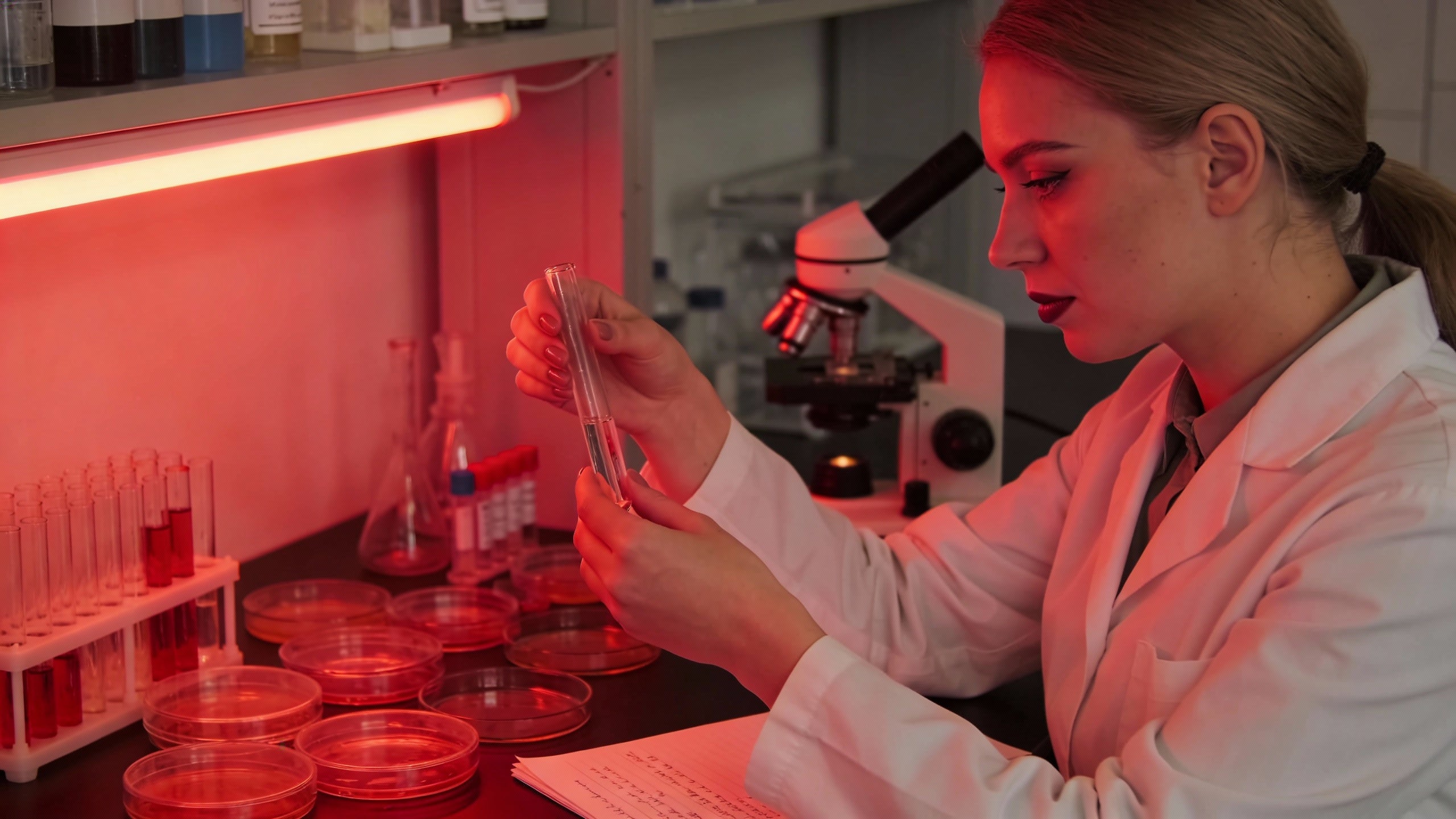
Red and near‑infrared (NIR) light don’t mainly target glycolysis directly, but they do change the redox environment of the cell. A major review in Photomedicine and Laser Surgery notes that low‑intensity red/NIR light nudges mitochondrial redox state, briefly increases reactive oxygen species (ROS) as signals, and then upregulates genes for energy metabolism and antioxidant defenses.
Animal work backs this up. In a Drosophila study using 670 nm light, older flies exposed for about 20 minutes per day had roughly 80% higher ATP, lower inflammation, and better mobility than controls, suggesting that chronic red‑light exposure upregulated mitochondrial machinery, not just the final step of ATP formation.
There’s even evidence that some Krebs cycle enzymes (like pyruvate dehydrogenase) are light‑sensitive, as discussed in work on pig sperm, hinting that fuel flux into mitochondria can be tuned by specific red wavelengths.

Step 2: Electron Transport Chain – Red Light’s Main Target
Step 2 is where red light really earns its “biohacking” reputation.
Cytochrome c oxidase (complex IV of the ETC) is the primary photoacceptor for red/NIR photons. It has strong absorption peaks around 630–680 nm and in the 800‑plus nm range. Multiple reviews and manufacturer‑independent articles (including work summarized by Joovv, Passiva, and Mitofit) converge on the same mechanism:
- red/NIR photons are absorbed by cytochrome c oxidase,
- nitric oxide (NO), which can sit in Cox’s active site and block oxygen, is displaced,
- electron flow speeds up and more protons are pumped across the inner mitochondrial membrane.
In pig sperm, red LED exposure in that 630–660 nm window increased oxygen consumption—a direct readout of ETC activity—and this effect disappeared when ATP synthase was blocked with oligomycin, or was exaggerated with the uncoupler FCCP. That’s a clean experimental link between red light and electron chain dynamics.
A broad red‑light review in ophthalmology also shows that wavelengths from about 630–1,000 nm can increase ATP and reduce oxidative stress in retinal neurons by acting on cytochrome oxidase, while blue‑heavy light tends to damage mitochondria.

Step 3: Proton Gradient, ATP Synthase, and Whole‑Body Effects
In step 3, ATP synthase taps the proton gradient built by the ETC to turn ADP into ATP.
When red light enhances proton pumping in step 2, you raise mitochondrial membrane potential and give ATP synthase more “water behind the dam.” That’s been demonstrated conceptually in artificial cell work from Harvard SEAS, where red light drives a proton gradient in a synthetic organelle and flips ATP production on and off using different colors.
In real biology, the downstream impact shows up in performance and metabolism:
- In the 670 nm fly experiment, higher ATP translated into better climbing ability and extended healthspan, not just prettier mitochondria on a slide.
- A human trial published in the Journal of Biophotonics exposed the backs of healthy adults to 15 minutes of 670 nm light about 45 minutes before a glucose drink. Compared with placebo, total post‑meal blood glucose dropped around 7–8%, and the peak glucose spike fell by roughly 10–12%, with breath tests suggesting more complete glucose oxidation. That’s exactly what you’d expect if mitochondria suddenly have more ATP‑making capacity.
Long‑wavelength light also seems to act systemically. A recent Nature‑group paper shows that 850 nm can transmit through the body and, like 670 nm, improve vision and mitochondrial function even when the eye itself isn’t directly lit—likely via blood‑borne signals and cytokines.
Nuance: A Stanford dermatology review points out that while the mitochondrial mechanisms are convincing, hard human outcome data are currently strongest for skin and hair, and still early for metabolism, performance, and brain health.

How to Use This at Home (Without Overdoing It)
From a practical, N‑of‑1 optimizer standpoint, you want enough light to nudge those three steps without hammering your biology.
Try this framework:
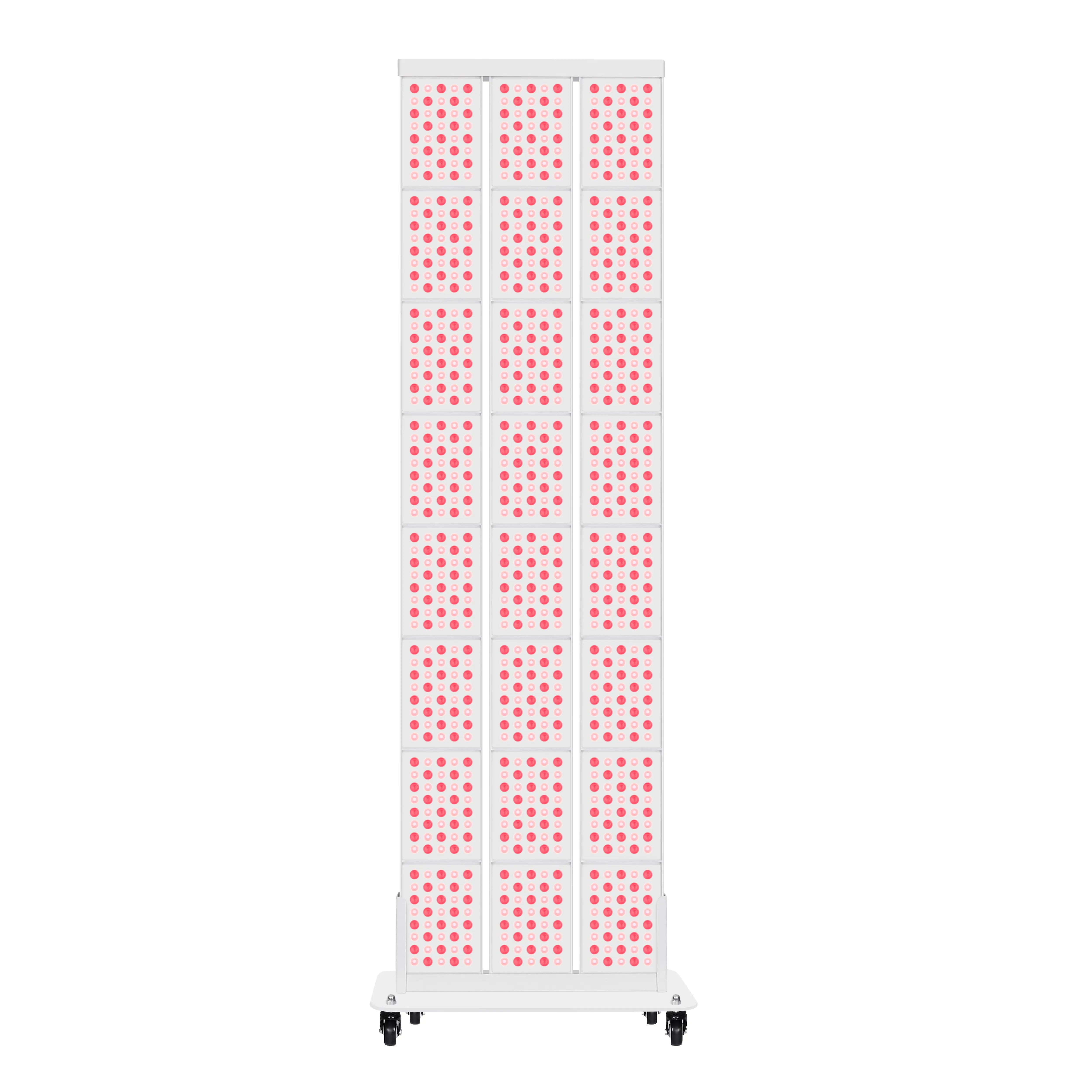
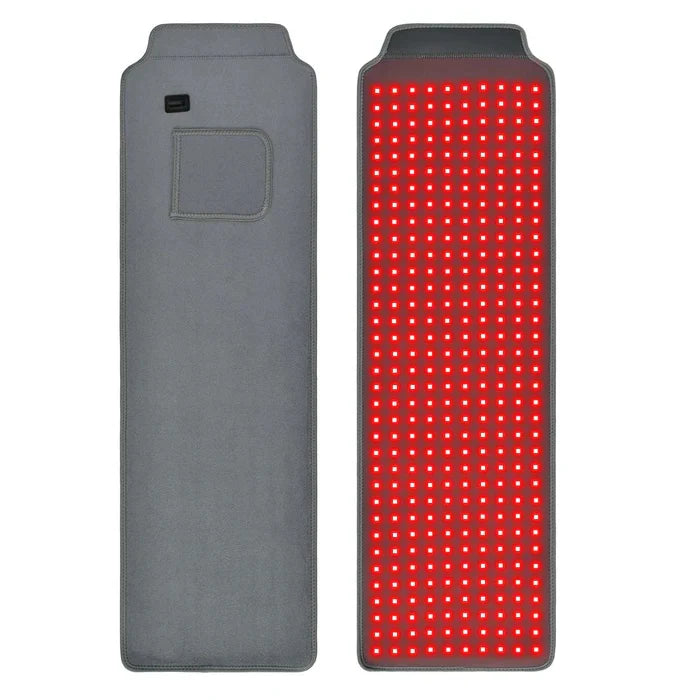
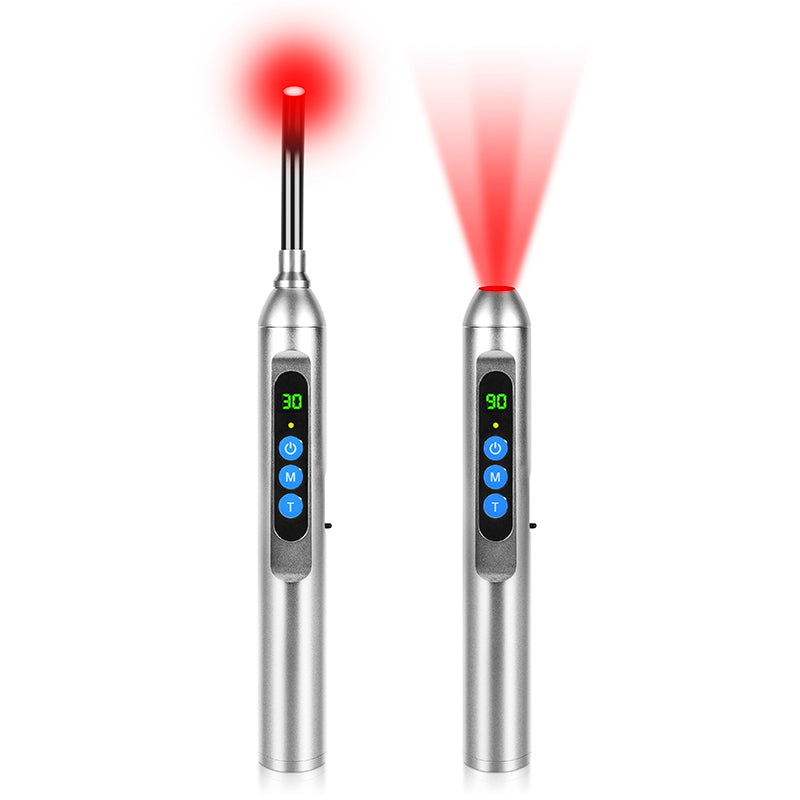
- Use panels in the 600–900 nm range, at a comfortable distance (often 6–18 inches) where the light feels warm but not hot.
- Start with 5–10 minutes per area, 2–4 times per week, and build slowly; mitochondria often show a “less is more” response.
- Prioritize big, metabolically active targets—torso, large muscle groups, and back—if your goal is systemic ATP support and better glucose handling.
- Stack the basics: protein, micronutrients, sleep, and resistance training all raise ATP demand and mitochondrial biogenesis, making red light more than just a photonic band‑aid.
As someone who’s spent years experimenting with panels, lab markers, and performance metrics, my take is simple: treat red light as a precision tool for your mitochondria—powerful enough to matter, but still a complement to, not a replacement for, the fundamentals of metabolic health.

References
- https://lms-dev.api.berkeley.edu/studies-on-red-light-therapy
- https://digitalcommons.kansascity.edu/cgi/viewcontent.cgi?article=2015&context=studentpub
- https://pmc.ncbi.nlm.nih.gov/articles/PMC2996814/
- https://ir.library.oregonstate.edu/concern/honors_college_theses/t148fq76b
- https://www.journals.uchicago.edu/doi/10.1086/689592