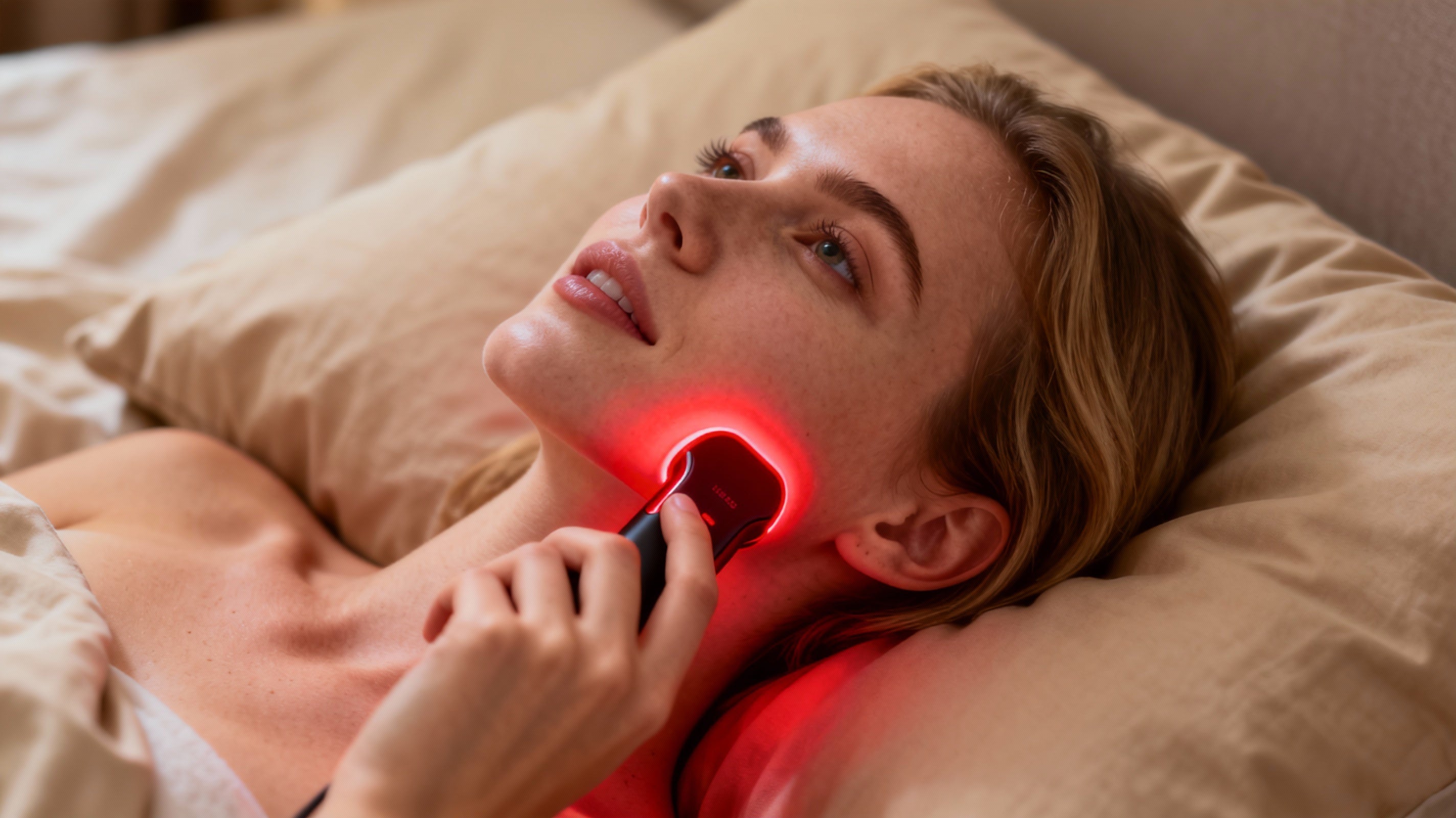
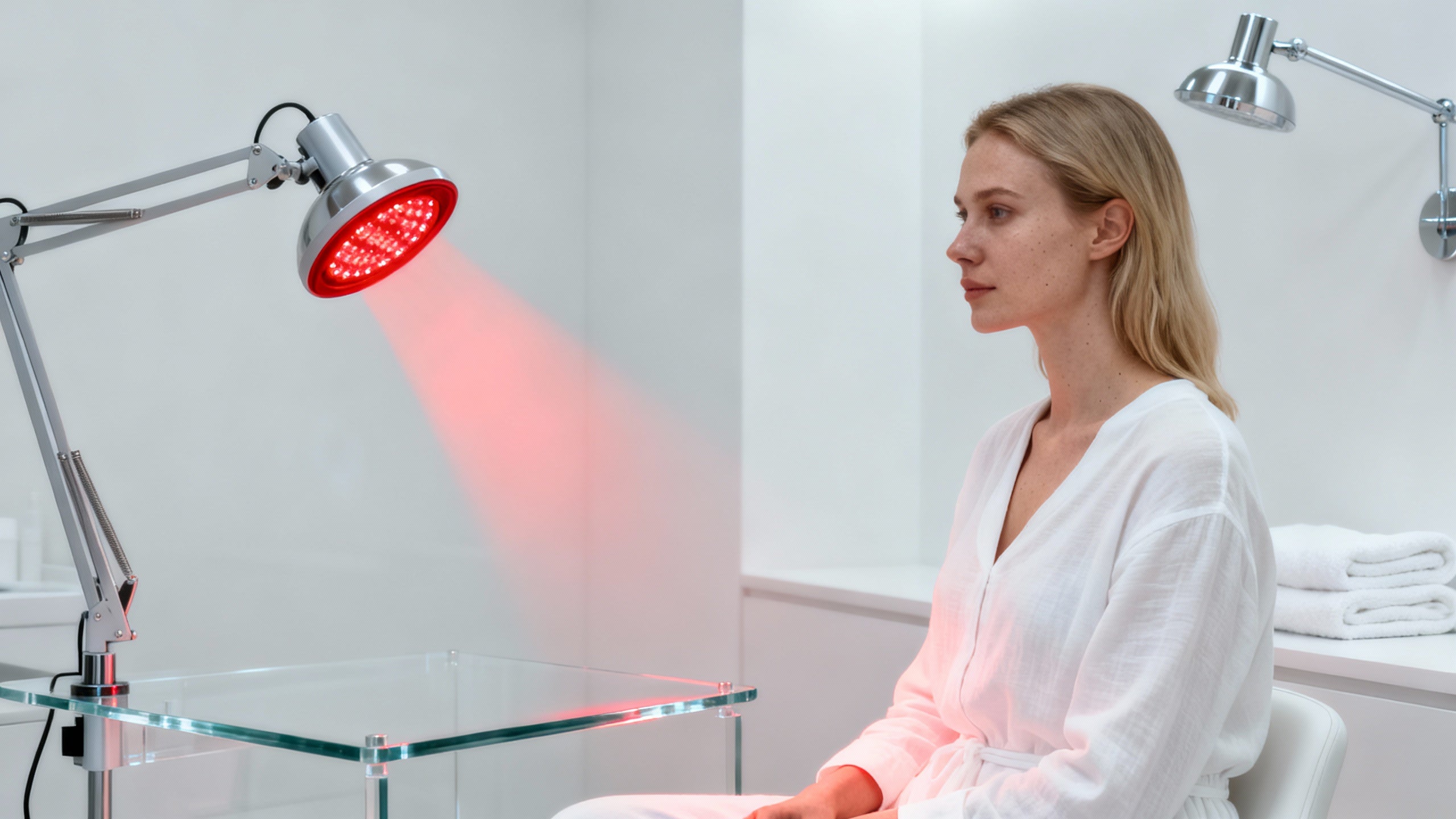
Chronic injuries are the tax the body charges for trying to play hard year-round. Tendinopathy that never quite settles, low back pain that flares every time you deadlift a little too heavy, “old” ankle sprains that still complain during change-of-direction work – these are not just annoyances. In sports medicine literature, chronic pain is described as an ongoing sensory and emotional experience that has stopped being protective and instead erodes quality of life and performance.
Over the last decade, red light therapy – more precisely, photobiomodulation – has moved from niche biohacking forums into university sports medicine departments, pro training rooms, and major hospital pain clinics. At the same time, large academic centers such as Stanford Medicine and MD Anderson Cancer Center have been very clear: the evidence is promising, but this is not a magic beam that heals everything. Used well, it is a potent adjunct. Used poorly, it is an expensive lava lamp.
This article walks through how to use red light therapy as a serious tool for managing chronic sports injuries, grounded strictly in published data and clinical summaries, not wishful thinking. Think of it as a playbook that combines mechanistic research, clinical trials, and practical protocols into something you can actually deploy around your training and rehab.
Chronic Injuries, Inflammation, and Why Time Alone Is Not Enough
After hard training or an acute injury, you are supposed to get inflammation. The Joovv sports injury reports describe this acute response as the body’s programmed alarm and repair process for exercise-induced microtears in muscle and connective tissue. If you recover fully, the inflammation subsides and you come back stronger.
Problems start when you stack new stress on top of incomplete healing. Instead of cycling cleanly from damage to repair, you slide into chronic low-grade inflammation. Articles on sports inflammation and red light therapy describe how this transition limits range of motion, increases pain, and forces athletes into a vicious loop of constantly “managing” the same injury while accumulating new strain.
Chronic pain science from organizations such as Arizona Health Sciences adds another layer. Pain is not just about local tissue damage; it is an unpleasant sensory and emotional experience. When pain becomes chronic, central nervous system pathways become sensitized, inflammation signaling changes, and pain starts to take on a life of its own. That is why chronic Achilles or patellar pain can persist long after the original overload has been addressed.
Traditional tools – loading programs, manual therapy, NSAIDs, occasional injections – all help. But the more chronic and diffuse the pain, the more we need therapies that can modulate inflammation and pain pathways without further drug burden. This is exactly where red light and other forms of photobiomodulation have emerged as interesting options.

Red Light Therapy 101 for Athletes
What It Is
Red light therapy, also called photobiomodulation or low-level light therapy, uses specific bands of visible red and near-infrared light to influence biological processes in cells. Education pieces from Atria and several sports medicine clinics describe typical therapeutic ranges as visible red light around roughly 620 to 700 nanometers and near-infrared light in the 800 to 1,000 nanometer range.
Red light in the 630 to 660 nanometer range mainly affects more superficial tissues such as skin and near-surface tendons. Near-infrared light around 810 to 850 nanometers penetrates more deeply into muscle, fascia, tendons, ligaments, and even some bone. Many athletic recovery devices deliberately combine both so they can treat both surface and deeper structures.
Unlike surgical lasers or intense heat-based devices, photobiomodulation uses low power levels. MD Anderson Cancer Center and WebMD describe it as noninvasive, low-heat, and non–ultraviolet, meaning it does not tan or burn the skin and does not carry the DNA damage risk associated with ultraviolet light.
How It Works at the Cellular Level
Mechanistic reviews in PubMed Central and educational pieces from Atria converge on the same core story. Inside your cells, especially in mitochondria, there are chromophores – light-sensitive molecules – that absorb red and near-infrared photons. One of the best-studied is cytochrome c oxidase in the mitochondrial respiratory chain.
When these chromophores absorb appropriate wavelengths and doses of light, several things happen:
First, mitochondrial electron transport becomes more efficient and mitochondrial membrane potential increases. Multiple lab and clinical summaries report higher ATP (adenosine triphosphate) production, sometimes up to about double in experimental models. For muscle and tendon tissue living on the edge of energy deficit, more ATP is the difference between barely coping and actually repairing.
Second, photobiomodulation modulates nitric oxide. Red and near-infrared light can help release nitric oxide that is bound to mitochondrial enzymes, restoring oxygen binding and fueling respiration, but also increasing local vasodilation. That translates into better blood flow, oxygen delivery, and nutrient supply in injured tissues, which is echoed in descriptions from FunctionSmart Physical Therapy and InsideMatters.
Third, there is a controlled redox signal. Anti-inflammatory reviews from photobiomodulation researchers explain that low doses of red and near-infrared light cause a small, transient rise in reactive oxygen species in normal cells. In stressed or inflamed cells, the net effect is actually a reduction in oxidative stress, with upregulation of antioxidant defenses.
Finally, these mitochondrial and redox changes ripple into gene expression. Photobiomodulation studies show changes in transcription factors and cytokine profiles: lower levels of pro-inflammatory mediators such as tumor necrosis factor alpha and interleukin-6 and higher levels of anti-inflammatory signals. InsideMatters notes that red light can also reduce expression of COX-2 and support angiogenesis and collagen synthesis through factors such as fibroblast growth factor. The net effect is a more pro-healing, less inflammatory environment.
How It Modulates Pain
The pain-control review on low-intensity laser and LED therapy in PubMed Central adds a neural dimension to this picture. Low-intensity red and infrared light can be absorbed directly in nerve cell membranes and at peripheral nociceptor endings. This changes ion channel behavior and microtubule dynamics in thinly myelinated A-delta and unmyelinated C fibers, the major carriers of pain information.
By rebalancing sodium and potassium gradients and blocking mediators like prostaglandin E2 and acetylcholine, photobiomodulation can reduce nociceptor firing and muscle spasm. The same review reports that, with adequate dosing, nerve action potentials can be inhibited enough to provide analgesia within about ten to twenty minutes after treatment, although chronic pain typically requires repeated daily sessions because structural components in the nerve restore themselves.
This combination of mitochondrial support, anti-inflammatory signaling, improved blood flow, and direct neural modulation is why multiple large hospital systems now describe red light therapy as a promising non-drug tool for musculoskeletal pain, even while they emphasize that treatment protocols are still being refined.

What the Science Actually Shows for Chronic Athletic Injuries
Faster Return-to-Play in Real-World Athletes
One of the most relevant data sets for athletes comes from a pilot study at a US university sports medicine department that examined 830 nanometer LED phototherapy in varsity athletes with acute musculoskeletal injuries. Over about fifteen months, 395 injuries across fifty-three injury types received 1,669 near-infrared sessions using a device delivering 60 joules per square centimeter over twenty minutes at an irradiance of about 50 milliwatts per square centimeter.
The main analysis focused on sixty-five athletes with complete follow-up. These included hamstring strains, knee sprains, ankle sprains, costochondral sprains, and hip pointers. Treatment started as soon as possible after injury and generally involved three to six sessions of twenty minutes each.
Across this group, average return-to-play time with LED therapy was 9.62 days, compared with historically expected return-to-play of about 14.8 to 24.9 days, with a mean of 19.23 days. The difference – roughly cutting expected time nearly in half – was statistically significant with a reported p value of 0.0066. Pain scores on a visual analog scale improved by two to eight points, and all athletes finished with a pain score of zero. No adverse events were reported.
This is compelling, but we need to keep perspective. The study did not include a randomized control group and relied on historical benchmarks. Authors themselves emphasized these limitations and called for larger controlled trials. For our purposes, the data suggest that, in the hands of experienced sports medicine staff and within a structured rehab environment, near-infrared photobiomodulation can meaningfully shorten return-to-play after common soft-tissue injuries, without obvious safety issues.
For chronic injuries, we care less about shaving five days off a single sprain and more about whether we can resolve stubborn pain and tolerate higher training loads. That is where broader photobiomodulation literature comes in.
Chronic Musculoskeletal Pain and Overuse Injuries
A comprehensive review on low-intensity laser and LED photobiomodulation in musculoskeletal conditions concluded that this modality can reduce pain intensity across a range of chronic problems: non-specific knee pain, knee osteoarthritis, post–hip replacement pain, fibromyalgia, temporomandibular disorders, neck and shoulder pain, and low back pain. The authors observed that photobiomodulation offered a noninvasive, drug-free, and, in their summary, side-effect-free approach suitable for both acute and chronic musculoskeletal pain.
For chronic knee complaints specifically, a randomized controlled trial with eighty-six patients tested multi-wavelength photobiomodulation as an adjunct to standard rehabilitation. Participants received twelve treatments over four weeks. Those in the active light group experienced about a 50 percent improvement in pain scores, about fifteen percent better than the placebo group, and improved physical function, with benefits maintained thirty days later.
In knee osteoarthritis, a meta-analysis pooling twenty-two randomized trials and more than one thousand patients found that photobiomodulation reduced pain versus placebo both at the end of treatment and up to twelve weeks afterward. Importantly, subgroup analyses showed that benefit was present when recommended doses were used. For knee joints, that meant at least about four joules per site with wavelengths around 780 to 860 nanometers or at least about one joule with 904 nanometer devices. Trials that used lower doses or suboptimal parameters often failed to show benefit beyond exercise alone.
Fibromyalgia offers a window into more systemic chronic pain. A larger clinical trial in women with fibromyalgia applied multi-wavelength photobiomodulation to eleven tender points, delivering roughly 39.3 joules per site, combined with exercise or alone. Both photobiomodulation and exercise groups produced substantially greater pain reduction than placebo, and the combination of light plus exercise reduced the number of tender points more than exercise alone. A meta-analysis cited in the same review characterized photobiomodulation for fibromyalgia as noninvasive, well tolerated, and capable of reducing pain and tender point counts.
These populations are not exclusively athletes, but the underlying mechanisms – degenerative joint changes, central sensitization, chronic inflammation – are very similar to what long-training-life athletes experience in their knees, backs, and shoulders.
Inflammation and Recovery After Training
In the athletic domain, multiple sports medicine clinics describe red light therapy as a tool to reduce delayed onset muscle soreness, speed muscle repair, and support tissue resilience.
FunctionSmart Physical Therapy reports that wavelengths between 660 and 850 nanometers can increase cellular energy production, with research suggesting ATP increases of up to around 200 percent in some models. They note performance outcomes such as increased strength, endurance, and power in certain trials when red light is used consistently, and they highlight evidence that delayed onset muscle soreness can be reduced by up to about 50 percent, allowing more frequent high-intensity training.
The Oshkosh Physical Achievement Center article explains how pre-conditioning muscles with red and near-infrared light fifteen to thirty minutes before exercise can increase endurance and power by delaying fatigue and improving oxygen utilization. They also describe post-exercise sessions within a few hours of training as a way to accelerate recovery, reduce soreness, and facilitate faster clearance of metabolic wastes such as lactic acid, particularly when combined with blood flow improvements and antioxidant upregulation.
A narrative review summarised by Bestqool looked at more than forty human studies on muscle photobiomodulation. The conclusion was cautiously optimistic: some trials show meaningful improvements in time to exhaustion, strength, or soreness, while others show little or no benefit. Results depend heavily on wavelength, dose, timing relative to exercise, and the specific population studied. Many of the most positive studies are small and come from a limited number of research groups, which is exactly why organizations like the American Council on Exercise and TrainingPeaks frame red light as a promising adjunct rather than a guaranteed performance enhancer.
Chronic Pain Beyond the Periphery: Light and the Brain
Arizona Health Sciences highlights another dimension of phototherapy: effects mediated through the visual system. Their work with green light exposure for fibromyalgia and migraine uses one to two hours of daily green light over ten weeks. Compared with white light control, green light reduced pain intensity and flare frequency by about 50 percent and improved sleep and quality of life, with benefits typically emerging around week three and building over time.
This protocol uses green light rather than red, and it leverages central rather than peripheral mechanisms. Still, it reinforces a key concept: light exposure patterns can influence central pain pathways and neuroimmune signaling. For chronic injuries in athletes, where central sensitization often overlays local tissue issues, it is reasonable to see red and near-infrared photobiomodulation as part of a broader “light hygiene” strategy, not just a targeted spot treatment.
How Conservative Should We Be About the Claims?
Stanford Medicine’s overview of red light therapy is a useful counterweight to enthusiastic marketing. Their experts emphasize that the strongest evidence today is for relatively superficial dermatologic uses such as hair growth and modest wrinkle improvement. They point out that claims about athletic performance, chronic pain, dementia, and sleep are still based on early-stage research and are not backed by the same quality of randomized trials as dermatologic indications.
WebMD, UCLA Health, University Hospitals, and other major health systems tend to converge on a similar stance. For musculoskeletal pain and tendinopathy, the evidence is described as low to moderate quality but generally positive for pain relief and functional gains when photobiomodulation is used as an adjunct to rehabilitation. Chronic pain benefits may fade after treatment stops. There is little reason to fear major harm when therapy is used correctly, but there is also no justification for treating it as a stand-alone cure.
In other words, red light therapy belongs next to your strengthening program, sleep discipline, and load management plan, not in place of them.
Turning Science into a Strategy: How to Use Red Light Therapy for Chronic Injuries
Target the Right Tissues with the Right Wavelengths
For superficial structures – for example, patellar tendon near the kneecap or an irritated Achilles insertion – visible red light around 630 to 670 nanometers is effective at bathing the skin, small joints, and surface tendons. It can stimulate collagen production, support wound healing, and modulate local inflammation close to the surface, as described by dermatology and recovery reports.
For deeper tissue – mid-portion Achilles tendon, proximal hamstring, deep hip structures, or spinal muscles – you want substantial near-infrared penetration. Articles from FunctionSmart Physical Therapy and the Physical Achievement Center highlight 810 to 850 nanometer light as the workhorse range for deep muscle, fascia, ligaments, and deeper joint regions. The university athlete study demonstrating reduced return-to-play times used 830 nanometer near-infrared light, with a device designed to wrap around joints or limbs.
In practice, many high-quality devices combine a red band (for superficial tissues) with one or more near-infrared bands (for depth). For chronic injuries in athletes, a mixed spectrum panel or bed allows you to treat both the overlying skin and the deeper structures driving the pain.
Get Dose, Distance, and Time into the Therapeutic Window
Photobiomodulation has a “Goldilocks” or biphasic dose response. Too little light may do almost nothing; too much can flatten or even reverse benefits. Mechanistic work from photobiomodulation researchers shows that in neurons, for example, around three joules per square centimeter at 810 nanometers maximized mitochondrial ATP and membrane potential, while tenfold higher doses reduced function below baseline.
Practical guidance from Atria and sports medicine clinics translates this into user-friendly parameters. For most panels and targeted devices, you want power densities roughly in the range of twenty to one hundred milliwatts per square centimeter at the skin. That usually corresponds to distances of about six to twenty-four inches from a typical consumer panel, though small panels often deliver their rated output only at closer distances. Treatment times commonly fall between five and twenty minutes per body area.
Two important points follow from this.
First, distance matters. Atria notes that a small panel that delivers about one hundred milliwatts per square centimeter at six inches may be significantly underpowered at three feet. Standing across the room from your panel and expecting deep tendon repair is wishful thinking.
Second, more time is not always better. Safety guidelines from the Physical Achievement Center emphasize that typical sessions should stay within about five to twenty minutes per area and discourage exposures longer than about thirty minutes on one spot, both to respect the biphasic dose curve and to avoid heat-related skin irritation.
For chronic injuries, consistency matters as much as dose. Atria and several clinical sources recommend starting with five to ten minutes per area, three to five days per week, then adjusting up to daily use depending on tolerance and response. Many athletes and patients in clinical reports begin to notice improvements over about two to four weeks, which matches the time course seen in fibromyalgia and chronic pain phototherapy trials.
Time Sessions around Training and Recovery
For chronic injuries in athletes, the timing of red light sessions relative to training can be just as strategic as the total weekly dose.
FunctionSmart Physical Therapy describes two main windows for athletes. One is pre-exercise, where ten to twenty minutes of near-infrared treatment to the target muscle groups can enhance mitochondrial readiness, blood flow, and performance, particularly when applied immediately before strength or power sessions. Some studies in their review report improved strength and endurance when light is delivered before training.
The second window is the early recovery phase. Sessions within roughly two to four hours after intense exercise appear to provide maximum benefit in terms of reducing delayed onset muscle soreness, limiting strength loss, and accelerating clearance of metabolic waste products. The Oshkosh article echoes this, describing how post-exercise light supports rapid switch from performance to repair mode.
If sleep quality is a priority, it is worth respecting circadian considerations. Atria notes that some people find bright red light energizing; for them, it is better to avoid using panels directly in front of the eyes within about two hours of bedtime. If a device also emits blue light, morning or afternoon use is strongly preferred to avoid circadian disruption. Conversely, some studies in athletes using evening red light (without blue) report better sleep quality and higher melatonin levels, which, over a season, could indirectly reduce injury risk through better recovery.
Integrate Red Light with Rehab, Not Instead of Rehab
The most rigorous musculoskeletal reviews repeatedly emphasize multimodal care. The low-intensity laser and LED review stresses that patients benefit most when rehabilitation combines multiple therapies and encourages active self-management. InsideMatters explicitly recommends pairing red light therapy with physiotherapy or osteopathy, structured rehab exercises, anti-inflammatory nutrition, and good sleep and stress management.
For a chronic Achilles tendinopathy, for example, a realistic plan might involve eccentric or heavy–slow resistance loading, progressive plyometrics, gait or technique refinement, and load management across the week. Red and near-infrared light belong alongside these elements, not as a replacement. Their role is to reduce pain, modulate inflammation, and improve tissue energy and blood flow so that the athlete can actually tolerate and benefit from the loading program.
This integration also helps avoid a common trap of passive treatments: feeling better without becoming more robust. By deliberately pairing photobiomodulation sessions with rehab exercises, you harness pain relief to enable better movement rather than just masking pain before repeating the same harmful patterns.
Example: A Chronic Knee Tendon Problem
To see how this comes together, imagine a lifter or field sport athlete with chronic patellar tendon pain. Within the evidence-informed ranges described in the literature, a practical starting protocol might look like this, always coordinated with a qualified clinician:
Use a panel or targeted device that delivers both visible red light and near-infrared light in studied ranges such as around 630 to 670 and 800 to 850 nanometers. Position the device about six to twelve inches from the front and sides of the knee with bare skin.
Begin with ten minutes on the front of the knee and ten minutes on the sides, three to five days per week. This regimen is consistent with the ten to twenty minute per area guidelines from sports clinic protocols and the five to twenty minute sessions described in general photobiomodulation guidance.
Time treatments either shortly before rehab exercises, to reduce pain and improve muscle activation, or within the first few hours after harder training, to support recovery and soreness reduction. Maintain this for at least two to four weeks before making big judgments, since that is the window where several chronic pain and fibromyalgia trials start to show meaningful difference.
Meanwhile, implement an evidence-based tendon loading program and adjust training volume. If pain and function improve, you can taper session frequency to a maintenance schedule, such as one to two sessions per week, similar to the maintenance patterns suggested by InsideMatters for chronic conditions.
This is not a prescription, and individual parameters should always be tailored, but it illustrates how you can stay within research-backed ranges rather than experimenting blindly.
Choosing a Device and Staying Safe
Panels, Pads, and Clinic Devices
Clinical red light devices used in dermatology and sports medicine offices are usually more powerful and standardized than consumer gadgets. Stanford Medicine and MD Anderson note that clinic systems often have higher and more precisely measured irradiance, tighter wavelength control, and trained operators who can adjust dose based on response.
At home, you will typically see panels, pads, masks, and small handheld devices. Atria and safety guidelines from the Physical Achievement Center recommend choosing devices that clearly specify their wavelengths and power density rather than just marketing language. For musculoskeletal work, that means transparent information about red wavelengths in the 620 to 700 nanometer range and near-infrared between about 800 and 1,000 nanometers, plus an irradiance value at a defined distance.
Several large medical centers and safety guidelines emphasize the value of using devices that are cleared by the US Food and Drug Administration. FDA clearance primarily speaks to safety and similarity to existing devices, not to strong proof of efficacy, but it still filters out the least rigorous products.
Safety Basics and Contraindications
Across reviews and clinical safety documents, a common picture emerges. When used correctly, red and near-infrared photobiomodulation has a favorable safety profile, with few serious adverse events reported in trials for musculoskeletal pain, arthritis, and fibromyalgia.
That does not mean no precautions.
Eye protection is non-negotiable. Safety guidelines from the Physical Achievement Center explain that high-intensity near-infrared, while invisible, can penetrate deeper ocular tissues, and visible red LEDs can strain the eyes if stared at directly. Clinical centers use goggles or shields, and home users should follow manufacturer instructions and avoid looking directly into the light source.
Certain populations should be cautious or avoid treatment over specific areas. Safety summaries advise against treating over active cancers, suspicious skin lesions, or areas of active infection. The thoracoabdominal and pelvic region in pregnancy is generally treated with a conservative “defer until after” approach, given limited long-term data. People with photosensitive disorders such as lupus or porphyria, or those on photosensitizing medications such as some antibiotics or isotretinoin, should only use red light therapy under medical supervision.
Skin preparation and aftercare also matter. Treat skin that is clean and free of makeup, lotions, or heavy creams, since these can reflect or block photons. Clean device surfaces regularly, especially for masks or pads. Some safety guidelines suggest covering tattoos with certain pigments if there is concern about gradual fading or color change with long-term exposure.
Because red light can very slightly increase skin sensitivity, some protocols suggest using broad-spectrum sunscreen if treated skin will be exposed to strong sunlight soon afterward.
Finally, monitor your own response. If you experience unexpected pain, significant heat, or persistent rash, stop treatment and consult a clinician rather than simply pushing through. Clinically run programs, such as those at the Physical Achievement Center, routinely adjust parameters based on individual tolerability and goals.
A Quick Parameter Snapshot
Here is a concise view of parameters frequently reported across musculoskeletal and athletic applications, based entirely on the ranges described in the research notes.
Parameter |
Typical range in studies and clinical practice |
Notes |
Wavelengths |
Red roughly 620–700 nm; near-infrared roughly 800–1,000 nm |
Red for superficial tissues; near-infrared for deeper muscles, tendons, and joints. |
Power density at skin |
Roughly 20–100+ mW per square centimeter |
Around 50 mW per square centimeter used in the university athlete 830 nm study. |
Session duration per area |
About 5–20 minutes |
Acute injury studies used twenty-minute sessions; exposures over thirty minutes on one spot discouraged. |
Frequency |
About 3–5 sessions per week initially; sometimes daily for chronic pain |
Benefits often emerge over 2–4 weeks; chronic pain protocols sometimes use daily treatment. |
Distance from panel |
Roughly 6–24 inches |
Further distances reduce intensity significantly; device-specific specs are crucial. |
These are not hard rules or personalized prescriptions, but they give you ballpark targets that align with published protocols rather than guesswork.

Lifestyle and Recovery Habits That Amplify Red Light Gains
A recurring theme across the more holistic red light articles is synergy with basic recovery fundamentals. InsideMatters recommends coupling red light therapy with physiotherapy or osteopathy, prescribed rehab exercises, good hydration, anti-inflammatory and antioxidant-rich foods such as omega-3 sources and turmeric, and attention to sleep and stress because high stress can elevate pro-inflammatory cytokines like tumor necrosis factor alpha and interleukin-6.
The Joovv inflammation article underscores how elite sports medicine teams still rely heavily on core interventions such as compression and ice, but now add “healthy light exposure” as a third pillar. Dr. Patrick Khaziran, working with many professional athletes, explicitly frames compression, ice, and light as his three core treatments for driving blood flow and hormonal responses that support healing.
The broader musculoskeletal pain literature emphasizes that photobiomodulation can reduce reliance on NSAIDs and opioids by providing non-drug analgesia, but that the best outcomes still come from multimodal programs and when patients take an active role in managing their condition.
To make red light therapy stick as a habit, Atria suggests folding sessions into existing routines. Turning a ten-minute panel session into a built-in time for breathwork, mindful review of your training day, or pre-sleep wind-down is often more realistic than trying to bolt a completely separate ritual onto an already crowded schedule.
FAQ: Smart Questions Athletes Ask about Red Light Therapy
How long before chronic pain actually improves?
Quite a few sources converge on a similar time frame. Atria notes that benefits from red light often take about two to four weeks of consistent use to become obvious. Chronic pain trials with green-light phototherapy saw participants begin to notice benefits around week three, with additive improvements through week ten. Fibromyalgia and osteoarthritis photobiomodulation studies commonly run for several weeks before assessing full outcomes. For a chronic tendon or joint issue, it is reasonable to commit to at least a month of well-dosed sessions paired with rehab before deciding whether red light therapy is helping.
Can red light therapy replace physical therapy or surgery?
Evidence and expert opinion say no. The musculoskeletal photobiomodulation review, WebMD, University Hospitals, and Stanford Medicine all frame red light therapy as an adjunct. It can reduce pain, improve function, and modulate inflammation, which sometimes delays or reduces drug use and can make rehab more effective. But it does not reconstruct torn ligaments, reverse advanced osteoarthritis, or correct faulty movement patterns by itself. If a structural repair is needed, or if motor control is a root cause of your injury, light will not substitute for mechanical solutions.
Is it worth trying at home if I am not in a clinic program?
Major health systems such as UCLA Health and University Hospitals describe at-home red light devices as generally low risk when used correctly, noting that they are often less intense than in-clinic systems. The main risk is often financial rather than medical. The key is to choose a device with transparent technical specifications and, ideally, FDA clearance, then use it consistently within evidence-informed parameters. For athletes dealing with chronic tendinopathy, mild arthritis, or stubborn muscle pain, it can be reasonable to trial an at-home device as part of a broader recovery plan, ideally after discussing it with a qualified clinician.
Closing Thoughts
When you strip away hype and skepticism, red light therapy is exactly what serious athletes and coaches should want: a noninvasive, biologically plausible way to tilt cellular energy, inflammation, and pain signaling in favor of healing. The science is not perfect and the protocols are still evolving, but between university athlete trials, musculoskeletal pain meta-analyses, and real-world sports medicine practice, there is enough signal to justify using red and near-infrared light as a disciplined adjunct for chronic injuries. The opportunity is to treat it less like a wellness gadget and more like a training variable: dose it precisely, pair it with smart rehab and recovery habits, and give it enough time to work.
References
- https://clinicaltrials.gov/study/NCT03677206
- https://healthsciences.arizona.edu/news/stories/exploring-phototherapy-new-option-manage-chronic-pain
- https://pmc.ncbi.nlm.nih.gov/articles/PMC4846838/
- https://med.stanford.edu/news/insights/2025/02/red-light-therapy-skin-hair-medical-clinics.html
- https://www.mdanderson.org/cancerwise/what-is-red-light-therapy.h00-159701490.html
- https://atria.org/education/your-guide-to-red-light-therapy/
- https://www.uclahealth.org/news/article/5-health-benefits-red-light-therapy
- https://www.uhhospitals.org/blog/articles/2025/06/what-you-should-know-about-red-light-therapy
- https://www.physio-pedia.com/Red_Light_Therapy_and_Muscle_Recovery
- https://www.insidematters.co.nz/post/red-light-therapy-for-injuries-and-pain-how-it-works-with-the-best-protocol-for-recovery