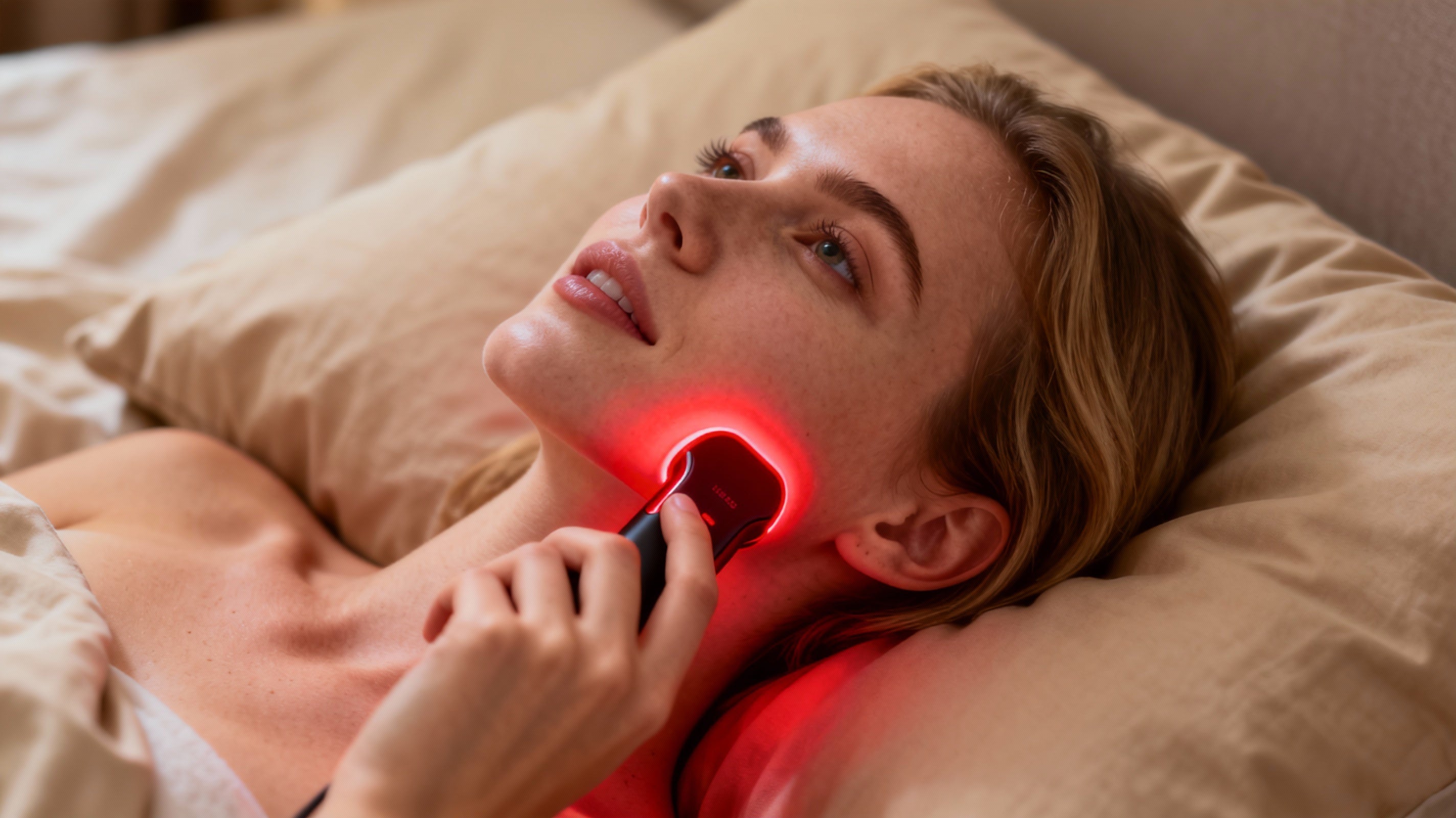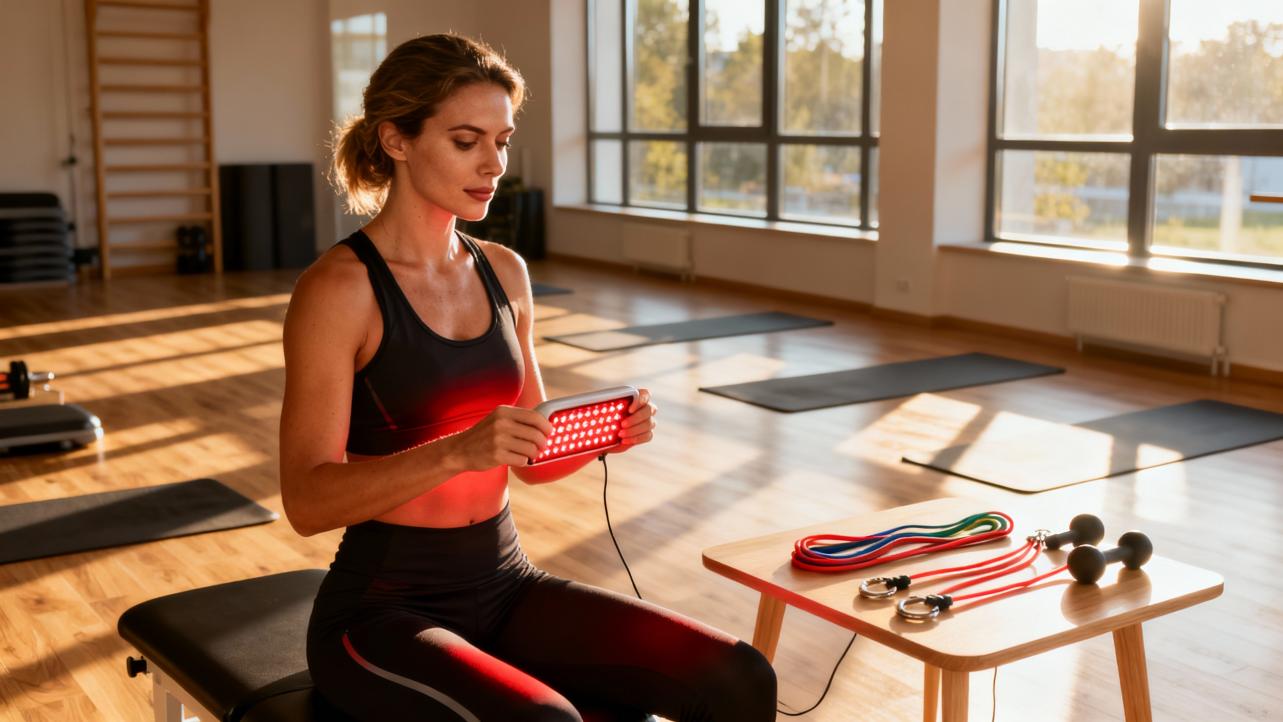

Deep, uninterrupted sleep is the most underrated performance enhancer in sports. It is when muscles remodel, the nervous system recalibrates, and technical skills consolidate in the brain long after practice is over. Many athletes know this in theory yet still find themselves staring at the ceiling after late games, travel, and evening screen time. That is the gap where red light therapy is increasingly marketed as a “sleep biohack” for deeper, more restorative nights.
I am going to approach this like a light-therapy-obsessed performance geek: walk through what the science actually says, where it is still shaky, and how I would design a cautious, evidence-aligned experiment if you are an athlete trying to improve deep sleep quality without wrecking your circadian rhythm or wallet.
What Red Light Therapy Really Is
Red light therapy, more formally called photobiomodulation, uses specific red and near‑infrared wavelengths, generally around 630–660 nm for visible red and roughly 810–850 nm for near‑infrared. These wavelengths are delivered by LEDs or low‑level lasers at intensities that do not heat or damage tissue.
Across multiple sources, the same mechanistic picture shows up. Photons are absorbed by an enzyme in the mitochondria called cytochrome c oxidase. This interaction appears to:
- Increase mitochondrial ATP production, in some athletic studies by up to about 200 percent.
- Displace nitric oxide from the enzyme, which in turn improves oxygen use and can trigger vasodilation, expanding blood vessels and improving circulation.
- Modulate reactive oxygen species and upregulate antioxidant defenses, helping the muscle handle oxidative stress.
- Influence gene expression related to inflammation, collagen formation, and muscle repair.
In muscle tissue, this translates into more cellular energy, better regulation of calcium in muscle fibers, and shifts in inflammatory signaling. That is why red and near‑infrared light have been tested for reducing delayed onset muscle soreness, speeding recovery, and even boosting performance.
From a dermatology and hair perspective, the evidence is strongest. A Stanford Medicine overview describes how red light was first used as part of photodynamic therapy for precancerous skin lesions and later for hair regrowth and wrinkle reduction, where blinded trials show meaningful benefits. When it comes to systemic claims like sleep, mood, or athletic performance, that same Stanford review is blunt: the data are sparse, inconsistent, and not yet solid enough to be considered clinically validated.
So the biology is plausible, and for skin and hair it is well substantiated. For sleep and whole‑body performance, we are still in “promising but not proven” territory.

Why Sleep And Deep Sleep Matter So Much For Athletes
Sleep is not just “rest.” A Skinletics overview on sleep and light therapy emphasizes that sleep is a core performance driver: it is when muscle rebuilding, nervous system recalibration, and the consolidation of memory and skill learning take place. Overtraining and chronic under‑recovery often show up first as disrupted sleep.
Sports‑science articles repeatedly highlight that good sleep is a key recovery strategy to prevent and treat overtraining. The challenge is that athletes often have the deck stacked against them. Evening practices, late competition, artificial stadium lighting, and post‑game screen time all push the circadian system later. Blue‑heavy light in particular suppresses melatonin, the hormone that signals the brain to move into its nighttime program.
Deep sleep is not directly measured in most of the red‑light studies, but anything that reliably:
- Helps you fall asleep faster.
- Extends total sleep time.
- Reduces awakenings.
- Lowers the pain and inflammation that fragment sleep.
is highly likely to improve the proportion of time you spend in the deeper, more restorative stages, even if polysomnography was never done.
That is exactly where red light is being tested: not as a sedative, but as a way to support natural melatonin, relax tissues, lower inflammatory pain, and create a more sleep‑friendly light environment at night.

The Key Athlete Study: Elite Basketball Players Under Red Light
The most cited sleep‑and‑sport trial is a randomized study on elite female basketball players from a Chinese military team. It is worth unpacking carefully because many marketing claims about red light and deep sleep trace back to this single experiment.
Study Design
Twenty healthy players, average age about 18.6 years, were randomly assigned to a red‑light group or a placebo group, with ten athletes in each. Both groups continued their usual intense training: about two hours in the morning and two hours in the afternoon on twelve of the fourteen days.
The intervention was straightforward. Every night for fourteen days, the treatment group received 30 minutes of whole‑body red‑light exposure using a full‑body device around 658 nm, at a dose of roughly 30 J/cm². The placebo group lay under the same device for the same amount of time, but the light was not turned on. Everyone was blinded to their allocation.
Before and after the two‑week period, the researchers measured three things:
- Subjective sleep quality using the Pittsburgh Sleep Quality Index, a validated questionnaire where higher scores mean worse sleep.
- Morning serum melatonin levels.
- Endurance via the classic twelve‑minute run test on a standard outdoor track.
A concise way to visualize the protocol and outcomes is:
Element |
Details |
Population |
20 elite female basketball players, average age about 18.6 years |
Groups |
10 red‑light, 10 placebo, both with identical training loads |
Protocol |
30 minutes of whole‑body red light nightly for 14 days at about 658 nm and 30 J/cm²; placebo lay under device without light |
Sleep Measure |
Pittsburgh Sleep Quality Index (global and component scores) |
Hormone Measure |
Morning serum melatonin (pg/mL) |
Performance Measure |
Distance covered in a 12‑minute run test |
Key Sleep Result |
Significant improvement in global sleep score in the red‑light group versus placebo, including better subjective quality, shorter sleep latency, and longer sleep duration |
Key Melatonin Result |
Melatonin rose from about 22.2 to 38.8 pg/mL in the red‑light group, compared with a much smaller change in placebo; group and interaction effects were statistically strong |
Sleep–Melatonin Link |
Changes in sleep score correlated strongly and negatively with changes in melatonin; larger melatonin increases matched larger improvements in sleep |
Performance Result |
Endurance improved in both groups over time; the red‑light group improved significantly within group, but the between‑group advantage did not reach statistical significance |
This matters for deep sleep because several components of the sleep questionnaire improved specifically in the red‑light group. Subjective sleep quality, sleep latency (time to fall asleep), and sleep duration all shifted in a favorable direction. Daytime dysfunction scores also improved, suggesting better daytime functioning.
The melatonin story was even more striking. In the red‑light group, morning melatonin levels increased markedly, while levels in the placebo group changed only slightly. The athletes whose melatonin rose the most tended to report the greatest improvements in sleep quality.
The performance side was more nuanced. The distance covered in twelve minutes improved across the sample, likely reflecting ongoing training, and although the red‑light group improved within group, the difference versus placebo did not reach conventional statistical significance.
What This Does And Does Not Prove
This study gives us three useful insights. First, a specific whole‑body red‑light protocol, when used every night for two weeks, improved subjective sleep quality in a group of overreached, hard‑training athletes. Second, the protocol significantly boosted melatonin, and the size of that hormonal shift tracked with reported sleep improvements. Third, endurance gains were, at best, suggestive and not definitively better than placebo.
However, the study did not measure objective sleep architecture. There was no polysomnography, no direct readout of time spent in slow‑wave deep sleep, and no brainwave data. The trial is also small, all participants were young women from a single team, and it ran for just two weeks.
So while it is reasonable to say that this protocol improved perceived sleep quality and likely improved the depth and continuity of sleep, it is not accurate to claim that it has been proven to increase deep sleep by a specific percentage. The study points in an encouraging direction; it does not settle the question.

Beyond One Study: What Else Links Red Light To Sleep?
Several other lines of evidence, mostly smaller or less tightly controlled, connect red and near‑infrared light with sleep, stress, and recovery.
A sleep‑focused summary from Mito Red Light cites a study where athletes used red light for 30 minutes nightly over two weeks and reported improved sleep quality, better endurance, and higher morning energy. The description closely mirrors the basketball trial, suggesting it is likely the same work framed for consumers, but it reinforces the idea that consistent evening exposure can smooth the sleep–wake rhythm and reduce morning grogginess.
A sports massage and recovery clinic reports that many of their clients notice improvements in sleep and pain within about four to six red‑light sessions, especially when using two to three sessions per week for four to six weeks. The proposed mechanisms are aligned: support for natural melatonin production, realignment of circadian rhythm when used in the evening, lowering of pro‑inflammatory cytokines, and a calming effect via reduced cortisol and pain.
At the neurological end of the spectrum, a research story from a university neurology department describes a former football player with a traumatic brain injury–related condition who enrolled in a photobiomodulation study. After low‑level red or near‑infrared light was applied to his head, he reported improvements in mood, functioning, and sleep quality. These results are preliminary, but they hint that brain‑directed red light may have sleep and mood effects in some populations.
Articles aimed at athletes, such as those from performance labs and strength and conditioning organizations, highlight red light as a promising tool to improve sleep quality and reduce sleep inertia when paired with good sleep hygiene and smart training schedules. For example, one piece notes that red light exposure at or just after waking has been shown in other work to reduce morning grogginess and improve short‑term alertness, which matters for early‑training athletes.
On the skeptical side, both a Stanford Medicine review and a News‑Medical overview caution that claims about red light for sleep remain unproven. They acknowledge small trials showing improved sleep onset and efficiency but emphasize that results are mixed and methods vary wildly across studies. In other words, there is signal, but it is noisy.
How Might Red Light Influence Deep Sleep?
Mechanistically, several factors converge to make red light an interesting candidate for deep sleep support, even if the evidence is not yet definitive.
First, melatonin. Multiple sources agree that red and near‑infrared wavelengths are far less disruptive to melatonin than blue‑heavy light. An article from MG Sports Massage describes red light as supporting natural melatonin production, in contrast to the melatonin‑suppressing effect of screens and bright white light. The basketball study goes further and shows a significant increase in morning melatonin after two weeks of nightly whole‑body red light, with bigger melatonin shifts accompanying better sleep scores.
Second, circadian timing. Evening red‑light routines have been used to help realign disrupted sleep–wake cycles. Mito Red Light suggests protocols such as dimming overhead lights 60 to 90 minutes before bed, running a 15‑ to 30‑minute red‑light session during that window, minimizing screens, and ending the session at least 30 minutes before lights out. That combination aims to remove melatonin‑suppressing light while introducing a spectrum that is more neutral or even supportive of the body’s nighttime program.
Third, pain and inflammation. Several athletic recovery articles emphasize that red light reduces pro‑inflammatory cytokines, improves blood circulation, and enhances lymphatic function. Clinics report decreased joint and muscle pain, faster recovery from intense sessions, and reductions in stiffness. For athletes who wake at night due to pain, simply lowering the inflammatory load and muscular tension can translate directly into fewer awakenings and a more continuous block of sleep, which is functionally equivalent to “deeper” sleep.
Fourth, stress physiology. Some sources describe red light as lowering cortisol and promoting relaxation. Users frequently report feeling physically looser and mentally calmer after evening sessions. While these are subjective impressions rather than tightly controlled findings, they align with the idea of a pre‑sleep down‑shift ritual that nudges the nervous system out of a wired‑but‑tired state.
What is not yet clear is how much red light changes the actual distribution of sleep stages when measured in a sleep lab. The studies summarized in the notes rarely include polysomnography, and expert reviews from Stanford and News‑Medical emphasize the lack of standardized protocols and rigorous long‑term data. So the most accurate statement today is that red light has plausible pathways to improve the quality and continuity of sleep, and at least one athletic study shows meaningful improvements in perceived sleep and melatonin, but the direct effect on deep sleep stages remains to be firmly demonstrated.

Red Light, Recovery, And Performance: The Bigger Picture
When you zoom out from sleep and look at red light therapy in sports as a whole, a more complex picture emerges.
A detailed review of photobiomodulation in human muscle tissue examined 46 controlled human studies with a total of 1,045 participants. These trials tested various red and near‑infrared protocols applied to upper and lower limb muscles, both before and after exercise. Mechanistically, the review highlighted increased ATP production, stronger antioxidant defenses such as higher superoxide dismutase activity, reduced inflammation, and better repair of muscle damage.
In practice, the results were mixed. Some randomized, double‑blind trials of muscular pre‑conditioning found that applying red or near‑infrared light to muscles like the biceps before strength work increased repetition count, extended time to exhaustion, and lowered blood markers of muscle damage and inflammation. Other high‑quality trials using different wavelengths, doses, or irradiation patterns reported no meaningful benefit for delayed onset muscle soreness, pain, or performance.
A systematic discussion from Athletic Lab notes a similar pattern. Individual studies report benefits such as larger strength gains when strength training is combined with red light, faster endurance adaptations during treadmill training, and increased fatigue resistance during repetition‑to‑failure tests. At the same time, a meta‑analysis focusing on delayed onset muscle soreness found inconsistent evidence, with some studies showing benefit and others not.
An article written for coaches and endurance athletes points to a 2016 review, concluding that evidence for performance enhancement is modest and inconsistent. For upper‑extremity studies, only a minority showed slight performance gains, and for lower‑extremity work the picture was similarly mixed. Longer‑term exposure did not consistently translate into measurable performance advantages despite some changes in muscle architecture.
In plain language, red light therapy clearly does something at the cellular and tissue level. It often reduces markers of damage and inflammation and sometimes improves performance outcomes, especially when used as pre‑conditioning. But the effect is protocol‑dependent and far from guaranteed. Sleep improvements likely stack on top of these recovery effects, but the idea that red light is a magic performance multiplier is not supported by current evidence.

Benefits Athletes Might Realistically Expect
If you are an athlete using red light in a way that aligns with the existing studies, what are reasonable expectations?
You may notice more relaxation and a smoother wind‑down on nights when you use red light instead of staring at bright blue‑heavy screens. In the best‑designed trial we have, two weeks of nightly whole‑body red light significantly improved perceived sleep quality and increased melatonin in hard‑training basketball players. Several clinics and device makers report that many users feel changes in sleep depth, relaxation, and stress levels within one to two weeks of consistent use.
On the recovery side, you may experience less next‑day soreness after hard sessions, a sense that legs “bounce back” faster, and fewer days where joint stiffness dominates your morning. Individual trials have found reduced severity and duration of delayed onset muscle soreness, faster return‑to‑play in small injury cohorts, and quicker normalization of blood markers like creatine kinase and C‑reactive protein when light is dosed appropriately.
Psychologically, evening use can become a ritual that signals to the brain it is time to shift out of competitive mode. That behavioral anchor, combined with a darker environment, often improves sleep independent of any direct mitochondrial effect.
What you should not expect, based on current evidence, is a dramatic, guaranteed increase in deep sleep percentages or a consistent jump in objective performance numbers across the board. Claims that red light is a panacea for sleep, chronic pain, sexual function, and performance are not supported by rigorous, replicated trials. Even advocates in academic and clinical settings emphasize that it is an adjunct, not a replacement for solid training, nutrition, and sleep hygiene.
Real Limitations, Risks, And Costs
From a safety standpoint, red light therapy at dermatologic and sports‑recovery doses has a favorable profile. University Hospitals physicians describe it as low risk, with the main risk being to your wallet. Stanford Medicine and News‑Medical echo that serious side effects are rare when devices are used correctly, though they emphasize avoiding direct, intense exposure to the eyes. Some devices have regulatory clearance, but that clearance mainly attests to safety, not to proof of effectiveness for sleep or performance.
Certain groups should be cautious. Mito Red Light explicitly advises that people who are pregnant, have epilepsy, or take photosensitizing medications talk with a healthcare provider before using red light. Clinical articles also advise against applying light over known malignancies or areas where safety is uncertain.
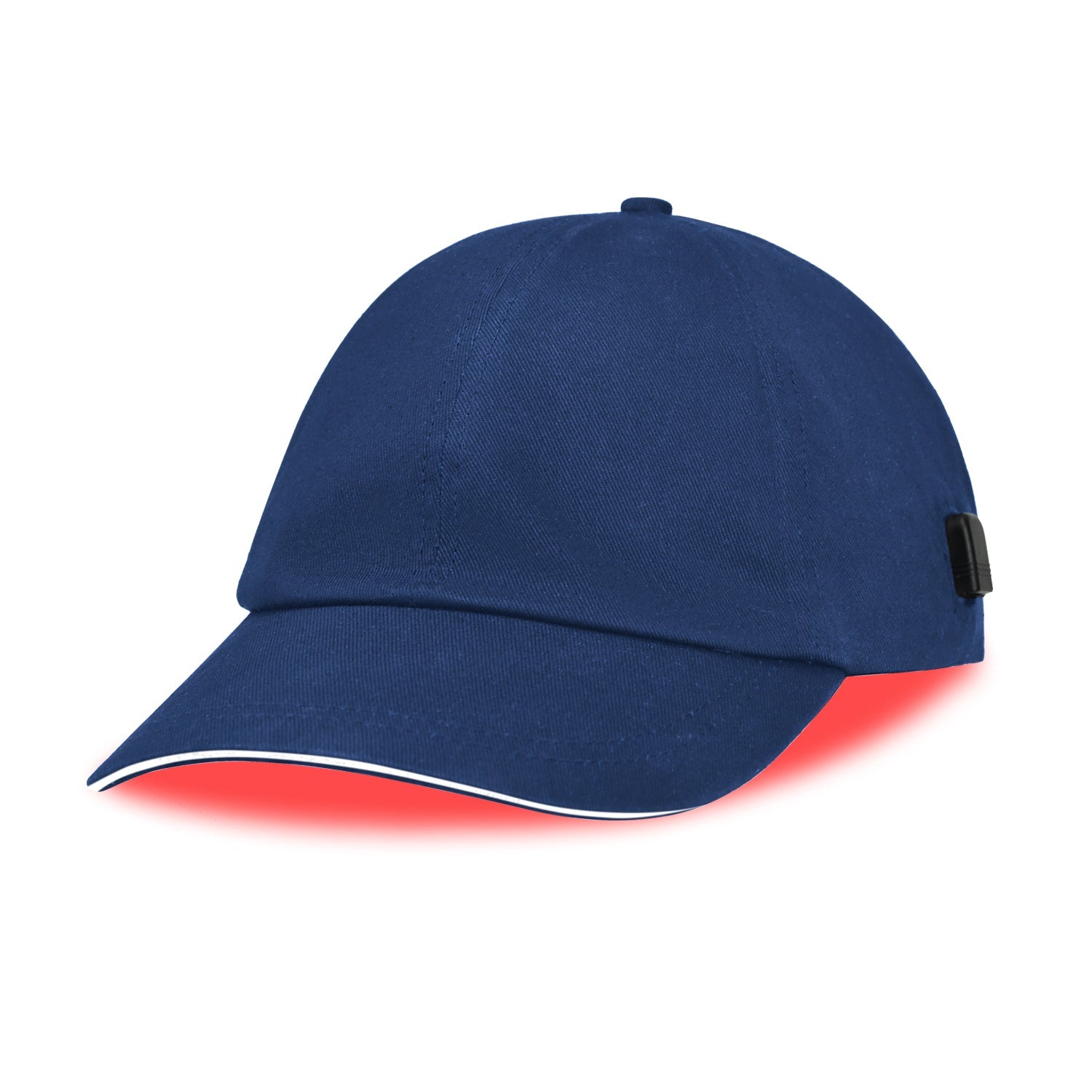
The bigger issue is evidence quality and device variability. In‑clinic systems used in dermatology and some sports medicine settings tend to be more powerful and better characterized, with precise wavelengths and power densities. At‑home panels, masks, caps, and beds vary widely in output and beam profile. As Stanford experts note, many consumer marketing claims run well ahead of the science, and users rarely know the exact dose their tissues are receiving.
Cost is another non‑trivial factor. University Hospitals notes that handheld devices start just under about one hundred dollars and can escalate into the hundreds or thousands for larger panels or beds, with insurance rarely covering the expense. Meanwhile, a skeptical performance‑coach article argues that, given the modest and inconsistent performance benefits to date, red light therapy is best viewed as an unproven novelty rather than a must‑have investment for athletes.
Finally, there is the risk of misusing light at the wrong time. Flooding your eyes with very bright light late at night, even if it is red‑shifted, might still delay your circadian clock. Protocols designed for sleep typically emphasize modest intensity, keeping the light primarily on the body rather than directly in the eyes, and finishing the session at least half an hour before bed in a dim room.
How I Would Structure An Evidence‑Aligned Experiment
If you are a serious athlete who wants to test whether red light improves your deep sleep quality, the most rational approach is to model your setup on the protocols that have actually been studied while controlling for other variables as much as possible.
First, clarify your primary goal. If sleep is the priority, make that the main outcome rather than strength or speed. Track subjective sleep quality and next‑day energy alongside the objective data your wearables provide. Remember that consumer sleep‑stage estimates are imperfect, so treat trends as rough indicators rather than precise measures.
Second, match the overall structure of the basketball trial that showed benefits. That means using red light consistently in the evening for about 30 minutes, every night for at least two weeks. Aim to start your session one to two hours before your target bedtime, in a darkened room where you have already dimmed overhead lights and put away bright screens. Treat it as a wind‑down ritual, not a time to scroll on your cell phone.
Third, keep other recovery variables stable during your experiment window. Do not overhaul your training plan, switch diets, or start a new supplement stack at the same time; otherwise, you will not know what is driving any change in your sleep.
Fourth, respect dose and timing. Articles from performance labs and clinics typically limit sessions to about 20 or 30 minutes, noting a point of diminishing returns beyond that. For performance and recovery, they often position treatments either just before or within a few hours after training. For sleep, the most common recommendation is evening use, ending at least half an hour before lights out. Three times per week may be enough for some people; nightly use for 10 to 14 days is the pattern tied to the clearest athletic sleep data.
Fifth, prioritize comfort and eye safety. Position panels or beds so that the bulk of the light hits your torso and large muscle groups. Avoid staring directly into high‑intensity LEDs. If you notice headaches, eye strain, or agitation, shorten sessions or stop and discuss it with a professional.
Finally, evaluate honestly after two to four weeks. Are you falling asleep faster, waking less, and feeling more recovered in the morning, or does nothing noticeable change? If you see no effect despite consistent, careful use, you may be in the large group for whom red light simply does not move the needle, at least at the parameters you tried. At that point, your time, attention, and money are probably better invested in dialing in fundamentals such as earlier training times, improved light hygiene, and structured cognitive‑behavioral work on sleep.
Choosing Between Beds, Panels, And Targeted Devices
The landscape of red‑light hardware is confusing, but the core trade‑offs for sleep‑focused athletes are fairly simple.
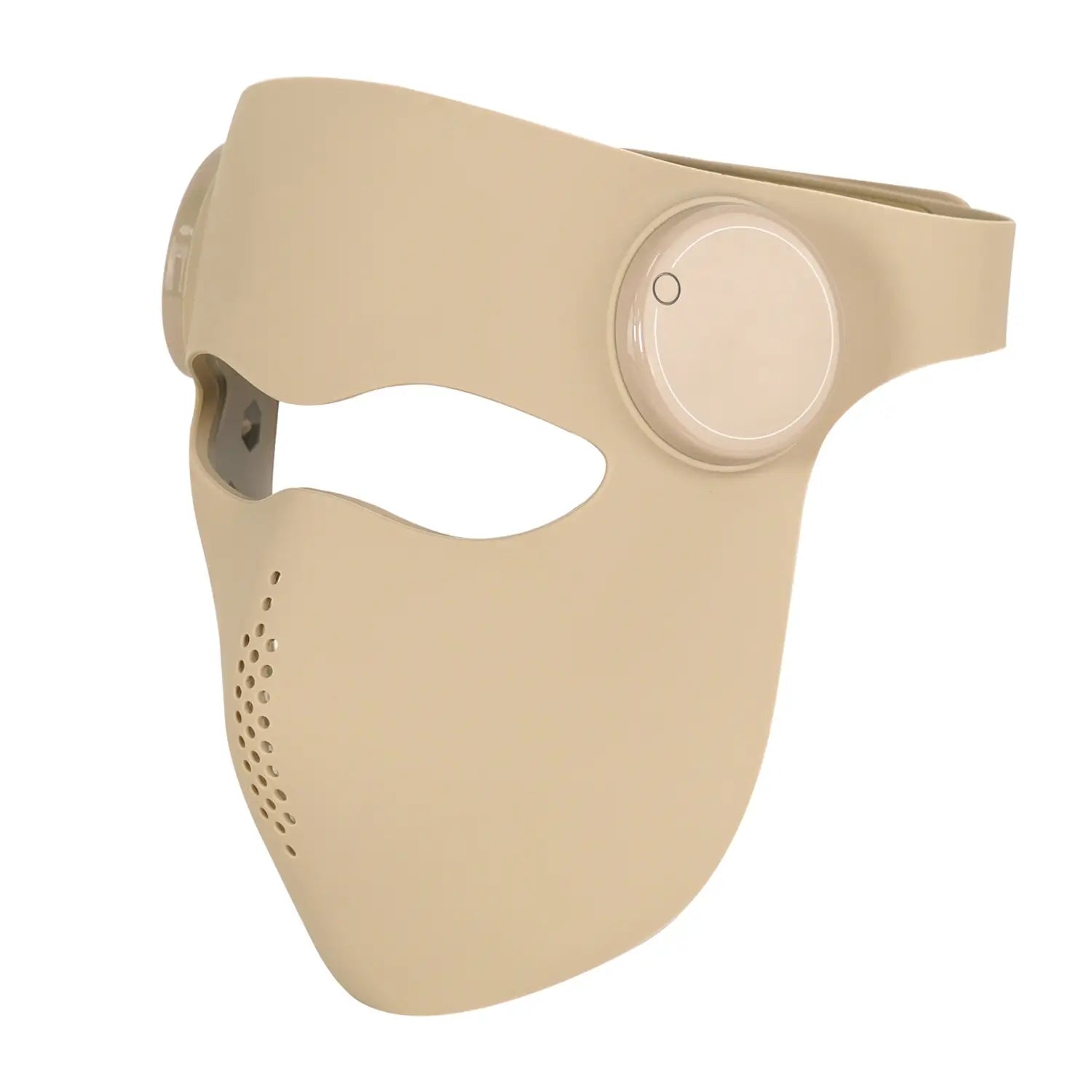
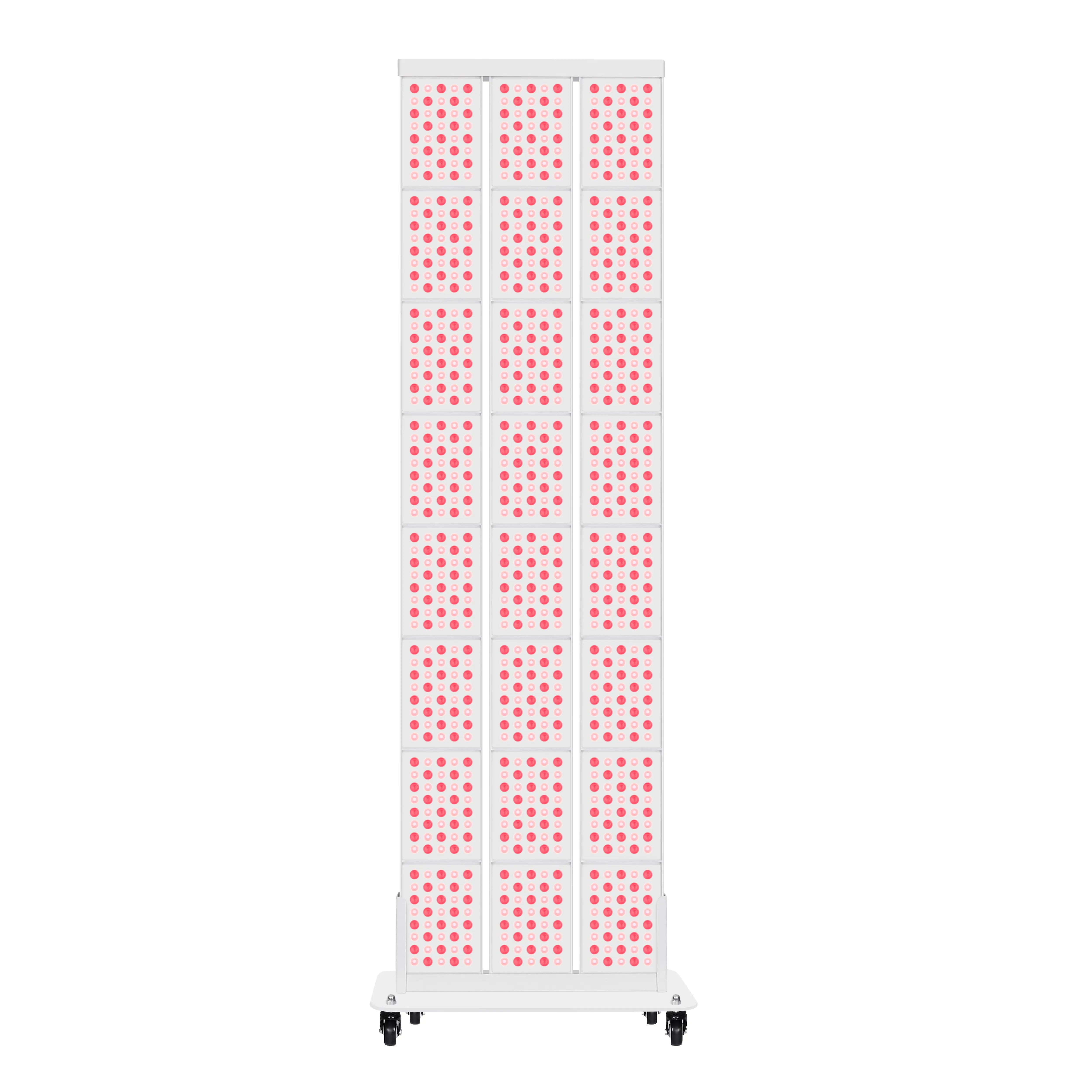
Full‑body beds, like those used at some clinics and gyms, provide the most uniform coverage. They can bathe skin, muscles, and joints in red and near‑infrared light in one session and are often used in protocols similar to the basketball study’s whole‑body exposure. Clinics such as City Fitness East Market and AEON Clinic present these beds as part of broader recovery and longevity programs, pairing them with sauna, massage, and structured training.
Mid‑sized panels, like the devices sold by companies such as Mito Red Light and others, offer high intensity over a smaller area. They are often designed to be used at a distance of a couple of feet from the body, with users standing or sitting in front of them. These can be practical for home use, especially if your primary goals are muscle recovery and relaxation rather than strict, medical‑grade dosing.
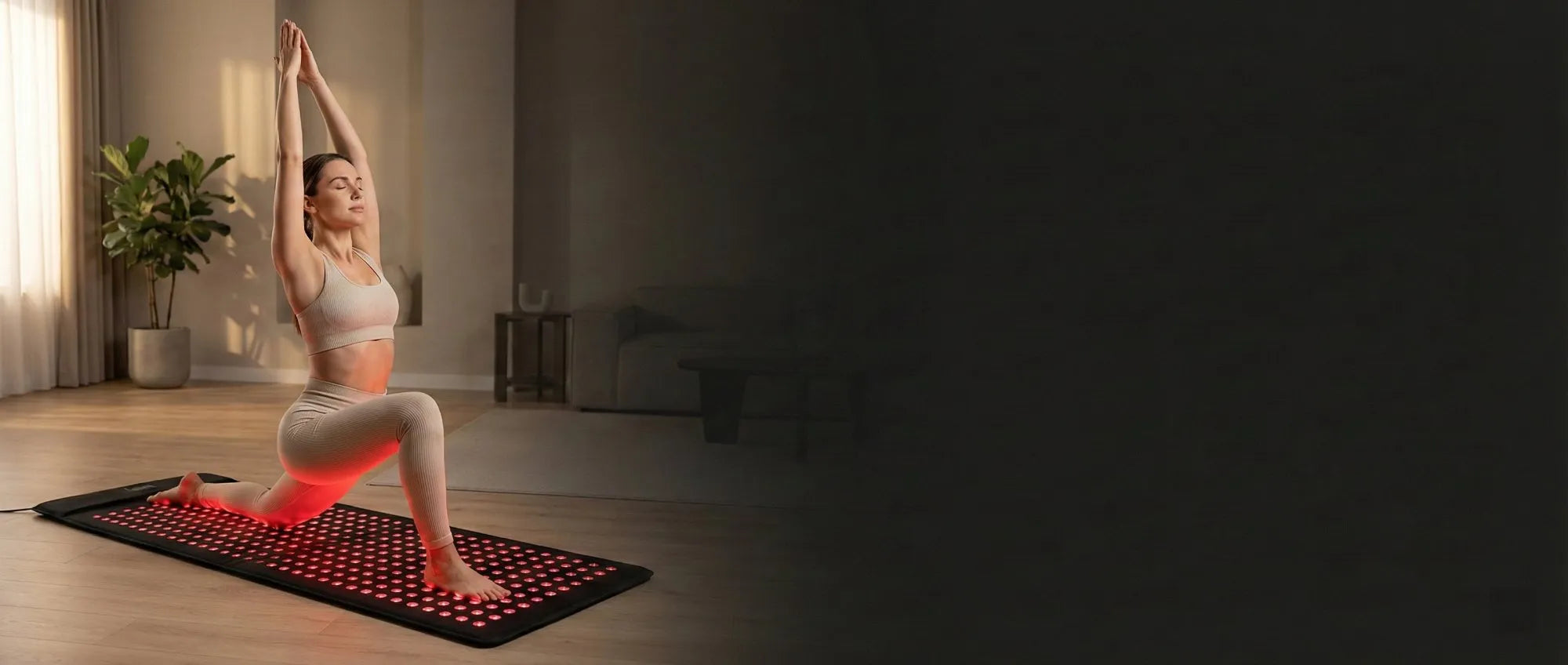
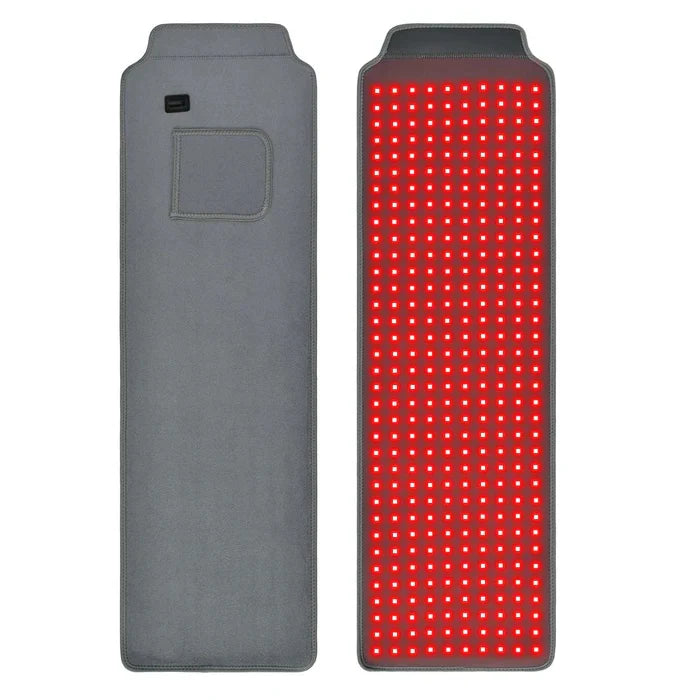
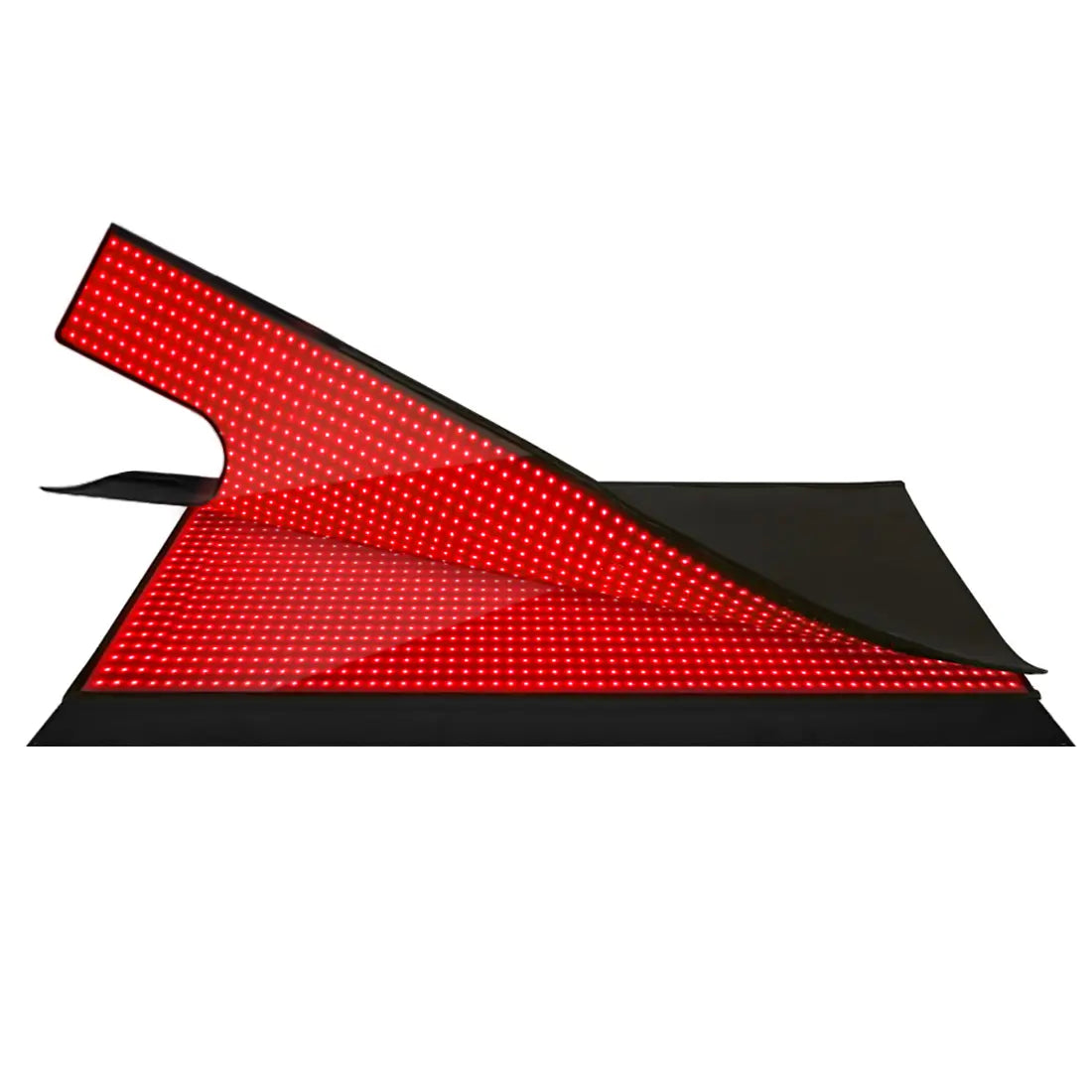
Targeted tools, including pads, yoga mats, and small patches as described by Sleep‑and‑recovery brands, focus on specific regions. For example, a recovery patch might be wrapped around a sore hamstring, or a red‑light mat might be used during gentle stretching late in the evening. These are convenient for travel and may be enough to lower local pain that would otherwise disturb sleep.
Independent reviews from Stanford and News‑Medical emphasize that in‑clinic systems are generally more powerful and better characterized, while at‑home devices are more variable and may require longer or more frequent use. University Hospitals recommends that, if you decide to experiment, starting with an affordable home device is reasonable as long as it does not create a financial strain and you discuss the plan with your doctor.
FAQ: Red Light Therapy And Athlete Sleep
Does red light therapy actually increase deep sleep?
Strictly speaking, no study in the notes directly measures deep sleep duration using full polysomnography. The clearest athletic trial shows that two weeks of nightly red‑light exposure improved subjective sleep quality and increased melatonin in elite basketball players, with a strong correlation between hormonal changes and better sleep scores. Several other reports describe improvements in sleep onset, continuity, and next‑day alertness. It is reasonable to infer that more continuous, higher‑quality sleep will include more high‑quality deep sleep, but the exact percentage increase in deep sleep has not been firmly quantified in athletes using red light.
Is red light therapy a proven cure for insomnia or overtraining?
No. Expert commentary from Stanford Medicine and News‑Medical is clear that claims around red light for sleep and systemic health remain unproven. The current evidence base consists of small trials, short durations, and heterogeneous protocols. Red light can be a useful adjunct tool, especially for athletes whose sleep is disrupted by pain, inflammation, and evening light exposure, but it is not a substitute for clinical insomnia treatment or for fixing underlying training‑load errors that drive overtraining.
Do I need an expensive full‑body bed to see sleep benefits?
Not necessarily. The basketball study used a full‑body device, and some clinics emphasize high‑powered beds, but other sources describe meaningful subjective sleep improvements from more modest setups and targeted devices. University Hospitals points out that the biggest risk of red light therapy is often financial, not medical, and suggests that starting with a reasonably priced home device is sufficient for low‑risk experimentation. The key variables are consistency, timing relative to sleep, and integrating the light into an overall sleep‑friendly evening routine, not just the price tag of the hardware.
Closing Thoughts
Red light therapy sits at an interesting intersection of solid cellular biology, strong dermatologic evidence, and still‑emerging sleep and performance data. For athletes, the best current reading of the science is that intelligently timed red‑light exposure can be a helpful ally for sleep quality and recovery, but it is not magic and it is not a replacement for disciplined training, smart scheduling, and ruthless protection of your nighttime routine. If you choose to experiment, do it like a seasoned optimizer: one variable at a time, with a clear protocol, honest tracking, and a willingness to walk away if your sleep does not meaningfully improve.
References
- https://lms-dev.api.berkeley.edu/red-light-therapy-research
- https://www.academia.edu/29341421/Red_Light_and_the_Sleep_Quality_and_Endurance_Performance_of_Chinese_Female_Basketball_Players
- https://pubmed.ncbi.nlm.nih.gov/23182016/
- https://med.stanford.edu/news/insights/2025/02/red-light-therapy-skin-hair-medical-clinics.html
- https://medicine.utah.edu/neurology/news/2020/11/making-difference-larry-carr-phd
- https://www.uhhospitals.org/blog/articles/2025/06/what-you-should-know-about-red-light-therapy
- https://www.news-medical.net/health/Can-Red-Light-Therapy-Improve-Sleep-Skin-and-Recovery.aspx
- https://www.physio-pedia.com/Red_Light_Therapy_and_Muscle_Recovery
- https://www.athleticlab.com/red-light-therapy-for-athletes/
- https://cityfitness.com/archives/36400