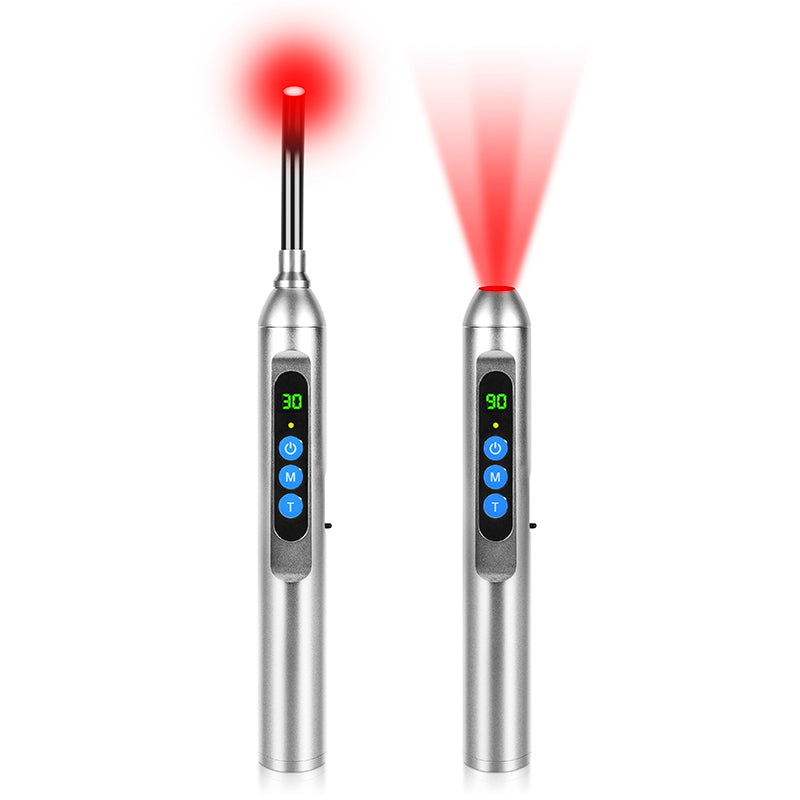

If you train hard enough for long enough, you eventually hit that frustrating point where the numbers stop moving. Your lifts stall, your splits look identical week after week, and your body feels “tired but wired” more often than not. As someone who has spent years biohacking recovery with everything from HRV tracking to cold plunges to full‑body light panels, I can tell you that most plateaus are not a talent problem. They are a recovery and adaptation problem.
That is exactly where red light therapy – more precisely, photobiomodulation – can be a potent tool in an athlete’s toolkit when it is used intelligently and grounded in the evidence.
In this article I will walk through what red light therapy actually is, how it works at the cellular level, what the research says for performance and recovery, and how athletes can use it to break through plateaus without falling for “magic device” hype. I will also be candid about the limitations and unknowns, because the science is promising but not perfect.
What Red Light Therapy Actually Is
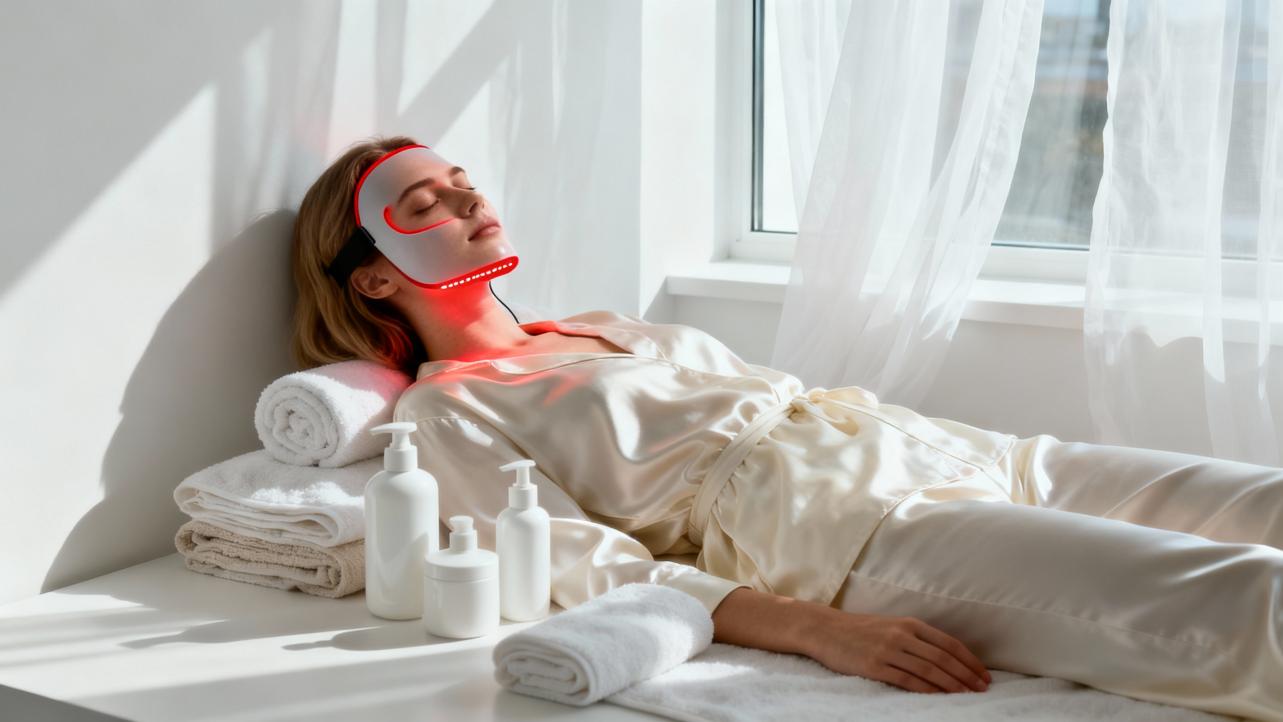
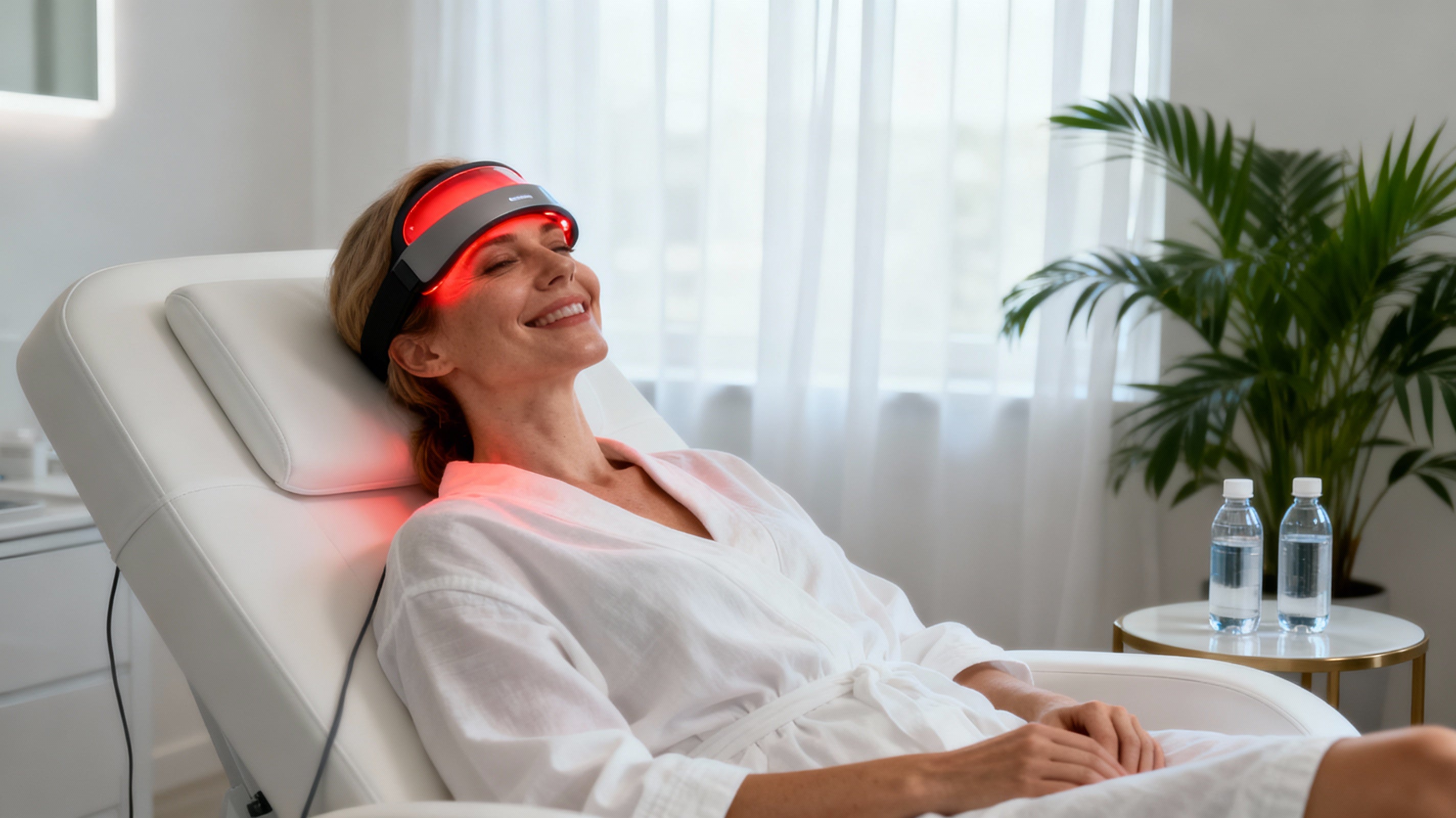
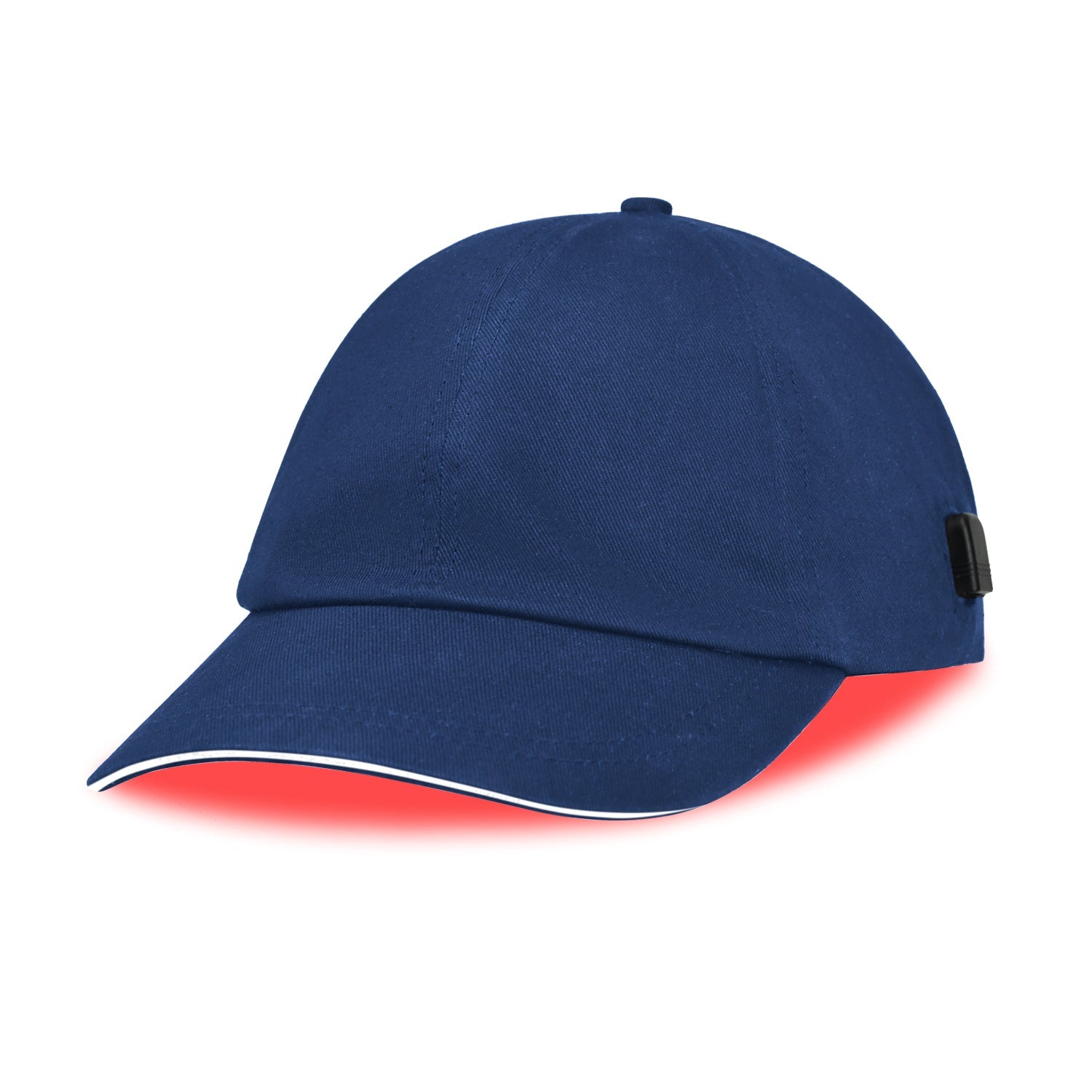
Red light therapy, often called photobiomodulation or low-level laser therapy, is a non‑invasive treatment that uses specific red and near‑infrared wavelengths of light, typically in the range of about 630 to 850 nanometers. These wavelengths are delivered by LEDs or low‑power lasers to your skin and underlying tissues.
Multiple clinical and athletic sources, including Penn State Behrend’s wellness program and physical therapy clinics that work with athletes, describe the same core mechanism. The light penetrates into tissue and is absorbed by mitochondria, especially an enzyme called cytochrome c oxidase. When that happens, mitochondrial function improves, cellular energy production increases, and a cascade of downstream processes are activated.
Unlike surgical lasers, photobiomodulation does not heat or cut tissue. It nudges cellular biology rather than blasting it. In dermatology, this same mechanism is used to help with skin rejuvenation and hair growth. In sports and rehab settings, the target is muscle tissue, connective tissue, joints, and sometimes the nervous system.
Several sports performance clinics point out that near‑infrared wavelengths around 810 to 850 nanometers are commonly used when the goal is to reach deeper into muscle and connective tissue, while red wavelengths around 630 to 660 nanometers tend to act more superficially on skin and surface structures.

The Cellular Geekery: How Light Changes Muscle
To understand why red light therapy can help break a plateau, you need a mental model of what it does inside the cell.
A number of reviews, including a human muscle photobiomodulation review in a sports medicine journal and technical write‑ups from strength and conditioning organizations, converge on a few key mechanisms.
When red or near‑infrared photons hit mitochondria in muscle cells, several things happen.
First, ATP production increases. ATP is the energy currency your cells use for everything, including muscle contraction and repair. Some research cited by physical therapy clinics suggests that under controlled conditions, mitochondrial ATP output can increase by up to roughly 200 percent after appropriate doses of red or near‑infrared light. That does not mean your squat instantly doubles, but it does mean your cells may have measurably more energy available for repair, remodeling, and contraction.
Second, nitric oxide dynamics shift. Under stress, nitric oxide can bind to cytochrome c oxidase and temporarily block the electron transport chain, throttling ATP production. Red and near‑infrared light appear to dislodge that nitric oxide, freeing the enzyme to resume energy production. At the same time, light exposure stimulates nitric oxide release in blood vessels, causing vasodilation. That widens the small vessels and improves blood flow.
Third, inflammation and oxidative stress are modulated. Controlled trials and reviews summarized by organizations such as ACE Fitness and Physio‑Pedia report reductions in markers like C‑reactive protein and creatine kinase after photobiomodulation, along with increased antioxidant defenses. The signal is not identical in every study, but the pattern is consistent enough to matter for recovery.
Fourth, gene expression and structural proteins change. Studies in sports rehab and performance contexts report increases in collagen and elastin production, improved connective tissue quality, and upregulation of genes involved in muscle growth and repair. That is why some physical therapy centers use red light as part of tendon, ligament, and even bone healing protocols.
Taken together, this is not a vague “wellness glow.” You are looking at a combination of more cellular energy, better circulation, lower inflammatory drag, and improved tissue remodeling. Those are exactly the levers you want to pull when you are stuck in a plateau.
Why Athletes Hit Plateaus in the First Place
Before we talk about how red light can help, it is worth naming why plateaus happen.
Recovery science pieces from performance brands, coaching organizations, and companies like Joovv all emphasize the same truth: training is the stimulus, but adaptation happens later. When you stack intense sessions with inadequate sleep, high life stress, incomplete nutrition, or chronic joint and tendon irritation, you do not get full adaptation. You get lingering inflammation, impaired glycogen replenishment, and nervous system fatigue.
Over time, that looks like stalled numbers, disproportionate soreness, declining motivation, and sometimes overtraining syndrome. Poor sleep is both an early warning sign and a driver here. Reviews of athletic sleep practices point out that consistently low‑quality sleep is strongly linked to overreaching and impaired performance.
Red light therapy is not going to fix bad programming or an ultra‑processed diet. But because it acts directly on mitochondria, inflammatory pathways, and circulation, it can often move the needle in exactly the systems that are stuck when you are plateaued.

Evidence Check: What the Research Actually Shows
There is no single “definitive” red light study in athletes, but we do have several layers of evidence to work with: clinical trials, narrative reviews, and applied reports from strength and conditioning professionals.
Performance and Strength Outcomes
A systematic review of photobiomodulation in human muscle included forty‑six clinical and case‑control studies involving over a thousand participants. Many of those trials looked at muscle performance and fatigue: repetitions to failure, torque, time to exhaustion, sprint times, and similar metrics.
Across that body of work, pre‑exercise red or near‑infrared light – often called muscular pre‑conditioning – tended to produce more consistent benefits than post‑exercise use alone. Several randomized, placebo‑controlled studies reported that when light was applied to key muscles before strength or endurance tasks, athletes completed more repetitions, extended their time to exhaustion, or produced higher total work, sometimes with lower blood lactate or muscle damage markers afterward.
Sports physical therapy clinics and training facilities that implement these protocols in practice echo that pattern. They report that consistent pre‑training use is associated with increased strength, endurance capacity, and power output. Some clinic write‑ups cite research showing up to around fifty percent reductions in delayed onset muscle soreness alongside better performance metrics.
At the same time, not every study has been positive. The same muscle review notes trials where different wavelengths or doses failed to improve repetitions, lactate levels, or fatigue indices. This is a classic sign that dose and protocol matter a lot.
Recovery, DOMS, and Muscle Damage
Recovery is where red light therapy has probably the strongest practical signal.
Articles from ACE Fitness, Physio‑Pedia, and multiple sports rehab centers summarize an impressive body of research showing reduced markers of inflammation and muscle damage after heavy exercise when photobiomodulation is used. Those markers include C‑reactive protein, creatine kinase, and subjective ratings of soreness.
Some trials applying multi‑diode LED clusters to muscles before or after eccentric exercise found meaningful reductions in delayed onset muscle soreness at 24 to 48 hours and faster recovery of strength. The FunctionSmart and Physical Achievement Center notes point to studies where DOMS ratings dropped by up to roughly half in treated vs placebo groups.
However, a systematic review focused specifically on delayed onset muscle soreness concluded that evidence for DOMS reduction, while promising, is not yet definitive. The review authors emphasized heterogeneity in wavelengths, doses, and devices across the fifteen studies they examined, and called for better‑designed trials.
The sensible takeaway is that red light therapy can meaningfully reduce soreness and speed recovery in many contexts, but you cannot assume any device used in any way will do it. Protocol details matter.
Sleep, Mood, and Mental Recovery
Performance is not just about muscles and joints. Sleep quality, mood, and cognitive sharpness are all plateau‑breakers.
Penn State Behrend’s counseling center notes that red light therapy may support mental health by enhancing cellular function in the brain, boosting neurotransmitter production, and potentially improving sleep quality, stress levels, and cognitive function.
Athletic Lab describes a study in which female basketball players who used red light in the evening experienced better sleep quality and increased melatonin secretion compared with a placebo group. Another study they highlight found that exposure to red light upon waking reduced sleep inertia – that foggy feeling after getting up – and improved alertness and short‑term performance.
Fitness facilities like City Fitness frame red light as a circadian rhythm tool: using it consistently in the evening, for about 10 to 20 minutes before bed, appears to help athletes achieve more continuous, restorative sleep, which in turn boosts mood and training capacity.
These are not massive, multi‑center trials, but they point in the same direction as a broader wellness article from Performance Health that lists sleep quality and mental health among the evidence‑based uses of red light therapy.
Where the Evidence Is Weak or Mixed
A Stanford Medicine review of red light therapy is an important counterbalance. Dermatology experts there note that while there is fairly robust evidence for hair growth and modest wrinkle reduction, the data for athletic performance and sleep are still limited and sometimes conflicting.
They also emphasize that devices vary widely in wavelength, power, and treatment time, which makes it “like comparing apples to oranges” across studies. Some trials show meaningful benefits, others show marginal or no differences. The article advises a healthy dose of skepticism about broad wellness claims, while still acknowledging that red light can measurably change biology and reduce inflammation in some contexts.
A similar note comes from ACE Fitness, which highlights that many commercially available home and gym devices are not as powerful or well‑calibrated as the devices used in research settings. That means real‑world effects may be smaller than the best laboratory results.
For plateaued athletes, this does not mean red light is useless. It means you should treat it like any performance tool: understand what it can and cannot do, choose equipment carefully, and evaluate its impact over time rather than assuming results.
How Red Light Therapy Helps Break Training Plateaus
When you knit all of this together – the mitochondrial mechanics, the performance data, the recovery effects, and the sleep and mood influences – a pattern emerges. Red light therapy creates conditions that make it easier to adapt to training instead of just survive it.
Recover Faster Between Hard Sessions
Most plateaus are really recovery bottlenecks. Heavy lifting or high‑intensity intervals create microtears in muscle fibers, stress connective tissue, and generate a surge of inflammatory signaling and reactive oxygen species. That is normal and necessary. The problem is when repair does not finish before you load the system again.
By increasing ATP availability, improving circulation, and dampening unnecessary inflammatory drag, red light therapy can shorten the window between a damaging session and being truly ready to perform again.
Studies summarized by ACE Fitness and sports PT clinics show reduced soreness, lower creatine kinase, and faster restoration of strength and power when athletes receive red or near‑infrared light after training. Practically, that might mean your heavy lower‑body day no longer ruins your stride mechanics for forty‑eight hours, or your pushing muscles bounce back enough to handle an extra quality bench session each week without tipping into overuse.
Over weeks and months, those extra quality reps and sessions are exactly what break a plateau.
Train Harder Without Overreaching
Pre‑conditioning – using red or near‑infrared light before training – may allow you to push a little harder without paying for it as brutally afterward.
The 2016 muscle photobiomodulation review found that pre‑exercise treatments tended to produce more consistent gains in repetition counts and time to exhaustion than post‑exercise treatments. Performance‑oriented clinics echo this, recommending short sessions to prime major muscle groups before heavy lifts or key endurance efforts.
From a plateau perspective, this matters because it helps you accumulate more high‑quality work at a given perceived effort and soreness cost. A modest increase in reps or time under tension in a well‑designed program compounds incredibly over a six‑ or twelve‑week training block.
Support Joints and Connective Tissue
Hidden plateaus often live in your joints and connective tissues. You do not push hard on the squat bar because your knees feel sketchy. You cut sessions short because your elbows or shoulders ache. Over time, you subconsciously self‑limit to protect painful structures.
Red light therapy has been used clinically for arthritis, tendonitis, and other joint issues. Articles from physical therapy centers and organizations like Physical Achievement Center describe improved joint mobility, reduced stiffness, and faster tendon and ligament healing when red and near‑infrared light are used consistently as part of rehab.
Mechanistically, that is consistent with the increased collagen synthesis, improved blood flow, and anti‑inflammatory effects described in the literature. While it is not a replacement for good load management and strength work around the joint, it can make the difference between constantly backing off and progressing to the volume and intensity you actually need.
Improve Sleep, Hormones, and Nervous System Resilience
If your nervous system never gets to downshift, your plateau is going nowhere.
Multiple sources, from City Fitness to Performance Health to Poll to Pastern, highlight red light therapy’s role in sleep and stress. Evening sessions are reported to help regulate circadian rhythms, increase melatonin production, and calm the system. Morning sessions can reduce sleep inertia and sharpen alertness.
Some wellness and fitness practitioners also point to beneficial shifts in hormones like cortisol and testosterone when red light is integrated with training, although the data here are still emerging and not as firm as the inflammation and pain research.
From a practical standpoint, better sleep quality and more stable stress physiology translate to higher HRV, better mood, and more consistent training effort. Those are powerful plateau‑busters even before you consider any direct muscle effects.
Here is a simple way to think about how the different uses fit together.
Goal |
How Red Light Helps |
Evidence Strength (for athletes) |
Recover from hard sessions |
Reduces soreness, inflammation, and muscle damage markers |
Small to moderate, mixed by dose |
Increase training quality |
Pre‑conditions muscles for more reps and time to fatigue |
Promising, not fully standardized |
Support joints and tendons |
Boosts collagen, improves circulation, reduces pain |
Growing but mostly clinical |
Improve sleep and mood |
Helps melatonin, circadian rhythm, and stress resilience |
Early but encouraging |
The right goal for red light therapy in a plateau is often a combination of these: recover faster, tolerate more quality work, and feel better doing it.

Pros and Cons for Plateaued Athletes
Like any serious recovery modality, red light therapy has upsides and downsides.
On the plus side, it is non‑invasive, does not rely on drugs, and works at the level of the cell instead of just masking symptoms. There is a substantial research base in musculoskeletal and performance contexts, including hundreds of randomized trials and thousands of lab studies referenced by rehabilitation and wellness companies. Side effects at athletic doses are typically mild when devices are used correctly.
It is also highly stackable. You can combine red light with smart programming, sleep hygiene, nutrition, and other recovery strategies with very little interference. For older athletes and those with joint or tendon issues, the combination of pain reduction and improved tissue quality can be a game changer.
On the minus side, it is not a magic solution. Stanford dermatology experts are clear that many of the athletic and whole‑body claims outpace the evidence. Device quality and dosing vary dramatically. Clinic‑grade systems, such as those used in some physical therapy practices or pro‑level recovery labs, deliver controlled power densities and carefully chosen wavelengths. Many cheap consumer devices do not clearly specify their power output, or deliver doses that are too low to reproduce clinical effects.
Cost is another real consideration. High‑quality panels and full‑body systems highlighted in performance and rehab articles often start around four figures, with some premium systems running into several thousand dollars or more. That may be worth it for a professional or a high‑earning executive trying to protect performance, but not everyone needs or can justify that level of investment.
Finally, more is not always better. Reviews emphasize a biphasic dose response: appropriate doses improve outcomes, but excessively high doses may provide no additional benefit and possibly reduce them. There are still no universally accepted “FITT” (frequency, intensity, time, type) guidelines for sports recovery, so you need to approach it with experimentation and respect.

How to Use Red Light Therapy Intelligently
If you are plateaued and considering red light therapy, the goal is to use it like an experienced coach would: thoughtfully, in context, and with feedback.
Choosing a Device
Evidence‑based recommendations from organizations such as the NSCA, ACE Fitness, and hospital systems converge on a few criteria.
First, wavelength range matters. You want a device that clearly specifies red wavelengths in the mid‑600s nanometers and near‑infrared wavelengths in the low‑800s nanometers. Many athletic protocols and studies use combinations like 660 and 850 nanometers for surface and deeper tissues.
Second, power density and dose matter. Clinical and performance protocols often deliver on the order of several to a few dozen joules per square centimeter over 10 to 20 minutes per area. A device should specify its power output at a typical treatment distance so you can estimate whether you are in that general range. You do not need to be exact, but you should avoid panels that hide these specs.
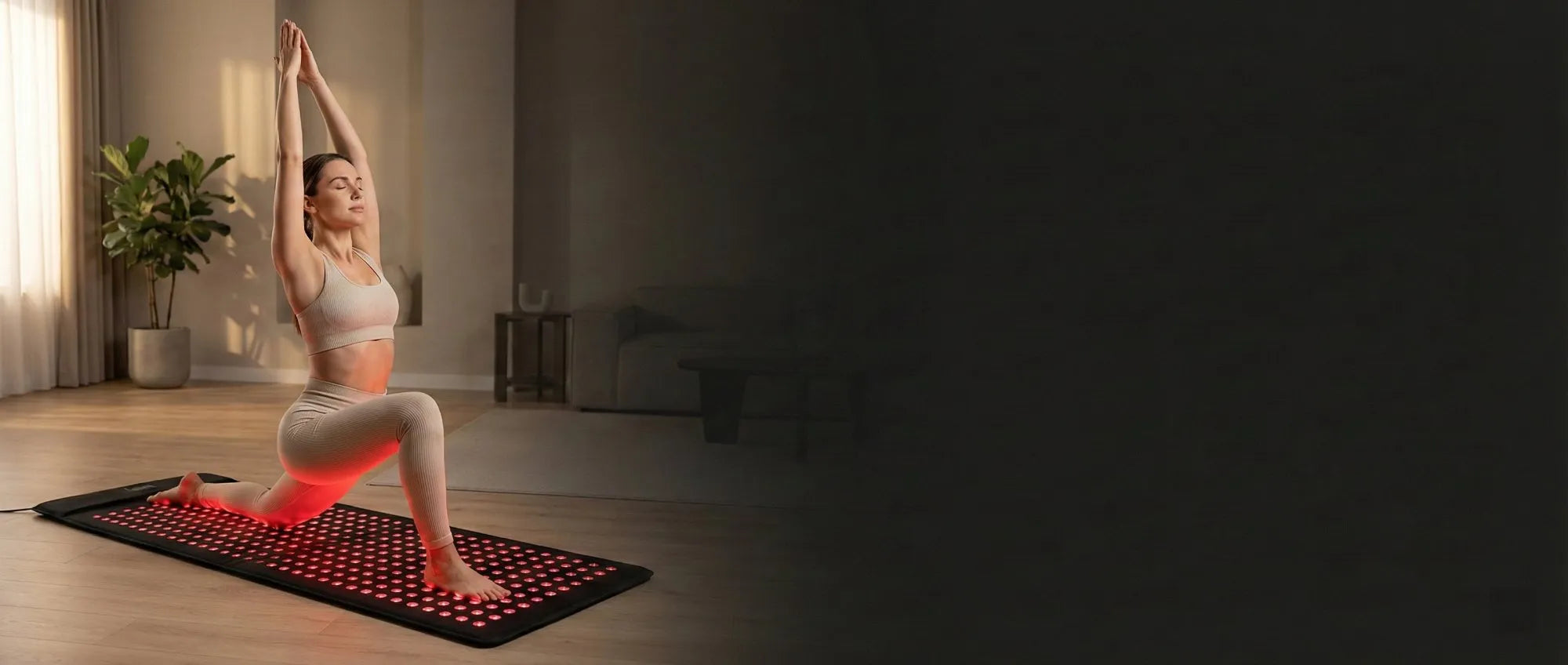
Third, coverage matters. Wraps, pads, and larger panels that cover whole muscle groups or joint regions tend to be more practical than tiny spot devices when you are dealing with quads, hamstrings, back, or shoulders.
Fourth, oversight and support matter. Some physical therapy and sports performance centers offer supervised sessions with medical‑grade equipment, which can be a smart way to test your response before investing in your own device.
When and Where to Use It Around Training
Because dosing is still being refined, the best guidance comes from patterns across trials and applied practice.
For performance and strength, several studies and athletic protocols use red or near‑infrared light shortly before training. Think of this as priming the tissue. A reasonable starting point is a focused session to the main muscles you are about to use, lasting around 10 to 20 minutes per area, following the manufacturer’s recommended distance.
For recovery, many clinics and performance centers apply light in the hours after training, often within a 2 to 4 hour window. This is when circulation, inflammation, and repair signaling are ramped up, and additional mitochondrial support seems particularly useful.
For chronic joint or tendon issues, daily or near‑daily sessions to the affected region over several weeks are common in rehab practices, paired with a structured loading program.
For sleep and nervous system recovery, consistent evening sessions using comfortable, non‑overstimulating doses can help reinforce your circadian rhythm, especially if you are coming off late training or travel. Some athletes also use short morning exposures to sharpen alertness.
The key point is alignment with your primary bottleneck. If soreness is holding you back, prioritize post‑session and rest‑day recovery sessions. If low training quality is the issue, focus more on pre‑conditioning. If systemic fatigue and poor sleep dominate, give the evening protocols a fair trial.
Integrating with Recovery Pillars
Every serious source on red light therapy for athletes makes the same recommendation: treat it as an adjunct, not a replacement.
Joovv’s recovery education materials, ACE Fitness expert articles, and exercise recovery guides all emphasize that the foundations are still sleep, nutrition, appropriate training load, and movement quality.
That means aiming for at least seven quality hours of sleep most nights, monitoring your workload so hard blocks are followed by easier phases, fueling with enough protein and carbohydrates to support repair and glycogen restoration, and using tools like active recovery, mobility work, and occasionally compression or cold exposure as needed.
Red light therapy sits on top of that foundation. It can tilt the balance of adaptation more in your favor, but it cannot compensate for chronic sleep deprivation, poor programming, or nutrient deficiencies.
Safety and Caution
Hospital and dermatology sources generally classify red light therapy as low risk when used properly. The main concerns are eye safety, photosensitivity, and special populations.
Direct exposure of the eyes to high‑intensity light should be avoided; many devices come with eye protection and usage guidelines. Individuals with conditions such as lupus, epilepsy, or known light sensitivity, and those taking photosensitizing medications, should talk to a physician before using red light therapy or may need to avoid it.
Pregnant individuals are often advised to be cautious, as the effects of intense red or near‑infrared light on a developing fetus are not well studied. Areas of known or suspected malignancy are typically avoided in clinical practice.
Finally, red light therapy is not a substitute for appropriate imaging or surgical consults when you have structural problems like full‑thickness ligament tears or advanced osteoarthritis. As one orthopedic sports medicine specialist noted in a hospital article, it can help with pain and inflammation around a joint, but it will not rebuild severely damaged structures.
A Short FAQ for Plateaued Athletes
Q: Will red light therapy by itself boost my numbers if my program and recovery are poor?
Red light can improve cellular energy, circulation, and inflammation, but it cannot override bad training or lifestyle. The research that shows meaningful performance and recovery benefits almost always combines photobiomodulation with structured exercise and sensible recovery habits.
Q: How long before I might notice changes in a plateau?
Sports physical therapy centers that use red light with athletes often report that subtle improvements in stiffness and soreness show up in the first few sessions, with clearer gains in training capacity and fatigue resistance emerging over two to four weeks of consistent use. That matches the time frames in several chronic training studies.
Q: Can I overdo red light therapy?
Yes. The evidence suggests a dose window where benefits are maximized, and going far beyond that does not help and may blunt the response. Because optimal dosing is not fully standardized, your best approach is to follow evidence‑informed protocols, respect manufacturer guidelines, and adjust based on how your body and performance respond, rather than assuming longer or more intense sessions are always better.
Closing Thoughts from a Light Therapy Geek
Red light therapy is not a magic beam that erases plateaus, but it is one of the few recovery tools that has both plausible cellular mechanisms and a growing, if imperfect, evidence base in athletic populations. When you pair it with thoughtful programming, honest recovery habits, and objective tracking of your performance and how you feel, it can give you just enough extra adaptation capacity to push past the “stuck” phase and into new territory.
If you decide to experiment, treat it like you would a serious training block: pick clear goals, commit for several weeks, track your sleep, soreness, and session quality, and be ready to course‑correct. That is how you turn light into real‑world performance, not just another gadget in the gym bag.

References
- https://lms-dev.api.berkeley.edu/studies-on-red-light-therapy
- https://scholarsarchive.byu.edu/cgi/viewcontent.cgi?article=7743&context=etd
- https://pmc.ncbi.nlm.nih.gov/articles/PMC5167494/
- https://behrend.psu.edu/student-life/student-services/counseling-center/services-for-students/wellness-offerings/red-light-therapy
- https://med.stanford.edu/news/insights/2025/02/red-light-therapy-skin-hair-medical-clinics.html
- https://www.acefitness.org/resources/pros/expert-articles/8857/red-light-therapy-and-post-exercise-recovery-the-physiology-research-and-practical-considerations/?srsltid=AfmBOooxZ56-q8BPrys9JV1ZdutNkdJyDYjec4NOYhwFyt5wA3lNrFsJ
- https://www.uhhospitals.org/blog/articles/2025/06/what-you-should-know-about-red-light-therapy
- https://www.physio-pedia.com/Red_Light_Therapy_and_Muscle_Recovery
- https://www.athleticlab.com/red-light-therapy-for-athletes/
- https://cityfitness.com/archives/36400