
High‑intensity interval training is one of the most efficient ways to build conditioning, power, and mental toughness. It is also a fantastic way to wreck your legs, spike inflammation, and sabotage sleep if recovery is not dialed in. Over the last decade, red and near‑infrared light therapy has moved from obscure rehab clinics into the toolkits of performance labs and serious home biohackers. The question that matters is not whether the panels look cool on the wall, but whether they actually help you bounce back from brutal intervals in a meaningful, measurable way.
This article takes an evidence‑based look at how red light interacts with muscle, inflammation, and performance, and how that translates to HIIT recovery. The focus is on what is supported by research in athletes and healthy volunteers, where the data are mixed, and how to integrate red light intelligently alongside the non‑negotiables of sleep, nutrition, and smart programming.
What Happens To Your Muscles During HIIT?
HIIT sessions drive repeated bouts of near‑maximal effort separated by short recovery windows. Under the hood, that means rapid ATP turnover, high mechanical tension on muscle fibers, and large swings in oxygen demand. When your intervals include eccentric loading—sprinting, hill runs, sled pushes, explosive jumps, heavy rowing strokes—you are essentially setting up a textbook case of delayed‑onset muscle soreness, or DOMS.
DOMS is the tender, stiff, “wooden leg” sensation that typically shows up 12–24 hours after unaccustomed or high‑intensity eccentric work, peaks between about 24 and 48 hours, and fades over several days. A randomized study on athletes with experimentally induced DOMS described exactly this pattern: pain, swelling, and reduced strength that impair performance and increase injury risk for several days after a hard session. This is why the second HIIT workout of the week often feels dramatically worse than the first if recovery is not managed.
Inflammation is not the enemy here; it is the necessary signal to repair and adapt. The problem is when the acute, local inflammatory response to hard intervals lingers and shades into a more chronic, system‑wide stress state. Evidence summarized by performance‑oriented sources such as Joovv and Athletic Lab points out that unresolved inflammation and overreaching can degrade hormone balance, blunt immune function, and set the stage for overtraining. That is the context where a cellular‑level recovery intervention like red light therapy becomes interesting.

What Is Red Light Therapy, Really?
Red light therapy, also called photobiomodulation, is the use of specific red and near‑infrared wavelengths to modulate biology without heating or burning tissue. Instead of blasting tissue with high‑energy lasers, photobiomodulation uses low‑level light, typically from LEDs, to nudge cellular systems.
Red wavelengths around 630–660 nanometers mainly interact with superficial layers of the body—skin, subcutaneous tissue, and the very top of muscle. Near‑infrared wavelengths in roughly the 800–900 nanometer range penetrate deeper, reaching several centimeters into muscle, fascia, tendons, and even bone. Athletic‑focused clinics and device makers commonly use 810–850 nanometers for deeper muscle work, while combining those with visible red for skin and superficial recovery.
Mechanistically, several independent lines of research point to mitochondria as the primary target. Photons of red and near‑infrared light are absorbed by cytochrome c oxidase in the mitochondrial respiratory chain. Work compiled in PubMed Central and summarized by anti‑inflammatory photobiomodulation reviews shows that this absorption can displace nitric oxide that is blocking oxygen binding, restore electron transport, increase mitochondrial membrane potential, and boost ATP production. At lower doses this is accompanied by a controlled burst of reactive oxygen species that acts as a signal, activating transcription factors like NF‑κB and pathways involved in repair and resilience.
In inflamed or oxidatively stressed tissue, the same therapy tends to push in the opposite direction: down‑regulating pro‑inflammatory cytokines, lowering excessive reactive oxygen and nitrogen species, and shifting macrophages from a pro‑inflammatory to a pro‑repair phenotype. Additional effects described in circulation‑focused articles include nitric‑oxide‑mediated vasodilation, improved microcirculation, and even new capillary formation, all of which matter when you are trying to clear metabolic waste and deliver oxygen and nutrients after all‑out intervals.
The key nuance is that red light shows a biphasic dose response. Reviews note that very low doses can be underwhelming, while aggressively high doses can flatten or even reverse benefits. staying in a moderate energy window appears crucial.

What Does The Science Say About Red Light And Exercise Recovery?
The honest answer is that the evidence is promising but not definitive, and most of it comes from studies on eccentric exercise, strength training, and endurance protocols rather than neatly packaged HIIT sessions. However, the physiological stressors are similar enough to extract meaningful guidance.
Soreness, DOMS And Muscle Damage
A randomized, placebo‑controlled trial published on Wiley’s platform looked at 40 university athletes who went through an intense eccentric quadriceps protocol designed to provoke DOMS. One group received 830‑nanometer LED therapy on the quadriceps for 10 minutes immediately after exercise, at a relatively high dose around 315 joules per square centimeter applied across multiple sites. The control group went through the same procedure with the device switched off.
Pain was measured using a visual analog scale, tenderness via pressure pain threshold, plus thigh circumference, range of motion, and quadriceps strength, at baseline and up to 96 hours post‑exercise. In subjective pain ratings, there were no statistically significant differences between groups, although the red light group consistently reported slightly lower pain from 48 hours onward. The more objective pressure pain threshold told a clearer story: the red‑light group showed significantly less mechanical tenderness at 48, 72, and 96 hours, with moderate to large effect sizes. Swelling, range of motion, and muscle strength did not differ meaningfully.
A systematic review cited in that same paper concluded that LED therapy at near‑infrared wavelengths could significantly relieve DOMS pain at 24, 48, 72, and 96 hours post‑exercise when certain parameters were used. However, other clinical trials compiled in a large photobiomodulation review have reported no effect on DOMS when different wavelengths, pulse frequencies, or doses were tested. A separate meta‑analysis summarized by Athletic Lab examined 15 studies and found that robust evidence for clinically meaningful DOMS reduction was lacking overall, despite some positive individual trials.
Taken together, the pattern for soreness is this: with the right wavelengths and doses, red or near‑infrared light can reduce pressure tenderness and sometimes subjective soreness after intense muscle work. The effect is not guaranteed, and it does not appear to magically preserve strength or eliminate functional impairment by itself.
Strength, Endurance And Adaptation
Where red light starts to look more compelling is when it is combined with structured training over weeks. A controlled trial archived in PubMed Central examined light‑emitting diode therapy added to a resistance‑training program. Participants who trained with red and near‑infrared LED exposure around their sessions achieved significantly greater muscle hypertrophy and strength improvements than those training with placebo light or training alone. Biochemical markers of muscle damage and soreness recovered faster in the active light group, and gene expression patterns shifted toward anabolic and regenerative pathways while dampening atrophy‑related genes such as myostatin.
A broader review on photobiomodulation and human muscle tissue gathered 46 clinical studies and more than a thousand participants. Many acute pre‑conditioning trials, where light was applied to working muscles before a fatiguing protocol, showed that photobiomodulation increased the number of repetitions to failure, extended time to exhaustion, or improved torque and maximum voluntary contraction, especially in elbow flexors and quadriceps. Blood lactate, creatine kinase, and inflammatory markers often rose less in light‑treated groups. The same review also highlighted that several well‑designed trials found no benefit when different parameters were used, reinforcing the importance of careful dosing and wavelength selection.
Athletic Lab’s performance overview cites specific examples: low‑level laser at 808 nanometers producing greater strength gains than control during strength training, and a treadmill study where endurance capacity improved roughly three times faster when red or near‑infrared therapy accompanied training. Another trial found better fatigue resistance during maximal repetition tests when light was applied during rest intervals. These are not HIIT protocols in the strict sense, but they stress the same systems: repeated high‑intensity work with incomplete recovery.
The combined message is that, under the right conditions, red and near‑infrared light can modestly amplify adaptation to strength and endurance training and may buffer some of the acute damage. That translates quite logically to repeated sprint and HIIT domains, even though direct HIIT‑specific trials are still sparse.
Inflammation, Circulation And Injury Recovery
Beyond performance tests, there is clinically relevant evidence that red light speeds recovery from musculoskeletal injuries. A study summarized by LED Technologies followed university athletes recovering from a variety of acute and overuse injuries. Athletes who incorporated LED phototherapy returned to play in an average of about 9.6 days, compared with an anticipated 19.23 days, with no adverse events reported. While that study lacked the rigorous controls of some laboratory trials, it aligns with a larger body of animal and human work showing faster wound healing, better collagen organization, and accelerated bone repair under photobiomodulation.
Anti‑inflammatory reviews in PubMed Central describe one of the most consistent outcomes of red and near‑infrared therapy as reduction in inflammation across joints, injured soft tissues, lungs, spinal cord, even brain tissue in various models. Mechanisms include decreased pro‑inflammatory cytokines, increased anti‑inflammatory mediators, and improved lymphatic flow. For athletes who accumulate microtrauma from HIIT, this anti‑inflammatory, pro‑healing bias is exactly what you want in the background between sessions.
Sleep, HRV And Systemic Recovery
Recovery is not just about what happens inside the quadriceps. Sleep, autonomic balance, and mood shape how well you bounce back from intervals. Performance‑oriented summaries from Joovv and Athletic Lab emphasize that sleep is arguably the single most important recovery tool, and that heart rate variability is a useful proxy for whether your system is adapting or sliding toward overtraining.
Red light seems to interact with this systemic side of recovery as well. One controlled study referenced by Athletic Lab, involving female basketball players, found that bedtime red light exposure improved subjective sleep quality and increased nighttime melatonin compared with placebo. Another study cited by the same group observed that red light exposure in the morning reduced sleep inertia and improved alertness and short‑term performance. These findings are modest and early, but they support the idea that red light can help align circadian cues and support better sleep architecture.
At the same time, dermatology‑focused experts at Stanford Medicine point out that evidence for red light improving athletic performance or sleep is not yet robust. They note strong support in areas such as hair regrowth and skin rejuvenation, but characterize performance and sleep benefits as promising hypotheses rather than established clinical facts. That tempered view is critical: red light can support the fundamentals of recovery, but it does not replace them.

How To Integrate Red Light Around HIIT In Practice
Most HIIT athletes and coaches are not interested in mechanisms for their own sake; they care about sessions per week tolerated, how legs feel on the second or third high‑day, and whether performance metrics are trending up. Red light and near‑infrared light can be woven into that reality in a grounded way.
Timing: Before Or After HIIT?
The literature and clinical practice frame two main strategies. The first is pre‑conditioning: using light therapy shortly before intense exercise to prime mitochondria, improve blood flow, and potentially increase work capacity and reduce subsequent damage. Performance‑oriented clinics often recommend 10–20 minutes of red or near‑infrared exposure to the primary muscle groups about 15–30 minutes before a session. Studies gathered in the photobiomodulation performance review show that pre‑conditioning is where many of the improvements in reps, time to exhaustion, and torque have been observed.
The second is post‑exercise or recovery‑focused use. Joovv and other sports‑recovery oriented sources suggest applying light within a few hours after training to speed the shift from sympathetic “go” mode into repair, support ATP‑dependent recovery processes, and help clear inflammatory byproducts. A common guideline from Joovv is to leave at least six hours between pre‑ and post‑exercise sessions if using both in one day, to avoid overdosing the same tissues.
For HIIT specifically, a practical pattern is to use pre‑conditioning on your highest‑priority sessions—intervals where performance matters most—and reserve post‑exercise sessions for blocks where soreness has been a recurring limiter or when you are layering HIIT on top of other heavy training.
Wavelengths, Dose And Session Length
Sports‑oriented protocols cluster around a fairly consistent range of parameters. FunctionSmart’s performance‑focused guidance highlights near‑infrared wavelengths around 810–850 nanometers for deep penetration into muscle, typically delivered for 10–20 minutes per body area. Physical medicine and wellness articles from clinics and hospitals generally recommend similar or slightly shorter exposures. Athletic Lab notes that, for their device, about 20 minutes per session appears to be a point of diminishing returns, particularly when the device is relatively close to the body.
The anti‑inflammatory photobiomodulation literature adds another crucial layer: the biphasic dose response. In cell models, low doses around a few joules per square centimeter at 810 nanometers increased ATP and mitochondrial membrane potential, while very high doses around ten times that amount pushed mitochondria into a less favorable state with more reactive oxygen species. Animal and human studies mirror this “sweet spot” behavior.
A useful way to think about dosing HIIT‑stressed muscles with a panel or pad is to keep treatments short and focused rather than blasting the entire body for long sessions. When the device is close to the skin, a ten to fifteen minute exposure per major muscle group on interval days is generally sufficient. If you add a second daily session that targets the same tissues, consider shortening each one. Online rehab and performance resources emphasize following manufacturer instructions, then adjusting based on how your body responds.
Targeting: Where To Shine The Light For HIIT Recovery
For running or cycling intervals, the main load lands on quadriceps, hamstrings, glutes, and calves. For rowing sprints, air bike sessions, or CrossFit‑style HIIT, the pattern extends into spinal erectors, shoulders, and sometimes forearms. Light should track the load.
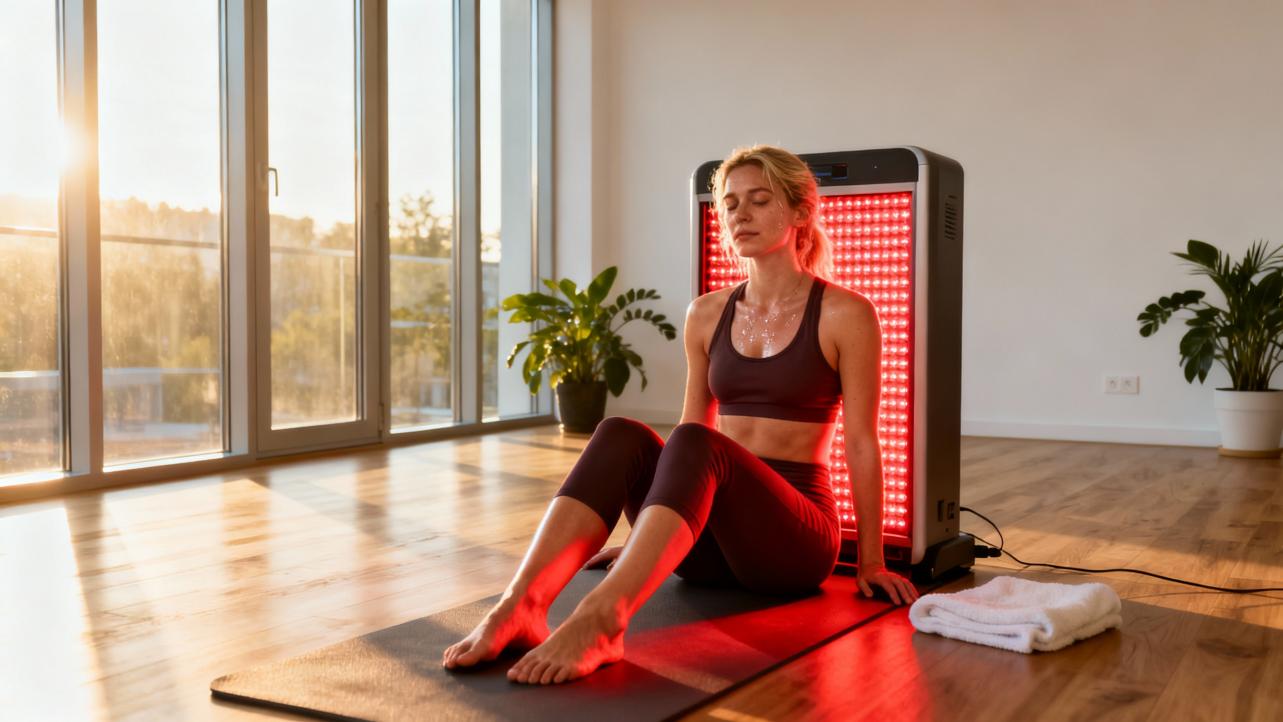
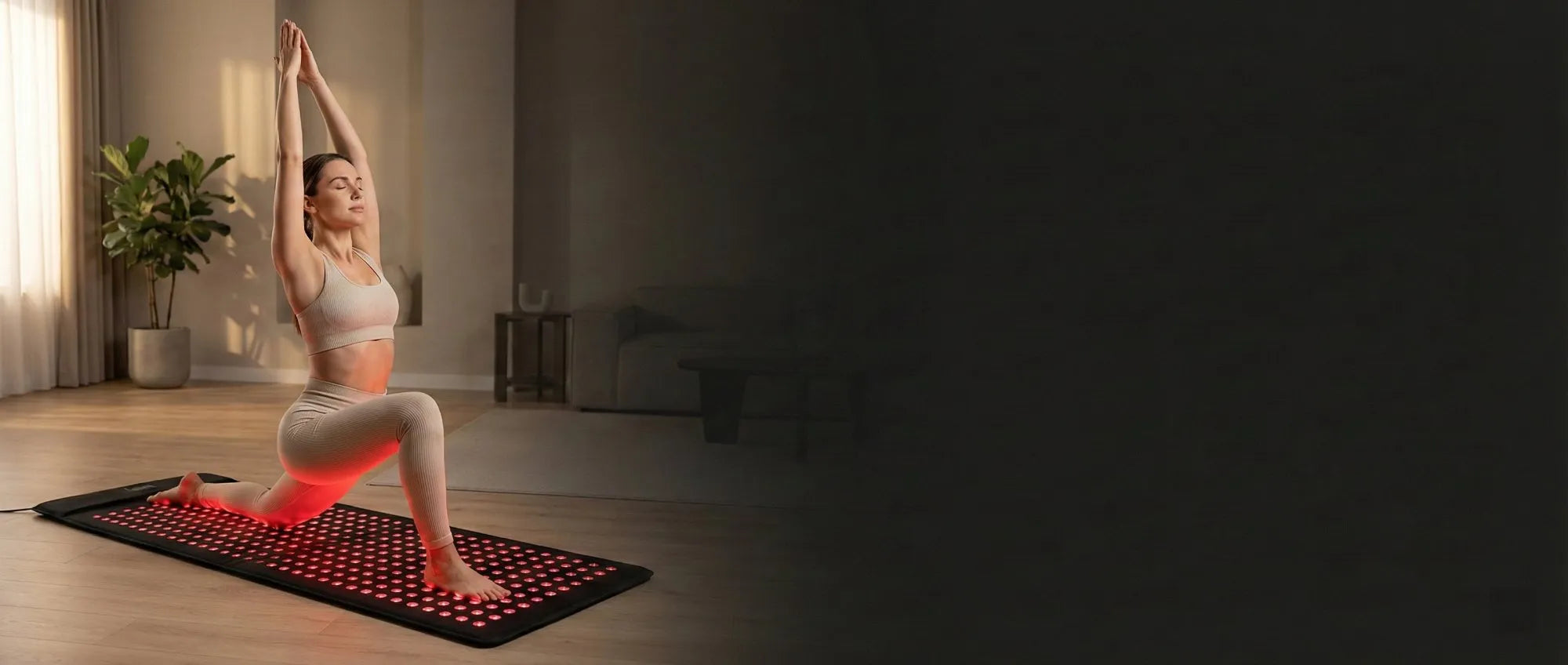
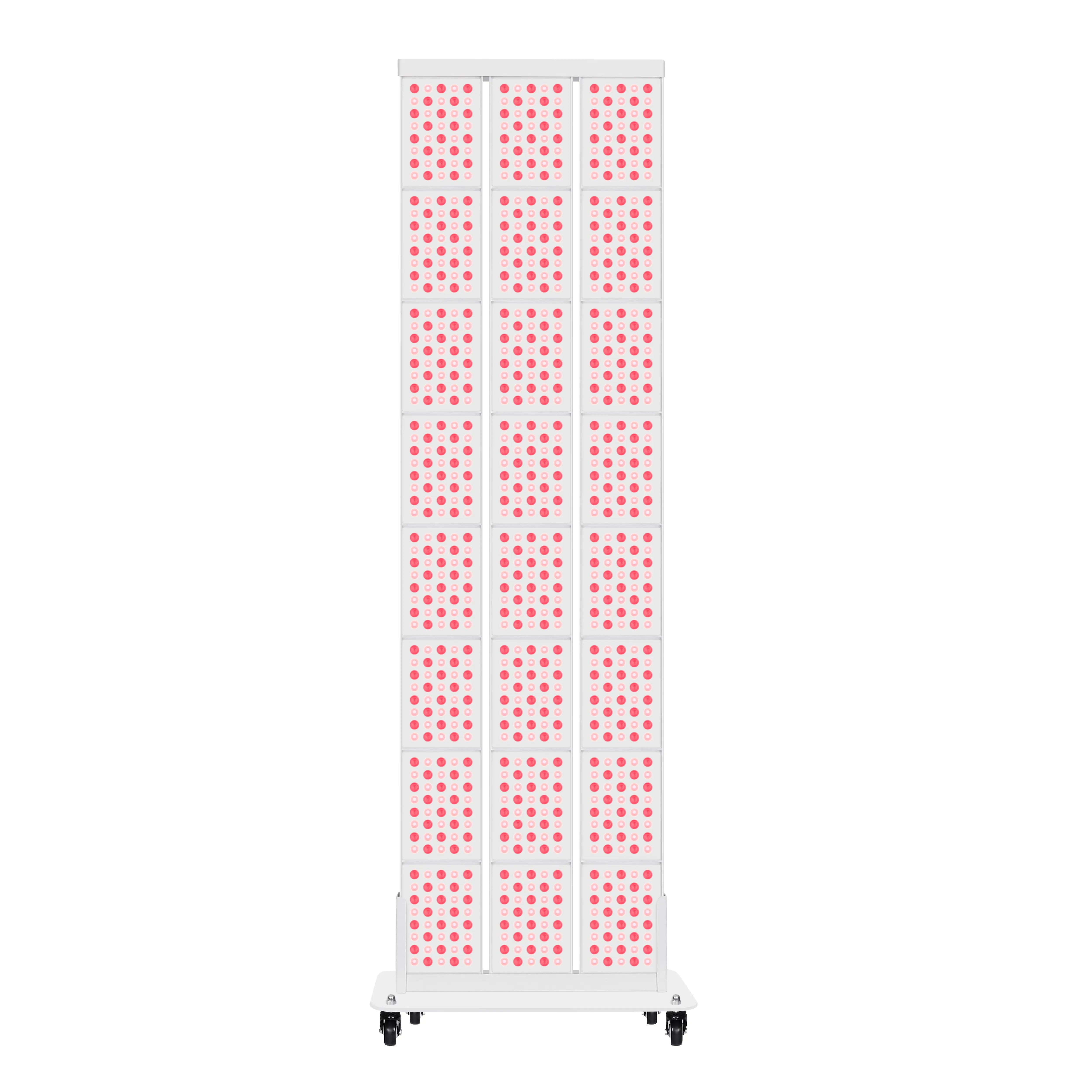
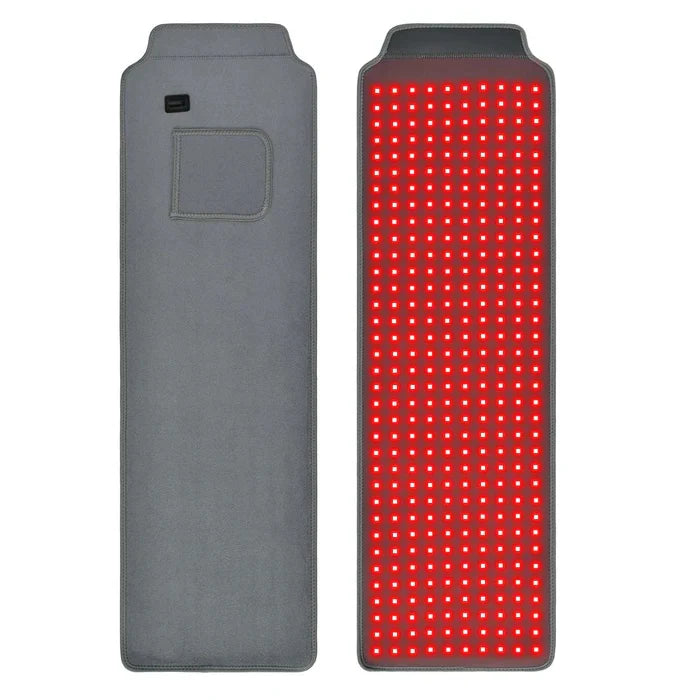
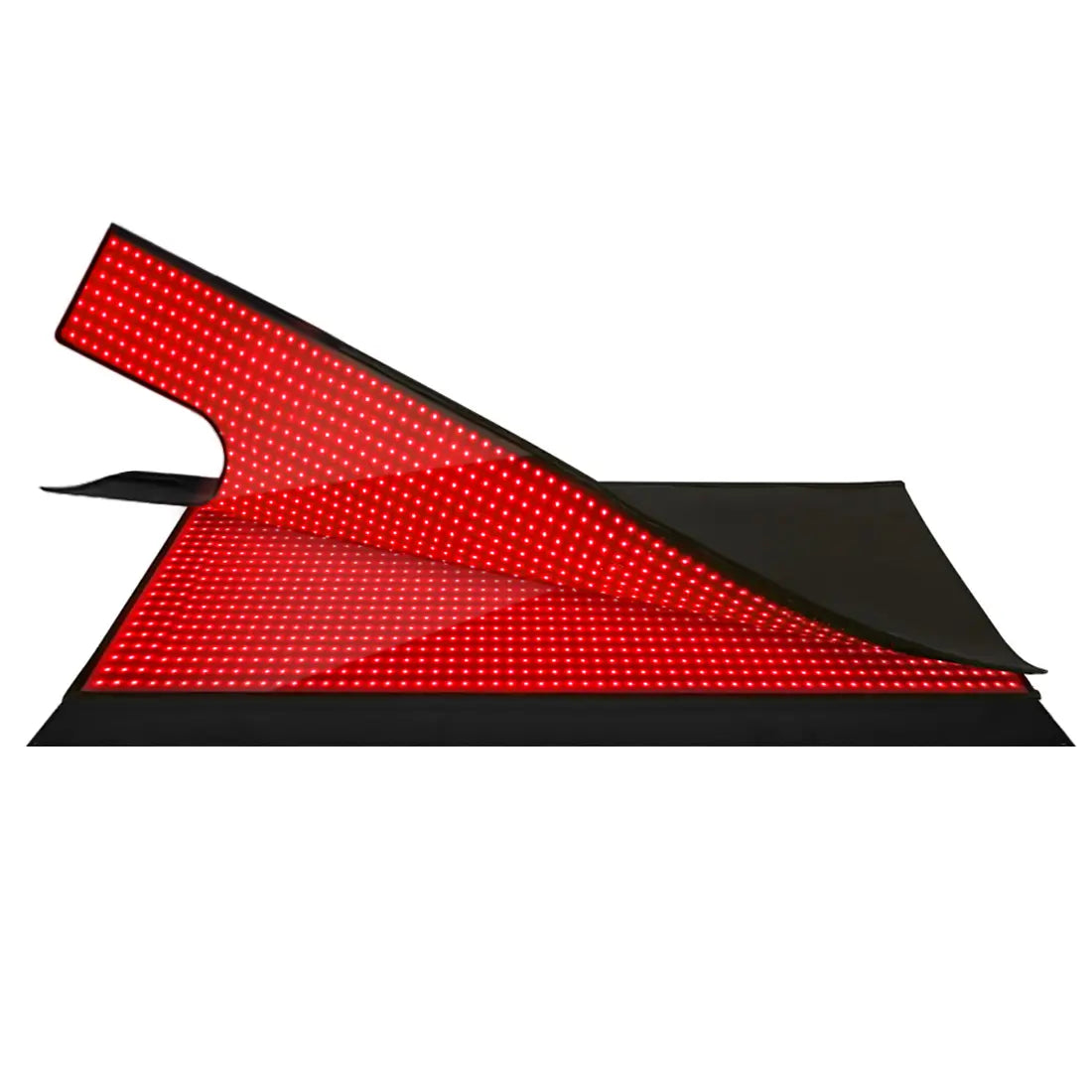
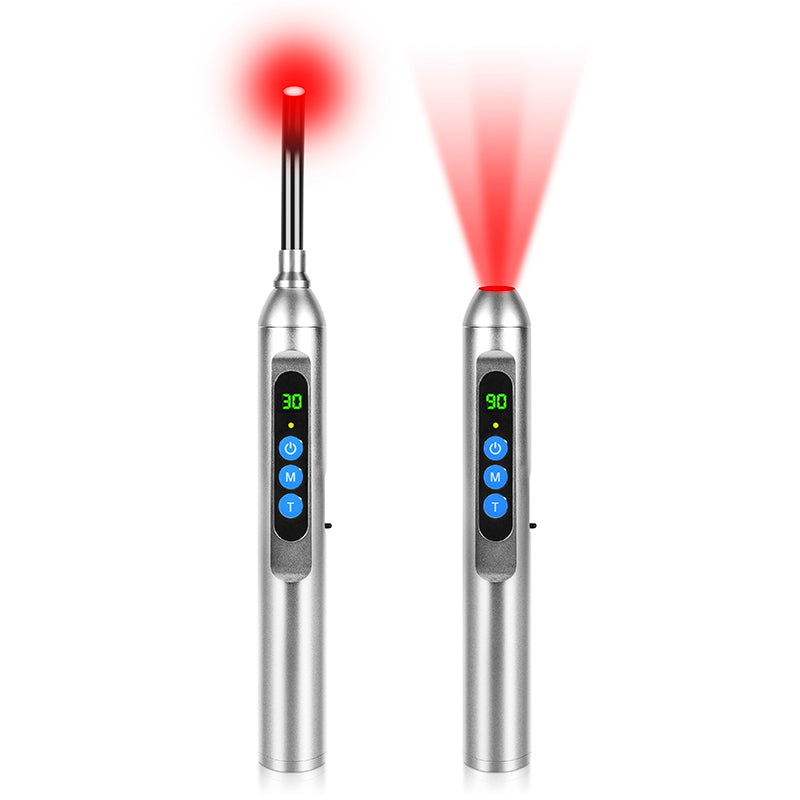
In practice this means standing or sitting in front of a panel so that the primary working muscles are between about 6 and 18 inches from the diodes, or strapping flexible pads around thighs, hamstrings, or calves. Some athletes alternate frontal and posterior exposures across different days; others rotate areas within a single session, moving a smaller device every few minutes.
Studies of DOMS and strength performance have typically irradiated multiple standardized points along the target muscle bellies, as in the 830‑nanometer quadriceps trial that used six contact points along the rectus femoris and neighboring muscles. You do not need to replicate clinical mapping perfectly, but you want large portions of the belly of each main working muscle to see light during the session.
Safety, Contraindications And Device Quality
Across dermatology, pain medicine, and sport, red and near‑infrared light therapy has a strong safety record when used appropriately. Stanford Medicine and WebMD both note that these therapies do not involve ultraviolet radiation and therefore do not carry the same DNA‑damage and skin‑cancer risk as tanning beds or unprotected sun exposure. Studies in musculoskeletal pain, arthritis, and even oral mucositis in cancer patients report few serious adverse events.
That said, safety is not automatic. Clinical centers such as MD Anderson require eye protection during laser or intense LED treatments to prevent retinal injury. Over‑the‑counter devices are less powerful but still should not be stared into at close range. Medical centers and hospital blogs advise people who are pregnant, those with known photosensitivity or taking photosensitizing medications, and individuals with active malignancy at the treatment site to use caution and consult a physician before beginning therapy. Many clinicians also avoid direct treatment over the thyroid unless there is a clear protocol.
On the device side, multiple sources recommend choosing products that are cleared or registered by the US Food and Drug Administration for indications such as temporary reduction of muscle and joint pain or increased circulation. This type of clearance primarily speaks to safety and equivalence to existing devices, not proof that every advertised performance claim is valid. Because power output, wavelength accuracy, and beam divergence vary widely between devices, going with established manufacturers and avoiding extremely cheap panels with no documentation is a sensible starting point.

Pros And Cons Of Red Light For HIIT Recovery
The potential upsides of integrating red light with HIIT are based on mechanisms and patterns that repeat across multiple studies. Photobiomodulation reliably increases mitochondrial activity and ATP production in muscle cells, supports nitric‑oxide‑driven vasodilation, and modulates oxidative stress. Clinical and sports studies have shown reduced mechanical tenderness after intense exercise, faster recovery of certain performance metrics, and larger gains from strength and endurance training when light is used as a pre‑conditioning or adjunct therapy. Side effects are rare and usually mild when safety guidelines are respected.
On the other hand, the evidence base is heterogeneous. Some well‑conducted randomized trials show no benefit for DOMS or performance. Meta‑analytic work on soreness reduction finds that overall evidence for large, clinically obvious changes in DOMS is not strong. Stanford’s dermatology experts emphasize that, while photobiomodulation clearly changes biology and has strong support for specific skin and hair indications, claims about broad performance, sleep, or multi‑system wellness benefits are ahead of the data.
There is also the risk of misallocation of effort and money. High‑quality full‑body devices are not cheap, and even smaller targeted units represent a nontrivial investment. Using them as an excuse to neglect sleep, overload training blocks, or overlook nutrition basics would be a mistake. The most sensible stance is to treat red and near‑infrared light as a low‑risk, potentially meaningful “multiplier” on top of solid recovery foundations, not a magic fix.
A simple way to conceptualize the landscape is to assign rough evidence strength tiers to different outcomes: stronger for local pain and certain musculoskeletal issues, moderate and parameter‑dependent for strength and endurance gains, and preliminary or mixed for DOMS and systemic outcomes such as sleep. HIIT recovery touches all three categories, which explains why experiences vary.
A Sample Weekly HIIT Plus Red Light Strategy
Imagine an experienced recreational athlete who runs two hard interval sessions per week, lifts weights twice, and does low‑intensity conditioning on the other days. For someone like this, a realistic red light strategy would zero in on the most stressful days and tissues, rather than bathing the entire body every day.
On a key HIIT day—for example, a late‑afternoon track interval session—one practical pattern is to use a ten to fifteen minute near‑infrared exposure on the quadriceps and hamstrings roughly 20 minutes before the warm‑up. The goal is to pre‑condition the primary working muscles, potentially improving mitochondrial efficiency and delaying fatigue. After the session, regular cooldown, hydration, and nutrition take priority. If the intervals were particularly brutal or part of a new progression, a second ten‑minute exposure to the same regions within a two to four hour window can be used to support recovery, provided there is at least several hours between the two sessions to respect the biphasic dose behavior.
On the second HIIT day, where fatigue from earlier in the week is more likely, many athletes prefer to emphasize recovery. In practice that could mean skipping pre‑conditioning and instead using a 15–20 minute exposure on quadriceps, hamstrings, and calves in the evening, after dinner but well before bedtime. For some, pairing this with a short wind‑down routine and a darker, screen‑free bedroom helps leverage any mild circadian and melatonin‑supportive effects described in sleep studies.
Strength days can be treated selectively. If squats or deadlifts are heavy and close to interval work, a shorter pre‑conditioning exposure on the relevant muscles may help preserve quality. If upper‑body work is less central to HIIT performance, many athletes simply rely on occasional sessions targeting shoulders and back when soreness accumulates. Low‑intensity conditioning days can be left free of red light or used with brief, targeted exposures on chronic hot spots such as knees or Achilles tendons.
The common thread in all of these scenarios is that red light therapy is integrated into the week with purpose, aligned with training priorities, and kept within moderate time and dose ranges. Recovery is still anchored by at least seven hours of good sleep, adequate protein and total calories, intelligent progression of interval load, and honest attention to metrics like heart rate variability, mood, and motivation.

FAQ: Red Light And HIIT Recovery
Does red light therapy make HIIT feel easier right away?
Some studies show acute improvements in fatigue resistance and time to exhaustion when red or near‑infrared light is used as pre‑conditioning, while others show no change. The DOMS and quadriceps trial discussed earlier found better mechanical tenderness but no dramatic differences in perceived pain or strength. For most athletes, any “this feels easier” effect is subtle rather than dramatic. The value lies more in slightly better output and faster recovery across weeks and months than in turning a single brutal session into a walk in the park.
Do I need a full‑body red light bed for HIIT recovery?
Evidence and clinical reports suggest that targeted treatment of the main working muscles and problem joints is sufficient for recovery goals. Whole‑body beds can deliver systemic effects and are convenient, but they are not essential and are often expensive. Panels, pads, or localized devices aimed at quadriceps, hamstrings, calves, and hips can capture most of the relevant benefits for HIIT, especially when used consistently in alignment with hard training days.
Can I overdo red light therapy?
Yes, at least in theory and in laboratory models. The biphasic dose response seen in mitochondrial and tissue studies means that more is not always better. Very long or frequent sessions to the same area may move tissue into the inhibitory side of the curve, or at minimum waste time without adding benefit. Following manufacturer guidelines, staying within the 10–20 minute per area range on training days, and monitoring how your body responds over several weeks is a sensible approach. If soreness, sleep, or performance worsen or feel “off,” dial back frequency or duration and reassess.
Red and near‑infrared light therapy sits in an interesting place for HIIT athletes: neither hype nor magic, but a mechanistically sound, low‑risk tool that can make a noticeable difference when used intelligently. Combined with disciplined attention to sleep, nutrition, and load management, it can help turn those punishing intervals into a sustainable, long‑term engine for performance rather than a fast track to burnout.
References
- https://pmc.ncbi.nlm.nih.gov/articles/PMC5026559/
- https://med.stanford.edu/news/insights/2025/02/red-light-therapy-skin-hair-medical-clinics.html
- https://www.mainlinehealth.org/blog/what-is-red-light-therapy
- https://www.mdanderson.org/cancerwise/what-is-red-light-therapy.h00-159701490.html
- https://www.uhhospitals.org/blog/articles/2025/06/what-you-should-know-about-red-light-therapy
- https://www.physio-pedia.com/Red_Light_Therapy_and_Muscle_Recovery
- https://www.athleticlab.com/red-light-therapy-for-athletes/
- https://functionsmart.com/red-light-therapy-for-athletes-faster-recovery-and-enhanced-performance/
- https://www.medco-athletics.com/articles/red-light-therapy-and-sports-performance
- https://physicalachievementcenter.com/oshkosh-red-light-therapy-athletic-recovery/