Why Bodybuilders Are Pointing Panels at Their Quads
If you have been around serious lifters lately, you have probably seen someone standing in front of a glowing red panel before or after training. The promise is seductive: more reps, faster recovery, fuller muscles, better sleep, even better skin so your hard-earned definition pops under stage lights.
Red and near‑infrared light therapy, often called photobiomodulation, absolutely can change biology. Dermatology departments at major academic centers use it for skin and hair. Sports medicine clinics deploy it for pain and injury rehab. At the same time, performance-focused data in lifters are mixed and heavily protocol dependent. Some studies show better strength and hypertrophy when light is added to training, while others show no difference at all.
If you are a bodybuilding-minded lifter, you should treat red light therapy as an advanced, experimental add‑on. It is something you layer on top of already dialed-in training, nutrition, and sleep, not a replacement for them. With that frame in place, let us walk through what it actually is, what the research says for muscle and definition, and how to use it intelligently if you decide it fits your budget and priorities.

What Red Light Therapy Actually Is
Red light therapy is a noninvasive treatment that exposes your tissue to specific red and near‑infrared wavelengths, typically around 630–660 nanometers on the red end and about 810–850 nanometers in the near‑infrared range. In the scientific and medical literature it goes by several names: photobiomodulation, low‑level laser therapy, and low‑level light therapy. Devices can be lasers, LEDs, or gas‑discharge lamps.
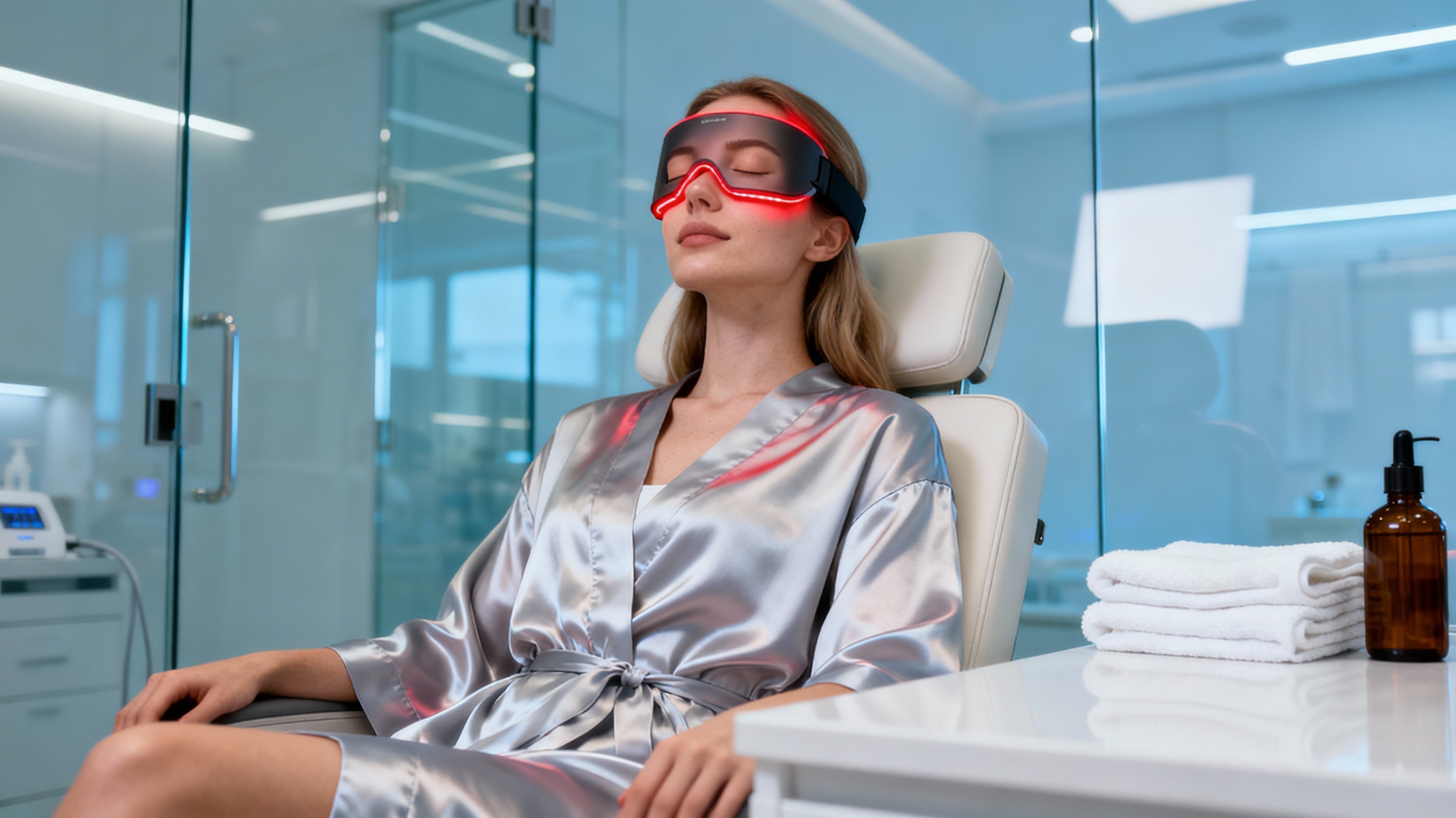
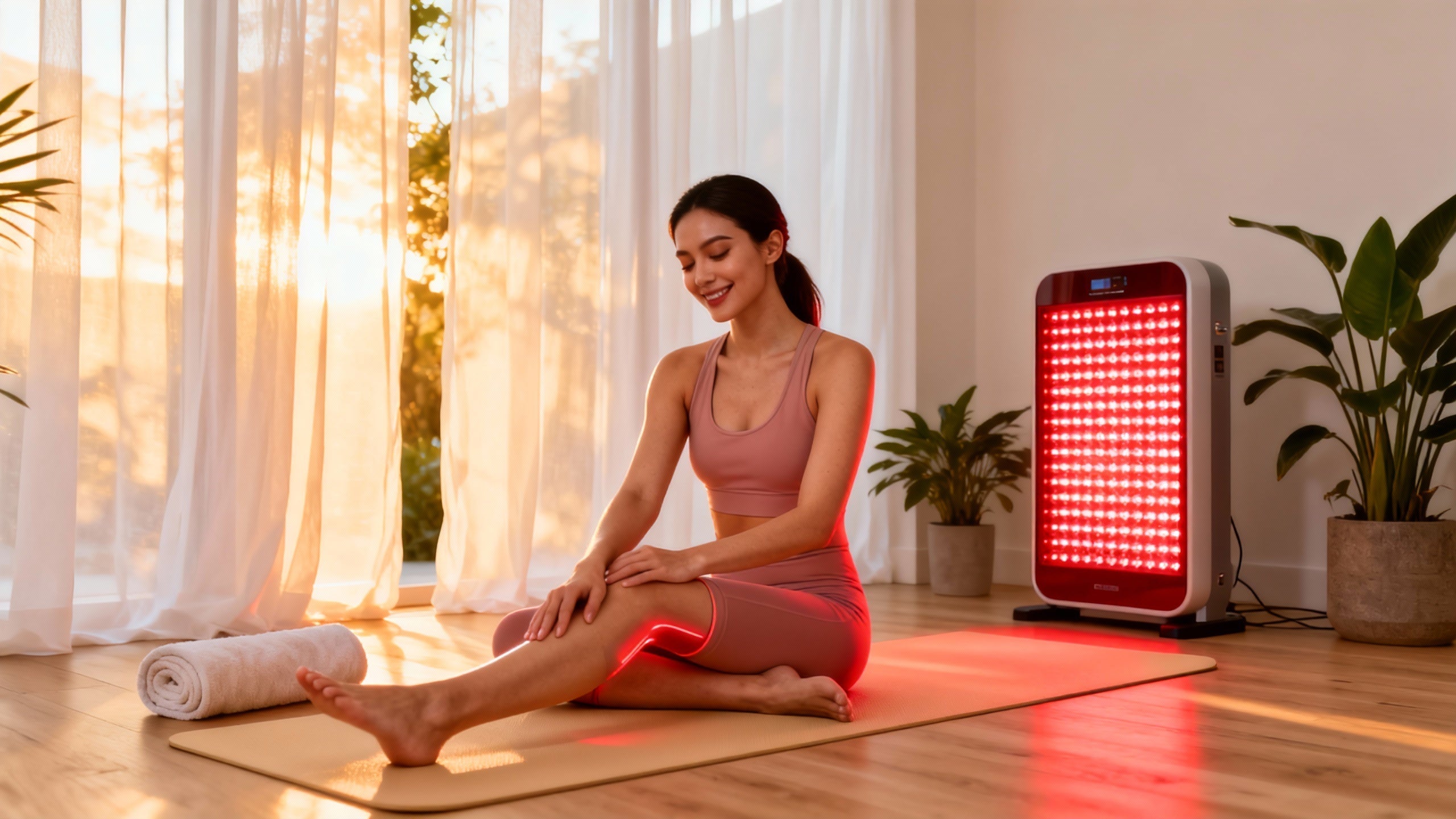
Unlike a tanning bed, these devices use non‑ultraviolet light and produce little heat at therapeutic doses. Clinics and gyms use full‑body beds or cabins, overhead panels, pads, or targeted probes. At home, people use panels, wraps, handheld wands, or masks. Dermatology articles in journals indexed by PubMed and reviews from Harvard Health and Stanford Medicine describe a solid safety profile when devices are used appropriately and eyes are protected.
How the Light Interacts with Muscle
Across multiple sources, including a large review in J Biophotonics and articles from Athletic Lab, FunctionSmart Physical Therapy, and Physiopedia, the mechanisms converge on mitochondria and blood flow.
In muscle cells, red and near‑infrared photons are absorbed by an enzyme in the mitochondrial respiratory chain called cytochrome c oxidase. This light exposure can displace nitric oxide that is blocking the enzyme, letting oxygen bind more efficiently. The result is more effective oxidative phosphorylation and more adenosine triphosphate, the energy currency your muscle fibers rely on for contraction and relaxation. Some providers, such as FunctionSmart Physical Therapy, cite data suggesting ATP production increases that can approach doubling under certain conditions.
In parallel, photobiomodulation modulates nitric oxide and other signaling molecules that influence blood vessels, inflammatory cytokines, and antioxidant defenses. Studies summarized by Physical Achievement Center and LED Technologies describe improved local blood flow and oxygen delivery, reduced pro‑inflammatory markers, and increased activity of antioxidant enzymes. A sports medicine review in PubMed Central highlights additional mechanisms such as changes in gene expression relevant to repair and possible increases in muscle fiber excitability.
Tissue Repair, Injury, and Skin
For bodybuilders, two extra domains matter a great deal: injury downtime and skin quality.
Studies in university athletes reported in the journal Laser Therapy found that LED phototherapy after sports injuries cut mean return‑to‑play from about 19 expected days to about 10 actual days, with no adverse events reported. Clinical providers such as Main Line Health and MD Anderson Cancer Center describe using similar technology to help musculoskeletal pain and post‑exercise soreness, with promising but still non‑definitive evidence.
Dermatology is where red light is most clearly established. Stanford Medicine dermatology experts and Harvard Health report that shallow‑penetrating red wavelengths can boost collagen, improve skin texture, and soften fine lines and wrinkles, with hundreds of clinical and mechanistic studies backing those effects. Controlled trials have shown increased intradermal collagen density and improvements in skin roughness and appearance after repeated full‑body red light sessions. That matters for a physique athlete because smoother, healthier skin can make muscle separation look crisper under bright light.

What the Research Says About Muscle, Strength, and Definition
The key question for a lifter is simple: does red light therapy actually build more muscle or improve definition in a meaningful way, beyond what you get from training, diet, and sleep. The honest answer, based strictly on current research, is nuanced.
Short‑Term Performance and Volume
Several studies reviewed by Examine and by the J Biophotonics muscle review applied red or near‑infrared light directly to working muscles shortly before exercise and then measured repetitions to failure, torque, or time to exhaustion.
In young male athletes, especially in studies from a single research group working with volleyball players and lifters, pre‑exercise photobiomodulation increased repetitions to failure during eccentric exercises such as biceps curls and knee extensions. Other trials with muscular pre‑conditioning on the biceps brachii reported longer time to exhaustion, more repetitions at a given load, and higher mean and peak force compared with sham treatment. These studies used wavelengths between about 655 and 850 nanometers, doses in the several joules per square centimeter range, and multiple irradiation points along the muscle belly.
However, results are not consistent. Other randomized, placebo‑controlled trials using similar wavelengths and pre‑exercise protocols found no improvement in repetitions, torque, or electromyographic fatigue indicators. A performance‑focused overview from TrainingPeaks, drawing heavily on the J Biophotonics review, concludes that short‑term performance benefits in upper and lower limbs are small, inconsistent, and not robust across different protocols.
Taken together, there is credible evidence that, under some parameter sets, red light therapy before a workout can slightly delay fatigue and allow more work in that session. But the effect is not guaranteed, and the evidence base is much thinner than for obvious variables like load, proximity to failure, and total sets.
Hypertrophy and Strength Over Weeks
Only a few long‑term trials have specifically looked at muscle size and strength gains when red light therapy is layered onto a resistance training program. Examine highlights one study in young men where applying red light before strength training led to greater increases in muscle size and strength compared with training alone. Greentoes’ weightlifting‑focused article also points to research in trained men showing greater muscle thickness and strength gains when sessions were paired with lifting.
On the flip side, a trial in older men that added red light therapy to regular strength training found no benefit for hypertrophy or strength. A study in older women using red light after strength training also failed to show strength improvements and did not report muscle size.
The J Biophotonics review of 46 human trials across different sports and training styles found that while some chronic protocols produced structural muscle changes, these did not consistently translate into better performance. TrainingPeaks characterizes chronic performance evidence as scarce, weak, or inconsistent, with no clear proof that red light produces clinically meaningful performance gains across the board.
For bodybuilding purposes, this means you should expect, at best, a modest edge in muscle growth or strength when red light therapy is added thoughtfully to a program that already handles volume, effort, and progression correctly. It is not a substitute for progressive training and adequate recovery, and in many populations it may not move the needle at all.
DOMS, Recovery, and Training Frequency
Delayed onset muscle soreness is a big limiting factor in how often you can hammer a body part without sacrificing performance. Here the data are somewhat more encouraging, but still mixed.
FunctionSmart Physical Therapy reports studies in athletes where delayed onset muscle soreness was reduced by as much as half with consistent use, allowing harder and more frequent training. LED Technologies cites work, including a J Biophotonics paper, where athletes using red or infrared light before or after workouts experienced less soreness, quicker recovery, and better muscle tone. Some clinical trials in the J Biophotonics review found lower creatine kinase, less strength loss, and reduced soreness over the 24–96 hours after eccentric exercise when light was used either as pre‑conditioning or immediately after training.
At the same time, other high‑quality trials reported no meaningful difference in soreness, range of motion, or pain between red light, placebo, and control groups. A systematic review and meta‑analysis of 15 studies summarized by Athletic Lab concluded that evidence for clinically meaningful delayed onset muscle soreness reduction is still inconclusive. Examine also notes that across multiple trials red light therapy has not reliably reduced muscle soreness in the days following a workout.
In practical terms, some lifters may feel noticeably better and recover reps faster between sessions when they combine red light with training, while others will not notice much at all. The effect, when present, appears to be modest and strongly dependent on wavelength, dose, timing, and the specifics of the workout.
Injury, Pain, and Keeping Training on Track
From a lifetime bodybuilding perspective, staying healthy may be more important than squeezing out an extra rep on any given day. Here red light therapy looks more promising, particularly for tissue healing and pain control.
The Laser Therapy journal study on university athletes found that those using LED phototherapy after sports injuries returned to play in about half the anticipated time, with no adverse events. Articles from LED Technologies, Main Line Health, and MD Anderson describe red and near‑infrared light reducing pain and inflammation in conditions such as sprains, strains, tendon problems, and chronic neck pain, as well as helping with arthritis and general joint discomfort. A 2021 review summarized by University Hospitals suggests that red light may relieve pain from acute and chronic musculoskeletal conditions and fibromyalgia.
For a bodybuilder with recurring tendinopathy, nagging joint pain, or a mild muscle strain, red light therapy integrated with good rehab and load management could feasibly shorten the time you are forced to back off heavy training. However, orthopedic experts such as those at University Hospitals are clear that light will not repair full ligament tears or reverse advanced joint degeneration. Mechanical problems still need mechanical solutions.
Skin, Definition, and Body Contouring
One often overlooked part of “muscle definition” is the overlaying skin. Clinical studies in dermatology, including a controlled trial summarized in PubMed Central and reviews from Stanford Medicine and Harvard Health, show that repeated red light exposure can increase intradermal collagen density, improve skin roughness, smooth wrinkles, and boost overall skin appearance. These effects appear after weeks to months of consistent use.
WebMD and Harvard Health also note that red light can improve acne and some types of scarring and redness. For a physique athlete whose face and upper body are scrutinized under unforgiving lighting, better skin quality can make you look healthier and more polished, even if your actual body fat does not change.
Some cosmetic body‑contouring systems use red or near‑infrared light to reduce body circumference temporarily. WebMD reports that these treatments may slim treated areas in the short term but do not produce meaningful or lasting weight loss. In other words, red light will not replace the calorie deficit and cardio required to reveal striations, though it may mildly influence how skin drapes over lean tissue in the short run.
How Red Light Therapy Could Influence Muscle Definition in Real Life
If you connect the mechanistic dots and the patchy human data, a coherent picture emerges for how red light therapy might matter to a bodybuilding‑style athlete.
Improved cellular energy production and blood flow in muscle could support slightly higher training quality, especially in high‑rep or metabolite‑heavy work, if you hit the right dose and timing. Reduced inflammatory stress after training, combined with faster muscle repair and collagen synthesis, could allow you to tolerate more productive volume over a training block without sliding into excessive soreness or joint pain. Better management of chronic aches and tendinopathies could mean fewer forced deloads and more total hard sessions per year.
At the cosmetic level, improved skin texture and collagen may subtly enhance how sharply your muscles read on stage or in photos, particularly around the shoulders, chest, and arms. If you also benefit from the sleep improvements reported in some athlete studies, such as the work in Chinese female basketball players where evening red light improved sleep quality and melatonin, you gain another upstream recovery and hormonal advantage.
The catch is that none of these steps are guaranteed. TrainingPeaks, Examine, Stanford Medicine, and academic dermatology groups all stress that while the biological rationale is strong and there are pockets of positive data, high‑quality, large‑scale trials for performance and systemic benefits are still lacking. For many lifters, the marginal gains from a light panel may be smaller than simply tightening up sleep duration, dialing protein and carbohydrate timing, or tuning training programming.
Practical Protocols for Bodybuilders
If you have your foundations in place and decide to experiment with red light therapy for muscle definition, you want to be as systematic as possible without pretending the data are more definitive than they are.
Wavelengths and Devices
Most athletic and rehab protocols use a combination of visible red around 630–660 nanometers for superficial tissues and near‑infrared around 810–850 nanometers for deeper penetration into muscle, fascia, and tendon. Clinical and rehab sources, including FunctionSmart, Physical Achievement Center, and LED Technologies, converge on this range. Skin and hair studies in academic dermatology often use red‑only bands in the low 600s.
Professional‑grade devices tend to deliver more consistent power densities and clearly specified wavelengths. Consumer panels and wraps can work but vary widely in actual output, and many are not rigorously tested. Multiple medical sources, including Stanford Medicine and Harvard Health, advise choosing devices that clearly state their wavelengths and have regulatory clearance for safety rather than relying on vague marketing language.
Pre‑Workout vs Post‑Workout Use
From athletic and rehab literature, two timing windows keep showing up: about fifteen to thirty minutes before hard training, and within a few hours after.
Pre‑exercise use, described by Physical Achievement Center and several J Biophotonics trials, aims to “pre‑condition” muscle by loading mitochondria with energy and modulating early inflammatory signaling before stress hits. In some studies that meant more reps until failure, higher time to exhaustion, and less subsequent strength loss. Endurance‑oriented reviews cited by Athletic Lab suggest that endurance athletes may benefit from combining pre‑ and post‑exercise exposure.
Post‑exercise use focuses on accelerating the shift from performance to repair. FunctionSmart and LED Technologies describe protocols where athletes use red or near‑infrared light within about two to four hours of training to promote tissue rebuilding, reduce inflammatory markers, and clear metabolic waste. In the weightlifting‑oriented article from Greentoes, typical sessions are about ten to twenty minutes per target muscle group, repeated consistently over weeks.
A Simple Example Schedule
The following table summarizes a conservative way a bodybuilding‑focused lifter might integrate red light therapy, assuming access to a panel that includes both red and near‑infrared wavelengths and is used according to manufacturer instructions. This is not a proven protocol but an evidence‑informed starting point built from the ranges used in the studies discussed above.
Situation |
Timing and Duration |
Rationale and Notes |
Heavy leg or push day |
Ten to fifteen minutes on quads or chest about twenty minutes before lifting |
Aims to pre‑condition high‑volume muscles, possibly improving local fatigue resistance. |
Same day, after training |
Ten to twenty minutes on most‑trained muscles within two to four hours |
Targets early repair processes and inflammatory modulation without displacing post‑workout nutrition. |
Off day with localized soreness |
Ten to twenty minutes on sore area once or twice during the day |
May help manage delayed onset muscle soreness and keep low‑intensity movement comfortable. |
Prep phase skin focus |
Ten to twenty minutes on torso or shoulders three to four times per week |
Leverages dermatology data on collagen and texture; requires weeks to see any effect. |
Throughout, you still prioritize high‑yield behaviors: sufficient sleep, progressive programming, adequate protein and calories, and smart deloading. Light is a small dial you tweak, not a lever that replaces the basics.
Pros, Cons, and Cost
On the positive side, red light therapy is noninvasive, drug‑free, and generally well tolerated. Major academic centers such as Harvard Health, Stanford Medicine, University Hospitals, and MD Anderson consistently describe a good safety profile when devices are used correctly. For athletes and lifters, it is one of the few recovery modalities that acts directly at the cellular level rather than just damping symptoms like pain.
The downsides are mainly cost, time, and uncertainty. University of Utah and University Hospitals both emphasize that while risks are low, so is the certainty of large benefits outside a few well‑supported skin indications. TrainingPeaks specifically argues that, given current evidence, commercial panels are unlikely to be a high‑return investment for performance and recovery compared with cheaper fundamentals. Consumer devices range from under one hundred dollars for small handhelds to several thousand dollars for large panels or beds, and they are rarely covered by insurance.

Safety, Contraindications, and Realistic Expectations
Medical sources including MD Anderson, WebMD, Harvard Health, and University Hospitals agree on several safety points.
Short daily sessions in the fifteen to thirty minute range are generally safe for most people when using devices as directed. Serious side effects are rare, but burns can occur if a device malfunctions or produces excessive heat, and some users experience temporary redness or irritation. Eye protection is critical; intense red and near‑infrared light can damage ocular tissues, so you avoid shining devices directly into your eyes and use goggles or shields when recommended.
People with light‑sensitive conditions or those taking photosensitizing medications are advised to avoid unsupervised red light therapy. Individuals with a history of skin cancer, active malignancy, or complex medical conditions should consult a physician before use. Many clinicians also recommend avoiding direct application over known cancers.
The biggest expectation trap is viewing red light therapy as a miracle cure. Stanford Medicine and TrainingPeaks both stress that photobiomodulation can change biology but is far from a panacea. For bodybuilding purposes, the most realistic mindset is that it may be a small, possibly useful edge in recovery, joint comfort, and cosmetic skin quality, especially if you already have everything else locked in.
Brief FAQ for Physique‑Focused Lifters
Can red light therapy get me leaner or more shredded on its own?
Current evidence does not support red light therapy as a meaningful fat‑loss tool. Cosmetic body‑contouring devices can temporarily reduce circumference in treated areas, but WebMD notes that these changes are short‑lived and do not replace a calorie deficit, training, and cardio for real fat loss.
Is a full‑body red light bed better for muscle definition than a small panel?
Full‑body systems can treat more area at once and may be more convenient, but studies in athletes and dermatology show benefits from both localized and full‑body exposure. What matters more is that the wavelengths and power output are appropriate and that you are consistent. For many lifters, a mid‑sized panel positioned close to the target muscles is a realistic compromise between cost and coverage.
How long before I should expect to notice anything?
In skin and hair research, clinics often quote several weeks to months of regular use before meaningful changes appear. Athletic recovery studies sometimes report differences in soreness or performance within days to weeks. University Hospitals emphasizes that multiple treatments are needed and that regular use is essential if you want any benefits; one or two random sessions are unlikely to matter.
Is it worth the money if I am already investing heavily in training and nutrition?
That depends on your budget and how optimized you already are. TrainingPeaks and Examine view red light therapy as experimental or optional for performance and recovery, not a must‑have. If you are still inconsistent with sleep, protein intake, or intelligent programming, your money and effort will almost certainly go further there. If you have those locked in, have disposable income, and are curious about a recovery‑oriented biohack with a decent safety profile, a carefully chosen device used consistently and conservatively can be a reasonable experiment.
Closing Thoughts
Red light therapy sits in an interesting place for bodybuilders and serious lifters. Mechanistically, it makes sense. In dermatology and certain pain conditions, it is already part of mainstream care. For muscle performance and hypertrophy, the science is intriguing but not definitive, with small gains in some studies and nothing in others. Treat it as a high‑tech, low‑risk fine‑tuning tool, not a shortcut. When your training, nutrition, and sleep are already pushing the limits, carefully applied light can be one more way to respect your biology and potentially squeeze a bit more quality out of every hard‑earned rep.

References
- https://www.health.harvard.edu/staying-healthy/red-light-therapy-for-skin-care
- https://pmc.ncbi.nlm.nih.gov/articles/PMC3926176/
- https://med.stanford.edu/news/insights/2025/02/red-light-therapy-skin-hair-medical-clinics.html
- https://healthcare.utah.edu/the-scope/mens-health/all/2024/06/176-red-light-therapy-just-fad
- https://www.mainlinehealth.org/blog/what-is-red-light-therapy
- https://www.mdanderson.org/cancerwise/what-is-red-light-therapy.h00-159701490.html
- https://www.uhhospitals.org/blog/articles/2025/06/what-you-should-know-about-red-light-therapy
- https://www.physio-pedia.com/Red_Light_Therapy_and_Muscle_Recovery
- https://www.athleticlab.com/red-light-therapy-for-athletes/
- https://functionsmart.com/red-light-therapy-for-athletes-faster-recovery-and-enhanced-performance/