
If you train heavy, you already know this truth in your bones: muscles recover faster than joints. You can hammer your squats or presses, feel your quads bounce back in a day or two, yet your knees, shoulders, or elbows stay cranky for the rest of the week. That mismatch is where a lot of lifters either plateau or get sidelined.
Over the last decade, red light therapy has moved from “spa gimmick” to a serious recovery tool used by physical therapists, pro teams, and pain clinics. The question for serious lifters is not whether the tech looks cool, but whether it can meaningfully protect and restore joint health under real barbell loads.
In this guide, written from the perspective of a long-time “light therapy geek” and strength-obsessed wellness optimizer, we will look at what the science actually says about red light therapy and joint health, how it translates to weightlifting, and how to use it in a grounded, results-oriented way rather than as another shiny toy.
Why Weightlifters’ Joints Are A Special Case
Barbells are honest. Every rep sends force through cartilage, tendons, ligaments, and bone. When technique is clean and loading is smart, that stress is a powerful anabolic signal. When volume or form lapses, the same stress drives inflammation and joint irritation.
Arthritis research gives useful context here. According to public health data summarized by HealthLight and other clinical sources, nearly sixty million adults in the United States live with some form of arthritis, and arthritis is a leading cause of disability. Osteoarthritis is essentially progressive joint wear and tear, while rheumatoid arthritis is an autoimmune attack on joint tissues. Even though many lifters are younger and stronger than the average arthritis patient, the underlying biology is similar: inflammation, cartilage breakdown, bone changes, and pain.
Clinical arthritis articles from Gait Happens and HealthLight describe how inflamed joint tissues stiffen, how cartilage loses its smooth, lubricated surface, and how synovial fluid quality degrades over time. In knee osteoarthritis, for example, the joint space narrows, bone surfaces roughen, and motion becomes painful. Replacement surgery is the end stage of that process.
Weightlifters are constantly playing on the edge of that same system. Repeated heavy squats and pulls stress the knees and hips. Overhead work loads the shoulders and elbows. Tempo work and partial reps can concentrate forces in particular joint angles. Good programming, deloads, and technique keep you on the right side of adaptation; poor habits pull you toward chronic irritation.
The appeal of red light therapy is simple: if you could damp down joint inflammation, support cartilage and connective tissue repair, and improve blood flow in and around the joint capsule, you might extend your “joint mileage” while still training hard. To understand whether that is realistic, you have to start at the cellular level.

What Red Light Therapy Actually Is
Clinical sources such as Cleveland Clinic, Main Line Health, and WebMD describe red light therapy, also called photobiomodulation or low-level light therapy, as a noninvasive treatment that uses specific red and near‑infrared wavelengths of light to influence cellular function. These wavelengths are typically in the range of about 600 to 1,000 nanometers, often clustered near 630 to 660 nanometers for visible red and around 800 to 850 nanometers for near‑infrared.
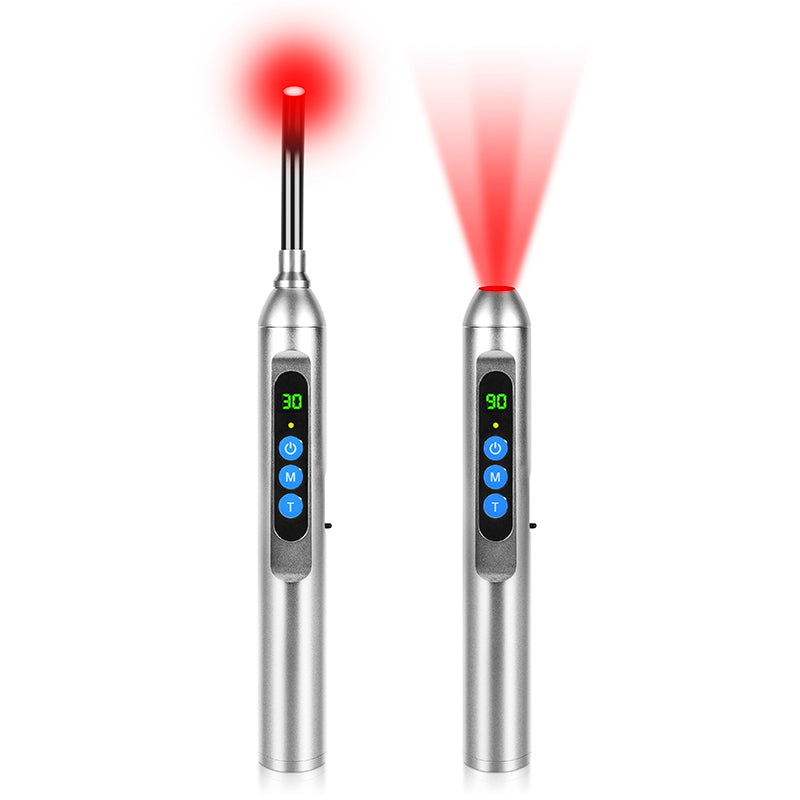
Unlike ultraviolet light, which can damage DNA, these red and near‑infrared wavelengths do not burn the skin and do not add heat damage when used correctly. Devices range from small wands and targeted pads to full‑body beds and large panels. Clinic‑grade systems tend to be more powerful; at‑home devices are usually less intense and require more frequent or longer sessions.
Cleveland Clinic and University Hospitals both emphasize that scientific interest exploded after early work by NASA, which explored red light for plant growth and wound healing. Since then, red light has been integrated into photodynamic therapy for certain skin cancers and dermatologic conditions, and investigated for a wide range of musculoskeletal and neurological applications.
Cellular Mechanics That Matter To Joints
Across multiple sources, the core mechanism story is consistent. Red and near‑infrared light are absorbed by chromophores inside mitochondria, particularly an enzyme called cytochrome c oxidase. Elevate Health, Physiopedia, and several sports performance clinics describe the same downstream effects: mitochondrial activity increases, adenosine triphosphate (ATP) production goes up, and cells temporarily have more energy available for repair and normal function.
That mitochondrial shift ties into several joint‑relevant pathways.
First, circulation improves. Studies summarized by Elevate Health and other providers note that red light can stimulate nitric oxide release and dilate blood vessels, which increases blood flow and nutrient delivery. In joint tissues, better microcirculation means more oxygen and building blocks reaching cartilage, synovium, tendon, and surrounding musculature.
Second, inflammatory signaling is modulated. Reviews discussed by HealthLight and Gait Happens show red light therapy reducing pro‑inflammatory cytokines and increasing anti‑inflammatory mediators, particularly in arthritis models. The Arizona Health Sciences phototherapy overview explains that red and near‑infrared light can shift cytokine profiles away from pain‑promoting patterns, while also attenuating activation of immune cells that drive chronic inflammation.
Third, collagen and tissue regeneration pathways are stimulated. Multiple sources, including Omnilux, London Cryo, and Elevate Health, note that red light encourages fibroblasts to produce more collagen. In the joint context, collagen is not just a cosmetic molecule; it is a structural backbone for cartilage, ligaments, tendons, and joint capsules. The Omnilux arthritis article specifically links red light‑driven collagen production to improved cartilage formation and cushioning inside joints.
Finally, oxidative stress is reduced. Rehab‑oriented sources like HealthLight and athlete‑focused guides from LED Technologies describe red light therapy boosting antioxidant defenses and lowering markers of oxidative damage. That matters because high‑volume or high‑intensity training produces reactive oxygen species that can damage joint cells and accelerate wear if not balanced by repair.

Evidence For Joint Pain And Arthritis Relief
All of that mechanistic promise is only useful if it translates into real human outcomes. The good news for lifters is that joint‑specific data, while not perfect, are stronger than the hype around many other recovery gadgets.
WebMD’s review of red light therapy summarizes clinical data suggesting short‑term relief of pain and morning stiffness in rheumatoid arthritis. The same review notes that evidence for osteoarthritis is more mixed, with some benefit in pain and function but less pronounced than in inflammatory arthritis. For tendinopathy, however, WebMD cites low‑to‑moderate quality evidence from seventeen clinical trials showing reduced tendon pain and improved function.
The Omnilux joint‑pain overview adds more numbers. In a study of fifty people with degenerative knee osteoarthritis, combined red and infrared therapy reduced arthritis pain by more than half and extended the time before they needed additional treatment. Another clinical trial in chronic back pain found average pain scores dropping from nearly seven out of ten to around three out of ten after infrared therapy, a substantial change for a chronic condition. Acute joint and soft‑tissue problems respond as well: a 2018 sprained‑ankle trial reported greater pain relief and swelling reduction with six days of LED therapy compared with no light treatment. In a study of injured student athletes with sprains, strains, and tendonitis, about seventy‑eight percent reported being satisfied or very satisfied after two to six sessions of eight hundred thirty nanometer LED phototherapy.
London Cryo’s joint and muscle recovery discussion, along with pain‑management articles from Main Line Health and University Hospitals, echo those findings. They describe red light therapy as helpful for joint pain in osteoarthritis, rheumatoid arthritis, and tendonitis, with reported improvements in range of motion and reductions in swelling. At the same time, University Hospitals and Cleveland Clinic both stress that red light therapy is an adjunct, not a replacement, for standard arthritis or pain management. It does not rebuild severely damaged joint structures or replace the need for surgery in advanced disease, but it can help with pain, stiffness, and function.
HealthLight points to more than four thousand laboratory and clinical studies on low‑level light therapy for pain, with many reporting rapid pain relief that lasts longer than typical analgesics. Rehabmart’s overview of red light therapy goes even further, citing roughly five hundred fifty randomized controlled trials and thousands of laboratory studies across conditions. While not all of those trials are joint‑specific, they contribute to the overall safety and efficacy picture.
Cleveland Clinic and WebMD both caution that many red light studies are small, sometimes lack placebo controls, and often vary widely in dose and protocol. That heterogeneity explains why some trials show dramatic improvements while others show little difference from sham treatment. Still, across arthritis, tendinopathy, and chronic back pain, there is consistent evidence that red and near‑infrared light can reduce pain and inflammation and improve joint‑related function in many patients.
What This Means For Weightlifters’ Joints
Weightlifters are not arthritis patients in the classic sense, but the joint complaints that show up in the gym—irritated knees from squats, tender elbows from pressing or pulling, stiff shoulders after overhead work—share the same core biology: inflamed tissues, overloaded cartilage, and stressed tendons and ligaments.
The arthritis and joint‑pain data imply several realistic expectations for lifters. First, red light therapy can be viewed as a targeted tool to calm joint inflammation and reduce pain after heavy sessions, much like ice or anti‑inflammatory medications but via a different pathway and without the drug side‑effect profile. Second, by stimulating collagen and supporting cartilage and connective tissue repair, regular red light exposure may help maintain joint mobility and comfort over the long haul, especially in joints that take repetitive loading. Third, in cases where joint or tendon pain is already established, red light can serve as an adjunct to physical therapy and load management to help restore function rather than as a magic cure.
Critically, University Hospitals emphasizes that red light therapy is less useful for purely mechanical or structural problems such as advanced osteoarthritis or major ligament tears. The takeaway for lifters is that you cannot use a light panel to erase a bad squat pattern or ignore progressive pain. Technique, programming, and tissue loading still drive the outcome; red light simply influences the biology that responds to that loading.
Evidence From Sports And Strength Studies
Joint health in lifters does not exist in isolation from muscles, fascia, and the rest of the kinetic chain. Here, the sports performance research on photobiomodulation becomes relevant.
A comprehensive review in Photobiomodulation and human muscle tissue, summarized in the scientific brief provided, analyzed forty‑six clinical and case‑control studies including more than one thousand participants. These trials used red or near‑infrared lasers and LEDs on major muscle groups in both untrained volunteers and athletes. Many protocols applied light just before exercise as muscular pre‑conditioning; others treated muscles immediately after training.
Several randomized, double‑blind, placebo‑controlled trials that pre‑treated the biceps muscle with red or near‑infrared light reported more repetitions to exhaustion, longer time under load, and reduced markers of muscle damage such as creatine kinase and C‑reactive protein. Other trials found less delayed onset muscle soreness and smaller drops in strength over the days following eccentric training when red light was used either before or after the workout. Not every study was positive; a number of well‑designed trials showed no difference between active and sham treatment, underscoring that dose, wavelength, timing, and treated area matter.
In team‑sport contexts, athlete‑focused articles from Vitality and LED Technologies highlight a study in Laser Therapy of sixty‑five university athletes where LED phototherapy cut the average return‑to‑play time for injuries to about nine and a half days, compared with an anticipated nineteen days under standard care. Pain reductions of up to six points on a visual scale were reported after two to six sessions, with no adverse events in that cohort.
Physical Achievement Center and other performance clinics describe how pre‑exercise red and near‑infrared exposure appears to improve endurance and strength metrics by priming mitochondrial function, enhancing ATP availability, and delaying fatigue. In practice, they recommend applying light about fifteen to thirty minutes before intense sessions to “pre‑condition” muscles and using additional sessions in the hours after training to accelerate recovery.
These muscle‑centric benefits matter for joints because tired or inhibited muscles force joints to absorb more uncontrolled load. If red light therapy helps keep local muscles stronger, less sore, and better oxygenated, then every squat, bench, or pull becomes slightly less punishing on cartilage and tendons. On top of that indirect benefit, the joint‑focused studies already discussed suggest direct anti‑inflammatory and collagen‑support effects in synovial and connective tissues.
The honest summary is that the sports evidence is promising but not perfectly consistent. Photobiomodulation seems particularly effective for reducing pain, soreness, and some markers of muscle damage, with small to moderate improvements in performance under the right conditions. That is exactly the kind of edge serious weightlifters care about when they are already disciplined with the basics.
Practical Protocols For Weightlifters
Red light therapy only pays off if you use the right tool in the right way. Protocols in the literature vary widely, and there is no single “gold standard” yet, but several patterns appear repeatedly across arthritis, pain, and sports recovery sources.
Device Types And Wavelengths For Joint Work
Clinical and rehab articles consistently describe two broad wavelength bands. Visible red light, typically near 630 to 660 nanometers, penetrates superficial tissues and is often used for skin, superficial tendons, and smaller joints. Near‑infrared light, in the neighborhood of 800 to 850 or even up to around 950 nanometers, penetrates deeper into muscle and larger joints.
For joint health, multiple sources favor devices that combine red and near‑infrared diodes. London Cryo and LED Technologies discuss how red light can support skin and superficial collagen while near‑infrared targets deeper muscles, fascia, ligaments, and even bone. Omnilux highlights combined red and infrared therapy in its degenerative knee osteoarthritis study where pain fell by more than fifty percent.
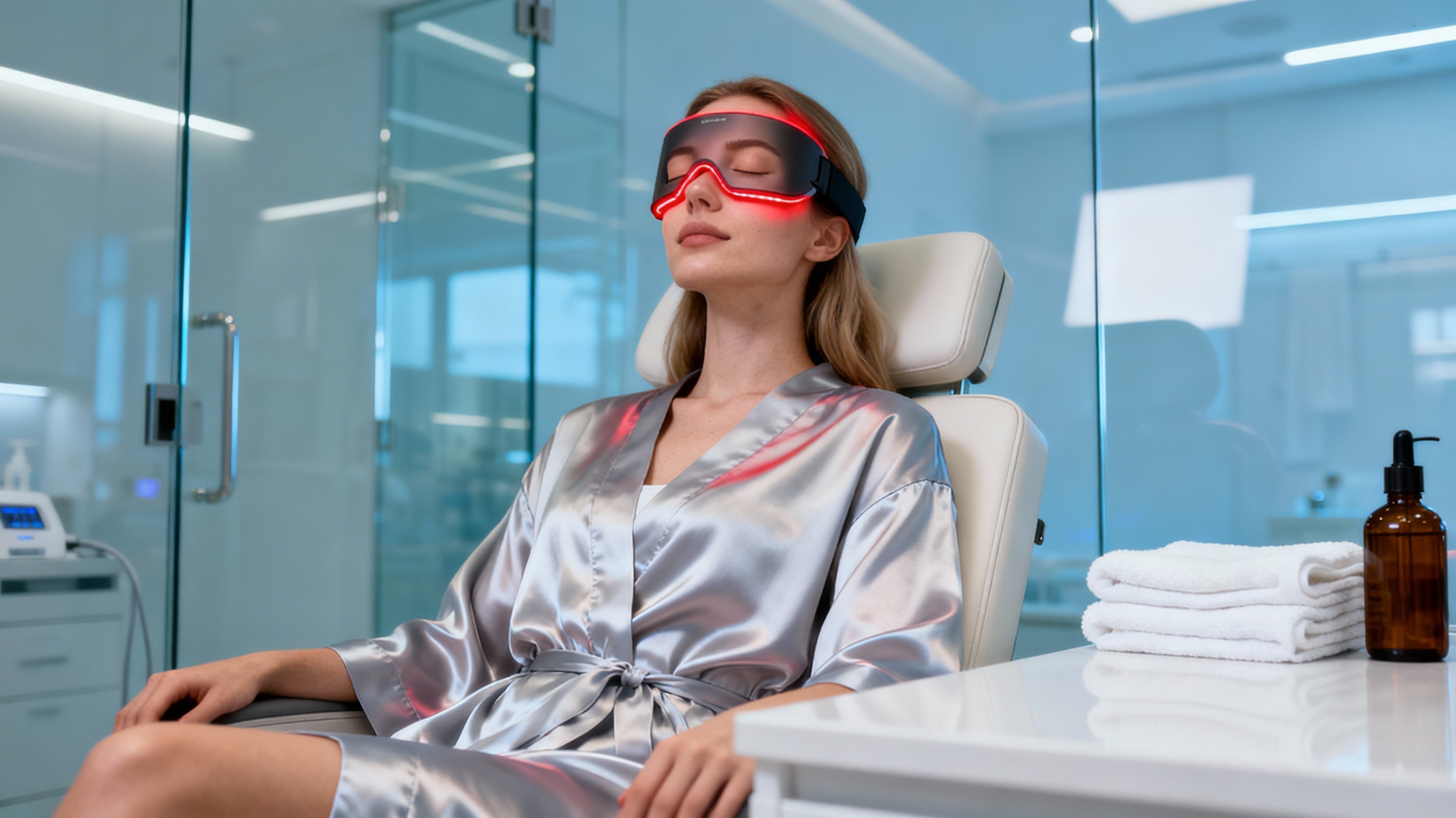
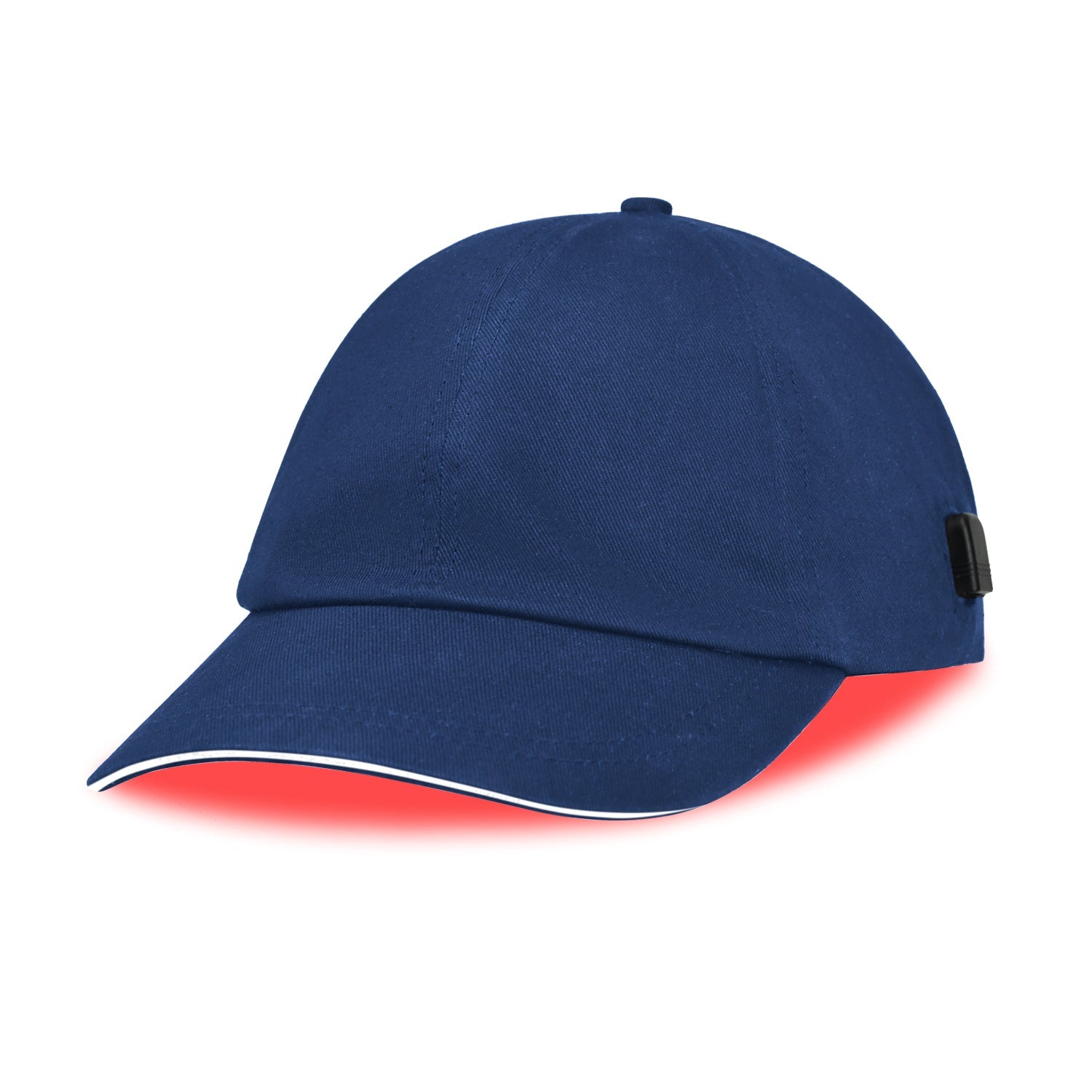
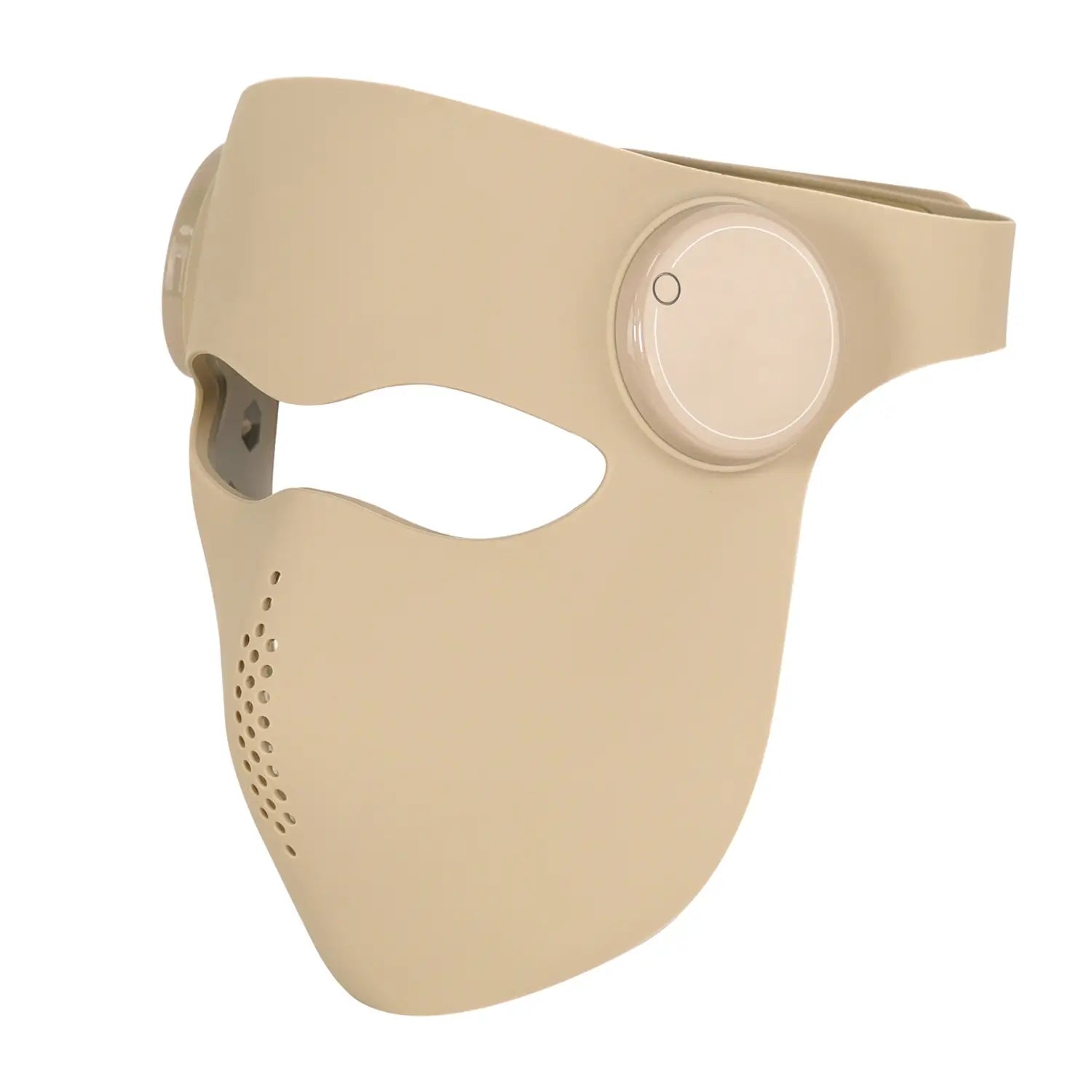
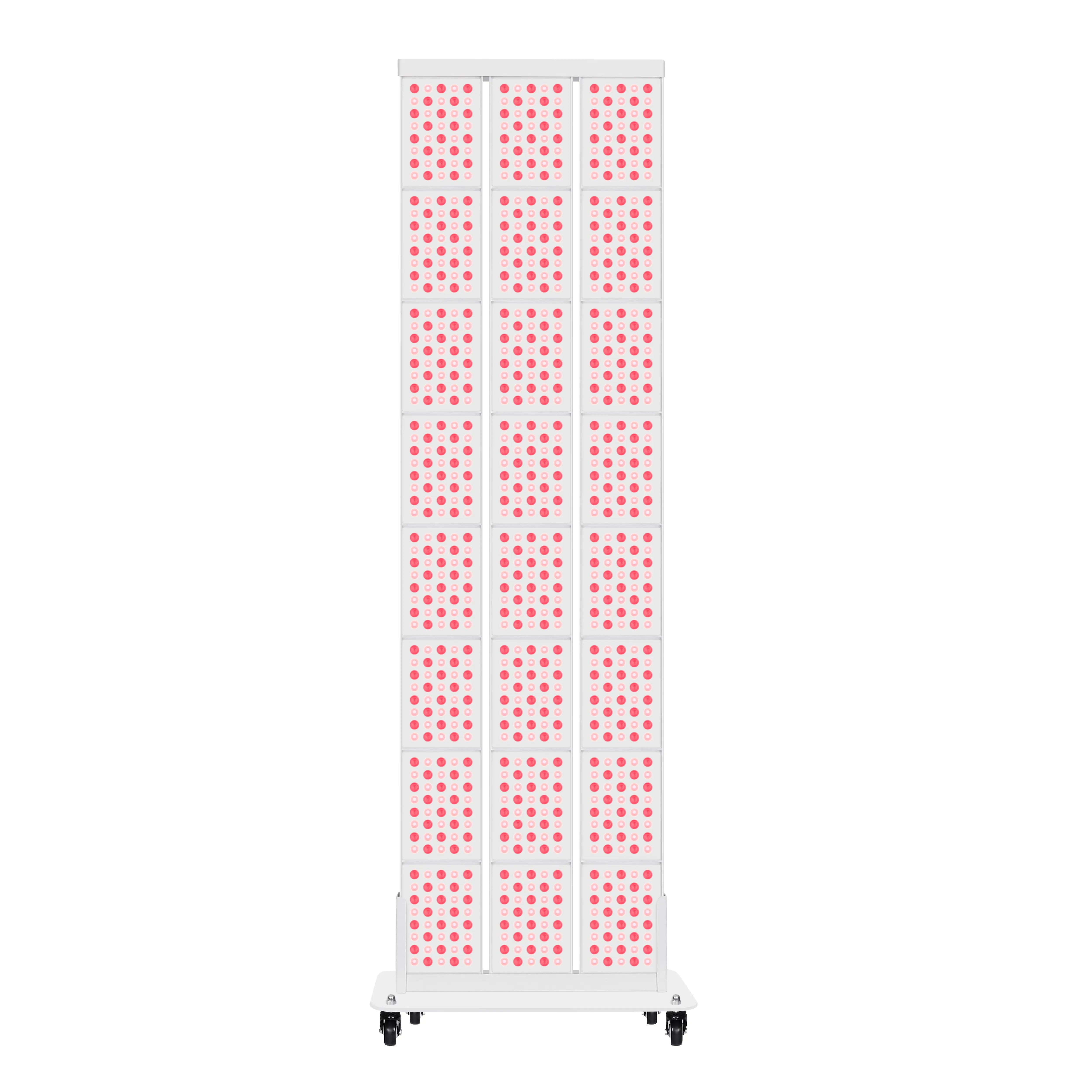
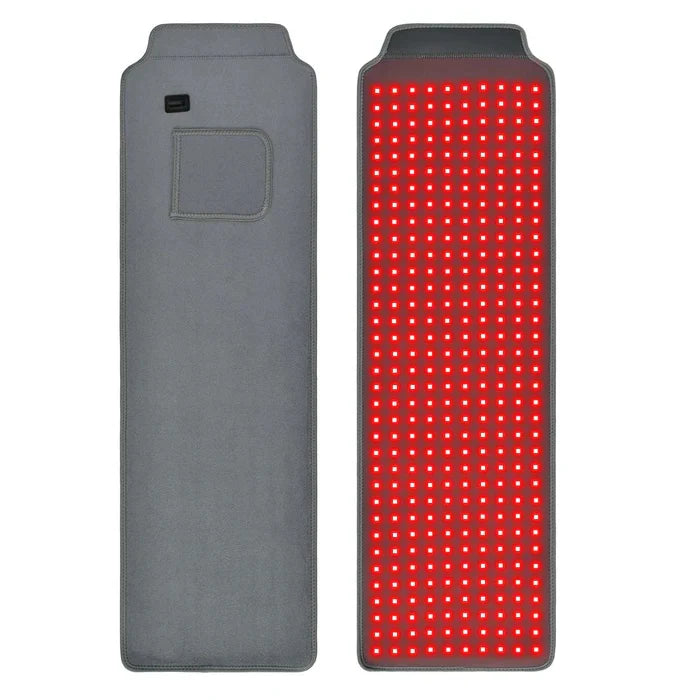
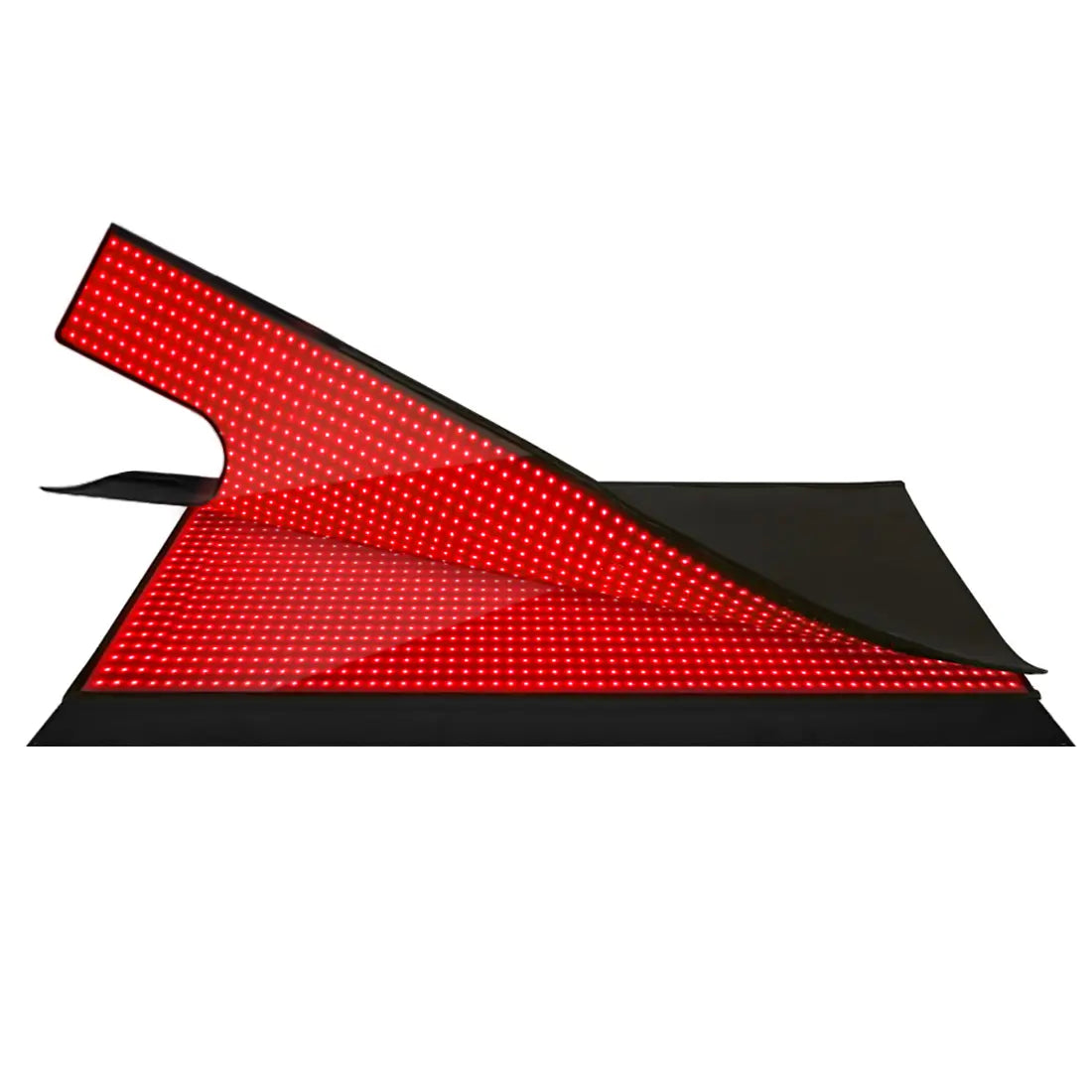
Form factor matters as much as wavelength. HealthLight and Omnilux emphasize flexible pads and wraps that can contour around knees, hands, or other joints. That is often more efficient than a distant panel because it keeps therapeutic irradiance focused on the target area. For lifters, wrap‑style devices are especially practical for knees, elbows, and shoulders that already feel overworked. Larger panels or full‑body beds, like those described by Vitality and Revenge MD, are better suited to global recovery and skin benefits but can still help if you consistently position key joints in the high‑intensity zone.
Medical organizations such as Cleveland Clinic and WebMD recommend choosing devices that are cleared by the Food and Drug Administration when possible, or at least have some clinical backing, and warn that low‑power cosmetic gadgets may offer slower or less noticeable results.
How Much, How Often, And When
Because high‑quality protocols differ across studies, the most honest answer is that there is a useful range rather than a single correct dose. Still, several themes show up across arthritis and sports‑recovery content.
HealthLight describes daily twenty‑minute sessions as a practical, long‑term strategy for joint pain, stiffness, and swelling. The exercise‑recovery guide from Poll to Pastern suggests sessions of about twenty to thirty minutes per targeted area after workouts, with the option of using red light up to three times per day for active healing phases and two to three times per week for maintenance.
Sports performance clinics such as Physical Achievement Center recommend pre‑conditioning with red or near‑infrared light fifteen to thirty minutes before intense training. Their rationale lines up with the muscle‑tissue review: pre‑exercise exposure appears particularly effective for boosting fatigue resistance and performance, while immediate post‑exercise sessions support recovery.
Putting those threads together, a joint‑focused approach for weightlifters could look like this in practical terms, always tailored with medical guidance. On heavy squat or pulling days, expose your knees and hips to red and near‑infrared light either shortly before or soon after training, keeping each joint in the treatment beam for roughly twenty minutes. On pressing days, prioritize shoulders and elbows. On off days, use lower‑frequency sessions, such as a few times per week, for chronically irritated joints.
Cleveland Clinic and University Hospitals both emphasize consistency. Red light therapy is not a one‑time intervention. Many clinical protocols involve multiple sessions per week for weeks or months, and results often accumulate gradually. If you are unwilling to commit to regular use over time, you are unlikely to see meaningful joint benefits.
Where To Aim The Light For Common Lifting Joints
Joint‑pain and recovery articles from London Cryo, Omnilux, and Main Line Health emphasize treating the entire region around the painful joint rather than a single pinpoint. For knees, that means wrapping or positioning the light so it covers the front, sides, and slightly above and below the joint line. For shoulders, it often means treating both the front and back of the joint to reach the rotator cuff and capsule. For elbows and wrists, pads or small panels can be wrapped or angled to bathe the flexor and extensor sides.
Skin should be clean and free of lotions or clothing that might block light, as Poll to Pastern notes. For higher‑power devices, WebMD and Cleveland Clinic advise protecting your eyes with appropriate goggles and avoiding staring directly into the diodes. Light should generally be placed close to the skin according to device instructions; some wrap‑around pads are designed to rest directly on the surface.
If you use a full‑body bed like those promoted by Vitality or Revenge MD, position your problem joints in the area of highest intensity and consider additional targeted sessions with a joint‑specific pad or panel afterward.
Combining Red Light With A Joint‑Smart Training Plan
Every credible medical source in the research notes makes a similar point: red light therapy should complement, not replace, the fundamentals. Main Line Health, University Hospitals, and Cleveland Clinic all describe it as an adjunct in chronic pain management rather than a stand‑alone cure.
For weightlifters, that means keeping your technique, volume, and loading honest. Poll to Pastern’s exercise‑recovery article reads like a checklist: adequate sleep, rest days, proper hydration, balanced nutrition with sufficient protein, stretching, foam rolling, active recovery, massage, and sensible progression in training loads. Red light therapy slots into that matrix as an additional tool to reduce inflammation and support tissue repair, not as a way to outlift your recovery or ignore warning signs.
If you are already dealing with established joint pathology, collaboration is even more important. WebMD and Cleveland Clinic repeatedly advise consulting a healthcare professional before starting or heavily relying on red light therapy, especially if you have autoimmune disease, significant osteoarthritis, or other systemic issues. In practice, that might mean working with a sports medicine physician or physical therapist who understands both your training goals and the parameters of photobiomodulation.

Pros And Cons For Weightlifters
From a veteran wellness‑optimizer perspective, the pros of red light therapy for joint health are compelling but nuanced.
On the positive side, multiple clinical reviews and case series, summarized by sources such as WebMD, HealthLight, Omnilux, London Cryo, and University Hospitals, show meaningful reductions in joint pain, inflammation, and stiffness across arthritis, back pain, and acute sports injuries. For tendinopathies and muscle recovery, red and near‑infrared light seem to reduce pain, improve function, and speed return to play. The safety profile is favorable when devices are used correctly. Cleveland Clinic notes that short‑term, properly directed red light therapy appears safe, non‑toxic, and noninvasive, and WebMD reports no evidence of cancer risk from these wavelengths. Studies in athletes, such as the Laser Therapy trial of sixty‑five injured players, report significant functional improvements without adverse events.
On the downside, the evidence is not uniform. Cleveland Clinic and WebMD emphasize that many trials are small, sometimes lack placebo controls, and vary in quality. University Hospitals stresses that red light therapy cannot repair severe structural damage or advanced joint degeneration. Insurance rarely covers these treatments, as Cleveland Clinic points out, so cost accumulates quickly when you factor in device purchase or clinic sessions over months. WebMD also warns that very high intensities or misuse can cause skin irritation or eye injury, and Poll to Pastern and other sources note that people with conditions such as lupus, epilepsy, or significant photosensitivity, as well as pregnant women, should be cautious and work closely with a clinician.
In practical terms, red light therapy is not for lifters who want a shortcut around sound training and recovery. It is for lifters who already invest in sleep, nutrition, and smart programming and want an evidence‑backed tool to nudge joint biology in their favor.
Simple Scenario Guide For Lifters
The research notes lend themselves to a straightforward decision framework, which you can adapt with your healthcare team.
Lifting Scenario |
How Red Light Therapy May Help |
Evidence And Caveats |
Persistent knee pain from squats, with imaging showing mild to moderate osteoarthritis |
Targeted red and near‑infrared pads around the knee may reduce pain and stiffness, improve range of motion, and support collagen and cartilage health, especially when combined with strength work and weight management |
Omnilux reports more than fifty percent pain reduction in degenerative knee osteoarthritis with combined red and infrared therapy; WebMD notes modest benefits in osteoarthritis and stronger data for pain relief than for structural change |
Tendon irritation at the elbow or shoulder from pressing or pulling |
Local red and near‑infrared exposure can modulate inflammation, improve blood flow, and support tendon collagen remodeling, potentially allowing more comfortable loading |
WebMD’s review of seventeen tendinopathy trials shows reduced pain and better function; London Cryo and Fick PT & Performance highlight tendon and ligament support via collagen stimulation |
General joint soreness and stiffness after high‑volume training weeks |
Whole‑body or regional light exposure may reduce inflammatory burden, accelerate muscle recovery, and indirectly offload joints by keeping muscles fresher |
The muscle‑tissue review in Photobiomodulation and sports performance, along with athlete case series from Vitality and LED Technologies, show reduced delayed onset muscle soreness and faster return to play in many protocols, though some studies show no effect |
Chronic back or shoulder pain that limits heavy lifting |
Regular sessions over weeks can reduce pain scores and improve function, making it easier to maintain a consistent training schedule alongside rehab exercises |
Omnilux cites chronic back pain scores dropping from about seven to three out of ten; HealthLight notes thousands of light‑therapy studies for musculoskeletal pain, but Cleveland Clinic and University Hospitals stress that consistent, repeated sessions are usually required |
Advanced structural damage such as severe osteoarthritis, major cartilage loss, or complete tendon tear |
Red light therapy may help with pain and inflammation but will not reverse structural damage or replace surgery when indicated |
University Hospitals and WebMD explicitly caution that red light therapy is best viewed as support for recovery and pain control, not a fix for mechanical joint problems |

FAQ For Serious Lifters
Can red light therapy replace deload weeks, warm‑ups, or good technique?
No. Every credible medical and performance source in the research notes treats red light therapy as an adjunct. Main Line Health and University Hospitals emphasize that it complements, rather than replaces, standard care and loading strategies. For lifters, that means you still need technique work, structured deloads, warm‑ups that actually warm tissues, and progressive overload. Red light therapy can make those interventions more effective by reducing pain and improving tissue readiness, but it cannot rescue you from poor programming.
Will red light therapy fix a torn labrum or severely degenerated joint?
It is unlikely. University Hospitals is clear that red light therapy is not expected to repair purely mechanical or advanced structural problems. It may help decrease inflammation and pain around the joint and support surrounding tissues, which can improve function and comfort, but it does not regrow large amounts of lost cartilage or reattach fully torn tendons. In those scenarios, use it, if your physician agrees, as a pain‑modulating and recovery‑support tool alongside whatever surgical or interventional plan is appropriate.
Is red light therapy safe for long‑term use around joints?
Short‑term safety appears favorable. Cleveland Clinic notes that red light therapy is generally safe when used as directed, non‑invasive, and free of ultraviolet exposure. WebMD reports no evidence that it causes cancer and describes adverse effects mainly when intensities are too high or eye protection is ignored, leading to skin redness or potential eye injury. Poll to Pastern and other sources remind us that individuals with photosensitive conditions, epilepsy, or certain autoimmune diseases, as well as pregnant individuals, should use extra caution and consult their healthcare provider before starting. Because long‑term data are still developing, staying within recommended usage ranges and checking in periodically with a medical professional is wise.
Closing Thoughts
If you live under the barbell and want your joints to last, red light therapy is not a fantasy fix, but it is more than a fad. When you filter out the marketing noise and look at the evidence from arthritis clinics, pain centers, and sports performance research, a consistent picture emerges: red and near‑infrared light can reduce joint pain and inflammation, support connective tissue health, and help muscles recover, especially when you use the right wavelengths, doses, and timing.
Treat it like any other serious tool in your training ecosystem. Get medical input, invest in a device whose specs and safety you understand, and layer regular, joint‑focused sessions on top of impeccable technique, smart programming, and real rest. Done that way, red light therapy becomes exactly what veteran lifters and wellness geeks are always hunting for: a science‑backed way to keep adding plates without sacrificing the joints that move them.
References
- https://healthsciences.arizona.edu/news/stories/exploring-phototherapy-new-option-manage-chronic-pain
- https://pmc.ncbi.nlm.nih.gov/articles/PMC10531845/
- https://www.mainlinehealth.org/blog/what-is-red-light-therapy
- https://my.clevelandclinic.org/health/articles/22114-red-light-therapy
- https://www.uhhospitals.org/blog/articles/2025/06/what-you-should-know-about-red-light-therapy
- https://www.physio-pedia.com/Red_Light_Therapy_and_Muscle_Recovery
- https://fickptandperformance.com/red-light-therapy-benefits-how-it-can-enhance-your-sports-recovery-and-performance/
- https://gaithappens.com/exploring-red-light-therapy-for-arthritis/
- https://www.londoncryo.com/blog/red-light-therapy-2
- https://physicalachievementcenter.com/oshkosh-red-light-therapy-athletic-recovery/