
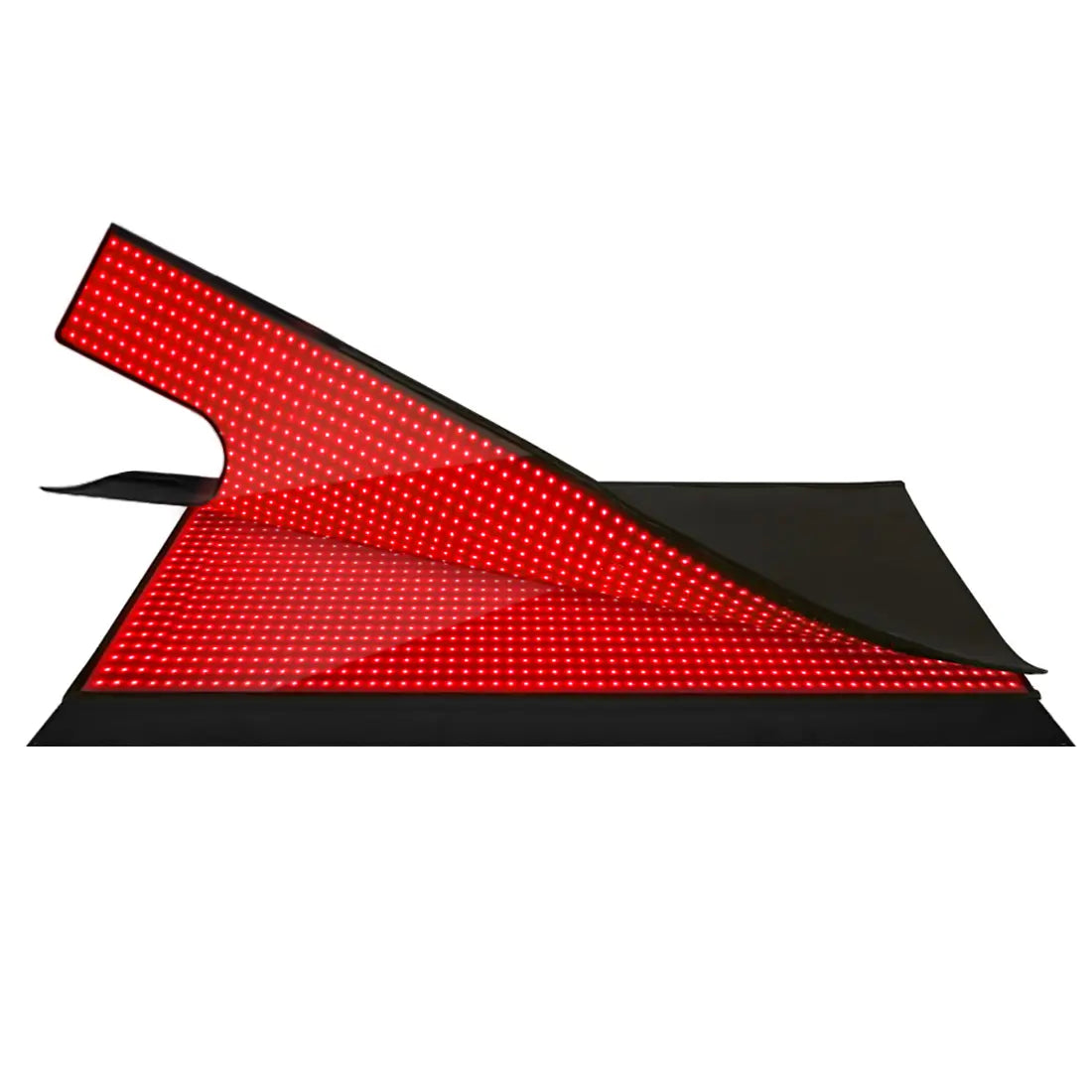
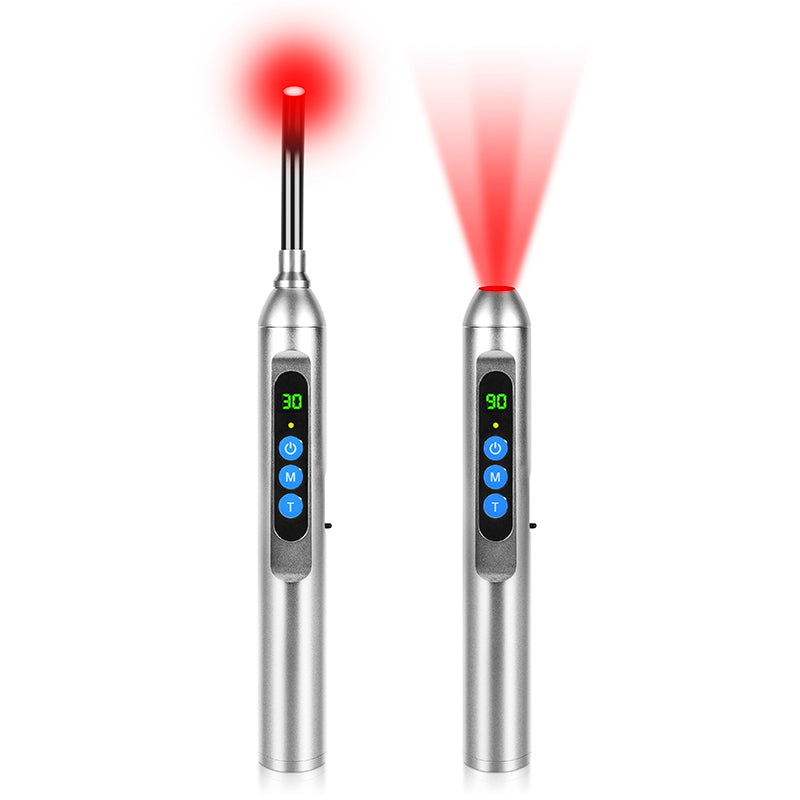

If you hang around rehab clinics and sports performance labs long enough, you notice a pattern. People will try almost anything to get stubborn tendon pain to finally let go. Ice, braces, injections, supplements, new shoes, surgical opinions, you name it. Red light therapy sits in that interesting space between high-tech and noninvasive: it looks simple, but under the hood, it is doing real work at the cellular level.
Speaking in full light-therapy-geek mode, the key question is not “Can red light therapy help tendonitis?” but “Where does it genuinely move the needle in a long-term rehab plan, and where are we fooling ourselves?” The good news is that we do have controlled trials, systematic reviews, and mechanistic research to work with. The less exciting news is that it is not a magic fix, and the benefits are heavily dependent on how you integrate it with proper loading and rehabilitation.
This article unpacks the long-term rehabilitation effects of red light therapy on tendonitis using the best available evidence, then translates that into practical, real-world guidance.
Tendonitis, Tendinopathy, and Why These Injuries Linger
Tendonitis is traditionally described as inflammation of a tendon, the tough collagen-rich tissue that connects muscle to bone. It usually shows up as pain, stiffness, and swelling around joints such as the shoulder, elbow, knee, or Achilles. Overuse, repetitive strain, sudden spikes in training load, and age-related changes are common triggers.
Modern research uses the broader term tendinopathy for persistent tendon pain and loss of function under load. A systematic review on tendon photobiomodulation describes characteristic microscopic changes in chronic tendinopathy: increased tenocyte metabolism, disorganized collagen, excess water-binding proteoglycans, and new blood vessels and nerves invading the tendon. In other words, by the time your tendon has been grumbling for months, it often is not simply “inflamed” anymore; it is structurally and biologically different tissue.
Epidemiological data cited by sports medicine sources suggest tendon problems account for a significant slice of musculoskeletal visits, with tendinopathy affecting a noticeable percentage of the general population and being particularly common in athletes and older adults. That chronicity is what makes tendon injuries so frustrating and why long-term solutions matter more than quick symptom relief.
Conventional first-line care is still essential: activity modification, rest from aggravating loads, targeted physical therapy, stretching and strengthening, and short-term use of anti-inflammatory medications when appropriate. For severe or persistent cases, clinicians may consider corticosteroid injections, platelet-rich plasma (PRP), or, rarely, surgery. Red light therapy lives in the “adjunctive” category: it does not replace these fundamentals, but it may influence pain and healing over the long term when layered on top.

What Red Light Therapy Actually Is
Red light therapy, also called low-level laser therapy or photobiomodulation, uses low-intensity red and near-infrared light (roughly 600–1,000 nm) delivered by LEDs or low-power lasers. Cleveland Clinic describes it as low-level red light used to improve skin appearance and treat various medical conditions, and notes that it is noninvasive, non-UV, and generally gentle when used properly. University Hospitals and WebMD frame it similarly: noninvasive light that targets cellular energy systems.
The NASA story is more than marketing. Early experiments used red light to support plant growth in space, then to help heal astronauts’ wounds. From there, researchers pushed into dermatology, pain, and musculoskeletal rehabilitation. Red light is already medically accepted in photodynamic therapy, where low-power red lasers activate a photosensitizing drug to selectively destroy cancer and abnormal skin cells. For tendonitis and other musculoskeletal issues, however, we are dealing with light alone, without a drug.
At the tissue level, red and near-infrared light penetrate deeper than blue or ultraviolet because of how skin chromophores absorb and scatter different wavelengths. That deeper penetration is what makes it plausible to influence structures like tendons and muscle.

How Red Light Interacts with Tendons Over Time
From a rehab-optimizer point of view, the important question is not just what happens in the next hour after a session, but how repeated exposures shape tendon biology over weeks and months. Several lines of evidence help answer that, especially reviews on tendon photobiomodulation and tendon repair.
Mitochondria, ATP, and Nitric Oxide
Most mechanistic models converge on the mitochondria, particularly an enzyme called cytochrome c oxidase. Red and near-infrared photons appear to be absorbed there, displacing nitric oxide that can temporarily block the respiratory chain. When that blockade is relieved, ATP production rises, cellular metabolism ramps up, and downstream signaling pathways turn on.
A systematic review of connective tissue photobiomodulation highlights that these mitochondrial effects are dose-dependent and biphasic. At certain fluences, cells such as osteoblasts and tendon fibroblasts show increased proliferation, migration, and matrix production; at higher doses, the effect can plateau or even reverse. That biphasic curve matters long-term: more light is not automatically better.
Inflammation and Immune Modulation
Tendons respond to mechanical and chemical insults with complex inflammatory cascades. Photobiomodulation has been shown in various models to modulate immune cell activity and reduce pro-inflammatory cytokines. A review on tendon photobiomodulation notes phase-specific effects: in early inflammation, appropriate doses can support angiogenesis and early repair; later, they can encourage a more resolving, M2-dominant macrophage profile and downregulate chronic pro-inflammatory signaling.
Clinically, reviews from WebMD and University Hospitals both highlight that red light therapy shows promise in reducing pain and inflammation in musculoskeletal conditions, including tendonitis and joint disorders. The evidence is not definitive, but it consistently points toward anti-inflammatory and analgesic effects, particularly in the short to medium term.
Blood Flow and Angiogenesis
Blood supply is critical for tendon healing. The tendon-specific laser therapy review reports that low-level laser and red light can, under hypoxic conditions, upregulate hypoxia-inducible factor 1α and vascular endothelial growth factor, promoting neovascularization in injured tendon. Separate clinical and marketing-facing sources echo these vascular effects. For example, a knee-focused rehabilitation article describes red light therapy improving circulation so that more oxygen and nutrients reach injured tissues, and a tendon-repair article emphasizes enhanced local blood flow and removal of inflammatory by-products.
In long-term rehab, that improved microcirculation may support better tissue remodeling under load, not just faster resolution of a single flare.
Collagen, Matrix Remodeling, and Fibrosis Risk
Tendon healing moves through overlapping phases: early inflammation, proliferative granulation tissue with mainly type III collagen, and a longer remodeling phase where the matrix shifts toward stronger type I collagen and better fiber alignment.
The tendon repair review notes that low-level laser therapy can accelerate fibroblast proliferation and collagen synthesis during the proliferative phase and can help regulate matrix remodeling by influencing TGF-β and matrix metalloproteinases in the remodeling phase. That is the kind of biology you want in a long-term rehab setting: more organized collagen and a healthier matrix responding to load.
However, that same review warns that excessive or prolonged stimulation in late remodeling can risk tendon fibrosis and stiffness. Combined with the biphasic dose–response described in connective tissue studies, this is a key long-term takeaway: well-dosed red light may support better tendon structure; overdosed protocols, especially when the tendon is already deep into remodeling, may theoretically push toward scar-like changes rather than optimal resilience. The clinical evidence here is incomplete, but the mechanism is plausible enough that cautious dosing and monitoring make sense.
Clinical Evidence: What We Actually Know About Tendonitis
Mechanisms are nice, but the light-therapy geek in me cares most about controlled human data. For tendonitis and tendinopathy, three bodies of evidence are especially important.
Systematic Review of Photobiomodulation in Tendinopathy
A systematic review and meta-analysis on red and near-infrared photobiomodulation in tendinopathy pooled 17 randomized controlled trials and a total of 835 participants with different tendinopathies. It compared photobiomodulation with sham treatments and with other modalities, both alone and combined with exercise. The key findings are highly relevant for long-term rehab planning.
When photobiomodulation was used alone and compared with other active interventions such as ultrasound or shockwave, pain reductions were similar and functional gains were somewhat smaller. That suggests that light by itself is, at best, on par with other typical modalities rather than clearly superior.
The story changes when you look at photobiomodulation layered on top of exercise. When red or near-infrared light plus exercise was compared with sham light plus exercise, the active light groups had greater short-term improvements in pain and function and a moderate benefit in muscle strength. In contrast, when photobiomodulation plus exercise was pitted against other modalities plus exercise, there were no significant differences in pain outcomes. Overall, the review concluded that there is very low-to-moderate quality evidence that low-level red and near-infrared light can be an effective adjunct, especially when combined with exercise.
From a rehab standpoint, that is exactly how you want to frame it for long-term tendon care: not as a replacement for progressive loading, but as a potentially helpful amplifier of the exercise program.
The review also highlighted a major limitation: treatment parameters were all over the map. Wavelengths, energy densities, session counts, and whether protocols matched professional dosage recommendations were often unclear. That variability makes it hard to prescribe a “correct” protocol for months of rehab.
LED Phototherapy in Injured Athletes
A prospective pilot study at a U.S. university evaluated 830 nm LED phototherapy in 65 athletes with acute musculoskeletal injuries, including sprains, strains, ligament damage, and tendonitis. The device delivered about 50 mW/cm² for 20 minutes per session, giving 60 J/cm² at the skin, typically over three consecutive daily sessions, with some injuries receiving more sessions.
The main outcome was return-to-play time. LED-treated athletes returned in an average of around 9.6 days versus an anticipated 19.2 days based on historical benchmarks, and pain scores dropped to zero across injuries. About 78.5% of surveyed athletes reported being satisfied or very satisfied, and no adverse events were reported.
This is an impressive effect size, but there are important caveats. The study did not use a randomized or placebo control group, and the anticipated return-to-play was based on historical expectations, not concurrent controls. The injuries were mostly acute and mild to moderate, not chronic degenerative tendinopathy. Still, it provides real-world support that near-infrared LED therapy can safely accelerate functional recovery when embedded in a standard rehab program.
For long-term tendon rehabilitation, the takeaway is not that red light halves recovery time in all cases, but that integrating near-infrared LED exposures in the early phases may help athletes move through rehab more quickly when everything else is done correctly.
Broad Clinical Reviews and Tendonitis
Mainstream medical references provide a useful counterbalance to device marketing. Cleveland Clinic describes red light therapy as an emerging treatment with promising results in small studies but emphasizes that evidence for many claimed uses is still incomplete and that most trials are small, methodologically limited, or conducted in animals and cell cultures. WebMD cites a review of 17 clinical trials showing low-to-moderate quality evidence that red light therapy can reduce pain and improve function in tendinopathy, but again stresses the need for larger, better-controlled studies.
A consumer-focused tendonitis article draws on the same systematic review and on a separate tendon laser-therapy review. It concludes that conventional measures like rest, activity modification, and physical therapy remain the most reliable treatments, and that red light therapy should be seen as a potential adjunct rather than a proven stand-alone solution for tendonitis.
University Hospitals goes further into musculoskeletal applications, noting that red light therapy can be helpful for tendinopathies and chronic pain by decreasing inflammation and aiding recovery, but does not repair major structural problems such as advanced osteoarthritis or severe ligament tears.
Taken together, these lines of evidence paint a consistent picture. Photobiomodulation is reasonably safe, can reduce pain, can assist with function, and seems most effective when paired with loading-based rehab over weeks and months. It is not a miracle cure and does not replace the fundamentals of tendon rehabilitation.
Where Red Light Therapy Fits in a Tendonitis Rehab Plan
When you think like a long-term rehab optimizer rather than a gadget collector, the question becomes: Where do red and near-infrared devices actually belong across the different phases of tendon recovery?
Acute Flare and Early Rehab
In the first days of a tendon flare or acute overload, the priorities are to unload the tendon, control pain, and avoid further damage. Evidence-based tendonitis care still emphasizes rest from aggravating load, strategic use of ice in very early stages or after aggravating activity, sometimes bracing, and early, gentle movement within pain limits. Over-the-counter anti-inflammatory medications can play a short-term role when used correctly and under medical guidance.
In this phase, red light therapy can be used as a noninvasive way to help modulate pain and inflammation. The athlete LED study started therapy as soon as possible post-injury, and reviews on musculoskeletal red light therapy describe it as analgesic and anti-inflammatory, with minimal risk when used properly. Practically, that means it can make it easier for an irritated tendon to tolerate light movement and the early exercises your physical therapist prescribes.
What it does not do in this phase is magically rebuild torn fibers or allow you to ignore load management. University Hospitals explicitly notes that red light therapy is not believed to repair structural defects such as advanced arthritis or major tears. So in early rehab, treat the device more like a high-tech ice pack with cellular benefits, not a permission slip to keep hammering the tendon.
Remodeling, Strengthening, and Return to Sport
The real long-term outcome of tendon rehab is determined in the strengthening and remodeling phase that follows the initial flare. Here, progressive loading is king. For Achilles problems, that might be carefully structured calf raises and plyometrics; for patellar tendon issues, squats and step-downs; for tennis elbow, wrist and grip loading. These loading programs are the interventions with the strongest evidence for durable improvement and reduced recurrence.
This is precisely where the tendinopathy meta-analysis found photobiomodulation most helpful: when added to exercise. Trials where red light or low-level laser was layered onto an eccentric or strengthening program showed greater pain reduction and small but meaningful gains in function and strength compared with sham light plus the same exercises.
From a practical perspective, that suggests a simple principle. Use red light therapy to help the tendon tolerate the work it needs to do. That may mean sessions shortly before exercise to reduce pain and stiffness, or after sessions to assist with recovery, depending on the protocol your therapist prefers and the logistics of your schedule. The exact optimal timing is not nailed down, but research on muscle recovery and tendon remodeling has used both pre-exercise and post-exercise applications.
In long-term rehab, consistency is more important than chasing perfect parameters. Cleveland Clinic points out that red light therapy is not a one-time treatment; many conditions require one to three sessions per week for weeks or months. That fits the reality of tendon rehab, which also unfolds over months, not days.
Maintenance and Recurrence Prevention
Once symptoms settle and you are back to normal loading, the game shifts to prevention. Evidence-based tendon programs emphasize maintaining a baseline of strength and gradually adjusting training loads to avoid large spikes. That remains the foundation.
In this maintenance phase, red light therapy can shift from a daily or near-daily intervention to a periodic tool. Some athletes use near-infrared devices around heavy training blocks or after especially tendon-loading sessions to help manage soreness and support recovery. Review articles on muscle recovery report small-to-moderate benefits in performance and soreness when red light is used before or after strenuous exercise, although protocols and results vary.
At this stage, the long-term tendon benefit is likely more about maintaining robust muscle-tendon function and controlling low-grade inflammation rather than actively remodeling tissue. If you decide to continue using red light therapy, it makes sense to keep doses within evidence-informed ranges, pay attention to how your tendon responds, and avoid chasing ever-higher exposure in the belief that more is always better.
Red Light Therapy vs Other Tendonitis Treatments
It helps to see red light therapy in context alongside other commonly discussed options like PRP or corticosteroid injections. The following table uses only claims supported in the referenced material.
Therapy |
Invasiveness |
Primary goal in tendonitis |
Typical time course described |
Evidence and key notes |
Red light therapy (PBM) |
Noninvasive, no needles |
Reduce pain and inflammation, support tendon repair and function |
Multiple sessions over weeks or months; some users report changes within about 2–4 weeks |
Systematic review shows low-to-moderate quality evidence for pain and function benefits, especially as an adjunct to exercise; generally favorable safety profile when used correctly |
PRP injection |
Minimally invasive |
Deliver growth factors to stimulate tissue healing |
Effects unfold over weeks to months as tissue remodels |
Described as regenerative and longer acting; often considered after conservative care, including options like red light therapy, have not been sufficient |
Corticosteroid injection |
Minimally invasive |
Short-term pain and inflammation relief |
Often rapid, but benefits may be temporary |
Can weaken tendons if repeated; typically reserved for severe pain and used cautiously |
Exercise-based physical therapy |
Noninvasive |
Restore load tolerance, strength, and function |
Core rehab lasting weeks to months, often with ongoing maintenance |
Considered first-line, evidence-based care; red light therapy and other modalities are best viewed as adjuncts rather than replacements |
Surgery |
Invasive |
Repair or debride severely damaged tendon tissue |
Recovery measured in months; reserved for nonresponsive or complex cases |
Last resort when conservative and adjunctive treatments fail; red light therapy does not replace surgical indications |
The long-term rehabilitation takeaway is clear. Progressive loading in physical therapy is nonnegotiable. Red light therapy sits alongside options like PRP as a less invasive, lower-risk adjunct that may help you move through rehab more comfortably and possibly more quickly, but it does not negate the need for exercise and, in severe cases, does not eliminate the need for more invasive interventions.
Practical Guidelines for Long-Term Use in Tendonitis
Translating all of this into a practical, science-respectful plan is where the “veteran optimizer” mindset helps. The goal is to extract as much benefit as possible without drifting into wishful thinking.
First, involve a qualified professional. Cleveland Clinic and WebMD both emphasize discussing red light therapy with a dermatologist or healthcare provider, especially if you have other medical conditions, are on photosensitizing medications, or are considering higher-output devices. For tendonitis, a physical therapist or sports medicine physician is an ideal partner, because they can integrate light exposure with your loading program.
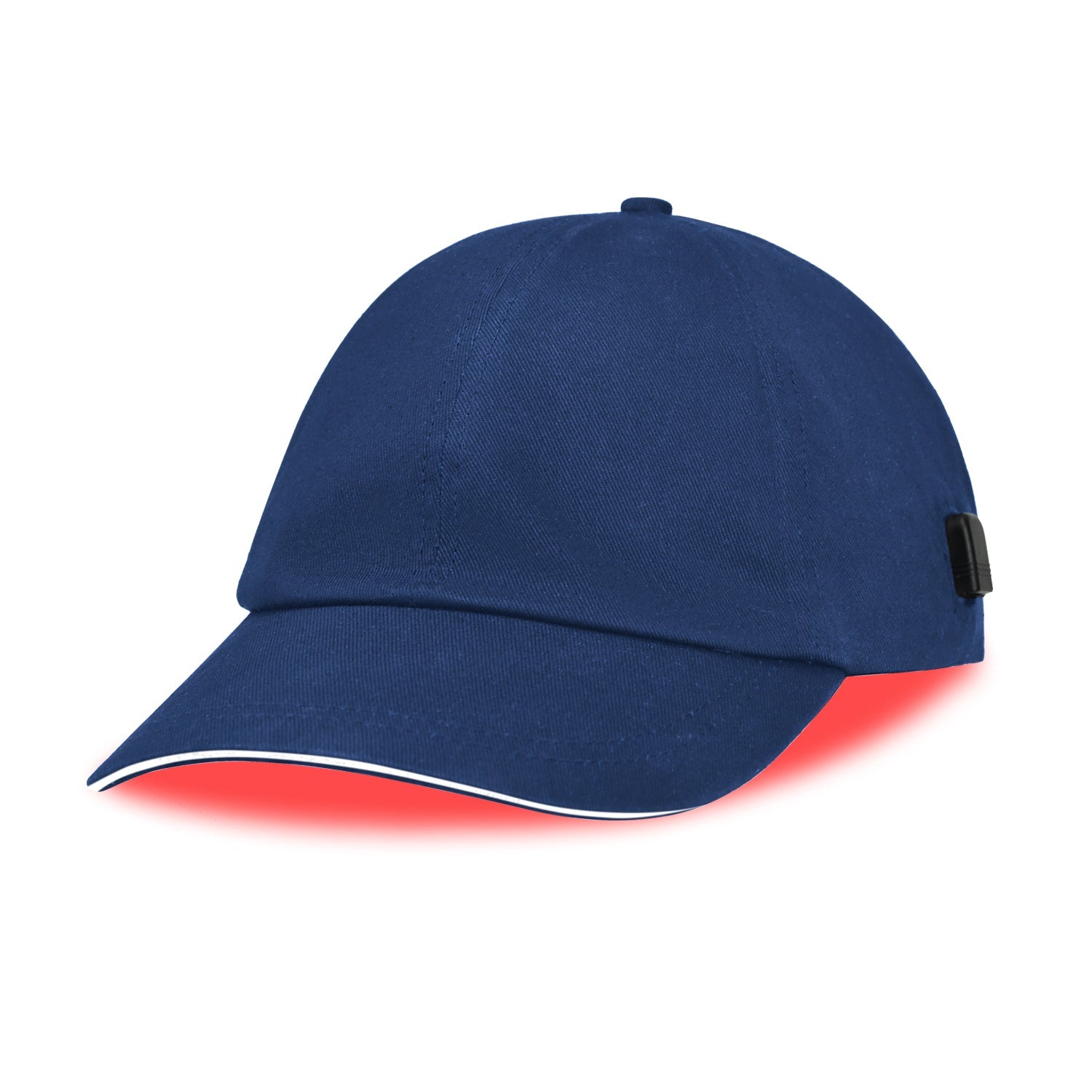
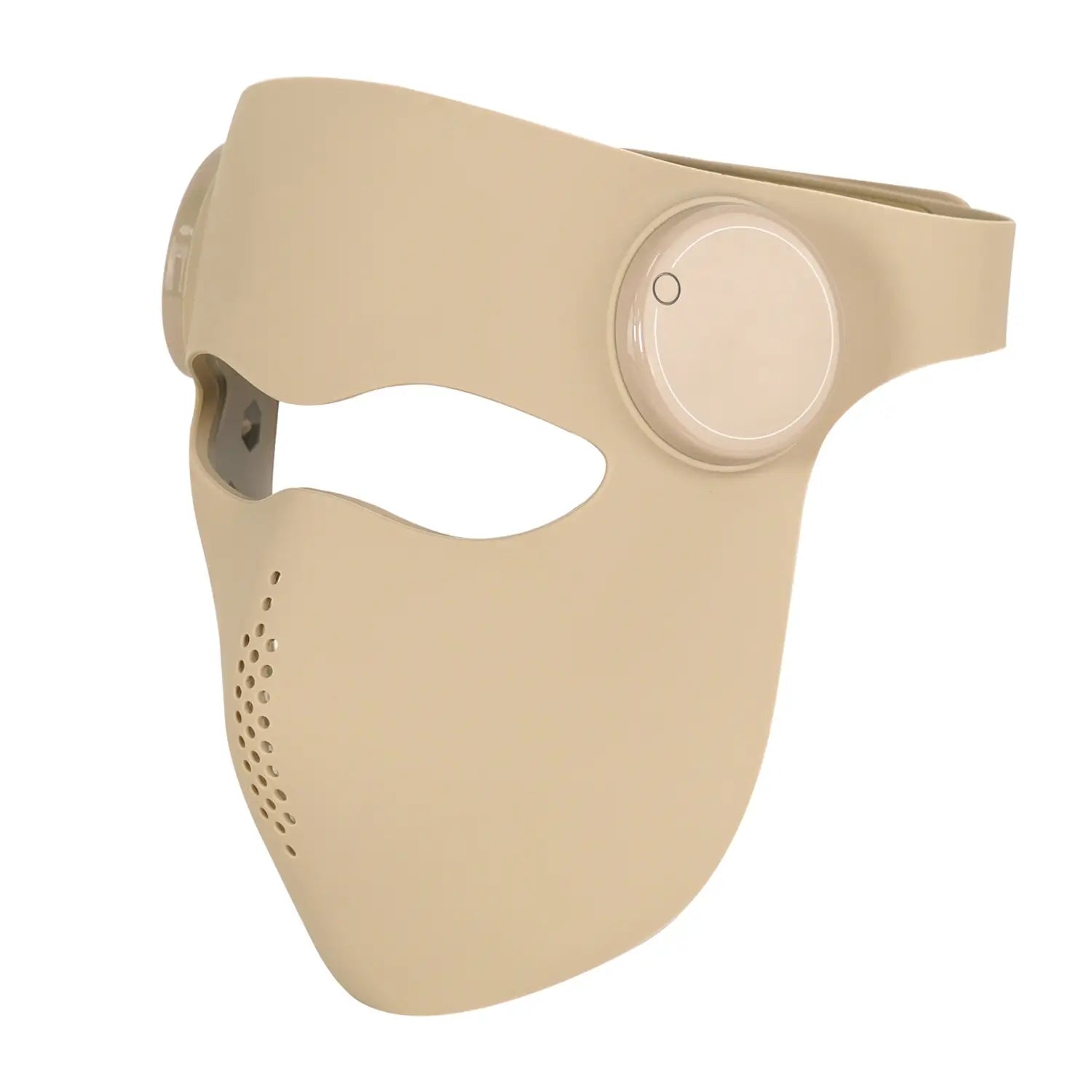
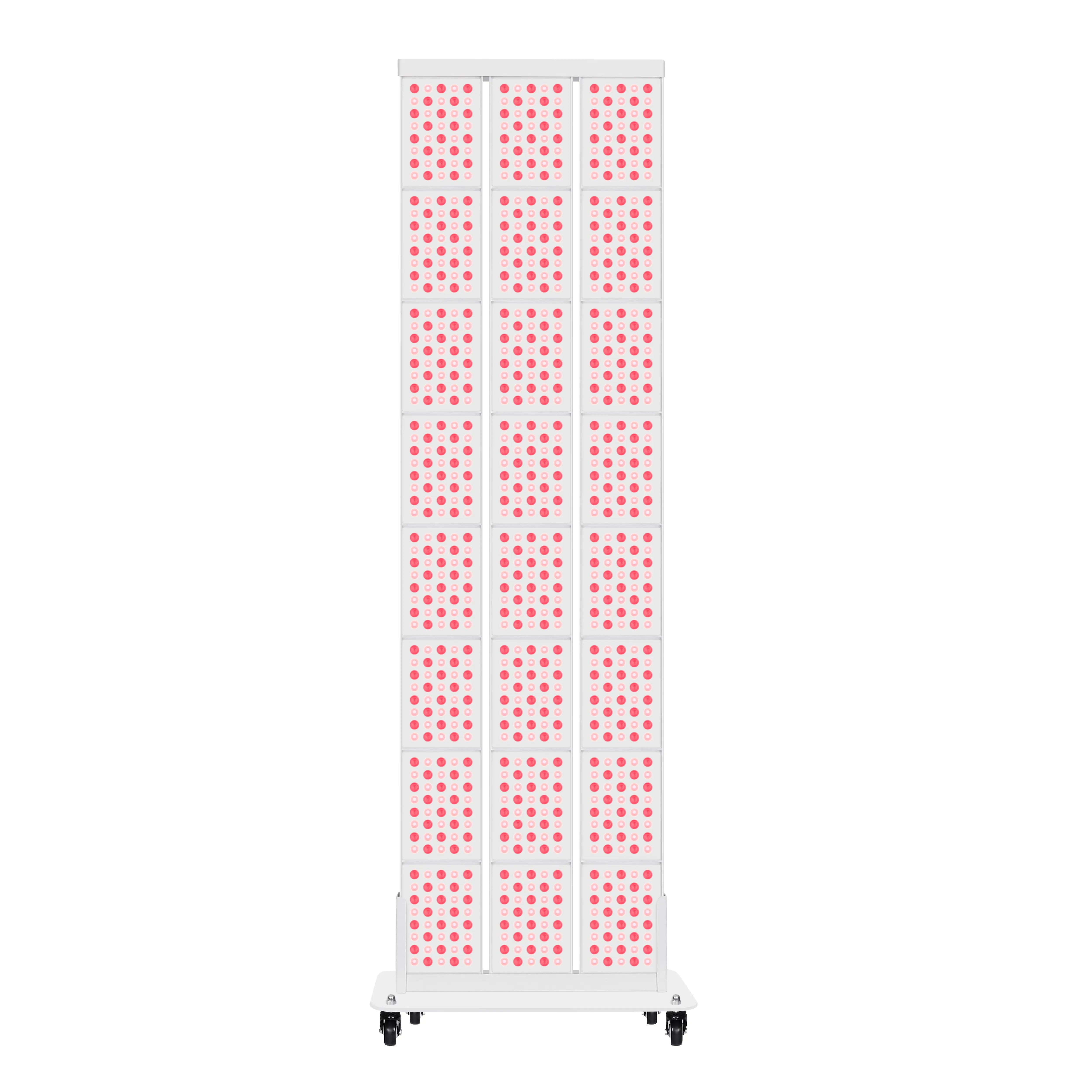
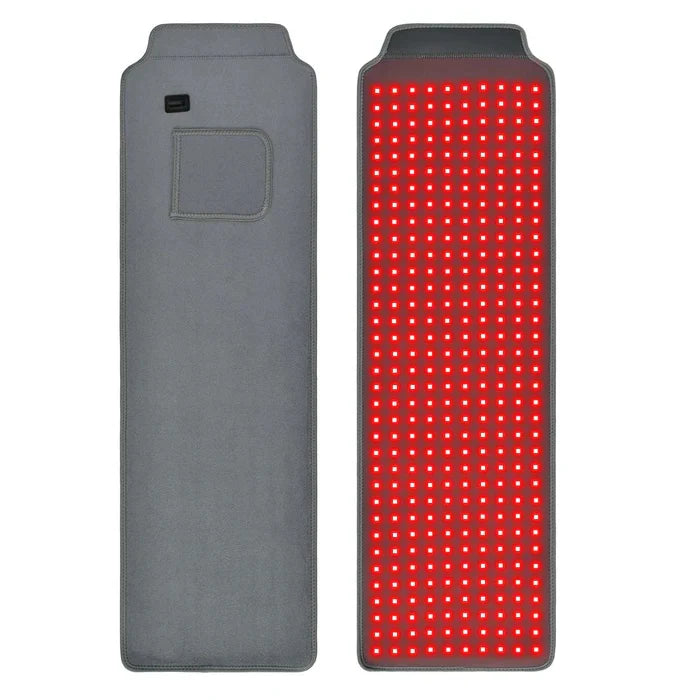
Second, choose the right device for the job. A tendonitis-focused article makes an important distinction between cosmetic red light devices designed for fine lines and pigmentation, and devices designed for deeper tissues like muscle and tendon. Superficial skincare panels emphasize surface-level effects and are not validated as pain-relief tools for tendonitis. Tendon-targeting devices often combine red and near-infrared wavelengths and deliver higher power densities at the tissue surface; one tendon-repair article recommends at least around 100 mW/cm² at the device surface for meaningful dosing, and a commercial tendonitis device example combines LEDs and medical-grade lasers to reach deeper structures.
Third, think in terms of consistent cycles, not one-off blasts. The athlete study used about 20-minute sessions delivering 60 J/cm², usually in blocks of three consecutive days, and the tendinopathy trials generally involved repeated sessions across several weeks. Cleveland Clinic notes that many conditions treated with red light therapy require one to three weekly treatments for extended periods, and University Hospitals stresses that you should use it regularly over multiple sessions before judging the effect. Long-term tendon rehab aligns with this rhythm.
Fourth, integrate it intelligently with exercise. Research on tendinopathy and muscle recovery generally applied light immediately before or after exercise sessions. Muscle-oriented reviews suggest that pre-exercise application can modestly enhance performance and reduce soreness, while post-exercise sessions may help with recovery. There is no definitive “best” timing, so the practical approach is to pick one, keep it consistent for several weeks, and monitor pain and function.
Fifth, stay inside safe, conservative boundaries. Clinical reviews agree that short-term use, at reasonable intensities, appears safe and non-UV. However, Cleveland Clinic flags that overuse or misuse could damage skin or eyes, and long-term safety data are limited. Physiotherapy-focused guidance adds standard contraindications: avoid treating over known or suspected malignancies, over the uterus during pregnancy, or over areas of active hemorrhage; be cautious with photosensitive individuals or in those with seizure disorders if pulsed light is used. Always protect your eyes and follow manufacturer instructions rather than improvising.
Finally, keep expectations grounded. WebMD and Cleveland Clinic both stress that while small trials and pilot studies are promising, many claims remain unproven. A consumer tendonitis review concludes that conventional care remains the backbone of treatment and that current evidence does not justify relying on red light therapy, especially cosmetic devices, as a stand-alone cure.
If you treat red light therapy as a supportive ally that allows you to train more consistently, tolerate loading better, and manage pain as your tendon remodels, you are using it in a way that lines up with the science we have.
Risks, Limitations, and When Not to Lean on Red Light Therapy
The safety record of red light therapy in the short term is reassuring. Across musculoskeletal studies, including the 830 nm LED trial in athletes and the tendinopathy RCTs summarized in the meta-analysis, no serious adverse events were reported. WebMD notes that even in larger dermatologic and pain studies, side effects are usually mild when they occur, such as temporary redness or irritation at very high intensities. There is no evidence that red light causes cancer, since it is non-ionizing and does not use ultraviolet radiation.
That said, “low risk” is not “no risk,” especially over years of use. Potential issues include skin or eye damage from high-intensity or poorly used devices, uncertain effects in pregnancy, and, based on tendon repair mechanisms, a theoretical risk of fibrosis if very high doses are used late in the healing process. Controlled trials have not documented these long-term tendon harms, but the mechanistic concern is enough to warrant prudence.
There are also practical limitations. Cost is a major one. University Hospitals points out that home devices can range from under a hundred dollars into the hundreds or thousands, and clinic sessions may be billed per treatment and are typically not covered by insurance. Cleveland Clinic underscores that multiple weekly sessions over months can add up in both time and money.
The largest limitation, however, is evidence quality. The tendinopathy meta-analysis graded the overall quality of evidence as very low to moderate because of small sample sizes, high heterogeneity in protocols, and risk-of-bias issues. Cleveland Clinic and WebMD both reinforce that many uses of red light therapy are supported by small or uncontrolled studies, or by animal and cell experiments rather than robust human trials.
For long-term tendon rehabilitation, that means you should be willing to use red light therapy as an adjunct if it is accessible and affordable, but you should not sacrifice higher-yield interventions like guided strengthening or load management to fund a device. It also means you should revisit the cost–benefit equation periodically. If, after a reasonable multi-week trial integrated with exercise, you see no improvement in pain, function, or tolerance to loading, it may not be worth continuing.

FAQ: Red Light Therapy and Long-Term Tendon Health
Can red light therapy fix a partial or full tendon tear?
Current evidence does not support red light therapy as a replacement for surgical repair in significant tendon tears. University Hospitals explicitly notes that red light therapy does not repair structural issues like major ligament or advanced joint damage. For serious tendon tears, imaging, proper diagnosis, and an orthopedic opinion are essential. Red light may play a supportive role in pain management and adjunctive healing alongside surgical or conservative care, but it is not a stand-alone fix for substantial structural disruption.
How long does it usually take to feel a difference?
Time frames vary significantly. A tendon-repair article describes many users noticing pain and mobility improvements after about two to four weeks of consistent treatment. A tendonitis device company reports self-reported pain reductions of roughly eighty percent within one to four weeks. The 830 nm athlete trial saw meaningful changes over roughly a week and a half of treatment. On the other hand, Cleveland Clinic emphasizes that you often need one to three treatments per week for weeks or months. For chronic tendonitis, it is reasonable to commit to several weeks of consistent, integrated use before deciding whether red light therapy is helping.
Should I buy a home device for tendonitis?
Home devices are widely available and generally considered safe when used correctly, but there are two key caveats. First, WebMD notes that home units tend to be less powerful and therefore slower to work than clinic-grade devices. Second, a tendonitis-focused article highlights that devices designed for skincare are optimized for superficial issues like wrinkles and pigmentation and are not validated for deeper tendon pain and inflammation. If you decide to purchase a device, look for one intended for musculoskeletal or tendon use, not just cosmetic benefits, and discuss the choice with a healthcare professional who understands both your tendon condition and photobiomodulation basics.
Is it safe to use red light therapy every day for a chronic tendon problem?
Most clinical protocols in the literature do not use indefinite daily treatments; they tend to use several sessions per week over limited periods. Cleveland Clinic warns that overuse or not following directions could damage skin or eyes, and the tendon repair review raises a theoretical concern that excessive dosing in late healing could promote fibrosis. In practice, the safest approach for long-term use is to follow a protocol recommended by a knowledgeable clinician or the device manufacturer, build in rest days, and monitor both your skin and your tendon’s response. If pain worsens, stiffness increases, or the tendon feels worse under load, back off and consult your healthcare provider.
Closing Thoughts
When you strip away the hype and look at the data, red light therapy earns its place as a thoughtful adjunct in long-term tendonitis rehabilitation. It can lower pain, nudge inflammatory pathways in a favorable direction, support vascular and collagen changes, and make it easier for you to do the one thing that truly remodels a tendon over the long haul: progressive, well-designed loading.
The “light therapy geek” mindset is not about chasing gadgets; it is about aligning tools with biology and evidence. If you pair red and near-infrared light with smart training, patient consistency, and clear-eyed expectations, it can be a useful ally on the long road from painful tendon to resilient, load-loving tissue again.

References
- https://lms-dev.api.berkeley.edu/studies-on-red-light-therapy
- https://webapp-new.itlab.stanford.edu/red-light-therapy-research
- https://digitalcommons.cedarville.edu/cgi/viewcontent.cgi?article=1013&context=education_theses
- https://ui.adsabs.harvard.edu/link_gateway/2022Photo...9..618S/PUB_HTML
- https://pmc.ncbi.nlm.nih.gov/articles/PMC4846838/
- https://my.clevelandclinic.org/health/articles/22114-red-light-therapy
- https://www.uhhospitals.org/blog/articles/2025/06/what-you-should-know-about-red-light-therapy
- https://www.physio-pedia.com/Red_Light_Therapy_and_Muscle_Recovery
- https://advancedintegratedmedicalcenter.com/red-light-therapy-vs-prp-for-tendonitis-which-is-right-for-me/
- https://www.hellophysio.sg/red-light-therapy-knee-pain-injuries/