
Why Reaction Time Is Everything In A Race Car
In a race car, reaction time is not an abstract number on a lab report; it is whether you launch when the lights go out, avoid a spinning car two lengths ahead, or miss the apex by an inch. Drivers live in a world where fractions of a second compound into tenths of a lap and where fatigue, pain, and poor sleep show up as “late” more than “slow.” Anyone who has driven a stint at night or run back‑to‑back test days knows the feeling: the car is the same, the setup is the same, but your brain feels half a beat behind.
As someone who has spent years experimenting with light therapy protocols on high‑demand athletes and overworked executives, I see reaction time as the combined output of three systems: your brain’s alertness and decision speed, your neuromuscular system’s ability to execute quickly and repeatedly, and your pain and fatigue load, which either frees up or hijacks cognitive bandwidth. If a tool claims to “improve reaction time,” it has to touch at least one of these levers in a measurable way.
Red light therapy sits right in that gray zone between promising and overhyped. It is marketed as a cure‑all for performance, recovery, sleep, skin, and even brain health. The science, however, is more nuanced. There is meaningful evidence around tissue healing, inflammation, and sleep in athletes, but almost no direct research on race car drivers or reaction time at the wheel. The question is not “Does red light therapy magically make you faster?” but “Can it realistically support the systems that keep your reactions sharp, especially under fatigue?”

What Exactly Is Red Light Therapy?
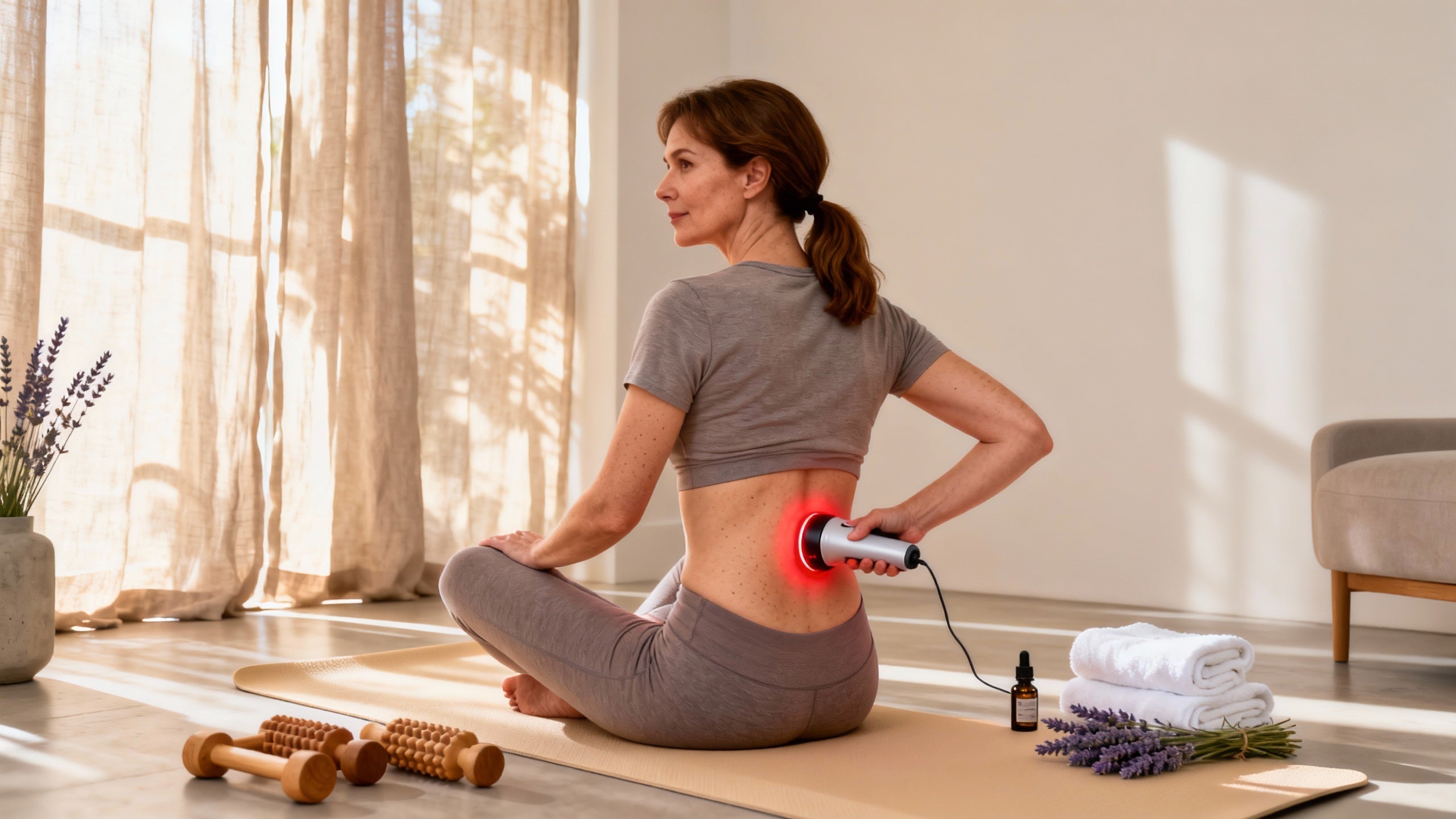
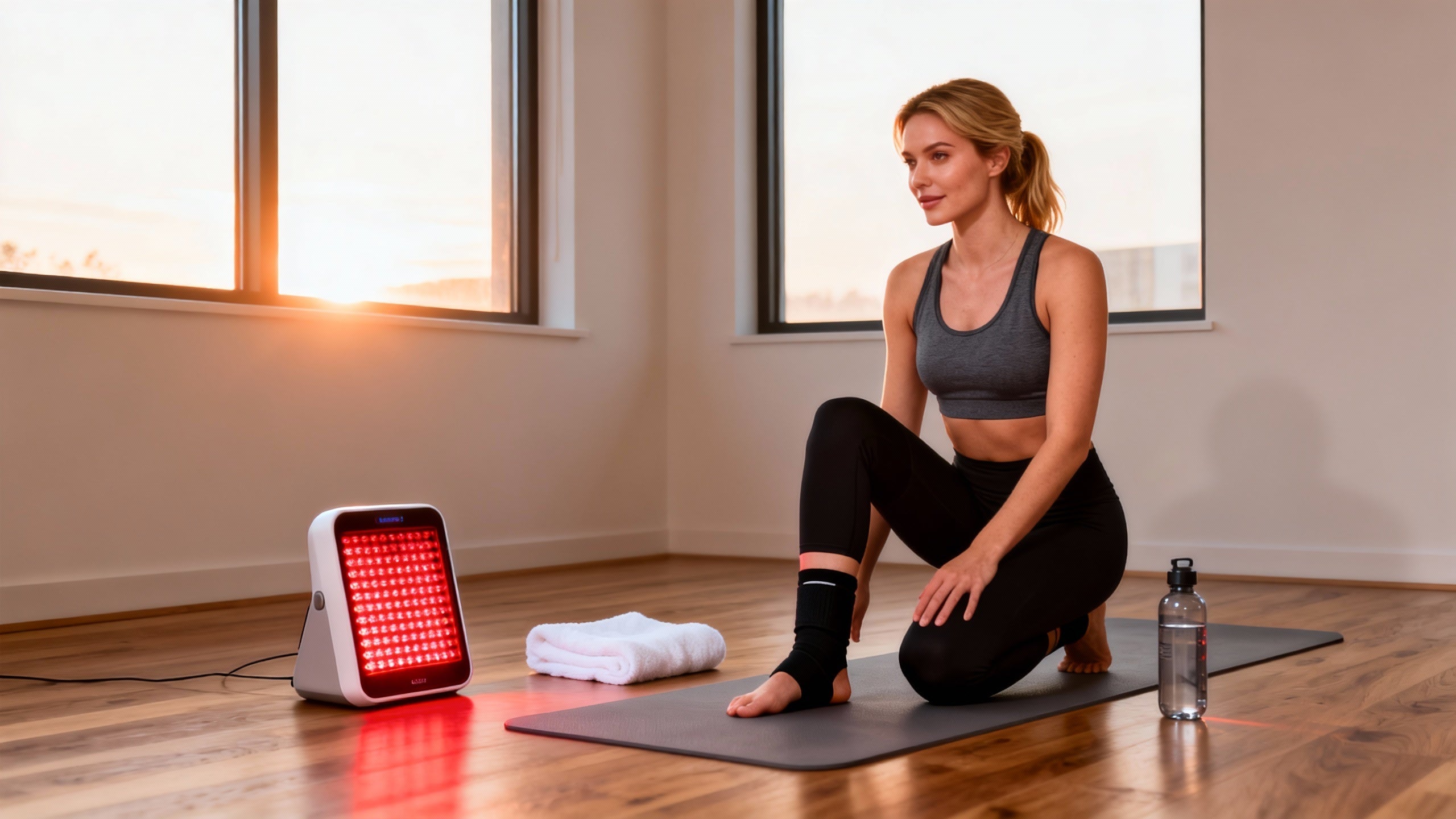
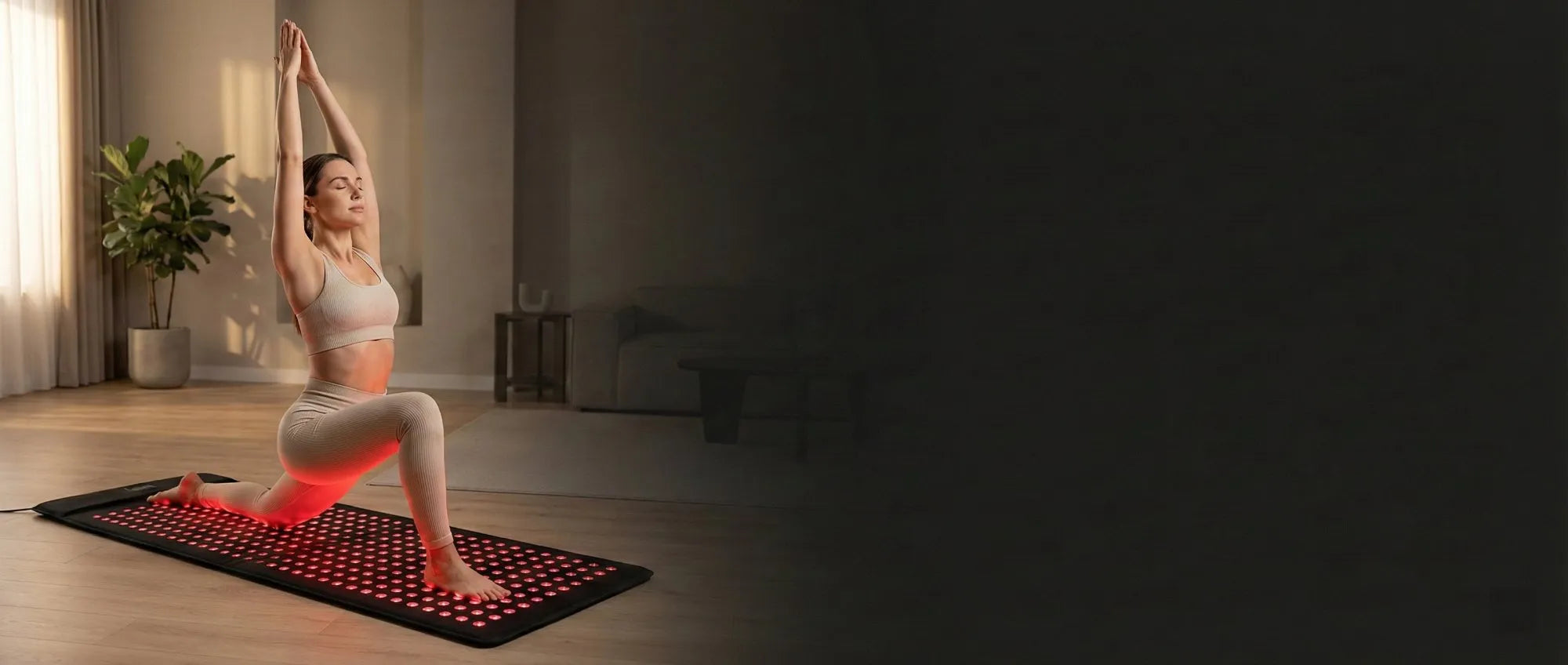
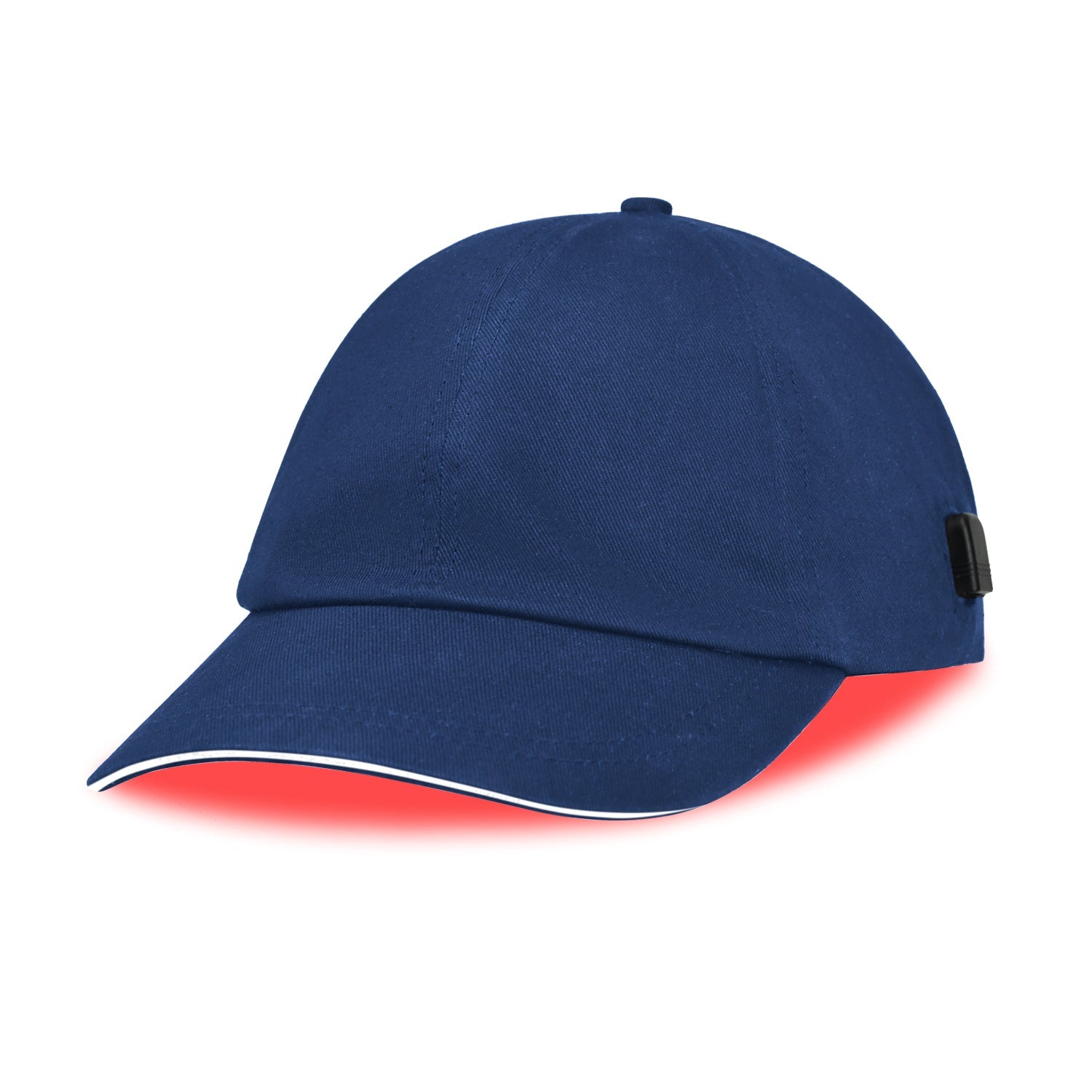
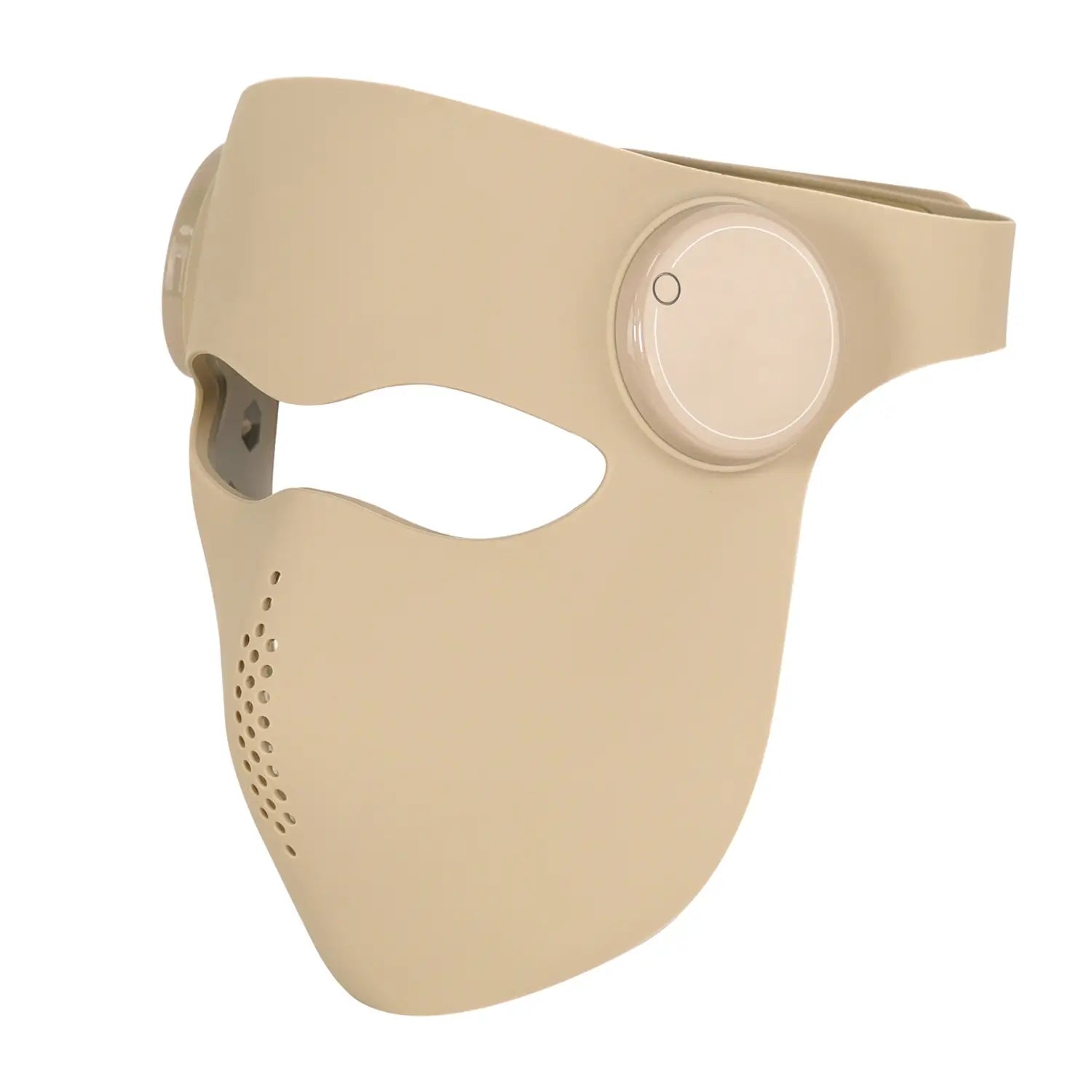
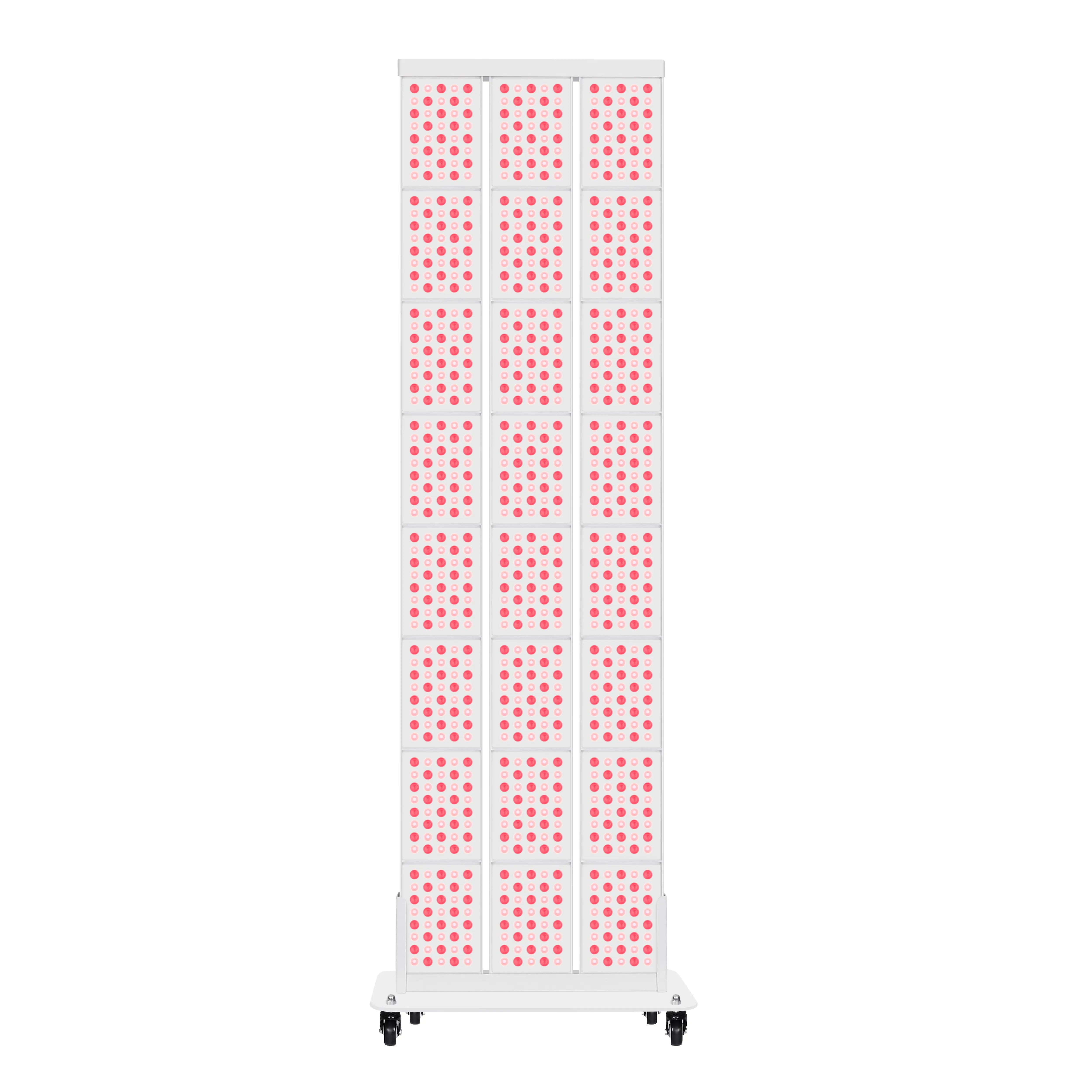
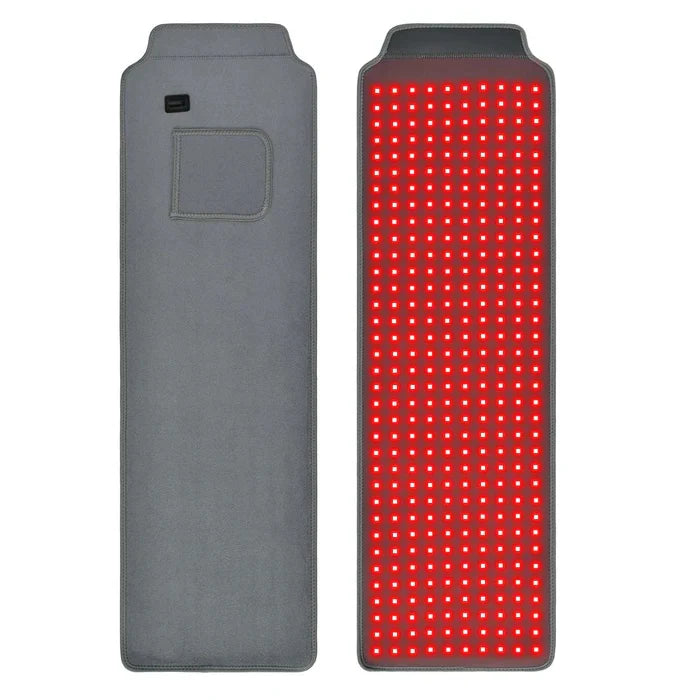
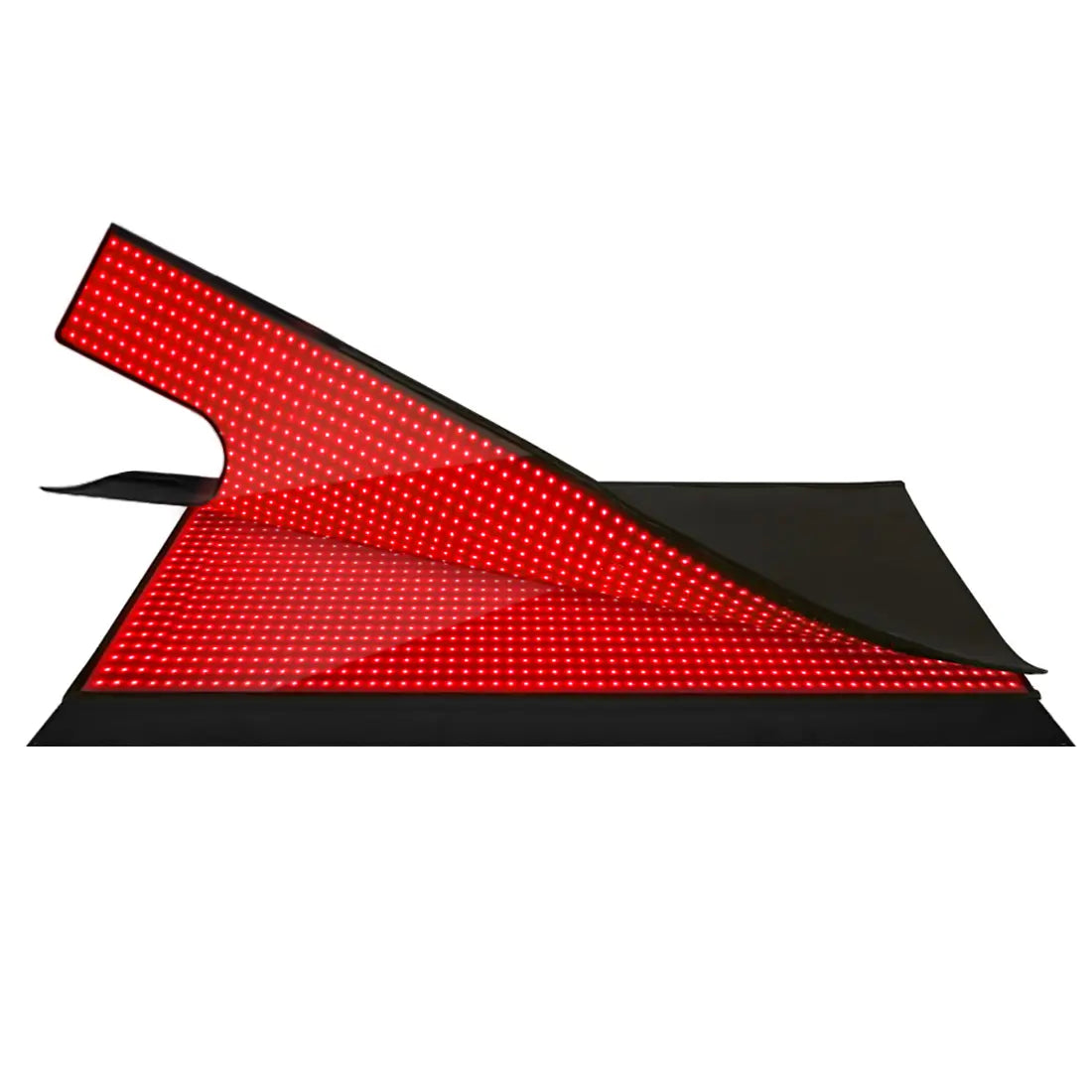
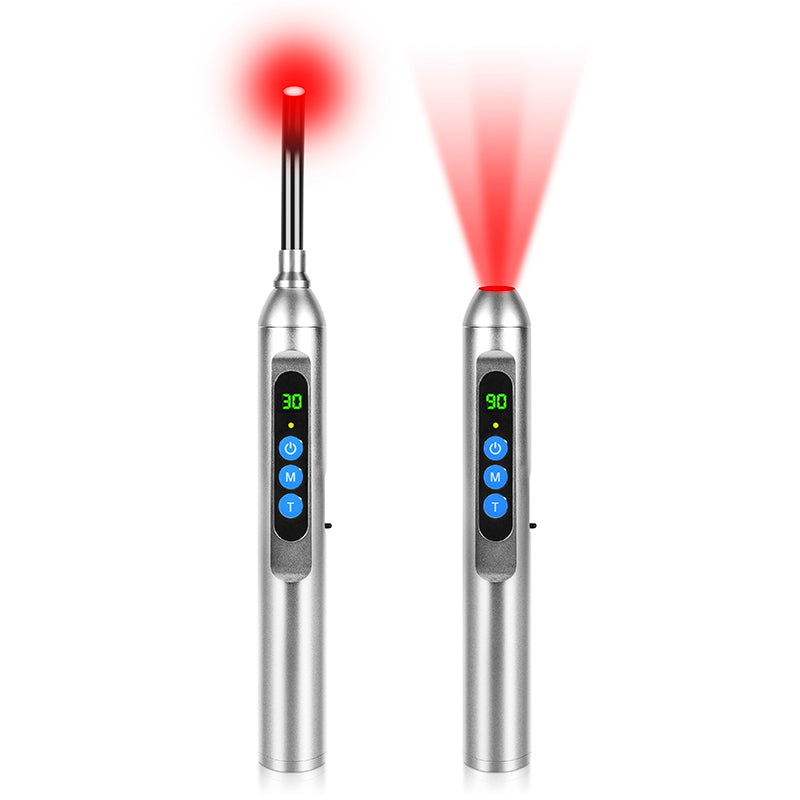
Red light therapy, often called photobiomodulation or low‑level light therapy, uses specific red and near‑infrared wavelengths, generally around 630–670 nanometers and 800–850 nanometers, applied to the skin at low power. Clinics and sports performance centers use LED panels, pads, or laser clusters; home users typically rely on LED panels or smaller devices.
Stanford Medicine describes how this field grew out of dermatology and photodynamic therapy, where red light plus a drug is used to destroy precancerous cells. Over time, clinicians noticed that certain red and near‑infrared wavelengths alone seemed to promote healing, hair growth, and collagen production without destroying tissue. In 2015, the term “photobiomodulation” was formally recognized in the medical subject headings of the National Library of Medicine, signaling that light‑based modulation of biology had matured beyond pure fringe science.
How Red Light Interacts With Your Cells
Multiple sources, including physical therapy clinics and sports performance centers, converge on the same core mechanism. Red and near‑infrared photons are absorbed primarily by cytochrome c oxidase, a key enzyme in your mitochondria. Function‑focused clinics report that this can increase cellular energy production (ATP) substantially, sometimes on the order of doubling ATP output in experimental models. When mitochondrial function improves, several downstream effects have been repeatedly observed in human and animal studies:
Mitochondria produce more ATP, giving cells more energy for repair and normal function. Nitric oxide is displaced from binding sites on mitochondrial enzymes, improving oxygen usage and promoting vasodilation in local blood vessels. Microcirculation and lymphatic drainage improve, supporting better delivery of oxygen and nutrients and more efficient removal of metabolic waste. Inflammatory signaling shifts, with reductions in pro‑inflammatory cytokines and oxidative stress markers, and activation of anti‑inflammatory pathways. Collagen and elastin synthesis increase, which supports tissue integrity in skin, tendons, and ligaments.
Clinics that work with athletes, such as Fick PT & Performance, Function Smart, and the Physical Achievement Center, emphasize these mechanisms to explain why their patients often report reduced soreness, faster recovery between sessions, and sometimes improved training capacity. A review in a sports‑medicine context notes that photobiomodulation applied before exercise can, in many trials, increase time to exhaustion or the number of repetitions and sometimes reduce markers of muscle damage, though not every trial finds benefits.
Where The Evidence Is Strongest Today
The most robust evidence for red light therapy currently sits in dermatology and hair restoration. Stanford Medicine highlights hundreds of studies showing that certain red wavelengths can improve skin texture and wrinkles via collagen production and superficial vasodilation, and that consistent use over months can stimulate hair follicles and regrow thinning hair, with effects fading after treatment stops. Dermatology departments in major academic centers now routinely use medical‑grade devices for these indications.
Another solid area is tissue healing and pain modulation. University Hospitals notes that red light therapy may reduce pain and improve quality of life in people with certain musculoskeletal pain conditions and fibromyalgia. Clinical summaries mention reduced pain and improved function in tendinopathies and some superficial inflammatory problems, although deep structural damage such as significant ligament tears or advanced osteoarthritis is not expected to be reversed.
Where things get murkier is performance enhancement, sleep optimization, and cognitive benefits. This is exactly where reaction time lives, so we need to be precise about what is known and what is still speculation.

What The Research Actually Shows For Performance
Muscle Power, Endurance, And Recovery
A detailed review of photobiomodulation in human muscle tissue, encompassing 46 trials and over a thousand participants, looked at acute and chronic changes in strength, fatigue, and recovery. In upper‑limb studies, some randomized controlled trials reported that red or near‑infrared light applied around exercise preserved isometric force and reduced delayed onset muscle soreness over the next day or two, while others saw no meaningful difference compared with placebo. Similar mixed outcomes appear in lower‑limb and treadmill studies, with some trials showing improved time to exhaustion or fewer markers of muscle damage and others showing minimal or no change.
Clinics like Function Smart summarize individual trials where athletes experienced increased muscle strength, higher power output, and up to roughly 50 percent reductions in soreness after training. Research cited by Athletic Lab includes studies in which low‑level laser therapy produced greater strength gains than control when paired with a training program, as well as faster improvements in endurance and increased fatigue resistance when light was applied during rest intervals.
At the same time, a 2016 discussion of red light therapy for performance and recovery on TrainingPeaks emphasizes that results are inconsistent, sample sizes are small, and performance gains are often modest and not always statistically robust. That analysis, informed by the same body of literature, concludes that the technology is intriguing but not yet backed by strong, reproducible performance effects, especially for endurance and power in real‑world sport settings.
Taken together, the muscle‑performance data suggest that red light therapy can sometimes enhance strength and endurance gains or reduce soreness when dosing and timing are appropriate, but it is not a guaranteed performance booster, and the variability across studies is high.
Sleep, Melatonin, And Split‑Second Decisions
If you care about reaction time, you have to care about sleep. Poor sleep quality and misaligned circadian rhythms impair alertness, processing speed, and decision‑making long before they show up as complete lapses. That is why I pay close attention to the sleep data around red light therapy.
A study on Chinese female basketball players reported in the Athletic Lab summary investigated evening red light treatment and found improvements in subjective sleep quality alongside increases in nocturnal melatonin secretion compared with placebo. Changes in sleep quality scores were significantly correlated with changes in melatonin, suggesting that the light was meaningfully influencing the hormonal system that regulates sleep.
The same summary cites work by Figueiro and colleagues showing that red light used during or just after waking reduced sleep inertia, that familiar grogginess that makes you feel like your brain is in molasses, and improved alertness and performance on morning tasks. While the exact tasks are not detailed in the brief, reductions in sleep inertia are highly relevant for early practice sessions, qualifying, or travel‑disrupted race weekends.
Articles aimed at athletes and equestrians, such as the Poll to Pastern piece on exercise recovery, also highlight potential sleep benefits. They describe red light exposure helping to align the body’s internal clock with light cues, supporting melatonin production in the evening, reducing stress, and promoting better sleep onset and quality when paired with good sleep hygiene.
The key point is that multiple sources converge on two plausible, early‑stage findings: evening red light can support better sleep quality and nighttime melatonin secretion, and carefully timed red light in the morning can reduce sleep inertia and improve alertness. Those are exactly the physiological levers that, in real life, determine whether a driver feels razor sharp or half a step slow when the helmet goes on.
Do We Have Data On Reaction Time Or Race Drivers?
Here is the necessary reality check: in the research summarized in these sources, there are no controlled trials specifically measuring on‑track reaction time in race car drivers using red light therapy. There are no published numbers tying red light directly to faster responses to start lights or sudden obstacles in motorsport.
Instead, we have:
Studies in team sport athletes where red light improved sleep quality and melatonin, which are closely tied to cognitive performance. Laboratory work where morning red light reduced sleep inertia and improved alertness and performance on tasks shortly after waking. Muscle‑performance trials showing sometimes better fatigue resistance, strength, or endurance in gym‑style tests, especially when light is applied before exercise. Clinical pain and recovery studies showing reductions in pain and inflammation, improved microcirculation, and faster healing in tissues relevant to drivers such as muscles and tendons.
That means any claim that red light therapy “improves reaction time for race car drivers” is, at this stage, an extrapolation. The honest position is that red light therapy may support the underlying systems that keep reaction time sharp—sleep, alertness, muscle function, and pain levels—but it has not been directly tested as a reaction‑time intervention in drivers.
Mechanistic Pathways From Light To Faster Reactions
Even without driver‑specific trials, it is useful to map how red light might influence reaction time through systems we know it can touch.
Better Sleep And Circadian Alignment
The basketball study and the sleep research summarized by Athletic Lab and Poll to Pastern suggest that evening red light, used consistently, can improve reported sleep quality and is associated with higher melatonin levels at night. Improved sleep quality appears to correlate with better endurance performance in those athletes, and red light is proposed as a non‑drug way to ease sleep disturbances after intense training.
Morning red light exposure, as in the Figueiro work, seems to reduce sleep inertia and increase alertness and performance during the early part of the day. For drivers, that combination is compelling. A pattern of evening sessions aimed at improving sleep and winding down, plus brief morning light sessions aimed at shaking off grogginess, could, in theory, tighten the window between waking and being mentally race‑ready.
In practice, drivers who travel across time zones, run early practice sessions, or stack simulator work and physical training all feel the drag of circadian disruption. Red light therapy does not replace disciplined sleep routines, but the early evidence suggests it may be a supportive tool to stabilize sleep quality and morning alertness.
Fresher Muscles For Late‑Race Precision
Neck, shoulder, forearm, and core muscles are under constant load in the car. When those muscles fatigue, reaction time can degrade not only at the brain level but at the execution level: slower steering corrections, slightly delayed pedal modulation, less precise correction of slides.
The sports photobiomodulation review and clinical write‑ups from centers like Function Smart and the Physical Achievement Center describe several consistent muscular effects. Pre‑exercise light exposure has, in many trials, allowed athletes to perform more repetitions, sustain effort longer before fatigue, and sometimes show lower markers of muscle damage. Some clinics report reduced soreness and stiffness, especially when light is used before and after very intense sessions.
On the other hand, a meta‑analysis of phototherapy for muscle soreness (summarized by Athletic Lab) and the performance analysis on TrainingPeaks both stress that the evidence is not uniformly positive. Some high‑quality trials show little or no benefit, and optimal dosing remains uncertain.
For a driver, this means that red light therapy aimed at key muscle groups might reduce soreness and fatigue some of the time, especially around heavy training blocks or physically demanding events. That could support more consistent neuromuscular execution late in stints. It is not a replacement for smart strength and conditioning, but it is a plausible adjunct.
Pain, Inflammation, And Cognitive Load
Pain is one of the most insidious drains on reaction time. A sore neck, a nagging rib, or chronic tendon pain does not just hurt; it occupies mental bandwidth and undermines confidence in aggressive moves.
Rehab‑oriented sources describe how red light therapy reduces edema, oxidative stress, and pro‑inflammatory cytokines, with patients often reporting less pain and faster wound or tissue healing. University Hospitals notes that in musculoskeletal pain conditions, red light therapy may reduce pain and improve quality of life. Those are not race‑specific outcomes, but they matter: less pain means less distraction and more cognitive bandwidth for split‑second decisions.
A Practical, Evidence‑Respectful Protocol For Drivers
Given this landscape, how should a serious driver or driver coach approach red light therapy? The mindset I recommend is simple: treat it as an experiment layered on top of rock‑solid fundamentals.
First, get the basics in place. The University of Utah Health conversation about red light therapy emphasizes what they call the “core four”: quality nutrition, regular physical activity, mental and emotional health, and sleep, with genetics as a fifth factor you cannot control. No light panel will rescue reaction time if a driver is chronically underslept, poorly conditioned, and mentally overloaded. Red light therapy is best used once those pillars are solid.
Second, choose an appropriate device. The clinical and performance sources here consistently mention red wavelengths around 630–660 nanometers and near‑infrared wavelengths around 810–850 nanometers as therapeutic ranges. Many sports‑oriented protocols use deeper‑penetrating near‑infrared for muscles and joints and red light for skin or more superficial tissues. Stanford Medicine and University Hospitals both stress that clinic‑grade devices deliver more predictable power than at‑home products, which can vary widely in intensity and exact wavelength, but home devices are more accessible. Brands differ, and this article is not a buyer’s guide; what matters is that the device emits documented red and/or near‑infrared wavelengths and publishes its power density so you can follow evidence‑based exposure times.
Third, align timing with your goals using patterns that the literature actually supports. For sleep, the Zhao basketball trial and other athlete‑oriented summaries suggest evening sessions. A driver could schedule red light exposure to the face, neck, or trunk in the hour or two before bedtime on training days, keeping sessions in the range of about 10–20 minutes per area, several nights per week, and pairing them with good sleep hygiene. For morning alertness, the Figueiro work suggests red light at or shortly after waking can reduce sleep inertia. In practice, that might translate to a short morning session in front of a red light panel while going through race data or mental rehearsal.
For muscular recovery and pre‑conditioning, clinics like Function Smart and the Physical Achievement Center often use sessions lasting about 10–20 minutes per targeted muscle group, with deeper near‑infrared wavelengths focused on fatigued areas, either before intense training or within the first few hours afterward. The Poll to Pastern guidelines suggest around 20–30 minutes per area, up to three times per day during healing phases or a few times per week for maintenance, with the device close to or gently contacting bare skin.
The exact dose is important. Strength and conditioning discussions, including the NSCA‑style evolution overview, emphasize a biphasic dose–response pattern: too little light and you do not get much effect; too much and the benefits can plateau or even decline. Athletic Lab notes that for their apparatus, about 20 minutes per session is a point of diminishing returns. More time or higher intensity is not automatically better.
To tie these ideas together, it can be useful to think in terms of specific goals rather than chasing a generic “performance boost.” The table below summarizes how a driver might structure an experiment while staying aligned with what the current evidence actually supports.
Goal |
Typical timing relative to driving or training |
Example session pattern based on current practice |
Evidence status in the literature |
Better nightly sleep |
Evening, within a few hours before bed |
Red light to face or torso for about 10–20 minutes, several nights per week, combined with good sleep hygiene |
Early studies in athletes show improved sleep quality and higher melatonin; more trials needed |
Sharper morning alertness |
At or shortly after waking, especially on early‑start days |
Red light exposure while seated for about 10–20 minutes before other morning tasks |
Experimental work shows reduced sleep inertia and better alertness and task performance |
Muscle recovery and soreness moderation |
Within 2–4 hours after intense training or test days |
Near‑infrared and red light to neck, shoulders, forearms, and other key muscles for about 10–20 minutes per area |
Mixed trials; some show less soreness and better strength preservation, others show minimal change |
Pre‑conditioning before heavy sessions |
30–60 minutes before strength or conditioning workouts |
Light applied to target muscle groups once, then proceed with training |
Review articles report more consistent benefits when light is used before exercise, but protocols vary |
Throughout this process, track your own data. Simulators and simple reaction‑time apps can provide repeatable tasks; session logs can track how you slept, what light exposure you used, and how your body felt in the car. If your reaction metrics or on‑track consistency improve when you run a structured light protocol and stay flat when you pause it, that is meaningful personal evidence, even if it is not a randomized trial.

Pros, Cons, And Realistic Expectations For Drivers
From a veteran wellness optimizer’s perspective, the pros of red light therapy for race car drivers look like this. It is noninvasive and generally safe when devices are used as directed, with major medical centers noting low rates of adverse effects beyond occasional warmth or skin irritation. It has a growing evidence base in dermatology, certain pain conditions, and aspects of athletic recovery. It shows promising, though not definitive, benefits for sleep quality, melatonin, and morning alertness. It may reduce soreness and support muscle recovery around heavy training cycles. And it is already used by high‑level performers ranging from Navy SEALs to professional sports teams, as described in the Rehabmart analysis.
The cons are just as important. Claims about big performance gains, better sleep, or cognitive enhancement are still ahead of the most rigorous data. Stanford Medicine points out that strong, reproducible clinical evidence for major performance, recovery, or sleep improvements is lacking, and that many such claims remain speculative. The TrainingPeaks review similarly concludes that red light therapy is not yet supported as a clear performance booster for athletes when you weigh the totality of controlled studies.
Cost is another real downside. The University of Utah Health podcast notes that devices range from relatively inexpensive masks to extremely costly full‑body beds, with some high‑end systems running into six figures. Rehabmart’s overview cites high‑quality devices starting around a thousand dollars, with common price points in the several‑thousand‑dollar range and some systems far higher. University Hospitals reminds patients that home devices are rarely covered by insurance and that repeated sessions are needed before any effect is likely, making financial cost a primary concern.
Finally, there is the psychological trap. When a driver invests in an impressive‑looking device, it is easy to overestimate its impact and underinvest in less glamorous basics like sleep regularity, conditioning, nutrition, mental training, and car setup. University of Utah Health’s emphasis on the core health behaviors is a useful anchor here. Red light therapy should sit on top of, not instead of, those fundamentals.

Who Should Be Cautious Or Avoid Red Light Therapy
Safety profiles across these sources are generally reassuring, but they all highlight sensible cautions. Articles aimed at athletes and general users advise that people with photosensitive conditions such as certain forms of lupus or epilepsy, those who are highly sensitive to light, and individuals who are pregnant should avoid red light therapy or use it only under medical supervision. Stanford Medicine and University Hospitals emphasize eye safety and recommend not shining high‑intensity light directly into the eyes, especially with medical‑grade devices.
Anyone with a history of skin cancer or suspicious lesions should consult a dermatologist before using light therapy near those areas. While red light at therapeutic doses is not the same as ultraviolet exposure and is not used to treat skin cancers without a drug in photodynamic protocols, it is prudent to involve a physician if there are any oncologic concerns.
For drivers managing serious injuries, especially deep structural damage such as major ligament tears or advanced joint degeneration, University Hospitals stresses that red light therapy should be viewed as a pain and inflammation management tool rather than a means to reverse the underlying structural problem. Rehabilitation exercises, surgical input where appropriate, and load management remain primary.
A Light Therapy Geek’s Closing Thoughts
If I strip away the marketing hype and look strictly at the science we have, red light therapy is not a magic “reaction time button” for race car drivers. What it can plausibly do is modestly support sleep quality, morning alertness, soreness, and pain in some individuals when used correctly and consistently. For a driver who already has training, recovery, and mental game dialed in, that might be enough to nudge reaction sharpness in the right direction, especially over long seasons and brutal travel. Treat it as an experiment, keep your expectations grounded, and remember that the fastest thing in your program should still be your habits, not your hardware.
References
- https://lms-dev.api.berkeley.edu/studies-on-red-light-therapy
- https://www.academia.edu/29341421/Red_Light_and_the_Sleep_Quality_and_Endurance_Performance_of_Chinese_Female_Basketball_Players
- https://hms.harvard.edu/news/widening-field
- https://nsuworks.nova.edu/cgi/viewcontent.cgi?article=2599&context=ijahsp
- https://pmc.ncbi.nlm.nih.gov/articles/PMC5167494/
- https://safety.dev.colostate.edu/fulldisplay/F6Ywcn/2GF076/red_light_therapy_for_torn__ligament.pdf
- https://med.stanford.edu/news/insights/2025/02/red-light-therapy-skin-hair-medical-clinics.html
- https://healthcare.utah.edu/the-scope/mens-health/all/2024/06/176-red-light-therapy-just-fad
- https://www.uhhospitals.org/blog/articles/2025/06/what-you-should-know-about-red-light-therapy
- https://www.physio-pedia.com/Red_Light_Therapy_and_Muscle_Recovery