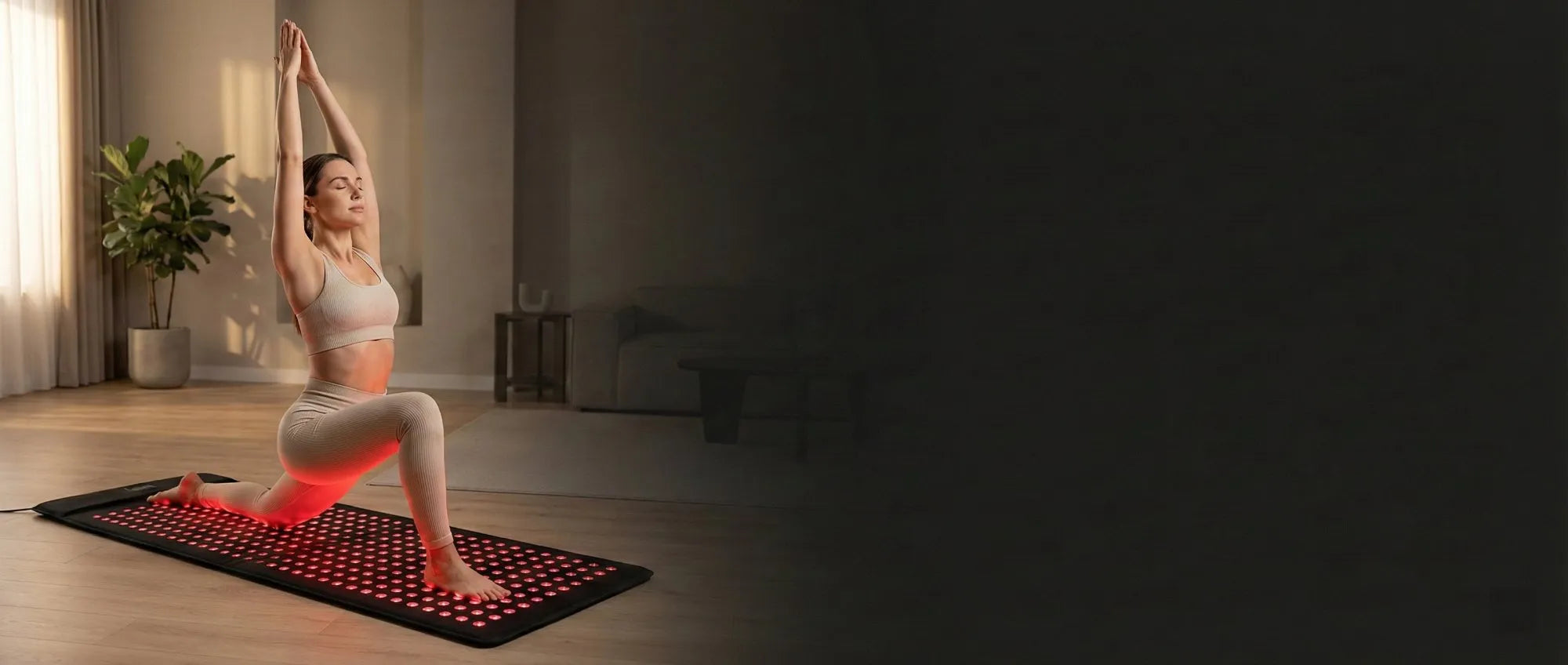
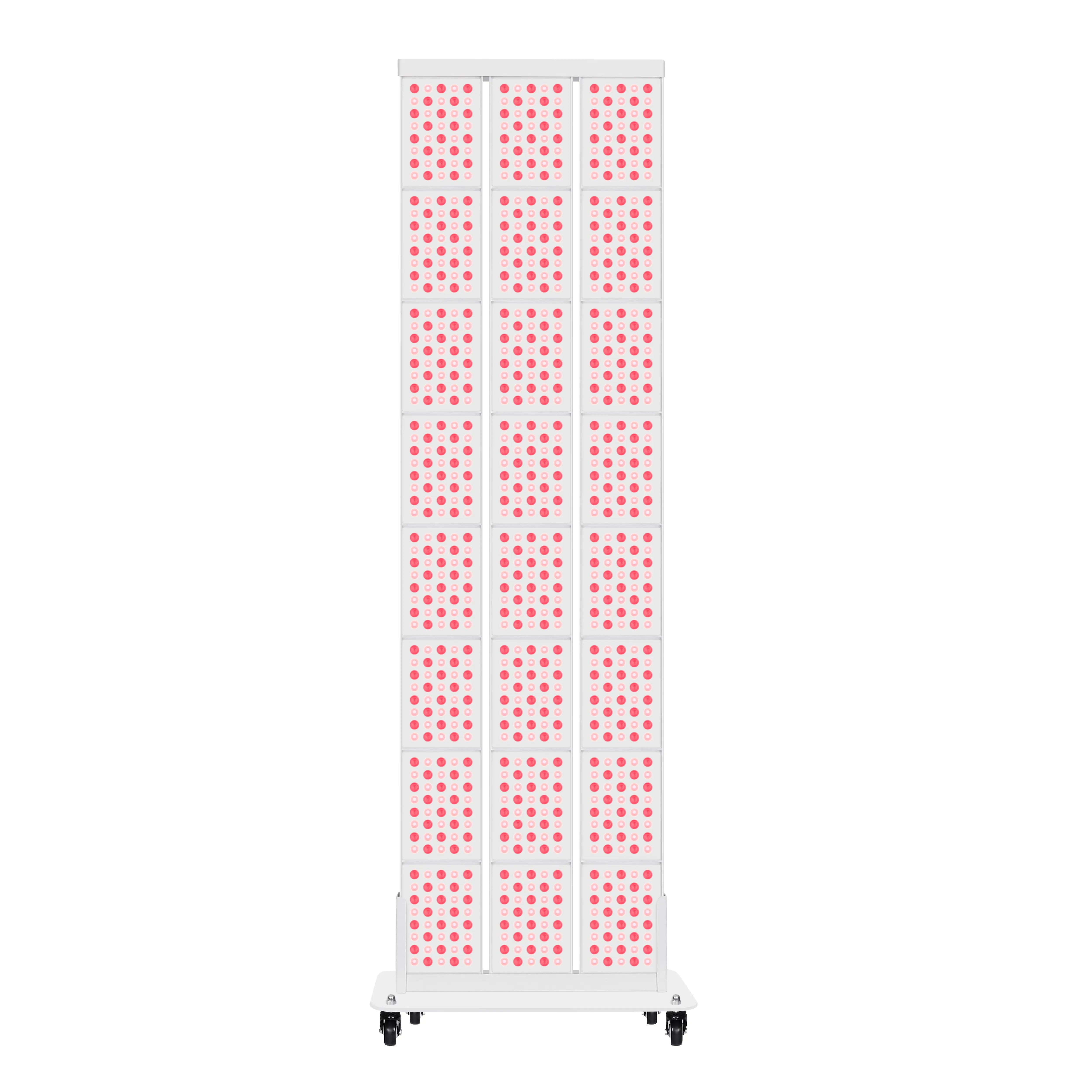
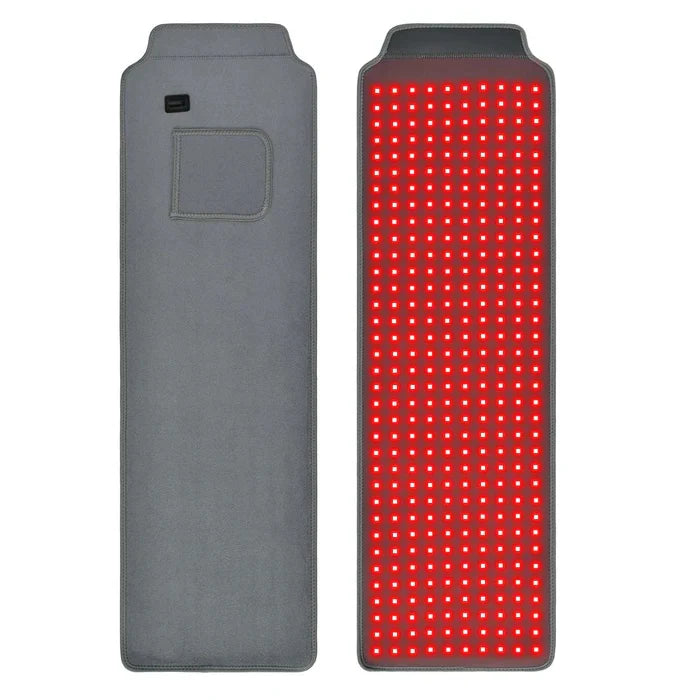
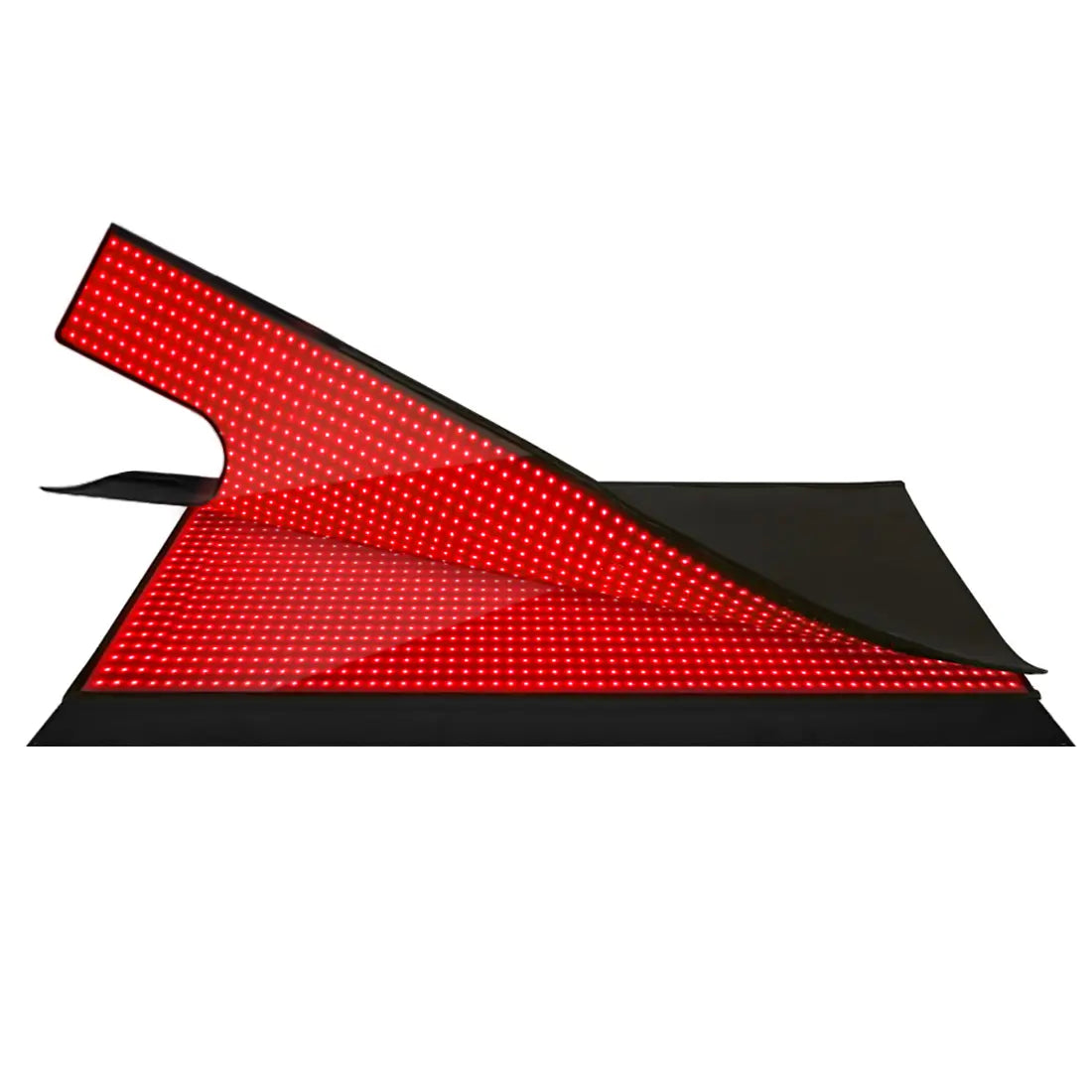
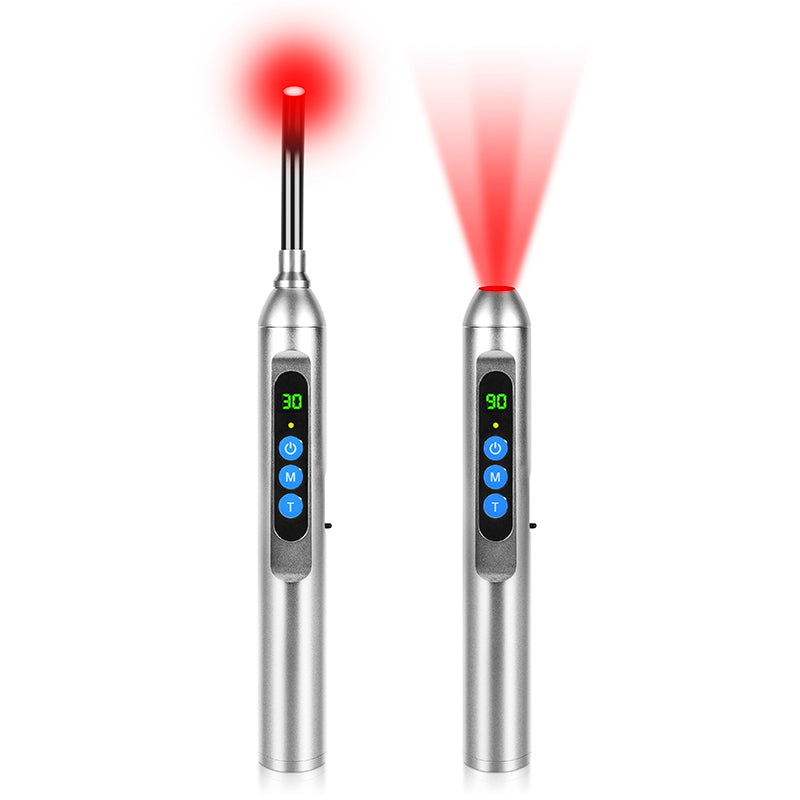

As someone who has logged more hours under red and near‑infrared diodes than I care to admit, I can tell you this: when red light is done correctly, you feel it in your circulation before you see it in the mirror. Warmth in cold hands, faster “flush” out of heavy legs, a different quality of post‑workout recovery. But subjective vibes are not enough. If you want to biohack responsibly, you need to understand what the light is doing to your microcirculation and where the science actually backs it up.
Microcirculation is where your health is won or lost. It is the last mile of blood flow: small arterioles, capillaries, and venules that deliver oxygen and nutrients to tissue and carry away waste. When this network is sluggish, you see cold fingers, numb toes, slow wound healing, brain fog, and stubborn fatigue. The core claim behind red light therapy is that targeted wavelengths can improve these tiny vascular dynamics without drugs or surgery.
In this article, I will walk through what microcirculation is, how red and near‑infrared light interface with your blood vessels at the cellular level, what the best evidence says in animals and humans, and how to design a smart, microcirculation‑focused red light protocol without getting seduced by hype.
Microcirculation 101: The Hidden Network That Runs Your Body
Your large arteries and veins are just the highways. Microcirculation is the dense web of tiny vessels that actually feed your tissues:
Capillaries, which are so narrow that red blood cells must squeeze through in single file, handle the real exchange of gases, nutrients, and metabolites. Arterioles upstream regulate how much blood even makes it into those capillaries. Venules downstream carry away carbon dioxide and metabolic waste, and they interface directly with your lymphatic system to clear excess fluid.
When this microvascular system works, you feel energized and resilient. When it fails, you feel it fast. Articles from clinical and rehab settings describe classic signs of poor circulation: tingling, numbness, throbbing or stinging in arms and legs, muscle cramps, cold extremities, slow wound healing, and in more advanced cases, issues like peripheral artery disease, diabetic vascular neuropathy, chronic venous insufficiency, and lymphedema. Some men even present with erectile dysfunction as an early sign of impaired blood flow.
Importantly, poor circulation is usually not a standalone disease. It rides on top of risk factors such as obesity, diabetes, smoking, atherosclerosis, blood clots, and a chronically sedentary lifestyle. That is why foundational basics like daily movement, not smoking, managing stress, and sleeping well remain non‑negotiable. Microcirculation hacks like red light sit on top of that foundation; they do not replace it.
Now let’s talk about how red light fits into this picture.

How Red And Near‑Infrared Light Talk To Your Blood Vessels
Red light therapy, often called photobiomodulation or low‑level light therapy, uses specific red and near‑infrared wavelengths, generally in the roughly 600–700 nanometer and 800–900 nanometer ranges, to modulate cell behavior. Several independent clinical and research groups converge on the same big picture:
Red and near‑infrared photons are absorbed by mitochondrial chromophores such as cytochrome c oxidase in the electron transport chain. This drives changes in ATP production, nitric oxide handling, gene expression, and inflammatory signaling that cascade through the vascular system.
Here is a high‑level view of the mechanisms that matter most for microcirculation.
Mechanism |
What red light does (based on current evidence) |
Microcirculation impact |
Increases ATP production in mitochondria; studies report boosts of around 20% in some tissue settings and much larger increases in athletic contexts when optimal wavelengths and dosing are used |
More cellular energy for endothelial cells, smooth muscle, and tissue repair, supporting stronger vessel function and recovery |
|
Nitric oxide release and vasodilation |
Displaces nitric oxide bound to mitochondrial enzymes and stimulates endothelial nitric oxide signaling, as shown in both cell and vessel experiments |
Relaxation of vascular smooth muscle, vessel dilation, and increased blood flow through small arteries and capillaries |
Upregulates vascular endothelial growth factor and related signals in multiple models |
Growth of new capillaries and improvement of microvascular networks in ischemic or damaged tissues |
|
Inflammation and oxidative stress |
Downregulates pro‑inflammatory cytokines such as TNF‑α, IL‑1β, and IL‑6; upregulates anti‑inflammatory mediators like IL‑10; enhances endogenous antioxidants such as superoxide dismutase and glutathione peroxidase |
Protects endothelium, stabilizes plaques, reduces microvascular inflammation and oxidative injury |
Improves microcirculation and lymphatic flow, supporting fluid drainage and waste clearance |
Less swelling, faster movement from the inflammatory phase into the healing phase |
Let’s unpack the two mechanisms that are most directly relevant to microcirculation: mitochondria and nitric oxide.
Mitochondria, ATP, and Vascular “Power”
Multiple clinical and performance‑oriented articles describe red light therapy as a mitochondrial intervention. Red or near‑infrared photons hit cytochrome c oxidase, relieve nitric oxide–related inhibition, and let electrons move more freely down the respiratory chain. This raises ATP, your basic cellular fuel.
FuelHealth‑oriented reviews note ATP increases on the order of about 20% in certain tissue models after low‑level red light exposure. Sports medicine reports go further: a performance center article reports that therapeutic wavelengths between roughly 660 and 850 nanometers may increase ATP availability in muscle by as much as two‑fold in some athletic protocols, with corresponding improvements in power and endurance.
For microcirculation, that extra ATP matters in three places. Endothelial cells need energy to maintain barrier function and produce nitric oxide. Vascular smooth muscle cells rely on ATP to contract and relax appropriately. And the surrounding tissues need ATP to repair themselves so that the body stops screaming for emergency inflammatory blood flow.
In human terms, think of what happens after a tough training session. Muscle fibers and surrounding connective tissue are inflamed and energy‑hungry. Clinical sports practices that stack light with other modalities, such as the Super Human Protocol in one Raleigh clinic, use full‑body red and near‑infrared light after pulsed electromagnetic field therapy and exercise with oxygen. The rationale is simple: first improve circulation and oxygen loading, then flood a huge number of mitochondria with light so they can turn that oxygen into ATP more efficiently. Clients often report less soreness and a quicker sense of “readiness” between sessions, which lines up with the idea of faster energy restoration.
Nitric Oxide: The Microvascular Switch
If mitochondria are the power plants, nitric oxide is the key signaling gas that opens the taps. The vascular endothelium constantly produces nitric oxide, which diffuses into smooth muscle cells and activates soluble guanylate cyclase, raising cyclic GMP and triggering vasodilation.
Photobiomodulation interacts with nitric oxide at several levels. A mechanistic mouse and cell study using 670‑nanometer light demonstrated that this wavelength can directly stimulate vasodilation in small arteries. In pre‑constricted facial arteries from healthy mice, a five‑minute exposure to about 10 milliwatts per square centimeter of 670‑nanometer light increased diameter by roughly sixteen percent on average. A second exposure compounded the effect, producing an absolute dilation on the order of thirty‑plus percent compared with the pre‑constricted state.
Several important details from that work matter for microcirculation biohackers. First, when the endothelial lining was stripped off, the vasodilation disappeared, which tells us the response is endothelium dependent. Second, blocking nitric oxide chemically with a scavenger abolished the light effect, while inhibiting nitric oxide synthase enzymes did not, and the dilation remained intact even in mice that genetically lacked endothelial nitric oxide synthase. That pattern strongly suggests that red light liberates nitric oxide from pre‑existing stores in the vessel wall rather than depending on fresh enzyme production.
Similar nitric oxide‑driven effects show up elsewhere. Vessel bath experiments demonstrated that fluid from light‑treated arteries could dilate other, untouched vessels in an NO‑dependent way, likely through diffusable S‑nitrosothiols or related complexes. Cell culture work with human microvascular endothelial cells showed increased intracellular nitric oxide after 670‑nanometer exposure across a range of energy doses, even when nitric oxide synthase was inhibited, and again this was sensitive to NO scavenging.
Clinically, a cardiovascular clinic review highlighted a human study in the journal Nitric Oxide where red light increased nitric oxide production and improved blood flow in healthy adults. Vascular and rehab centers repeatedly describe red light therapy’s ability to support vasodilation, warm cold extremities, and improve perfusion in conditions like peripheral artery disease and Raynaud’s phenomenon, where microvascular tone is a core issue.
Mechanistically, this is a big deal. If red light can tap into nitric oxide reservoirs even when classic pathways are impaired, you have a way to nudge microvessels open in settings such as diabetes, where endothelial nitric oxide synthase is dysfunctional but light‑sensitive nitric oxide stores remain.

What The Science Actually Shows For Microcirculation And Blood Flow
Mechanisms are nice, but what happens in whole organisms is what matters. The evidence for microcirculation and red light spans bench models, animal cardiology, and early human work.
From Isolated Arteries To Diabetic Blood Vessels
The 670‑nanometer study described earlier did not just look at healthy vessels. The researchers also examined arteries from diabetic mice, which normally have impaired endothelium‑dependent vasodilation, and from mice lacking endothelial nitric oxide synthase. In both cases, red light still produced robust vasodilation via nitric oxide‑dependent signaling through soluble guanylate cyclase.
In diabetic vessels, where conventional nitric oxide production is blunted, the ability of red light to restore vasodilation suggests a way to “rescue” microvascular function by freeing nitric oxide from bound stores. Peripheral artery disease and diabetic vascular disease are classic microcirculatory problems in humans. While this mouse work does not prove clinical benefit on its own, it gives a mechanistic basis for why patients with diabetic foot problems or PAD sometimes report warmer, better‑perfused limbs after consistent red light sessions targeted to the legs and feet.
From Failing Hearts To Aging Hearts
Heart failure is the ultimate macro‑plus‑micro circulation problem. Failing hearts struggle to pump, and microvascular networks starve under chronic stress. In a controlled mouse study of heart failure induced by coronary ligation or pressure overload, low‑power 630‑nanometer LED light delivered across the chest wall at about 3 milliwatts per square centimeter for ten minutes per day over one week improved several cardiac parameters. Ejection fraction and fractional shortening increased, chamber dimensions decreased, lung water dropped, and histology showed less fibrosis. At the cellular level, cardiomyocytes from light‑treated hearts generated more ATP and had better calcium handling.
Another long‑term study on cardiovascular aging used near‑infrared light from an overhead LED for two minutes daily, five days per week, in middle‑aged mice over many months. Treated animals developed less thickening of the cardiac wall, maintained better heart function, and showed improved gait symmetry. In a genetically vulnerable strain prone to severe heart disease, the light‑treated group had full survival compared with less than half surviving in controls. The authors tied these benefits to changes in transforming growth factor beta signaling and emphasized that gentle, non‑thermal doses were key.
These are animal models, not human trials, but they reinforce the idea that regularly feeding heart and vascular tissue a low dose of red or near‑infrared light can favorably influence both macro hemodynamics and microvascular remodeling over time.
Human Microcirculation And Vascular Studies
On the human side, microcirculation is harder to measure directly, but several lines of evidence are relevant.
Cardiology‑oriented clinics summarize a 2014 study in people with peripheral artery disease where red light therapy improved pain‑free walking distance, consistent with better limb perfusion. Another clinical report in healthy adults found that red light increased nitric oxide levels and blood flow, matching the vessel experiments.
Whole‑body photobiomodulation in patients with fibromyalgia, delivered as a series of full‑body red and near‑infrared sessions, changed circadian patterns of blood pressure, altered pain pressure thresholds, and improved tissue elasticity. While the primary outcome there was pain and function, shifts in blood pressure rhythms and tissue mechanics point toward systemic vascular effects.
Even outside classical cardiovascular medicine, red light’s influence on microcirculation shows up. A controlled study of repeated red light exposure in myopic children found improved blood flow in the choroid, the highly vascular layer at the back of the eye, with cumulative benefit over time. Dermatology research summarized in skin‑focused reviews reports increased cutaneous microcirculation, more collagen, and better skin tone after red light courses, which is exactly what you would expect if tiny dermal vessels were delivering more oxygen and nutrients while removing waste more efficiently.
Red Light, Clotting Biology, And Immune‑Vascular Cross‑Talk
One of the more intriguing angles comes from thrombosis research. A joint study from an academic health system and collaborators exposed mice to cycles of red, blue, or white light. Animals under red light developed nearly five times fewer blood clots than those under blue or white light, despite similar activity levels, body weight, sleep, and other behaviors.
Mechanistic follow‑up showed that the effect disappeared in blind mice and did not occur when light was simply shone on blood directly. That means the retina and brain are mediating the change, not the blood absorbing light in the vessels. Red light exposure was associated with reduced inflammatory immune activation, fewer neutrophil extracellular traps that can snare platelets, and metabolic shifts that lowered platelet activation.
In people, a large retrospective analysis of cataract patients suggested that lenses designed to filter a chunk of blue light were associated with lower clot risk in cancer patients, a group already at high risk of thrombosis. While this is associative and not definitive, it reinforces the idea that the spectrum of light hitting your eyes can feedback into systemic vascular and clotting biology.
For microcirculation, that means the light you expose yourself to is not just a local tissue issue. There is a whole‑body neurovascular and immunometabolic conversation happening that red light can nudge in a less pro‑thrombotic, less inflammatory direction.
Where Microcirculation Gains Show Up In Real Life
Mechanistic and preclinical data are only useful if they map onto human experience. Here is how improved microcirculation from red light tends to show up in the real world, based on clinical practice reports, rehab protocols, and my own years of experimenting.
Cold Hands, Numb Feet, And Vascular “Dead Zones”
Circulation‑focused wellness clinics and device makers repeatedly highlight red light therapy for cold extremities, peripheral artery disease, diabetic neuropathy, chronic venous insufficiency, varicose veins, Raynaud’s disease, and lymphedema. The shared problem in all these conditions is inadequate or dysregulated flow through small vessels and lymphatics.
Mechanistically, red and near‑infrared light increase nitric oxide, widen vessels, promote capillary growth, and improve lymphatic drainage. Practically, this means that when you expose your calves, feet, or hands to a well‑designed panel or pad for a controlled period, you are asking your local microvasculature to wake up.
Clinical guidance from circulation‑oriented brands suggests starting with about ten to twenty minutes per area, three to five times per week, and then adjusting based on how your tissue responds. People with diabetic vascular complications or diagnosed peripheral artery disease should work with a clinician, especially since those same trials emphasize lifestyle foundations: walking, healthy eating, weight management, and smoking cessation are still the heavy hitters for long‑term outcomes.
A concrete example: think of someone with type 2 diabetes who notices tingling and numbness in their feet and has trouble healing small cuts. Under medical guidance, they maintain blood sugar control, start a walking program, and layer in targeted red or near‑infrared light to the lower legs and feet three or four evenings per week. The goal is not to “cure” neuropathy with light alone, but to create a more permissive microvascular environment for nerves and skin to recover.
Athletes, Strength, And Recovery
If you push your body hard, you are regularly stressing your microcirculation. High‑intensity exercise creates local hypoxia, metabolic byproducts, and micro‑damage that have to be cleared.
Sports medicine clinics and performance centers now use red light strategically around training. Evidence summarized in sports and rehab articles shows that pre‑ or post‑exercise red light can reduce delayed onset muscle soreness, accelerate recovery, and, when protocols are tuned correctly, even improve strength and endurance metrics.
One clinical protocol combined red light at around 660 nanometers with blood flow restriction training. Participants were divided into traditional training, blood flow restriction alone, and blood flow restriction plus red light. After four weeks, the group receiving red light before each low‑load blood flow restriction session saw about a twenty‑one percent increase in wrist extensor strength, outperforming the other groups. Another trial found that low‑level laser applied before blood flow restriction preserved muscle oxygenation and stabilized force output, allowing more repetitions and longer contractions.
In both cases, the synergy is microcirculatory. Blood flow restriction creates a metabolite‑rich, hypoxic environment that drives adaptation at low loads, but it also increases oxidative stress and early fatigue. Red light, by improving mitochondrial function and local hemodynamics, appears to blunt the worst of that stress while preserving or enhancing the training signal.
If you are a recreational or competitive athlete, you can borrow that logic without recreating the entire study. For example, you might use ten to twenty minutes of red and near‑infrared light on quads and hamstrings shortly before low‑load leg sessions or immediately after heavy days to encourage better capillary perfusion and waste clearance. The key is consistency and respecting dose; more on that in a moment.
Cardiometabolic Health And Aging Hearts
Cardiometabolic clinics are increasingly positioning red light as a complementary tool for heart and vascular health. Summaries from integrative practices highlight preclinical work in heart failure, diabetes‑related heart damage, and heart attacks, where red or near‑infrared light improved mitochondrial function, reduced inflammation and oxidative stress in heart tissue, and even attenuated unfavorable cardiac remodeling.
One animal study in heart failure showed that just seven days of daily 630‑nanometer chest exposure improved ejection fraction, reduced lung congestion, and lessened scarring, alongside clear ATP gains. Another long‑term near‑infrared aging study in mice showed that gently bathing animals in brief, low‑intensity light sessions over many months slowed cardiac aging and improved survival, even in genetically vulnerable strains.
On the clinical side, early work in people with peripheral artery disease and chronic circulation problems suggests improved walking distance and symptomatic relief, and whole‑body photobiomodulation has demonstrated effects on blood pressure rhythms and tissue elasticity in chronic pain populations.
Again, this is not a replacement for medication, stents, or bypass surgery. High‑quality reviews emphasize that red and near‑infrared light are unlikely to replace established cardiology therapies. The realistic framing is “low‑cost, low‑risk adjunct” that can enhance tissue recovery and microvascular function when used alongside guideline‑directed medicine, nutrition, and movement.

Designing A Microcirculation‑Focused Red Light Routine
If you are serious about microcirculation, you should treat red light therapy as a tool you program, not a toy you occasionally blast yourself with. The good news is that multiple sources, from clinical practices to academic reviews, point toward coherent parameters.
Wavelengths, Depth, And Choosing The Right Color
For microcirculation, both superficial and deeper vessels matter. Red light in the roughly 630 to 670 nanometer range primarily affects skin and shallow tissues. It is well‑suited for cutaneous microcirculation, hair follicles, and small surface vessels. Dermatology studies have used these wavelengths to increase collagen, improve skin tone, and boost scalp blood flow, with evidence from clinical trials and blinded assessments.
Near‑infrared light, roughly 800 to 900 nanometers, penetrates deeper, on the order of about an inch into soft tissues, although it is attenuated by skin, fat, and bone. This makes it relevant for muscle, joints, and deeper vascular structures. Sports medicine protocols often favor 810 to 850 nanometers for deep muscle recovery and systemic circulation effects.
Mechanistic work on nitric oxide release and vasodilation highlights roles for wavelengths like 670 nanometers in small arteries, while performance‑oriented research has compared 660 and 830 nanometers, with some data suggesting that the shorter red wavelengths were more effective in certain strength outcomes. The lesson is not that one wavelength is “the best,” but that matching the wavelength to your target depth and desired mechanism matters.
If your goal is mainly skin microcirculation and hair density, a device that emphasizes mid‑red wavelengths is reasonable. If you care more about muscle recovery, deep limb circulation, or heart and vascular support, make sure your panel or bed includes near‑infrared output in the upper eight‑hundreds as well.
Dose, Session Length, And The Biphasic Response
Practitioners who live and breathe this stuff consistently warn against the “if some is good, more is better” mindset. Several clinics refer to a biphasic dose response: too little light does nothing, but too much can blunt or even reverse beneficial effects by overstressing cells.
Full‑body systems used in supervised clinics often run sessions for about ten to fifteen minutes, delivering what they consider an optimal dose for systemic effects without overexposure. Circulation‑focused consumer brands suggest ten to twenty minutes per targeted area, three to five times weekly, ramping up gradually as the body adapts. Sports medicine practices echo that ten to twenty minute window per body area for performance and recovery applications.
In the nitric oxide vessel experiments, doses ranging from less than one up to a dozen joules per square centimeter produced measurable nitric oxide release in endothelial cells, and five‑minute exposures at modest power densities were sufficient to dilate small arteries.
A practical, microcirculation‑centric pattern for a healthy but desk‑bound person might look like this. You expose the front of your lower legs and feet to a panel emitting both red and near‑infrared light for around fifteen minutes in the evening, three or four days per week, while standing or sitting. On two or three of those days, you also bathe larger muscle groups like the thighs and glutes for fifteen minutes after strength or interval sessions. Over eight to twelve weeks, you track subjective markers such as warmth in hands and feet, walking tolerance, and recovery from training.
If you have a cardiovascular diagnosis, diabetes, or significant vascular disease, you bring your cardiologist or vascular specialist into the loop before adjusting medications or relying on light as anything more than an adjunct.
At‑Home Panels Versus Full‑Body Beds
The hardware you choose shapes what you can realistically do. Clinic‑grade systems can deliver controlled, full‑body exposures. For example, one Supe r Human Protocol site uses a bed with more than twenty‑eight thousand diodes to cover the entire body uniformly, arguing that this stimulates far more mitochondria at once than a typical panel that covers a patch of wall about two by three feet. Sports and rehab centers that own these beds describe using ten to fifteen minute sessions as the final step in stacked protocols designed to optimize oxygenation and circulation.
At home, most people are working with smaller panels, masks, or pads. Academic dermatology experts point out that clinic devices are generally more powerful than consumer tools, and that dose, wavelength, and distance are often unknown or poorly specified in home units. A men’s health podcast from a major university health system highlighted the cost spread clearly: facial red light masks ranging from about one hundred dollars to more than six hundred dollars, and full‑body beds that can run into six figures.
Given that reality, I advise most people to start with a panel that has clearly specified wavelengths in the red and near‑infrared range, a known power density at a given distance, and straightforward safety guidance. You can do a tremendous amount for local microcirculation in limbs and for overall tissue recovery with consistent, targeted exposures, without paying for a full‑body bed. If you later decide to stack in clinic‑grade full‑body sessions, you will be doing it from a place of experience and data, not novelty.
Stacking Red Light With Other Microcirculation Tools
The best microcirculation protocols treat red light as one lever in a larger system. Two combinations are especially interesting.
First, stacking with mechanical or hemodynamic stimuli. The Super Human Protocol sequence uses pulsed electromagnetic field therapy to enhance ion exchange and circulation, then exercise with oxygen to saturate blood, then full‑body red and near‑infrared light to drive mitochondrial repair and nitric oxide‑mediated blood flow using that oxygen‑rich supply. In practice, clients report mild warmth, relaxation, and a sustained energy boost after ten to fifteen minute sessions.
Second, stacking with blood flow restriction training. Research combining low‑load exercise under partial vascular occlusion with pre‑exercise red light has shown stronger strength gains, better preserved muscle oxygenation, and lower perceived exertion versus blood flow restriction alone. The proposed sequence is straightforward: apply red light to the target muscle for around ten to twenty minutes, perform your low‑load blood flow restriction workout, release the cuffs, and optionally apply light again afterward to support recovery.
For the advanced biohacker who understands their cardiovascular status and is medically cleared, these stacks can be powerful. For everyone else, pairing light with simpler habits like walking, resistance training, and heat and cold exposure can still provide a robust microcirculation stimulus without the complexity.
Limitations, Safety, And How To Think Like A Scientist
As enthusiastic as I am about red light, I am just as passionate about not fooling ourselves. Major academic and clinical centers have weighed in on red light therapy, and their message is consistent.
Dermatology experts at large universities acknowledge robust evidence for certain uses such as hair growth and modest wrinkle reduction, tied in part to vasodilation and improved microcirculation. They also note that wound healing data are mixed, with some surgical scar studies showing faster early healing on the treated side and others finding no statistically significant difference by six weeks.
Comprehensive reviews from major clinics and health systems emphasize that red light therapy appears safe in the short term when used properly. It is non‑ionizing, does not carry the DNA‑damaging risk of ultraviolet, and major adverse events are rare. Most side effects are mild and transient, such as temporary redness, irritation, or eye strain. However, several important cautions keep coming up.
First, many marketed uses have limited or weak evidence. Claims for weight loss, cellulite removal, dramatic athletic performance boosts, or broad mental health cures are not supported by large, rigorous human trials. Some small studies and animal work are encouraging for specific neurological and cardiometabolic applications, but they are not a license to treat red light as a panacea.
Second, device variability is huge. Consumer tools vary in wavelength, power, and treatment area, and regulatory clearance often focuses on safety rather than proven effectiveness for a specific indication. It is entirely possible to under‑dose and see nothing or over‑dose and irritate tissue without realizing it.
Third, there are populations where extra caution is mandatory. People who are pregnant, have active skin cancers or suspicious lesions, are on photosensitizing medications, or have serious eye disease should involve a clinician before starting light therapy and avoid shining light directly into the eyes. Even for healthy people, using protective eyewear during facial treatments is prudent, as real‑world recalls of acne masks have highlighted potential risks to sensitive eyes.
Fourth, and most important, red light cannot replace the basics. A men’s health panel from a major academic center framed it well: tools like red light can be an optional “plus one,” but the core four—nutrition, physical activity, emotional and mental health, and sleep—do far more for your cardiovascular risk profile and microcirculatory function than any gadget.
Thinking like a scientist means using red light where mechanisms and early evidence support it, tracking your own responses, and being willing to scale back or adjust if reality does not match the marketing.

FAQ: Microcirculation‑Focused Red Light
Can red light therapy replace my blood pressure or blood thinner medication?
No. Cardiovascular and thrombosis researchers are clear that, while red and near‑infrared light show promise in improving vascular function, reducing inflammation, and even lowering clot burden in animal models, these findings do not replace established therapies. In mice, red light exposure reduced clot formation and improved cardiac aging markers, but human trials are still in early stages. If you have hypertension, heart disease, or a clotting disorder, red light should be treated as a complementary strategy under medical supervision, not as a stand‑alone treatment or a reason to stop prescribed drugs.
How quickly might I notice microcirculation changes from red light?
It depends on what you are tracking. In vessel and cell experiments, nitric oxide release and vasodilation occurred within minutes of red light exposure. Full‑body and targeted clinical protocols often report that people feel subjective warmth, relaxation, or a slight energy lift after ten to twenty minute sessions. Objective structural changes, such as improved walking distance in peripheral artery disease or altered cardiovascular aging trajectories, emerged over weeks to months of consistent treatment in studies. For practical purposes, expect acute sensations within sessions but plan for at least six to twelve weeks of regular use before judging longer‑term microcirculation changes like cold extremities, exercise tolerance, or recovery.
Is more light always better for microcirculation?
No. The concept of a therapeutic window shows up across the photobiomodulation literature. Vessel studies and clinical practice both indicate that there is a dose range where red and near‑infrared light improve nitric oxide signaling and mitochondrial function, and that going far beyond that can reduce or negate benefits. Clinics that have tested a range of settings tend to converge on short, controlled sessions—often around ten to twenty minutes per area—rather than marathon exposures. If you are stacking multiple modalities or sessions, it becomes even more important not to chase “more” blindly.
In the end, red and near‑infrared light are not magic. They are targeted, low‑energy tools that can nudge your microcirculation, mitochondria, and inflammatory pathways in a direction your biology already recognizes. As a long‑time light therapy geek, my advice is simple: get the fundamentals right, choose your device and dose with the same rigor you would apply to a training plan, and let red light be what it truly is—a quiet but potent ally in keeping blood and energy moving where you need them most.
References
- https://www.health.harvard.edu/diseases-and-conditions/led-lights-are-they-a-cure-for-your-skin-woes
- https://pmc.ncbi.nlm.nih.gov/articles/PMC5699925/
- https://www.buffalo.edu/ubnow/stories/2023/03/light-therapy-aging-hearts.html
- https://med.stanford.edu/news/insights/2025/02/red-light-therapy-skin-hair-medical-clinics.html
- https://healthcare.utah.edu/the-scope/mens-health/all/2024/06/176-red-light-therapy-just-fad
- https://www.brownhealth.org/be-well/red-light-therapy-benefits-safety-and-things-know
- https://my.clevelandclinic.org/health/articles/22114-red-light-therapy
- https://www.gundersenhealth.org/health-wellness/aging-well/exploring-the-benefits-of-red-light-therapy
- https://cypresspt.net/blog/can-red-light-therapy-support-heart-health
- https://franklinderm.net/anti-aging/red-light-therapy-for-skin-health-and-anti-aging-what-the-research-shows/