
Why Your Skin Barrier Needs More Than Just Moisturizer
If you’re reading this, you’ve probably already tried the classic barrier “fixes”: thicker creams, ceramide serums, maybe even ditching exfoliants for a month. Yet your skin still feels tight, reactive, or chronically inflamed. This is where the light-therapy geek in me gets excited, because there is a growing, science-backed case that red light can support skin barrier repair from the inside out, not just from the surface down.
Red light therapy, also called photobiomodulation or low-level light therapy, uses specific red and near‑infrared wavelengths to nudge your cells—especially their mitochondria—into a higher-functioning state. Academic centers, from Cleveland Clinic and Harvard-affiliated hospitals to Stanford dermatology clinics, now acknowledge that red light can stimulate collagen and elastin, reduce inflammation, and promote wound healing when dosed correctly.
Most of this research has been framed around anti-aging, acne, and hair growth. But when you zoom out and think like a barrier-obsessed biohacker, those same mechanisms are exactly what you need to restore a fragile, over-stressed skin barrier.
In this article I’ll walk through five core mechanisms by which red light supports barrier repair, grounded in clinical and laboratory data, then translate them into practical protocols you can actually implement at home or with your dermatologist.

Mechanism 1: Mitochondrial Energy – Powering Barrier Repair from Within
At the heart of photobiomodulation is a simple idea: if you give your cells more usable energy, they can repair themselves more effectively. Multiple sources, including Penn State Behrend and Cleveland Clinic, describe how red and near‑infrared light is absorbed by mitochondrial enzymes, boosting adenosine triphosphate (ATP) production. Harvard Health echoes this, noting that red light is thought to stimulate mitochondria and reduce inflammation while increasing collagen.
ATP is essentially your cells’ energy currency. In the context of the skin barrier, more ATP means keratinocytes and fibroblasts can:
- Close micro-injuries faster.
- Rebuild structural proteins and lipids more efficiently.
- Maintain tighter cell–cell connections that keep water in and irritants out.
Laboratory work backs this up. In a controlled study of human dermal fibroblasts and skin explants, a combination of low-level red and near‑infrared light at 640 and 830 nanometers significantly increased ATP production, along with gene expression for collagen- and elastin-related proteins and their crosslinking enzymes. This is direct evidence that red light is not just warming the skin; it is changing cellular metabolism in ways that support repair.
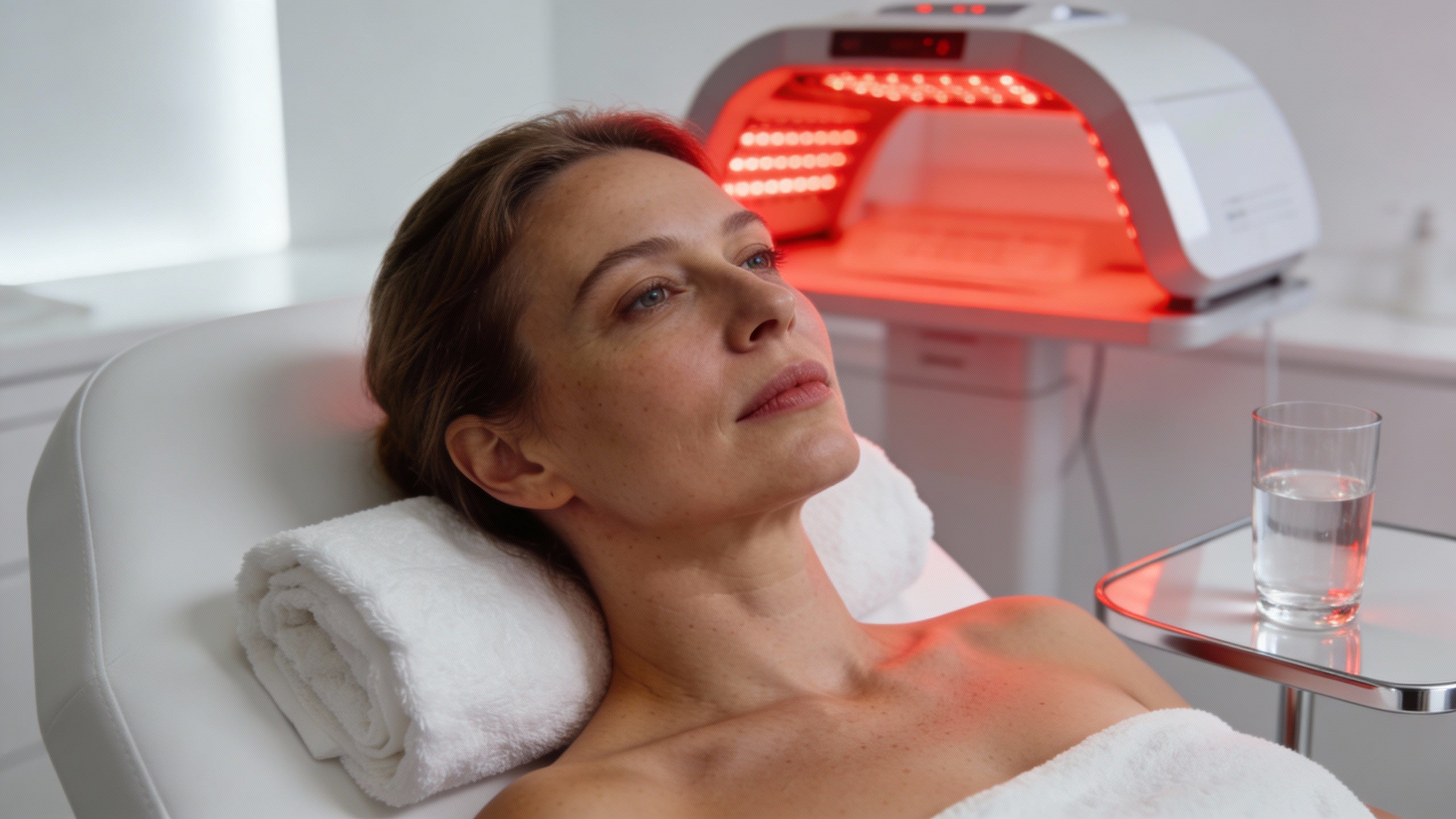
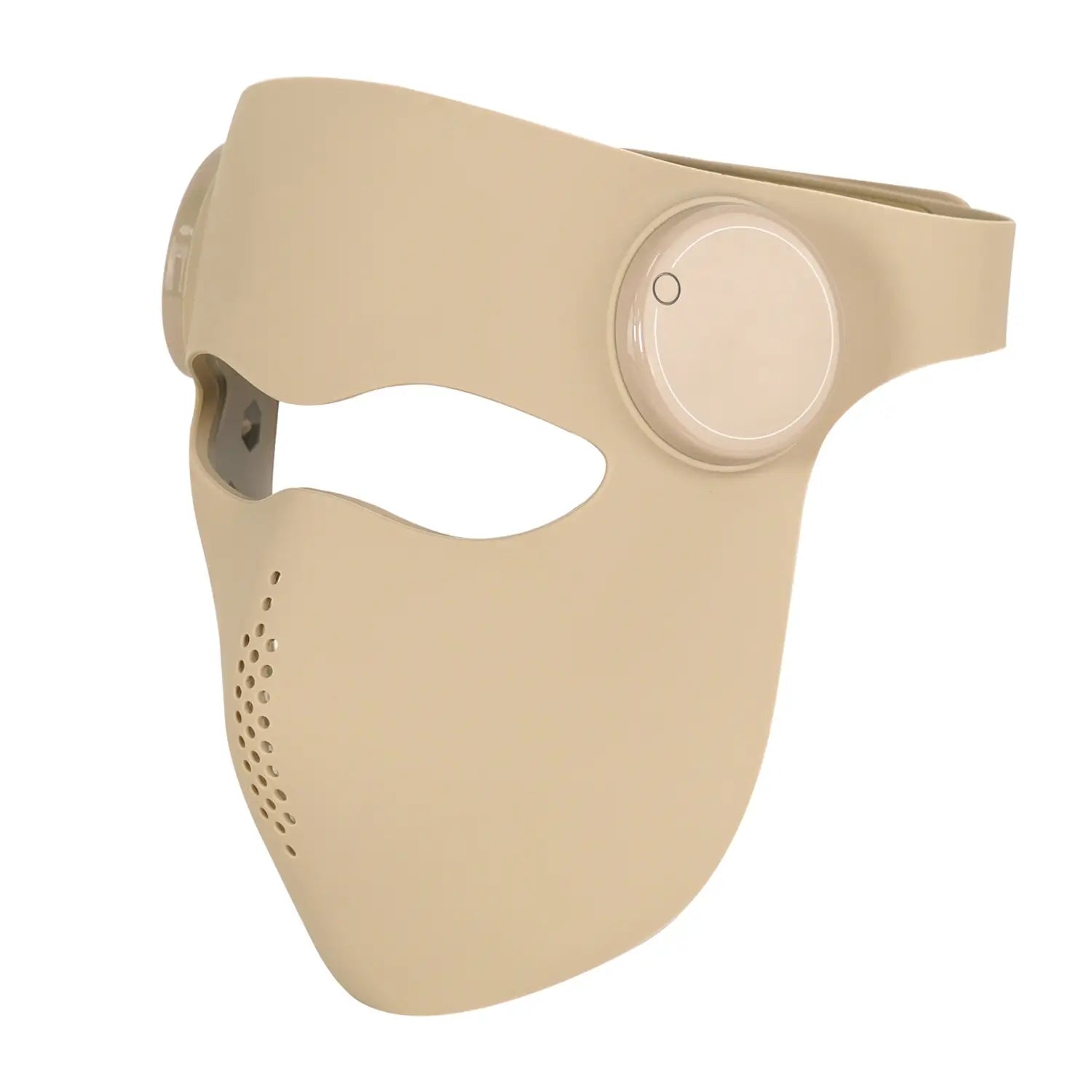
A real-world example brings this to life. In a clinical trial of a high-powered red LED face mask emitting cold 630 nanometer light, each 12‑minute session delivered about 15.6 joules per square centimeter to the skin. Volunteers used the mask twice a week for three months. That adds up to roughly 24 sessions and around 375 joules per square centimeter of cumulative energy delivered to each square centimeter of facial skin. Over that period, the study documented progressive improvements in wrinkles, firmness, dermal density, and overall skin quality—all downstream of the mitochondrial and cellular changes triggered by that light exposure.
From a barrier perspective, that kind of consistent, moderate dosing is like putting your epidermis on a well-funded energy budget instead of living paycheck to paycheck. Cells have the ATP they need to maintain the lipid matrix, re-knit microtears, and restore barrier integrity after daily damage from harsh cleansers, dry indoor air, or UV exposure.
As someone who has spent years testing different panels and masks, I can tell you the mitochondrial effect is also something you feel subjectively. After a properly dosed session—around that 10 to 15 minute mark—it is common to notice a subtle “awake but calm” sensation in the skin and a faster recovery after irritant exposures. That matches the cellular story: you are not sedating the skin; you are energizing it to heal.

Mechanism 2: Collagen, Elastin, and Hyaluronic Acid – Rebuilding the Foundation Under the Barrier
The visible barrier you see and feel is built on a deeper scaffolding of collagen, elastin, and glycosaminoglycans like hyaluronic acid in the dermis. If that scaffold is thinned, disorganized, or scarred, your barrier behaves like a tarp stretched over a broken frame: it cracks more easily, loses water faster, and reacts to minor stressors.
Dermatology sources from private practices to academic centers agree that one of red light’s most consistent skin effects is stimulation of fibroblasts, the cells that synthesize collagen and elastin. Stanford dermatology notes that evidence is strongest for modest wrinkle reduction and hair regrowth through increased collagen and improved blood flow. Clinical and laboratory studies go further and show direct molecular changes:
- A laboratory study using 640 and 830 nanometer LEDs found significant increases in gene expression for key structural proteins, including type I and type III collagen and elastin, along with increased protein levels and improved collagen‑elastin crosslinking in human skin models.
- A dermatology paper summarized in specialty literature reports that low-level red and infrared light increases expression of collagen, elastin, and hyaluronic acid in skin, all essential for strength, elasticity, and hydration.
- In a large randomized controlled trial with 136 volunteers, full‑body polychromatic red and near‑infrared light delivered twice weekly for 30 sessions led to measurable increases in intradermal collagen density and reductions in skin roughness, when compared with untreated controls.
These are not just cosmetic changes. A denser, more elastic dermis acts as a mechanical buffer under your epidermal barrier: microfissures from facial expressions, environmental dryness, or friction are less likely to propagate into full-blown cracks. Hyaluronic acid increases also help the deeper skin retain water, indirectly supporting surface hydration.
The Dior × Lucibel mask study is a nice case study because it mirrors what many people do at home. Twenty adults between 45 and 70 years old used the 630 nanometer mask for 12 minutes, twice per week for three months. Researchers measured wrinkle depth, dermal density, elasticity, roughness, pore size, complexion homogeneity, sebum, and porphyrin-containing pores. Participants reported global skin improvement; instruments confirmed reduced wrinkles and roughness, increased firmness and dermal density, and a more even complexion. Follow‑up at 14 and 28 days after stopping showed benefits persisting for about a month.
For barrier repair, this structural remodeling translates into a surface that is less prone to chronic microcracking and more capable of maintaining an even, hydrated texture. In practice, when I add red light to a barrier repair protocol for someone with “crepey yet oily” skin, I am not just chasing fewer fine lines; I am trying to upgrade the foundation that the barrier depends on.

Mechanism 3: Inflammation Modulation – Calming the Barrier, Not Just Coating It
A compromised barrier is almost always an inflamed barrier. Conditions like acne, rosacea, eczema, and radiation-induced skin damage all share a common theme: chronic inflammatory signaling that keeps the barrier leaky, red, and reactive.
Multiple reputable sources emphasize the anti-inflammatory effects of red light. Cleveland Clinic describes red light therapy as potentially reducing inflammation in cells while stimulating collagen and blood flow. Dermatologist-authored overviews note that red light reduces redness and irritation in inflammatory skin conditions including acne, rosacea, and eczema, and is gentle enough for sensitive or reactive skin when used appropriately.
On the molecular level, red light’s anti-inflammatory effects appear to involve both decreased pro‑inflammatory signaling and increased regenerative signals. A University at Buffalo–led study on radiation-induced skin damage found that photobiomodulation reduced inflammation, improved blood flow, and activated transforming growth factor beta 1, a protein that regulates cell growth and stimulates fibroblasts and macrophages. Macrophages help clear debris and limit excessive inflammation, while fibroblasts build new tissue.
The numbers from that study are striking. In an animal model of radionecrosis—skin breakdown after cancer radiation—wounds without photobiomodulation took an average of about 61 days to close. Wounds treated with near‑infrared light healed in roughly 49 days, and those treated with red light healed in about 42 days. That is a reduction of up to about 19 days of open, inflamed, infection‑prone skin, which is roughly a 30 percent faster closure time in the red‑light group.
The same anti-inflammatory tendency appears in acne data. HigherDOSE summarized clinical findings in which photodynamic therapy using a photosensitizer plus red light achieved at least 90 percent acne clearance within one month, and a 12‑session red light regimen for mild to moderate acne produced dramatic lesion reductions without complications. Dermatology practices that use combined blue and red light cite published data where 12 weeks of treatment produced around a 76 percent reduction in inflammatory acne lesions and a 60 percent reduction in non‑inflammatory lesions. Red light’s value in these protocols is not killing bacteria; it is calming inflammation, supporting faster repair of each lesion, and softening the post‑inflammatory scarring that keeps the barrier uneven and fragile.
From a barrier-repair standpoint, the takeaway is clear. If your skin is stuck in a cycle of chronic redness, flare‑ups, and hypersensitivity, no amount of occlusive moisturizer will fully solve the problem. Red light offers a way to turn down the inflammatory volume at the cellular level so that the barrier can rebuild without constant biochemical sabotage.

Mechanism 4: Microcirculation – Delivering Oxygen and Nutrients to Barrier Repair Zones
Another repeated theme across dermatology and wellness sources is improved circulation. Multiple skin-focused articles, including those from board‑certified dermatologists, point out that red light widens blood vessels (vasodilation), increases local blood flow, and improves nutrient delivery to skin and hair follicles.
Improved circulation matters for barrier repair in three ways. First, oxygen and nutrients such as amino acids and fatty acids are delivered more efficiently to the epidermis and dermis, fueling synthesis of barrier lipids and structural proteins. Second, enhanced blood flow accelerates removal of metabolic waste products and inflammatory mediators that can keep the barrier in a constant state of irritation. Third, for injured or post-procedure skin, better microcirculation supports more timely delivery of immune cells and reparative factors.
You can see this in both research and real life. In the full-body polychromatic light trial with 136 volunteers, participants described improved “skin feeling,” while objective measurements showed smoother texture and higher collagen density. Those changes are not possible without good nutrient supply and waste clearance, which are driven by microcirculation.
On a more everyday level, anyone who uses a well-calibrated red light mask or panel for about 10 to 20 minutes will notice a gentle warmth and a subtle pink flush that fades over the next hour. That is vasodilation in real time. Devices reviewed by Harvard‑affiliated dermatologists and multiple health systems typically recommend sessions in that 10‑ to 20‑minute window, a few times per week, and report improvements in tone and texture over three to six months. That time frame reflects slow but meaningful remodeling powered by better blood and nutrient flow.
For barrier-compromised skin, especially in people with colder extremities or sluggish circulation, this microvascular boost can be the difference between a moisturizer sitting on top of a starving barrier and an actual repair process that uses those lipids and humectants efficiently. In my own protocols, I often pair a short red light session with a barrier-supportive serum, not because the light is “pushing” product in, but because it is priming the skin’s circulation to make better use of what you are applying.
Mechanism 5: Wound Healing and Scar Remodeling – Closing the Barrier Gaps Faster
Every open wound, from a acne lesion to a surgical incision, is a literal break in the skin barrier. The faster and more cleanly that gap closes, the less time your body spends in a vulnerable, inflamed state—and the less likely you are to be left with chronic barrier weak points in the form of hypertrophic or atrophic scars.
Photobiomodulation has decades of research behind it in wound healing. Cleveland Clinic notes that red light therapy is already medically accepted as the light component of photodynamic therapy, where low-power red lasers activate drugs to treat certain skin cancers, psoriasis, acne, and warts. Beyond drug‑activated approaches, both Cleveland Clinic and Harvard Health cite evidence that red and near‑infrared light alone can accelerate wound healing, including diabetic ulcers, and reduce scarring.
More targeted scar and wound data are emerging. A scar‑focused review of LED therapy describes how near‑infrared light around 830 nanometers can penetrate deeply enough to stimulate wound-healing cells, while 633 nanometer red light encourages new collagen and elastin production and improves circulation in scar tissue. Plastic surgeons and dermatologists routinely use red LED therapy in the early postoperative period to reduce swelling, inflammation, and pain and to minimize scar formation, and early clinical data suggest it can be safely used soon after surgery.
The University at Buffalo radionecrosis study takes this one step further by showing that photobiomodulation did more than just speed closure; it also reduced the severity of skin damage from radiation and improved blood flow. That combination—faster closure, less inflammation, and better perfusion—is exactly what you want if your goal is a stable, resilient barrier instead of a fragile patch of scar tissue that cracks every winter.
Acne scarring is another barrier story. HigherDOSE’s review of the literature notes that red light–based photodynamic therapy achieved near-complete acne clearance within a month in one study, and a purely red light course of 12 sessions significantly reduced lesion counts without complications. Additional work summarized by dermatology practices reports over 70 percent reduction in inflammatory lesions with combined blue and red light over 12 weeks. When you reduce the number and severity of lesions, each one has less collagen destruction and less barrier disruption to repair. Over time, the skin surface becomes more continuous, which is the essence of a competent barrier.
In my own practice, the difference is visible when we compare clients who do nothing but topical care for wounds and scars versus those who add consistent red light. The latter group usually shows faster resolution of redness and a smoother transition between scar and surrounding skin, which translates to a more uniform, less leaky barrier.
Practical Protocols: Using Red Light Specifically for Barrier Repair
The mechanisms are compelling, but the biohacker’s question is always the same: how do you turn this into a protocol that fits your life, your budget, and your skin’s actual needs?
Choosing the Right Device and Wavelength Window
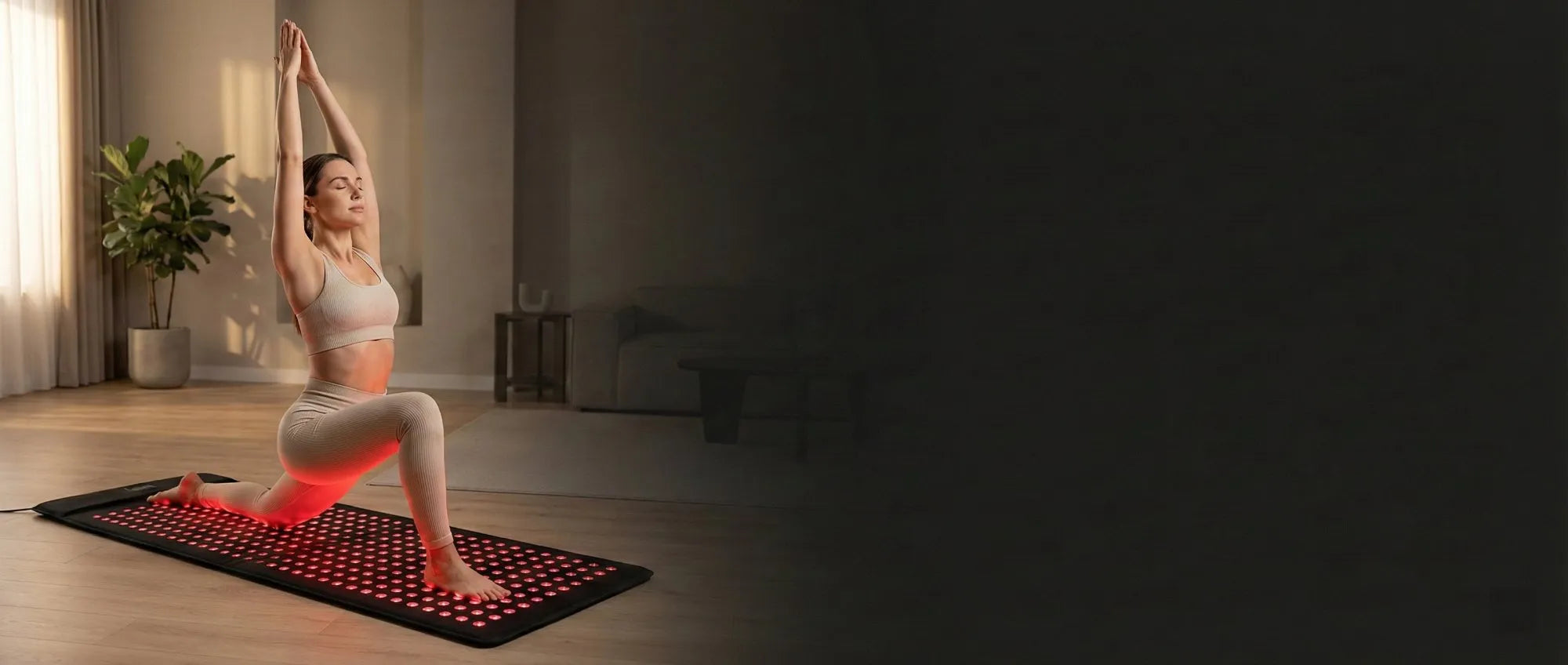
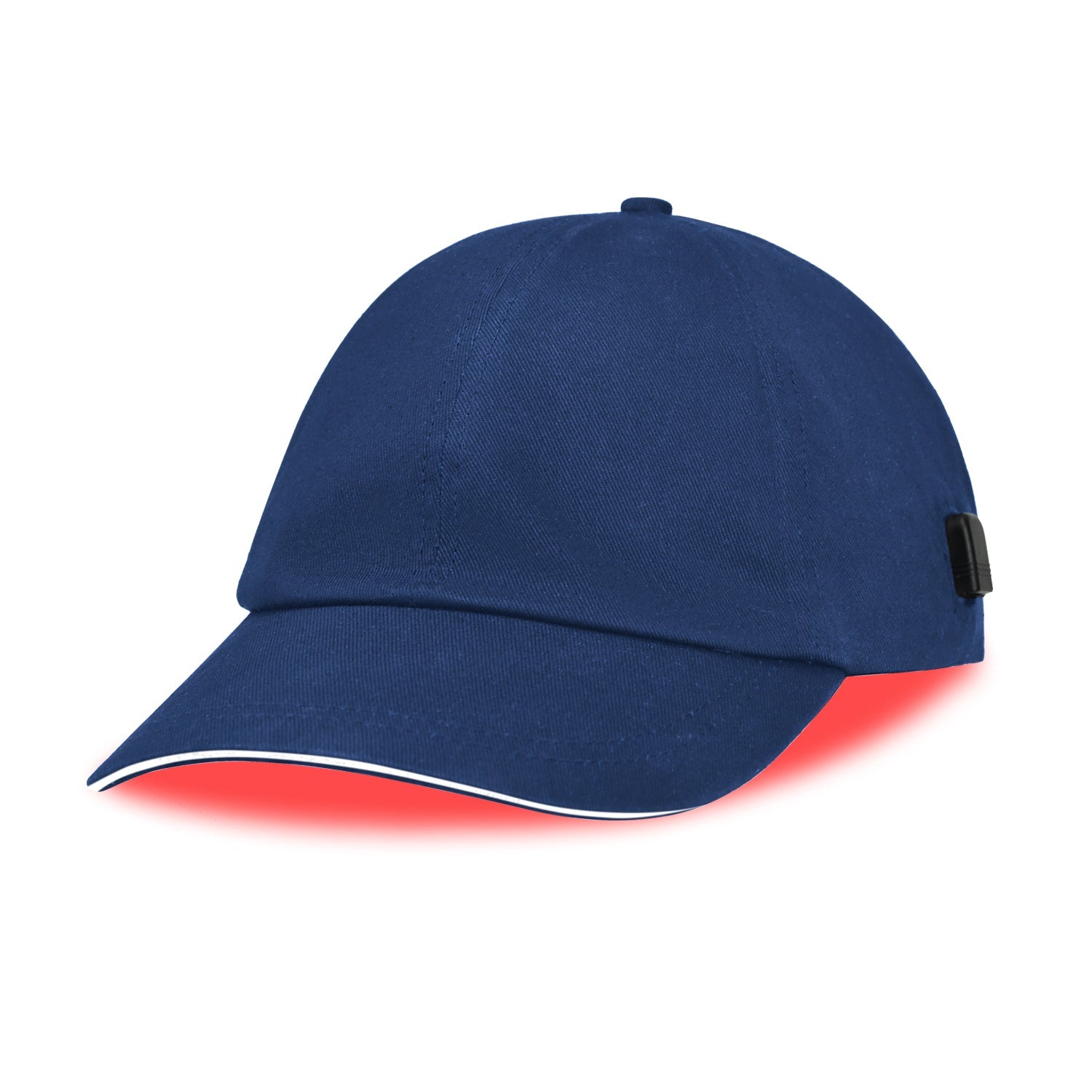
Most skin-oriented devices cluster around visible red wavelengths (roughly in the 620 to 660 nanometer range) and near‑infrared wavelengths (around 800 to 850 nanometers). Dermatology literature and clinical devices frequently use 630, 640, and 660 nanometers in the red range, and around 810 or 830 nanometers in the near‑infrared range.
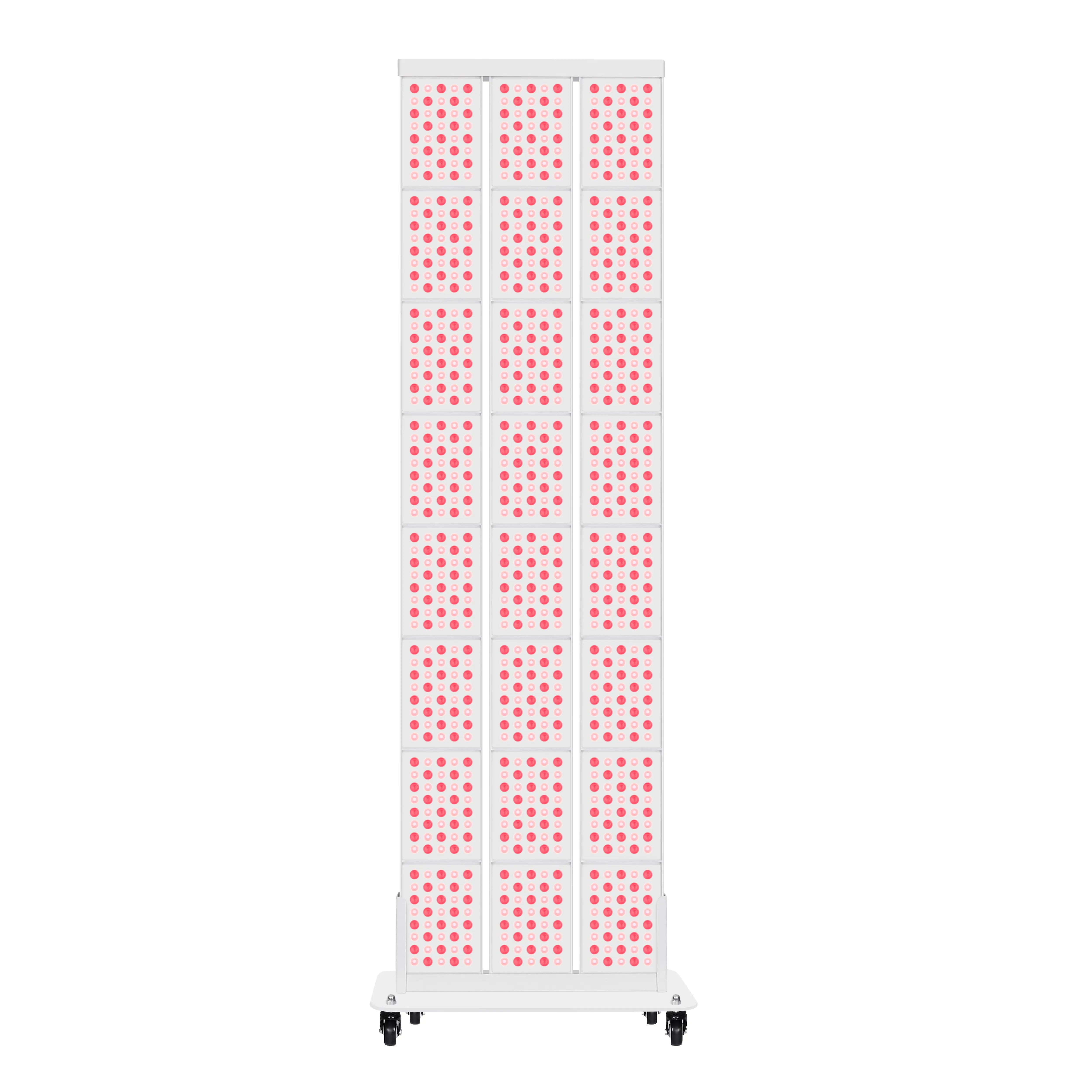
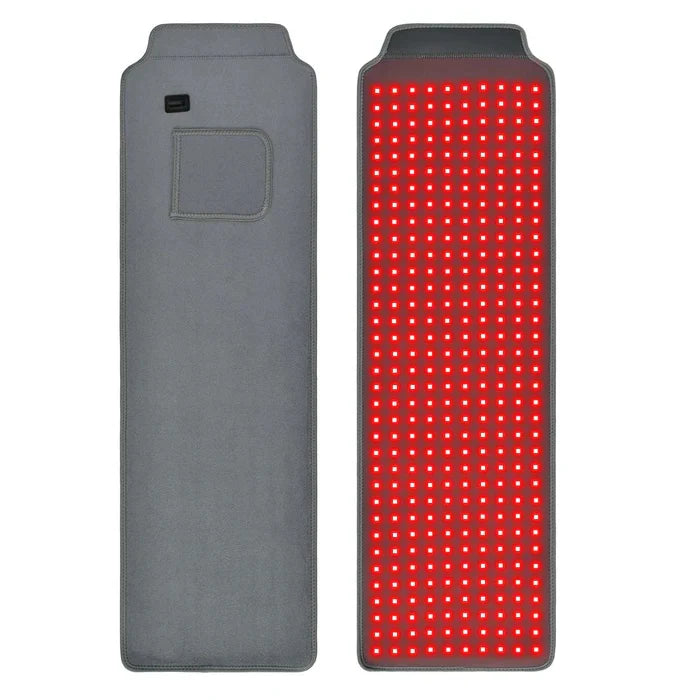
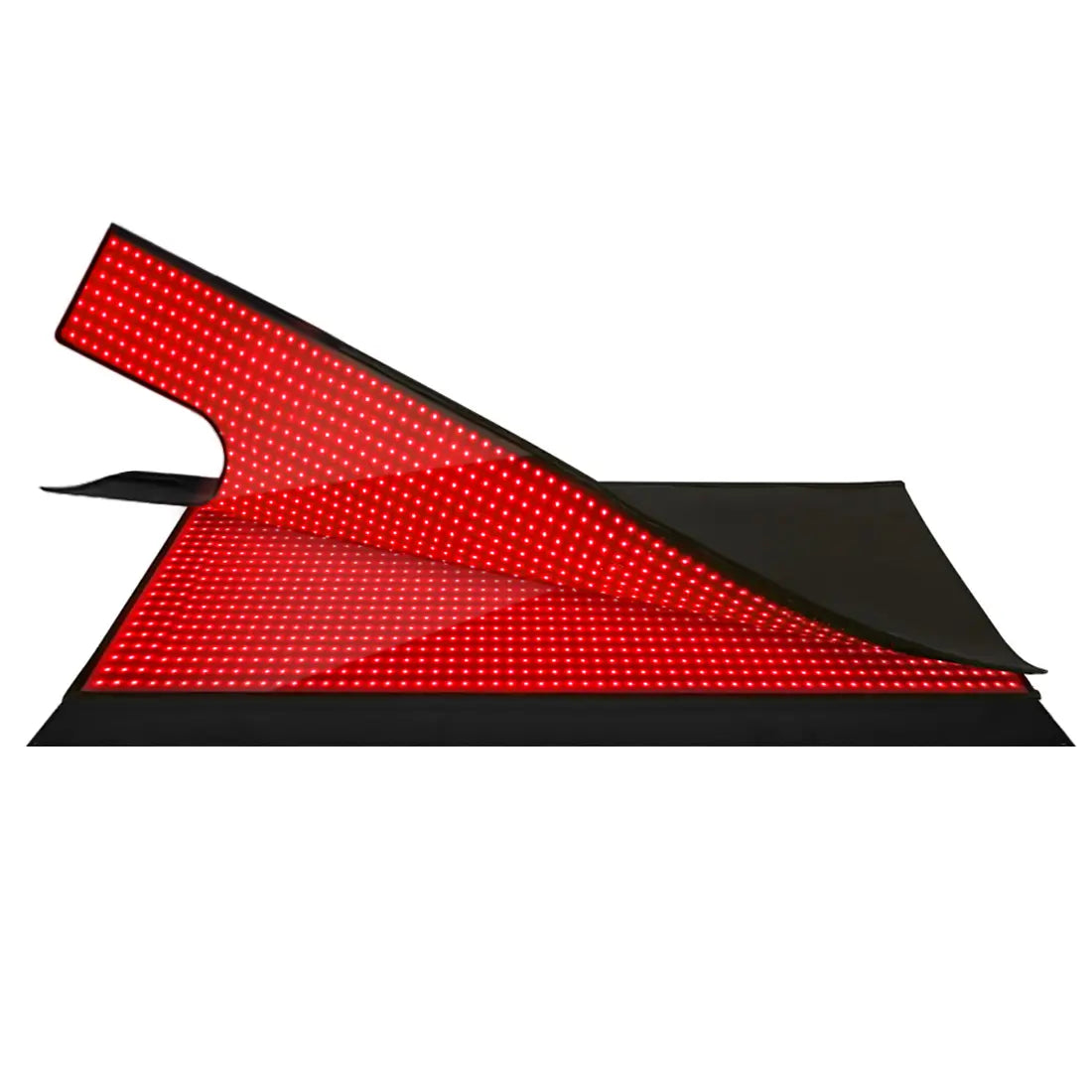
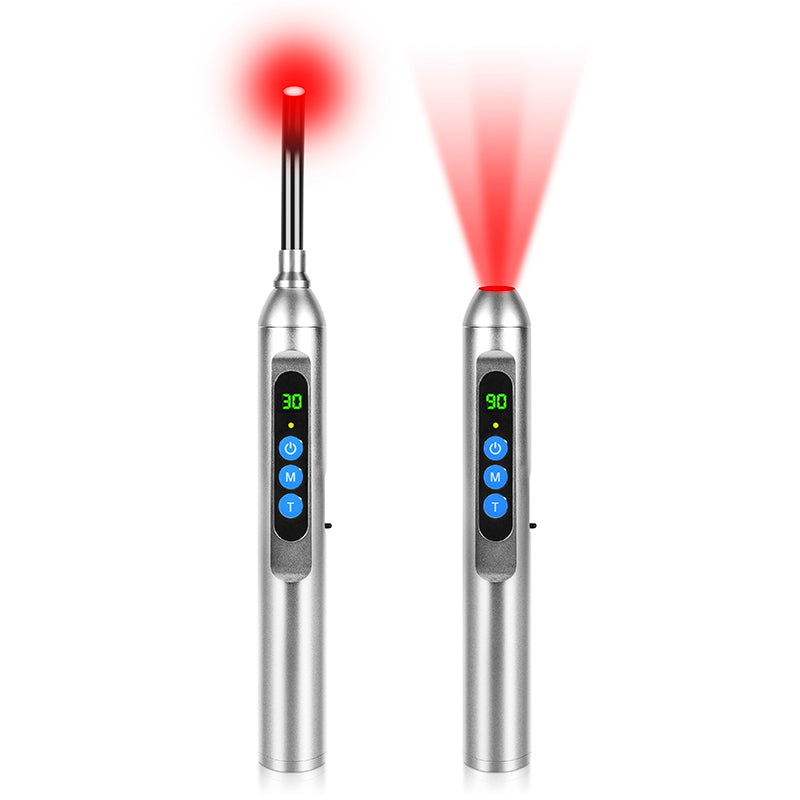
For barrier repair, you want enough depth to influence both epidermal cells and the upper to mid‑dermis, but not so much power or heat that you irritate already stressed skin. The good news is that many FDA‑cleared at‑home masks and panels sit in this sweet spot. The Dior × Lucibel mask, for example, uses 630 nanometer red light at a moderate irradiance for 12 minutes, twice per week, and produced meaningful improvements over three months with good tolerability.
In-office devices at dermatology clinics tend to be more powerful and allow more precise dosing, but they also cost more per session. Reports from academic and hospital-based dermatology services suggest that for mild to moderate barrier issues with parallel goals like wrinkle softening and redness reduction, a quality at‑home mask or panel can be reasonable, with the understanding that results will be slower and more modest than high-powered clinical units.
Dosing Patterns Grounded in the Research
If you scan the protocols used in clinical and laboratory work, some patterns emerge.
Cleveland Clinic emphasizes that red light therapy is not a one‑and‑done treatment; people are often treated one to three times per week for weeks or months. Many dermatologists recommend 10 to 20 minute sessions, a few times per week, for at least three to six months before judging results. The Dior × Lucibel trial used 12‑minute sessions twice weekly for three months. The large full‑body polychromatic study used 30 sessions over about 12 weeks, with twice‑weekly treatments.
For a barrier-repair focus, a reasonable evidence-informed starting pattern for most healthy adults, to be refined with your dermatologist, would be in that range: about 10 to 20 minutes per session, two to three times per week, with reassessment at the three‑month mark.
If your barrier is severely compromised—for example, you have active eczema, fresh post‑procedure skin, or recent radiation damage—this needs to be individualized and overseen by a medical professional. University at Buffalo researchers suggest photobiomodulation as a promising adjunct for radiation-induced wounds, but they also emphasize the need for controlled human trials. That means you want your oncologist or dermatologist on board before experimenting.
Stacking Red Light with Barrier-Focused Skincare
Red light therapy should not replace core barrier habits; it should amplify them. Across sources from Harvard Health to WebMD and Cleveland Clinic, experts repeatedly stress that red light is an adjunct, not a cure‑all. The basics—gentle cleansing, strict daily sunscreen use, appropriate moisturizers, sleep, and nutrition—remain non‑negotiable.
In practice, a barrier‑focused stack might look like this on a treatment day: cleanse with a non‑stripping formula, apply a hydrating, fragrance‑free serum with ingredients your skin already tolerates, let it absorb, then do your red light session. Follow with your barrier cream and, in the daytime, sunscreen. The goal is to keep everything else low‑irritant so the light can work on energy, inflammation, and structural repair rather than fighting against a harsh routine.
Safety, Contraindications, and When to Skip It
Cleveland Clinic, Harvard Health, and multiple hospital systems agree on a broad point: short‑term red light therapy appears generally safe and noninvasive, with far fewer risks than ultraviolet-based treatments or ablative lasers, as long as it is used as directed. Reported side effects are typically mild and transient, such as temporary redness or warmth, and serious complications are rare.
However, there are important caveats.
People with light-sensitive conditions, those taking photosensitizing medications (including some antibiotics and certain psychiatric or cardiac drugs), individuals with active skin cancers or suspicious lesions, and pregnant individuals should not self-prescribe red light therapy. Cleveland Clinic and Harvard-affiliated dermatologists specifically recommend consultation with a dermatologist or relevant specialist first.
Any use around the eyes should include appropriate protection. There have been enough concerns, including a recalled acne mask reported by Harvard Health due to potential eye risks in sensitive users, that standard practice is to shield the eyes even with non‑UV LED devices.
Long-term safety data are still developing. Several reviewers, including Harvard Health and Stanford dermatology, point out that while short‑term use looks reassuring, the optimal lifetime dose and chronic exposure effects are not fully mapped. My own bias as a veteran tinkerer is conservative: use the lowest dose that produces clear benefit for your skin, cycle off periodically, and avoid chasing every marketing claim with more time under the diodes.
Pros, Cons, and How I Actually Use Red Light for Barrier Repair
Stepping back, red light therapy for barrier repair sits in an interesting niche: more mechanistic and evidence-backed than most “miracle cream” marketing, but not yet as nailed down as established medical treatments.
On the plus side, red light is noninvasive, generally low risk, and supported by a diverse body of research showing improved collagen and elastin, faster wound healing, reduced inflammation, and better circulation. Studies from academic centers and peer‑reviewed journals document real changes in skin structure, from increased dermal density and reduced roughness to improved scar appearance and faster closure of difficult wounds.
On the downside, cost and consistency are real barriers. Home devices can range from under about sixty‑five dollars to over one thousand dollars, with premium masks and panels at the higher end. In‑office sessions at dermatology clinics or medical spas often cost in the eighty‑dollar‑per‑session range or more, and insurance rarely covers cosmetic or adjunctive red light therapy. You also have to commit: the strongest results in the literature appear after eight to twelve weeks or longer of regular use, not after a weekend experiment.
In my own barrier‑focused experiments and with clients who are willing to invest, I treat red light as a mid‑tier intervention. It sits above “just moisturize and hope” and below prescription systemic treatments or ablative procedures. If someone has a history of over‑exfoliation, chronic redness, or slow‑healing acne and they have already cleaned up their skincare, diet, and sleep, this is where I reach for a calibrated red light protocol.
What I do not do is promise miracles. The people who get the best results are those who understand the mechanisms you just read about and are willing to stack red light intelligently with barrier‑savvy skincare, sun protection, and patient consistency.
FAQ
Does red light therapy replace moisturizers and barrier-repair creams?
No. Every major medical source, including Cleveland Clinic and Harvard Health, frames red light as a supportive or adjunct treatment. Your skin barrier still needs external lipids and humectants, especially if it has been stripped by harsh cleansers, over‑exfoliation, or dry indoor environments. Think of red light as upgrading your skin’s repair hardware, while moisturizers supply the building materials.
How long before I see barrier improvements, not just “glow”?
Most skin studies with red light report visible changes after several weeks of consistent use. A facial aging trial with a high-powered red mask documented progressive improvements at one, two, and three months, with benefits still present about a month after stopping. Acne and combined blue‑red light studies often report significant lesion reductions around the eight to twelve week mark. For barrier repair—less tightness, fewer flare‑ups, smoother texture—plan mentally for at least a three‑month experiment, reassessed with your dermatologist.
If my skin is very sensitive right now, is red light a bad idea?
Not necessarily, but you should be cautious. Red light has been used successfully in sensitive conditions like rosacea, eczema, and radiation‑damaged skin, and it is generally considered gentler than many topical prescriptions or ablative procedures. However, the margin for error is smaller when your barrier is already thin. That is why Cleveland Clinic and other medical sources recommend seeing a dermatologist first, especially if you have active disease, are on photosensitizing medications, or have a history of skin cancer or unusual reactions to light. Protocols can be adjusted—for example, shorter sessions, fewer weekly treatments, or clinic‑based treatments instead of high-intensity at‑home devices.
When you step back from the influencer hype and look at the data, red light is not magic—but it is a remarkably elegant way to nudge your skin’s biology toward repair. If you treat it like a serious tool, respect dosing, and pair it with barrier‑smart habits, it can help transform your skin from chronically fragile to quietly resilient.
From one light therapy geek to another: if you are going to invest in diodes, do it with intention, science, and a long enough runway for your skin to show you what it can really do.
References
- https://www.health.harvard.edu/diseases-and-conditions/led-lights-are-they-a-cure-for-your-skin-woes
- https://pubmed.ncbi.nlm.nih.gov/33594706/
- https://thewell.northwell.edu/skin-health/red-light-therapy-skincare
- https://www.rush.edu/treatments/photodynamic-therapy
- https://www.cortiva.edu/blog/red-light-therapy-vs-other-treatments-a-comparative-analysis-for-estheticians/
- https://cdn.clinicaltrials.gov/large-docs/17/NCT04834817/Prot_SAP_000.pdf
- https://ww2.jacksonms.gov/Resources/WasasA/1OK035/DrHamblinRedLightTherapy.pdf
- https://www.buffalo.edu/news/releases/2022/01/029.html
- https://blogs.oregonstate.edu/piperde/2022/12/27/tips-for-red-light-therapy-at-home-at-vellgus-red-light/
- https://behrend.psu.edu/student-life/student-services/counseling-center/services-for-students/wellness-offerings/red-light-therapy