
Why Jet Lag Feels Like a Full‑Body System Crash
Jet lag is not just “being tired from travel.” It is a temporary circadian disorder: your internal clocks are still on home time while the world around you runs on destination time. Research summarized by circadian experts and organizations like the Human Performance Alliance and Mayo Clinic shows that the master clock in your brain’s suprachiasmatic nucleus coordinates local clocks in almost every tissue, from your liver to your immune cells. When those clocks are out of sync with local light–dark cycles, you do not just sleep badly. You get brain fog, mood swings, digestive issues, and measurable drops in physical and cognitive performance.
Your internal day is slightly long, averaging about 24.2 hours according to circadian research referenced by goayo and others. That means it naturally drifts later unless it is pulled back into alignment every day by external cues, especially light. When you jump across time zones, you are asking that system to shift several hours in a couple of days. The direction matters. A large body of jet lag modeling work shows that it is easier for the clock to delay (shift later, as after westbound travel) than to advance (shift earlier, as after eastbound travel). Estimates from controlled studies and modeling suggest that without careful planning your clock might delay on the order of an hour and a half per day but only advance by under an hour per day after a major schedule jump. That is why flying from Los Angeles to Tokyo often feels easier on the way home than on the way out.
Researchers who have tracked temperature minima (a core circadian marker that usually occurs a few hours before your usual wake time) find that people feel worst when that internal “deep night” point falls in their waking day. Older adults are often less tolerant of this misalignment. That is when you see the classic pattern: wide‑awake at 2:00 AM, crushed by sleepiness in the middle of an afternoon meeting, and strangely hungry at the wrong times.
For elite athletes, this mis-timing shows up as slower reaction times and poorer decision‑making. Analyses of professional sports data sets, including years of National Football League and Major League Baseball schedules, indicate that eastward trips impair performance more than westward trips. The mechanism is the same for business travelers and vacationers; only the stakes differ.
The good news is that this system is highly light‑sensitive. That is where light therapy, and specifically the smart use of red light, can become part of a serious jet lag toolkit.

How Light Steers Your Clock (And Where Red Fits In)
Light is the dominant zeitgeber, or time cue, for your circadian system. Specialized retinal cells send brightness information straight to the suprachiasmatic nucleus, which then adjusts hormone rhythms like cortisol and melatonin. Cortisol should peak in the morning to promote alertness; melatonin should rise in the evening to promote sleep.
Phase response curve studies show a clear pattern. Bright light in the early biological night, before your internal temperature minimum, tends to delay your clock and push your sleep later. Bright light in the late night and early morning, after that minimum, tends to advance your clock and pull sleep earlier. A detailed jet lag review in the sleep medicine literature quantified that with well‑timed bright light, realistic phase advances of roughly 1.5 hours per day and delays around 2 hours per day are achievable. In contrast, mis‑timed light can move your clock in the wrong direction. Field data after big eastward jumps show that some travelers’ clocks actually delay instead of advancing if they take bright morning light at the wrong phase.
Most clinical light therapy for jet lag and circadian disorders has used bright white or blue‑enriched light boxes delivering around 10,000 lux for 20–40 minutes in the morning or evening, as summarized by the Sleep Foundation and Luminette. A systematic review in a Nature journal covering shift‑work sleep problems found that appropriately timed bright light increased total sleep time by about half an hour and modestly improved sleep efficiency, while significantly shifting circadian phase.
So where does red light fit into that picture? Red and near‑infrared wavelengths, typically in the 600–1000 nanometer range, interact much more weakly with the melanopsin system that drives melatonin suppression. Articles from Lumivisage, Rouge, and others frame red light therapy as a gentler tool: morning or early evening red light can provide a wake or wind‑down cue without the harsh, melatonin‑suppressing effect of high‑energy blue light. Healthline and Calm similarly distinguish soft red‑tinted lighting as a more relaxing evening environment compared with bright white or blue‑heavy light from screens.
At the same time, red light is not “nothing” to your brain. A carefully controlled lab trial summarized in a PubMed‑indexed article compared an hour of red light before bed with white light and with darkness in both healthy sleepers and people with insomnia. The red light, delivered from ceiling panels at typical bedroom brightness, increased negative mood and anxiety and produced more fragmented, less efficient sleep than darkness in both groups. In people with insomnia, red light shortened how long it took to fall asleep compared with white light and increased total sleep time and sleep efficiency, but still degraded sleep compared with sleeping in the dark. The authors concluded that red light at night is not a neutral substitute for darkness and can increase arousal and negative emotion.
This is where the nuance matters. Bright white and blue light are powerful steering tools for your clock but are also more disruptive if mistimed. Red light is less potent as a circadian hammer, can still acutely affect alertness and mood, and appears to interact with sleep quality in a dose‑ and timing‑dependent way. Used intelligently, it can complement rather than replace standard light therapy in jet lag protocols.
Here is a high‑level comparison to keep the roles straight:
Feature |
Bright blue/white light therapy |
Red light therapy (RLT / PBM) |
Main circadian effect |
Strong clock shifting via melanopsin and melatonin |
Weaker direct shifting; mixed data on melatonin |
Typical intensity |
Often 10,000 lux at eye level |
Much lower lux at eye; higher energy at skin level |
Primary evidence base |
Jet lag, shift work, SAD, circadian sleep disorders |
Skin, pain, recovery; small sleep studies, jet‑lag extrapolation |
Acute subjective effect |
Increased alertness, performance, mood |
Often calm or soothing; some studies show increased alertness and anxiety before bed |
Best suited role in jet lag |
Main “steering wheel” for re‑entraining the clock |
Supportive tool for energy, recovery, gentle time cues |
What The Science Actually Says About Red Light and Sleep
Red light therapy sits at an interesting intersection between circadian biology and cellular bioenergetics. Mechanistically, red and near‑infrared photons are absorbed by mitochondrial cytochrome c oxidase, increasing ATP production and triggering nitric oxide release and controlled reactive oxygen species. Reviews from News‑Medical and UCLA Health describe downstream effects on blood flow, inflammation, collagen, and tissue repair.
Sleep and circadian outcomes are less well defined but increasingly studied. A small trial cited by Healthline and several red‑light manufacturers followed 20 female athletes who used red light therapy for 30 minutes each night over 14 days. Compared with a control group, the red light group showed higher melatonin levels, better sleep quality, and improved endurance performance. Another three‑week study in office workers found that adding red light to ambient white light in the afternoon improved circadian functioning and alertness during the typical post‑lunch slump.
Broader red‑light photobiomodulation research reviewed by News‑Medical notes that some controlled studies report reduced sleep latency and improved sleep duration and efficiency with pre‑bed red light, but the findings are mixed and protocols vary widely. Intensities, wavelengths, timing, and populations differ, which makes it hard to declare a single “sleep dose.”
Against that backdrop, the laboratory trial of red versus white light versus darkness before bedtime provides an important corrective. In that study, red light increased subjective alertness and negative emotion in both healthy sleepers and people with insomnia and worsened sleep continuity compared with sleeping in darkness. In healthy sleepers, falling asleep was slightly faster under red than under white, but total sleep time and sleep efficiency were lower and micro‑arousals were more frequent compared with the dark control. In insomnia patients, red light improved some sleep metrics compared with white light but still prolonged wake after sleep onset and decreased sleep efficiency relative to darkness. Mediation analyses suggested that worsened mood and anxiety under red light contributed to delayed sleep.
Putting these results together, here is the practical interpretation for travelers. Sleeping in a dark, cool bedroom remains the gold standard for restorative sleep. Red light can be better than bright white light at night and may, in some contexts, support melatonin and subjective relaxation. However, shining a bright red panel in your face for an hour just before bed is not a guaranteed sedative, and in vulnerable sleepers it may add mental tension.
A more conservative, evidence‑aligned strategy is to use red light earlier in the evening, or in the morning, and reserve true darkness for the final wind‑down and sleep period. Meanwhile, daylight and bright white or blue‑enriched light remain the primary tools to shift your clock when used at the right times.

Red Light as a Jet Lag Tool: Beyond the Body Clock
The impact of jet lag is more than a mis‑timed melatonin curve. Long flights stack multiple stressors: cramped seating, dry cabin air, low‑grade inflammation, and disrupted meals and movement. Red light’s strengths map surprisingly well to these non‑circadian layers.
Multiple consumer and educational sources, including Bestqool, Lumivisage, Kaiyan, and News‑Medical, highlight red light’s role in boosting mitochondrial ATP production and reducing inflammation. In sports and rehabilitation settings, clinical trials and meta‑analyses summarized by News‑Medical show that red or near‑infrared photobiomodulation can reduce markers of muscle damage, lessen delayed‑onset muscle soreness, and improve muscular endurance when used around exercise. Even though these studies are not jet‑lag trials, the physiology is relevant to a traveler who has spent ten hours folded into an economy seat and then needs to perform.
On the mood and alertness side, the athlete sleep study mentioned earlier reported not just better sleep but also improved endurance performance, which likely reflects combined effects on sleep, perception of effort, and neuromuscular function. Healthline describes a small experiment where saturated red light applied through closed eyelids helped reduce sleep inertia—the groggy, low‑performance period right after waking—without suppressing melatonin. Brands like Rouge and Lumivisage also position red light as an immediate mood and alertness booster when used in the morning at a new destination.
That said, the pre‑sleep red‑light lab study showing increased negative affect is a reminder that context matters. Red light’s impact on mood is not unidirectional. Gentle, comfortable illuminance earlier in the evening or morning may feel calming and energizing, while brighter, overhead red late at night may tip into agitation in some travelers. This is why I treat red light as a versatile recovery and cueing tool that you place carefully in time, rather than as a blunt “sleep light” that you leave on all night.

Before You Fly: Stacking the Deck in Your Favor
The biggest wins in jet lag adaptation come from what you do in the three to five days before you ever board the plane. A detailed algorithmic review of jet lag in the medical literature, together with practical guides from Lumie, Mayo Clinic, and Luminette, all converge on the same core moves: gradually shift your sleep schedule toward destination time, align that shift with well‑timed bright light, and support your body with basic circadian hygiene.
For an eastward trip that advances your day, such as New York to London, pre‑adaptation means moving your bedtime and wake time earlier by roughly an hour per day for a few days and coupling that with bright morning light soon after waking. For a westward trip that delays your day, like London to New York, you do the opposite: gradually shift bedtime and wake time later and use bright evening light. Modeling suggests that with well‑timed bright light exposures you can advance your clock on the order of one and a half hours per day. For a five‑hour eastward jump, that can mean reaching a comfortable alignment in about three to four days instead of nearly a week if you did nothing.
Red light therapy can slot into this pre‑flight phase as a softer adjunct. The Lumivisage jet‑lag guide recommends starting red light sessions a few days before travel, with morning sessions used to begin nudging the body clock toward the destination schedule. Sessions of about 10 to 20 minutes, once or twice a day, are common recommendations from Lumivisage, Calm, and other wellness sources. Because red wavelengths have less impact on melatonin than blue‑heavy white light, a short early‑evening session can also serve as a relaxation cue without the same risk of pushing your clock later as a bright white lamp.
In practical terms, for a three‑day pre‑adaptation to a five‑hour eastward jump, you might wake an hour earlier each day, seek outdoor light or a bright light box in the first hour after waking, and optionally add a 10–20 minute red light session early in that window. You would simultaneously shift meals and light exercise earlier, avoid late caffeine and heavy dinners, and keep your bedroom dark and cool, in the mid‑60s °F, at your new bedtime. Brands like goayo and Sleep Foundation emphasize consistent sleep and wake times, short daytime naps, and an hour without screens before bed as part of circadian hygiene. Red light can complement that, but it does not replace the basics.

In The Air: Managing Fatigue, Not Re‑Programming Your Clock
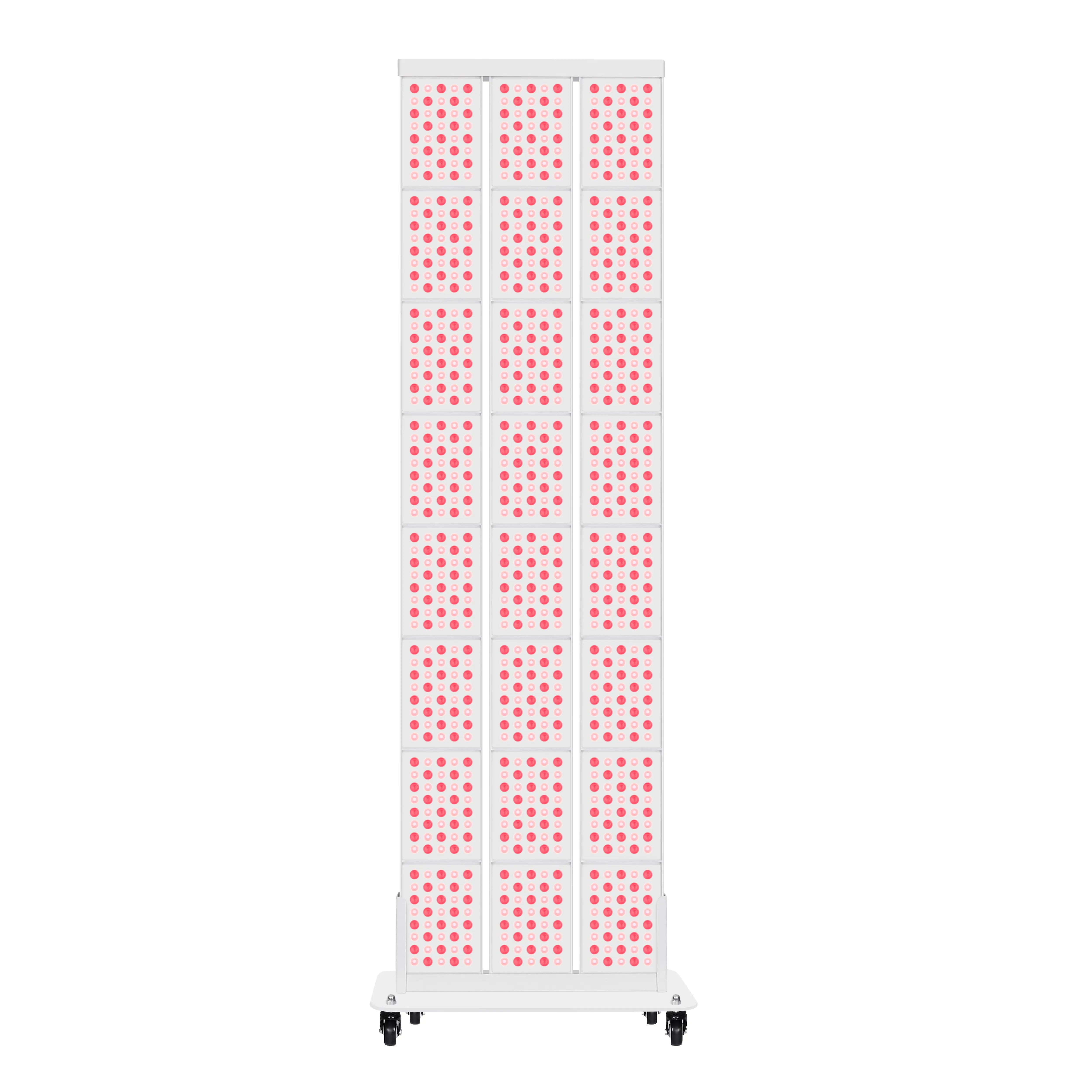
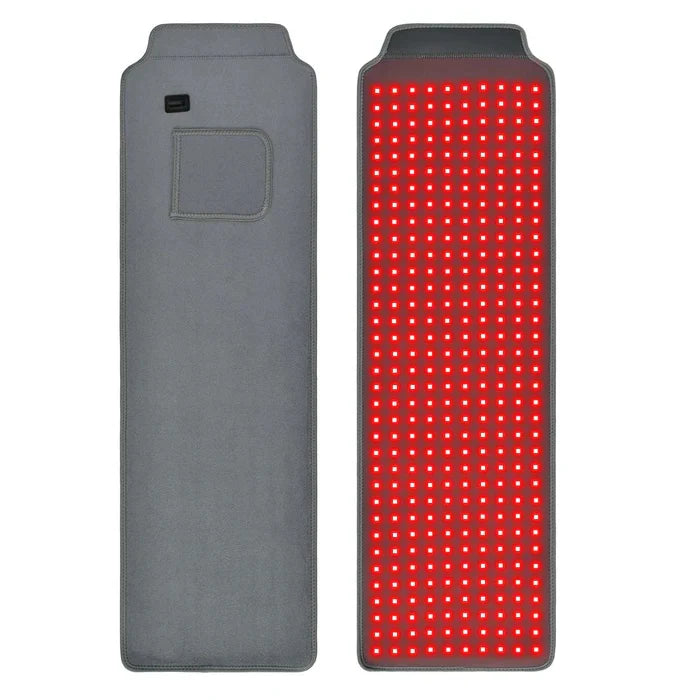
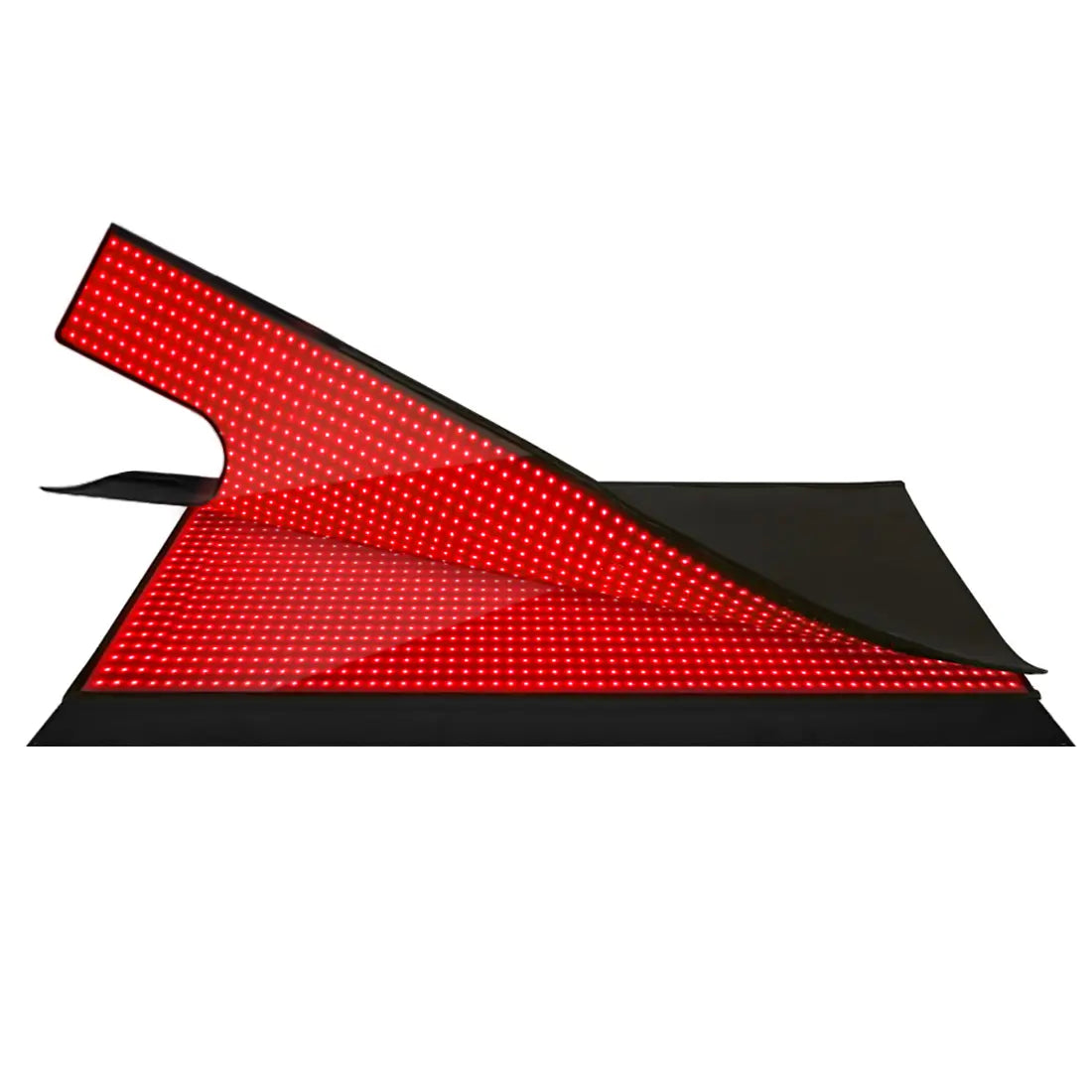
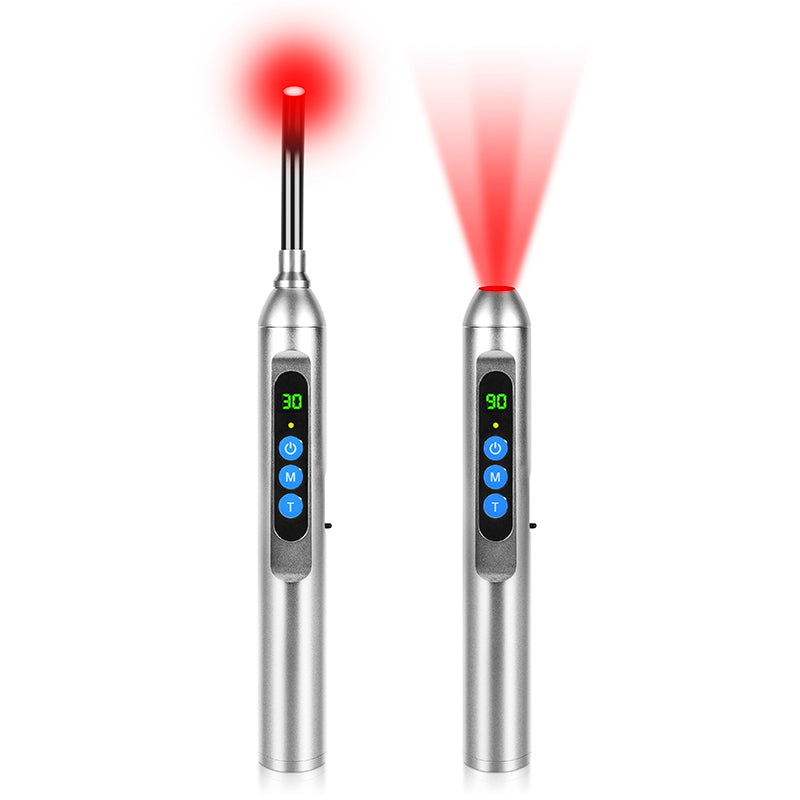
During the flight itself, the priority is minimizing travel fatigue rather than aggressively shifting your circadian phase. The engine of re‑entrainment is still what you do with light and sleep at the destination. That said, long‑haul travelers who carry small red light devices – such as compact panels, masks, or handheld units described by Lumivisage and Bestqool – can leverage them in a simple way.
Because cabin lighting is often harsh and either dim and blue at the wrong times or blindingly bright when you want to sleep, using a brief red light session on muscles and joints can reduce stiffness and discomfort without broadcasting to your brain that it is daytime. The anti‑inflammatory and circulation‑supporting mechanisms reviewed by News‑Medical and UCLA Health are helpful here. Keep in mind airline rules and other passengers; many devices allow you to target a knee, low back, or neck discreetly.
Hydration and mineral balance are another under‑appreciated jet lag lever. OneBase Health points out that dry cabin air accelerates dehydration and that mineral‑rich fluids, including sodium and other electrolytes, support better fluid absorption and cellular energy production. Arriving in a mildly dehydrated, low‑energy state makes it harder to execute your light and sleep plan. I treat electrolytes, movement in the aisle, and simple stretching as the foundation, with any in‑flight red light exposure focused on comfort and recovery rather than circadian steering.
Arrival: Using Light Windows and Red Light Together
Once you land, the real circadian work begins. The core strategy is to place bright light and darkness into the right windows while using red light strategically for energy, mood, and recovery.
For eastward travel without pre‑adaptation, such as New York to London, guidance from Lumie and Mayo Clinic warns that very early local‑morning bright light on the first day can be counterproductive. If you walk into full sun at 7:00 AM local time while your internal clock still thinks it is the middle of the night, you may drive your clock in the wrong direction or increase internal conflict between advance and delay signals. Lumie suggests delaying bright light exposure until mid‑morning on the first day, around 10:00 AM local time, then progressively moving that light window earlier by about an hour each day as your clock advances. Mayo Clinic’s recommendations align with this pattern and add that combining light exposure with light physical activity such as walking can accelerate adaptation.
Within that framework, red light can serve as a more comfortable morning cue once you start seeking light. Rouge and Lumivisage both recommend using a red light panel in the morning at the destination to mimic some of the alertness‑boosting effects of daylight, especially if you are in a dim hotel room or far north in winter. A 10–20 minute red session shortly after you begin your mid‑morning bright light block is a reasonable, conservative use that respects both the circadian science and the current red‑light evidence base.
In the early evening local time, particularly after eastward travel, a brief red light session can be used as a relaxation and recovery tool. Lumivisage explicitly advises against using red light right before bed; they place sessions in the early evening to promote relaxation without overstimulating the eyes or brain. That aligns with the red‑light lab trial’s caution about pre‑sleep exposure and with general sleep‑hygiene advice from Calm and Sleep Foundation, which emphasize keeping the last hour before bed dim and screen‑free.
For westward travel, such as London to New York, you want to delay your clock. Lumie’s field‑tested schedules recommend seeking bright light in the late afternoon and evening local time, roughly 5:00–11:00 PM, while avoiding bright light in the deep night and very early morning. In that context, a red light session in the first part of your evening light window can provide energy and mood support while you deliberately stay up later than your home clock would prefer. Kaiyan’s jet‑lag guide specifically recommends using red light therapy in the evening for westward travel and in the morning for eastward trips, in parallel with general light‑therapy strategies.
In both directions, melatonin remains a useful adjunct. Mayo Clinic notes that doses as low as 0.5 milligrams can be effective for shifting the clock, with higher doses sometimes used for sleep, and that the timing should match travel direction: taken in the evening in the new time zone after eastward flights and in the morning after westward flights if you are trying to delay. Other circadian reviews highlight that afternoon melatonin tends to produce phase advances, while morning melatonin produces delays. Crucially, melatonin is a hormone and can cause side effects such as dizziness, daytime sleepiness, and disorientation. None of the red‑light studies demonstrate that red light can fully replace melatonin, and all responsible sources, including Lumivisage and Mayo, advise involving a health professional when using supplements for repeated or severe jet lag.
Pros, Cons, and Safety of Red Light in Jet Lag Protocols
Red light therapy brings a unique blend of pros and cons to jet lag adaptation.
On the positive side, it is non‑invasive and has a relatively strong safety record when used as directed. UCLA Health notes that FDA‑cleared devices have been approved for issues such as skin aging and hair loss and that short‑term studies report health benefits with few adverse effects. News‑Medical highlights that red and near‑infrared photobiomodulation can improve skin elasticity, accelerate wound healing, reduce inflammatory skin conditions, and enhance exercise recovery. The athlete sleep trial and other small studies suggest that, at least in some populations, red light can improve sleep quality, melatonin levels, and daytime performance. For travelers, this translates into potential gains in sleep depth, muscular recovery, and energy during the first days in a new time zone, even if the circadian clock itself is being steered mainly by other light cues.
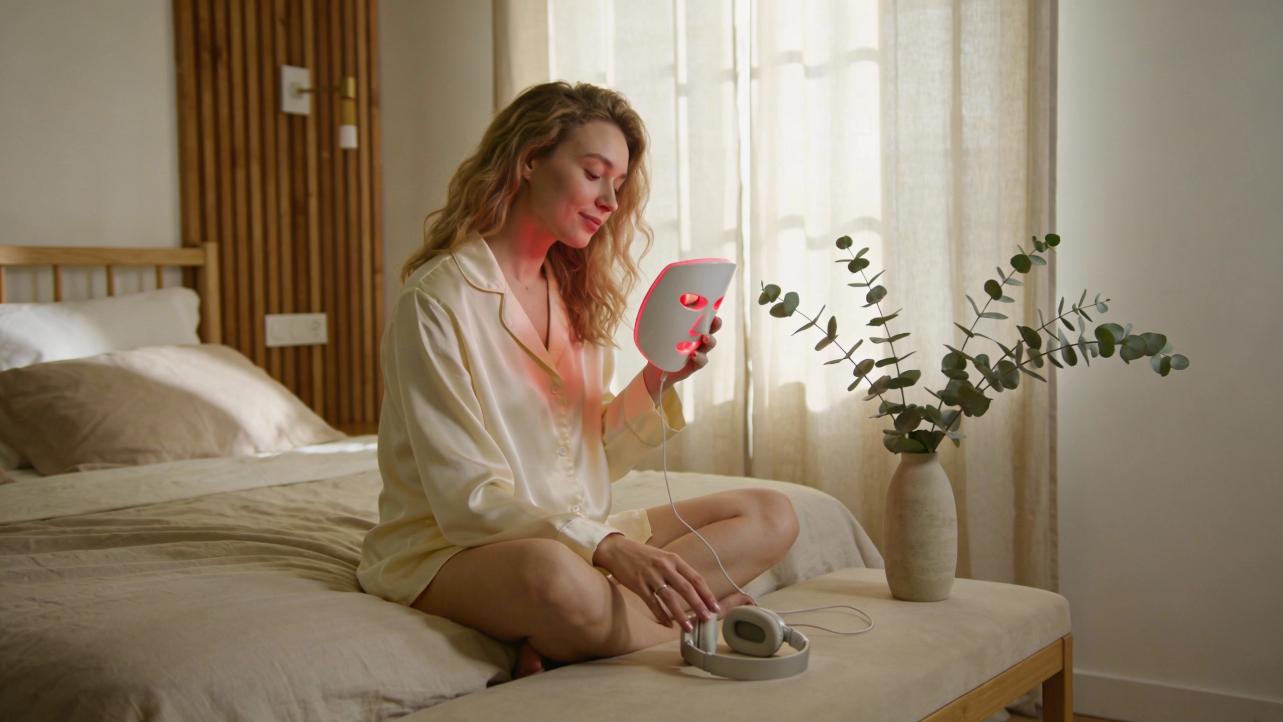
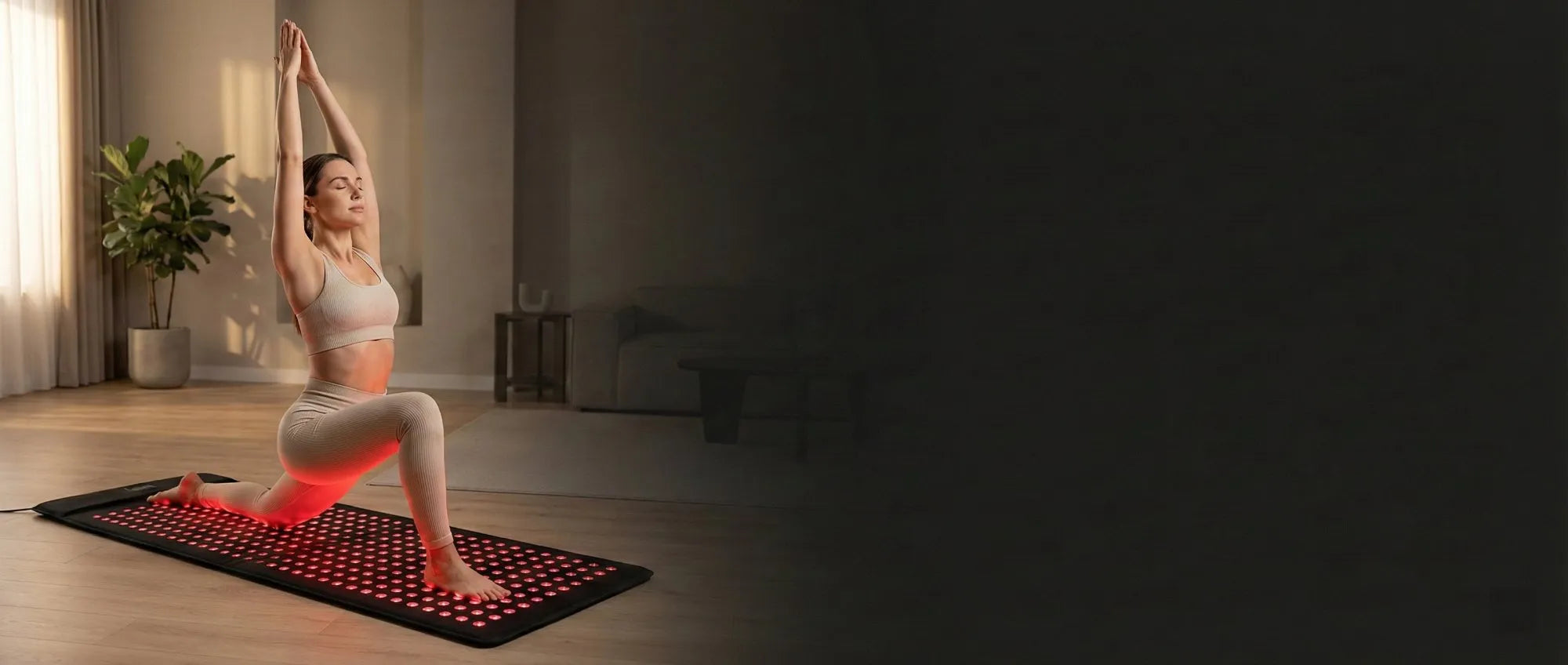
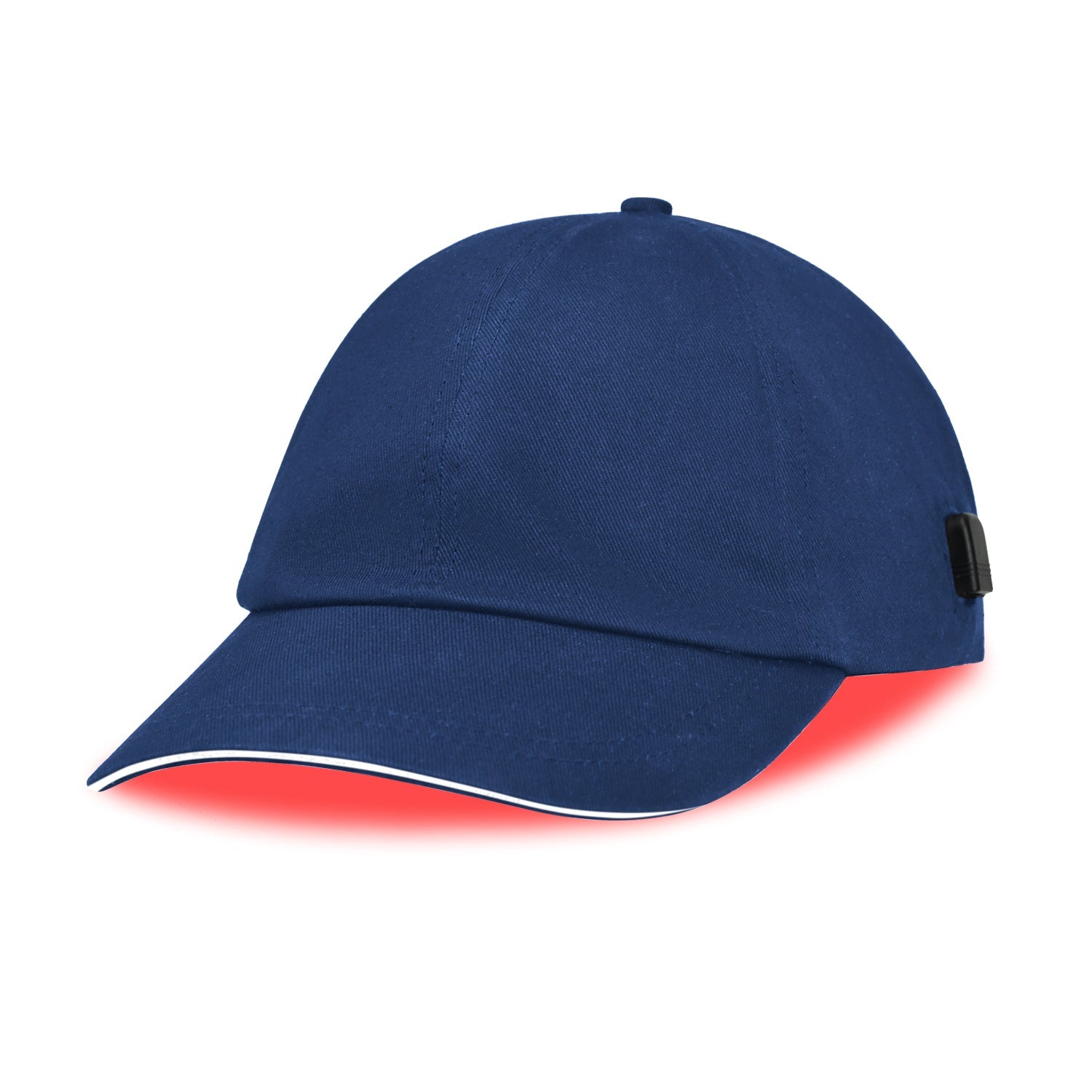
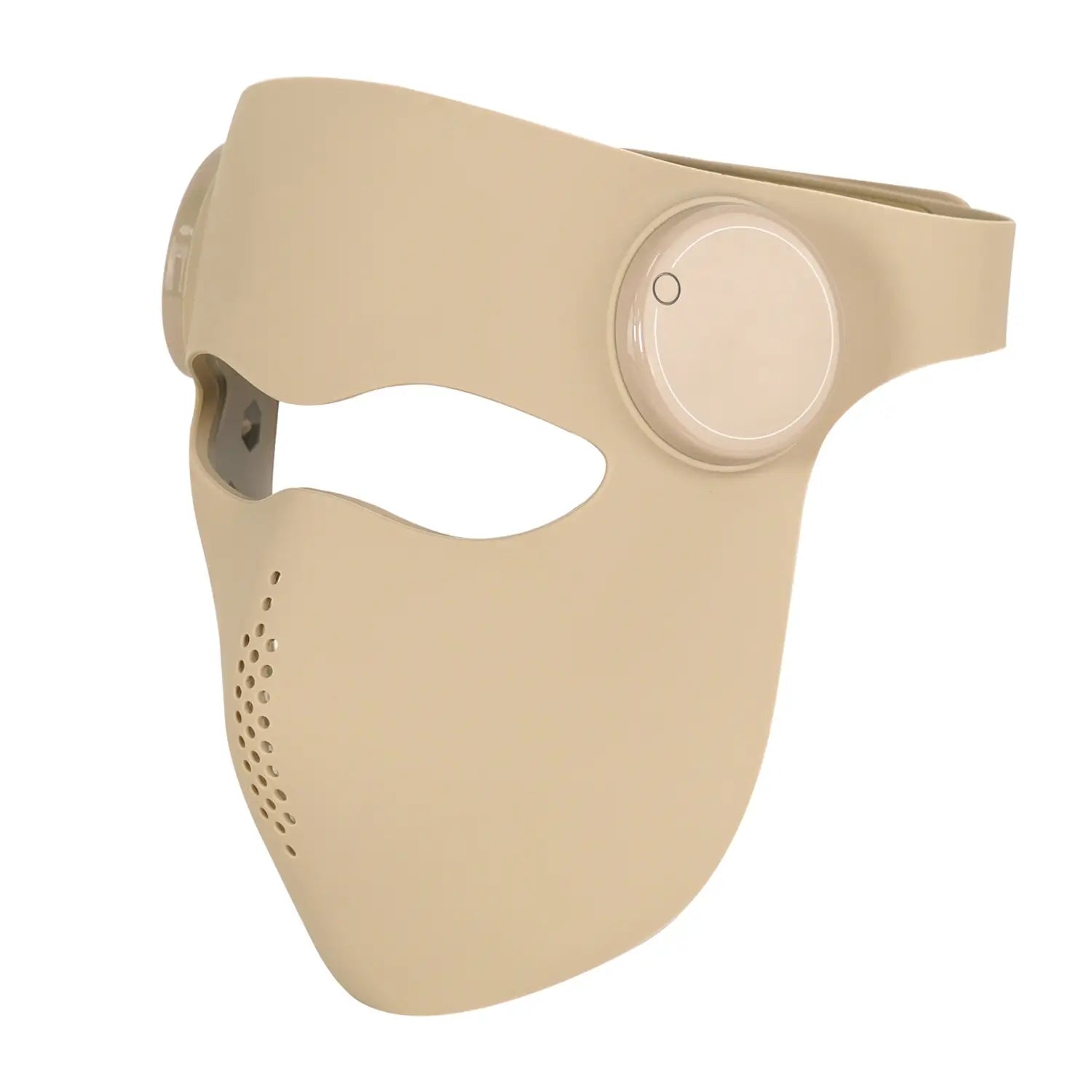
Red light also has practical advantages. Consumer devices come as small panels, masks, handheld wands, and even portable “nano” units designed for travel, as described by Bestqool and Rouge. These are easier to pack than a large bright‑light box and can be used discreetly in a hotel room or lounge. Because red light is less glaring than bright white, it is more comfortable to use while jet‑lagged and light‑sensitive.
On the caution side, the evidence base for red light as a primary jet‑lag treatment is thin. Several brand‑authored jet‑lag guides openly acknowledge that research specifically on jet lag is limited and that their recommendations extrapolate from sleep, mood, and recovery studies. The rigorous red‑light versus darkness trial in insomnia challenges the common marketing claim that red light at night is inherently sleep‑friendly. Even for sleep and mood, News‑Medical emphasizes that red light research is promising but inconsistent, with no standardized dosing protocols and limited long‑term safety data.
There are also boundaries around who should be particularly cautious. The Sleep Foundation’s guidance on bright‑light therapy warns that people with bipolar disorder or light‑sensitive eye and skin conditions require medical supervision when using light‑based interventions. UCLA Health notes that while red light does not appear to cause cancer in the way ultraviolet light can, people with darker skin tones may be more prone to hyperpigmentation and should consult a dermatologist before aggressive at‑home use. Across the board, clinicians stress following manufacturer directions regarding distance, exposure time, and eye protection.
If you use red light as part of a jet‑lag protocol but still ignore sleep hygiene, mistime your bright light exposures, and rely on caffeine late into the afternoon, you can absolutely make your jet lag worse. Bright light of any color at the wrong internal time can push your clock the wrong way. Red light’s value lies in adding an extra lever for energy and recovery and providing gentler time cues in the right windows, not in overriding core circadian principles.
A Sample Strategy: Eastbound and Westbound, The Red‑Light‑Aware Way
To see how this all comes together, imagine a frequent traveler crossing about five to eight time zones for work. The jet‑lag science suggests that with no strategy, their internal clock may need close to a week to fully catch up. With thoughtful scheduling of sleep, bright light, and melatonin, that process can shorten to roughly three or four days. Red light can smooth the edges of that transition.
For an eastbound trip, such as Chicago to Paris, they might spend the three days before departure going to bed and waking roughly an hour earlier each day, getting at least 30 minutes of morning sunlight or bright light soon after waking, and optionally adding a 10–20 minute red light session at the start of that morning block. They keep bedrooms dark and cool at the new bedtime, avoid late caffeine and heavy late‑night meals, and taper screens in the last hour before sleep. On the flight, they prioritize hydration with mineral‑containing fluids, stand and move regularly, and maybe use a small red light device briefly on their neck and shoulders to ease tightness.
On arrival, they behave immediately as if on local time for meals and activity but avoid bright light early in the first local morning. Instead, they seek mid‑morning daylight, perhaps from 10:00 AM onward on day one, shifting that window earlier by about an hour each day. A short red light session in that window supports alertness without relying only on indoor overhead lighting. If their physician approves, they take a low dose of melatonin about 30 minutes before their planned local bedtime for a few nights. In the early evening, they might use red light on tired muscles and joints for recovery, then keep the last pre‑sleep hour dim and as screen‑free as possible.
For a westbound trip, like Paris back to Chicago, they do the mirror image. Before the flight, they gradually push bedtime and wake time later, add bright evening light for at least an hour before bed, and maintain dark, cool bedrooms and consistent wake times. On arrival, they seek bright afternoon and evening light and avoid bright light in the early morning hours when their internal clock is still on European time. An early evening red light session in the destination time zone supports energy and recovery while they stretch their day, and if melatonin is used, it is timed with guidance to support the desired delay rather than fight it.
In both directions, the red light sessions are short, consistent, and placed in alignment with what we know about light phase response curves. They enhance comfort and cellular recovery, provide gentle time cues, and layer on top of the heavy lifting done by bright light, darkness, timing of sleep and meals, movement, hydration, and, when appropriate, melatonin.
FAQ: Red Light and Jet Lag
Can I replace bright‑light therapy and sunlight with red light alone?
Based on current evidence, no. Bright white or blue‑enriched light and natural sunlight are the primary, well‑validated tools for shifting your circadian clock after time‑zone changes. Reviews from the Sleep Foundation, Mayo Clinic, and a Nature journal meta‑analysis consistently show that scheduled bright‑light exposure meaningfully advances or delays the clock, increases total sleep time, and improves sleep efficiency in jet‑lag‑like conditions. Red light therapy has promising evidence for sleep quality, melatonin, and recovery in specific groups, but dedicated jet‑lag trials are sparse. A realistic, science‑aligned approach is to use red light as a supportive tool layered onto a robust bright‑light and behavior strategy, not as a stand‑alone replacement.
How long should red light sessions be when I am traveling?
Most practical jet‑lag guides from manufacturers such as Lumivisage and Rouge suggest short, consistent exposures rather than marathon sessions. Typical recommendations are roughly 10–20 minutes once or twice per day, used in the morning and early evening during the first few days after crossing multiple time zones. These durations are broadly consistent with many consumer device protocols for sleep and recovery, and they help you avoid the potential pre‑sleep over‑exposure that lab studies have associated with increased anxiety and fragmented sleep. Always follow the instructions for your specific device and adjust cautiously.
Is red light therapy safe to use every day?
Short‑term studies and clinical experience summarized by UCLA Health and News‑Medical suggest that red light therapy is generally safe when used as directed, with relatively few adverse effects reported. FDA‑cleared devices for skin and hair conditions carry a low‑risk profile, and research does not show red light causing the types of DNA damage associated with ultraviolet exposure. However, long‑term safety data for daily, whole‑body use are still limited, and protocols for dose, intensity, and timing are not standardized. Individuals with light‑sensitive conditions, eye disease, darker skin prone to hyperpigmentation, or complex psychiatric histories should consult a qualified health professional before adopting daily red light routines, especially around sleep and jet lag.
Closing Thoughts
Used intelligently, red light therapy is a useful addition to a serious jet‑lag adaptation strategy: it supports cellular energy and recovery, gives you more comfortable light cues in hotels and airplanes, and can modestly influence sleep and alertness. The circadian heavy lifting still comes from when you see bright light and when you embrace darkness. Treat red light as a precision tool layered onto disciplined sleep timing, strategic sunlight, movement, hydration, and, when appropriate, carefully timed melatonin, and you will adapt faster, feel better, and get far more out of every trip.
References
- https://pubmed.ncbi.nlm.nih.gov/25945550/
- https://www.sleepfoundation.org/light-therapy
- https://humanperformancealliance.org/playbook/beating-jet-lag-a-guide-to-strategic-light-exposure/
- https://www.uclahealth.org/news/article/5-health-benefits-red-light-therapy
- https://www.mayoclinic.org/diseases-conditions/jet-lag/diagnosis-treatment/drc-20374031
- https://www.news-medical.net/health/Can-Red-Light-Therapy-Improve-Sleep-Skin-and-Recovery.aspx
- https://www.cwc-familychiro.com/sleep---how-red-light-therapy-can-help
- https://www.calm.com/blog/red-light-sleep
- https://www.healthline.com/health/why-not-to-have-red-lights-on-at-night
- https://www.kaiyanmedical.com/post/how-to-prevent-jet-lag-with-light-therapy