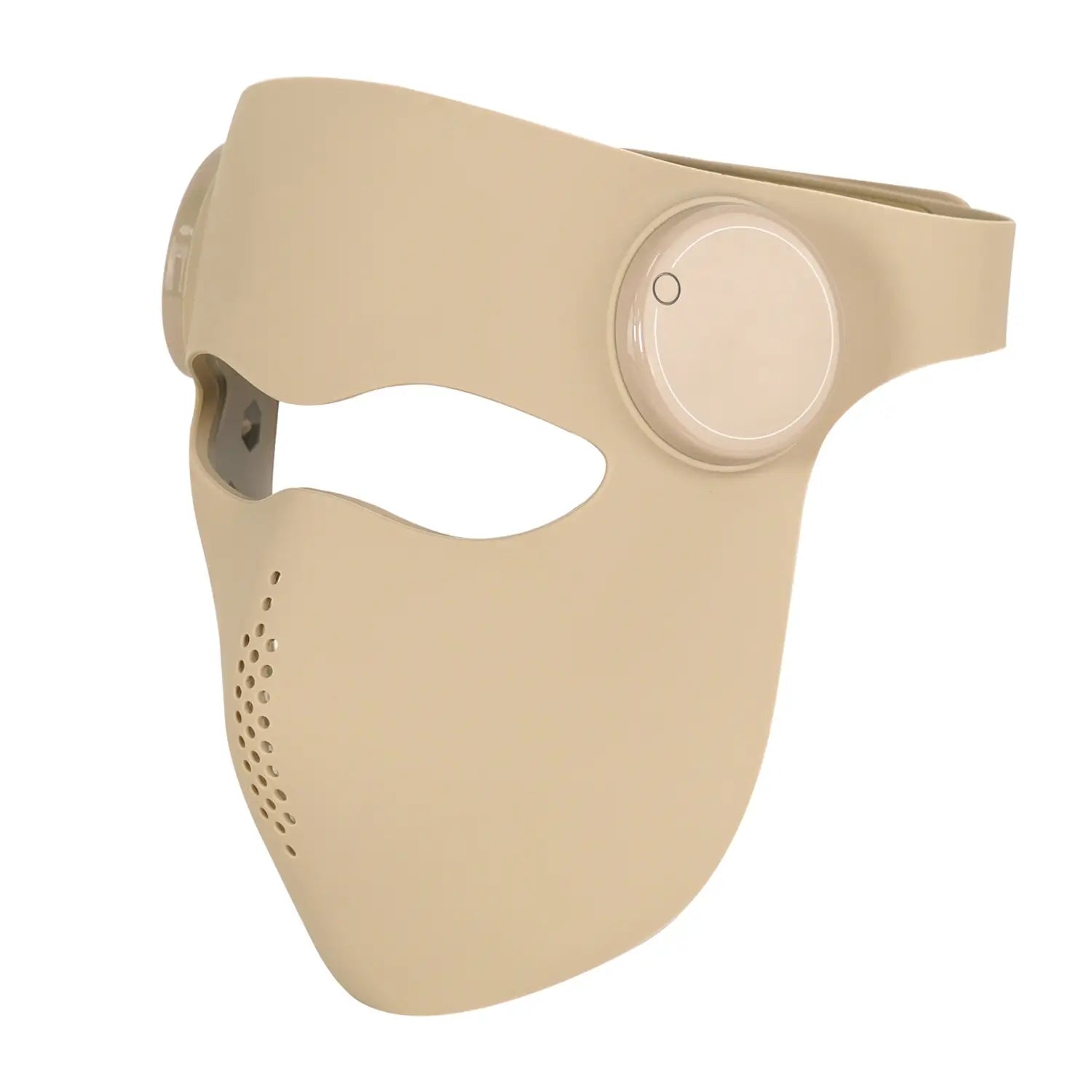
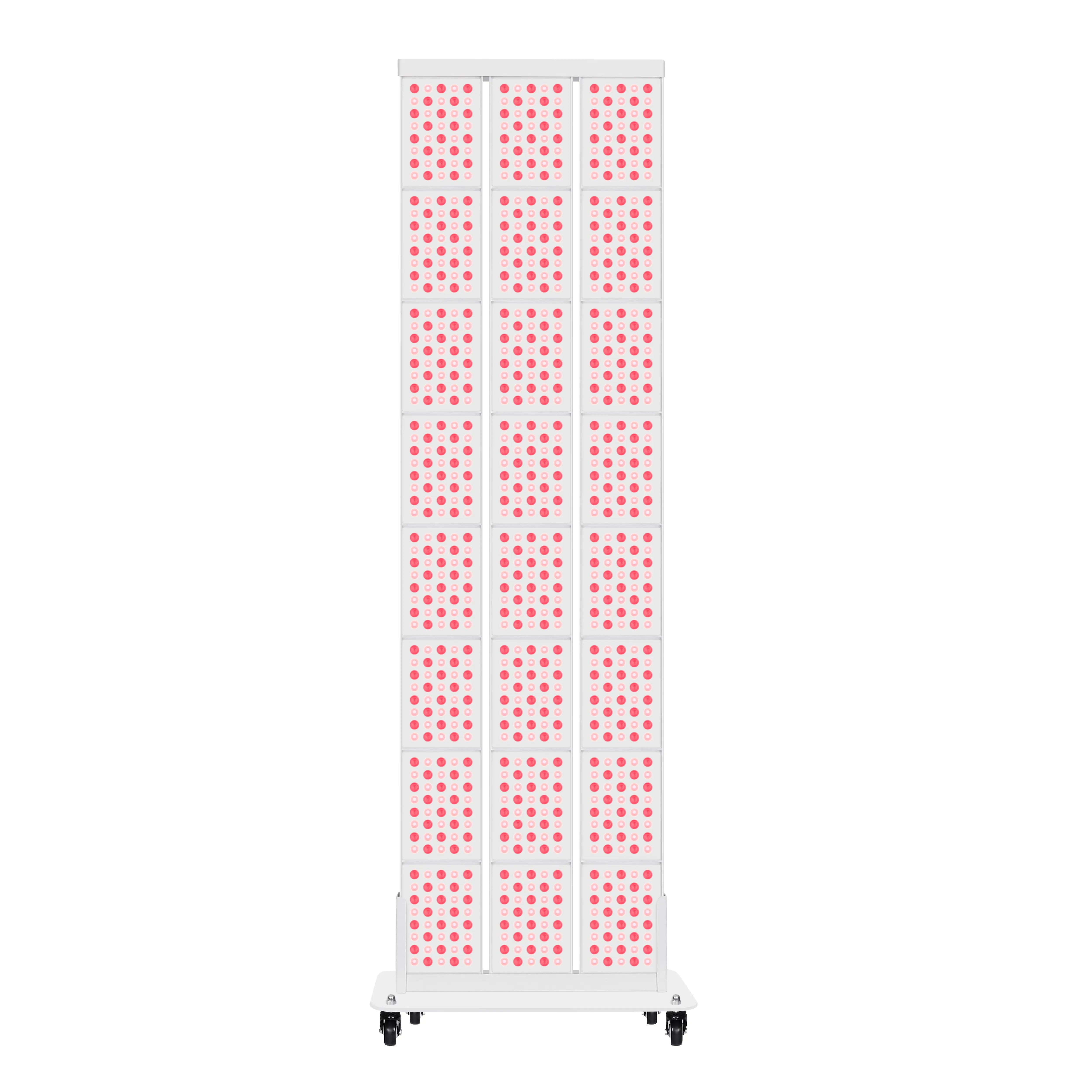
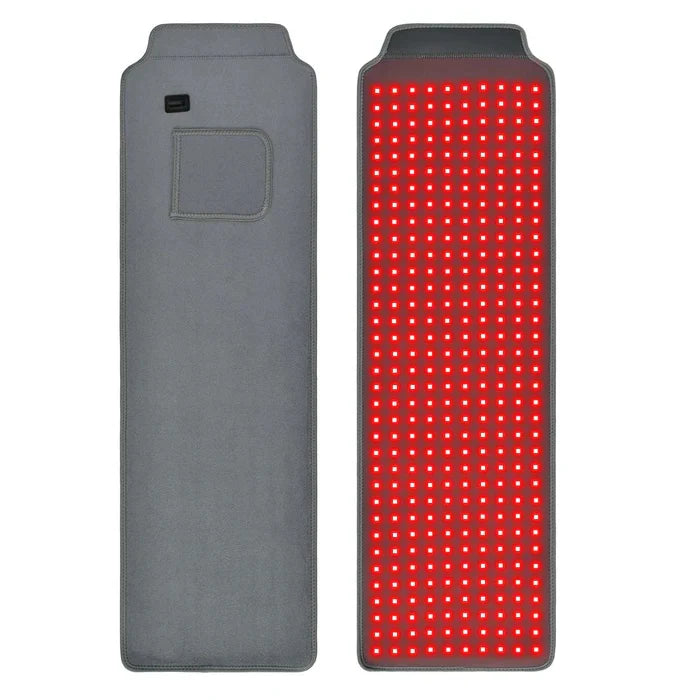
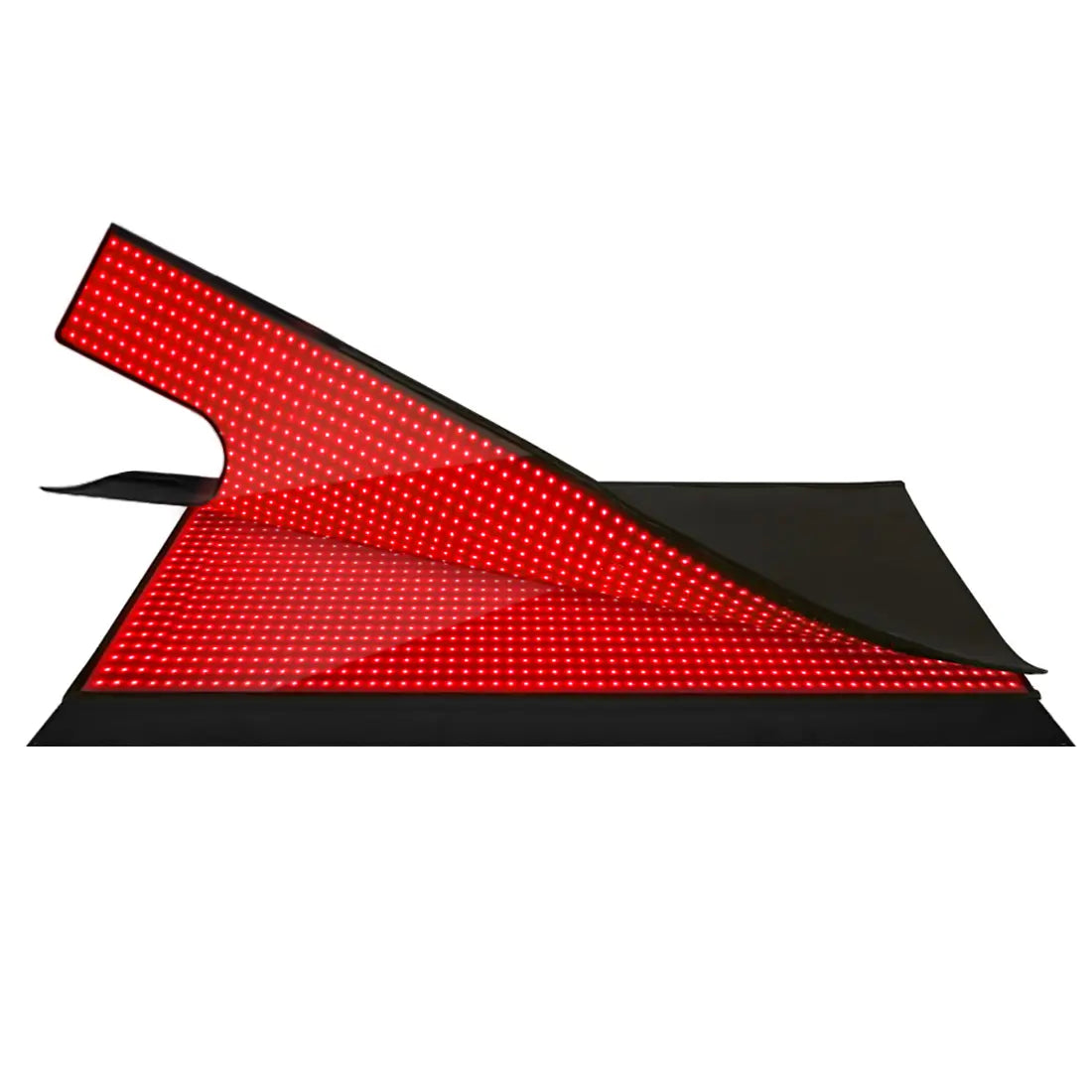

As someone who packs a red light panel in the same bag as my noise‑canceling headphones, I love the idea that light could make travel easier on the brain and gut. Motion sickness is one of those problems that looks “simple” on the surface but is actually a gnarly interaction of vision, inner ear physics, autonomic nerves, and the brain’s prediction systems.
Red light therapy, or photobiomodulation, has real data behind pain, wound healing, and some neurological issues. The obvious question for a light‑therapy geek is whether we can leverage those same mechanisms to tame nausea, dizziness, and the heavy fatigue that come with motion sickness and simulator sickness.
In this article I will stay close to the evidence you provided, flag where we are extrapolating, and show how I personally integrate red light into a motion‑sickness‑prone lifestyle as a complementary tool, not a magic fix.
Motion Sickness 101: Why Your Brain Freaks Out
Motion sickness is not a “weak stomach.” It is a sensory conflict problem. When what your eyes see, your inner ears feel, and your body expects are out of sync, the brain responds with a classic autonomic stress pattern: drowsiness, yawning, cold sweats, pallor, salivation, nausea, and sometimes vomiting. That definition comes from neurophysiology work on motion sickness and from vestibular‑disorder resources such as Balance & Dizziness Canada and a detailed review in Diagnostics.
A typical example is a child reading in the back seat. The inner ears signal swaying and acceleration, but the eyes are locked on a stationary page. The brain cannot reconcile the conflicting story, and within minutes you see pallor, sighing, and the dreaded “I don’t feel good.”
Research shows that about two thirds of travelers have had motion‑sickness symptoms in cars, with roughly half of them actually vomiting in at least one episode. Seasickness can hit up to sixty percent of even experienced crews in rough conditions. Children around grade‑school age and women are more susceptible, and there is a genetic component to that vulnerability.
The most widely accepted model is the sensory conflict or neural mismatch theory. It says that motion sickness arises when current sensory signals do not match the brain’s internal model of how movement should feel. Two main conflict types are described in the literature. One is tension between visual and vestibular inputs, such as in VR scenes of flying while the body is still. The other is conflict within the vestibular system itself, for example when semicircular canals and otolith organs signal motion that does not line up cleanly, like during complex ship or car movements around about 0.2 to 0.4 cycles per second. That slow, passive rocking is particularly provocative for nausea.
Modern triggers now go beyond boats and planes. Automated vehicles with rear‑facing seats and screen use, offshore wind transport, spaceflight, and high‑immersion VR or simulators are all documented motion‑sickness settings. One VR study cited in the motion‑sickness review reported malaise in sixty‑one percent of volunteers after a twenty‑minute immersion.
Conventional management focuses on lowering sensory conflict and damping the autonomic cascade. Practical steps include choosing seats with less motion, focusing on the horizon instead of reading, improving ventilation, avoiding heavy meals and alcohol before travel, and taking breaks from screens. On the medical side, short‑term use of antihistamines such as dimenhydrinate or meclizine, or anticholinergic scopolamine patches, can reduce symptoms, but at the cost of drowsiness, dry mouth, and other side effects. For people with underlying vestibular disorders, vestibular rehabilitation and habituation training are evidence‑based tools to reduce sensitivity over time.
In other words, motion sickness is not random. It is a predictable outcome of a specific kind of stress on the vestibular–visual–autonomic network. That network is exactly where red and near‑infrared light have interesting biological effects.

Red Light Therapy Basics: What It Actually Does
Red light therapy (RLT), also called photobiomodulation or low‑level light therapy, uses low‑intensity red and near‑infrared wavelengths, typically in the roughly 600 to 1,100 nanometer range, to stimulate cells without heating or damaging tissue. Multiple sources, including reviews in Annals of Biomedical Engineering, consumer‑facing explainer pieces from Verywell Health, and integrative neurology clinics, converge on the same core mechanism.
These wavelengths penetrate several millimeters through the skin and are absorbed by mitochondrial enzymes such as cytochrome c oxidase. That absorption can increase adenosine triphosphate (ATP) production, modulate nitric oxide, and shift inflammatory mediator profiles. The downstream effects include improved microcirculation, more efficient energy metabolism, and changes in cytokines that influence pain and repair.
Clinically and in wellness settings, RLT is used for chronic joint pain, wound healing, certain nerve and musculoskeletal issues, and cosmetic skin applications. NASA‑linked work with far‑red and near‑infrared LEDs in cancer‑treatment side effects and wound care showed impressive reductions in pain and faster healing. Systematic reviews and case reports also suggest benefits in conditions like knee osteoarthritis, chronic neck pain, and even restless legs syndrome, where near‑infrared delivered to the legs reduced symptoms dramatically in one long‑standing case, at least temporarily.
On the neurological side, early human research with near‑infrared helmets after traumatic brain injury has shown changes in resting‑state brain connectivity and hints of improved cognition or mood in select patients. A functional neurology center you referenced uses red and near‑infrared panels on the head and neck for concussion, migraines, dizziness, and other brain‑driven symptoms, generally in 10 to 20 minute sessions repeated over multiple visits.
Verywell Health and chiropractic pain‑management sources emphasize two themes that matter for motion sickness discussions. First, red light therapy appears to modulate pain pathways, including endorphin release and inflammatory signaling, without the systemic side‑effect burden of many drugs. Second, it has a broad but not unlimited safety profile: generally non‑thermal and noninvasive, but eye protection is recommended and long‑term dosing guidelines are not yet standardized.
So we know red and near‑infrared light can change circulation, inflammation, and neural signaling in ways that reduce pain and some neurological symptoms. Motion sickness lives at the intersection of vestibular function, autonomic balance, and brain interpretation. The key question is how far we can reasonably extend the red‑light story into that domain.

Mechanistic Bridges: How Light Could Influence Motion Sickness Pathways
To talk honestly about red light and motion sickness, we need to walk through plausible biological bridges rather than jump straight from “helps joints” to “cures seasickness.” Based on the material you supplied, three pathways are especially relevant: the inner ear and vestibular system, the vagus nerve and autonomic balance, and brain blood flow and neuroinflammation.
Inner Ear, Vertigo, and Balance
Vertigo and motion sickness are not identical, but they share a common root in disordered perception of movement and balance. Inner‑ear conditions such as Meniere’s disease, hyperacusis, tinnitus, and vestibular neuritis can all produce dizziness, spinning sensations, and imbalance.
Several sources you provided describe red light or photobiomodulation being used deliberately with inner‑ear and vestibular patients. A photobiomodulation overview for hyperacusis cites a study in which about ninety‑nine percent of observations showed large improvement in auditory capacity, and roughly seventy‑nine percent of patients reached normal discomfort levels. Another article aimed at vertigo and balance disorders points to a 2017 Journal of Biomedical Optics study suggesting photobiomodulation may help peripheral vestibular dysfunction and balance disorders, likely through improved blood flow to the inner ear, reduced inflammation around vestibular organs, and support for nerve healing.
The same vertigo resource recommends practical application sites similar to what I have used in my own experiments: behind the ears directly over the vestibular apparatus, at the base of the skull and upper neck to influence circulation and neck muscle tension, and sometimes around the temples or jaw when temporomandibular tension contributes. Typical session guidance in that material is about 10 to 15 minutes per area, one or two times per day, with some people noticing relief in a few sessions and others needing weeks.
Clinically, these reports are still relatively small and often uncontrolled, but they show that the vestibular system is not “off limits” to red light. If light can improve circulation and reduce inflammation around the inner ear, it is reasonable to hypothesize that it might also make the system more resilient to the stresses that provoke motion sickness. That is a hypothesis, not a proven fact, but it is grounded in documented vertigo and vestibular work rather than wishful thinking.
The Vagus Nerve, Nausea, and Autonomic Balance
The vagus nerve is the major communication highway between brain and gut. It carries sensory information about the state of the digestive tract, lungs, and heart back to the brain, and it helps orchestrate the parasympathetic “rest and digest” response that counterbalances fight‑or‑flight activation.
The Kineon article you summarized describes how poor vagal function can be associated with digestive issues, chronic inflammation, anxiety, and depression, as well as brain fog and sleep problems. It also notes that vagus nerve stimulation can increase heart rate variability, which is a marker of stress resilience and cardiovascular health.
Red light enters this picture in two ways. First, photobiomodulation is thought to increase nitric oxide availability and modulate inflammatory mediators. Nitric oxide is mentioned in the vagus nerve piece as a possible activator of vagal activity. Second, red light has been shown to reduce pain partly by blocking nerve fiber conduction and decreasing the release of substance P, a neurotransmitter linked to pain and nausea.
Alongside this, there is separate work from pain researchers at an academic center in Arizona showing that visual exposure to specific wavelengths, particularly green light for one to two hours nightly over ten weeks, reduced pain and attack frequency by about half in migraine and fibromyalgia patients. Participants also reported better sleep and quality of life. Mechanistic analysis in that green‑light work points toward decreased pro‑inflammatory mediators and increased anti‑inflammatory mediators in the central nervous system.
Combine these threads and you get a plausible story: light, whether delivered through the eyes or the skin, can alter inflammatory and autonomic tone; the vagus nerve is a major regulator of both; and motion sickness is, in large part, an autonomic storm driven by sensory conflict. That still does not prove that red light relieves nausea on a choppy ferry ride, but it does mark the vagus as a rational target when designing experiments and protocols.
Brain Blood Flow, Prefrontal Activity, and Neuroinflammation
Functional near‑infrared spectroscopy (fNIRS) studies in real car rides show that motion sickness is associated with specific changes in prefrontal cortical oxygenation. One Diagnostics paper you provided describes an fNIRS pipeline that tracks oxyhemoglobin changes across several frequency bands and uses those features in a support‑vector machine classifier to distinguish motion‑sick from comfortable passengers. The fact that prefrontal blood‑oxygen dynamics change reliably during nausea tells us that motion sickness is not just a “stomach problem.” It is a brain state.
On the other side, brain photobiomodulation research indicates that red and near‑infrared light can penetrate the skull to some extent and alter cerebral blood flow, mitochondrial function, and neuroinflammatory status. A functional neurology clinic uses head and neck applications precisely for concussion, dizziness, and migraines, and a systematic review of brain photobiomodulation suggests potential roles in dementia, Parkinson’s disease, stroke recovery, and depression, largely via improved cell metabolism and reduced neuroinflammation.
If motion sickness induces a specific pattern of prefrontal blood‑oxygen changes, and red light can modify cerebral blood flow and inflammation patterns, it again becomes plausible to consider RLT as a neuromodulation tool for the broader motion‑sickness network. We do not yet have side‑by‑side imaging showing that red light “normalizes” motion‑sickness fNIRS signatures, but the technical pieces exist to test that idea.

What the Evidence Says Right Now About Light and Motion Sickness
Here is where we have to be very clear. The direct evidence for red or near‑infrared light as a stand‑alone motion‑sickness therapy is extremely thin. There are hints, related domains, and one marketing‑focused cruise‑ship article that mentions early research, but not robust clinical trials.
That cruise‑ship piece presents red light therapy as a wellness tool for passengers and crew, citing benefits for sleep, muscle fatigue, mood, immune function, pain, and even seasickness. It acknowledges that research on nausea and vomiting reduction in motion sickness is in early stages, and it does not provide hard numbers. The document about multi‑wavelength low‑level lasers delivered via the ear canal for motion sickness was blocked by a security page, so we cannot rely on its data. For an evidence‑driven practitioner, that means these are interesting leads, not confirmed therapies.
However, other light‑based motion‑sickness studies show that manipulating light can meaningfully change susceptibility, even if they do not use red light. One laboratory experiment compared stroboscopic illumination at about four flashes per second to normal lighting while people performed head movements with prism glasses designed to provoke motion sickness. Both room‑wide strobe lighting and shutter glasses with the same strobe frequency significantly reduced motion‑sickness scores compared with steady light. The interpretation was that intermittent visual sampling reduces retinal slip and therefore sensory conflict.
Another randomized cross‑over study compared repeated exposures to oscillating blue light at about 460 nanometers versus green light around 555 nanometers. After the third exposure, nausea scores were significantly higher in the blue‑light condition. Blue light also altered gastric electrical rhythms in a way associated with nausea. The authors concluded that short‑wavelength light, especially when repeated, increases motion‑sickness susceptibility, while mid‑wavelength green was less provocative.
In automated‑vehicle research, anticipatory ambient light cues inside the cabin have been tested as a way to reduce motion sickness. The idea is to give passengers predictable, reliable cues about upcoming vehicle accelerations and turns, enhancing cognitive anticipation and postural control in a context where they have no physical control of the car. Experiments show that better predictability and controllability can lower motion‑sickness scores by roughly a third to one half in some conditions.
Taken together, those studies say that light is not neutral in motion sickness. The spectral composition, timing, and informational content of light signals can either worsen or ease the sensory conflict that triggers nausea. They do not, however, answer the narrower question of whether shining red or near‑infrared light on your neck or behind your ears will stop you throwing up on a boat. For that question, we are still in hypothesis and early‑experience territory.
To put the different approaches in context, it helps to compare them side by side.
Approach |
Type of evidence for motion sickness |
How it might help |
Key limitation |
Antihistamines and scopolamine |
Multiple controlled trials and decades of use |
Dampens vestibular and autonomic responses |
Sedation and other systemic side effects |
Seat choice, horizon view, fresh air |
Longstanding clinical and experiential support |
Reduces sensory conflict and autonomic stress |
Not always feasible in crowded or automated settings |
Stroboscopic or shutter‑glass lighting |
Lab trials with prisms and head movements |
Cuts retinal slip and neural mismatch |
Not practical for daily travel; may be visually unpleasant |
Blue‑light management |
Lab study with higher nausea under repeated blue light |
Avoiding short‑wavelength overload may lessen nausea |
No direct “blue‑blocking cures motion sickness” trial |
Red/infrared photobiomodulation for vertigo/inner ear |
Clinical reports and at least one vestibular study |
Improves circulation, reduces vestibular inflammation |
Vertigo is related but not identical to motion sickness |
Red light wellness use on ships |
Marketing plus general photobiomodulation literature |
Supports sleep, recovery, mood, possibly vagal tone |
Direct anti‑nausea data are limited and early |
That table reflects the current state of the field: strong, specific evidence for some conventional tools; interesting but indirect evidence for red light pathways that touch related symptoms or systems.

How to Use Red Light Around Motion Sickness Without Fooling Yourself
When I coach clients who want to use red light as part of a motion‑sickness strategy, I position it as a terrain optimizer rather than an on‑the‑spot cure. The realistic goal is to make the nervous system, vestibular apparatus, and gut more resilient so they ride out sensory conflict with less drama.
Setup and Safety Basics
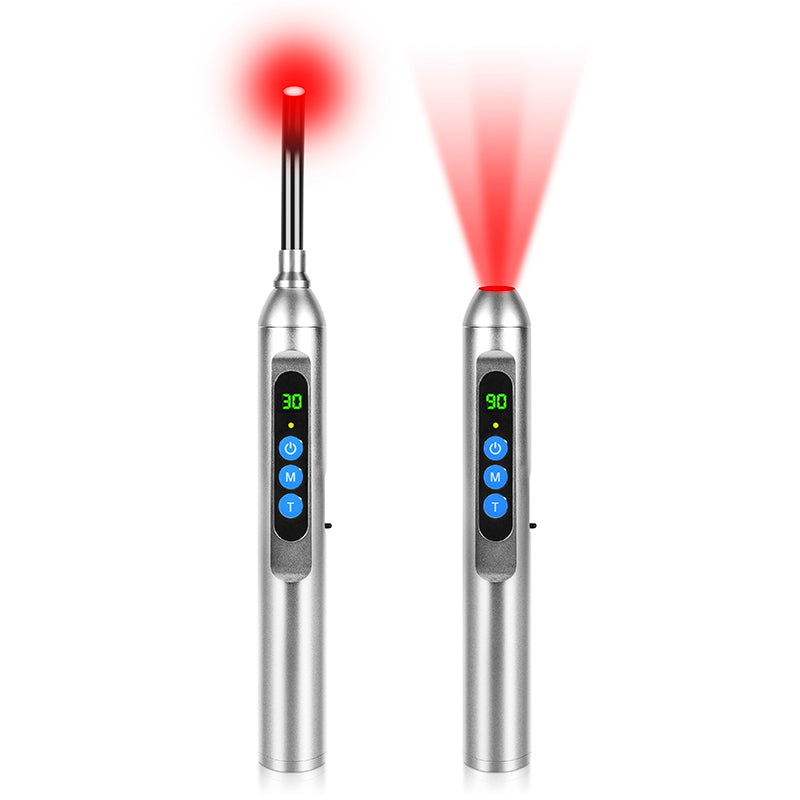
Home red‑light devices range from small handhelds to full‑body panels and beds. Consumer and wellness articles note that at‑home units are usually lower powered than clinical devices and require consistent use over weeks to show effects in other conditions. Pain‑management clinics often schedule sessions of about 10 to 20 minutes, several times per week initially.
If you decide to experiment, start conservatively, in line with wellness manufacturers’ suggestions and the sources you shared. One red‑light company recommends starting with about 5 to 10 minutes to let the body adjust, then only increasing duration if you tolerate it well. For vertigo and balance applications, a separate source recommends 10 to 15 minutes per area, once or twice daily, applied behind the ears and at the base of the skull.
Always protect your eyes unless the device is specifically designed and cleared for ocular use. Verywell Health and chiropractic pain‑therapy resources both highlight potential retinal risk with inappropriate exposure. If you are pregnant, have a known retinal disorder, take photosensitizing medications, or have an unstable neurological condition, involve a medical professional before layering in photobiomodulation.
A Travel‑Day Framework
Here is how I personally approach motion‑heavy days, blending standard advice with red light in a way that respects the evidence.
Ahead of a trip, sometimes starting several days or even a week before for sensitive clients, I integrate red‑light sessions focused on areas that interact with motion‑sickness circuitry: neck and upper back to reduce muscle tension and improve blood flow, behind the ears and base of the skull to support vestibular function, and occasionally the chest to influence heart‑rate variability and vagal tone. Sessions tend to last about 10 minutes per site, not exceeding what has been used in vertigo protocols.
On the travel day itself, I still follow all the classic non‑pharmacologic guidelines supported by vestibular organizations and motion‑sickness reviews. That means eating light, minimizing alcohol, getting fresh air when possible, choosing seating with the least motion (front of the car, over the wings in planes, mid‑ship near the waterline on boats), and fixing my gaze on distant stable objects instead of reading or scrolling.
The red light then plays a supporting role. If I am on a cruise ship with onboard red‑light facilities, an evening session becomes part of my wind‑down routine, aiming to improve sleep and recovery rather than trying to abort nausea in real time. Small portable panels in a cabin can be used similarly. The idea is to give the nervous system a parasympathetic tilt after a day of provocation, not to justify ditching proven rescue medications if I know I am highly susceptible.
A concrete example: on a seven‑day voyage with around 3,000 passengers, rough estimates from epidemiology suggest that about one third, or roughly a thousand people, may be highly susceptible to motion sickness. Even if red light could cut symptom intensity for a subset of them, it would still not replace the standard of care. My recommendations in that scenario are to bring your usual medications, manage your environment as well as you can, and view red light as a tool to improve sleep, muscle recovery, and perhaps vestibular resilience over the course of the trip.
Cyber and VR Sickness
Motion sickness induced by VR and simulators is actually one of the cleanest examples of a pure sensory conflict: the eyes report intense motion while the vestibular system reports stillness. The balance and dizziness resources highlight common strategies such as limiting session length, taking frequent breaks, improving frame rate, widening field of view appropriately, and using gradual exposure to help the brain adapt.
The blue‑light study you provided adds another layer. Because repeated short‑wavelength light exposure increased nausea and altered gastric rhythms, it makes sense to minimize intense blue‑heavy lighting around VR sessions, especially in highly susceptible users. That might mean using warm‑white or green‑accent ambient lighting and blue‑light‑reduction modes on displays where possible.
Where does red light fit here? Not as a filter during VR; flooding the room with saturated red while gaming is unlikely to be practical or tested. Instead, I treat it as a pre‑ and post‑session modulation tool. A short session directed at the neck and base of the skull before VR, followed by standard habituation practices and a calming red‑light session later in the day to support sleep, is consistent with how photobiomodulation is used for headaches and dizziness by functional neurology clinics. That is still extrapolation, but it builds on evidence of red light supporting brain recovery and autonomic balance, rather than claiming direct anti‑nausea effects in the middle of a VR immersion.
Pros, Cons, and Who Should Be Cautious
From a veteran wellness‑optimizer perspective, the attraction of red light for motion sickness is obvious. It is noninvasive, generally safe when used properly, multipurpose, and backed by growing evidence in related domains such as vestibular disorders, chronic pain, sleep, and mood. A single device can help your joints after a workout, support skin health, and potentially make your nervous system more resilient to motion and sensory load.
However, the limitations are just as important. Direct randomized trials of red or near‑infrared light specifically for classic motion sickness are essentially absent in the material you provided. Marketing pieces for cruise ships and wellness devices sometimes lean ahead of the actual data. Dosing parameters such as wavelength, intensity, distance, and treatment frequency are not standardized, and experts at leading photomedicine centers explicitly note ongoing uncertainty about optimal protocols even for better‑studied indications.
There are also practical downsides. Quality red‑light devices can be expensive. Sessions demand time and consistency; throwing a five‑minute session at the problem right before you get on a turbulent flight is unlikely to move the needle if your body has not adapted over weeks. And while short‑term safety looks good, red light is not entirely risk‑free. Improper use can cause burns or eye damage, and the long‑term effects of heavy, whole‑body exposure have not been followed over decades.
Certain groups should be particularly cautious. People with unexplained or progressive vestibular symptoms need a thorough medical workup before layering in self‑directed light therapy; red light should not become a reason to delay vestibular assessments or imaging. Those with a history of light‑triggered migraines may need to introduce photobiomodulation very slowly, if at all. Anyone on photosensitizing medications or with retinal disease should involve a knowledgeable clinician.
Crucially, red light therapy should not replace motion‑sickness medications in situations where performance and safety are critical, such as pilots, drivers, or offshore workers. At best, it can support background resilience while the proven tools remain in place.
Common Questions About Red Light and Motion Sickness
Can Red Light Therapy Replace My Motion‑Sickness Medication?
Based on the evidence you shared, the answer is no. Antihistamines and scopolamine have specific, demonstrated effects on motion‑sickness pathways, while red light has indirect and largely untested effects in this particular context. Red light may support better sleep, lower baseline inflammation, and improve vestibular health, but it should be viewed as a complementary strategy rather than a substitute for medications in high‑risk situations.
How Far in Advance Should I Start Red Light Before a Cruise or VR‑Heavy Trip?
Because many photobiomodulation studies for pain, neurological issues, and vertigo use repeated sessions over weeks, it is reasonable to think in that same time frame. For example, green‑light visual therapy for chronic pain ran nightly for about ten weeks, and the dramatic near‑infrared case report in restless legs used twelve sessions over four weeks. Starting red‑light sessions a few weeks before heavy travel gives your nervous system time to respond, if it is going to respond at all. Again, this is extrapolation from other conditions, not a tested motion‑sickness protocol.
Is Managing Blue Light Enough to Reduce Motion Sickness?
Managing blue light is a smart move, especially in high‑risk environments like simulators and automated vehicles, given the study showing higher nausea and altered gastric rhythms after repeated blue‑light exposure. However, spectral management is only one piece. Seat position, head posture, visual fixation on stable objects, session length, breaks, and possibly anticipatory ambient cues all matter. Red light therapy, if used, belongs in a broader strategy that respects these fundamentals rather than trying to replace them.
Motion sickness sits at the crossroads of physics, physiology, and perception. Red and near‑infrared light clearly have the power to influence pain, inflammation, brain function, and even vestibular symptoms in some contexts, but the direct bridge to motion‑sickness relief is still under construction. If you choose to experiment, do it like a serious biohacker: keep your conventional countermeasures in place, track your own responses carefully, and treat light as one more lever for tuning the system rather than a miracle cure. The goal is not just to endure the journey, but to arrive with your nervous system calmer, your energy steadier, and your body a little more resilient every time you travel.
References
- https://pubmed.ncbi.nlm.nih.gov/16422446/
- https://healthsciences.arizona.edu/news/stories/exploring-phototherapy-new-option-manage-chronic-pain
- https://ww2.jacksonms.gov/Resources/0uYrI2/7OK144/RedLightTherapyForVertigo.pdf
- https://www.eurekalert.org/news-releases/1100274
- https://www.scirp.org/journal/paperinformation?paperid=90721
- https://balanceanddizziness.org/disorders/vestibular-disorders/motion-and-cyber-sickness/
- https://www.researchgate.net/publication/331326301_Multi_Wavelength_Low_Level_Lasers_Transmeatal_Irradiation_MWLLLTI_for_Motion_Sickness
- https://www.cwc-familychiro.com/red-light-therapy-a-pain-management
- https://www.verywellhealth.com/red-light-therapy-5217767
- https://www.carolinafnc.com/post/red-light-and-near-infrared-therapy