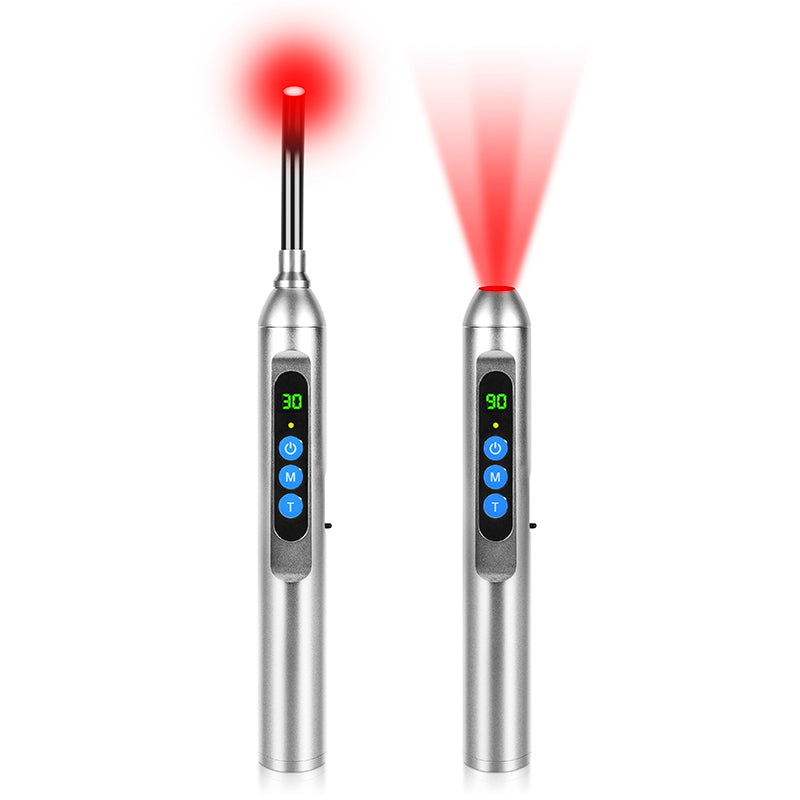

As someone who has spent a decade experimenting with light boxes, red panels, and full‑body beds, I notice the same pattern every year: the exact same red light protocol feels far more impactful in December than it does in July. My sleep stabilizes faster, my skin calms down more quickly, and my mood and recovery get a much bigger bump per minute spent in front of the panel.
That is not just placebo or “winter is worse so anything feels better.” There are real, biology‑level reasons why red light therapy can be more effective and more strategically valuable in winter than in summer. The key is understanding how your environment shifts, what red and near‑infrared light actually do to your cells, and how to time treatments around those seasonal changes.
In this article, I will walk you through the science and the strategy, with a focus on skin, mood, recovery, and overall winter resilience.
What Red Light Therapy Actually Does
Red light therapy, also called low‑level light therapy or photobiomodulation, uses specific red and near‑infrared wavelengths (roughly in the 600–900 nanometer range) to trigger biological responses in your cells without using ultraviolet (UV) light or generating burns.
Clinical centers from Cleveland Clinic to Stanford Medicine and Harvard‑affiliated dermatology services describe the same core mechanism. Red and near‑infrared photons are absorbed by mitochondria, the “power plants” of your cells. This increases production of ATP, the chemical energy your cells use to repair tissue, synthesize collagen, and run anti‑inflammatory pathways. Several sources, including Penn State Behrend and multiple dermatology clinics, also describe increased blood flow and vasodilation, which improves nutrient and oxygen delivery to tissues.
From there, you get a cascade of effects that have been documented in small to moderate‑size human studies and numerous lab and animal models:
Red and near‑infrared light can stimulate collagen and elastin, improving skin firmness, fine lines, and texture, as noted by Harvard Health, Florida Academy, and multiple med spas.
They can calm inflammation and redness in conditions like acne, rosacea, eczema, psoriasis, and sun‑damaged skin, reported by dermatology groups and skin clinics in Texas, Florida, and California.
They support wound healing and tissue repair after procedures such as chemical peels, microneedling, and laser treatments, a use highlighted by Baylor College of Medicine and several aesthetic clinics.
They reduce pain and inflammation in joints and muscles, with UCLA Health and other reviews pointing to meaningful pain relief in various acute and chronic pain conditions, although pain often returns when treatment stops.
They can influence brain function. Penn State Behrend reports improvements in cognition, stress, and sleep quality with red and near‑infrared exposure, and UCLA Health describes small studies where near‑infrared headsets improved cognitive scores in people with dementia after several weeks of daily use.
At the same time, major conventional centers like Cleveland Clinic and Stanford Medicine emphasize that the strongest evidence is still in dermatology and some pain applications. Claims about weight loss or fully treating depression or seasonal affective disorder are not yet supported by large, high‑quality trials. The therapy is generally safe when used correctly, but not a magic cure.
That is the baseline. Now let us layer in winter.

Winter Changes Your Biology (And Makes Light a Bigger Lever)
Winter in temperate climates is not just a little colder and darker. It systematically stresses the same systems that red light therapy supports.
Cold, dry air and indoor heating pull water out of your skin barrier. Clinics in Australia and the United States note that transepidermal water loss rises in winter, leaving the barrier compromised. The result is dryness, flaking, micro‑tears, and more permeability to irritants and microbes. Chronic issues such as eczema, psoriasis, and rosacea often flare in the cold months, exactly when central heating is cranked up and ventilation tends to be worse.
Blood vessels constrict in the cold and circulation slows, which is why your skin can look dull and washed out in January. Med spas that specialize in winter skin health point out that this reduced blood flow means less oxygen and fewer nutrients reaching skin cells.
Light exposure drops drastically. Depending on where you live, you may lose several hours of daylight compared with summer, and the daylight you do get is often filtered through clouds. That shift disrupts circadian rhythms and serotonin regulation and is one reason Seasonal Affective Disorder appears primarily in fall and winter. Mental health clinics and dermatology groups both highlight light‑driven mood changes as a winter‑specific problem.
Immunity and inflammation also shift. Research cited by Joovv and others notes that lack of sunlight is associated with lower immunity, and cold air in the nose can alter local immune responses, making respiratory viruses more likely to take hold. Joint pain and stiffness tend to spike in winter as physical activity drops and tissues tighten in the cold.
Every one of these winterstressors is either directly or indirectly influenced by the same levers red and near‑infrared light pull: barrier function, blood flow, mitochondrial energy, and inflammatory signaling. That is why, in practice, the return on your red light minutes can be higher in winter. Your baseline is lower, so the delta is bigger.

Four Reasons Red Light Therapy Hits Harder in Winter
Reason 1: Your Winter Skin Barrier Needs More Help
In winter, your skin barrier is both drier and more inflamed. Clinics like Advantage Skin Clinic and Light Lounge describe increased transepidermal water loss, micro‑cracks, and flare‑ups of sensitive conditions. The skin is literally leaking moisture while letting irritants and pollutants in, and indoor heating plus low ventilation make it worse.
Red light therapy targets this at multiple levels. Dermatology and med spa sources converge on a few mechanisms. Red wavelengths stimulate fibroblasts, the cells that manufacture collagen and elastin. That improves firmness and elasticity, which is not just cosmetic; a stronger dermal matrix supports a more resilient barrier. Near‑infrared light appears to boost circulation and ATP production, improving nutrient delivery and cellular repair. Several skin clinics note that red light can help the skin hold moisture more effectively in dry environments by supporting barrier repair.
Anti‑inflammatory effects matter just as much. Florida Academy, Santa Barbara Skincare, and Harvard Health all highlight how red light reduces inflammatory mediators and oxidative stress, calming redness and irritation in conditions like rosacea and eczema. In winter, when these flare because the barrier is compromised, a therapy that both strengthens the barrier and dampens inflammation becomes disproportionately valuable.
Think through a simple example. Suppose your skin is at “70 percent” of its ideal barrier function in summer, and you use red light to nudge it to eighty. A ten‑point gain is nice, but not dramatic. The same person in January might have barrier function down at “40 percent” due to dry air, hot showers, and heating. If the identical red light routine still gives you roughly a ten‑point gain, you just jumped from 40 to 50. Subjectively, that feels much more dramatic: less burning when you apply products, fewer cracks, less redness. The therapy did not change; your baseline did.
This is why winter med spa menus tend to feature LED panels and red light photofacials right alongside hydrafacials, richer moisturizers, and barrier‑repair peels. You are stacking hydration and barrier‑supportive ingredients from the outside with mitochondrial and collagen support from the inside.
Reason 2: Less Sunlight Makes Therapeutic Light More Relevant
Red and near‑infrared light are not full‑spectrum sunlight, and they are not a one‑for‑one replacement for a walk outside at noon. But in winter, your total light budget crashes. That makes any targeted light exposure far more important for circadian timing, mood support, and cellular energy.
Functional medicine clinics and mental health centers describe several plausible pathways here. Inner Healing Medical cites work in journals such as Journal of Affective Disorders and Frontiers in Endocrinology, suggesting that red light may help regulate serotonin and circadian rhythms by acting on the pineal gland and other light‑responsive systems, potentially easing winter fatigue and low mood. Penn State Behrend reports improved cognitive function, reduced stress, and better sleep quality when red light is used to support brain health.
On the commercial side, brands like Joovv point to studies suggesting near‑infrared light can reduce symptoms of Seasonal Affective Disorder, and Project E Beauty cites a study where red and infrared LED therapy reportedly cut SAD incidence by up to about half in people with a history of the condition. At the same time, Cleveland Clinic explicitly notes that there is not yet solid scientific evidence that red light therapy can treat depression or SAD, even though it is medically accepted for some skin and pain conditions.
A reasonable interpretation, and the one I use in my own protocols, is this. Full‑spectrum bright light boxes remain the first‑line, evidence‑based tool for seasonal depression, along with standard mental health care. Red and near‑infrared light may offer additional benefit by boosting cellular energy and possibly modulating neurotransmitters and inflammation, but they are best treated as an adjunct, not a replacement.
Practically, the darker the season, the more room there is for that adjunct to matter. If you spend a typical winter workday commuting in the dark, sitting in an office with harsh overhead lighting, and coming home after sunset, a ten to twenty‑minute session of carefully targeted red and near‑infrared light is a much larger fraction of your total healthy light exposure than it would be in July. That magnifies its impact on energy and perceived resilience.
Reason 3: Winter Is Procedure Season, and Red Light Supercharges Recovery
Dermatologists and aesthetic clinics consistently encourage people to schedule more aggressive skin procedures in fall and winter. Elite Aesthetics in New York, for example, specifically recommends chemical peels and microneedling in cooler months because reduced sun exposure lowers the risk of post‑procedure pigment changes and sun damage while the skin barrier is healing.
Red light therapy is already widely used in clinics after laser treatments, peels, facials, and microneedling. Baylor College of Medicine and multiple aesthetic practices describe adding red LED sessions post‑procedure to speed healing, reduce redness, and improve outcomes. Red and near‑infrared light increase ATP, improve blood flow, and stimulate collagen, all of which are exactly what your skin needs immediately after controlled injury.
Winter amplifies that synergy in two ways. First, you are more likely to be getting those barrier‑disrupting treatments during cold months. Second, you are less likely to undo the benefits by walking into strong sun right after your session. When you leave a chemical peel or microneedling appointment in July, even a quick errand outside can be enough UV to irritate freshly treated skin. In January, the ambient UV load is lower and you are usually bundled up, which lets red light–accelerated healing play out with less competition from sun damage.
Clinics that track their protocols often recommend a short course of red light sessions after procedures. One Australian clinic, for instance, typically suggests about four to six LED follow‑up sessions, each around thirty minutes, for more durable improvements. If you combine that with a winter‑friendly schedule of hydrating facials and barrier‑supportive products, you are using the season as a repair window, and red light is the metabolic accelerator in that repair plan.
Reason 4: Winter Makes Consistency Easier (And Consistency Is Everything)
One theme that appears again and again across Harvard Health, Stanford Medicine, UCLA Health, and multiple clinical and spa articles is that red light therapy is not a one‑off fix. It is a cumulative, dose‑dependent modality. Home‑use guidance from Harvard and Northwell Health typically involves several sessions per week for months to see noticeable changes in skin or hair. Med spas like Elko Replenish recommend two to three sessions per week for general maintenance, often with more frequent sessions up front.
That means consistency matters more than intensity. From a behavioral standpoint, winter actually makes consistency easier for many people. Even if you are a dedicated biohacker in July, you are probably competing with barbecues, evening walks, outdoor sports, and travel. It is simply harder to stand in front of a panel for fifteen minutes when the patio and sunshine are calling.
In winter, routines naturally become more indoor‑centric and predictable. People go out less after work, spend more evenings at home, and go to bed a little earlier. That is a perfect environment for habit stacking. If you anchor a red light session to something you already do every dark evening, such as your pre‑bed wind‑down, you are more likely to actually log the dozens of sessions needed for meaningful change.
Imagine two scenarios with the same device. In summer, you intend to use it daily but realistically manage eight sessions per month because you are away on weekends and staying out late. In winter, you set it up in front of the chair where you read or meditate, and you hit it four nights a week for ten minutes. That is a leap from about eighty minutes a month to roughly one hundred sixty minutes. The biological effect of red light did not change with the season. Your ability to deliver a consistent dose did.

Comparing Winter and Summer Red Light Therapy
A concise way to visualize the seasonal advantages is to line them up side by side.
Factor |
Winter Red Light Therapy |
Summer Red Light Therapy |
Skin barrier status |
Drier, more compromised barrier; more redness and flares, so benefits on hydration and repair feel larger |
Often more hydrated but UV‑stressed; benefits skew toward repairing sun damage rather than basic barrier rescue |
Light environment |
Short, dim days; low outdoor light exposure, especially for office workers |
Long, bright days; natural light is abundant if you get outside |
Procedure compatibility |
Ideal season for peels, lasers, microneedling; red light accelerates healing with minimal competing UV |
Higher UV exposure can interfere with healing and increase pigment risks after procedures |
Lifestyle and consistency |
More time indoors, more predictable routines; easier to build frequent habits |
More travel and evening activities; harder to maintain multi‑month treatment schedules |
Mood and circadian leverage |
Greater circadian disruption and low mood; red light is a more significant portion of total “healthy light” |
Circadian rhythm more easily supported by natural morning light outdoors |
This does not mean red light therapy is pointless in summer. It simply means that, on a relative scale, winter is when the same photons often create more noticeable changes per minute invested, especially if you aim at skin repair, mood resilience, and recovery from procedures.

Using Red Light Differently in Winter vs Summer
Dialing In Devices and Wavelengths
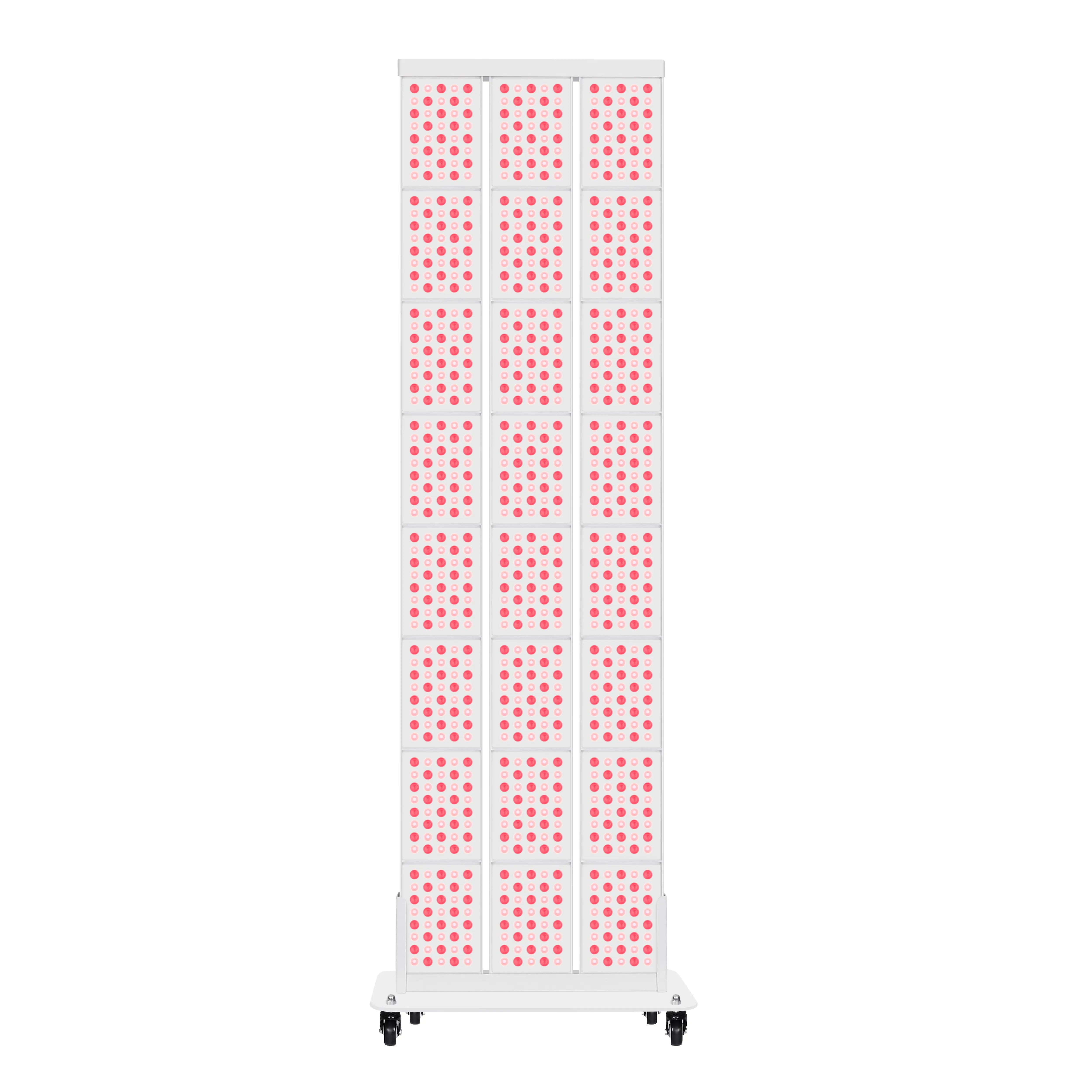
Most consumer and clinic devices operate in the red and near‑infrared window, roughly 600–900 nanometers. Spa and academic sources mention common bands around 640, 720, 810, and 940 nanometers, each penetrating to different depths. In practice, the more important distinction for everyday users is red versus near‑infrared.
Red light tends to be used for surface and mid‑depth skin issues such as fine lines, texture, redness, and mild acne. Blue light, when combined with red, can help with acne bacteria at or near the surface, although blue should not be overused without guidance because it can be more intense. Near‑infrared penetrates deeper, into muscle and some joint tissues, and is the focus in studies looking at joint pain, muscle recovery, and brain effects.
Stanford Medicine and UCLA Health both point out that device potency, wavelength mix, and treatment time vary widely, which is why two panels that look similar on a website can have very different biological impact. Large medical centers, Harvard Health, and the American Academy of Dermatology generally advise choosing devices that are FDA‑cleared for safety, understanding that clearance primarily speaks to safety, not guaranteed efficacy. They also emphasize that professional systems in clinics tend to deliver more controlled, higher‑dose treatments than most home devices.
Building a Winter Red Light Ritual
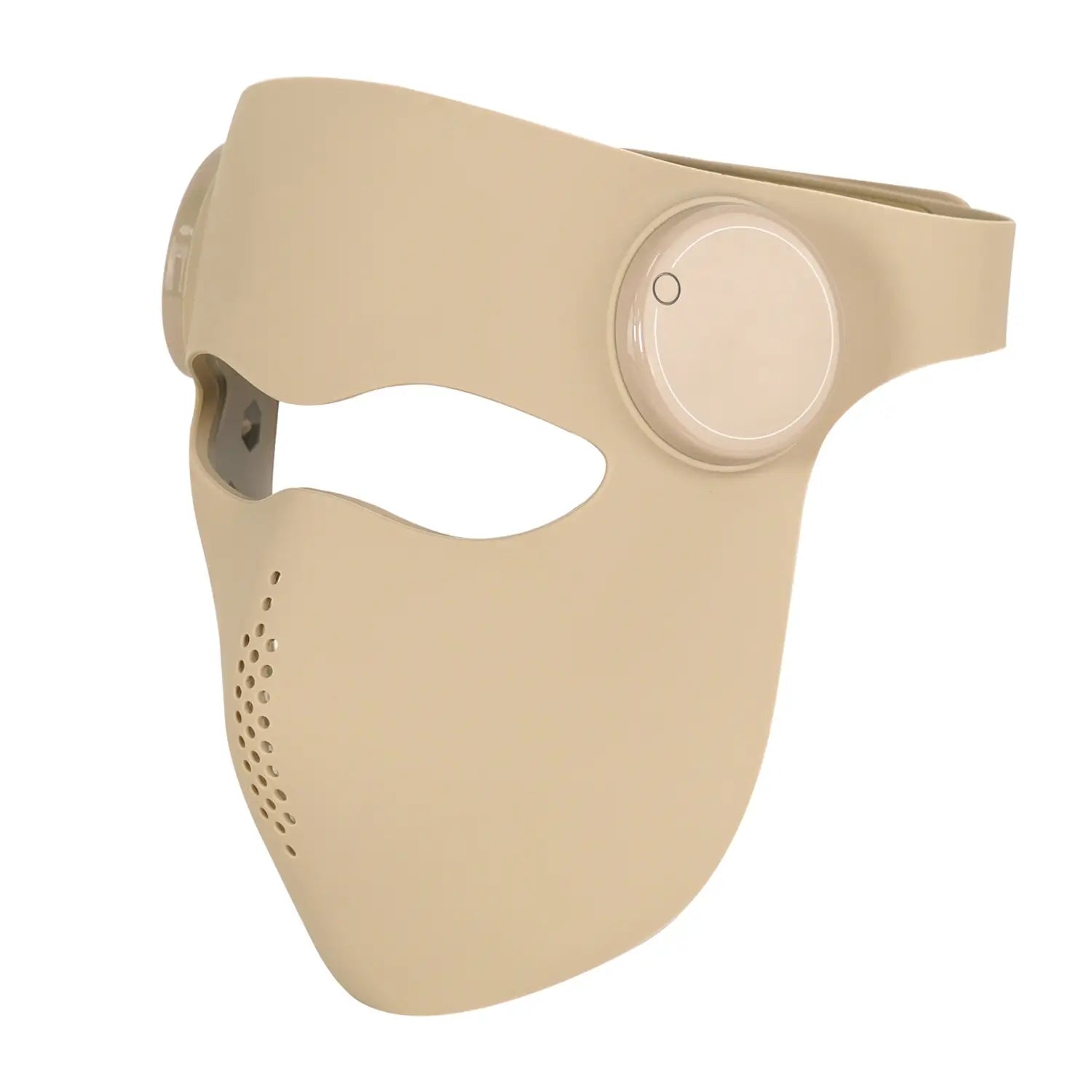
For skin‑focused winter use, many dermatology‑aligned sources suggest short sessions in the ten to twenty minute range, several times per week. Clinics like Santa Barbara Skincare and Northwell Health describe in‑office sessions lasting about ten to twenty‑five minutes, and home masks often recommend around five sessions per week of roughly thirty minutes. A conservative home starting point in winter might be ten minutes three evenings per week, adjusting based on your skin’s response and the manufacturer’s instructions.
For mood and circadian support, it is reasonable, based on Joovv’s recommendations and sleep medicine experience, to anchor red light earlier in the day rather than right before bed. A near‑infrared session shortly after waking can become a kind of structured “first light.” Some devices offer very low‑intensity ambient red modes that can replace harsh blue‑heavy lights in the early morning or evening. This gentler lighting has a much lower risk of circadian disruption compared with bright blue light at night.
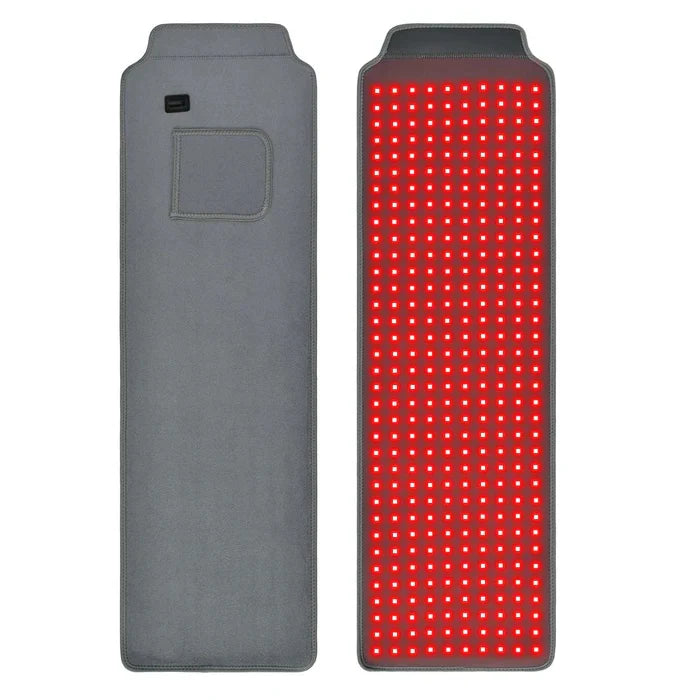
For joint pain, stiffness, or muscle recovery, UCLA Health’s review and various med spas describe regimens where people use targeted red or near‑infrared light several times per week over affected joints or muscle groups. Because winter tends to reduce spontaneous movement and increase stiffness, you can stack a short red light session right before or after your home workouts or stretching.
If you add these up, a realistic winter protocol for a busy person might look like ten minutes of near‑infrared light to the face and chest after breakfast on weekdays, plus a couple of focused evening sessions on sore joints after exercise. Over a month, that easily reaches the kind of total exposures (dozens of sessions) that studies and clinical experience associate with noticeable change.
Safety, Contraindications, and When to Skip It
Despite all the enthusiasm, it is important to respect the limits and the contraindications.
Cleveland Clinic stresses that while red light therapy appears generally safe, especially compared with UV light, long‑term safety data are still limited and overuse can irritate skin and eyes. At‑home users must follow directions carefully, avoid shining high‑intensity light directly into the eyes, and use eye protection when recommended.
Multiple sources, including Advantage Skin Clinic and dermatology groups, caution that red or LED light therapy may not be appropriate for everyone. People with epilepsy or seizure disorders may be sensitive to flashing or intense light. Those with retinal diseases, active skin cancer or pre‑cancerous lesions, systemic lupus or other photosensitive autoimmune diseases, or a history of keloid scarring should consult a dermatologist first. Pregnant or breastfeeding individuals, and anyone taking photosensitizing medications such as certain antibiotics, some acne drugs including isotretinoin, or other light‑sensitive therapies, should also get medical guidance before starting red light therapy.
The University of Utah Health podcast makes another crucial point: red light therapy should not distract you from the basics. Good nutrition, physical activity, emotional and mental health, and sleep remain the “core four” of health. Red light is an amplifier, not a substitute. In winter, that means pairing your sessions with the unsexy fundamentals: thicker moisturizers, regular movement, a nutrient‑dense diet, smart use of bright‑light therapy when indicated, and a consistent sleep schedule.

Pros and Cons of Making Winter Your “Red Light Season”
There are clear advantages to leaning into red light therapy when it is cold and dark. Your skin is under more mechanical and inflammatory stress from dry air and heating, so the collagen, circulation, and anti‑inflammatory effects tend to feel more dramatic. Your circadian rhythm is more disrupted, so strategically timed near‑infrared sessions can play a bigger supporting role alongside bright‑light therapy and outdoor daylight whenever you can get it. Your schedule is more home‑based, which makes it easier to achieve the consistency that Harvard, UCLA, and others say is necessary for visible effects.
There are trade‑offs. Insurance generally does not cover red light therapy, as Cleveland Clinic notes, so you are either paying cash for clinic sessions or investing in a device. Treatment plans often involve multiple sessions per week for many weeks or months. For some people, those resources might be better spent on psychotherapy, high‑quality food, gym access, or professional skincare if budgets are tight. And while winter is a perfect season for procedures plus red light healing, you still have to protect your skin with sunscreen outdoors, even on cloudy days, because UVA and UVB come through clouds and bounce off snow.
The bottom line from major medical sources is that red light therapy is real biology with modest, condition‑specific benefits, especially for skin and some types of pain. Seasonal timing simply lets you wring more life out of each photon.
Short FAQ
Does it make sense to do red light therapy only in winter?
If your budget or bandwidth is limited, winter is an excellent time to prioritize red light therapy because your skin barrier, mood, and circadian rhythm are under the most stress. However, clinics like Elko Replenish and Harvard‑affiliated dermatology practices view it as a year‑round maintenance tool, with summer sessions often focusing more on repairing sun damage and supporting long‑term anti‑aging. Many people use winter to run a more intensive “repair block” of frequent sessions, then shift to lighter maintenance in spring and summer.
Can red light therapy replace bright‑light boxes for Seasonal Affective Disorder?
No. Bright‑light therapy devices that deliver high‑lux, full‑spectrum light remain the best‑supported non‑drug treatment for Seasonal Affective Disorder. Some functional medicine practices and device makers cite early studies suggesting that red and near‑infrared light can improve mood and reduce SAD incidence, and Penn State Behrend and UCLA Health report brain‑related benefits in other contexts. At the same time, Cleveland Clinic emphasizes that robust evidence for treating depression or SAD with red light alone is lacking. The most science‑aligned approach is to treat red light as a complementary tool for energy and recovery and to work with a qualified clinician on established SAD treatments.
Is red light therapy safe for darker skin tones and sensitive skin in winter?
Harvard Health and the American Academy of Dermatology consider red light therapy generally safe across skin types, with minimal side effects such as temporary redness. That said, they recommend extra caution and professional guidance for darker skin tones because overly aggressive light‑based treatments of any kind can sometimes trigger unwanted pigment changes. If you have very sensitive or reactive skin, or a history of melasma or post‑inflammatory hyperpigmentation, start with shorter sessions at lower intensity and, ideally, under a dermatologist’s guidance.
Leaning into red light therapy in winter is not about chasing a trendy glow; it is about using physics and physiology to push back against a season that drains your energy, your skin, and your mood. If you pair a well‑chosen device or clinic protocol with winter‑smart basics—hydration, sleep, movement, and real daylight whenever you can get it—you turn the darkest months of the year into a repair window instead of a slow slide. That is the kind of optimization that actually moves the needle.
References
- https://lms-dev.api.berkeley.edu/studies-on-red-light-therapy
- https://florida-academy.edu/the-benefits-of-led-light-therapy-a-revolutionary-skin-treatment/
- https://www.health.harvard.edu/staying-healthy/red-light-therapy-for-skin-care
- https://thewell.northwell.edu/skin-health/red-light-therapy-skincare
- https://blogs.bcm.edu/2025/06/24/led-light-therapy-how-does-it-work-on-your-skin/
- https://behrend.psu.edu/student-life/student-services/counseling-center/services-for-students/wellness-offerings/red-light-therapy
- https://med.stanford.edu/news/insights/2025/02/red-light-therapy-skin-hair-medical-clinics.html
- https://healthcare.utah.edu/the-scope/mens-health/all/2024/06/176-red-light-therapy-just-fad
- https://my.clevelandclinic.org/health/articles/22114-red-light-therapy
- https://www.uclahealth.org/news/article/5-health-benefits-red-light-therapy