
Thin air, pounding temples, restless sleep in the hut, and that unnerving feeling that your legs brought you higher than your physiology was ready for. As a light-therapy geek who lives at the intersection of biohacking and mountain performance, I love techy tools. But I also have a hard rule: nothing gets elevated to “trip-critical” unless it fits inside what we know from physiology and real data.
Red light therapy sits in an interesting place. We have solid science on its effects on cells, muscles, and joints, and growing use among climbers and endurance athletes. We also have clear, time-tested rules for staying alive at altitude. The question is not “Can red light therapy replace Diamox or a slow ascent?” It absolutely cannot. The interesting question is whether red and near‑infrared light can legitimately help your body tolerate high altitude better as part of a broader stack.
This article walks you through what altitude actually does to your body, what red light therapy really does at a cellular level, how the two might connect, and how I would integrate light therapy into a high‑altitude plan without drinking the marketing Kool‑Aid.
What Altitude Sickness Really Is (And Is Not)
Altitude sickness is not a mysterious “mountain curse.” It is hypobaric hypoxia: lower barometric pressure at altitude means every breath delivers less oxygen to your blood. When you ascend faster than your body can adapt, you get high‑altitude illness.
Altitude researchers describe a spectrum. The “entry level” problem is acute mountain sickness, or AMS. Using standard criteria from high‑altitude medicine, AMS is essentially a headache at altitude plus one or more symptoms such as nausea, loss of appetite, fatigue, dizziness, or insomnia. It typically shows up after rapid ascent above roughly 8,200 ft and can range from annoying to incapacitating. Large field studies summarized in an altitude‑medicine review found AMS in about a quarter of tourists around 8,200 ft, around half of trekkers closer to 13,000 ft, and in the vast majority of people who are rushed to roughly that height in hours instead of days.
Left unchecked, AMS can progress to high‑altitude cerebral edema, or HACE, which is brain swelling from hypoxia. The hallmark signs are clumsiness and confusion: you cannot walk straight, or your partner suddenly seems “off” mentally. HACE is rare compared with AMS but potentially fatal. A related but distinct emergency is high‑altitude pulmonary edema, or HAPE, where hypoxia causes lung blood vessels to constrict unevenly, forcing too much pressure into some capillaries. Fluid then leaks into the air sacs, drowning your gas exchange. HAPE can appear as low as about 4,600 ft in predisposed people but is most common above about 8,200 ft. An article on Colorado skiers notes that HAPE affects roughly one in ten thousand skiers there, but when it does occur in remote settings, untreated mortality can approach fifty percent.
Risk factors are straightforward and unforgiving. Higher sleeping altitude and faster ascent are the big ones. Prior altitude illness is a strong predictor; if you got AMS or HAPE on a previous rapid ascent and repeat the exact same schedule, recurrence is very likely. Cardio‑pulmonary disease, anemia, and heavy exertion add extra stress. Alcohol and poor sleep put even more weight on the system.
Prevention, in the altitude literature, is boring and very clear. Above around 10,000 ft, guidelines recommend limiting sleeping‑altitude gain to about 2,000 ft per day and taking a rest day every one to two days. Hydrate aggressively, avoid alcohol in the first forty‑eight hours, listen to early headaches instead of “pushing through,” and consider prophylactic medications like acetazolamide for high‑risk itineraries. Clinic articles from Colorado and Colorado‑adjacent mountain towns add modern tools like IV therapy and supplemental oxygen, but always with the same bottom line: if you are getting worse, you go down.
Think of red light therapy as something that might improve how your body functions within that framework, not as a way to break those rules safely.

Hypoxia, Nerves, And Mitochondria: Why Altitude Hurts More Than Your Lungs
Altitude stress does not stop at the lungs. Hypoxia and low pressure ripple through the nervous system and microcirculation surprisingly fast.
A good example comes from a controlled mouse study that simulated roughly 16,400 ft in a hypobaric chamber and tracked retinal ganglion cells, the output neurons that carry visual signals from the eye to the brain. Researchers exposed mice to this simulated altitude for time blocks between two and seventy‑two hours. Even at the early time points, they saw functional changes on electroretinography: a specific retinal signal called the photopic negative response, which is heavily driven by ganglion cell activity, dropped significantly within a couple of hours and hit its lowest point around six hours. Structural damage lagged behind function. The combined thickness of the ganglion cell layer and nerve fiber layer began to swell and disorder after about six hours, and measurable cell loss was only clearly significant after seventy‑two hours.
On electron microscopy, the injured neurons showed classic mitochondrial stress: swollen mitochondria with disrupted internal structure, altered chromatin, disorganized axons, and damaged myelin. This is not a human retina on Everest, but it is a clean demonstration that acute altitude hypoxia can injure delicate neural tissue within hours, and that the earliest detectable signal is functional, not yet gross structural destruction.
Clinically, that tracks with what mountain doctors see. People with HACE look drunk or clumsy before they necessarily show big imaging changes. People with high‑altitude retinopathy can develop retinal hemorrhages and vascular congestion after rapid ascent, and visual symptoms sometimes improve after descent and oxygen. The combination of hypoxia, mitochondrial overload, and microvascular stress is a repeating pattern.
This matters for light therapy because most of the legitimate science behind photobiomodulation revolves around mitochondria, oxidative stress, and microcirculation. The overlap is tempting. The catch is that we do not yet have human clinical trials showing that red light therapy prevents altitude illness. Everything you are about to read is about stacking plausible mechanisms and adjacent evidence in a way that stays honest about that gap.
Red Light Therapy 101 For High‑Altitude Geeks
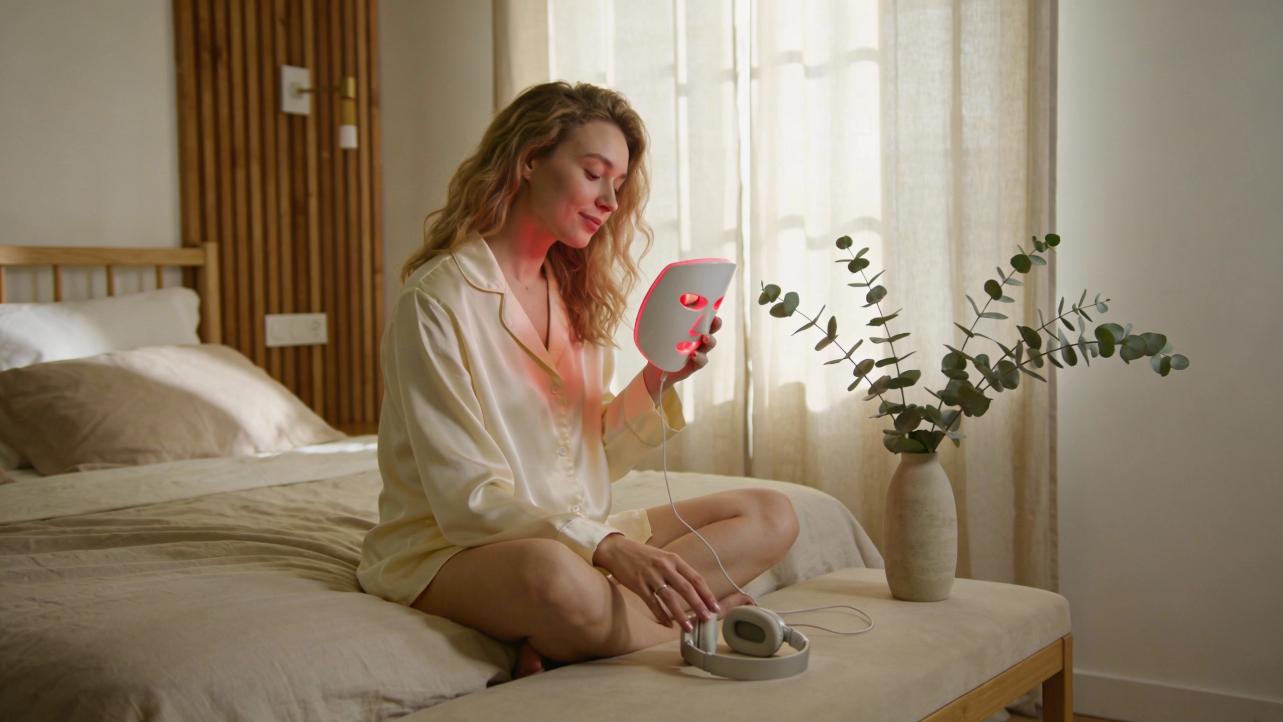
Red light therapy, also known as photobiomodulation or low‑level light therapy, uses specific red and near‑infrared wavelengths to nudge cell metabolism. Most therapeutic devices cluster around deep red in the 630–670 nanometer range and near‑infrared around 800–850 nanometers. These are the same wavelengths that several review articles and clinical summaries highlight as the best studied for tissue repair, pain relief, and bioenergetic effects.
Mechanistically, decades of work summarized in photobiomodulation reviews point to mitochondrial chromophores, especially cytochrome c oxidase, as primary targets. When these enzymes absorb red or near‑infrared photons, they can increase ATP production, displace bound nitric oxide, and modulate reactive oxygen species. In practical language, that means more cellular energy, altered blood vessel tone, and a shift in the inflammation‑oxidative stress balance. Animal and cell studies show improved muscle resistance to fatigue, reduced acute inflammatory markers after muscle injury, and enhanced cell proliferation under the right doses.
Clinically, the best‑established uses are local. Dermato‑logic and wound‑healing literature reports improvements in acne, psoriasis, chronic wounds, and scar remodeling, as well as modest cosmetic changes in wrinkles and skin firmness when red light is applied over weeks. Pain and musculoskeletal trials, summarized in sources such as WebMD and Brown University Health, show short‑term reductions in pain and stiffness for certain tendinopathies and mild osteoarthritis, although protocols vary and effects are usually modest.
Sports medicine reviews and studio reports add an athletic layer. Randomized trials in trained athletes using red or near‑infrared light before or after intense exercise have observed small to moderate improvements in performance tests, lower muscle damage markers, and faster recovery. A narrative review of athletes’ photobiomodulation protocols and a recovery‑focused studio in North Carolina both highlight studies where pre‑exercise light reduced muscle damage and accelerated strength recovery. A systematic review in a rehabilitation journal also found improved pain and function in musculoskeletal disorders.
In real‑world practice, this has translated into NFL teams, Olympic programs, and local trail runners stepping into full‑body panels for ten to twenty minutes, three to five times per week, to manage soreness and keep training density high. Hiking and climbing‑focused guides describe similar routines: fifteen to thirty minutes to legs and back before big days, and twenty to thirty minutes to sore joints afterward, especially on multiday trips.
Safety, based on mainstream medical summaries, is generally favorable. Red and near‑infrared light are non‑ionizing and non‑UV, so they do not carry the DNA‑damage risk of tanning beds. Short‑term side effects are usually limited to transient warmth, skin flushing, or mild irritation. Problems tend to show up when people use excessively intense devices for too long or skip eye protection: very high intensities can cause redness or even blistering in extreme misuse, and bright light directly into the eyes can injure the retina. Clinicians typically advise protective goggles, caution for people on photosensitizing medications or with a history of skin cancer, and a conversation with a provider for anyone who is pregnant or has complex medical issues. Major organizations frame red light therapy as an adjunct, not a replacement, for standard care.
That is the baseline. The question is how to translate that into an altitude context.

Can Red Light Therapy Actually Help At Altitude?
There is an uncomfortable but important sentence that belongs front and center. No high‑quality human study to date has shown that red light therapy prevents acute mountain sickness, HACE, or HAPE. No major altitude‑medicine guideline recommends it as a primary prevention or treatment.
What we do have is compelling overlap between what altitude does to the body and what photobiomodulation appears to improve in other contexts.
Altitude decreases maximal aerobic power by roughly fifteen to twenty percent at moderate heights according to sports‑performance and altitude‑training data. Live‑high‑train‑low programs that keep athletes sleeping or resting between roughly 6,500 and 10,000 ft while letting them do hard workouts lower down have repeatedly increased red cell mass, VO₂ max, and endurance in sports like distance running and cycling. These programs also remodel mitochondria and microcirculation over weeks. In other words, altitude itself is a mitochondrial training stress.
Photobiomodulation, from the sports and cell literature, increases mitochondrial ATP production, improves resistance to fatigue, and modulates oxidative stress and inflammation in exercised muscle. A review of athletic trials reports small to moderate performance and recovery gains when red or near‑infrared light is applied before or after high‑intensity sessions. Hiking and climbing guides cite those same mechanisms to argue that red light can help trekkers reduce soreness and recover more quickly between big days.
A reasonable synthesis is this. Altitude adds hypoxia and oxidative stress to every system you care about on a mountain: brain, lungs, skeletal muscle, and microvasculature. Red light therapy seems to make mitochondria and local tissues more efficient and resilient under stress in at least some settings. It is not going to change the barometric pressure, but it may improve how your muscles, joints, and perhaps even your sleep respond to that environment.
That is not proof; it is a layered, mechanism‑aligned argument. If you are the kind of person who will already optimize ascent rate, hydration, sleep, and medications when appropriate, then adding light therapy as a recovery and resilience tool can make sense. If you are hoping to use a panel to justify racing from sea level to 12,000 ft overnight, you are playing games with physiology.
Energy, Inflammation, And Sleep: The Three Levers That Matter
To make this concrete, it helps to break altitude adaptation down into three levers that photobiomodulation actually touches: energy systems, inflammation and tissue repair, and sleep.
Energy systems come first. When you go from sea level to around 10,000 ft, oxygen availability drops to roughly seventy percent of what your body is used to, as Colorado clinic data point out. That means your VO₂ max and high‑intensity capacity fall, even if you are very fit. Altitude training protocols demonstrate that your body can adapt over days to weeks by producing more erythropoietin, expanding red cell mass, tweaking mitochondrial enzymes, and increasing capillary density. Red light therapy cannot mimic that entire cascade, but by increasing mitochondria’s ATP output per unit oxygen in lab and animal models, it might raise the “floor” of how efficiently your tissues use the limited oxygen they receive.
Imagine a runner with a sea‑level VO₂ max of 60 milliliters per kilogram per minute. At a moderate mountain town, that might effectively drop into the high 40s. If photobiomodulation plus smart training nudged running economy or mitochondrial efficiency by even a few percent, it will not turn 48 back into 60, but it might make long, steady efforts feel more sustainable.
The second lever is inflammation and tissue repair. Long days on steep terrain load quads, calves, and hip flexors eccentrically; descents abuse knees and ankles. Hikers’ red light therapy guides describe exactly this pattern: delayed onset muscle soreness, tendon overload, and chronic joint stress. In that population, a consistent light‑therapy routine appears to shorten soreness duration, improve joint comfort, and reduce swelling, especially in feet and ankles. Photobiomodulation reviews back this qualitatively with reductions in inflammatory markers after acute muscle damage and improved return‑to‑play times in athletes. Studio protocols often recommend ten to twenty minutes of exposure per area, three to five days per week, with daily sessions for acute injuries.
In altitude context, this matters because pain and stiffness directly affect breathing mechanics, gait, and sleep. A climber whose knees are screaming on descent may unconsciously shorten stride, reduce chest expansion, and spend more time awake in pain, all of which increase susceptibility to AMS. Anything that meaningfully reduces that pain without sedative drugs gives the body more bandwidth to adapt.
Sleep is the third lever, and it is chronically underrated in mountain planning. AMS frequently presents with insomnia, and altitude itself perturbs breathing patterns at night. Some med spa and studio articles note that red light exposure, especially later in the day, can support melatonin production and circadian rhythms, in contrast to blue light, which suppresses melatonin. Users often report subjectively better sleep and more stable energy when they swap bright white screens for warm red in the hours before bed and add systemic red‑light sessions several times per week. There is not yet a clean randomized trial of red light for altitude insomnia, but combining circadian‑friendly light hygiene with altitude‑smart behavior is common sense.
The net effect of these three levers is simple. Better energy handling, lower pain and inflammation, and more restorative sleep give your body more capacity to perform the core adaptation work that altitude demands.

How To Stack Red Light Therapy With Proven Altitude Strategies
The safest way to use light therapy in this space is to treat it as a recovery and resilience multiplier on top of non‑negotiable altitude fundamentals.
Traditional altitude medicine gives you the backbone: gradual ascent with conservative sleeping‑altitude gains, dedicated rest days, adequate carbohydrate and fluid intake, and judicious use of medications like acetazolamide or, in some high‑risk situations, dexamethasone. Clinics in Colorado reinforce hydration and alcohol avoidance, often recommending four to six liters of water per day at altitude, which is roughly thirteen to twenty cups, depending on body size and exertion. They also make it clear that descent is the definitive intervention for any worsening symptoms.
At the performance end, live‑high‑train‑low camps or hypoxic chambers let elite athletes spend twelve or more hours per day resting around 6,500–10,000 ft while doing quality workouts closer to sea level. Monitoring VO₂ max, mood, and sleep helps distinguish responders from non‑responders, because not everyone benefits equally from hypoxic exposure.
Clinic‑level tools like IV therapy, hyperbaric oxygen, and prescription adaptogens sit on top of this in certain mountain towns. For example, altitude‑focused IV services deliver fluids, electrolytes, and medications directly into the bloodstream when nausea or dehydration make oral strategies ineffective. Hard‑tank hyperbaric oxygen systems in some resort clinics temporarily raise tissue oxygenation to sea‑level or higher equivalents to treat severe AMS or HAPE‑adjacent situations under medical supervision. Adaptogenic blends using high‑altitude plants like Rhodiola and Cordyceps are marketed as mitochondrial and stress‑tolerance boosters, with some early data on hypoxia tolerance, though protocols and quality control vary widely.
Red light therapy slots into this ecosystem alongside modalities like sauna, mobility work, and compression, with an altitude‑specific twist.
A simple comparison is helpful here.
Modality |
Primary Target |
Evidence for altitude illness |
Key Advantage |
Core Limitation |
Slow ascent and acclimatization |
Whole‑body adaptation |
Strong clinical and field evidence |
Directly addresses cause (hypoxia rate) |
Requires time and itinerary flexibility |
Medications (e.g., acetazolamide) |
Ventilation, fluid balance, brain edema |
Strong for AMS/HACE prevention |
Clear dosing protocols, guideline‑backed |
Side effects; prescription; not a cure‑all |
Supplemental oxygen / HBOT |
Acute tissue oxygenation |
Strong for moderate to severe illness |
Rapid symptom relief; life‑saving in HACE/HAPE |
Requires equipment and medical oversight |
IV altitude therapy |
Volume, electrolytes, symptom control |
Supportive for dehydration and AMS |
Fast onset when oral intake is limited |
Invasive; medical risks; cost |
Altitude training (LHTL) |
Red cells, VO₂ max, mitochondrial remodeling |
Strong for endurance performance |
Improves fitness before the trip |
Weeks of planning; access to altitude |
Red light therapy (PBM) |
Mitochondria, local circulation, inflammation |
Indirect only; sports and recovery data, not AMS trials |
Non‑invasive; portable; multi‑system recovery support |
Evidence gap for direct AMS prevention |
As long as you keep that last column in mind, integrating red light therapy becomes straightforward.
Practical Light‑Therapy Protocols Around A High‑Altitude Trip
Within the constraints of the existing evidence, here is how I would structure light therapy for someone planning a demanding trip to, say, an 11,000 ft resort or a multi‑day trek that spends several nights above 10,000 ft, assuming no contraindications and with the understanding that this does not replace medical advice.
In the month leading up to the trip, the goal is to arrive with robust mitochondria, low baseline inflammation, and good sleep. A reasonable template, aligning with recovery‑studio and hiking‑guide recommendations, is to use a red or red‑plus‑near‑infrared device three to five days per week. Sessions of ten to twenty minutes at appropriate device distance can target the large muscle groups you will rely on most: quadriceps, hamstrings, calves, glutes, and lower back. If you already carry chronic tendon or joint issues, such as Achilles tendonitis or knee osteoarthritis, spending extra time on those hot spots aligns with musculoskeletal photobiomodulation protocols.
This pre‑trip phase pairs well with your normal training. For example, if you do heavy leg work twice per week and longer hikes or runs on weekends, red light exposure immediately after those sessions can synch with your body’s natural repair window. Over four weeks, that adds up to roughly a dozen to twenty sessions, similar in frequency to protocols used in athletic recovery trials.
In the week before departure, two small tweaks matter. First, clean up your light hygiene at night. Swap bright overhead lighting for warmer lamps, reduce blue‑heavy screen exposure, and, if your device allows low‑intensity whole‑body sessions, consider a short red‑only session earlier in the evening to encourage melatonin. Second, start behaving like you are going to altitude: establish a hydration routine, cut back on alcohol, and normalize your sleep schedule. This is not specific to photobiomodulation, but stacking good behaviors produces nonlinear benefits.
On the trip itself, the emphasis shifts to pre‑hike priming and post‑hike repair. Hiking and climbing guides suggest thirty or so minutes of red light to legs and lower back before a big day to increase local blood flow and tissue temperature, followed by twenty to thirty minutes to the same areas after you return to the hut or hotel. For a weekend in a ski town, that might mean a short morning session focused on knees and quads, then an evening session that covers quads, calves, and lower back while you rehydrate and refuel. For a multi‑day high‑altitude trek, you may target slightly longer evening sessions to stay ahead of cumulative soreness, even if the morning window is tight.
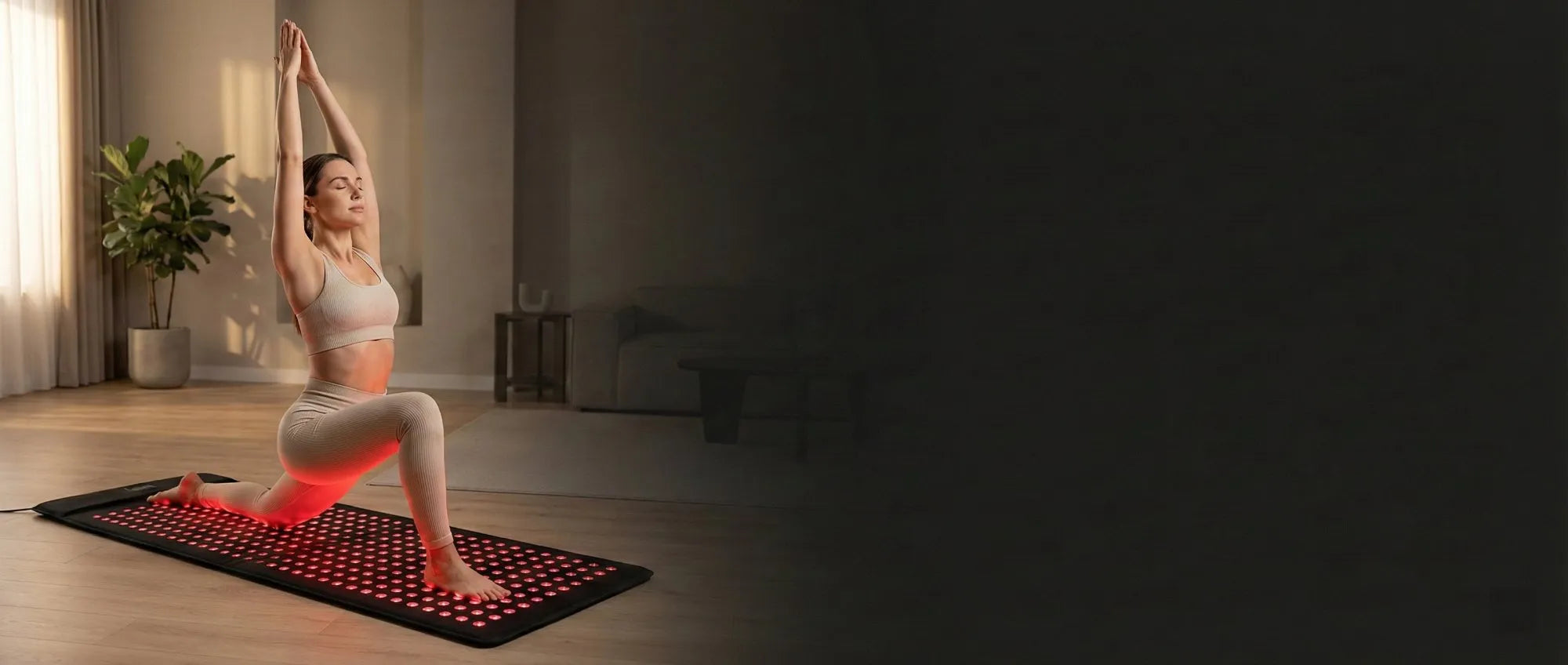
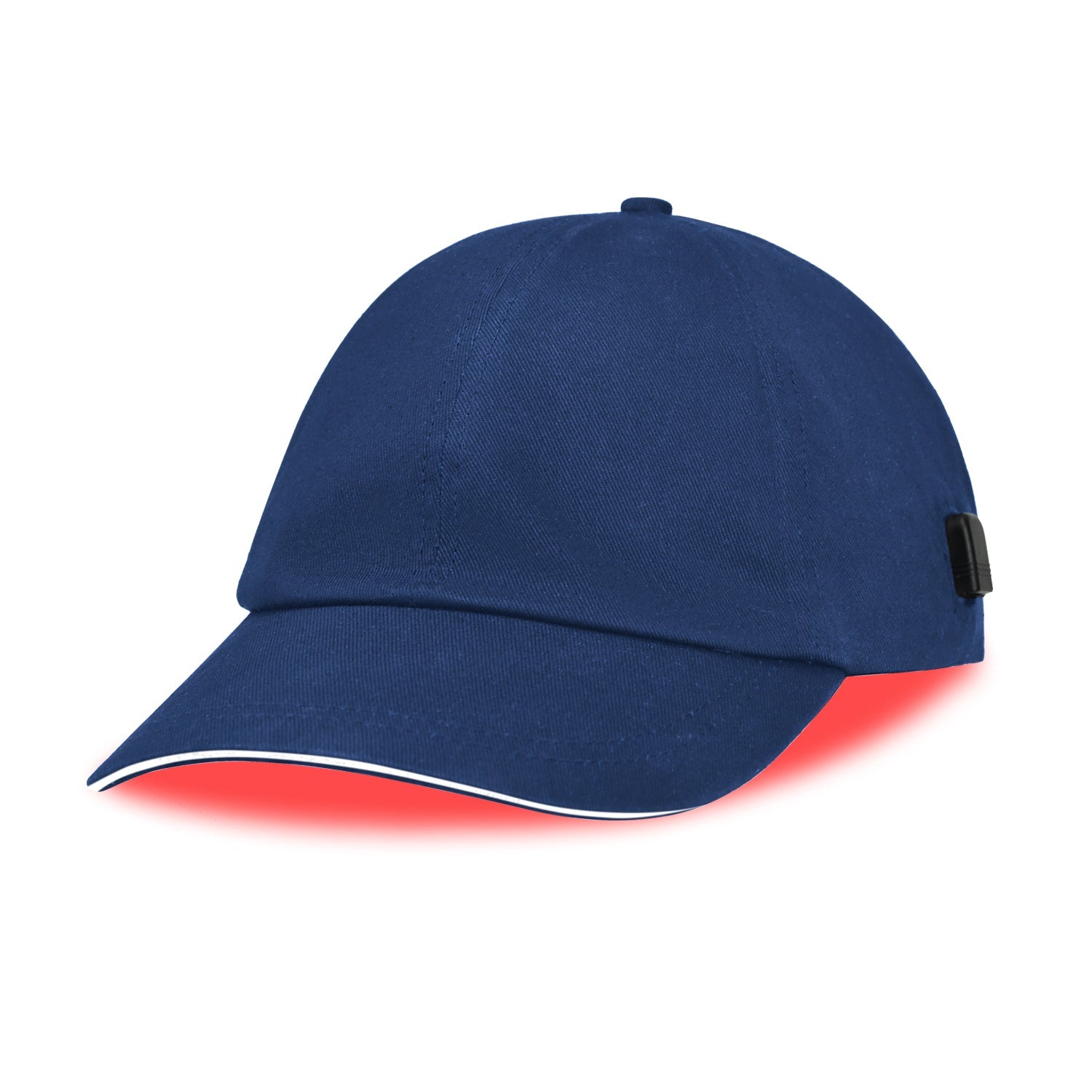
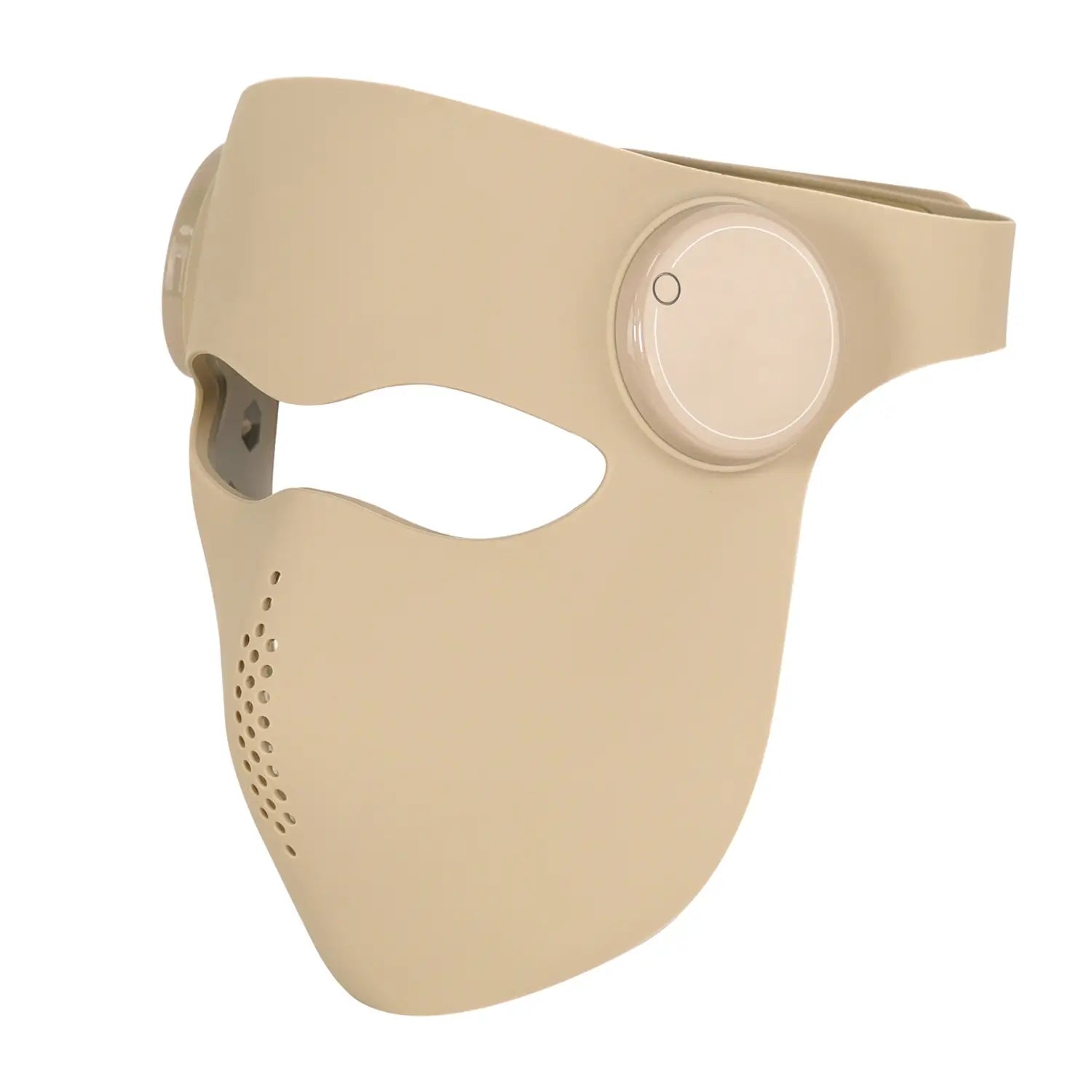
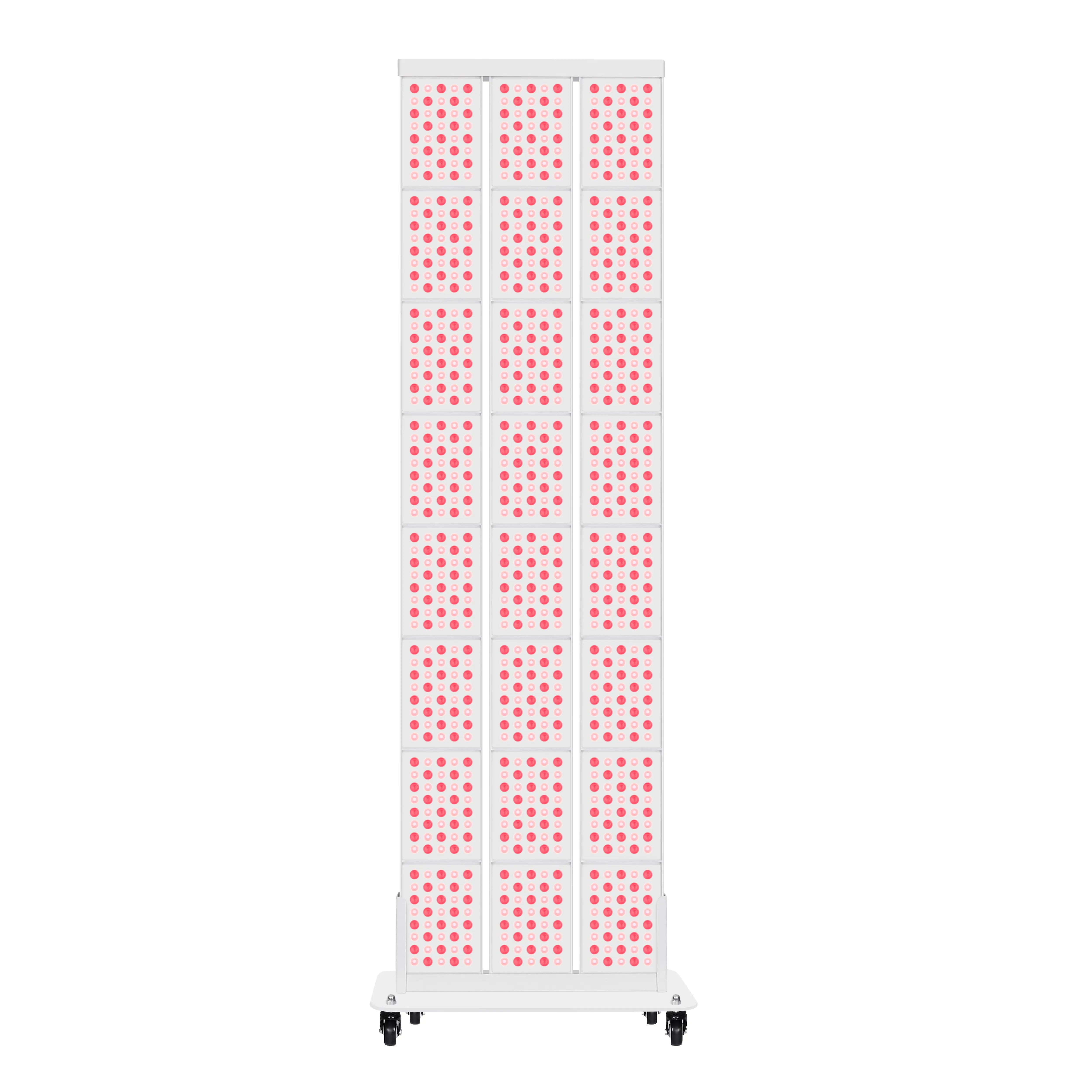
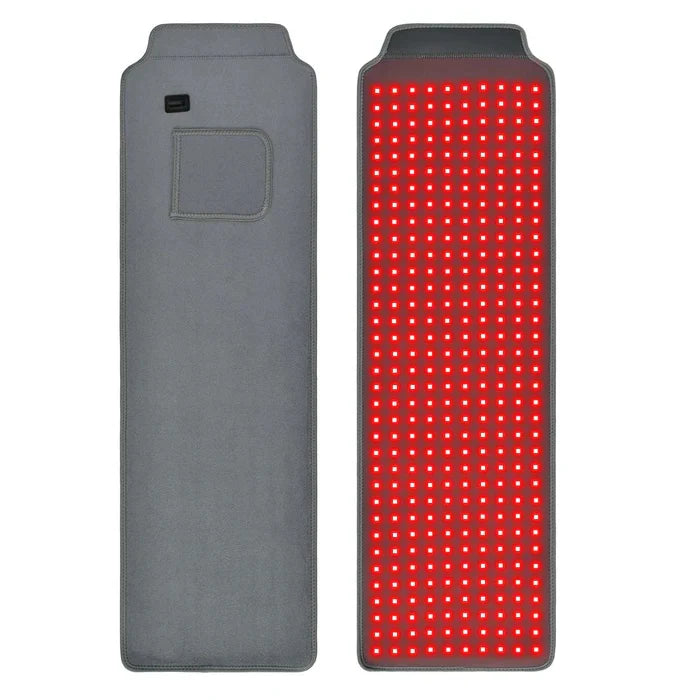
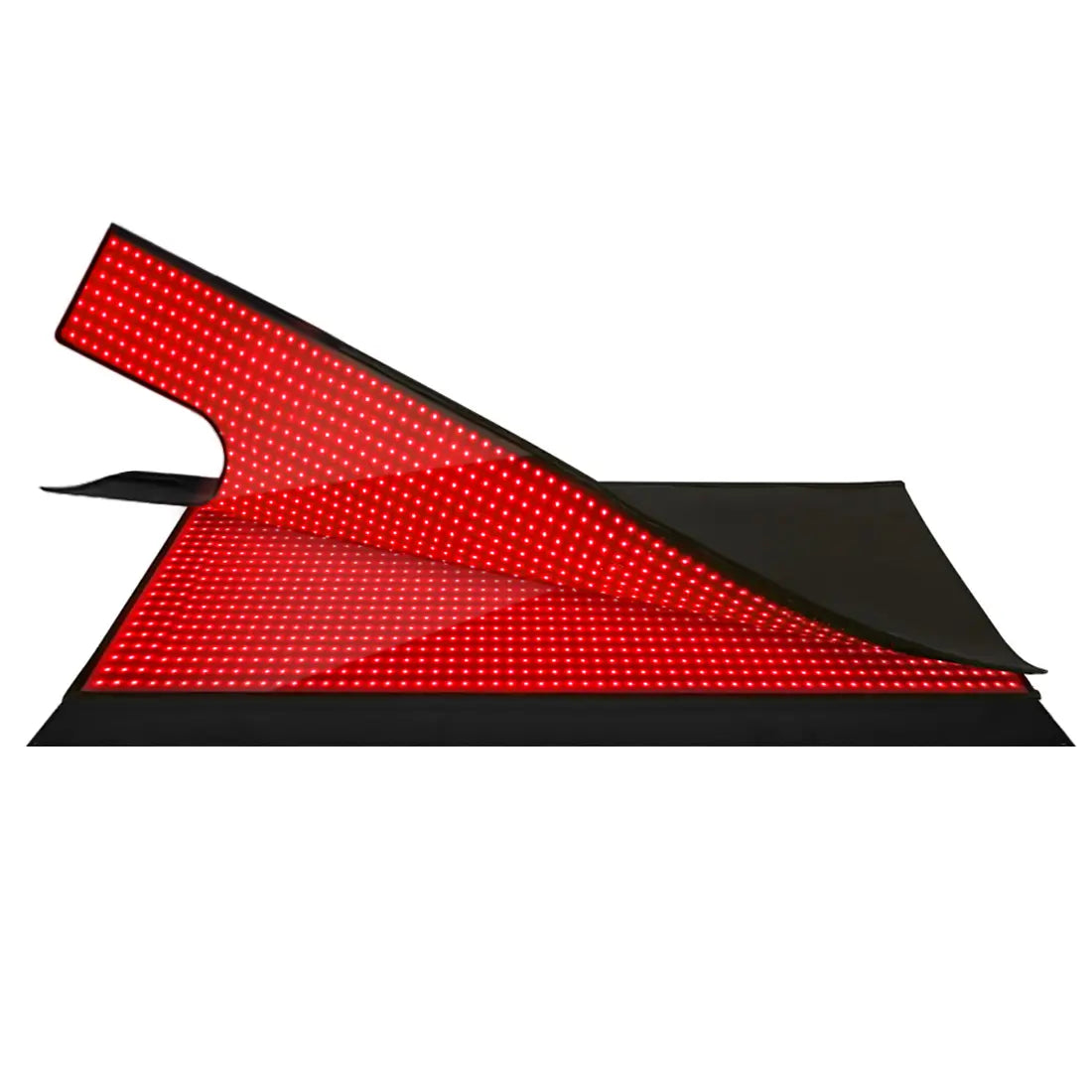
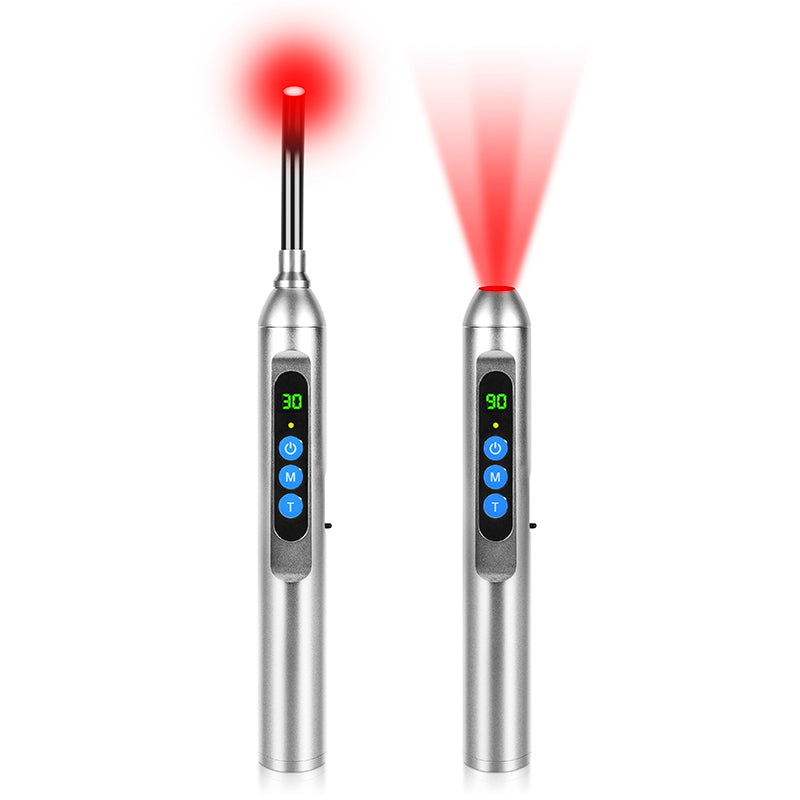
Portable devices matter here. Full‑size panels are fantastic at home but unrealistic in a remote lodge. Compact, rechargeable LED wraps around knees or ankles, or a small panel that can sit on a bedside table, are more practical. Hiking guides specifically recommend power outputs and wavelengths in the 630–850 nanometer band, durable casing, and battery life sufficient for several twenty‑minute sessions between charges.
Two more points need emphasis. First, if you develop clear signs of AMS, HACE, or HAPE, light therapy is not a treatment. Severe, worsening headache, repeated vomiting, inability to walk straight, confusion, wet cough, or breathlessness at rest are all red‑flag symptoms described in altitude‑medicine and Colorado clinic resources. Those signs call for rest, oxygen if available, medications when appropriate, and especially descent, not for staying high to do another session under a red panel. Second, if you are using medications like acetazolamide, coordinate any experimental tools, including light therapy, with an altitude‑savvy clinician. There is no evidence that red light can substitute for proven drugs in high‑risk profiles.
Pros, Cons, And Who Should Consider It
From a veteran optimizer’s perspective, red light therapy has a clear strengths‑and‑weaknesses profile.
On the plus side, it is non‑invasive, generally safe when used properly, and taps into real mechanisms: mitochondrial ATP production, nitric oxide signaling, inflammation modulation, and microcirculation. It is already used by elite and recreational athletes for recovery between heavy sessions. Small clinical trials and systematic reviews support modest improvements in pain, muscle recovery, and function in musculoskeletal conditions. Real‑world hiking and climbing communities report less soreness, quicker turnarounds between big days, and easier management of nagging tendon issues when they are consistent.
For altitude specifically, the most realistic benefits are better recovery between days, improved comfort in joints and muscles, and possibly smoother sleep and energy. All of those indirectly support altitude adaptation by freeing up physiological bandwidth.
On the downside, the evidence gap for direct altitude‑illness prevention is real. There are no controlled trials showing reduced incidence of AMS, HACE, or HAPE with photobiomodulation. Device quality and dosing protocols vary wildly; many consumer devices make claims that outstrip the data. Costs can be substantial, especially for higher‑powered panels, and hauling gear to the mountains adds weight and complexity. Safety is good but not trivial: eye protection matters, as do reasonable session durations and respect for contraindications such as photosensitizing medications or a history of skin cancer. Brown University Health and WebMD both caution that red light therapy should not replace proven medical treatments for serious conditions.
So who is a good candidate?
A performance‑driven climber or endurance athlete who already uses red light therapy for recovery will likely get the most leverage by integrating it intentionally into altitude blocks. A hiker with chronic joint or tendon symptoms that tend to flare during long descents might reasonably experiment with pre‑ and post‑hike sessions as part of a broader rehabilitation plan. A recreational traveler with a history of bad AMS but no current light‑therapy habit should focus first on ascent strategy, hydration, and medications before considering gadgets.
In every case, the mindset should be additive. You are not buying a permission slip to go faster or higher than is wise; you are upgrading the robustness of the basic plan.
FAQ: Light Therapy And Altitude, Answered Straight
Can I skip acetazolamide or a cautious ascent if I use red light therapy?
No. Altitude‑medicine reviews are unambiguous that gradual ascent and, when indicated, medications like acetazolamide are core preventive tools for AMS and HACE. Red light therapy has zero clinical trial data as a substitute. At best, it can help you feel and function better inside a smart ascent plan, not let you safely violate it.
Is there an ideal wavelength for altitude use?
Most of the sports and musculoskeletal work that climbing and hiking articles draw on uses deep red around 660 nanometers and near‑infrared around 800–850 nanometers. Devices that combine both bands are common. There is no altitude‑specific wavelength trial to point to, so choosing a device that clearly lists wavelengths in that range and has enough power for ten to thirty minute sessions is a practical compromise.
Should I shine red light directly on my face or eyes to protect vision at altitude?
The mouse study on retinal damage at simulated 16,400 ft highlights that retinal neurons are vulnerable to hypoxia, but it does not suggest that bright visible or near‑infrared light exposure to the eye is protective. In fact, medical summaries emphasize eye protection when using strong red‑light devices to avoid retinal injury. If you are concerned about high‑altitude retinopathy or vision changes, the proven tools are gradual ascent, monitoring, and timely descent, not unprotected ocular light exposure.
When you strip away the hype, red light therapy is not a magic altitude pill. It is a mitochondrial and recovery tool with real, if modest, effects that can support the fundamentals of high‑altitude living: smart ascent, strong legs, resilient joints, and decent sleep in thin air. Use it that way, with clear eyes and goggles on, and it can earn a place in your kit as one more lever helping you go higher, suffer less, and stay in love with the mountains for longer.
References
- https://pmc.ncbi.nlm.nih.gov/articles/PMC11323993/
- https://www.altitude.org/high-altitude
- https://www.brownhealth.org/be-well/red-light-therapy-benefits-safety-and-things-know
- https://www.alpinglow.ch/red-light-therapy-how-it-works
- https://www.pureivcolorado.com/altitude-adjustment-made-easy-with-iv-therapy
- https://www.thewellnessco.in/high-altitude-chamber
- https://212medspa.com/6-ways-red-light-therapy-can-improve-your-health/
- https://peakfit.studio/red-light-therapy-recovery-secret-elite-athletes-asheville/
- https://ptreatment.com/altitude-sickness-and-treatments/
- https://ricciflow.substack.com/p/why-does-red-light-therapy-work