
If you swim hard and often, your shoulders are living in the red zone long before you ever stand in front of a red light panel. As a long‑time “light therapy geek” and performance-obsessed wellness optimizer, I have watched red light therapy move from fringe biohack to a tool used in physical therapy clinics, pro training rooms, and yes, the home gyms of serious swimmers.
The big question is not whether red light therapy (also called photobiomodulation) does anything. High-quality research from dermatology, pain medicine, NASA spin‑offs, and sports science shows real biological effects. The question for you as a swimmer is much narrower: can those effects meaningfully help a beat‑up shoulder, and if so, how do you use this tool without wasting time, money, or hope?
This article walks through what the science actually says, where it stops, and how I recommend swimmers think about red light as part of a shoulder health strategy.
Why Swimmers’ Shoulders Need Extra Help
Swimmer’s shoulder is not one single disease. It is the cumulative result of thousands of overhead strokes per week, high training volumes, and often imperfect mechanics stacked on top of strength or mobility imbalances. The rotator cuff, long head of the biceps, joint capsule, and the small stabilizers that control the shoulder blade all get hammered.
Over time this kind of workload can drive low‑grade inflammation in tendons and bursae, muscle soreness that never seems to fully clear, and eventually structural problems such as tendinopathy or labral and ligament damage. Classic tools such as technique work, strengthening, mobility, deload weeks, and, when needed, physical therapy or surgery are the real backbone of shoulder care.
Into that landscape comes red light therapy: a noninvasive way to shine specific wavelengths of red and near‑infrared light on tissue, claiming to reduce inflammation, ease pain, and speed recovery. To decide how it might fit into a swimmer’s routine, you need to understand what it actually does.

What Red Light Therapy Really Is
Red light therapy, often labeled low‑level laser therapy or photobiomodulation, uses specific bands of red and near‑infrared light to nudge cells without burning or cutting tissue. Clinical sources such as Cleveland Clinic, university health systems, and pain centers describe it in almost identical terms.
The key light range used for therapeutic purposes runs roughly from 600 to 1300 nanometers. In sports and musculoskeletal settings, wavelengths around 660 to 850 nanometers are common, with near‑infrared in the 810 to 850 nanometer zone often chosen when deeper muscle tissue is the target.
Unlike heat lamps or ultraviolet light, this light is non‑ionizing and non‑thermal at therapeutic doses. You feel gentle warmth at most. The light is absorbed mainly by mitochondria, the energy factories inside cells. Several sources, including rehabilitation clinics and NASA‑connected research groups, emphasize the same core mechanisms.
Mitochondria contain chromophores such as cytochrome c oxidase that absorb red and near‑infrared light. When that happens, a few things appear to change:
Mitochondrial ATP production can rise dramatically. Sports medicine reviews and athletic performance articles cite increases in cellular energy production that in some experiments approach double baseline levels.
Nitric oxide is released from binding sites in the electron transport chain, which helps blood vessels dilate. That vasodilation increases local blood flow, so more oxygen and nutrients reach the tissue and waste products are cleared more efficiently.
Inflammatory signaling can shift. Multiple clinical summaries note lowered inflammatory markers, less oxidative stress, and changes in gene expression related to tissue repair.
Collagen synthesis is stimulated. Dermatology and skin‑rejuvenation trials show improved collagen density and smoother, thicker skin after a course of red light treatments.
Put in swimmer language, red light gives stressed shoulder tissues a temporary bump in energy, blood flow, and repair signaling, without adding more mechanical load. That is why athletes, therapists, and wellness clinics have become so interested in it.

Mechanisms That Matter For Swimmer Shoulders
Shoulder pain in swimmers usually sits at the intersection of muscles, tendons, joint structures, and the nervous system’s perception of pain. Red light’s main mechanisms line up with several of those targets.
Muscle metabolism and fatigue
Sports performance articles that focus on athletes describe how red and near‑infrared light can support mitochondrial function in working muscle. By boosting ATP production and improving oxygen delivery through vasodilation, some clinical trials report:
Increased strength or torque in treated muscles.
Improved endurance or time to exhaustion.
Up to roughly 50 percent reductions in delayed onset muscle soreness in some protocols.
Systematic reviews of photobiomodulation in human muscle tissue, however, paint a nuanced picture. Across dozens of clinical trials with more than a thousand participants, some upper‑ and lower‑limb studies show better fatigue resistance, faster recovery of strength, and lower markers of muscle damage such as creatine kinase. Others show little or no effect on performance or soreness. The consensus is that red light can help, but only when wavelength, dose, timing, and treatment area are in a relatively narrow therapeutic window.
For a swimmer, that suggests red light may help tired rotator cuff and scapular stabilizers recover after heavy sets, but it will not magically turn an undertrained shoulder into a powerhouse.
Tendons, joints, and connective tissue
A large, controlled trial of red and near‑infrared light applied to the skin found significant improvements in skin roughness and intradermal collagen density after thirty sessions, along with better subjective skin feel. The devices in that study used polychromatic light spanning 570 to 850 nanometers and red‑only output around 611 to 650 nanometers. Both proved safe and effective for collagen changes; broader spectra did not outperform red‑only.
Why does that matter for your shoulder? Tendons, joint capsules, and surrounding fascia all depend on healthy collagen architecture. While this skin study did not look at shoulder function, it offers controlled evidence that these wavelengths can drive collagen changes in human tissue without trauma. Combined with sports and orthopedic articles that report red light benefits in arthritis, tendonitis, and chronic musculoskeletal pain, it supports the idea that superficial shoulder structures could respond in similar ways.
A sports medicine article from an academic health system notes that red light therapy has shown early promise for tendinopathies and painful problems close to the skin surface, the kind that are often more inflammatory than purely mechanical. The same surgeon is clear that red light will not repair mechanical injuries such as ligament tears or reverse advanced osteoarthritis. That distinction is crucial for swimmers: inflammation‑dominant problems are realistic targets; structural damage still needs mechanical solutions.
Pain modulation and neural effects
Cancer centers and pain clinics use low‑level red light as part of multimodal pain management, particularly for conditions such as oral mucositis from chemotherapy and various chronic pain syndromes. Reviews of photobiomodulation in pain note:
Decreases in acute and chronic musculoskeletal pain scores.
Improved function and quality of life in some fibromyalgia and joint‑pain patients.
Pain relief that often fades within weeks of stopping treatment, implying a need for ongoing sessions if benefits are to be maintained.
Mechanistically, pain specialists suggest that red light may reduce pain by reducing local inflammation, improving circulation, increasing cellular energy, and triggering the release of endorphins and other neuromodulators. For a swimmer dealing with shoulder pain that interferes with training, even temporary pain reduction can be valuable if it allows better movement quality and adherence to rehab exercises.
Systemic recovery: sleep and hormones
Sleep quality is one of the most underrated performance enhancers. Sports science sources focused on athletes highlight red light’s potential to support sleep and circadian rhythm. In a study of basketball players, evening red light exposure improved sleep quality and increased nighttime melatonin levels compared with placebo. Other research cited in sports recovery articles suggests that red light in the morning can reduce sleep inertia and improve alertness after waking.
Some fitness and wellness centers also emphasize possible effects on hormones such as cortisol and testosterone. The proposed mechanism is that by lowering overall inflammatory and oxidative stress load and improving sleep, the endocrine system functions more smoothly. Hard clinical data here are thinner than for pain and skin, but if you are a swimmer struggling with late‑night practices and restless sleep, using red light strategically in the evening is a low‑risk experiment.
How Strong Is The Evidence For Athletic Shoulders?
There is a gap between enthusiastic marketing and sober science, and swimmers should be aware of it.
A Stanford Medicine overview of red light therapy points out that while hair regeneration and wrinkle reduction are well supported, evidence for improving athletic performance is lacking. Sleep and broader wellness claims are also described as interesting but not yet backed by robust clinical trials.
A 2016 review in a photobiology journal looked at dozens of muscle photobiomodulation trials. Some reported better performance, less soreness, or lower markers of damage; others did not. Methodologies varied widely, and there was no clear, universal protocol that reliably delivered performance gains. A later coach‑oriented critique concluded that, given the cost of devices and the inconsistency of performance benefits, red light therapy should be viewed as an interesting but unproven recovery tool for athletes rather than a game‑changer.
On the other hand, NASA‑linked work and Navy training programs found that red and near‑infrared LED arrays could accelerate wound healing and improve musculoskeletal training injuries by more than forty percent in certain contexts, with about fifty percent faster healing of some lacerations. Medical devices derived from that work received clearance from the Food and Drug Administration for temporary relief of minor muscle and joint pain, arthritis, and muscle spasms. That is not swimmer‑specific data, but it adds weight to the idea that red light can help tissue repair under controlled conditions.
Sports medicine reviews focusing on muscle recovery and tendon injuries generally land in the middle. They describe:
Consistent signs that red light can reduce markers of inflammation and oxidative stress.
Many small trials showing modest reductions in soreness and faster short‑term strength recovery.
Inconsistent or modest effects on hard performance outcomes such as time trials, peak power, or long‑term training adaptation.
Critically, almost none of the clinical literature looks specifically at swimmers’ shoulders. So any application to freestyle, fly, or backstroke shoulders is extrapolation from general muscle and joint studies. The biological logic is strong, but definitive “this will fix swimmer’s shoulder” claims are not supported.
To keep this grounded, here is a summary of how red light’s potential effects map onto swimmer shoulder health, based on the available literature.
Target for swimmers' shoulders |
What red light may do |
Evidence quality for this use |
Muscle soreness and fatigue after hard sets |
May reduce delayed onset muscle soreness and speed strength recovery in some protocols; improves mitochondrial function and blood flow |
Multiple small trials in various muscles, including upper limb; results mixed but generally positive for soreness, modest for performance; not swimmer‑specific |
Tendon and superficial joint pain |
May reduce pain and improve function in tendinopathies, arthritis, and superficial inflammatory conditions |
Reviews and clinical reports from pain, sports, and orthopedics clinics show promising but not definitive results; one 2021 review supports relief in musculoskeletal pain and fibromyalgia |
Collagen and connective tissue quality |
Increases intradermal collagen density and improves skin texture after repeated treatments |
Strong skin data; extrapolation to tendon and joint collagen is biologically plausible but not directly proven for shoulders |
Sleep and systemic recovery |
Can improve sleep quality and melatonin in some athlete studies; may help reduce sleep inertia on waking |
Early but encouraging evidence; not specific to swimmers, and performance impact is still uncertain |
Athletic performance (speed, power, endurance) |
May modestly improve strength or endurance in some trials when timed before or after exercise |
High variability across studies; critical reviews emphasize weak and inconsistent performance benefits |
For a swimmer, this boils down to a realistic framing: red light therapy is best thought of as an adjunct recovery and pain‑management tool, not as a standalone fix for shoulder pathology or a guaranteed performance enhancer.
How Swimmers Can Integrate Red Light Therapy Intelligently
Even with limited shoulder‑specific data, the combination of mechanistic science and broader musculoskeletal evidence is strong enough that many athletes reasonably choose to experiment with red light. The key is to use it in a way that aligns with how the research was done and to keep expectations grounded.
Choosing devices and settings
Clinical and sports medicine sources consistently emphasize wavelength and dose as the non‑negotiables.
Most effective devices for muscles and joints use a combination of visible red light around 660 nanometers and near‑infrared light around 800 to 850 nanometers. Sports performance articles specifically highlight 810 to 850 nanometers in athletic settings because near‑infrared penetrates deeper tissue than visible red.
Hospital and dermatology systems note that devices cleared by the Food and Drug Administration are primarily evaluated for safety, not guaranteed effectiveness, but that clearance is still a useful minimum. Dermatology and pain specialists recommend looking for “FDA‑cleared” rather than vague “FDA approved” or “certified” marketing language.
Clinic‑grade panels, wands, and laser probes deliver more consistent power density over a wider area than most inexpensive home gadgets. NASA engineers working on medical LED arrays have stressed how crucial it is to have controlled wavelength, irradiance, and uniform light distribution; otherwise, you mostly have expensive light bulbs.
That does not mean swimmers must always invest in clinical sessions. Health systems such as University Hospitals explicitly tell patients that starting with a home device can be reasonable, as long as cost is manageable. The main trade‑off is that lower‑power home devices usually require more frequent and longer sessions to accumulate a similar dose.
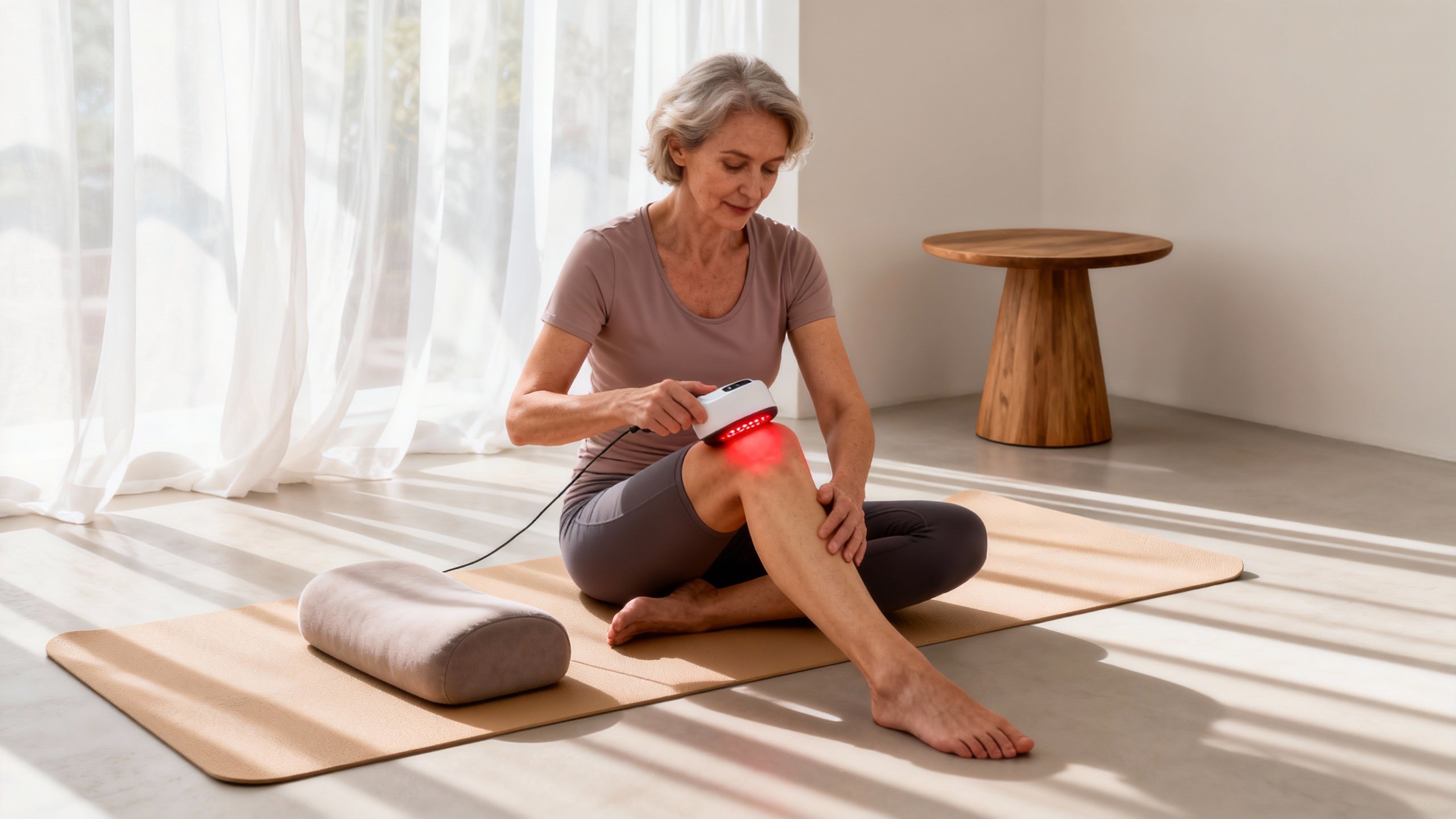
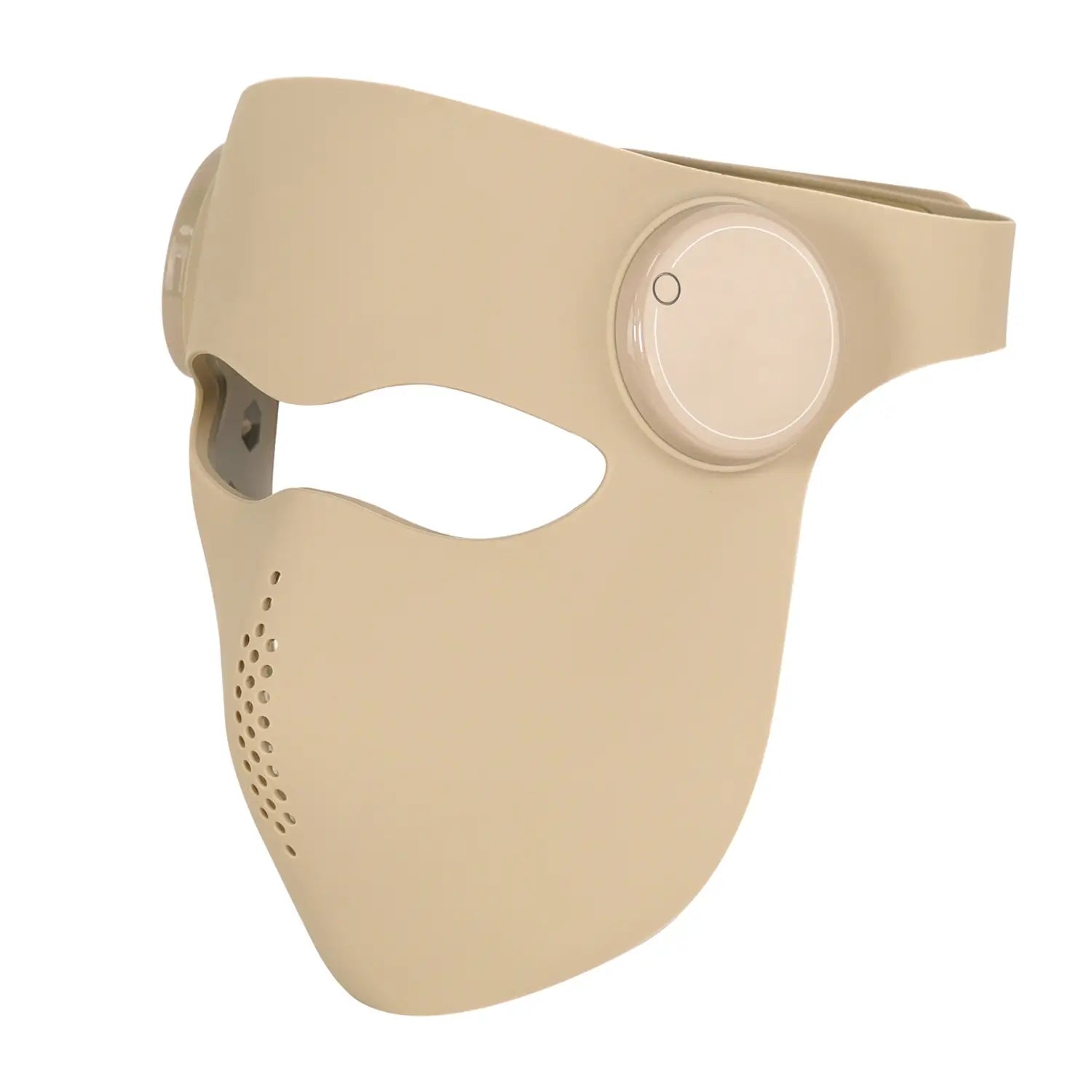
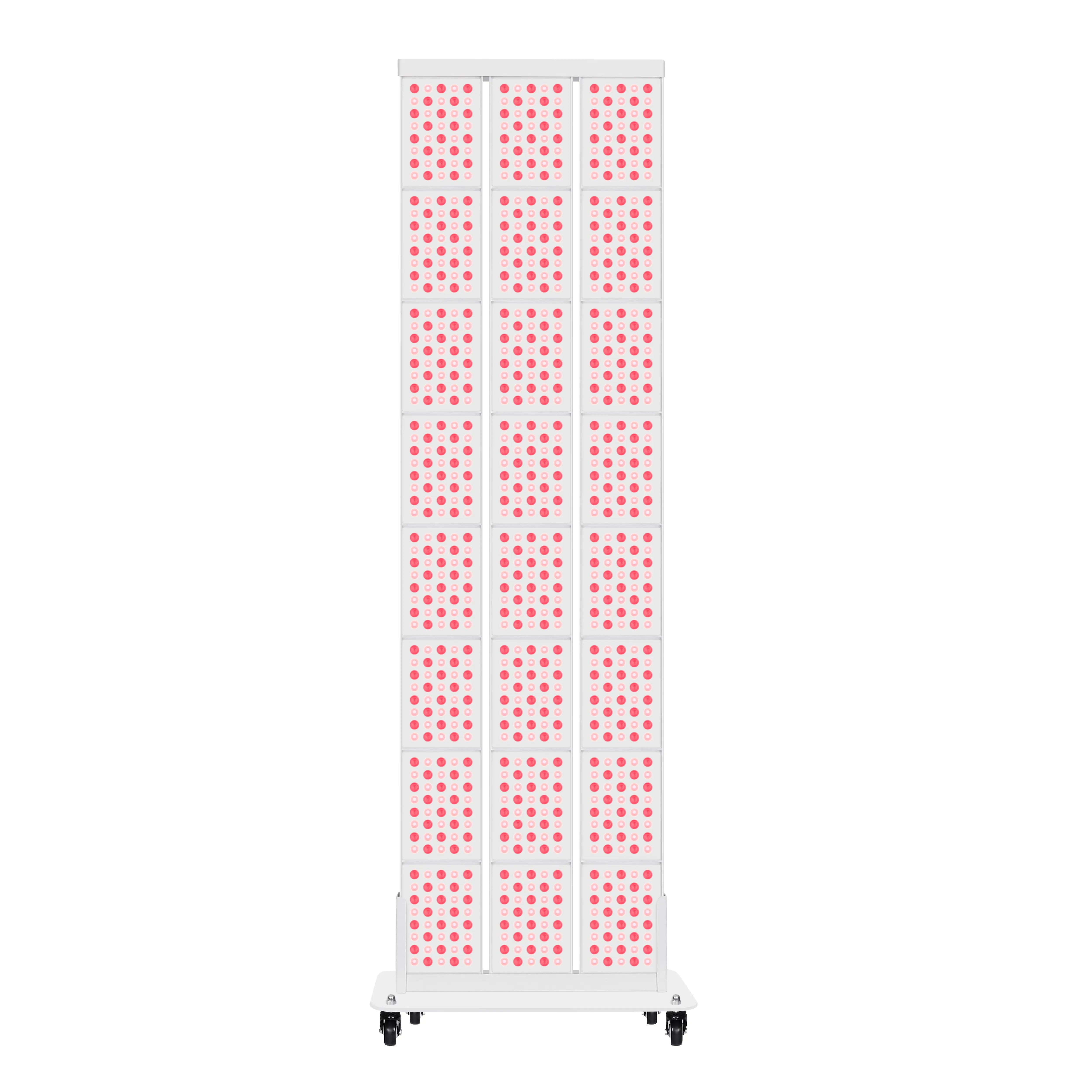
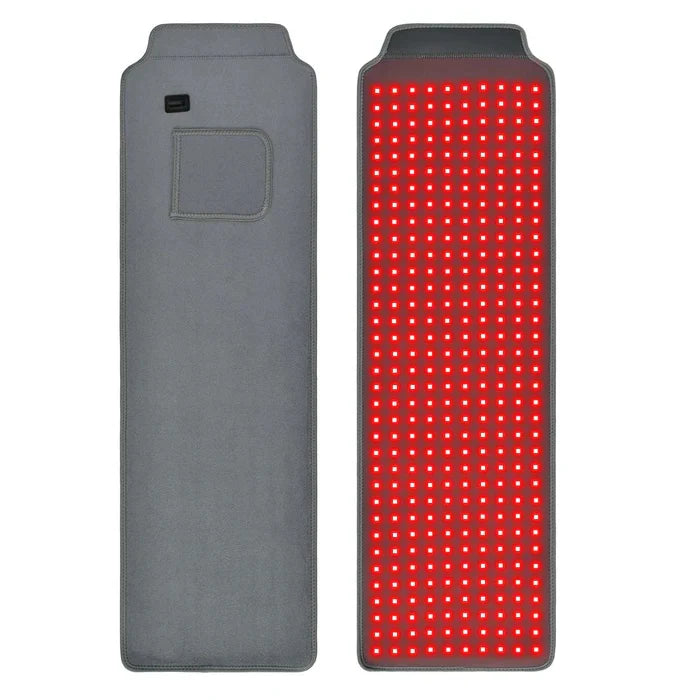
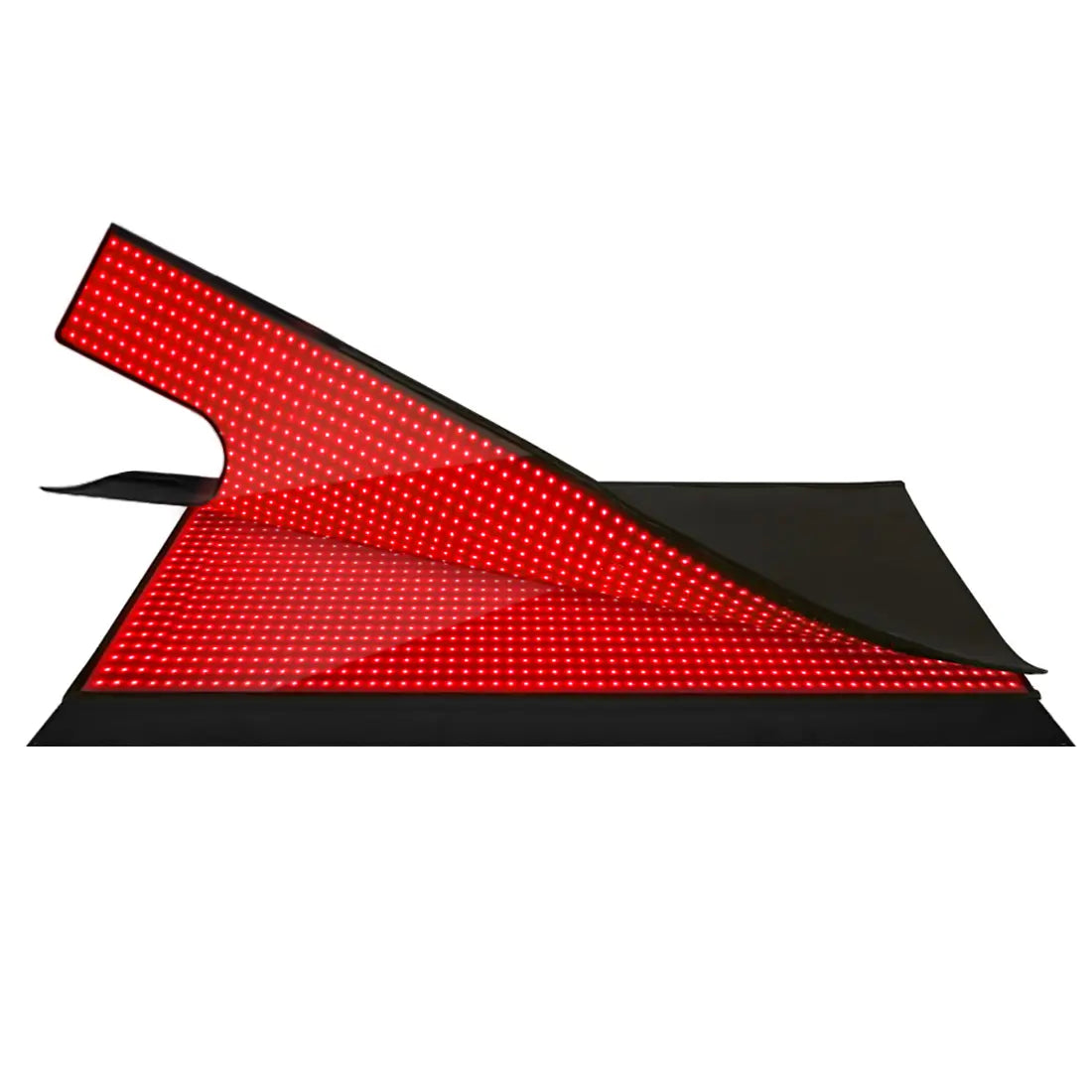
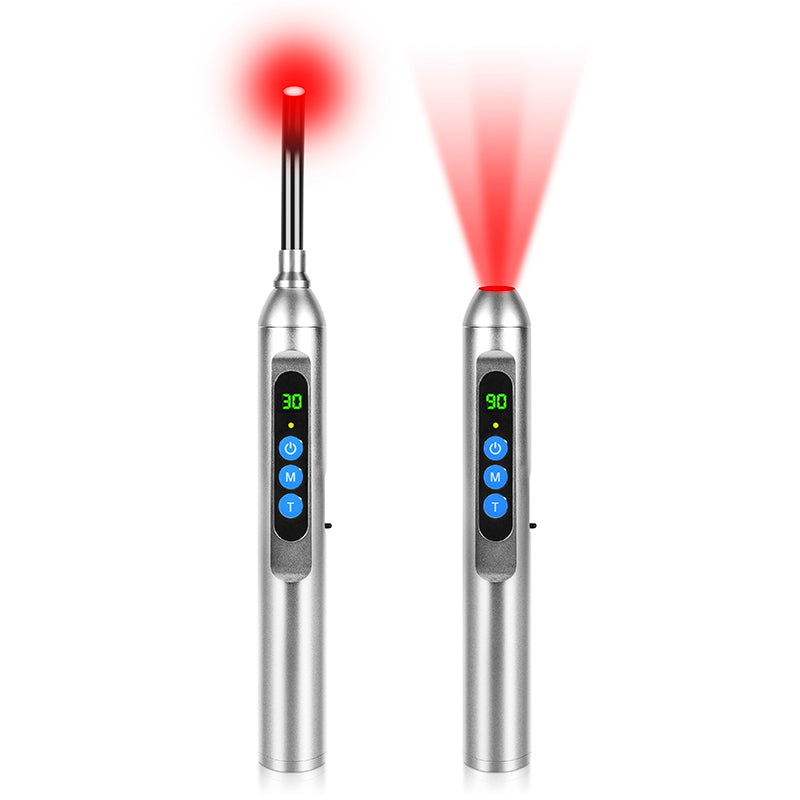
For shoulder work at home, swimmers typically gravitate toward midsized panels that can cover the entire shoulder girdle or flexible pads that wrap around the joint. Handheld wands and spot lasers can work but are slow to cover all the angles of a complex joint like the shoulder.
Timing: when to use red light around swimming
Sports medicine and recovery articles aimed at athletes converge on a few practical timing patterns.
Pre‑exercise use can serve as muscular preconditioning. Some studies applying red or near‑infrared light to muscles shortly before strength or endurance work report increased repetitions to failure, improved time to exhaustion, or smaller dips in performance. Clinics working with athletes often use red light before intense sessions, especially when an area is prone to pain or stiffness.
Post‑exercise use, especially within the first couple of hours after training, targets inflammation and soreness. Several protocols that showed better muscle recovery applied light soon after exercise and continued for a day or two to cover the early inflammatory phase.
Regular evening use can support sleep and overall recovery. Fitness clubs and sleep researchers highlight ten to twenty minutes of red light exposure in the evening as a way to support circadian rhythm and melatonin production, with some athlete data showing improved sleep quality and hormone profiles.
Typical research‑style protocols for skin, pain, or recovery cluster around ten to twenty minutes per treatment area, multiple times per week, sustained for weeks. Practical guides grounded in evidence describe sessions of about ten to twenty minutes three times per week for skin and eight or more weeks of consistent use before judging results, and shorter but more frequent sessions for acute joint or muscle pain.
An important detail from photobiomodulation research is that more is not always better. Dose‑response curves often show a biphasic pattern: too little light does nothing, a moderate zone supports repair, and too much can blunt or reverse benefits. A research review for consumers specifically warns that going far beyond recommended times or power can reduce effectiveness and even increase side effects such as irritation or, at extreme intensities, burns or blistering. For swimmers, that means sticking close to the manufacturer’s evidence‑based guidelines or those of a therapist, rather than doubling or tripling exposure in the hope of faster gains.
A realistic example of a shoulder session
Picture a butterfly specialist with a history of shoulder soreness. On heavy training days, the plan might look like this:
After the last set and a cool‑down, the swimmer completes their usual recovery routine, including nutrition, gentle mobility, and, if prescribed, shoulder exercises.
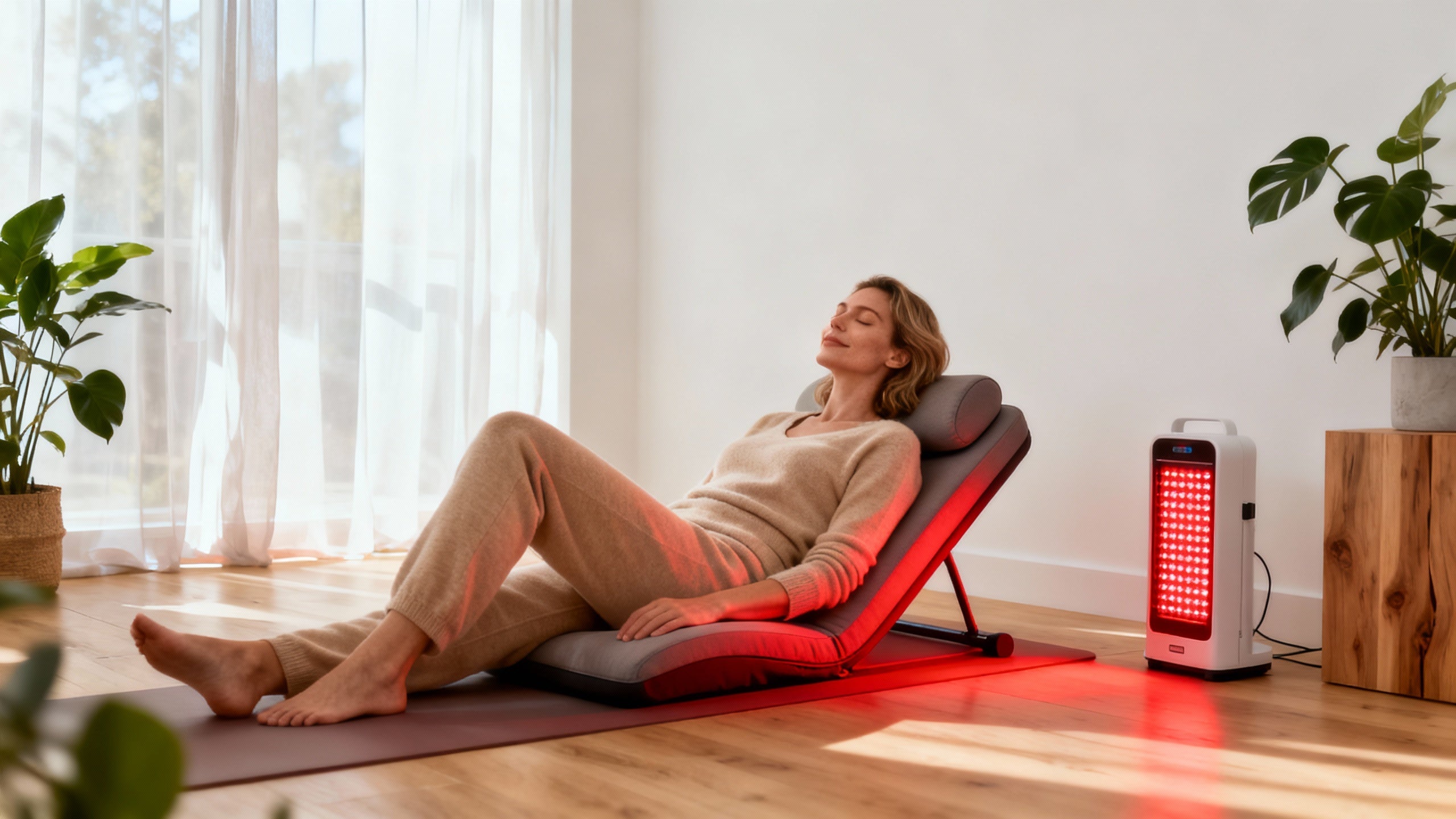
Within a couple of hours, at home, they sit or stand so that one shoulder is about a foot from a red and near‑infrared panel that covers the front and side of the joint. The device is set for about ten to fifteen minutes. The swimmer avoids looking directly at the LEDs and wears protective goggles if the beam is near eye level.
The same shoulder is then exposed from the back so that the light reaches the rotator cuff and shoulder blade muscles. Another ten or so minutes completes the session.
On non‑training or light‑training days, the swimmer might use shorter evening sessions aimed at general recovery and sleep, with the panel hitting both shoulders and upper back at the same time.
Over eight to twelve weeks, the swimmer tracks shoulder pain scores, soreness after key sessions, and any changes in sleep or general recovery. If there is no clear benefit after that kind of consistent trial, it is reasonable to conclude that red light is not worth their time.
The key is that the red light work is layered on top of, not instead of, technique refinement, strength and mobility work, and medically guided rehab when needed.
Integrating with rehab and prehab
Major health systems and clinical reviews are unanimous on one point: red light therapy should be considered a complement to standard care, not a replacement for it.
Dermatology and pain specialists advise patients to consult a physician first, confirm the diagnosis, and use red light alongside established treatments rather than in place of them. Sports rehab clinics emphasize that combining photobiomodulation with manual therapy, corrective exercise, and movement retraining can amplify results, especially in chronic overuse injuries.
For swimmer shoulders, that means using red light to:
Calm down pain and inflammation enough to allow proper scapular and rotator cuff strengthening.
Potentially reduce reliance on pain medications for some athletes, as suggested by orthopedic sports physicians who value anything that can decrease medication load.
Support late‑stage rehab and return‑to‑full‑training phases, when the tissues are structurally sound but still irritable under high volumes.
It does not mean skipping imaging when indicated, delaying needed surgery, or avoiding the hard, often unglamorous work of restoring strength and control.
Pros and Cons For Swimmers
Swimmers are pragmatists at heart. Here is how I would frame the major advantages and limitations of red light therapy for shoulder health based on the research.
On the plus side, red light therapy is noninvasive and generally well tolerated. Multiple medical centers, including Cleveland Clinic, UCLA Health, and MD Anderson, describe it as non‑toxic and safer than ultraviolet light when used correctly. Studies and clinical experience suggest meaningful reductions in various types of musculoskeletal pain, modest improvements in muscle recovery, and real changes in tissue biology such as collagen density and inflammatory markers. Sleep and mood benefits, while less firmly established, are supported by some athlete and dementia studies, and many patients and athletes anecdotally report better sleep and stress resilience.
For shoulder‑heavy swimmers, that constellation of effects can translate into less post‑practice soreness, better tolerance of training loads, and perhaps more stable moods and sleep during heavy blocks.
The limitations are just as important. Evidence for direct performance gains is inconsistent and often underwhelming, with critical sports science reviews concluding that red light is not a proven performance booster and may not justify expensive devices if that is your sole goal. Most pain and recovery benefits depend on ongoing use; once therapy stops, symptoms often drift back toward baseline over weeks. Shoulder‑specific trials in swimmers are essentially nonexistent, so you are always extrapolating from other muscles and joints.
Cost is nontrivial. Home devices start under one hundred dollars, but panels with enough power and coverage for both shoulders routinely run into the hundreds or thousands, and clinic treatments add ongoing visit costs. Insurance rarely covers red light for sports or wellness uses.
Finally, red light does not repair structural problems. Orthopedic and sports medicine experts are explicit that it cannot fix ligament tears, fully reverse advanced osteoarthritis, or stand in for surgery when it is truly indicated. It can help you feel and function better while you address those problems, but it does not replace them.
Safety, Risks, and When To Be Cautious
The safety profile of red light therapy is one of the reasons I am comfortable exploring it with athletes, but “low risk” does not mean “zero risk.”
Medical reviews and health system guidance agree on these safety points:
At therapeutic doses and wavelengths, red and near‑infrared light is non‑ionizing and does not damage DNA. Major centers note that there is no evidence that red light therapy causes cancer, in contrast to ultraviolet exposure.
Short‑term side effects are usually mild when they occur at all: temporary redness, warmth, tightness, or slight irritation of the skin, which generally resolve within hours.
Eye safety matters. Direct exposure of the eyes to bright LEDs or laser beams can be harmful. Patients in clinical settings wear protective goggles, and consumer guidance consistently recommends shielding the eyes and not staring into the light.
Burns and blistering are possible if devices are misused at extreme intensities or for much longer than recommended. At least one clinical trial reported blistering at very high experimental power settings. Typical consumer devices are below those levels, but the episode underscores why pushing far beyond guidelines is unwise.
Photosensitivity is a concern for some people. Certain medications and supplements, as well as conditions such as lupus, can make skin more sensitive to light. Clinical advice is to talk to your physician before starting red light therapy if you are on photosensitizing drugs or have a light‑sensitive condition, and to consider patch tests or lower initial intensities.
Pregnancy is a gray area. Limited data, including a study of hundreds of women using low‑level laser treatments, have not shown harm, but most experts still recommend caution. Many manufacturers list pregnancy as a precaution or contraindication, and pregnant athletes are advised to check with their obstetric provider before using red light, especially over the abdomen.
Long‑term safety data are still developing. Dermatology and pain societies emphasize that while short‑term use appears safe, the full long‑term risk profile of frequent, high‑dose red light exposure over many years is not completely mapped out.
Practically, if you are a swimmer considering red light for your shoulders, I suggest:
Discussing the plan with a sports physician, orthopedic specialist, or knowledgeable physical therapist, especially if you have medical conditions or take regular medications.
Protecting your eyes consistently, especially when treating the upper body.
Starting with conservative doses and backing off if you notice persistent redness, pigmentation changes, or new discomfort in the treated area.
Treating red light as therapeutic rather than cosmetic: if it is not delivering noticeable benefits after a well‑designed trial period, it is reasonable to stop.
How I Use Red Light With Swimmer Shoulders
In my own training and in conversations with serious swimmers and coaches, I treat red light therapy as a recovery amplifier, not a cornerstone. When a swimmer has a grumpy shoulder but no major structural damage, the hierarchy looks like this.
Technique and load management come first. Cleaning up hand entry, catch mechanics, and breathing patterns, and adjusting training volume and intensity, will always beat gadgets.
Targeted strength and mobility sit next. Building rotator cuff and scapular strength, restoring thoracic mobility, and ironing out muscle imbalances is non‑negotiable.
Sleep, nutrition, and stress management provide the systemic foundation. Red light’s potential benefits for sleep and inflammation only really show up when these basics are in decent shape.
Red light therapy then slots in as a non‑invasive tool layered on top. I am most interested in it during high‑intensity blocks when shoulder soreness threatens consistency, and in the late stages of rehab when tissue is structurally sound but still easily irritated. A swimmer who is already diligent with rehab and recovery and is willing to follow a consistent protocol for several weeks is a good candidate to trial it.
What I look for are practical outcomes: softer soreness after key sets, fewer missed reps because of shoulder pain, improved comfort doing rehab exercises, and better self‑reported sleep and recovery. If those measures move in the right direction without side effects, red light has earned a place in that swimmer’s toolbox. If not, the device is just an expensive night light.
In short, red light therapy can be a smart, science‑aligned way to support shoulder health for dedicated swimmers, as long as you keep it in its proper role: an adjunct to excellent training, rehab, and recovery habits, not a magic beam that replaces them.

References
- https://lms-dev.api.berkeley.edu/red-light-therapy-research
- https://spinoff.nasa.gov/NASA-Research-Illuminates-Medical-Uses-of-Light
- https://pmc.ncbi.nlm.nih.gov/articles/PMC3926176/
- https://safety.dev.colostate.edu/uploaded-files/Um1y57/1GF050/joovv__red_light-therapy__benefits.pdf
- https://behrend.psu.edu/student-life/student-services/counseling-center/services-for-students/wellness-offerings/red-light-therapy
- https://med.stanford.edu/news/insights/2025/02/red-light-therapy-skin-hair-medical-clinics.html
- https://www.mainlinehealth.org/blog/what-is-red-light-therapy
- https://www.mdanderson.org/cancerwise/what-is-red-light-therapy.h00-159701490.html
- https://my.clevelandclinic.org/health/articles/22114-red-light-therapy
- https://newhealthjournal.org/news/does-red-light-therapy-work-research/