
Cyclists live and die by their knees. You can have perfect heart and lungs, a dialed nutrition plan, and a pro-level bike, but if your knees flare up halfway through a training block, everything stalls. As someone who has spent years experimenting with light panels, wraparound pads, and clinic-grade systems, I see red light therapy as one of the most promising tools to keep cyclists’ knees calmer, stronger, and more consistent over time.
This guide walks through what red light therapy actually is, how it interacts with knee structures, what the research says for osteoarthritis and athletic recovery, and how to integrate it intelligently into a cycling routine without falling for “miracle gadget” hype.
Why Cyclists’ Knees Hurt So Often
Knee pain is not just an “older rider” problem. A synthesis of knee-pain content from clinical and wellness sources notes that discomfort can come from arthritis (especially osteoarthritis and rheumatoid arthritis), acute injuries such as ligament or meniscus tears, overuse patterns like tendinitis and bursitis, and mechanical issues that change how force passes through the joint. Several medical and wellness articles emphasize that knee pain, regardless of cause, can significantly impair daily function, stair climbing, and tolerance for walking, cycling, and light jogging.
For cyclists, repetitive flexion and extension under load means any underlying issue in cartilage, tendon, or surrounding tissue is exposed thousands of times per ride. Over time, this can feed the classic pattern many riders report: stiff knees in the morning, soreness during long rides, and lingering inflammation after harder sessions.
Traditional management revolves around rest, ice, nonsteroidal anti-inflammatory drugs, injections such as corticosteroids or hyaluronic acid, bracing, and in more advanced cases surgical options. Evidence-based guidance strongly favors physical therapy and structured exercise to strengthen supporting muscles and improve joint mechanics as first-line care, with medications and injections as adjuncts. That is the non-negotiable foundation.
Red light therapy enters as a potential noninvasive adjunct that can reduce pain and inflammation, support tissue repair, and help cyclists tolerate the training that actually makes them fitter.

What Red Light Therapy Actually Is
Red light therapy, often called photobiomodulation or low-level light therapy, uses low-intensity red and near-infrared light to stimulate biological processes in cells. Cleveland Clinic describes it as a way of directing low levels of red or near-infrared light at the mitochondria (the cell’s energy factories) to boost energy production, potentially supporting repair and reducing inflammation. Related terms in the medical literature include low-level laser therapy, non-thermal LED light, photonic stimulation, and phototherapy.
Multiple sources converge on a similar wavelength window. Therapeutic devices for joints and muscles generally use red light around 630–660 nanometers and near-infrared light roughly between 780–860 nanometers, and sometimes up to about 1,000 nanometers. This band is sometimes called an optical window because these wavelengths can penetrate through skin into deeper tissues while being absorbed by key cellular structures.
Unlike ultraviolet light, therapeutic red and near-infrared does not tan or burn the skin and is considered noninvasive when used at appropriate doses. It is used in dermatology for skin rejuvenation, in photodynamic therapy combined with drugs for certain skin conditions, and increasingly in musculoskeletal care for arthritis, tendon problems, and post-exercise recovery.
How Light Interacts with Knee Tissue
Mitochondria, ATP, and Knee Recovery
Across athletic and medical sources, the core story is cellular energy. Photons in the red and near-infrared range are absorbed by mitochondrial chromophores such as cytochrome c oxidase. Functionally, this can:
Increase ATP production. Several athletic recovery articles describe significant boosts in mitochondrial ATP output, sometimes quoting up to 200 percent increases in experimental settings. ATP is the energy currency that powers muscle contraction and the work of tissue repair.
Modulate nitric oxide and blood flow. By displacing nitric oxide from the mitochondrial chain and influencing vascular signaling, red light therapy can improve local circulation. Studies summarized by sports-medicine and recovery providers note better oxygen delivery and faster clearance of metabolic byproducts after exercise.
Tame oxidative stress and inflammation. Oxidative stress occurs when reactive oxygen species outpace the body’s antioxidant defenses. Light therapy, according to multiple knee-pain and athletic-recovery sources, can reduce excessive oxidative stress, influence inflammatory cytokines, and support a more balanced inflammatory response.
At a tissue level around the knee, these cellular effects translate into improved collagen production, more efficient remodeling of connective tissue, and better support for cartilage, tendons, and surrounding musculature.
Pain Signaling and Nerve Effects
Pain relief is not just about healing faster; it is also about changing how nerves transmit pain signals. A dedicated knee-pain red light article for degenerative osteoarthritis describes two interesting mechanisms in nerve tissue:
First, red light alters nerve cell permeability to sodium ions, which changes how easily the nerve fires.
Second, it raises the threshold for activation so nerves become less excitable to painful stimuli.
Additionally, red light exposure can stimulate release of endogenous opioids and endorphins, the body’s built-in pain-relief chemicals. This combination of altered nerve signaling and natural analgesic release fits well with clinical reports of decreased pain scores in osteoarthritis trials after red and infrared light treatment.
Why Knees Respond Particularly Well
Knees are a mix of superficial and deeper structures: skin and subcutaneous tissue, ligaments, menisci, articular cartilage, synovial fluid, and nearby muscle-tendon units. The research notes highlight important distinctions among wavelengths:
Visible red light around 630–660 nanometers tends to act more on superficial tissues and near-surface structures. It supports skin-level repair, blood flow in superficial vessels, and some aspects of joint support.
Near-infrared light around 810–850 nanometers and similar bands penetrates more deeply into muscles, fascia, tendons, ligaments, and even parts of bone and articular surfaces. This is why many joint-focused and athlete-focused protocols emphasize near-infrared for deeper chronic pain and joint disorders.
Several knee-specific sources (including osteoarthritis content and chiropractic knee protocols) emphasize combining red and near-infrared light to cover both superficial and deeper structures. That means a knee wrap or panel that includes both 660 nanometer red and roughly 850 nanometer near-infrared diodes is not a marketing gimmick; it is aligned with what the literature suggests for joint coverage.
Evidence for Knee Pain and Function
Osteoarthritis and General Knee Pain
A frequently cited randomized controlled trial in degenerative knee osteoarthritis enrolled 50 older adults and compared narrow-band red light, narrow-band infrared light, and placebo devices. Participants treated both knees for 15 minutes twice daily over 10 days. The red and infrared groups achieved more than 50 percent reductions in pain scores across multiple scales and showed significant improvements in disability indices, while the placebo group did not. Follow-up showed that the pain-relief interval after the treatment series averaged roughly four to six months in the active light groups compared with about half a month in the placebo group.
A more recent systematic review in Lasers in Medical Science focused on knee osteoarthritis and concluded that appropriately dosed therapeutic red and near-infrared light can significantly reduce pain and improve knee function compared with placebo, though protocols varied between trials. A review in Frontiers in Medicine and a randomized trial in Pain and Therapy echoed these findings, reporting meaningful improvements in pain, stiffness, and physical function when therapeutic-grade devices and structured treatment schedules were used.
Other knee-pain resources synthesize broader experience and smaller studies, noting reductions in day-to-day and morning pain, easier stair climbing and warm-up, improved exercise tolerance for walking and light jogging, and calmer joints during inflammatory flares. Importantly, these sources consistently frame red light therapy as a complement to weight management, physical therapy, and exercise, not a replacement.
Athletes, Muscle Recovery, and DOMS
When we look at athletic performance, the story shifts from chronic arthritis to acute muscle stress and recovery. A narrative review of photobiomodulation in human muscle tissue examined 46 clinical trials with over 1,000 participants and found that properly dosed red and near-infrared light applied before exercise (muscular pre-conditioning) often increased time to exhaustion, repetitions, or total work, while reducing markers of muscle damage like creatine kinase and inflammatory proteins. Results were mixed, but positive effects tended to appear when wavelength, energy dose, and application sites were carefully chosen.
Sports performance articles for athletes and cyclists highlight several consistent patterns:
Muscle soreness and DOMS reduction. Some reports describe up to 50 percent reductions in delayed onset muscle soreness after intense exercise when red light protocols are used, allowing athletes to train harder and more frequently.
Improved endurance and fatigue resistance. Studies summarized by sports-therapy providers show increased repetitions to failure, longer time to exhaustion, and better maintenance of torque in some protocols using wavelengths in the 660–850 nanometer range.
Faster recovery and injury support. Athletic content notes shorter healing times for strains and tendon issues, with one pilot study in Laser Therapy reporting university athletes with sports injuries returning to play in an average of about 9.6 days compared with an expected 19.23 days with conventional care, plus large drops in pain scores without reported adverse effects.
Cycling-specific content extends these findings. A cycling performance article notes that in a 2023 clinical trial, cyclists using red light therapy saw roughly a 50 percent reduction in muscle soreness after rides compared with controls. Case examples include a triathlete who improved functional threshold power and experienced roughly 40 percent less post-ride leg soreness, and a 52-year-old cyclist who eliminated post-ride knee pain after several sessions. While these anecdotes are not randomized trials, they align with the trends seen in broader athletic research.
Pros and Cons for Cyclists with Knee Pain
Key Advantages
From a veteran-wellness-optimizer perspective, red light therapy brings several attractive features for cyclists:
It is noninvasive and drug-free. Unlike injections or long-term medication use, photobiomodulation relies on light, not chemicals, to nudge biology in a helpful direction.
It targets inflammation and oxidative stress directly in the joint region. Multiple knee and pain-management sources highlight reductions in inflammatory cytokines, edema, and oxidative markers after appropriately dosed treatment.
It supports both symptom relief and tissue quality. Studies and clinical reports point to improved collagen production, better circulation, and enhanced mitochondrial function, which together support healthier joint and muscle tissue.
The safety profile is favorable for most adults. Cleveland Clinic, UCLA Health, and other major health systems describe red light therapy as generally safe and non-toxic when used for short periods and at recommended intensities, with side effects usually limited to temporary warmth, mild redness, or irritation from overuse.
It integrates well with cycling-friendly rehab. Clinical content repeatedly notes that combining red light therapy with supervised exercise and physical therapy often yields better outcomes than exercise alone for knee osteoarthritis and overuse injuries.
Real Limitations and Drawbacks
If you are expecting a magic beam to erase structural damage, you will be disappointed. The more cautious medical summaries make several important points:
Evidence quality is variable. Many trials are small, sometimes lack rigorous placebo control, and use different wavelengths, doses, and application times. Reviews consistently call for larger, better-designed studies before definitive clinical guidelines can be set.
It does not fix mechanical problems. University Hospitals and other medical sources stress that red light therapy cannot reverse advanced osteoarthritis or repair a torn ligament or meniscus. It may ease pain and inflammation but does not rebuild joint architecture.
Results are not guaranteed and usually require consistency. Most protocols showing benefit involve multiple sessions per week over several weeks. If you use a device sporadically, you should not expect the same kind of changes seen in structured trials.
Devices vary widely in power and quality. Office-based systems tend to be more powerful and standardized than many consumer gadgets. At-home devices frequently have lower irradiance and may deliver too little energy if not used correctly.
There are cost and time considerations. Sessions with professionals are usually not covered by insurance, and repeated visits can add up. Home devices range from under one hundred dollars for small wands into the hundreds or thousands for panels and full-body systems.
Long-term safety of heavy, chronic use is not fully known. Current evidence suggests short-term safety with few adverse effects, but large-scale long-term data on daily consumer use are limited, so most experts recommend avoiding excessive dosing and following manufacturer guidance.

Choosing a Device for Cyclists’ Knees
When you strip away the marketing, the fundamentals of a knee-focused device are clear across multiple knee and athlete sources.
You want wavelengths in the therapeutic window. For joint and muscle work, the recurring bands are around 630–660 nanometers for red and about 810–850 nanometers for near-infrared, sometimes including slightly higher near-infrared wavelengths. Some knee products also use pulsed 904 nanometer diodes in line with World Association for Laser Therapy guidance.
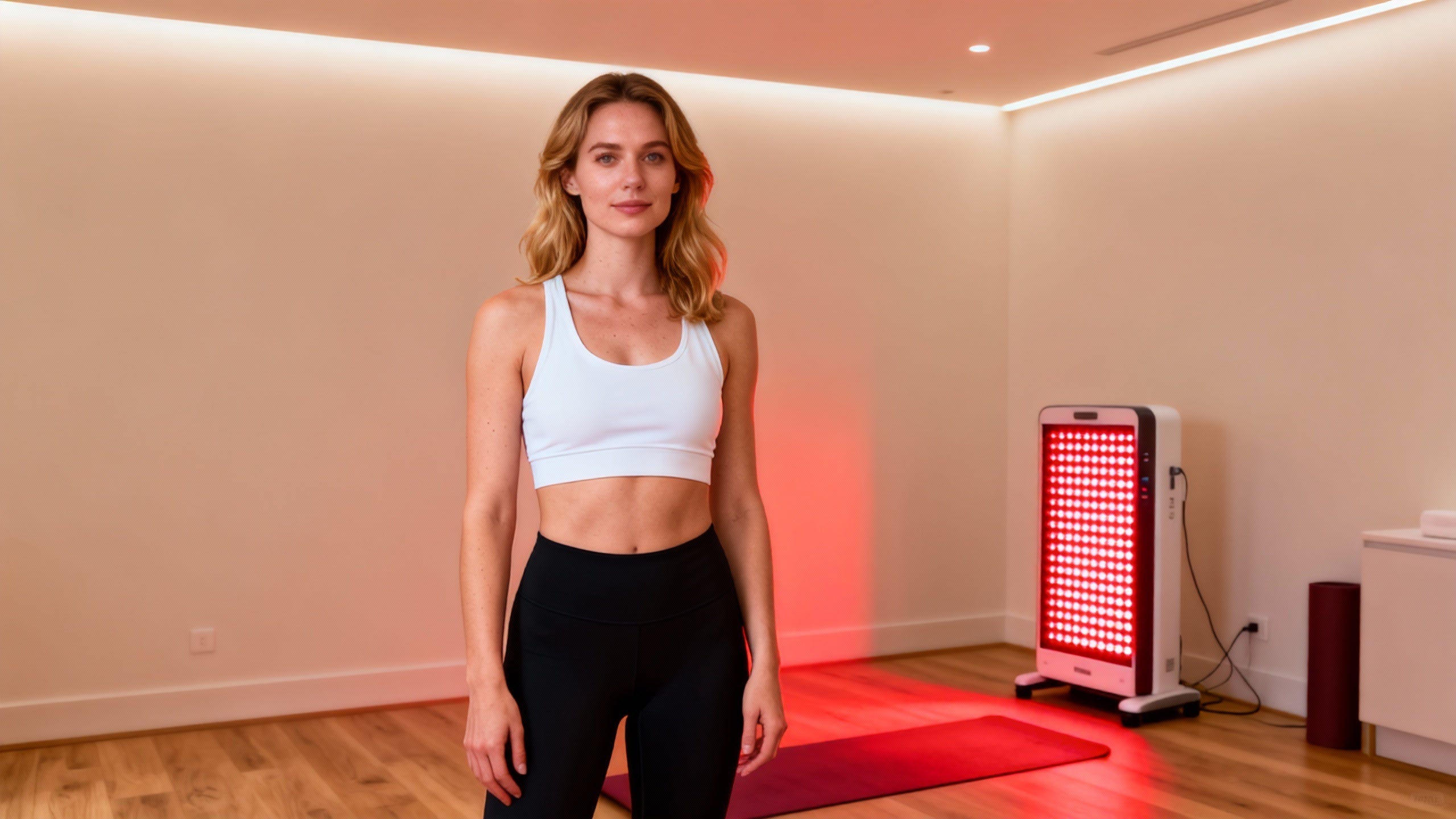
You need enough power and coverage. Articles on arthritis and athletic recovery emphasize adequate power density and an ability to cover the whole knee joint line, not just a tiny spot. Panels, wraparound pads, or knee-specific devices with clusters of diodes all aim to solve this.
You should be able to position the device consistently. Practical features such as timers, clear distance markers, stable mounts, or wraparound straps make it easier to reproduce the same dose each session and keep the light exactly where you want it.
Medical and performance sources commonly recommend choosing devices that are FDA-cleared or clinically tested for musculoskeletal uses and that clearly state wavelength and power density. That helps filter out generic red glow products intended only for cosmetic skincare.
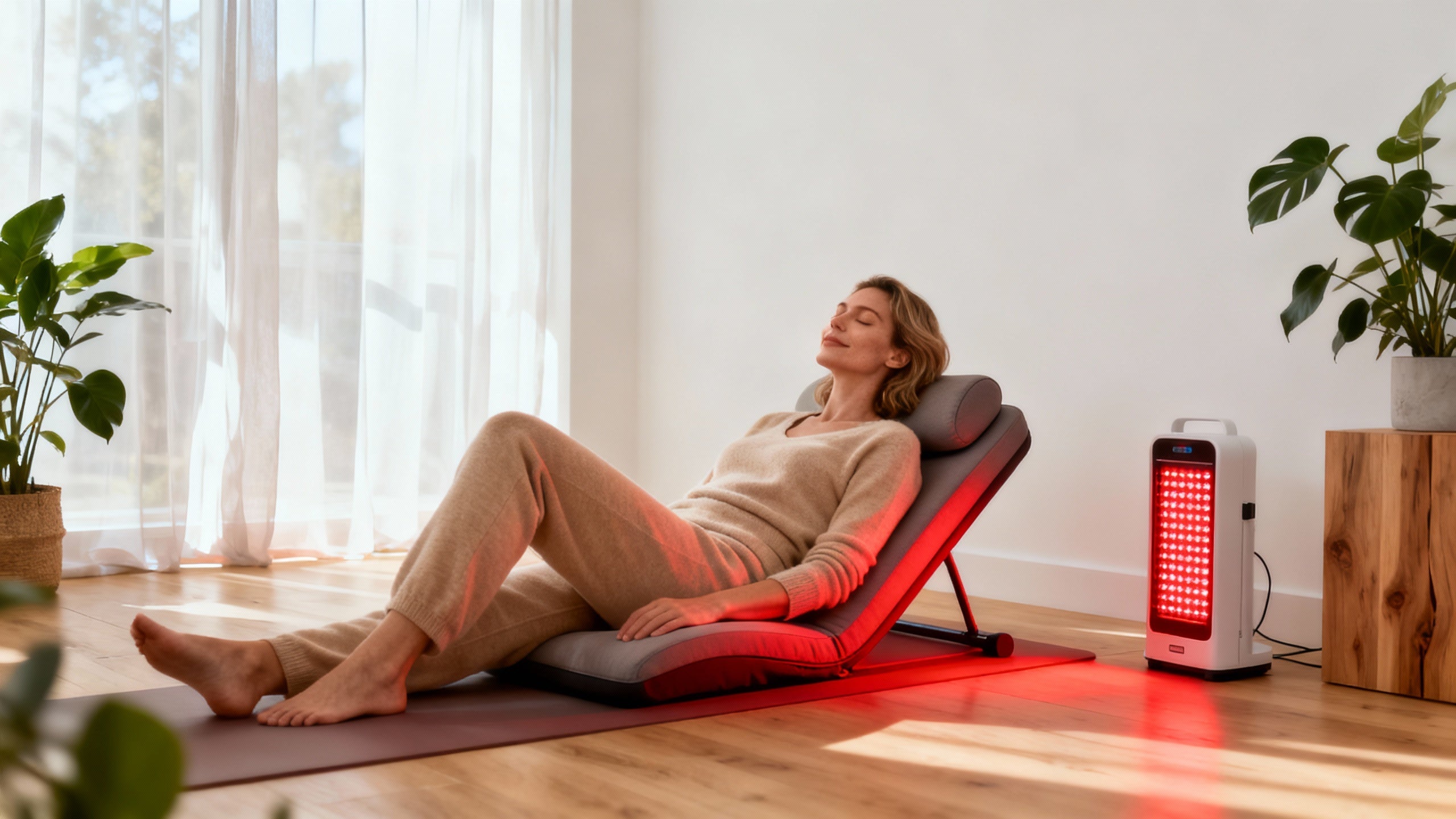
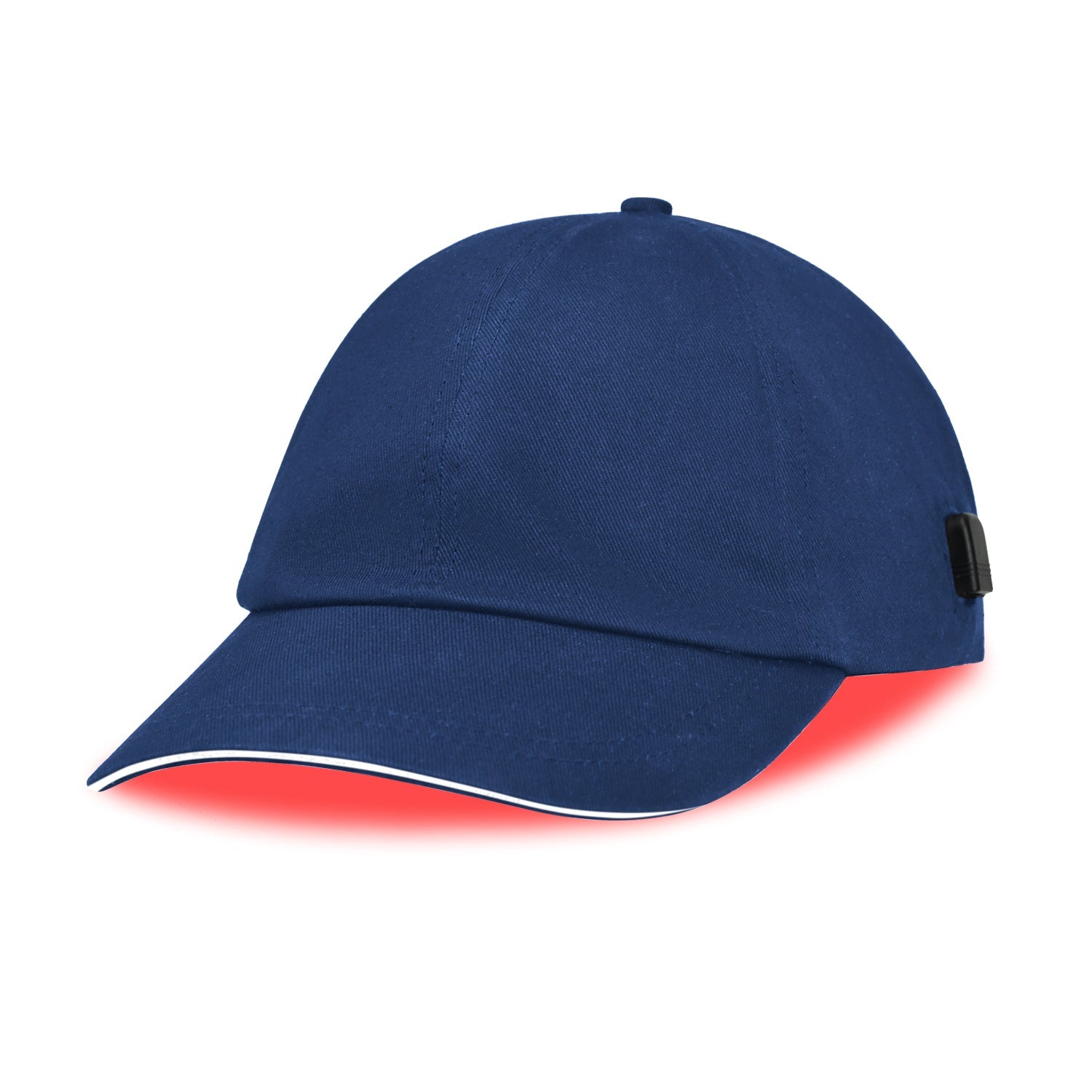
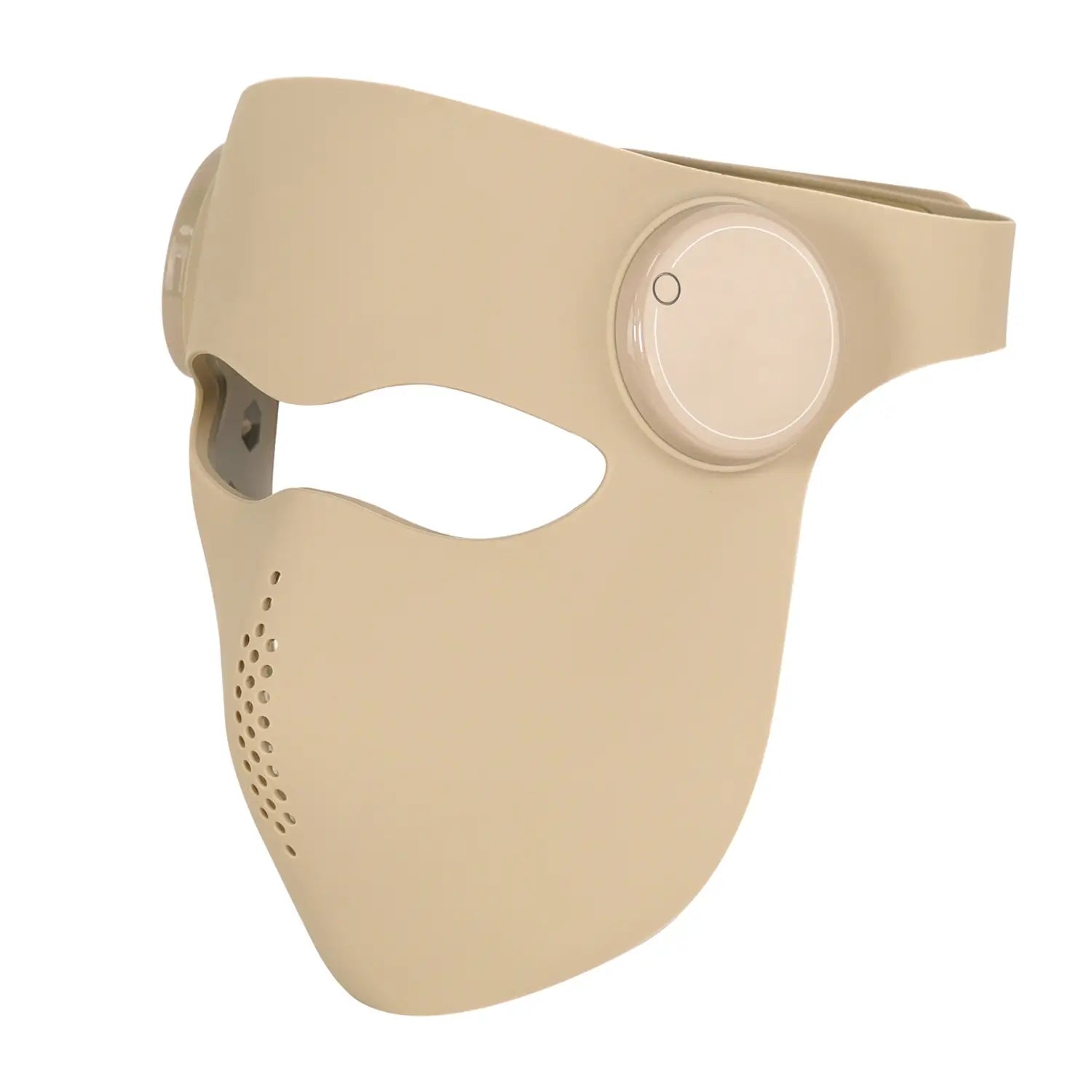
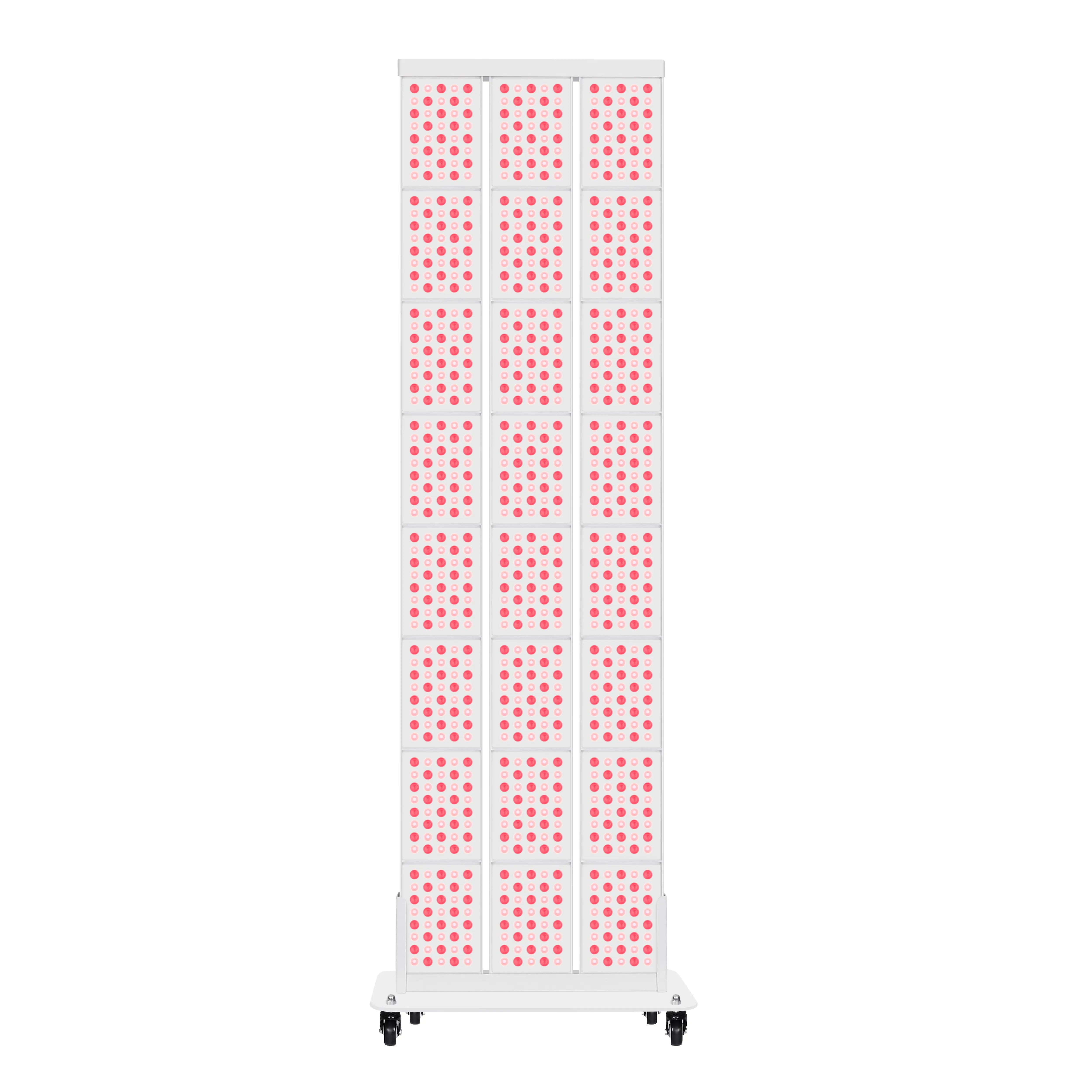
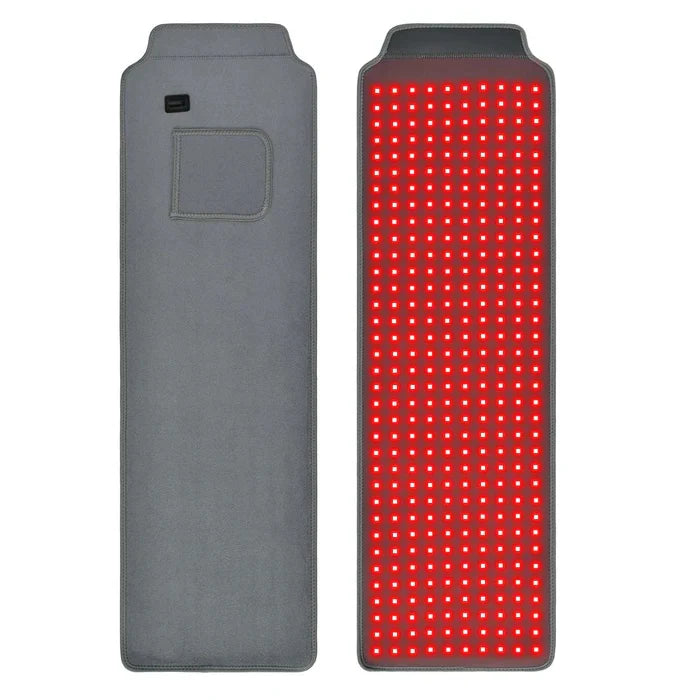
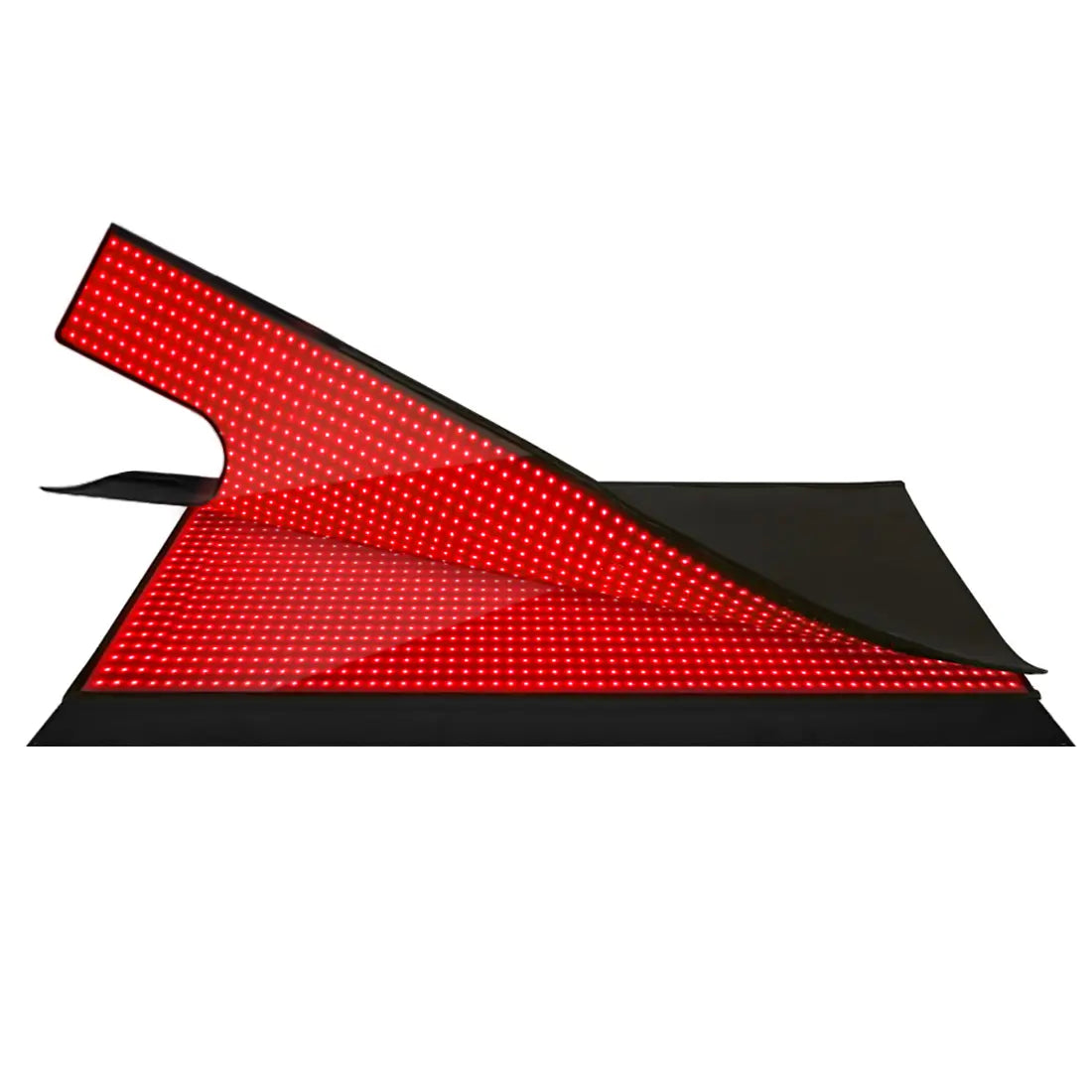
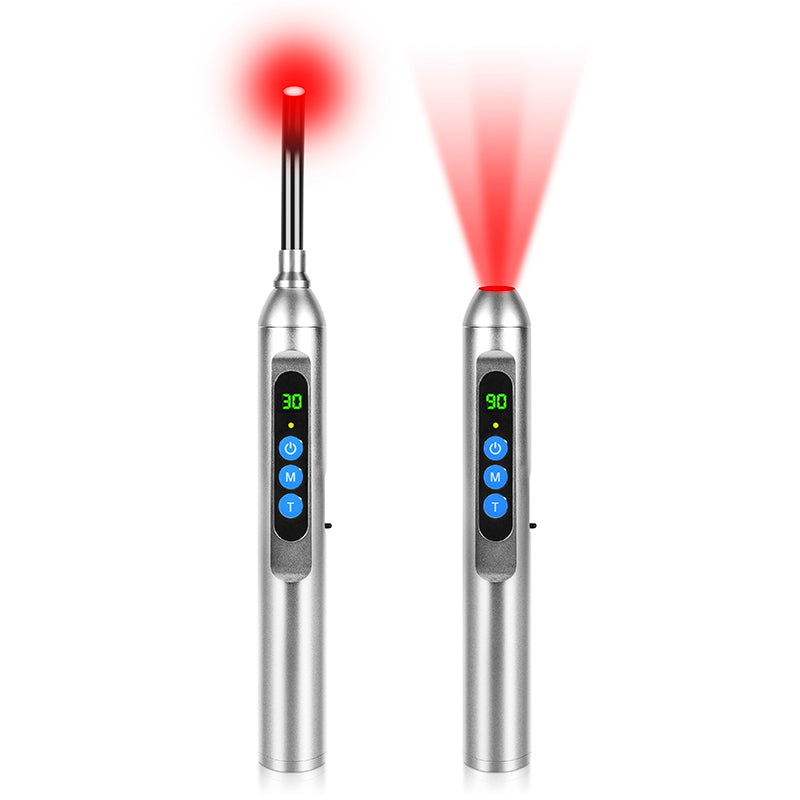
Here is a simple way to think about device categories for cyclists:
Device type |
Best use around the knee |
Practical notes for cyclists |
Wrap or pad |
Focused knee pain, osteoarthritis, post-ride soreness |
Easy to strap on while seated; often combines 660 and 850 nm LEDs |
Small panel |
Both knees or knee plus quads/hamstrings |
Good for home use; requires holding position or using a stand |
Large panel or bed |
Systemic recovery plus knees |
Useful in recovery-focused facilities; more costly and less portable |
Clinic-grade laser/LED |
Complex or stubborn knee issues under supervision |
Higher intensity and standardized protocols but require clinic visits |
The right choice depends on budget, how often you want to treat, and whether you prefer at-home convenience or clinic guidance.
Evidence-Informed Parameters for Knee Joints
Different sources converge on similar ranges for joint dosing, especially for osteoarthritis and chronic knee pain:
Home-use routines for knee osteoarthritis often involve sessions of about 10–20 minutes per knee, three to five times per week for four to eight weeks. This pattern appears in evidence summaries and consumer-facing medical content.
World Association for Laser Therapy guidance cited in knee articles suggests delivering several joules of energy per treatment point in the 785–860 nanometer range (or lower joule levels at 904 nanometers), applied across multiple points around the joint line.
Athletic recovery protocols described by sports rehabilitation clinics tend to use wavelengths in the 810–850 nanometer range, with sessions of roughly 10–20 minutes per treated body area. When used before exercise, the emphasis is on performance and fatigue resistance; when used after exercise, the target shifts to recovery and inflammation.
Cycling-specific recommendations suggest three to five sessions per week for general training and recovery maintenance, with frequency increasing to one or two sessions per day during heavy training blocks or stage events. Timing suggestions include applying red light therapy 20–30 minutes before hard sessions or races to prime blood flow and within one to two hours after training to reduce soreness and support tissue repair. Session duration depends on device size: smaller, targeted devices might require about 5–10 minutes per area, while larger panels often need approximately 10–20 minutes per exposure.
The common thread is that you should follow manufacturer instructions for distance and time, watch for signs of overuse such as skin irritation or headaches, and adjust dose gradually rather than assuming more is always better.
Integrating Red Light Therapy into a Cycling Routine
Think of red light as a way to improve the “terrain” in and around the knee so that your strength training, mobility work, and smart programming can do their job.
Many sports medicine and cycling-focused sources suggest using red light therapy both on training days and on rest days in slightly different ways.
Before hard rides or races, applying red or combination red and near-infrared light about 20–30 minutes beforehand may help increase local blood flow, improve oxygen delivery, and delay fatigue in working muscles. This is consistent with pre-conditioning protocols in the muscle-performance literature and with guidance from cycling platforms that integrate red light into race prep.
After intense sessions, using red light within about one to two hours can assist in shifting from performance to repair by supplying extra cellular energy to damaged tissues, supporting angiogenesis, and accelerating removal of metabolites. Athletes often report less stiffness, faster recovery sensation, and improved readiness for the next session after several weeks of consistent use.
On easier days or during deload weeks, some cyclists favor longer, more relaxed sessions focused purely on pain control and joint health, sometimes pairing red light therapy with low-intensity “spin-out” rides and mobility work.
Crucially, several clinical and sports sources recommend integrating red light with:
Regular low-impact movement rather than complete rest.
Targeted strength work for the quads, hamstrings, hips, and calves.
Gait or movement pattern work for those with arthritis or chronic overuse issues.
Anti-inflammatory nutrition habits and adequate sleep.
In other words, red light therapy is not the plan; it supports the plan.

Safety, Special Populations, and Smart Use
Across mainstream health systems, the safety signal for red light therapy is reassuring but not a free pass to ignore precautions.
Medical articles from organizations such as Cleveland Clinic, UCLA Health, and other hospital systems emphasize that when used short-term and as directed, red light therapy appears non-toxic, noninvasive, and free from cancer-causing ultraviolet light. Most reported side effects are mild and include temporary skin warmth, redness, or irritation if a device is used too long or too close.
Knee-focused and arthritis references add a few important caveats:
Avoid directing light over known or suspected malignancies unless specifically cleared by an oncologist.
People who are pregnant, have significant skin sensitivity, or take photosensitizing medications should consult their clinician first and consider either avoiding treatment or starting under professional supervision with very short sessions.
Eye protection is recommended, especially with higher-intensity panels or when treating areas near the face. Even when treating knees, many professionals encourage wearing goggles if there is any chance of indirect eye exposure.
Do not use devices over open wounds or highly sensitive, freshly injured areas unless specifically instructed by a clinician. Most knee pain protocols target intact skin around the joint.
Finally, long-term safety of daily or near-daily consumer use for many years has not been exhaustively studied. Current data suggest low risk, but it is reasonable to use the lowest effective dose, take occasional breaks, and prioritize overall recovery habits like sleep and nutrition that have decades of safety data behind them.
Where Red Light Therapy Fits in the Bigger Picture
The most grounded view in the literature is that red light therapy is a promising adjunct for knee pain and performance, not a replacement for fundamental training and medical care.
Clinical reviews on musculoskeletal conditions and fibromyalgia describe red light therapy as one component in a chronic pain management strategy that should also include exercise, physical therapy, and other evidence-based treatments. University Hospitals emphasizes that red light therapy cannot correct advanced mechanical problems such as severe joint degeneration; it can help symptoms and inflammation but does not rebuild the joint.
For cyclists, that perspective is liberating rather than limiting. You do not have to choose between a structured strength program and a light device; you can use the device to make strength work and smart training more tolerable and more sustainable. Some endurance experts even note that if full-body panels became standard in elite sport, anti-doping bodies might one day need to evaluate their status, which underscores how potent the combination of light and biology can be, even though today it is treated like other recovery aids such as compression or massage.
From a light-therapy geek standpoint, the most impressive results show up when riders respect the basics: a reasonable training load, progressive strength work, good sleep, and consistent but not obsessive red light sessions with parameters that resemble those used in trials rather than random “more must be better” exposure.
Short FAQ
Can red light therapy replace physical therapy or strength training for knee pain? The evidence does not support using red light therapy as a standalone solution. Clinical articles on knee osteoarthritis show the best outcomes when light therapy is combined with supervised exercise and physical therapy. For cyclists, it makes most sense to use red light to reduce pain and stiffness so you can actually do the strength and movement work your knees need.
Is red light therapy allowed in cycling competitions? Current discussions in endurance and cycling circles treat red light therapy like other recovery modalities: it is not a banned performance-enhancing drug, and there is no indication that it is prohibited in competition. Some experts have speculated that if powerful systems become universal in elite sport, regulators may eventually review them, but at present it is viewed as a legal recovery and performance-support tool.
How soon should I expect changes in my knees? Athlete-focused providers note that many people first notice subtle changes such as less stiffness and a better recovery sensation within the first couple of weeks. More measurable improvements in training capacity, pain, and function are often reported after two to four weeks of consistent use, especially when sessions are done multiple times per week and combined with good rehab and training habits.
A healthy cycling life is about buying time for your joints while you accumulate miles and experiences. Red light therapy will not turn a severely damaged knee into a teenager’s, but used intelligently alongside strength work, smart programming, and good medical guidance, it can give your knees a quieter, more resilient environment to perform. That is the kind of quiet, sustainable edge that veteran wellness optimizers and serious cyclists should care about.
References
- https://pubmed.ncbi.nlm.nih.gov/1727843/
- https://www.mainlinehealth.org/blog/what-is-red-light-therapy
- https://my.clevelandclinic.org/health/articles/22114-red-light-therapy
- https://www.uclahealth.org/news/article/5-health-benefits-red-light-therapy
- https://www.uhhospitals.org/blog/articles/2025/06/what-you-should-know-about-red-light-therapy
- https://www.photizo.net/nz/blog/2023/07/24/using-light-therapy-to-help-treat-cycling-injuries/
- https://www.physio-pedia.com/Red_Light_Therapy_and_Muscle_Recovery
- https://functionsmart.com/red-light-therapy-for-athletes-faster-recovery-and-enhanced-performance/
- https://www.hellophysio.sg/red-light-therapy-knee-pain-injuries/
- https://hypervida.com/red-light-therapy-for-knee-pain/